Matox News

Truth Over Trends, always!

Over 600,000 Americans Still in the Dark After Russian Attacks

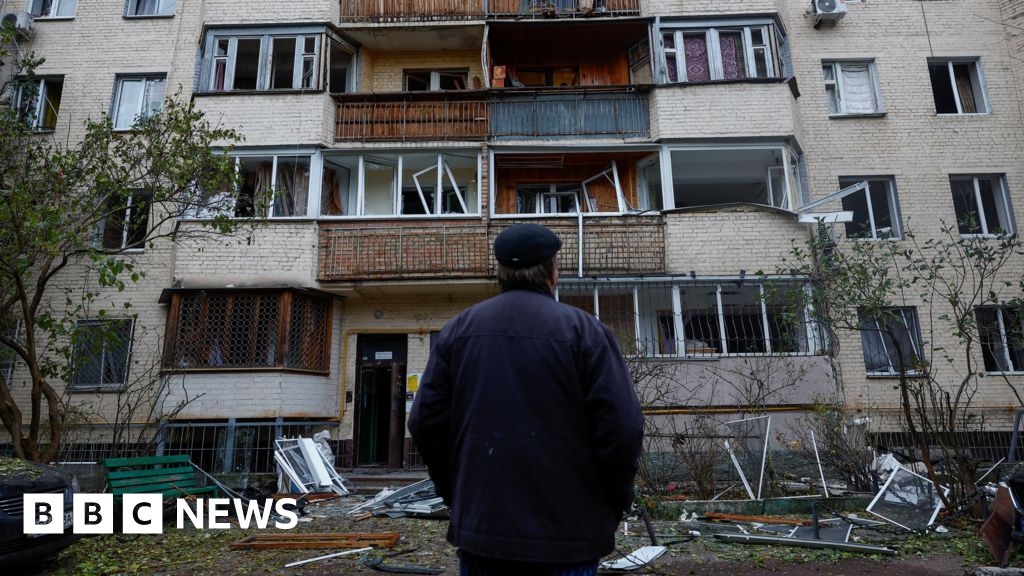
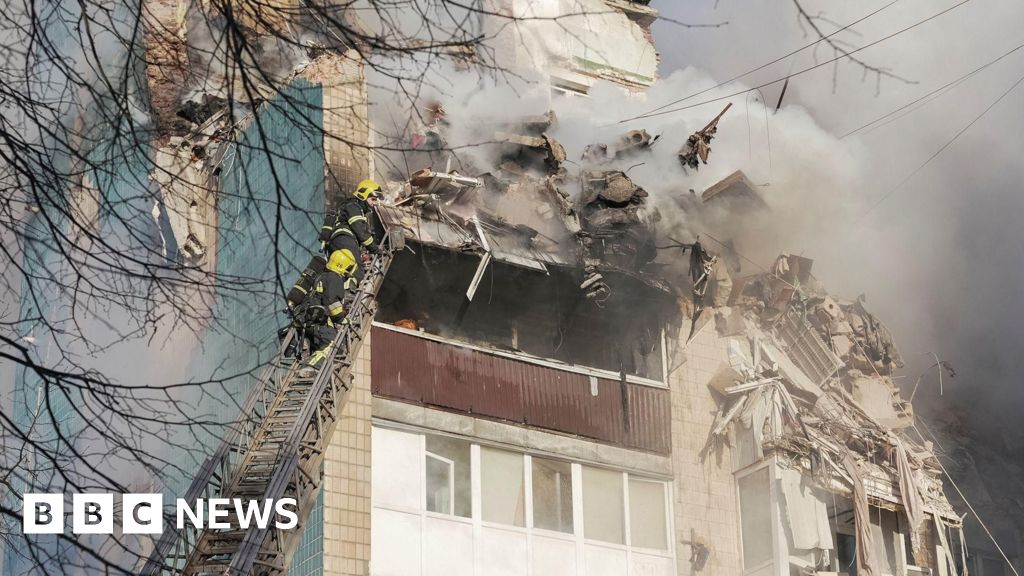
In a stark reminder of the ongoing geopolitical conflict, Ukraine faces darkness and despair following a relentless attack that has left over 600,000 residents in the Kyiv region without power. According to Ukraine’s energy ministry, over 500,000 individuals in the capital are grappling with the loss of electricity in the wake of Russian missile and drone strikes targeting critical energy infrastructure. The strikes, which involved approximately 36 missiles and nearly 600 drones, are part of a broader escalation by Russia aimed at crippling Ukrainian resilience—especially as winter’s cold begins to set in. The outbreak of violence underscores a brutal strategy: weaken Ukraine’s ability to sustain itself, and thus, bend it to Moscow’s geopolitical will.

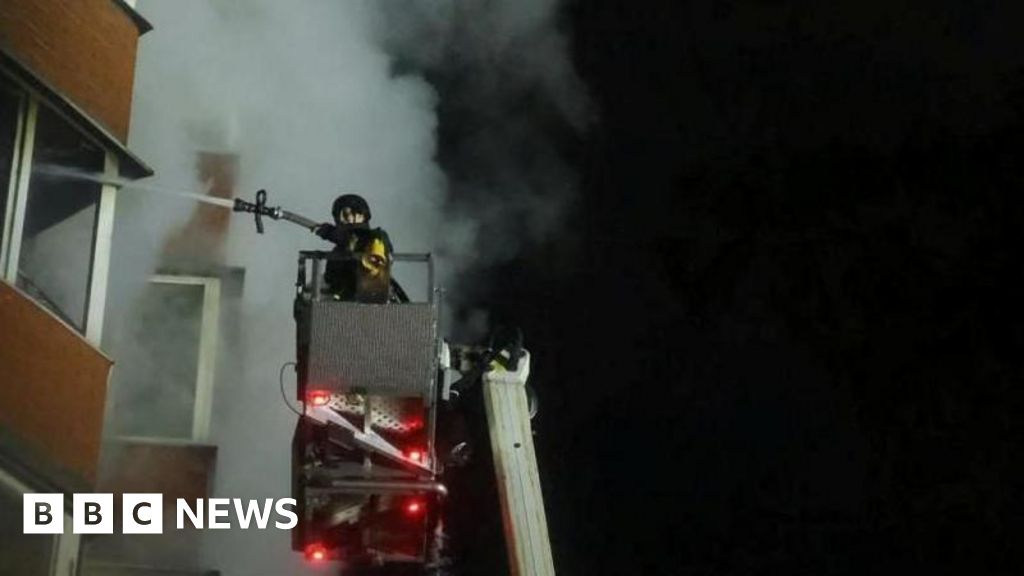
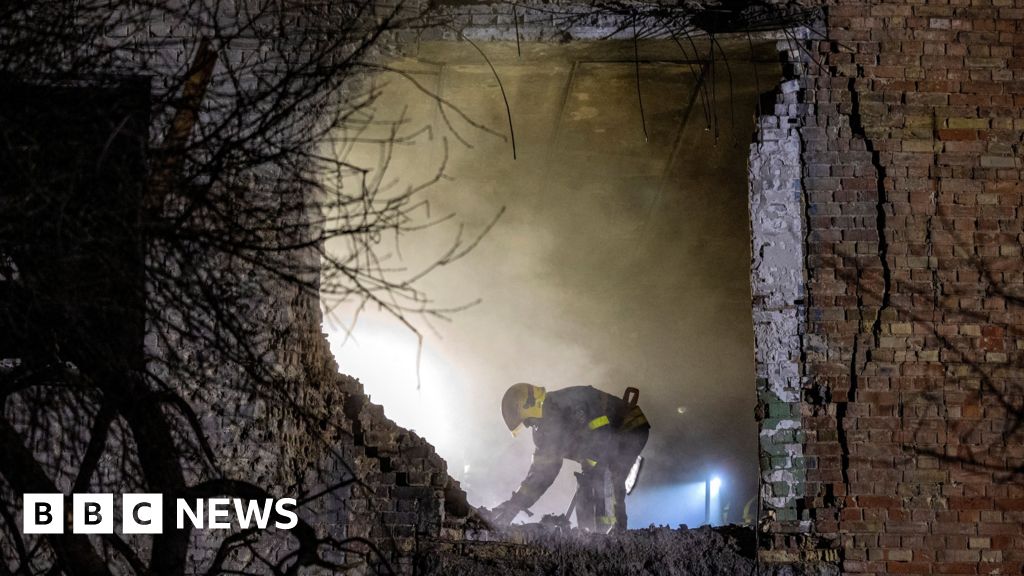
For Russia, these attacks are presented as a “massive strike” against Ukraine’s military-industrial complex and energy supplies, as per the Russian defense ministry. However, these targeted strikes extend beyond military objectives, hitting residential buildings and causing civilian casualties, including a 13-year-old injured during the latest assault. Ukrainian authorities report 29 injuries in Kyiv alone, with emergency services battling to contain the chaos. Despite Kyiv’s assertion that their air defenses shot down 558 drones and 19 missiles, the scale of destruction vividly illustrates Moscow’s refusal to cease its campaign of terror. The targeting of civilian infrastructure not only devastates communities but also seeks to undermine morale, especially with the harsh winter forecast that will see Kyiv temperatures plummet below freezing, putting vulnerable populations at further risk.

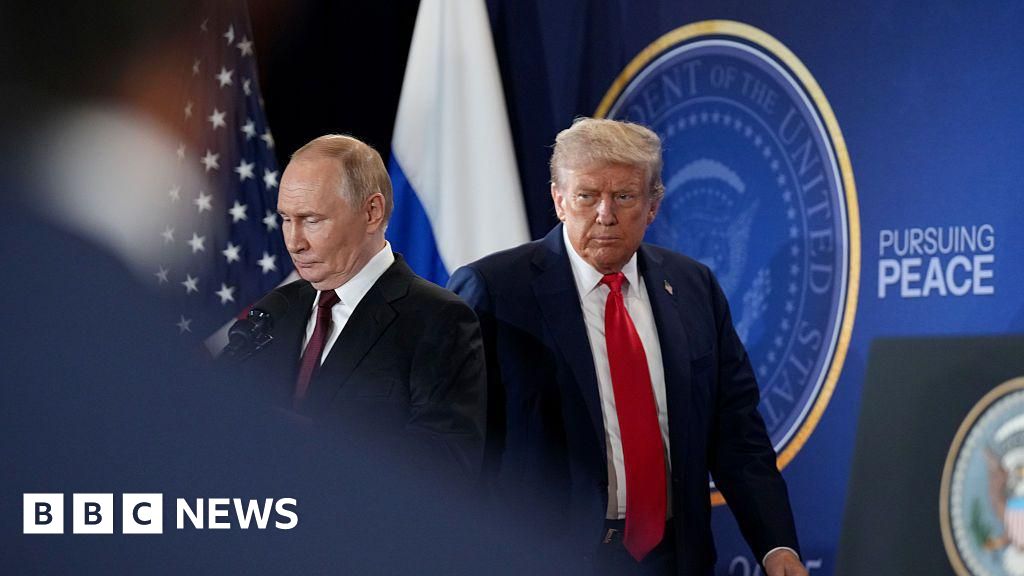
This latest escalation arrives amid clandestine diplomatic talks, with Ukrainian negotiators preparing to meet with U.S. officials this weekend. International diplomatic efforts, including a proposed draft peace plan spearheaded by President Donald Trump, aim to find a resolution—though both sides remain entrenched in their respective war aims. While Kyiv stresses the importance of safeguarding sovereignty and defending its territory, Vladimir Putin has reiterated a hardline stance: Russia will only cease operations if Ukrainian forces withdraw from territories Moscow claims as its own. This rigid stance, combined with Moscow’s control of most of the Donbas, and parts of Zaporizhzhia and Kherson, underscores a dangerous deadlock that risks prolonged suffering.

Many analysts warn that these armed confrontations serve as a microcosm of a larger global contest for influence. Historians suggest that this conflict is not merely a regional dispute but a pivotal moment shaping international norms and power structures. The European Union and the United States have called for a frozen front along existing lines, but with Moscow’s recent escalation, such an outcome seems increasingly elusive. As the world watches, the weight of history presses heavily on the shoulders of leaders, whose decisions could either usher in a fragile peace or deepen the chaos—leading towards a future written by war, resilience, and unresolved tensions that threaten to redefine international order itself.

In the shadow of winter’s bleakness, the true cost of these decisions remains unseen by many but felt profoundly by those suffering in Ukraine. As history’s pages turn, the question remains: will diplomacy prevail, or will the relentless tide of conflict forge an unyielding new chapter in a world teetering on the edge of chaos? The weight of this moment is a stark warning—what is decided today will echo through generations to come, shaping the destiny of nations and societies alike.
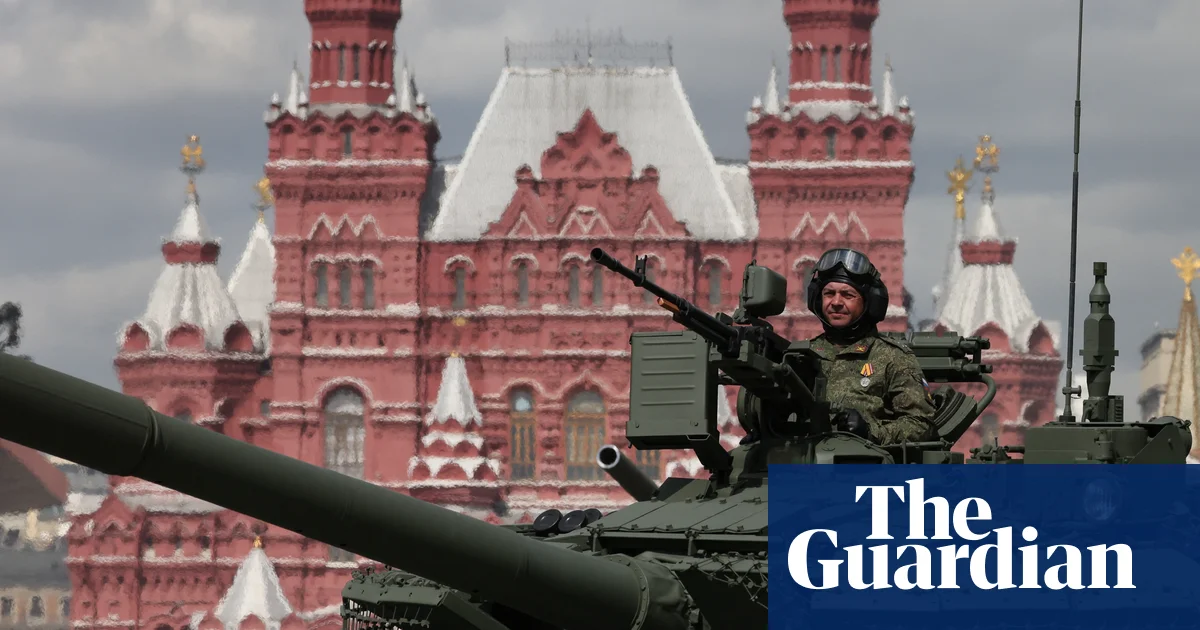
Europe Finds Its Backbone: Standing Strong Against Russian Aggression in Ukraine

In recent weeks, Europe’s geopolitical landscape has been marred by dramatic disclosures and strategic recalibrations that threaten to reshape the continent’s future security posture. European leaders, led by Kaja Kallas, the EU foreign policy chief, have underscored a stark historical reality: Russia’s record of invasions spans nearly a century, affecting 19 states on 33 occasions. This historical context, drawn from Kallas’s own meticulous research, aims to reinforce a core European concern — that Russian imperialism persists beneath the veneer of post-Soviet diplomacy. Such revelations spotlight the enduring threat posed by Vladimir Putin’s regime, whose refusal to confront its brutal past fuels continued aggression and destabilizes the European order.

Support for this alarm was echoed by other Western leaders, including Germany’s Johann Wadephul and France’s Emmanuel Macron. Wadephul warned that Russia is strategically positioning itself to potentially threaten NATO as early as 2029, amid a ramp-up of nearly one new division a month devoted to targeting Europe and the United States. Macron, describing Russia as “a constant destabilizing power,” emphasized Putin’s relentless effort to revise borders and extend his influence at Europe’s expense. These grave assessments are not mere rhetoric but serve as warnings of an evolving security threat that Europe cannot ignore. Complementing their concerns, UK Prime Minister Keir Starmer stressed that without firm deterrence, Putin’s ambitions to expand once again would inevitably materialize, dragging Europe into a perpetual cycle of conflict.

Meanwhile, the landscape in Washington appears increasingly divided. Unlike the resilient European consensus, US isolationists such as property developer Steve Witkoff and some former Trump officials have discounted Russia’s expansionist motives, proposing a distorted view that portrays Putin as a proponent of peace. Witkoff’s admission that he watched Netflix documentaries to better understand history underscores a troubling trend—a growing skepticism within US political circles about Russia’s true intentions and the threat it poses. Former President Trump’s approach, characterized by offers to reward Russia and avoid severe sanctions, starkly contrasts with European priorities of robust security guarantees. This divergence is shaping a new geopolitical reality, where European security concerns are secondary to a US administration seemingly eager to reconcile with Moscow at any cost.

Crucially, recent revelations of secret US-Russian negotiations—most notably a **28-point plan** aimed at ending the war in Ukraine—have exposed a profound rift. European leaders, including François Hollande and Josep Borrell, decried these plans as an abdication of European sovereignty and a capitulation to Russian demands. Hollande characterized it as a moment of “Europe’s relegation” to a subordinate role under a Russian-American condominium, risking Ukraine’s territorial integrity and future security. Meanwhile, Borrell condemned Washington’s willingness to potentially “sell out” Ukraine’s sovereignty. The plan’s draft, which notably removes critical security guarantees, signals a disturbing trend: the West’s willingness to compromise its principles for a fleeting peace that favors Russian interests.

As history’s pen continues to write, the fate of Ukraine, the stability of NATO, and the moral fabric of European sovereignty hang in the balance. With Putin’s military machine still grinding forward and new diplomatic efforts risking betrayal, Europe finds itself at a crossroads. Will it stand firm against a resurging imperial power, or will inertia and division condemn the continent to a future defined by weakness? As officials weigh options and histories collide, the coming weeks may determine whether Europe continues to play a secondary role in its own destiny or asserts itself as the bastion of sovereignty and security in a world scarred by its past.

Russian missile strikes hit Ternopil, killing 25 in deadly western Ukraine attack

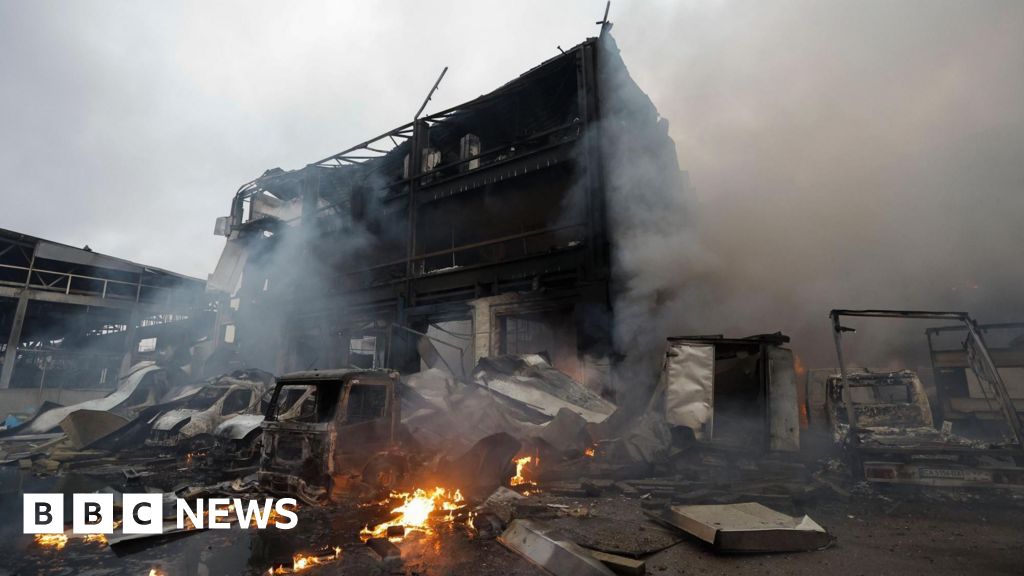
The latest series of attacks in Ukraine underscore the persistent volatility that has defined the ongoing conflict since Russia’s full-scale invasion in February 2022. Attacks targeting civilian populations and critical infrastructure in western Ukraine, notably the city of Ternopil, reveal the brutal reality of a war that shows no signs of abating. According to Ukrainian officials, at least 25 civilians, including three children, lost their lives, with over 70 wounded, many in devastating strikes involving Russian X-101 cruise missiles. As the smoke billows over residential areas and vital infrastructure, the international community faces an urgent question: how long can Ukraine withstand such relentless assault? Analysts warn that with each passing day, the toll on civilian lives and societal resilience intensifies, threatening to fracture the fragile fabric of Ukrainian society.

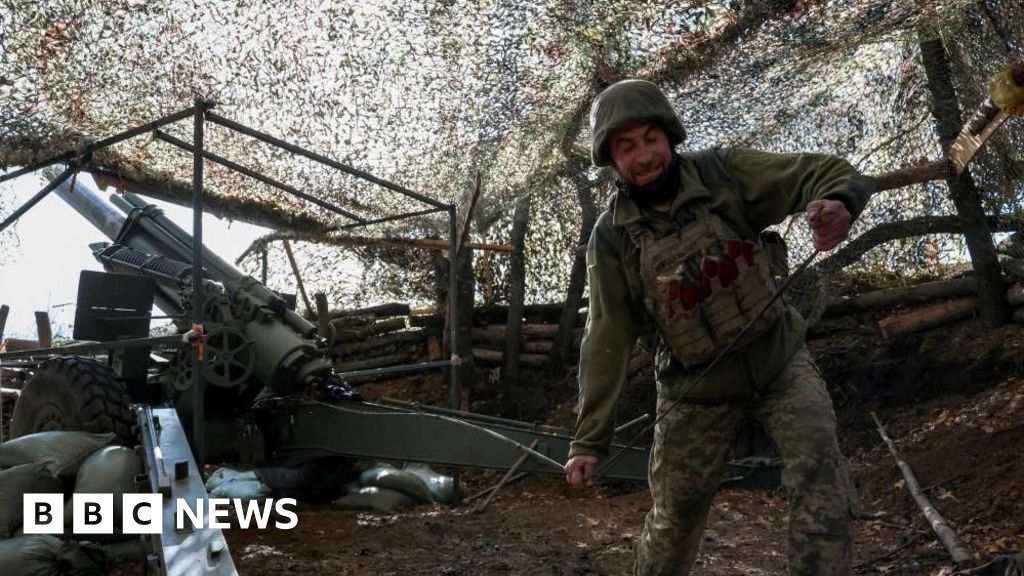
Ukraine’s military efforts, bolstered by Western aid, demonstrate both resilience and strain. Despite claiming to have intercepted 442 of 476 drones and 41 of 48 missiles—some intercepted by F-16 and Mirage 2000 fighter jets supplied by the United States and its allies—the Ukrainian air defenses are stretched thin. Ukrainian officials have openly pleaded for “the uninterrupted and timely supply of aviation weapons,” highlighting the precarious balance of hope and desperation. Henry Kissinger, once considered a voice of diplomatic pragmatism, has warned that the prolonged conflict risks entrenching divisions and feeding into a cycle of violence that could have lasting repercussions beyond Ukraine’s borders. Meanwhile, Moscow’s claims of targeting Ukraine’s military-industrial complex and energy infrastructure serve as a stark reminder that Russia aims to weaken Ukraine’s willpower, logistical capacity, and civilian morale, especially as the approaching winter threatens to turn the conflict into a brutal, cold endurance test.

The escalation in Russia’s strikes on Ukraine’s energy facilities signals an intent to erode the enemy’s resilience. The recent targeting of critical energy infrastructure in Ivano-Frankivsk and Lviv has resulted in blackouts and rationing, further complicating Ukraine’s ability to sustain the war effort and daily life. As the energy grid becomes increasingly vulnerable, international organizations, including the International Energy Agency, have voiced concern about the mounting costs of war—costs that threaten to reverberate through the economic stability of the entire region. Russia’s Defense Ministry asserts its long-range missile strikes are a reaction to Ukrainian attempts to disrupt Russian territory, including the first publicly acknowledged use of U.S.-supplied Atacms missiles inside Russian borders. This escalation pushes the conflict towards a new phase—one where the boundaries of conventional warfare and proxy assaults become dangerously blurred.

On the diplomatic front, efforts to broker peace are intensifying, but progress remains elusive. President Zelensky’s visit in Ankara for talks with Turkish President Recep Tayyip Erdogan signals a strategic move to seek international mediation, yet prospects for a substantive breakthrough remain limited. Reports suggest that the United States is involved in behind-the-scenes negotiations, with special envoy Steve Witkoff working with Moscow’s Kirill Dmitriev on potential peace initiatives. However, the Kremlin, led by Dmitry Peskov, remains intransigent, declining to send representatives and dismissing rumors of an active peace process. As NATO allies reinforce their support, deploying jets to Poland and increasing military aid, the risk of broader regional destabilization grows. The world watches as Russia’s demands for Ukraine’s neutrality and limits on its military capabilities remain unchanged—an uncompromising stance that prolongs the conflict and threatens to ignite a wider war.

With the upcoming fourth anniversary of the invasion looming, the stage is set for an uncertain future, where history seems poised to judge the choices made on the battlefield and in diplomacy. As civilians endure daily suffering and nations brace for intensified clashes, it becomes increasingly clear that the forces at play are reshaping the geopolitical landscape. The question remains: will diplomacy thaw the frozen conflict, or are we witnessing the birth of a new brutal epoch where history’s penmanship is written in smoke, fire, and the unyielding will of nations forging their own destinies?

Russian push ramps up near crucial Ukrainian town, army chief warns

Ukraine under Siege: The Battle for Pokrovsk and Its Global Significance

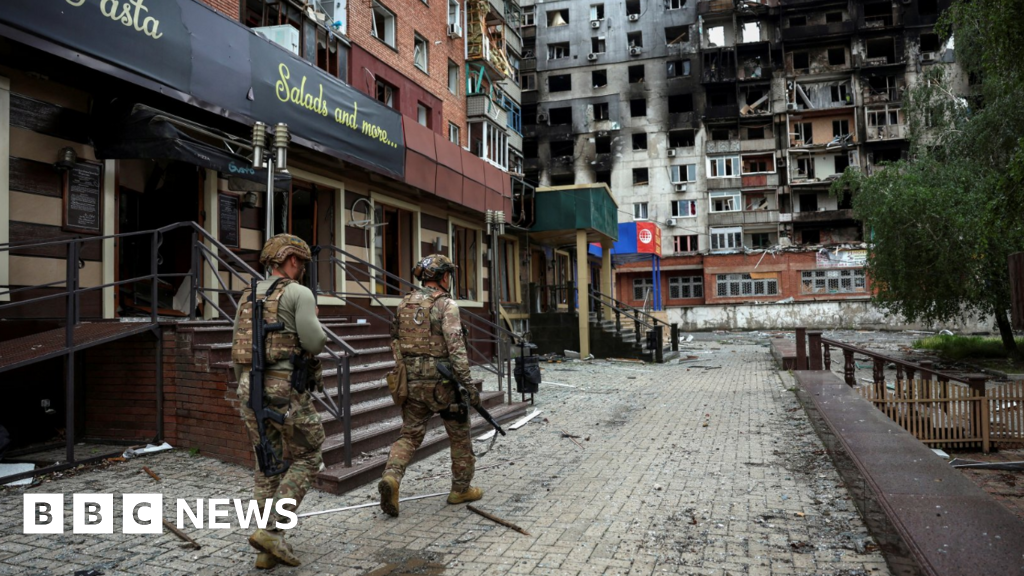
Amid the ongoing conflict in Ukraine, recent reports signal a disturbing escalation around the vital frontline town of Pokrovsk in the Donetsk region. Ukraine’s armed forces, led by Commander-in-Chief Oleksandr Syrskyi, have warned that Russian activity is intensifying, with Russian infantry massing and attempting to encircle the city. These developments are not merely localized skirmishes; they are a critical piece in the larger chessboard of Russia’s strategy to seize control of strategic transport and supply hubs in eastern Ukraine. The town’s fall could pave the way for Russian advances toward Kramatorsk and Sloviansk, the only significant Ukrainian-controlled urban centers still resisting in the region. This potential shift in control would significantly undermine Ukraine’s territorial integrity and complicate Western support efforts.

Official Ukrainian sources and independent analysts have painted a picture of a fierce and dynamic confrontation. Ukrainian General Syrskyi dismissed rumors of a blockade as propaganda, emphasizing that Russian forces are maneuvering around the town, seeking to infiltrate and weaken Ukrainian defenses. Despite the heavy Russian troop buildup, Ukrainian commanders are focused on maintaining a delicate balance—aiming to protect their soldiers while preventing encirclement. The situation remains “difficult,” according to Syrskyi, as Russian forces have been relentless in attempting to infiltrate deeper into Pokrovsk; some reports suggest the city is teetering on the brink of crisis. The battle for Pokrovsk symbolizes a broader struggle—one that involves not only regional territorial control but also the fight for world perception and geopolitical influence.

Meanwhile, international voices and intelligence assessments underscore the gravity of these developments. Ukrainian President Volodymyr Zelensky publicly declared Pokrovsk the “main target” of Russian advances and claimed Russia’s forces there are outnumbering Ukrainian defenders by a staggering ratio—eight to one. Zelensky asserted that Russia’s true aim is to demonstrate to the United States and NATO that Ukraine is on the retreat, a narrative Moscow desperately seeks to sell to bolster its strategic narrative. Analysts from organizations like Sybelline warn that the battle has entered a “highly dynamic and intense phase,” with Russian forces incrementally encircling and disrupting Ukrainian supply routes. Ukrainian monitoring groups suggest that time is running out—Pokrovsk is at a tipping point, and its loss could have rippling effects across the entire eastern front.

The stakes extend far beyond the battlefield. This confrontation encapsulates a broader geopolitical struggle—a symbolic battleground where Russia seeks to fracture Ukraine and redefine regional power balances, challenging the responses of Western allies. The international community, including NATO, watches anxiously as the outcomes here will determine whether Ukraine can withstand Russian pressure or if the tide will turn, forcing a reevaluation of Western support. This is a moment where history is not merely being written; it is being forged amidst gunfire and diplomacy, with the world hanging in a delicate balance. As the drums of war beat louder, global observers must ask—how will this chapter conclude, and what new order will emerge from the ashes of this relentless and pivotal confrontation?

Russian forces seize key Ukrainian town of Pokrovsk, strengthening their hold in the region

The ongoing conflict in Ukraine has reached a critical juncture, as Russian forces embed themselves further into the eastern frontlines. Reports emerging from Ukrainian President Volodymyr Zelensky indicate that Russian troops have gained a strategic foothold in the city of Pokrovsk, a vital logistical hub whose control could dramatically alter the regional balance of power. With Moscow’s forces outnumbering Kyiv’s by a staggering 8-to-1 in this sector, the situation underscores the extreme odds faced by Ukraine’s defending forces. The city’s importance cannot be overstated; it’s a linchpin for supply chains, troop reinforcements, and the broader effort to consolidate Moscow’s hold on the Donetsk region. If Russia succeeds in capturing Pokrovsk, it would close the gap to the heavily fortified towns of Kramatorsk, Slovyansk, and Kostyantynivka. These towns form a “fortress belt” that now sits perilously close to Russian missiles and infantry — an ominous sign of how the conflict may escalate further.

Analysts and military experts warn that this push points to a wider geopolitical shift, reflecting Moscow’s intent to solidify territorial gains under a veneer of strategic patience. Ukrainian officials, however, remain defiant, with President Zelensky refusing to accept outright defeat, even as the city undergoes relentless fierce fighting. Videos showing drone surveillance and reconnaissance indicate around **200 Russian soldiers** are within Pokrovsk, while Ukrainian defenders claim that Russian claims of encirclement are misleading. Ukrainian soldiers emphasize that technological warfare—particularly the use of drones—has transformed combat, making traditional encirclement tactics less relevant and more dangerous. These technological advancements highlight just how much modern war relies on precision and intelligence, which can shift the tide in an instant. Nonetheless, the high stakes are clear: control over Pokrovsk could serve as a turning point, potentially giving Russia an open route into Ukraine’s vital eastern heartland.

Meanwhile, the broader international response remains mixed, with Europe and the United States caught in a complex web of aid, sanctions, and diplomatic negotiations. Kyiv is calling for increased military and financial support, warning that its defenses are weakening and that prolonged fighting could threaten its sovereignty. Zelensky’s plea for allies to back Ukraine for an additional two or three years hinges heavily on the potential seizure of frozen Russian assets—an estimated €140 billion—that remains blocked at the EU summit, primarily due to legal and political hurdles. As the conflict drags into its fifth year, the European Union and allied nations find themselves at a crossroads: support a fragile democracy fighting for survival, or risk allowing Russian expansion to metastasize further into Eastern Europe. The ongoing debate over aid underscores the profound geopolitical impact—decisions made now will echo across generations, shaping the structure of Europe and beyond.

With President Zelensky working tirelessly to rally Western support, hopes hinge on bold diplomatic moves. The recent anticipated meeting between US President Donald Trump and Chinese leader Xi Jinping holds particular significance. Zelensky has expressed hope that China will reduce its support for Russia, potentially tipping the scales in Kyiv’s favor amid sanctions targeting Russian energy giants like Lukoil and Rosneft. Trump’s recent sanctions and appeals for Turkey and China to halt Russian oil imports demonstrate a strategic effort to exert economic pressure, aiming to weaken Moscow’s military capabilities. Yet the tides of history are shifting unpredictably. As the world watches Ukraine’s fate hang in delicate balance, the realization dawns: this conflict is not just a territorial dispute but a clash for the future direction of global power—a moment that might define the 21st century. The story of Pokrovsk, Ukraine, and the relentless struggle for sovereignty is still being written, with each decision edged into the annals of history—an echo of how nations choose their destinies in the face of adversity.

Kyiv Hit by Russian Strikes, 3 Dead—Ukrainian Officials Warn of Escalating Threat

The ongoing conflict between Russia and Ukraine continues to ripple across the geopolitical landscape, with recent events underscoring the profound shifts in international stability and security. In Kyiv, the city lies haunted by the echoes of war, as Russian air strikes have claimed lives and damaged vital infrastructure. The Kyiv mayor Vitali Klitschko confirmed that three civilians fell victim to a Russian drone attack, destroying residential buildings and injuring dozens, including children. These strikes serve as a stark reminder of how the conflict is increasingly targeting civilian populations and urban centers, escalating fears of a protracted and devastating struggle.

Meanwhile, tensions are flaring beyond Ukraine’s borders, as Moscow reports intercepting drones en route to its capital — an ominous sign of the conflict’s expanding theatre. Russian authorities claim to have destroyed two drones over Moscow, amid an intensified wave of drone and missile assaults targeting civilian infrastructure. This strategic escalation appears designed to threaten the heart of Russia’s own cities and demonstrate its resolve in confronting Western-backed Ukraine. Notably, Moscow has ramped up attacks on critical energy infrastructure and civilian targets, forewarning of a harsh winter where power shortages could deepen societal fractures within Russia, enflaming domestic unrest and challenging Putin’s grip on power.

What is particularly alarming is the evolving nuclear dimension in Moscow’s military posturing. Russia announced a test of an experimental nuclear-powered missile capable of potentially evading missile defenses, fueling fears of a new arms race and ushering in an era where nuclear threats are being openly tested as a geopolitical tool. Such developments have prompted international analysts, including the Stockholm-based Stockholm International Peace Research Institute, to warn of an erosion of strategic stability, with some experts speculating that a new Cold War dynamic might be emerging. Simultaneously, Russia’s test appears to be a calculated message to both NATO and Western powers: it signifies that Moscow remains committed to escalating its military capabilities despite mounting international isolation.

Diplomatic efforts, meanwhile, seem caught in a muddle, with President Zelensky willing to consider a **ceasefire** that stops short of Ukrainian territorial withdrawal, a move seen as a *possible step* toward negotiations by some analysts, but dismissed by many Russian officials as insufficient. Recent meetings in Washington and Brussels have seen Western leaders pledge increased sanctions and military aid, yet tangible progress towards peace remains elusive amid Russia’s relentless aggression. The Ukrainian conflict thus stands at a crossroads: a war of attrition where each side’s strategic ambitions threaten to redraw the map of security in Europe and beyond. History, as some experts remind us, will not be kind to those who fail to grasp the gravity of this moment, for a world on the brink of escalation now bears witness to tumult that could very well shape the next century.

Trump’s Sanctions Hit Fast — Will Europe Stop Buying Russian Oil and Gas? | Energy Giants

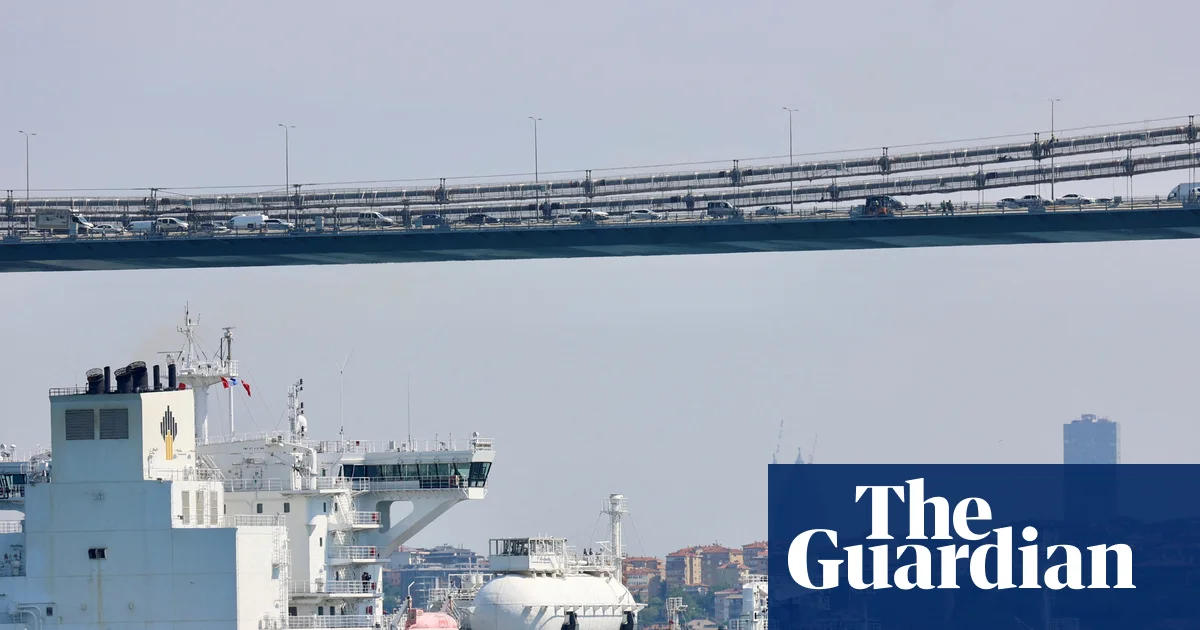
In a bold move that could redefine the geopolitical landscape, Donald Trump recently imposed sweeping sanctions targeting Russia’s two largest oil companies, Rosneft and Lukoil. This strategic effort seeks to choke off Moscow’s primary revenue stream fueling its ongoing conflict in Ukraine. Analysts highlight that Trump’s decisive action marks a stark contrast to the often cautious or diplomatic approach of the European Union over the past six months. According to Tom Keatinge, the influential director at the Centre for Finance and Security (CFS), Trump’s willingness to wield the “sanctions hammer” has demonstrated a level of resolve that could have profound consequences for Moscow and global energy markets. By targeting the financial backbone of Russia’s fossil fuel exports, Washington aims to weaken Moscow’s capacity to sustain its war effort, while simultaneously asserting American influence in the international arena.

The immediate repercussions have been notable. The global oil price surged by approximately 6%, signaling a volatile reaction in energy markets. Simultaneously, Russia’s crude oil deliveries to key Asian markets—namely India and China—faced abrupt halts. Experts from the Centre for Research on Energy and Clean Air (Crea) warn that these disruptions could be financially devastating for Moscow. With over 86% of Russia’s crude exports heading to China and India since the onset of the Ukraine conflict, the potential loss of access to these markets threatens to slash Russian monthly revenues by billions of dollars—roughly $7.4 billion—impacting Kremlin’s war chest and reducing its capacity to fund its military operations. While these measures have caused a significant dip in Russian fossil fuel export revenues—down by 50% compared to September 2022—the emergency shifting of shipments through shadow tankers underscores a resilience that complicates Western efforts to fully isolate Russia economically.

This economic coercion opens a new chapter in the ongoing struggle over energy resources. While President Trump’s sanctions are targeted, their ripple effects are impacting not only Russia but also global power balances. The European Union, once heavily dependent on Russian gas and oil, now faces a paradox: a formal pledge to phase out all Russian fossil fuel imports by 2027, yet continued reliance on existing supplies. Major EU nations like Hungary and Slovakia persist in importing Russian gas, with France, Belgium, and the Netherlands maintaining residual ties. This persistent dependence has drawn sharp criticism from analysts and historians alike, who argue that Europe’s reluctance to fully sever ties with Moscow constitutes a “disgraceful stain” on its geopolitical integrity. The EU’s ongoing reliance on Russian LNG—comprising approximately half of Russia’s LNG exports—ensures that, despite political rhetoric, Moscow continues profiting from Europe’s energy needs, thus prolonging the conflict’s human toll and undermining efforts for a sustainable peace.

Most revealing is the long-term strategic gamble Trump’s approach epitomizes: leveraging economic measures to foster peace and realign global energy flows. While critics warn that much depends on strict enforcement and response from other energy-dependent nations, some analysts, like Keatinge, remain cautiously optimistic. “Never bet against Trump,” he states, hinting at the unpredictable yet potentially transformative power of decisive leadership. As the world watches, the unfolding confrontation over fossil fuels echoes an enduring truth: the decisions made today forge the legacy of future generations. Whether the sanctions will finally curtail Moscow’s war machine or simply accelerate a shadowy fight in the shadows of the global oil trade, one thing remains clear—history is being written in the oil fields and on the geopolitical stage, and the outcome will shape the fate of nations for decades to come.

EU poised to back plan turning frozen Russian assets into Ukraine aid—strengthening our stance and protecting our future.

In a move that could reshape the geopolitical landscape of Eastern Europe and the broader West, European leaders are convening in Brussels this Thursday to endorse a highly contentious plan. The proposal involves leveraging frozen Russian assets—estimated at over €210bn—held by Euroclear, a Belgium-based financial institution, to fund Ukraine’s ongoing struggle against Russian aggression. Dubbed a “reparations loan” by EU officials, this initiative represents an audacious attempt to redirect Moscow’s own money to bolster Kyiv’s defense and reconstruction efforts amid the war’s grim fifth year.

  • The EU’s plan seeks to transfer €140bn worth of Russian State assets frozen since February 2022, which were originally held in sovereign bonds—a form of government loan that Russia cannot currently access due to sanctions.
  • EU officials argue that redirecting these assets is necessary to support Ukraine, which faces an estimated reconstruction bill exceeding $486bn, according to UN and World Bank assessments.
  • However, legal complexities abound—international law explicitly prohibits outright confiscation of sovereign assets, posing a significant obstacle to such a bold move.

Despite these hurdles, proponents like Poland, Scandanavian countries, and the Baltic states see this as a historic opportunity to exact what many consider rightful reparations. They argue that Russia’s economic ties to Western institutions have been exploited, and now those frozen assets should be used for Ukraine’s moral and strategic justice. Conversely, nations like Germany have expressed reservations, emphasizing the need for broad consensus and cautioning against unilateral action that could ignite retaliatory measures from Moscow. Critics warn that the move risks significant destabilization of global financial stability and could set a dangerous precedent—potentially undermining the reliability of safe-haven assets held in Europe.

How Would the Plan Work?

The EU’s strategy involves a legal loophole: since sovereign assets are not technically seized but merely frozen, the bloc seeks to “borrow” these funds by issuing an IOU backed collectively by EU member states—an approach designed to sidestep international law’s restrictions. This move aims to provide immediate liquidity to Ukraine, which demands ongoing financial support as the war grinds into its fifth year. Though the EU is currently using the interest from the frozen assets—up to €3bn annually—supporting Kyiv directly with the principal amount represents a significant escalation. The plan hinges on Kyiv securing a definitive victory and Moscow accepting reparations, a scenario that remains uncertain and controversial among legal experts and international analysts.

The potential for this plan to reshape international financial norms has sparked fierce debate. Reckoning with the legal and diplomatic fallout, critics emphasize the importance of respecting international law’s core principles, warning that any appearance of asset confiscation could undermine the trustworthiness of Europe’s financial institutions. Should Moscow challenge the move legally, the risk of retaliatory measures—including economic retaliation against European companies—looms large. Russia’s ambassador to Italy, Alexey Paramonov, dismisses the idea as “theft of the century,” warning it could precipitate a cycle of hostility and destabilize Western financial stability.

Implications for the Future

The decision’s ultimate success or failure will depend heavily on Russia’s response and Kyiv’s ability to harness such aid efficiently. While supporters see this as a moral imperative—a way to hold Moscow accountable—it raises profound questions about the future of sovereign assets and international justice. With the support of key nations, yet opposition from others, the EU faces a dilemma of historic proportions: to act decisively and perhaps risk tearing the fabric of international law or to hold back and face the grim reality of Ukraine’s an ever-increasing reconstruction bill and a war that seems to threaten Europe’s very stability. The outcome remains shrouded in uncertainty, but one thing is clear: history’s pen is poised, and a new chapter in global geopolitics is being written—one that may define the course of nations for generations to come.

US sanctions Russian oil firms after Putin talks stall

Washington Strikes at Russian Oil Giants in Push for Peace in Ukraine

In a bold move emblematic of its recent aggressive stance, the United States has announced new sanctions targeting Russia’s two largest oil companies, Rosneft and Lukoil. The aim is to leverage economic pressure to compel Moscow into abandoning its military campaign in Ukraine. Treasury Secretary Scott Bessent asserted that these measures are vital because these firms, which export approximately 3.1 million barrels of oil daily, serve as key funding sources for the Kremlin’s war effort. Analysts emphasize that these sanctions could considerably diminish Russia’s ability to sustain its offensive along Ukraine’s front lines, potentially reshaping the battlefield dynamic.

President Donald Trump articulated a firm hope that the sanctions will produce a diplomatic breakthrough, emphasizing that they are “tremendous” and could be swiftly revoked if Russia ceases hostilities. He expressed frustration with Vladimir Putin‘s reluctance to engage in honest peace negotiations, highlighting that despite numerous conversations, “they don’t go anywhere.” Meanwhile, European NATO allies and UK officials are rallying behind these efforts, with the UK announcing a similar sanctions package that aims to dismantle Russia’s energy capabilities and curb its economic influence.

However, Russia has responded with fierce rhetoric, condemning the sanctions as threats that could destabilize global fuel markets and harm developing economies. Putin’s government, through Russia’s embassy in London, has warned that targeting energy firms like Rosneft and Lukoil risks disrupting global supplies and escalating tensions further. According to estimates from the UK government, these oil giants are responsible for nearly half of Russia’s oil output—an integral part of the Kremlin’s economy, heavily dependent on energy exports to countries such as China, India, and Turkey. Historically, these nations have served as vital Russian economic partners, and any disruption to this trade could have profound geopolitical repercussions, challenging the Western narrative of economic strangulation as a tool of diplomacy.

Adding complexity to the scenario is the broader international effort to broker peace. The NATO allies and Ukraine have proposed a 12-point plan, seeking to freeze current front lines, recover deported children, and facilitate prisoner exchanges—all with an eye toward a future European integration for Ukraine. Turning points like these represent critical junctures where treaty diplomacy and military aid could determine the course of history. Yet, persistent tensions remain, especially as Russia refuses to back down, demanding the withdrawal of Ukrainian forces from the Donbas region. The Putin-led government views recent Western sanctions as part of a broader effort to weaken Moscow’s global standing and economic sovereignty—further fueling an already volatile geopolitical climate.

As history continues to unfold in this high-stakes struggle, the words of historians warn of the perils of miscalculated escalation. The decisions made today, driven by economic warfare, diplomacy, and military support, will resonate through generations. The clash over Ukraine is no longer merely a regional conflict but a definitive contest for influence between East and West. The world watches with bated breath, knowing that the coming months will solidify whether this crisis ushers in a new era of stability or plunges humanity into a path of unforeseen turmoil. In the shadow of shifting alliances and mounting pressures, the weight of history is poised to be written—each act shaping the legacy of an uncertain tomorrow.

Six Lives Lost as Russian Drone and Missile Attacks Hit Ukrainian Cities

The ongoing conflict in Ukraine has entered a perilous new chapter, with recent Russian drone and missile strikes tragically claiming lives and unleashing chaos across the Ukrainian landscape. Ukrainian President Volodymyr Zelensky confirmed that at least six civilians had been killed, including two children, underscoring the brutal toll that escalation in hostilities continues to exact on innocent lives. The strikes, which targeted major cities including the capital Kyiv, also wounded 21 individuals and caused widespread destruction. The relentless barrage of attacks, including the targeting of energy infrastructure, signals a strategic effort by Moscow to destabilize Ukraine’s resilience and morale amid a deteriorating battlefield.

In the broader geopolitical context, the international community observes these events with mounting concern. The United States recent decision to abruptly shelve a planned summit with Vladimir Putin in Budapest exemplifies waning diplomatic engagement, with President Donald Trump citing a desire to avoid “a wasted meeting.” This diplomatic withdrawal highlights a significant shift in Western strategies—favoring pressure and military aid over dialogue, even as Russia dismisses calls from both Trump and European leaders to enact a ceasefire. Such decisions are poised to ripple through global alliances, complicating efforts for a unified response to Moscow’s military campaign.

Meanwhile, Ukraine’s military has intensified its defensive operations, notably targeting key Russian military infrastructure. The recent Ukrainian attack on a chemical plant in Russia’s Bryansk border region, facilitated by UK-supplied Storm Shadow missiles, represents a turning point in Ukraine’s tactical approach. Ukrainian officials describe the strike as successful, successfully penetrating Russian air defenses and compromising a site that produces components crucial for Moscow’s missile and artillery operations. Zelensky reaffirmed his strategic stance, emphasizing that the lack of long-range missile aid from the West has diminished Russia’s diplomatic interest. The Ukrainian leader’s insistence on military support underscores a broader debate about Western commitments and Ukraine’s right to self-defense amidst a conflict marked by relentless escalation.

As Kyiv reels from recent targeted assaults, including the tragic loss of civilians—a six-month-old baby among the victims—the conflict’s toll resonates beyond Ukraine’s borders. The wider geopolitical impact of these developments is profound. Analysts and historians warn that the current trajectory risks a prolonged, perhaps irreversible, destabilization of the European security order. The migration of destruction into civilian domains not only endangers sovereignty but also detonates societal cohesion, prompting fears of a ripple effect that could destabilize neighboring nations and global markets. What the future holds remains uncertain, but one thing is clear—the weight of history is now pressing down, with decisions made today echoing through the corridors of power and the stories of future generations.

Social Media Auto Publish Powered By : XYZScripts.com