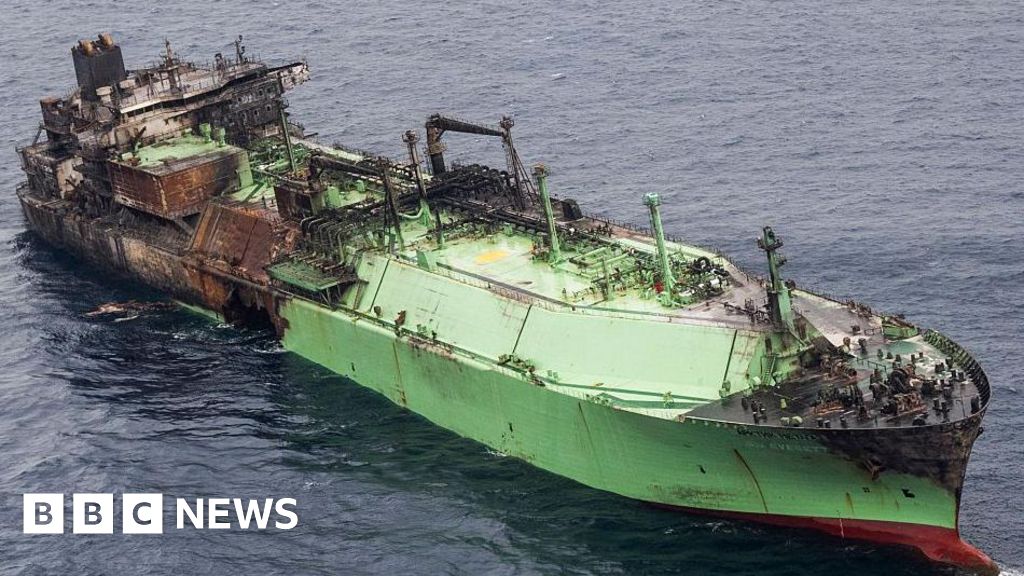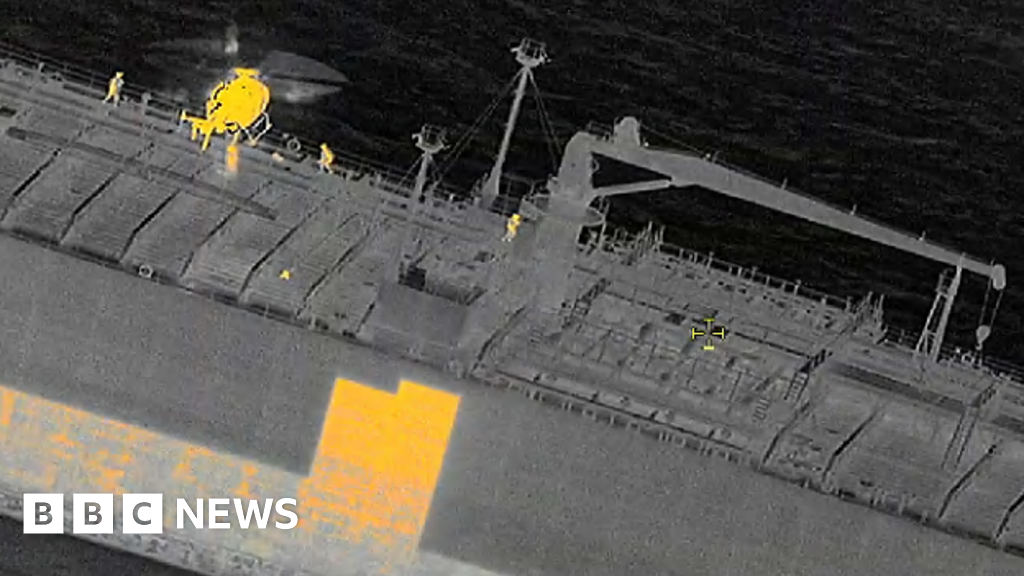

In a rare diplomatic clash that underscores the fragile and often complex web of geopolitical alliances, Ukraine has publicly accused Israel of facilitating the transfer of looted Ukrainian grain to international markets, igniting a debate over sovereignty, international law, and the shifting allegiances in a tense global landscape. The dispute centers around the vessel Panormitis, which Kyiv claims is transporting stolen grain from territories occupied by Russia. This confrontation is indicative of broader tensions—not only within the Eastern European theater but also among global powers navigating a new era of proxy conflicts and shifting allegiances.
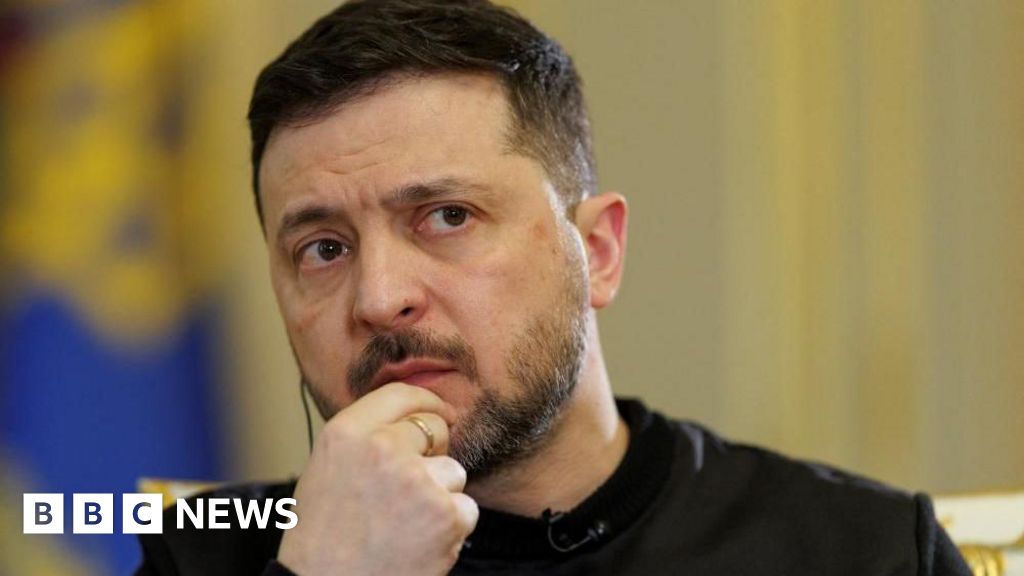
The Ukrainian government, under President Volodymyr Zelenskyy, has called upon Israel to seize the vessel and its cargo, citing repeated violations and suspected material theft. Kyiv’s officials emphasize that this grain was stolen during Russia’s full-scale invasion of Ukraine, adding fuel to an already volatile international debate. Ukrainian prosecutors have explicitly requested Israel to conduct searches, seize documentation, and interrogate crew members, underlining the seriousness with which Kyiv views this alleged looting. The situation signals a potential realignment in diplomatic relations; while Israel maintains a traditionally cautious stance towards openly supporting Ukraine, its dealings with Russia over the past two years—particularly in terms of grain trade—highlight a pragmatic approach shaped by economic interests and regional security concerns.
Israeli Foreign Minister Gideon Saar dismissed Kyiv’s allegations as “Twitter diplomacy,” claiming insufficient evidence to substantiate Ukraine’s claims. Israel’s position reflects a broader pattern of balancing diplomatic ties with both Kyiv and Moscow—a stance that has attracted criticism from Western allies but aligns with Israel’s strategic interests and regional security calculus. European Union officials have taken note of this delicate balancing act, with EU spokesperson Anouar El Anouni expressing concern over reports that a vessel allegedly carrying stolen Ukrainian grain was permitted to dock in Haifa despite Kyiv’s protests. Reports by Haaretz reveal that Israel has been purchasing grain believed to be looted from Ukraine for at least two years, a revelation that risks further complicating Israel’s relations with its Western partners and underscores how economic interests can often override moral and legal considerations in international diplomacy.
This unfolding saga exemplifies the intricate game of international diplomacy in conflict zones, where the division between moral stance and pragmatic necessity often results in ambiguous positions. Historians and analysts warn that such incidents could embolden Russia’s attempts to leverage international markets and maintain influence in regions where Western sanctions and condemnation are intended. Moreover, this dispute highlights a critical question: how geopolitical impact shapes national interests and societal perceptions amidst turbulent conflicts. For Ukraine, it is a matter of national sovereignty; for Israel, a question of regional stability and economic benefit; for Russia, a strategic play to undermine Kyiv and exploit global markets; and for the European Union, a test of its ability to uphold sanctions and enforce international law amid conflicting interests.
As the international community watches with bated breath, the resonance of this conflict extends far beyond the immediate dispute over grain. With global instability escalating and power dynamics constantly shifting, this incident serves as a stark reminder of how history’s pages are being rewritten—often under the shadowy guise of trade and diplomacy. The outcome remains uncertain, yet the message from these turbulent waters is clear: history’s great battles are no longer fought solely on battlefields, but within the corridors of power, diplomatic channels, and the collective conscience of nations, lingering as ominous witnesses to a world still teetering on the brink of transformation.