Matox News

Truth Over Trends, always!

Air Safety Workers Feel the Heat as Shutdown Drags On

Cracks in the Sky: FAA Staffing Shortfalls and System Disruptions Signal Urgent Need for Technological Disruption

The recent turmoil within the United States’ aviation infrastructure has underscored a stark reality: our current air traffic management systems are ill-equipped to handle modern challenges. From the catastrophic January commercial airline incident, which marked the worst in decades, to widespread staffing shortfalls and technological glitches at key airports, industry analysts are sounding alarms. As agencies face cumulative cuts and operational setbacks, the imperative for disruptive innovation becomes undeniable. Leaders like Elon Musk and MIT researchers have long championed the transition from legacy systems to AI-driven automation, recognizing that technological stagnation risks jeopardizing safety and business efficiency.

The crisis extends beyond mere staffing issues; it exposes systemic vulnerabilities that threaten the future of aviation safety.

  • Short-term furloughs impacting 11,300 employees contribute to delays in system repairs and response times.
  • Recent technology failures at major hubs like Newark Airport highlight outdated infrastructure unable to cope with escalating demands.
  • Government shutdowns add political gridlock to operational chaos, creating a perfect storm for disruption.

Experts warn that without rapid adoption of next-gen solutions, the industry could face catastrophic failures reminiscent of early aviation tragedies but on a digital scale—a clear call for innovation-driven disruption. The business implications are profound: reduced efficiency, mounting costs, and increased safety risks could erode public trust, providing fertile ground for insurgent startups and tech giants aiming to redefine airspace management.

Forward-thinking companies, especially those pioneering artificial intelligence, automation, and decentralized control systems, stand at the forefront of this transformation. Industry analysts such as Gartner emphasize the potential of integrating AI and machine learning into ATC systems, promising safer and more efficient operations. Disruptors like Lilium and Volocopter push urban air mobility solutions that could redefine short-haul travel. Meanwhile, mainstream tech giants with aviation ambitions—think Google’s Wing and Tesla’s advances in battery tech—are positioning themselves as critical players in this new era. The opportunity to overhaul a decades-old infrastructure presents a window for entrepreneurs and investors to accelerate rapid development, but the clock is ticking. Without urgent intervention, the risk of falling further behind international competitors—and even risking safety—grows exponentially.

In conclusion, the ongoing difficulties within the U.S. air traffic control ecosystem serve as a resounding wake-up call. The convergence of technological obsolescence, resource scarcity, and political inertia demands a bold strategy rooted in innovation and disruption. Industry leaders, policymakers, and tech innovators must recognize that the future of safe, reliable air travel hinges on revolutionary change—before the skies become too congested or unsafe to manage conventionally. As Peter Thiel once warned, “The capture of key industries by bureaucracies breeds stagnation.” It is now imperative that industry actors seize this moment to forge a new frontier in aviation technology—one that guarantees safety, efficiency, and industry leadership in the decades to come. The urgency is clear: the sky is not the limit; it is the battleground for the next wave of technological supremacy.

Big explosion at Tennessee military plant shakes nearby homes—a wake-up call for safety

Explosion at Tennessee Military Explosives Facility Sparks International Concerns

The recent blast at Accurate Energetic Systems in rural Tennessee marks a troubling escalation in domestic security threats and raises questions about the stability of critical infrastructure within the United States. The powerful explosion, which shook homes miles away and sent debris flying across the site, is a stark reminder of the ongoing vulnerabilities faced by nations dependent on complex military supply chains. While initial reports confirm that emergency responders are still assessing the situation, the incident’s ripple effects are already being felt beyond local borders, as international security analysts speculate on potential geopolitical ramifications.

The incident took place at a key site near Bucksnort, approximately 60 miles southwest of Nashville. Experts suggest that the blast’s magnitude signals not only potential safety lapses but also a concerning deterioration of domestic defense preparedness. Historically, such incidents—especially at military-grade manufacturing facilities—are rare but carry profound implications. They signal vulnerabilities that could be exploited by adversaries or malicious actors, especially amid rising global tensions. Prominent geopolitical analysts have pointed to this event as a warning shot, illustrating how fragile the perceived safety of critical production sites really is in an increasingly uncertain global landscape.

International Implications and Rising Tensions

While the United States deals with this localized industrial incident, the global geopolitical stage is simmering with conflicts, disputes, and strategic shifts. Organizations such as NATO and the United Nations continuously monitor how domestic vulnerabilities could impact international stability. Historically, events like these—when they occur within controlled military productions—offer insights into a nation’s ability to withstand internal threats. The timing of this explosion is particularly notable in an era where international powers are increasingly concerned about proliferation, sabotage, and cyber-attacks aimed at undermining national security.

Recently, Russia and China have stepped up efforts to leverage internal vulnerabilities within Western alliances, emphasizing the importance of resilient infrastructure. Such incidents in the United States could be exploited by hostile foreign powers or terrorist organizations seeking to erode confidence in American security measures. The international community is thus paying keen attention, with some analysts warning that this is *not* merely an industrial accident but potentially a sign of deeper, more insidious threats that are actively evolving in the shadows of global diplomacy.

Consequences for Society and Policy

  • The blast raises urgent questions about industrial safety regulations and the adequacy of security protocols protecting military manufacturing sites—crucial for national defense.
  • The incident underscores the importance of robust intelligence and surveillance to prevent sabotage or malicious infiltration of strategic facilities, especially amid a wave of cyber and physical threats.
  • It signals to allied nations that internal stability and security are essential pillars for maintaining global influence and protecting shared values against rising authoritarian challenges.

While authorities investigate the cause of the explosion, the world watches with a sense of foreboding. This event serves as a stark warning that, as the global order shifts and chaos looms in geopolitical arenas from the South China Sea to Eastern Europe, the foundations of national security are more vulnerable than ever. The echoes of this blast will resonate through diplomatic corridors and military strategy rooms for years to come, shaping policy and perception in a world where stability is fragile and history is still being written.

Europe’s skies at risk: Cost cuts and staff shortages threaten air safety, warns industry study

In a sobering revelation that casts doubt on the future of European aviation safety standards, a comprehensive study by Ghent University exposes dangerous shifts within the airline industry driven by relentless cost-cutting and corporate greed. As airlines prioritize profits over personnel welfare, pilots and cabin crew are pushed to work increasingly long shifts while feeling pressured to hide signs of exhaustion—factors that critically undermine passenger safety. This alarming trend, accelerated by the pandemic’s aftermath, signals a potential erosion of the continent’s once-robust safety protocols that, according to international safety experts, could have grave consequences for global aviation stability.

What is particularly troubling is the growing role conflict faced by airline staff, who are asked to juggle commercial responsibilities—such as onboard sales of alcohol and perfumes—with their fundamental duty to ensure passenger safety. The study highlights how a “Swiss cheese model” of systemic safety weakens with each cost-driven decision, creating “holes” where oversight fails. This phenomenon poses a significant geopolitical impact; with Europe striving to maintain its credibility as a leading aviation hub, these internal fissures threaten its reputation amid an increasingly competitive global industry dominated by low-cost carriers. International organizations and aviation analysts warn that a decline in safety could give rise to unforeseen disasters, risking not just lives but also damaging Europe’s hard-won stature in international civil aviation.

Underneath these systemic failures lies a troubling deterioration in crew morale and mental health. Nearly 70% of airline workers surveyed report falling below the threshold for positive mental health, with many describing a dehumanizing environment marked by fear, job insecurity, and a blatant lack of regard for their physical and psychological wellbeing. The phenomenon of “management by fear,” as experts call it, fosters a toxic workplace culture where safety is secondary to profit margins. Critics, including leaders of pilot unions such as Ignacio Plaza of the European Cockpit Association, warn that such conditions are not sustainable and could catalyze a crisis of confidence among industry professionals—crucial stakeholders for global flight safety. Historically, a well-trained, motivated workforce is the backbone of an aviation sector’s resilience, and the current trajectory risks making Europe a cautionary tale for the world.

As the international community watches, the question remains whether these trends will be addressed before they culminate in tragedy. The international aviation community—including the International Air Transport Association—has so far responded with muted concern, but assessments from top safety analysts suggest that urgent reform is needed. The choices made today—favoring short-term profits over the long-term integrity of safety systems—may yet define the legacy of this era. History, after all, often repeats itself, and the looming realization is that the caller’s whistle may come too late if decisive action isn’t taken. As the industry stands at this perilous crossroads, the weight of history presses down, reminding us that every decision now shapes the stories that future generations will recount—whether as cautionary lessons or as turning points toward renewal.

Thousands of students face assault on campus, exposing urgent need for stronger safety measures

In a groundbreaking first for England’s higher education institutions, a comprehensive sector-wide survey has unveiled alarming levels of sexual violence and harassment within university communities. The Office for Students (OfS), the regulatory body responsible for overseeing the quality of higher education, surveyed over 52,000 students — specifically final-year undergraduates — and uncovered troubling data that calls into question the safety and moral fabric of our universities. According to the report, 14% of respondents reported being victims of sexual violence, including rape, attempted rape, or unwanted touching, while an additional quarter experienced sexual harassment. These figures not only underscore a societal issue but have profound implications for families, education, and community cohesion.

This wave of revelations reveals a brutal truth: for many young people, university no longer remains a safe haven — a place where minds are nurtured and identities flourish. As sociologist Dr. Anna Bull of the University of York points out, “For these students, university is not a safe or welcoming place,” a stark deviation from the ideal of higher education as a foundation of moral and intellectual growth. The survey also highlighted disturbing relationships involving staff and students, with 1.5% reporting intimate relationships with university personnel, raising ethical concerns about abuse of power and influence. Such situations threaten not just individual well-being, but integrity within academic institutions, fostering distrust that ripples through families and communities alike.

In response to these revelations, universities claim to be “determined to tackle sexual harassment,” with representatives from Universities UK emphasizing efforts to improve reporting channels and support mechanisms. However, social commentators argue that legislative and institutional measures often fall short of addressing entrenched cultural issues. Campaigner Molly Hanning, who experienced her own trauma, has gone further by establishing Academics Against Assault, campaigning for mandatory consent education across all UK universities. Her efforts highlight a vital social shift: youth-led activism is becoming a key driver of social change, as students push for cultural reforms that foster respect, responsibility, and genuine safety. As the government adopts new regulations — including mandatory training and bans on non-disclosure agreements — a louder call emerges for a societal transformation rooted in our moral duty to protect the vulnerable and uphold justice.

As society stands at this crossroads, the question remains: can these institutional reforms be enough to heal the wounds inflicted upon future generations? Molly’s story reminds us that while the road to a safer society is long and fraught with challenges, the hope for transformation persists. Her courageous campaigning and the collective efforts of educators and communities serve as a testament to the resilience inherent in youth and the enduring belief that a society built on dignity and respect is within our grasp. Society’s greatest strength lies not just in laws and policies, but in the moral awakening that calls each of us to uphold the dignity of every individual — a legacy we must choose to pass on for generations to come.

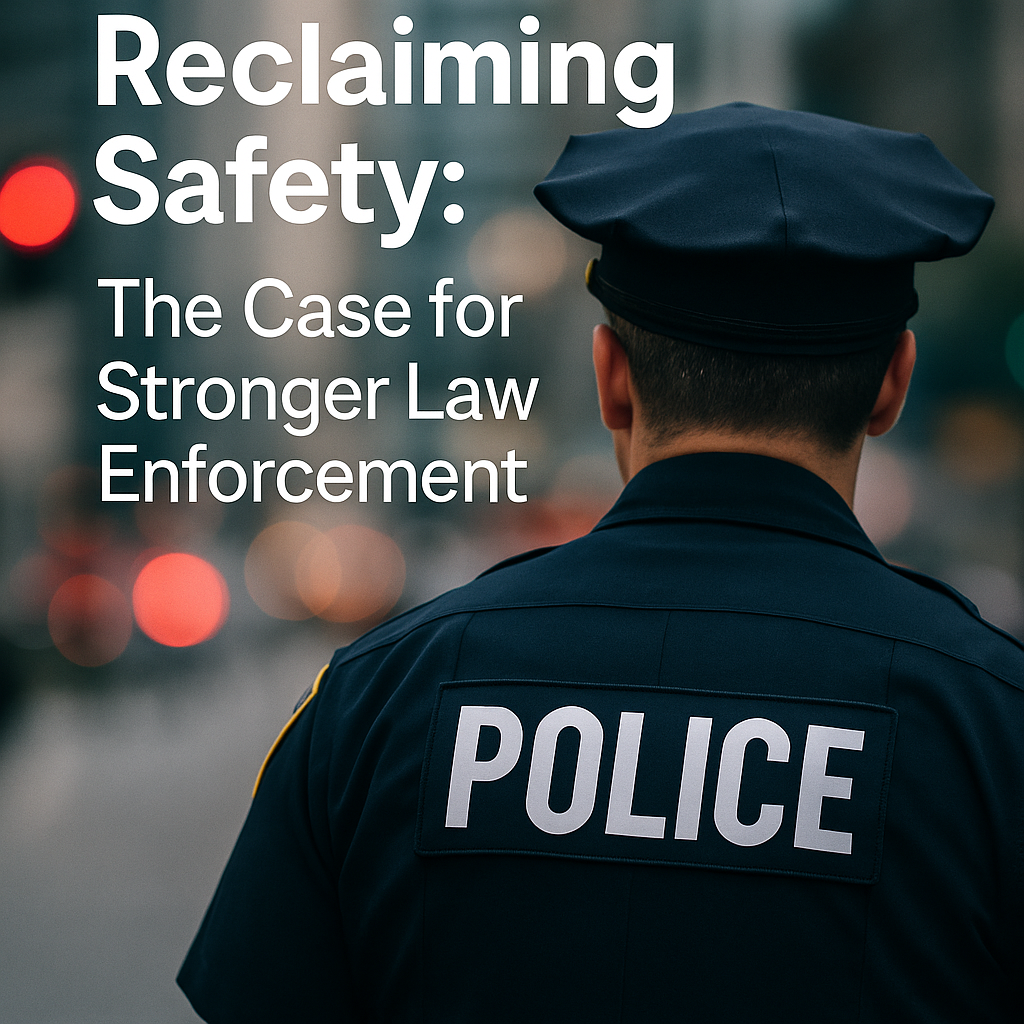
Reclaiming Safety: The Case for Stronger Law Enforcement

In the ongoing debate over public safety, a growing chorus of voices emphasizes the urgent need to reclaim safety through stronger law enforcement. Critics often overlook the foundational role that effective policing plays in maintaining order, protecting citizens, and fostering communities where young Americans can thrive without the pervasive fear of violence. Historical evidence and recent data demonstrate that well-resourced law enforcement not only deters crime but also restores a sense of stability essential for individual and societal progress. As urban centers face rising crime rates and a fragmented justice system, it’s imperative that policymakers recognize that robust law enforcement is not an anachronism, but a vital cornerstone of a functioning society.

Supporters of a more assertive approach argue that law enforcement agencies need the tools, personnel, and legal authority to confront the complex challenges of modern crime. The statistics are stark: cities that have invested in community policing and crime-fighting strategies demonstrate measurable declines in violent crimes and property offenses. Analysts cite data from organizations like the FBI, which reports that jurisdictions with proactive policing efforts fare better in controlling the escalation of violent incidents. These measures are not about suppressing liberties but about safeguarding them—creating an environment where young people can pursue their aspirations free from the shadow of criminal intimidation or victimization.

Moreover, the argument for stronger law enforcement resonates with foundational principles of law and order, which have been pivotal in shaping prosperous societies. Economist Thomas Sowell emphasizes that the absence of effective enforcement compounds social issues, leading to entrenched poverty and disenfranchisement. Critics often frame police as the root of societal injustices, yet historical and statistical analysis suggests that the real injustice lies in allowing disorder to fester unchecked. Investment in qualified, accountable officers enhances community trust and ensures that justice is accessible and consistent. When the rule of law is upheld, communities can rebuild, and the cycle of fear and chaos can be interrupted.

Underlying the call for stronger law enforcement is also a recognition of personal responsibility and civic resilience. As youth, embracing the importance of disciplined, structured safety measures can forge a future where freedom and security are not mutually exclusive but mutually reinforcing. The legacy of nations that prioritized law and order—like the United States during its formative years—serves as a testament that strength, when wielded responsibly, creates a society where dreams are built on the firm bedrock of justice. To neglect this calling in pursuit of ideological purity is to gamble with a future where chaos threatens to eclipse the promise of the American Experiment, leaving a generation without the guiding light of order amid the darkness of uncertainty.

*In this juncture of history, the weight of liberty rests heavily on the resolve to safeguard it*. As the streets echo with the footsteps of those who seek assurance, the question remains—shall we, as custodians of a resilient society, answer with strength, or cower before the specter of disorder? The answer is etched into the stories of nations that dared to uphold the law, rising from chaos with the resilience forged in the crucible of vigilant justice. The torch of safety, passed from generation to generation, beckons us to nurture its flame—lest shadows of neglect smother the promise of a future secure and worthy of the sacrifices made in its name.

From Gang Member to Change-Maker: Elijah Finds Safety Beyond the Knife

Melbourne’s Youth Violence Crisis: Communities at a Crossroads

Recently, Melbourne has been witnessing a disturbing rise in youth offending and gang-related violence, bringing to light deeper societal issues that threaten the fabric of family, education, and community wellbeing. The tragic stabbing deaths of 15-year-old Dau Akueng and 12-year-old Chol Achiek in Melbourne’s west serve as a stark reminder of how social neglect and rising gang violence can devastate innocent lives. These murders have spurred a fierce debate among social actors, law enforcement, and families about the roots of youth violence and possible pathways toward prevention and social intervention.

At the core of this crisis is a transformation in the nature of youth crime. Sociologists like Dr. Lorraine Sheridan note that modern offending often involves younger children engaging in activities that include carjacking, aggravated burglaries, and weapon carrying—behaviors arising from feelings of displacement and exposure to violence from an early age. Police data underscore this concern; last year, 1,128 children out of 5,400 repeat offenders responsible for nearly 40% of Victoria’s crime were youth, with their offenders arrested over 7,000 times. Such figures highlight how social marginalization and family displacement are fueling a vicious cycle of violence that fractures families and destabilizes communities.

Community and Educational Initiatives as Pillars of Hope

Despite these grim realities, some efforts have begun to show promise. Programs focusing on early intervention and providing alternative educational pathways are proving crucial in redirecting at-risk youth. Elijah, a 17-year-old who credits enrolling in alternative education with steering him away from a life of violence, exemplifies this positive shift. “If it wasn’t for the school, I would probably be locked up or dead,” he admits. His experience underscores a vital truth identified by social commentators like sociologist Dr. James Garbarino: that respectful engagement and supportive environments in schools foster resilience among vulnerable children.

Similarly, Youth Support and Advocacy Services focus on preventing crime before it occurs by working directly with children as young as 12. Officials like Navin Dhillon highlight that many young offenders are diagnosed with mental health issues or come from environments rife with violence and neglect. Addressing these underlying issues, rather than solely relying on punitive measures, is vital for societal healing. As Victoria’s children’s commissioner, Meena Singh, emphasizes, “we must get the basics right”—ensuring young people have safety, health support, and educational opportunities to build a constructive future.

Social Tensions, Cultural Shifts, and the Path Forward

Underlying social tensions are being compounded by cultural shifts and demographic changes. Many youths, especially those from marginalized communities, report feeling *hated* or targeted, which prompts them to carry weapons as a perceived safety measure. This normalization of weapon-carrying, especially in the context of machete bans, highlights a community grasping for control amid chaos. Frontline crime prevention workers increasingly hear that youth violence is often rooted in fear—fear that manifests through online conflicts, gender disputes, and even disputes over reputation or fame within gang circles.

  • Many young people attribute their involvement in violence to a “need for status” or protecting themselves from perceived threats.
  • Violence often begins with petty disputes, which escalate due to online conflicts and perceived disrespect.
  • Gaps in mental health services and the lack of community infrastructure further perpetuate cycles of aggression.

Expert analysts like former detective Pat Boyle echo the need for a holistic approach—one that includes social services, mental health support, and family engagement—drawing lessons from international examples such as Scotland’s foster home oversight to identify and mitigate risk factors contributing to youth reoffending. Recognizing that *many young offenders are victims*, policymakers are urged to shift from punitive to rehabilitative practices that recognize the complex social tapestry shaping these young lives.

Conclusion: Society’s Crossroads and the Promise of Transformation

As society stands at this challenging crossroads, the hope of real transformation lies in listening—really listening—to the voices of young people like Elijah and Kenji, understanding their fears, and addressing the roots of violence in their communities. Children caught in cycles of neglect, violence, and mistaken identity are not lost cause; they are society’s unspoken plea for aid in making sense of a fractured world.

Society’s task is monumental but clear: to forge a future where families are safe, education empowers rather than alienates, and communities become refuges of hope for every child. If yet, society dares to see beyond the veneer of violence and recognizes its own role in nurturing resilience and accountability, then even amid the shadows, a brighter dawn is possible. Humanity’s greatest challenge remains: can we turn the tide of despair into currents of hope, transforming pain into promise for a generation yearning for change?

Social Media Auto Publish Powered By : XYZScripts.com