Matox News

Truth Over Trends, always!

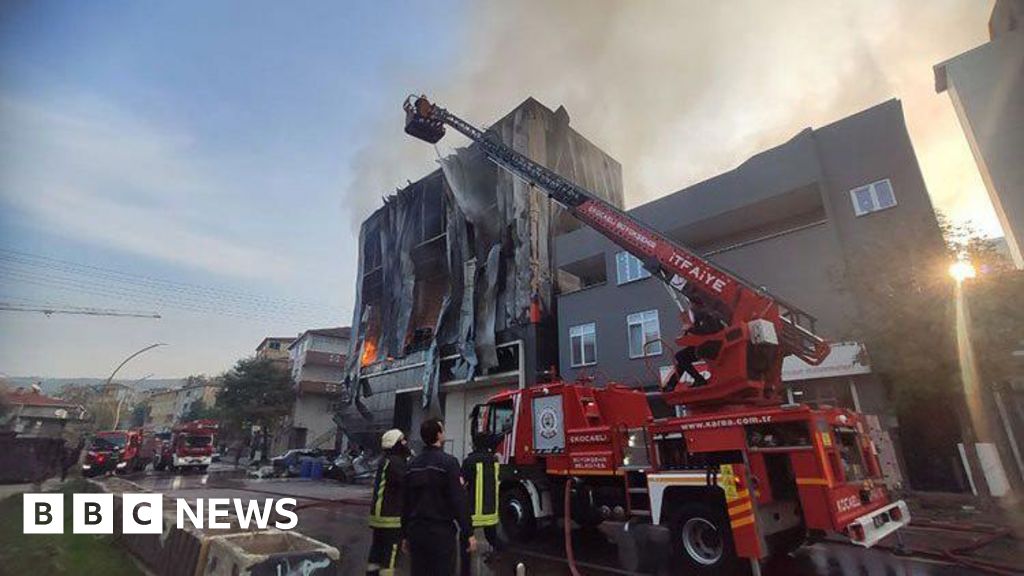
Fire at Turkey perfume warehouse claims six lives, highlighting safety concerns

In a devastating incident that underscores Turkey’s ongoing industrial vulnerabilities, a fire erupted at a perfume warehouse located in the industrial hub of Dilovasi, in Kocaeli Province. The blaze, which broke out early Saturday morning, resulted in the tragic loss of six lives and left five others hospitalized. The incident highlights the dangers inherent in Turkey’s robust yet often perilously managed manufacturing sector, especially in regions teeming with factories and depots crucial to its economic infrastructure.

Authorities from both the Justice Ministry and the Labour Ministry have launched comprehensive investigations into the incident, aiming to determine the cause of the fire, which remains unspecified as of now. Witnesses describe a sudden explosion that ignited the flames, engulfing nearby facilities and creating a scene of chaos. The local government, led by Kocaeli Metropolitan Municipality, has reported that the fire has been fully extinguished but emphasized the importance of scrutinizing industrial safety protocols. The accident comes as a reminder that Turkey, despite its growing economic influence, continues to grapple with safety standards that often lag behind its rapid industrial expansion.

Analysts and international commentators suggest that this tragedy exposes the broader vulnerabilities within Turkey’s industrial and economic systems, which are intertwined with its increasingly complex geopolitical position. As Turkey navigates its ascent on the global stage, it faces mounting pressure from internal and external forces demanding greater accountability and safety. The incident could catalyze international calls for Turkey to align its manufacturing practices with more stringent safety and environmental standards, particularly from organizations such as OECD and EU regulatory bodies. This event also risks tarnishing Turkey’s reputation as a key player in regional commerce, potentially impacting foreign investment and diplomatic relations, especially with Western allies concerned about stability and rule of law.

Historically, Turkey has been a strategically vital actor straddling continents and cultures, with its industrial capacity serving as a cornerstone of its geopolitical ambition. Yet, as experts warn, such tragedies are a stark reminder that economic growth must never come at the cost of human safety. The fire at the perfume warehouse could serve as a turning point—pushing reforms or, conversely, deepening concerns over regulatory negligence. With Turkey’s strategic importance in the Eurasian corridor, how it responds to these setbacks will resonate far beyond its borders, potentially shaping the regional balance of power in unpredictable ways.

As the dust settles over the smoldering ruins of Dilovasi, history continues to be written—one chapter of industrial peril and geopolitical consequence at a time. The flames may be doused, but the questions about safety, governance, and international responsibility remain ablaze. For nations observing from afar, the unfolding response to this tragedy will be a testament not just to Turkey’s resilience but also to its capacity to reconcile economic ambitions with the fundamental duty of safeguarding its people. The weight of these moments hangs heavy in the air—waiting, as always, for the next turn in history’s relentless march.
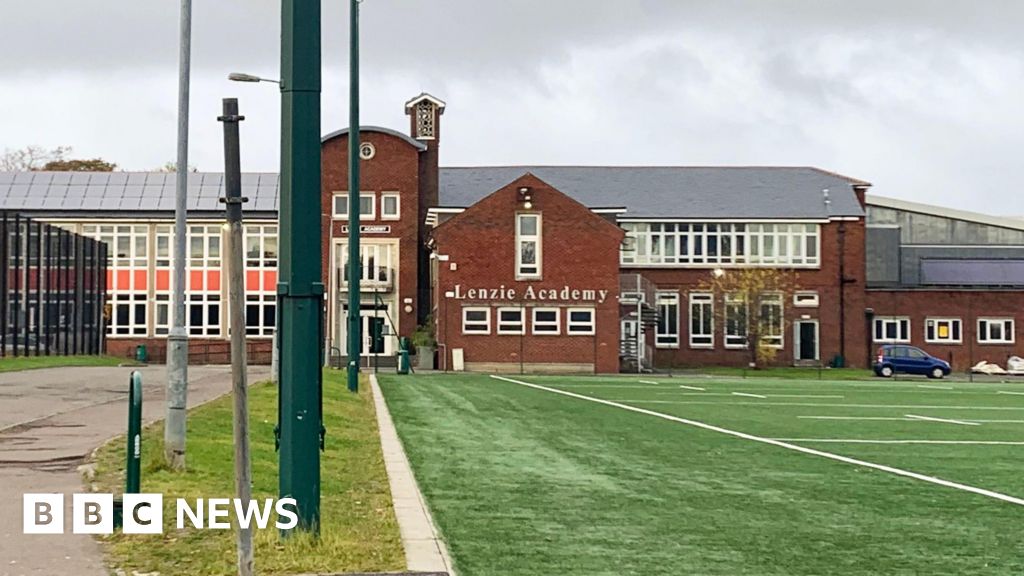
Lenzie School Fire: Serious Risk to Students’ Safety, Report Warns

The state of student safety and school infrastructure continues to be a pressing societal concern, especially as recent reports reveal alarming deficiencies within Lenzie Academy, a prominent secondary school serving over 1,300 pupils in East Dunbartonshire. An independent fire risk assessment, conducted by the council’s fire safety team, uncovered a series of dangerous conditions that not only threaten the physical safety of students and staff but also highlight broader issues of underinvestment, neglect, and systemic failure in local education infrastructure. These findings concern the community at large, shedding light on the direct impact social issues have on families, educational equality, and community resilience.

Among the most critical issues identified in the report are fire safety hazards—notably, fire exits that are not immediately operable, fire doors with damaged self-closers, and missing or broken glass panes. Such deficiencies reflect more than technical oversights; they embody a perceived prioritization of administrative neglect that jeopardizes lives during emergencies. The report’s 25 recommendations, including upgrading fire doors to ensure at least 30 minutes of fire resistance and properly storing combustible materials, underscore the urgency with which these risks need to be addressed. Sociologists like Dr. Lisa Miller argue that inadequate safety measures in schools directly undermine the moral fabric of our society by signaling a disregard for the safety of future generations, eroding trust in our public institutions.

This situation is compounded by the decades of underinvestment and systemic neglect pointed out by parents and teachers alike. A parent, speaking anonymously, accused local authorities of ‘years of neglect and underinvestment,’ emphasizing that Lenzie Academy has been left in a state of disrepair while other schools have received rebuilding efforts. Teachers’ union representatives describe conditions within the school as dangerous and unacceptable, citing not only fire hazards but also water leaks, missing ceiling tiles, and poor building security. This entrenched neglect reveals the societal challenge of ensuring equitable investment in educational infrastructure — a fundamental responsibility that affects families’ access to safe, quality education and the community’s sense of social cohesion.

While officials from East Dunbartonshire Council assert that safety remains a priority and that immediate remedial actions are underway, critics contend that these measures are merely reactive rather than systemic. The challenge remains: how can local governments foster a culture of proactive maintenance and accountability when budget constraints and bureaucratic inertia hinder progress? Social commentators warn that such neglect fosters distrust and disengagement among youth, threatening societal cohesion over time. However, there remains hope. By prioritizing community involvement, transparent accountability, and targeted funding, it is possible to turn these failing infrastructures into symbols of resilience and hope. As the social fabric is woven through each brick and beam we invest in, society’s true strength will be measured in how we repair what is broken and nurture what is fragile. Society’s challenge—and its potential—is etched into the walls of Lenzie Academy; the question now is whether we will choose to rebuild with purpose, ensuring that no child’s safety is compromised in the pursuit of austerity.

Texas Takes on Roblox Over Safety Risks and Profits Favoring Predators

Roblox Under Global Scrutiny Amid Allegations of Child Safety Neglect

In an era where digital platforms increasingly influence young minds, Roblox, a foremost online gaming behemoth, finds itself at the center of a global controversy involving child safety and online protection. The recent legal actions initiated by Texas Attorney General Ken Paxton exemplify a broader movement within certain jurisdictions towards holding tech giants accountable for their role in safeguarding the most vulnerable. Paxton’s suit accuses Roblox of flagrantly disregarding safety laws, portraying the platform as a “breeding ground for predators” that prioritizes corporate profits over children’s security. This legal challenge extends beyond Texas, as states like Kentucky and Louisiana have already joined the chorus, signaling a concerted push for stricter oversight of online environments aimed at youth.

Developed as a space where children and teenagers can learn, create, and share, Roblox has rapidly become a cultural phenomenon, boasting millions of active users globally. Its educational initiatives—ranging from coding tutorials to physics experiments—are laudable, aligning with a broader societal push towards digital literacy. Yet, critics, including international watchdogs and security experts, argue that the platform’s open nature—which allows users to interact with strangers and develop their own content—creates significant loopholes exploited by predators. The platform’s moderation struggles have been well documented, and in some regions, authorities have taken drastic steps—such as Turkey’s ban of Roblox—to curb child exploitation. Singapore’s incident involving radicalized teenagers accessing ISIS-themed servers on Roblox highlights how unsuitable content can slip through the cracks, fueling concerns about the platform’s vulnerability to manipulation.

The central issue transcends national borders, reflecting an urgent need for international cooperation and regulation in digital safety. The United Nations, along with independent analysts, emphasize that how nations regulate online safety can significantly influence the fabric of societies—protecting innocence or exposing it to danger. The legal actions against Roblox underscore a pivotal moment where the fight for child safety versus digital freedom confronts the realities of an increasingly interconnected world. Roblox’s response, which includes technological efforts such as age verification via video selfies and stricter messaging controls, signals an awareness of the crisis, yet many experts argue that voluntary measures are insufficient without binding laws and international standards.

As the debate intensifies, the question arises: will the global community hold corporations accountable for the unseen harm hidden within the pixels of our children’s virtual worlds? History has shown that neglect in protecting future generations can lead to devastating consequences—an erosion of trust and societal fabric that takes generations to repair. As historians warn, each law and regulation is a brick in the edifice of history being written—sometimes at a tragic cost. With each new case, the weight of responsibility increasingly bears down on policymakers, technology companies, and society at large. In the shadows of the digital age, the fight to safeguard innocence persists, leaving the future to be shaped by decisions made today—a testament to the enduring power of governance and the unyielding march of history’s relentless tide.

Google Maps gets a major boost for India with Gemini updates and safety alerts

Google Elevates Maps with Gemini AI Integration in India: A Game-Changer for Digital Navigation

In a bold move to disrupt traditional navigation paradigms, Google has begun integrating its innovative Gemini AI technology into Google Maps, specifically tailored for the Indian market. This strategic deployment signifies a major leap in AI-powered navigation, transforming how millions of users plan routes, access real-time safety alerts, and explore localities. The rollout, which commenced in the U.S. and is now expanding to India, underscores Google’s relentless drive to lead in disruption and innovation—with national localization and contextual awareness at its core.

By embedding Gemini—a sophisticated generative AI model—into Maps, Google is redefining user interactions. The new features include contextual route suggestions, hands-free AI assistance, and comprehensive location details. Miriam Daniel, Google Maps’ vice president, emphasizes that localization extends beyond language translation; it involves adapting to India’s unique geographical, linguistic, and cultural landscape. The service will support nine Indian languages initially, ensuring broad accessibility while enhancing the navigational experience. This approach enables hyper-personalized guidance, empowering users with smarter, more intuitive routes.

The business implications of this innovation are profound. Google’s partnership with India’s National Highways Authority of India (NHAI) exemplifies a strategic move to harness near real-time data for enhanced safety. New features include accident-prone zone alerts supported by visual and audio warnings, designed in collaboration with local authorities. Such safety-centric updates are not only crucial for user trust but represent a strategic shift toward integrating AI with infrastructure data—ushering in a new era of disruption in transportation safety systems. Furthermore, proactive notifications about route disruptions and delays, extended to major urban centers like Delhi, Mumbai, and Bengaluru, position Google Maps as an indispensable tool for urban mobility—reshaping the very business model of how navigation services generate revenue and user engagement.

While these technological strides highlight Google’s aggressive innovation agenda, concerns over reliability persist—in particular, instances like the tragic accident involving an unfinished bridge in Uttar Pradesh have cast shadows over trust in digital navigation systems. Google’s proactive approach, including partnerships with local agencies to improve data accuracy, exemplifies an industry-wide recognition that trust and safety remain critical to long-term disruption. Industry analysts such as Gartner suggest that this fusion of AI and real-world data signifies a pivotal shift, driving a new wave of smart, adaptive infrastructure—though not without inherent risks. As AI continues to evolve, so does the industry’s need to address safety, accountability, and transparency standards.

Future Outlook: The Race Toward Ubiquitous, AI-Driven Navigation

Looking ahead, the integration of Gemini AI into Google Maps signals a seismic shift in how digital navigation intersects with daily life. With ongoing enhancements like voice-supported flyover navigation and speed limit alerts, Google is setting the stage for a future where AI doesn’t just assist but actively manages and predicts real-world conditions. Analysts from MIT and industry veterans like Peter Thiel underscore that this trajectory—marked by rapid innovation and disruptive potential—requires startups and incumbents alike to accelerate familiarity with AI-driven solutions or risk obsolescence.

This year’s developments underscore an undeniable trend: The future belongs to those who leverage AI to transform infrastructure, safety, and mobility. Market shifts favor proactive adaptation, and companies that ignore this wave risk falling behind. Awaiting just beyond the horizon are enhanced autonomous systems, smarter cities, and seamless, real-time digital-physical integration. As Google’s initiative demonstrates, the imperative is clear: disruption is accelerating, and the race to dominate the AI-powered landscape is more urgent than ever.

Rome: Medieval Tower Collapses, Traps Worker and Injures One—A Wake-Up Call for Heritage Safety

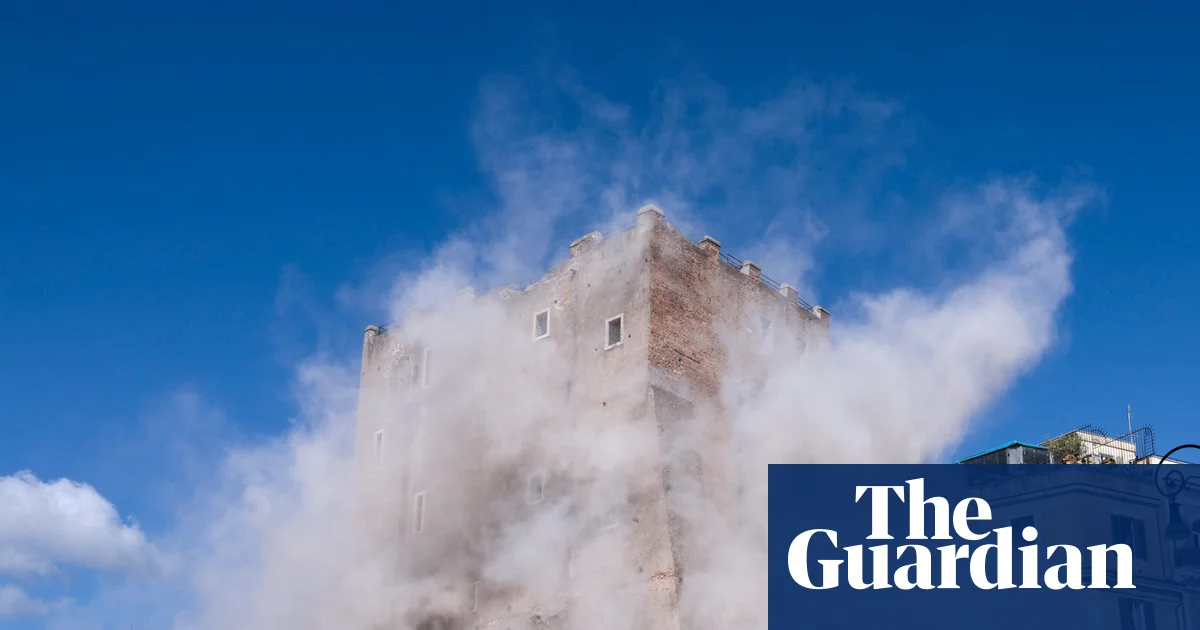
The recent partial collapse of the Torre dei Conti in Rome has sent shockwaves through the international community, highlighting ongoing risks associated with the preservation of historic architecture amid modern renovation efforts. The medieval tower, located near the Roman Forum, experienced a devastating sequence of collapses during scheduled restoration work, trapping individuals inside and forcing a complex rescue operation that continues into the late hours. The incident sheds light on the fragile balance between preserving history and ensuring safety, an issue that is gaining prominence among policymakers across the European Union and beyond.

  • The tower, built in the 13th century by Richard Conti, was already a damaged relic, severely affected by the 1349 earthquake and subsequent structural failures in later centuries.
  • EU funds designated for post-pandemic recovery are now being used to finance the ongoing restoration, aiming to preserve its heritage while upgrading safety standards.
  • The collapse not only resulted in injuries but also raised urgent questions regarding the efficacy of international heritage protection funding and oversight.

International historians and analysts view this event as a stark reminder of the geopolitical risks inherent in heritage conservation. Some experts warn that the mismanagement or underfunding of such projects could lead to further tragedies and the irreversible loss of cultural landmarks. The incident has prompted calls for greater transparency and accountability in how funds are allocated and how safety is prioritized in historic restorations across Europe and the Mediterranean. According to the World Heritage Organization, the incident underscores an urgent need for standardized international protocols to prevent similar failures in other historic sites—an effort that could redefine how nations approach conservation in the 21st century.

The Italian government, under pressure from both domestic and international voices, has condemned the failures that led to the collapse, with Rome’s mayor, Roberto Gualtieri, emphasizing that safety remains the top priority. Meanwhile, Italy’s culture minister, Alessandro Giuli, has announced an extensive review of all ongoing restoration projects nationwide. This crisis, at its core, exposes larger geopolitical issues—namely, how European nations leverage their cultural heritage amid economic pressures and the push for modernization. Critics argue that prioritizing quick restoration under EU fiscal constraints might compromise safety and preservation standards, a debate that echoes across borders where cultural identity and national pride intertwine with economic realities.

As rescue workers tirelessly attempt to save trapped individuals beneath the rubble, the incident leaves a haunting question: How robust is the safety infrastructure protecting Europe’s ancient treasures? While the rescue operation continues amid the risk of further collapses, the incident’s broader implications are yet to be fully understood. It marks a pivotal moment that could influence international policies on heritage preservation and safety standards, shaping the future of cultural conservation amidst economic austerity and political tension. With history unfolding in real-time, the affected communities and nations are called to confront a profound truth: in safeguarding the past, humanity must also confront its responsibilities to prevent tragedies rooted in neglect and haste. The echoes of this disaster will reverberate through history, reminding us that some stories are too precious to lose—yet, too often, are lost because of human oversight and geopolitical indifference.

Lisbon funicular crash: Early reports expose numerous safety failures

Lisbon Tragically Reveals Flaws in Infrastructure Oversight

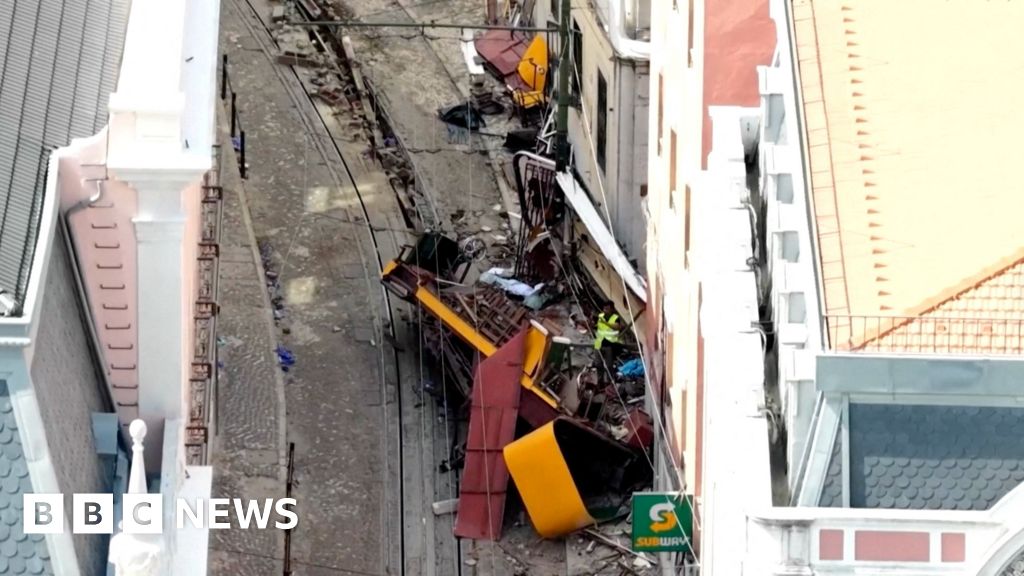
In a harrowing incident that sends shockwaves across the international community, Lisbon’s historic Glória funicular abruptly derailed on 3 September, resulting in the tragic loss of 16 lives and leaving 20 others injured. This tragic event, now under investigation, underscores the dangerous gaps that exist in infrastructure safety oversight worldwide, particularly in aging urban transit systems. The preliminary report released this week exposes a series of critical failures, including the use of untested, non-certified equipment, which have reignited debates about the accountability of public transport management and the importance of rigorous safety standards.

Analysis from industry experts and international organizations highlights that this catastrophe was not merely an accident but a symptom of deeper systemic failings. According to Portugal’s Air and Rail Accident Investigations Bureau, the root cause was a defective underground cable, acting as a counterweight between the funicular’s carriages. Disconcertingly, this cable was acquired in 2022 by Lisbon’s public transport operator Carris without proper certification for passenger transportation, revealing glaring oversight deficiencies. Moreover, the report indicates that the cable had been in use for over 600 days on the historic line without incident, raising questions about the decision-making processes of the authorities entrusted with public safety.

Magnifying this troubling reality, the investigation further exposes lapses in routine oversight, maintenance, and emergency preparedness. The emergency brake system, which could have possibly prevented the full extent of the tragedy, failed to activate properly because it had never been tested beforehand. The Linuxist report hints that multiple layers of safety checks either did not occur or were inadequately executed. Lisbon’s Mayor, Carlos Moedas, has publicly stated the incident “was due to technical causes, not political,” yet critics argue that insufficient oversight and bureaucratic neglect have long plagued the city’s aging infrastructure. These failures illustrate a broader, systemic problem: how governments and local entities often prioritize budget constraints over safety, leaving citizens vulnerable to preventable disasters.

The international ramifications of such failures are profound. As analysts warn, similar urban centers around the globe face the same risk if antiquated infrastructure remains unregulated. The incident in Lisbon serves as a stark cautionary tale—highlighting the importance of updated standards, transparent oversight, and responsible management—core principles championed by institutions like the International Association of Public Transport. Historians of urban development caution that neglecting maintenance and safety protocols can tarnish a city’s legacy and threaten its social fabric. While the full investigation into the Glória funicular accident is expected to take approximately 11 months, the incident has already sparked international calls for stronger safety measures and more accountability in public transportation systems.

As the city grapples with loss and the need for urgent reforms, the weight of history presses heavily on future decisions. Each failure, each avoided crisis, leaves behind a shadow, reminding the world that infrastructure is not merely steel and cables—it is a testament to societal priorities, accountability, and the rule of law. The unfolding story in Lisbon is more than a localized tragedy; it is a defining chapter in the ongoing struggle to safeguard human lives in an era where speed and innovation must never outpace responsibility. Humanity now stands at a critical juncture, where the decisions made today could either build resilient societies or pave the way for future, even more devastating, failures. In this moment of reckoning, the lessons from Lisbon are painfully clear: safety is non-negotiable, and neglect has its price—written in lives lost, and history’s unyielding judgment.

Emirates cargo flight veers off runway into sea at Hong Kong Airport, raising safety concerns

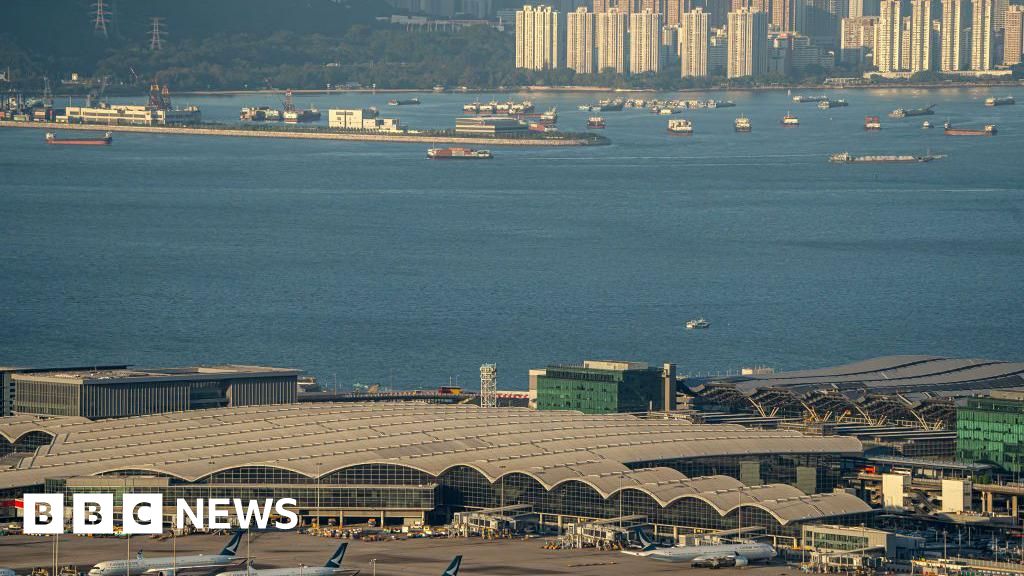
In a startling event that underscores the delicate balance of global transportation, a cargo plane has tragically skidded off the runway at Hong Kong International Airport, resulting in the loss of two ground staff members and highlighting the persistent risks faced by international hubs. The incident involved Emirates flight EK9788, operated by Aerotranscargo, which was arriving from Dubai early in the morning, around 03:50 local time. Reports indicate that the aircraft collided with a ground vehicle on the north runway, an area critical for the city’s freight and passenger operations, illustrating how even the most meticulously maintained facilities can face unforeseen calamities.

This accident arrives at a crucial juncture for Hong Kong as it struggles to maintain its status as a premier global transit centre amidst geopolitical upheaval and economic shifts. The airport’s closure of the affected runway—though the remaining two continue to operate—raises questions about the resilience of one of the world’s busiest airports. Analysts, including aviation safety experts from ICAO, emphasize that such incidents, while rare, can have ripple effects straining supply chains and logistical networks vital for regional stability. Many see this as a turning point, a stark reminder that even in a city famous for efficiency, the risks of transportation accidents remain ever-present.

The immediate response involved rescue operations by the Hong Kong Government Flying Service and Fire Services vessels, which coordinated above and below the ground to recover the crew and the ground personnel who fell into the sea. Unfortunately, the two staff members ultimately succumbed to their injuries, a tragic outcome that shines a light on the perilous nature of airport ground work. In the aftermath, authorities are set to hold a press conference at 10:00 local time, where safety investigations will undoubtedly dominate discussions. Such incidents often spark broader debate about international standards for airport safety, especially in politically sensitive regions where security and efficiency are intertwined with economic destiny.

Importantly, this event is more than a local tragedy; it operates within the larger geopolitical context of increasing tensions and shifting alliances. Hong Kong, once a renowned global trade hub, faces mounting pressure from Beijing’s grip alongside international scrutiny. The incident also prompts questions about how such crises are managed amidst escalating geopolitical stakes, where every safety lapse can be exploited to forge narratives of instability or neglect. Historians and international observers argue that it is moments like these — when human tragedy collides with geopolitical realities — that define the future of global aviation security and regional cooperation.

As the world watches, the fate of Hong Kong International Airport‘s corridors of commerce hangs in a fragile balance. The incident serves as a stark reminder that, beneath the surface of technological marvels and economic competitiveness, the human element — often for those working tirelessly behind the scenes — remains vulnerable. The weigh of history presses down, and the question remains: will this tragedy catalyze a renewed push towards safety and resilience, or will it fade into another chapter of transitory setbacks in a city that has, time and again, defied the odds? The answer, as with so much of the unfolding story, is yet to be written, but the echoes of this event will no doubt resonate through the corridors of power and policy for years to come.

Catalonia town bans Black Cat adoptions this Halloween, citing safety concerns

Shadows of Tradition and Modern Morality: The Black Cat Ban in Terrassa

In a world increasingly attuned to the nuances of culture, animal welfare, and security, Terrassa, a historic town in Catalonia, has taken a controversial step that underscores the global tension between tradition and modern-day safety concerns. The town’s decision to temporarily ban the adoption of black cats during Halloween—set to last from October 6 to November 10—has sparked debates that reach far beyond its provincial borders. This measure, justified by local authorities as a safeguard against potential ritualistic abuse, embodies a broader societal shift where concerns for animal welfare increasingly influence policy-making amid fears of exploitation.

While Terrassa’s city council reports no local record of cruelty toward black cats, the decision aligns with a rising wave of precautionary policies motivated by incidents elsewhere—an approach reinforced by warnings from international animal rights organizations. European and Western communities have long associated black cats with superstitions rooted in witchcraft and misfortune, yet in many other cultures, such as in Japan and Egypt, these animals symbolize prosperity and good luck. The contrasting symbolism underscores how cultural perceptions can influence policy decisions that, ostensibly, aim to protect animals but also reflect societal fears and prejudices. Prominent historians and analysts suggest that such actions are frequently reactions to heightened societal anxieties, especially amid cultural shifts emphasizing safety and morality over centuries-old traditions.

Geopolitical Impact and Society’s Response to Cultural Shifts

The black cat ban in Terrassa could be viewed as emblematic of a larger global trend in which local authorities adapt policies based on perceived threats—whether they stem from cultural misunderstandings or real incidents—meanwhile influencing international standards. Such measures might appear minor, but they carry significant geopolitical implications. When a European town adopts an anti-\u201crituals\u201d stance without evidence of actual abuse, it adds to the narrative of a continent increasingly cautious—or perhaps afraid—of its own cultural rituals and symbols. Analysts warn that this could set a precedent, encouraging other jurisdictions to implement similar restrictive policies rooted in moral panic rather than factual crime rates.

Organizations like the World Animal Protection have expressed concerns about such bans, emphasizing that they often obscure deeper societal issues of superstition and misinformation. Yet, the decision’s impact on society reaches beyond animal welfare, touching on broader matters of cultural identity, immigration, and the ongoing clash between tradition and modern modernization. This is a reflection of how international communities are increasingly caught in debates where security and morality are prioritized over cultural diversity and historical significance. Political commentators argue that such measures, while temporary on the surface, could deepen divisions within Europe, particularly amid the continent’s ongoing struggle with multicultural integration and societal cohesion.

Yesterday’s Traditions, Today’s Fear: The Unfolding Tale of Cultural Evolution

As Terrassa‘s measures take hold, history will record whether this is a fleeting precaution or a sign of deeper societal transformation. The city’s decision to restrict animal adoptions during Halloween, though presented as an “extra precaution,” hints at a broader narrative echoed across borders: the ongoing effort to reconcile age-old cultural symbols with modern moral standards in an interconnected world. International organizations monitor these shifts, warning that too often, fear-driven policies obscure genuine cultural exchange and risk marginalizing traditions that have defined societies for centuries.

Indeed, as history continues to unfold, the world stands at a crossroads—where decisions on seemingly minor issues like the fate of black cats embody the profound tensions shaping the future of cultural identity, security, and morality. This is not just about animals or superstition; it is about how societies choose to navigate the complex dance between honoring the past and protecting the present, with the specter of history hovering in the background as an unyielding witness to all that is lost and gained in the march forward.

US Senate prepares to confirm industry insider to head EPA’s chemical safety efforts

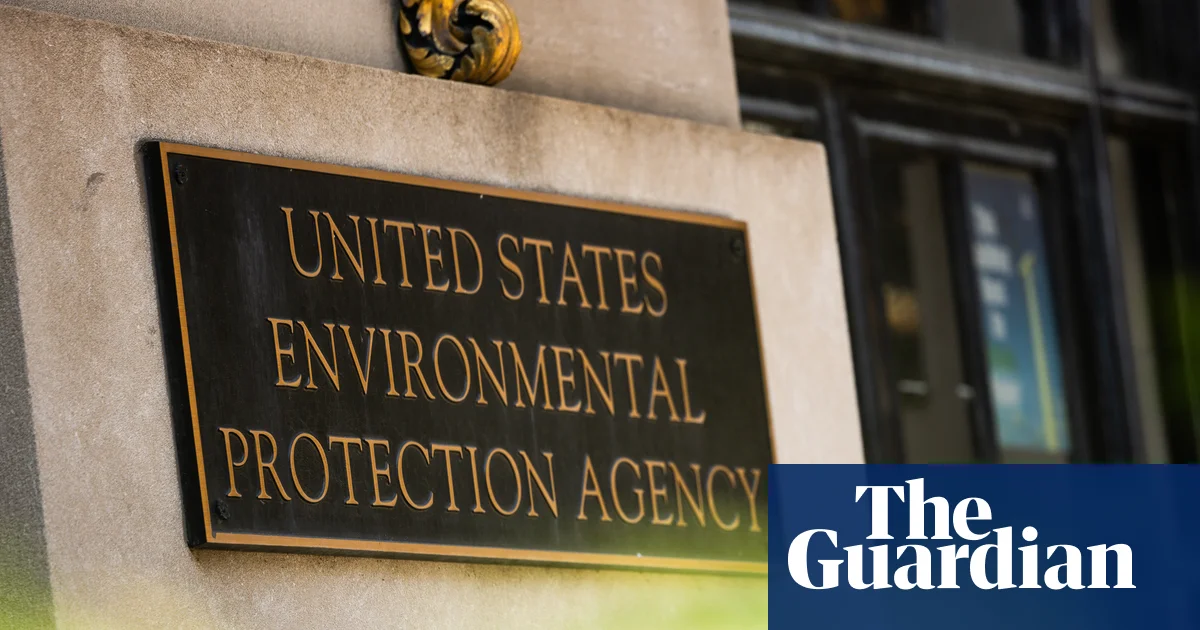
In a move that signals America’s continued tilt towards industry dominance, the U.S. Senate is poised to approve the nomination of Douglas Troutman, a seasoned industry lobbyist, to lead the Environmental Protection Agency’s office of chemical safety. This appointment marks a critical juncture in American environmental policy, with potential repercussions reaching beyond national borders, as it consolidates industry influence within regulatory agencies. Troutman’s previous role as chief lobbyist for the American Cleaning Institute underscores the revolving door of industry interests shaping legislation at the expense of public health and environmental safety.

This appointment comes amid increasing concerns among health advocates and independent analysts who warn that the erosion of regulatory safeguards could undo years of progress in controlling toxic chemicals. Critics like Scott Faber from the Environmental Working Group paint a grim picture: “The lunatics are running the asylum, and industry is firmly in charge of chemical safety.” Faber and other experts argue that this shift favors deregulation at a perilous time, especially considering the legacy of loopholes exploited by industry giants after legislative rewrites of the Toxic Substances Control Act in 2016. Notably, the appointment signals a turning point where economic interests often overshadow the health and safety of consumers, workers, and vulnerable populations, potentially accelerating environmental degradation and public health crises.

Internationally, the geopolitical impact of this move extends beyond U.S. borders. The appointment indicates a broader shift towards trade and industry interests influencing not only domestic policy but also shaping America’s stance in global environmental negotiations. Several experts warn that the weakening of regulations on chemicals like PFAS, often called “forever chemicals,” could contribute to contaminating water supplies worldwide, especially as the U.S. remains a key player in international markets. The actions of agencies like the EPA serve as a bellwether for other nations, potentially emboldening regimes to relax their own chemical safety rules and undermining international treaties aimed at controlling hazardous substances.

Historian and policy analysts warn that history often repeats itself in these situations, cautioning that dismissing scientific expertise in favor of industry interests results in environmental disasters and societal harm. As global institutions like the United Nations and European Union grapple with regulating toxic chemicals, the U.S. appears poised to retreat from leadership in environmental stewardship. With public health and climate resilience hanging in the balance, the decisions made today will reverberate through generations. The weight of history presses down on policymakers and citizens alike—while the curtain rises on the next act of this unfolding drama, the world watches with bated breath, aware that the outcome could shape the course of civilization itself. The question remains: will the legacy be one of foresight and responsibility, or one of shortsighted greed that consigns future generations to a poisoned earth?

Venezuelan Fishermen Fear for Safety as U.S. Strikes Hit Caribbean Boats

Shifting Tides: The US-Caribbean-Venezuela Geopolitical Crisis

The Caribbean, long a nexus of geopolitics and maritime strategic interests, has recently ignited a new chapter of tension as the United States escalates its military activity in waters adjacent to Venezuela. The deployment of warships, fighter jets, submarines, and thousands of troops signals not just a routine antinarcotics campaign but a profound shift in international diplomacy and regional stability. US officials claim their operations target “narco-terrorists” linked to the Maduro government, while critics argue that these actions threaten to destabilize an already fragile society and undermine sovereignty. Historians specializing in Latin American geopolitics highlight that such military interventions confront decades-old regional skepticism of US influence, fueling narratives of imperial overreach and provoking mass resistance among Venezuelan citizens.

  • Since last month, at least six strikes have been launched against vessels suspected of drug trafficking, resulting in the deaths of at least 27 individuals, though the US claims that the vessels originated from Venezuela.
  • President Donald Trump has publicly considered initiating strikes on Venezuelan soil and has sanctioned a $50 million reward for the capture of Nicolás Maduro, accusing him of leading the infamous Cartel of the Suns. Maduro dismisses these allegations as a “slanderous campaign,” framing US actions as part of a broader strategy to topple his government and reassert dominance over Latin America’s resource-rich territories.
  • Venezuela’s leadership, including President Maduro and Defense Minister General Vladimir Padrino, warns of serious threats ranging from aerial bombings to sabotage, signaling an era of escalating confrontation that could ignite the region at any moment.

On the ground, the impact of these geopolitical maneuvers ripples through small fishing communities along Lake Maracaibo. Fishermen like Wilder Fernández, who has been at sea for over a decade, now harbor fears that their daily livelihood could be turned fatal amid US military patrols. Fernández and many others are increasingly wary of venturing into waters where the US has conducted strikes, with some even questioning whether their boats could be mistakenly targeted. The concern extends beyond immediate military threats; experts warn that such violence and instability could entrap local fishermen into the hands of drug traffickers and arms smugglers desperate for recruits or cover, thereby entwining economic despair with organized crime. The livelihoods of over 115,000 Venezuelans employed in fishing hang precariously in the balance, as political tensions jeopardize not only their work but their very safety.

In a remarkable act of defiance, hundreds of fishermen in Venezuela recently set out onto Lake Maracaibo in protest, displaying national pride in opposition to US intervention. Spokesman José Luzardo declared his willingness to defend his homeland with his life, epitomizing a burgeoning resistance rooted in a complex mixture of patriotism and desperation. Meanwhile, the Maduro government mobilizes its civilian militia, rallying thousands to stand against what they perceive as a foreign incursion aimed at regime change. This narrative of defiance illustrates that, amidst diplomatic cold war, local societies are thrust into the maelstrom of international power struggles, where their voices risk being drowned out by the thunder of military planes and the echo of sanctions.

As history continues to unfold, the Caribbean’s delicate balance of sovereignty and strategic interests faces a pivotal test. The decisions made by Washington, Caracas, and regional allies today will echo through generations, shaping the geopolitical landscape of Latin America and beyond. While the world watches with bated breath, one thing remains certain: the tides of war and peace in this tumultuous region are still ebbing, with the relentless march of history reminding us that, in the currents of power, no nation is unassailable and no society immune. The question persists—whose legacy will be written in these waters and on these shores? Only time will reveal whether the Caribbean becomes a beacon of resilience or a scarred battlefield of tomorrow’s conflicts.

Social Media Auto Publish Powered By : XYZScripts.com