Matox News

Truth Over Trends, always!

Gucci Parent Kering Bets Big on Future: €4B Sale of Beauty Biz to L’Oréal Cements Young Luxe Scene

The Future of Luxury Brands: Kering’s Shift and the Social Power of Consumer Trends

In a move that’s sending ripples through the luxury fashion and beauty industries, Kering — the powerhouse behind brands like Gucci, Bottega Veneta, and Balenciaga — is stepping away from its once-burgeoning beauty segment. Recent reports reveal that Kering has agreed to sell its beauty division, including its iconic fragrance line Creed, to L’Oréal for a hefty €4 billion. This strategic pivot, announced by new CEO Luca de Meo, aims to alleviate mounting debt and refocus Kering’s core strength: high-end fashion. It’s a refresh for a brand known for its innovative designs and celebrity allure — but also a signal of wider societal shifts that are redefining what luxury truly means in the modern age.

This sale isn’t just about balancing books; it’s a reflection of how consumer engagement and social relevance have become more critical than ever in the world of high-end branding. While traditional beauty was once a cornerstone of luxury appeal, today’s younger audiences are more interested in what brands stand for. The new 50-year licensing deal with L’Oréal will see Kering’s fashion labels develop fragrance and beauty products under their names, but only through licensed partnerships. It underscores a broader trend: luxury brands are increasingly ceding control over certain product lines to consumer-centric conglomerates that understand the modern digital and social landscape.

The Rise of Influencer Culture and Social Relevance

Notably, this decision aligns with the rise of influencers and viral marketing. As social media platforms like Instagram and TikTok continue to shape consumer preferences, luxury brands are caught in a dynamic struggle: maintain exclusivity or embrace authenticity and relatability. Under the guidance of their new management, brands such as Gucci are experimenting with innovative formats — like filming collections rather than traditional runway shows — to connect more deeply with a youthful, socially aware audience. The engagement of influencers like Emma Chamberlain and Lil Nas X demonstrates that social relevance often outweighs conventional advertising in determining impact and market share. According to sociologists studying brand evolution, this signals a paradigm shift: luxury is no longer just about opulence but about a brand’s social voice and authenticity.

Here’s the ironic twist: while the luxury giants are divesting from certain product lines, they are doubling down on building social and cultural relevance. Strategic moves like partnering with emerging fashion creators and adopting unconventional marketing tactics are making these brands more accessible and relatable, especially to a digital-native generation eager for brands that reflect their values. The ongoing debate among analysts such as Bernstein revolves around the sustainability of this approach: Will these brands maintain their allure while fostering genuine social connection, or is it just a passing trend fueled by viral fame?

What’s Next? The Next Big Question

As these high-stakes moves unfold, the next big question remains: will this new era of luxury branding, heavily reliant on social influence and licensing, genuinely enhance authentic consumer loyalty, or is it just a fleeting response to market volatility? The landscape is shifting so rapidly that traditional notions of exclusivity and craftsmanship sit side-by-side with digital virality and social commentary. The challenge lies in balancing these forces — if brands can harness social relevance without losing their core identity, they might forge a new, resilient path forward. Otherwise, they risk becoming mere brands of moments rather than icons rooted in lasting cultural impact. That’s the real story to watch: this era of transformation is laying the groundwork for a future where social narrative and consumer participation are as vital as the product itself.

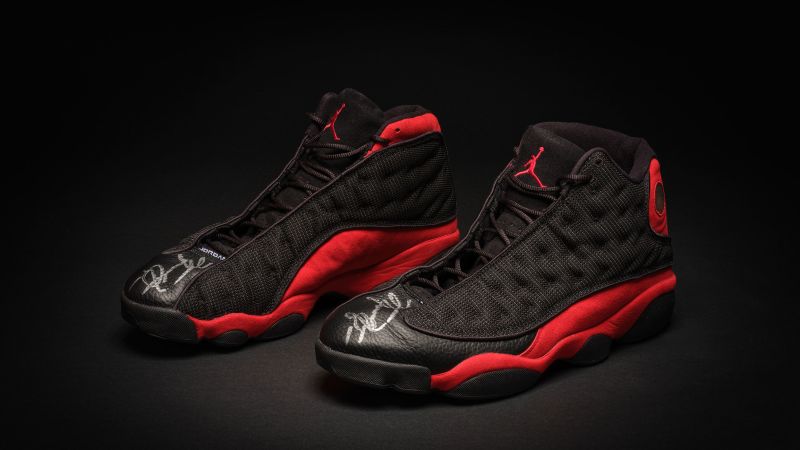
Michael Jordan’s 1998 Finals Sneakers Break Record with $2.2M Sale

Global Sports Memorabilia Auction Breaks Records as Michael Jordan’s Legend Continues to Dominate

In a remarkable testament to the enduring influence of Michael Jordan and his unparalleled legacy in sports, a pair of his game-worn Air Jordan 13s achieved the highest auction price ever recorded for sneakers, selling for an astonishing $2.2 million at Sotheby’s in New York. The shoes, worn during Game 2 of the 1998 NBA Finals in Salt Lake City, where Jordan led the Chicago Bulls to victory, are symbolic of the zenith of his career. Historically, these sneakers are not merely footwear; they represent a cultural phenomenon whose impact ripples across nations, societies, and the global sports economy.

The auction, coinciding with what some dub as “Jordan Year,” underscores the superstar’s monumental status in popular culture. The event saw multiple records shattered, echoing the escalating value of memorabilia linked to legendary athletes. Last year, Jordan’s Game 1 jersey from the same historic series set a record by fetching $10.1 million. This highlights not only the intrinsic value of Jordan’s artifacts but also the international appetite for sports memorabilia that encapsulates moments of cinematic sporting excellence. As analysts emphasize, the decision by Sotheby’s to showcase these items solidifies the global recognition of sports icons as transcendent cultural symbols that influence societal identity, national pride, and economic markets.

How International Perspectives and Historical Narratives Frame the Legacy

Historians and international organizations have long debated the geopolitical impact of such memorabilia sales. According to sports cultural analyst Dr. James Carter, these auctions serve as barometers of cultural diplomacy, weaving a narrative that elevates individual athletic achievement into a form of soft power. “Michael Jordan is more than a basketball player; he’s a global ambassador whose influence crosses political and social boundaries,” he comments. The sale of his sneakers, alongside other memorabilia like Kobe Bryant’s Lakers shirt and Pelé’s debut jersey, underscores a broader trend where sport becomes a universal language, uniting diverse nations under shared admiration for excellence and perseverance.

International marketplaces have embraced this phenomenon, with collectors worldwide vying for artifacts that embody moments of sporting history. The massive interest reflects a societal shift toward viewing athletes not just as entertainers but as pivotal figures shaping youth culture, national identity, and even geopolitical narratives. For instance, the auction of Pelé’s debut jersey signifies Brazil’s deep-rooted football culture, while Kobe Bryant’s memorabilia resonates with a generation that venerates competitive excellence. These sales, documented extensively by global trade organizations, amplify the message that sports and its icons wield undeniable influence far beyond the stadium.

Decisions that Shape the Future of Cultural and Economic Exchanges

As the international community watches, the increasingly high financial stakes and cultural significance of athletic memorabilia point toward a future where sports artifacts transform into strategic assets. The controversial yet compelling narrative suggests that nations and societies increasingly recognize the soft power embedded within iconic memorabilia. Numerous analysts warn that these escalating values could lead to a commodification that complicates genuine cultural appreciation, but nonetheless accentuate the undeniable power of sports diplomacy. Across continents, governments, and private collectors are aligning resources to secure the legacy of athletes like Jordan—decisions that could influence cultural exchanges for generations.

Ultimately, the record-setting auction of Jordan’s sneakers echoes a historic pattern: how individual greatness becomes a catalyst for collective identity and global influence. As history continues to unfold, the world remains captivated by the stories of perseverance, triumph, and iconography—narratives that sit at the nexus of sports, culture, and geopolitics, forging a collective memory that will shape societal values for decades to come.

Social Media Auto Publish Powered By : XYZScripts.com