Matox News

Truth Over Trends, always!

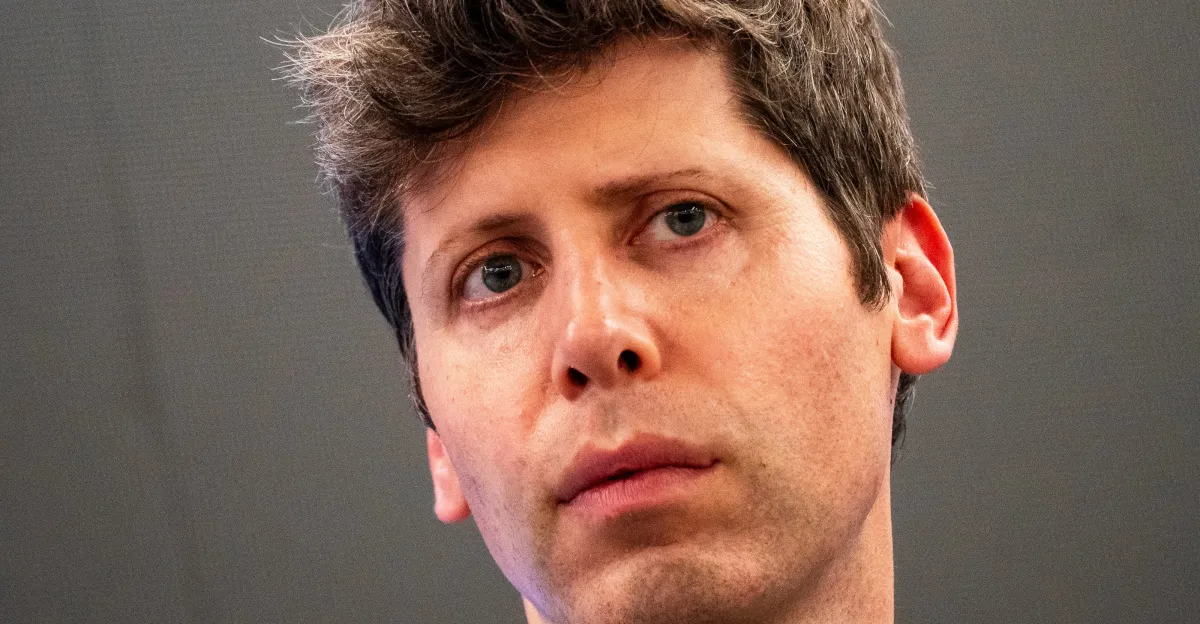
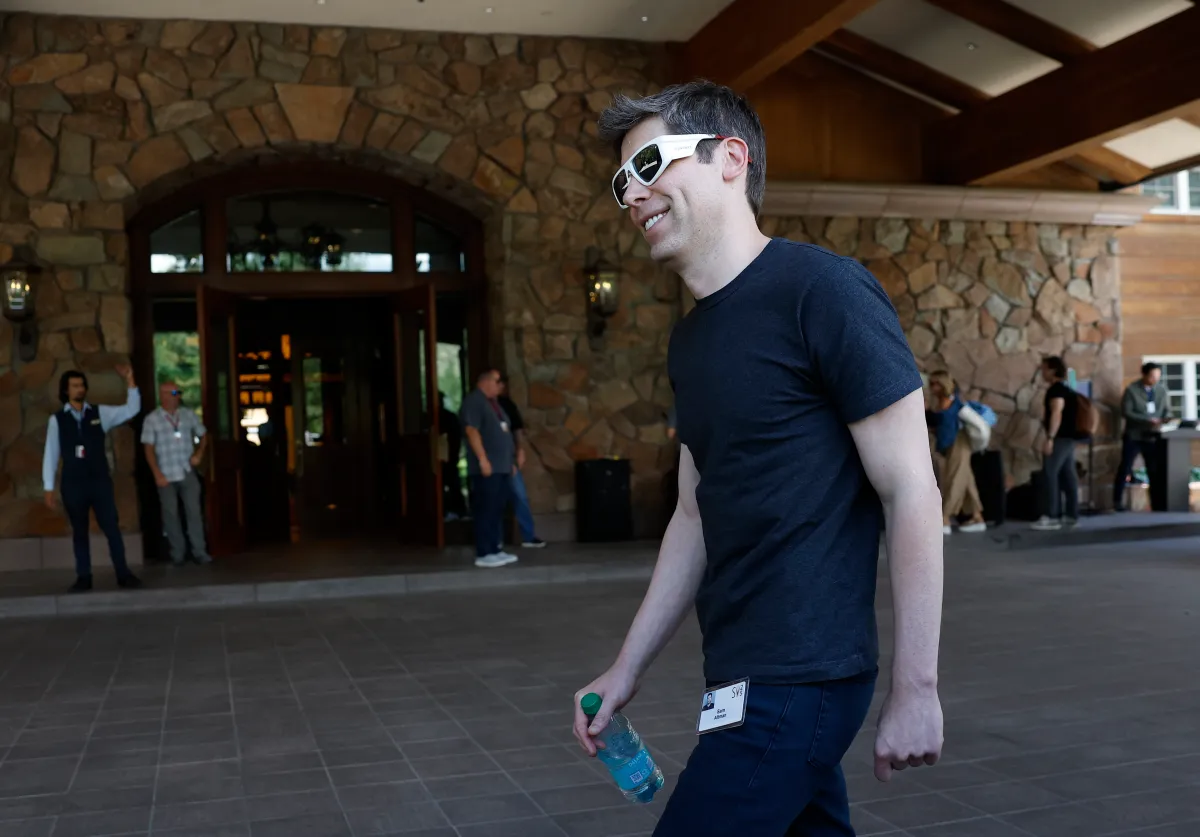
Sam Altman’s World aims to revolutionize human verification — kicking off with Tinder.

Revolution in Digital Identity Verification: World Unveils Expansive Innovations

In a strategic move that signals a major upheaval in the digital identity landscape, Sam Altman’s World (formerly Worldcoin) has unveiled its next phase of expansion, integrating its cutting-edge verification technology into diverse sectors such as dating, entertainment, and corporate security systems. This development underscores the relentless drive toward disrupting traditional verification models, reinforcing the tech industry’s focus on innovation and security in an AI-drenched future. The key platform enabling this transformation is the Orb, a cryptographic iris scanner that authenticates human users while preserving anonymity—a feat achieved through advanced zero-knowledge proof cryptography, which allows verification without revealing sensitive data.

Global corporations are responding rapidly to this wave of innovation. Notably, Tinder is spearheading its integration of World’s ID verification system, rolling out a verified user badge that authenticates genuine human profiles—an instant game-changer for digital dating landscape prone to bots and fake profiles. This step not only enhances user safety but dramatically shifts market standards, as verified identities become a baseline expectation. Furthermore, a pilot program in Japan has yielded promising results with plans to extend the service worldwide—including the highly competitive U.S. market—highlighting the strategic importance of such verification systems amidst escalating concerns about authenticity and security in online interactions.

  • Enhanced user trust via verified profiles in social apps
  • Potential for new monetization streams through verified experiences and premium features
  • Mitigation of bots and fake accounts in digital spaces

Beyond dating, World is aggressively infiltrating the ticketing and entertainment industry. Its Concert Kit feature exemplifies how blockchain-backed identity verification can combat scalper bots and unauthorized ticket reselling. Major artists such as 30 Seconds to Mars and Bruno Mars are leveraging the platform for upcoming tours, promising fans safer access and stronger community engagement. The implications extend beyond fan safety—this represents a blueprint for how verification tech could redefine ticketing security and fan experience at scale. Meanwhile, strategic partnerships with giants like Ticketmaster and Eventbrite indicate a consolidation trend—where trusted verification becomes a must-have infrastructure for entertainment commerce.

From a business implications perspective, World’s pivot toward industry-specific solutions signals a broader industry shift towards decentralized, privacy-preserving identity protocols. Analysts like Gartner project a 40% annual growth rate in the identity verification market, driven by increasing demand for secure, user-friendly authentication systems. Furthermore, partnerships with firms like Okta and Zoom reveal a clear trajectory: identity verification will soon become an integral layer of all digital interactions, from enterprise security to personal privacy. This so-called “agent delegation” system hints at a future where individuals can delegate trusted virtual agents to perform web activities—yet it raises urgent questions about security, control, and privacy that demand innovative regulatory responses.

However, scaling remains a challenge. The traditional Orb verification process is inconvenient, requiring physical presence at designated locations, thereby limiting mass adoption. Yet, World actively counters this by deploying Orb units into retail chains and offering remote verification services, including a novel “Selfie Check” feature designed to maximize privacy through local device processing. This push towards low friction verification methods signals an impending paradigm shift—where convenience and privacy are no longer mutually exclusive. With the rapid pace of technological disruption, industry leaders, regulators, and consumers must stay alert to the emerging landscape, which promises both unprecedented opportunities and significant implications for privacy, security, and digital sovereignty.

In Conclusion

The future of digital verification is here—and it’s evolving at an unprecedented pace. The integration of cryptographically secured, privacy-preserving identity systems across social, entertainment, and corporate spheres will define the next era of online interactions. Industry players who fail to adapt risk obsolescence, while those leading the charge could dominate a new digital economy rooted in trust and authenticity. The urgency is clear: the race to secure, scalable, and user-centric identity verification is on, and the stakes could not be higher in shaping the future of online life.
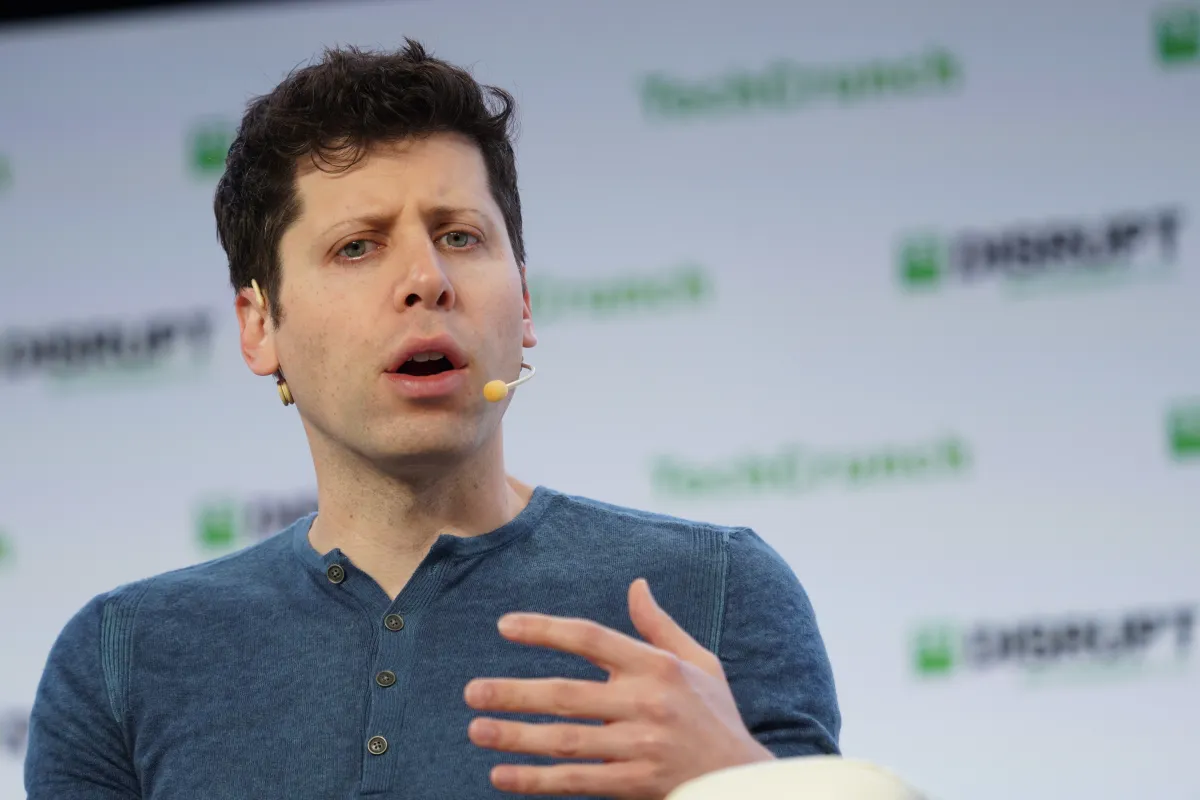

Sam Altman Bristles Over Claude’s Super Bowl Ads—Tech War Heats Up

AI Industry Shakeup: Anthropic’s Bold Moves and the Future of Disruption

The AI landscape is swiftly evolving, driven by fierce competition and relentless innovation. Anthropic, a rising star founded by former OpenAI experts dedicated to “responsible AI,” has made headlines with a provocative Super Bowl commercial that takes direct aim at OpenAI’s ChatGPT. This campaign underscores a shifting industry dynamic—the emergence of disruptive advertising strategies that highlight not just technological prowess but also evolving market narratives and competitive positioning. By boldly mocking targeted ads within AI chatbots, Anthropic is signaling its intent to redefine expectations for transparency, user trust, and responsible innovation amidst heated rivalry.

The commercials themselves are an innovative form of tech marketing, leveraging humor and cultural commentary to resonate with a younger, tech-savvy audience. One ad depicts a man seeking relationship advice from a chatbot, which then abruptly interjects with an outlandish ad for a fictitious dating site, Golder Encounters. Another features a young man receiving a height-increasing insole ad after asking for fitness tips. These narratives cleverly highlight concerns over advertising saturation in AI, a topic that has sparked significant debate since OpenAI announced plans to integrate targeted ads into ChatGPT. Analysts from Gartner warn that such moves could either enhance user engagement or erode trust if not executed transparently, making the strategic stakes higher than ever.

Business Implications and Industry Disruption

The disruption caused by Anthropic’s campaign extends beyond marketing tactics—raising pertinent questions about industry standards and the future of AI monetization models. While OpenAI maintains that its planned ads will be clearly labeled and non-intrusive, critics argue that the mere testing of conversation-specific ads could blur lines of user trust and lead to **”surveillance capitalism”** in AI interactions. “The core concern lies in how these ads could influence or manipulate conversations,” warns Dr. Lisa Smith, AI policy expert at MIT. The industry faces a fork in the road: pursue monetization aggressively or prioritize ethical considerations, a debate that will define the next decade.

  • Anthropic’s ads exemplify a shift toward limited yet impactful marketing—mocking the very strategies of its competitors to carve out market identity.
  • OpenAI’s commitment to ‘separate and labeled’ ads reflects a cautious approach that aims to balance revenue generation with user trust.
  • The rising importance of AI-driven advertising signals a potential industry-wide change—one where monetization becomes embedded within conversational AI’s very fabric.

Looking Ahead: The Need for Strategic Vigilance

The rapid growth of AI tools has attracted investment from industry giants like Elon Musk and Peter Thiel, emphasizing the massive business potential replacing traditional tech sectors. Yet, with this opportunity comes a critical responsibility: to innovate ethically and maintain user trust, even amid cutthroat competition. As AI firms scramble to out-innovate each other, the industry must navigate the fine line between disruption and regulatory oversight. The next chapters in this story will test whether companies like Anthropic can lead with responsible innovation or capitulate to the allure of quick profits at the expense of integrity.

The future of AI is unmistakably **fast approaching**, where technological disruption is intertwined with profound societal implications. Business leaders, policymakers, and technologists must act decisively—embracing innovation without compromising fundamental principles. The trajectories set today will determine whether AI remains a tool for progress or devolves into a new frontier of manipulation and control. For the ambitious, poised and strategic action in this space is no longer optional but essential—because the clock is ticking, and the future waits for no one.

Confirmed: Actors Cast as The Beatles’ Spouses in Sam Mendes’ Films—A Fresh Perspective on the Fab Four’s Legacy

In an era where cultural narratives are often reduced to fleeting social media trends, the enduring significance of tradition and collective memory in shaping national identity can hardly be overstated. Sam Mendes’ ambitious project—a four-part cinematic homage to the legendary Beatles—evokes a profound reflection on how art and biography intertwine to forge a collective cultural consciousness. As the film prepares to bring to life the intimate stories of Maureen Cox, Linda Eastman, Yoko Ono, and Pattie Boyd, it underscores the idea that culture is both memory and prophecy: a living archive that informs our present and forecasts our future.

The choice to focus on these four women—each embodying a different epoch and facet of the Beatles’ story—reminds us that culture is rooted in human relationships, personal sacrifices, and the ideological conflicts defining our era. As Ortega y Gasset elucidated, society is a complex fabric woven from the threads of individual experiences; the lives of Cox, Eastman, Ono, and Boyd represent the diverse material that has contributed to the mythos of one of history’s most influential bands. These women are not mere accessories to a musical legend but pivotal figures whose influence extends into the very fabric of Western civilization’s understanding of love, artistry, and societal change.

Philosopher and cultural critic G.K. Chesterton observed that some stories give us a sense of home, a refuge in the chaos of progress. The narratives of these women serve as a reminder that our most meaningful identity is anchored in tradition and shared history. Their stories are landmarks in a cultural landscape that echoes with the imaginative energy of the 1960s, a period when art became a voice of societal upheaval and hope. The film’s casting decisions, notably Saoirse Ronan as Linda Eastman and Yoko Ono portrayed by Anna Sawai, symbolize a conscious effort to reclaim and recontextualize these figures’ stories—stories that have long grappled with the tension between personal liberty and societal expectation.

As the project unfolds, it echoes the insights of Tocqueville, who saw democracy and shared culture as intertwined forces shaping the destiny of nations. Through such artistic endeavors, the cultural memory of the Beatles—frequently portrayed as emblematic of youthful rebellion—transform from mere spectacle into a profound reflection on the human condition. The film reminds us that clinging to our cultural roots and the stories handed down through generations is essential in resisting the homogenizing effects of modernity. Like the works of J.R.R. Tolkien or Gustave Flaubert, history and myth serve as guides to our moral compass, anchoring us amidst the chaos.

In the end, this cinematic project transcends mere biopic storytelling. It serves as a lyrical testament that culture is both the memory of the past and the prophecy of what humanity can become. As Eliot famously pondered, “the end of all our exploring will be to arrive where we started and know the place for the first time.” Through the enduring threads of art, love, and sacrifice woven into the lives of Cox, Eastman, Ono, and Boyd, we are invited to rediscover our roots and glimpse the future—an ongoing, sacred dialogue between tradition and innovation, memory and possibility.

Sam Altman’s new venture aims to tap into sound waves to decode your brain signals

Tech Industry on the Brink of a Revolution: Merge Labs and the Future of Brain-Computer Interfaces

In a move that could redefine the boundary between human cognition and machine intelligence, Sam Altman, the visionary behind OpenAI, is set to unveil Merge Labs, a groundbreaking startup focused on brain-computer interfaces (BCIs). Led by biomolecular engineer Mikhail Shapiro, Merge’s strategic aims are as ambitious as they are disruptive, promising to accelerate the fusion of AI, gene therapy, and advanced neurotechnology into a unified frontier.

The core innovation driving Merge Labs is an emerging approach that sidesteps invasive electrode implantation. Instead, Shapiro’s work centers on utilizing sound waves and magnetic fields to interface with neurons through gene editing techniques. This methodology has the potential to revolutionize BCI technology by making it significantly less invasive and more scalable. As Shapiro explained during a recent presentation, “It’s easier to introduce genes into cells that modify them to respond to ultrasound,” opening new vistas for neural interfacing that could withstand regulatory and safety hurdles currently hampering traditional electrode-based systems.

Disruptive Technologies and Market Implications

This innovative strategy could turn the industry on its head, challenging entrenched players like Neuralink and advancing the race to develop safe and effective BCIs. Merge Labs’ approach aims to facilitate a seamless “brain-machine merge,” a goal that has long been a speculative dream of futurists and industry insiders alike. With plans to raise hundreds of millions of dollars from investors including OpenAI and strategic partners, the startup is positioning itself to capture a significant share of the emerging neurotech market, which analysts like Gartner project to hit $50 billion by 2030.

  • Leverages gene therapy to enable non-invasive neural modulation
  • Potential to accelerate adoption of neuro-enhancement and cognitive augmentation
  • Addresses safety and scalability issues that have hindered progress in neural interfaces

According to industry experts and MIT researchers, this leap toward bio-compatible, scalable BCIs could open countless business opportunities—not only in healthcare, but also in entertainment, education, and AI-powered cognition enhancement. Companies that can establish dominance early will have a strategic edge, especially as AI development accelerates and demands for seamless human-AI collaboration grow.

Future Outlook: A Rapidly Evolving Battlefield

While the full capabilities and commercial timelines remain under wraps, the industry already perceives this move as a significant disruption. As Sam Altman alludes, the convergence of humans and AI might become a reality as soon as 2025. With key figures like Altman and Shapiro positioning themselves at this vanguard, the question isn’t if, but when the next leap in neural technology will redefine what it means to be human.

In an era of relentless innovation, the race to integrate brain and machine will likely intensify. Investors, tech giants, and policymakers must stay vigilant, as these breakthroughs hold the power to sway societal norms and reshape industries overnight. The coming months promise a surge of breakthroughs that could fundamentally rewrite the technology landscape, making the next decade one of the most extraordinary periods in human history.

Social Media Auto Publish Powered By : XYZScripts.com