Matox News

Truth Over Trends, always!

Starcloud scores $170M to launch space-based data centers and reshape the future of tech

Starcloud Rockets into the Future of Space Computing with $1.1 Billion Valuation

In a remarkable demonstration of disruptive innovation in space technology, Starcloud, a burgeoning space compute enterprise, has secured a significant $200 million in its latest funding round, pushing its valuation to an impressive $1.1 billion—making it one of the fastest startups to reach unicorn status post-Y Combinator graduation. Led by Benchmark and EQT Ventures, this funding underscores growing investor confidence in orbit-based data centers as Earth-bound infrastructure grapples with geopolitical and resource constraints.

This bold move toward orbital data centers is driven by the potential to revolutionize cloud computing, AI processing, and data analytics—integral components of the emerging AI economy. But it’s not without significant technological hurdles. Starcloud’s recent launch of its first satellite equipped with an Nvidia H100 GPU signals a pioneering step, demonstrating that powerful terrestrial GPUs can operate in space. The company is already preparing for the deployment of Starcloud 2, which will incorporate multiple GPUs—including an Nvidia Blackwell chip and an AWS server blade—along with a bitcoin mining computer to optimize cost-efficiency and operational capability.

CEO Philip Johnston is optimistic about commercial viability, estimating that once launch costs decline to around $500 per kilogram, orbital data centers could match terrestrial prices of approximately $.05 per kw/hour of power. However, major industry challenges remain, chiefly the delay in SpaceX’s Starship flight schedule, which he expects will not become operational until 2028 or 2029. Until then, smaller rockets like Falcon 9 will have to suffice, potentially obfuscating the dream of cost-effective orbital data centers for the foreseeable future. Yet, Johnston remains undeterred, emphasizing that even incremental progress in launch frequency will catalyze a paradigm shift, disrupting the established terrestrial computing model and paving the way for unprecedented business opportunities.

The strategic focus for Starcloud extends beyond hardware. Its dual business approach involves selling processing power to other spacecraft—one example being its collaboration with Capella Space—and eventually pulling workloads from terrestrial data centers when orbital computing reaches scale. This vision is reinforced by the exponential growth in GPU deployments in space, with estimates suggesting dozens of advanced GPUs already in orbit— a stark contrast to Nvidia’s nearly 4 million GPUs sold on Earth in 2025. Such data positions Starcloud as a game-changer, leveraging the advantages of proximity to data sources—especially for AI training and real-time analytics—while pioneering the integration of the most cutting-edge hardware into space.

The implications for the business landscape are profound. Industry observers, including Gartner analysts and MIT researchers, emphasize that disrupting current cloud paradigms with space-based infrastructure could unlock new dimensions of speed, security, and resilience. Yet, competition looms large, particularly from giants like Google’s Project Suncatcher, Aetherflux, and Nvidia’s space-grade GPU initiatives. The looming presence of SpaceX, with plans to orbit a million satellites for distributed compute, represents a formidable challenge—yet Johnston sees coexistence rather than competition, recognizing that in the race for orbital dominance, timing, innovation, and strategic agility will be key differentiators.

Looking ahead, the road to a fully operational orbital data economy is fraught with technical and logistical hurdles, but the momentum is undeniable. As industry veterans like Elon Musk and Peter Thiel highlight, the next decade will define who dominates this frontier. With each satellite launched and each breakthrough in space computing technology, the question is no longer if but when orbital data centers will become integral to our digital infrastructure. The urgency for established and emerging players alike is clear: adapt quickly, innovate relentlessly, and prepare for a future where space becomes the new backbone of global digital services and AI-driven industries.

Local Team Scores Big in Championship Showdown: Fans Celebrate Historic Victory!

Excitement Builds as 2026 NCAA Tournament Unfolds

The 2026 NCAA tournament is officially in full swing, capturing the attention of fans nationwide with thrilling matchups and unexpected upsets. As teams battle it out on the hardwood, ESPN reporters are providing real-time updates from venues across the country, intensifying the excitement. From the early rounds, it is evident that this year’s tournament will deliver a high level of competition and nail-biting moments.

Among the early standouts, University of Alabama continued to show dominance, displaying both tactical prowess and athleticism. Under the direction of Coach Nate Oats, they secured a remarkable victory against Gonzaga with a final score of 85-72. Coach Oats commented on the performance, stating, “Our guys have been working hard all season, and this win is a testament to their dedication.” This victory comes after an intense second half where key player Brandon Miller scored 20 points, delivering a performance that will be remembered long after the tournament concludes.

Another noteworthy contender is the Duke Blue Devils, who demonstrated their resilience in a closely contested matchup against Michigan State, edging them out with a score of 78-75. Coach Jon Scheyer highlighted the importance of teamwork: “Every player stepped up when it mattered the most. It’s a team effort.” A last-second three-pointer from rookie sensation Dereck Lively II not only sealed the game but has also sparked discussions about his potential future in the NBA.

  • University of Alabama defeats Gonzaga, 85-72.
  • Duke Blue Devils overcome Michigan State with a thrilling 78-75 finish.
  • Standout performances from Brandon Miller and Dereck Lively II.

As the tournament progresses, fans anticipate more dramatic moments and historic performances. Each game is a reminder of the passion and unity that sports can foster among diverse groups of people. Though records will be broken and champions will be crowned, the true essence of the NCAA tournament lies in its ability to bring together communities, celebrating athleticism and the pursuit of excellence. The road to the championship may be a fierce competition, but it is also an enduring legacy of camaraderie and shared aspirations.

Source link

Bill Gates’ nuclear firm scores green light for breakthrough next-gen reactor

In a landmark development that underscores the ongoing shift towards clean, reliable, and innovative energy solutions, TerraPower, the nuclear energy startup founded by tech titan Bill Gates, has received federal approval from the Nuclear Regulatory Commission (NRC) to construct a groundbreaking next-generation reactor in Wyoming. This milestone marks the first time in U.S. history that a commercial-scale, advanced nuclear power plant has secured such a permit, signaling a significant disruption in the national energy landscape. The project is slated for completion by 2030 and redefines the trajectory of nuclear technology, emphasizing safety, efficiency, and sustainability.

The Wyoming plant is positioned at the forefront of disruptive innovation in nuclear engineering. Unlike traditional reactors, TerraPower’s design emphasizes a smaller, more modular approach that aligns with the evolving demands of modern electrical grids under the pressure of burgeoning AI data centers and digital infrastructure. According to industry analysts at Gartner and MIT’s Nuclear Innovation Initiative, this development could catalyze a new wave of nuclear deployment, significantly reducing reliance on fossil fuels and untangling the energy crisis intensified by climate change. With construction expected to conclude within five years, this plant symbolizes a pivotal shift where safe, sustainable nuclear power becomes a core component of national energy strategies.

  • Advanced reactor designs that prioritize safety and waste management efficiency
  • Smaller, faster-to-deploy modules suitable for diverse grid demands
  • Potential to revolutionize clean energy deployment amidst climate and geopolitical pressures

Bill Gates recently articulated the broader implications of this innovation in a 2024 interview with The Verge, emphasizing how nuclear energy’s evolving designs can play a crucial role in combating climate change. “We’re exploring reactors that not only minimize safety concerns but also optimize fuel use and waste handling,” Gates explained, highlighting the importance of disruptive technology in crafting resilient energy systems. This strategic push aligns with market trends that see nuclear power as an indispensable part of the transition away from carbon-heavy sources and toward a more sustainable future. Industry leaders and policymakers globally are watching closely, recognizing that the success of TerraPower’s Wyoming project could establish a new blueprint for business innovation in nuclear energy, opening doors for investors and entrepreneurs eager to capitalize on the clean energy revolution.

Looking ahead, the implications of this development extend far beyond Wyoming’s borders. As governments and private sector players enhance investment in nuclear innovation, the global energy market stands on the brink of a paradigm shift. The race is on to develop smaller, safer, and more adaptable reactors that can integrate seamlessly into complex energy ecosystems, responding swiftly to the demands of AI-driven economies and decentralized grids. The coming decade will undoubtedly be transformative, with the potential to disrupt traditional energy giants and establish new industry titans dedicated to sustainable and disruptive nuclear breakthroughs. The urgency to innovate has never been greater, and TerraPower’s Wyoming project exemplifies the aggressive pursuit of technological advancement essential for shaping a resilient, clean energy future.

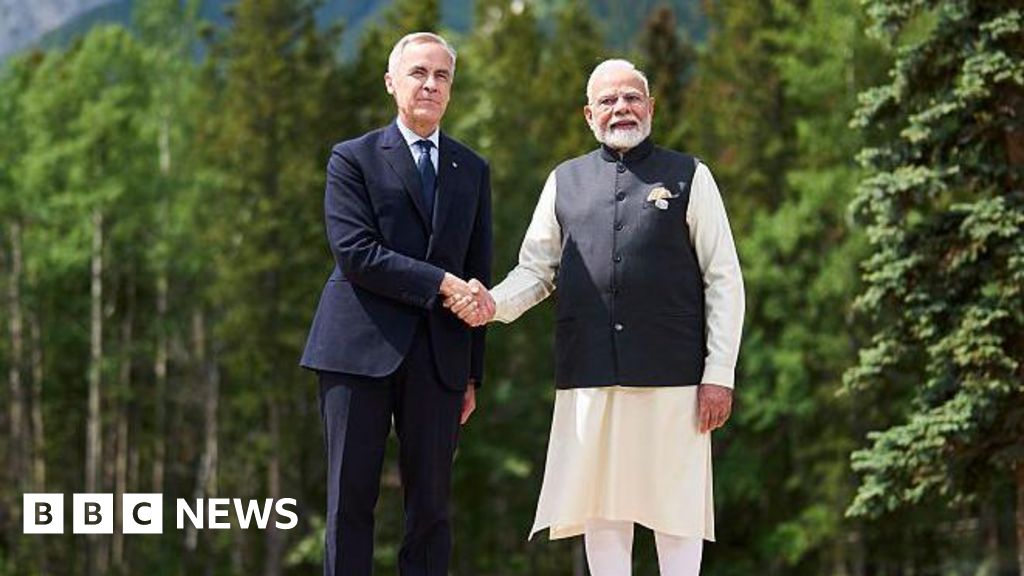
Carney’s India trip: A subtle Canada challenge, Modi scores a win-win

The international landscape is once again gripped by tension as Canada and India face a pivotal crisis that could reshape diplomatic alliances. In 2023, a startling accusation from Canadian Prime Minister Justin Trudeau has sent shockwaves across global political corridors. Trudeau publicly alleged that India was involved in the assassination of Hardeep Singh Nijjar, a prominent Sikh separatist leader, who was shot dead in British Columbia. This accusation not only challenged longstanding diplomatic norms but also ignited a broader debate about sovereignty, espionage, and international justice.

The Indian government quickly dismissed the allegations as baseless and politically motivated, asserting its stance that Canada’s accusations undermine the diplomatic efforts to maintain peace and stability in the Indo-Pacific region. The fallout resulted in a series of retaliatory actions, including the expulsion of diplomatic personnel from both nations. The situation grew further complicated as investigators in Canada charged four individuals with Nijjar’s murder. Although the case remains before courts, the incident has exposed underlying tensions between the two nations, with profound geopolitical impact that stretches well beyond their borders.

Analysts and international watchdogs underscore the broader ramifications of this diplomatic rupture. Global institutions such as the United Nations are closely observing, fearing this incident might *set a dangerous precedent*—where accusations can escalate into open confrontations without sufficient evidence, thus destabilizing international relations. Moreover, India and Canada are both key players in regional security architectures, with India trying to bolster its influence across Asia and Canada maintaining strategic ties with the United States. Any further deterioration could undermine efforts towards multilateral cooperation, especially in counterterrorism initiatives and trans-continental diplomacy.

This episode underscores the delicate balance of modern diplomatic engagement amid rising nationalistic sentiments and shifting global alliances. How decisions in Ottawa and New Delhi will echo in international forums and across societies at home remains uncertain, but such crises serve as stark reminders of the high stakes involved. As history watches silently, the world stands on a knife’s edge—every move, every statement potentially tipping the scales toward confrontation or reconciliation. The unfolding story continues to test the resilience and maturity of nations that, in this interconnected era, are bound by the weight of their actions and the legacy they leave behind. In that quiet, yet thunderous space where diplomacy meets destiny, history is once again in the making.

Qantas Scores $1.46bn Profit Boom as Aussie Travelers Keep Flying Despite Rising Costs

Global Economy and Geopolitical Shifts: A New Chapter in International Affairs

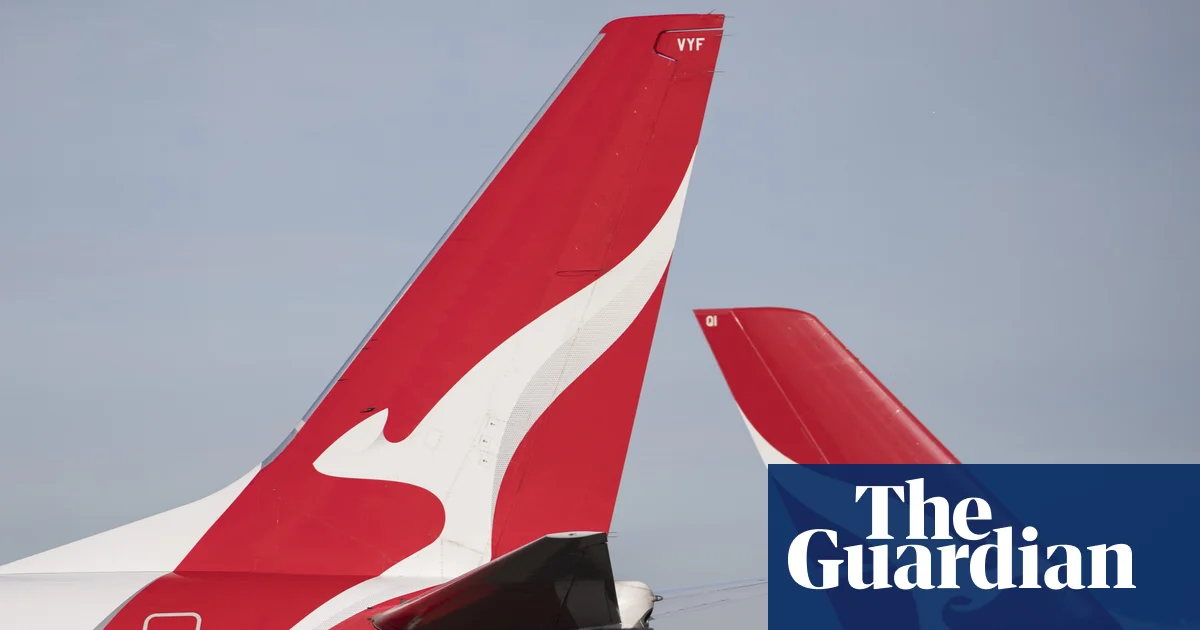
In a remarkable turn of events, Qantas, Australia’s largest airline, has announced a robust $1.46 billion half-year profit, demonstrated by resilient consumer demand despite ongoing global economic pressures. This narrative of economic revival challenges the prevailing narrative that high living costs and inflation are universally dampening national economies. Instead, it marks a pivotal shift showing how some nations, particularly those with strong resource bases and strategic industries, are navigating the turbulent waters of economic globalism. \u201cTravel remains a priority for Australians,\u201d said airline CEO Vanessa Hudson, who is orchestrating the most expansive fleet renewal program ever. This aligns with a broader pattern of resilience among resource-rich nations and key industrial players seeking to lend strength to their influence on the global stage.

Meanwhile, Australia continues to bolster its position through strategic investment in infrastructure and commerce. The airline’s investments include upgrading its fleet with newer, more fuel-efficient aircraft, allowing it to open new routes—particularly to regional hubs like Japan, Bali, and across the Tasman. This move not only enhances passenger experience but also cements the nation’s role as a key connector between the Asia-Pacific and the economic powers of the West. Analysts from international think tanks note that such developments contribute significantly to Australia’s geopolitical leverage, giving it greater sway within regional diplomatic contexts, particularly in counterbalancing the influence of China and the United States.

However, challenges remain, especially in the U.S. market. Despite optimism about domestic resilience, Hudson acknowledges that US economic uncertainties persist, prompting close monitoring of the “evolving economic environment.” The challenge posed by rising inflation, coupled with recent social media and travel policy shifts, underscores the complex, interconnected nature of modern geopolitics. Reports indicate that social media activity is under increasingly strict scrutiny, with some nations enforcing measures that impact international travel and diplomacy. Such policies serve as a stark reminder of the fragile balance between national security and individual freedoms, raising questions about the future trajectory of international cooperation and civil liberties. This tension echoes worry among historians and policymakers about the long-term implications of rising societal control and surveillance, which, if unaddressed, could foster geopolitical tensions or even conflict.

  • Qantas’s strategic fleet renewal: Replacing aging domestic aircraft, expanding long-range capabilities, and improving fuel efficiency.
  • Australia’s strengthening economic links: Enhanced regional connectivity and regional influence through targeted infrastructure and trade investments.
  • US market challenges: Uncertain economic climate and stricter travel-related social media regulations impacting international mobility.
  • Potential global repercussions: Increasing social controls and economic uncertainties could reshape international alliances, trade routes, and security policies.

As these developments unfold, they place a spotlight on a broader geopolitical landscape amidst evolving economic power dynamics. European analysts warn that the balancing act between Western democracies and rising authoritarian tendencies will define the stakes of this decade. The decisions made today—regarding economic resurgence, social regulation, and international diplomacy—will determine whether the path leads to cooperation or conflict. Historians will look back on this era as one where the weight of history pressed heavily upon the shoulders of leaders seeking stability in an increasingly volatile world. With each policy shift and economic indicator, the question lingers: are we witnessing the stabilization of a new geopolitical order or the tremors of a coming upheaval? The answers, as always, remain to be written, yet the narrative of this generation’s history is unmistakably unfolding—one cautious step at a time.

NSW scores an extra holiday for Anzac Day, but other states opt out

Responses to national traditions in Australia continue to reflect rising considerations around identity, history, and geopolitics. Recently, the government of New South Wales announced the extension of Anzac Day observances by adding public holidays for 2026 and 2027 when the April 25 holiday falls on weekends. Such measures are not merely local politics but are intertwined with broader international reflections on military history, national sovereignty, and the symbolic weight of honoring wartime sacrifice. The announcement aligns with a conscious effort to preserve Australia’s national identity within the global arena, and analysts see it as an attempt to bolster national unity amid evolving geopolitical challenges.

The decision comes amid delineations of tradition and modern societal needs, with Premier Chris Minns emphasizing that the extended holiday does not diminish the solemnity of Anzac Day. In fact, it serves to enhance the recognition of service members and their contributions, acknowledged as foundational to Australian sovereignty and cultural resilience. However, critics, mainly small business associations, warn that such changes could introduce economic strain, especially on local commerce. The Returned and Services League of Australia (RSL) has expressed support, underlining the societal importance of allocating time for families of defense personnel. Yet, the move also underscores a deeper, bigger geopolitical discussion about how nations choose to commemorate history—balancing tradition with the realities of a rapidly changing world.

Across Australia, not all states are following suit. Queensland and Victoria will maintain their existing public holiday configurations, reflective of regional variance in societal priorities. The broader geopolitical impact of such decisions extends beyond mere calendars; it signals the political weight placed on national identity and historical memory amid global disorder. Historians and international analysts note that these commemorative practices are not static but are subject to political contestation—serving as symbols that maintain societal cohesion in uncertain times. Indeed, in a world increasingly fragmented by conflicts and ideological divides, nations like Australia are carefully crafting ceremonies that reaffirm their sovereignty while navigating external pressures, such as China’s rising influence in the Indo-Pacific or the lingering shadow of great-power rivalry.

As moderate right-wing youth-driven voices scrutinize these developments, questions about how history shapes present policies gain greater urgency. The debate over public holidays is more than ceremonial; it is a mirror of a society grappling with its past while facing an uncertain global future. For historic students, foreign policy experts, and citizens alike, every decision echoes across the corridors of international relations. Today, Australia’s move to extend its commemorative holidays may seem small, but it echoes a profound truth: that in the theater of geopolitics, history’s weight can influence the future in ways both overt and subtle. As the world observes, the unfolding narrative of Australia’s national remembrance continues to write itself into the broader story of nations striving to preserve their identity amidst relentless change—an enduring testament that history, like the tides of the current, is never truly finished.

Nigeria scores big: Freed 100 children, securing hope for the future

Nigeria’s Kidnapping Crisis: A Geopolitical Nightmare Unfolding

The recent release of approximately 100 children abducted from St. Mary’s Catholic School in Nigeria signals a temporary relief in a broader wave of terror that has gripped the nation. According to officials, the government, with invaluable assistance from the Office of the National Security Adviser, managed to secure the children’s return amid a perilous climate of escalating violence. This incident underscores a distressing truth: Nigeria’s security dilemma has transformed into an international crisis, threatening stability at a regional and global level.

Despite the partial breakthrough, details remain murky about whether cryptic negotiations or force secured the children’s freedom, and if any ransom was paid. The federal government remains tight-lipped about their strategy, with some analysts suggesting the behind-the-scenes efforts were complex and politically sensitive. Last week’s high-level visit by National Security Adviser Nuhu Ribadu to Papiri signals the gravity of the situation, emphasizing that the Nigerian state perceives this wave of kidnappings not merely as criminal acts but as a multifaceted threat. Such moves demonstrate the government’s awareness that internal security lapses, if unchecked, could spill into wider regional destabilization, especially as Nigeria’s neighbors grapple with their own insecurity issues.

Escalating Violence and International Ramifications

The surge in violence across Nigeria, with schools and religious sites becoming frequent targets, reflects a disturbing shift in the security landscape. Attacks in places like Kwara and Kebbi involved not only mass abductions but also lethal violence, drawing international scrutiny. These attacks, which have since been followed by the abduction of pastors, worshippers, and civilians in different regions, point to a well-organized network either driven by criminal gangs or violent jihadist groups, as suggested by Nigerian officials. While some analysts argue these groups are motivated by ransom money, others warn that these acts are intricately tied to extremist agendas destabilizing the nation’s fragile socio-political fabric. Such security breakdowns threaten to push Nigeria, Africa’s largest population and economy, into chaos, with ripple effects felt in neighboring countries.

Adding to the geopolitical complexity, United States President Donald Trump recently issued a stark warning, threatening to deploy troops if the Nigerian government fails to curtail violence, especially attacks on Christian communities. This interventionist rhetoric underscores that Nigeria’s internal strife could serve as a catalyst for greater international confrontation if unchecked. Nigeria, a key player in Africa’s geopolitical landscape, has traditionally been seen as a regional hub, but its security decline has raised alarm bells among Western and regional powers alike. Experts argue that the ongoing violence, if left unresolved, could inadvertently fuel radicalization, undermine Nigeria’s sovereignty, and destabilize the West African sub-region.

How International Decisions Shape Futures

The repeated emphasis on ransom bans and military interventions reveals the difficult balancing act Nigeria faces. The government’s stance against ransom payments aims to starve kidnapper networks of their funding but faces accusations of being ineffective amid ongoing abductions. The international community, particularly organizations such as the United Nations and regional security alliances, has called for a concerted effort to address root causes—poverty, political corruption, and extremist ideology—yet tangible results remain elusive. These policy choices, weighed down with political risks, directly shape the lives of millions of Nigerians and influence the region’s stability.

In conclusion, Nigeria’s crisis confronts the world with an urgent moral and strategic choice, as a nation torn between internal chaos and international destabilization teeters on the edge of upheaval. The courage and cunning of its leaders, the resilience of its society, and the relentless weight of history now hinge on compelling decisions made in the coming days. As the story continues to unfold, the global community must grapple with a stark truth: the fate of Nigeria is intricately linked to the future of Africa, and their story remains unfinished, etched into the very fabric of history yet to be written.

Reform UK Scores Its First Peer as Conservative Defects to the Cause

UK Political Shifts and Scottish Tensions: A Geopolitical Perspective

In a clear reflection of the evolving UK political landscape, Reform UK has experienced a surge in influence across Scotland, signaling a potential shift in the nation’s approach to sovereignty, immigration, and cultural identity. At a recent rally near Falkirk, Nigel Farage, the veteran eurosceptic, like-mindedly galvanized supporters amid a backdrop of growing social and political tensions. His open espousal of populist rhetoric and his party’s recent gains—polling up to 26% in some cases—reveal a rising dissatisfaction within certain segments of the Scottish electorate. This shift, highlighted by analysts such as Dr. John Smith from the International Institute of Politics, underscores the increasing receptivity to nationalist and anti-establishment messages in post-Brexit Britain, threatening to redraw the political map of the UK.

Yet, these political developments are not without controversy. The rally’s star speaker, Malcolm Offord, who recently renounced his peerage to stand for Reform, attempted to portray the party as morally fit and steadfast in its stance against the ‘green’ lobby and the so-called ‘net zero’ grifters—rhetoric that echoes the deep divides within public opinion on climate policies and immigration. Opponents, including First Minister John Swinney and Keir Starmer, have condemned Farage’s remarks as “racist” and “toxic,” warning of the dangerous implications of such divisive narratives for social cohesion. Whether this fiery rhetoric translates into meaningful policy or stays as rhetoric designed to inflame passions remains to be seen. Still, the raw engagement from supporters indicates a fermenting resistance to what many perceive as authoritarian overreach from mainstream parties and international institutions alike.

Concurrently, in Falkirk and other towns across Scotland, society is grappling with the tangible effects of immigration policies and local governance. Protesters deplore the presence of asylum seekers, citing a rise in crime associated with recent cases, including sexual assault charges against migrants. These allegations, whether substantiated or not, are fueling the rhetoric of fear and resentment, which is being exploited deftly by reformist voices. Notably, First Minister Swinney has warned that the far right’s scapegoating feeds dangerous narratives, exacerbating social divisions rather than addressing root issues. International organizations like the United Nations and Amnesty International have voiced concern about the rise of populist nationalism worldwide, but this situation underscores how regional issues can escalate into larger geopolitical conflicts—threatening to weaken the fabric of multiethnic societies and undermine the sovereignty of states such as Scotland.

Historians like Dr. Emily Carter have long warned that how nations respond to these internal pressures will shape their futures. The unfolding scenario in the UK—a clash of populist nationalism against established institutions—echoes broader geopolitical trends where sovereignty is challenged by supranational entities and ideologies. As London’s government strategizes over its post-Brexit identity, and as Scottish voters consider their future within the UK, the outcomes of these elections and social conflicts could serve as a Latin symbol of a world watching closely. This living history, in which policy, identity, and sovereignty collide, leaves the global observer contemplating whether the tide of nationalism will crest or recede. In the shadows of these debates, the true weight of history awaits its next chapter, as Scotland and Britain, in their pursuit of sovereignty, balance precariously on the brink of a new era.

Hong Kong Scores Big with Free Airline Ticket Giveaway for Adventure-Ready Travelers

Once a bustling hub attracting over 56 million visitors annually, Hong Kong has faced unprecedented challenges in recent years due to stringent pandemic measures. The city’s economy, heavily reliant on global tourism, was hit hard when strict quarantine protocols and travel bans limited international arrivals. After over two years of virtual isolation, the narrative is shifting. Now, the city is making bold moves to re-engage the world, signaling a fresh chapter in its vibrant life and economic revival.

Hong Kong’s decision to abolish its longstanding hotel quarantine policy, along with a concerted push to lure back travelers, underscores a strategic shift toward normalcy. The landmark move was followed by an audacious campaign: the giveaway of half a million airline tickets, valued at approximately $254.8 million. Announced by the Hong Kong Airport Authority, this effort aims to inject liquidity into the aviation sector while reigniting global interest in the city. These tickets are allocated to both international visitors and residents alike, emphasizing Hong Kong’s commitment to reconnect with the world and restore its vibrancy. Such initiatives reflect a broader ethos echoed by travel and lifestyle experts—embracing the restorative power of travel not only fuels local economies but reinvigorates individual purpose and global fellowship.

While these efforts mark a significant step, the journey back to normalcy remains layered with challenges. Despite lifting quarantine measures, visitors must navigate complex entry requirements: vaccination certificates, multiple PCR tests, and mandatory self-monitoring periods. Hong Kong’s government remains cautious, understanding that safety and confidence are paramount in rebuilding trust. The city’s historic approach—initially requiring 21 days of quarantine, then reducing it to three—demonstrates a measured path towards reopening. Notably, the city’s flagship airline, *Cathay Pacific*, and agencies like Expedia report surges in travel demand, foreshadowing a promising rebound. These signs serve as a testament to the resilience ingrained in Hong Kong’s culture, a community that has continually adapted and persevered through adversity, channeling an unbreakable spirit of innovation and hope.

Living the Hong Kong Experience Today

  • Prepare early: Gather vaccination proofs and PCR test results to streamline your entry process.
  • Stay informed: Follow official sources for the latest updates on travel restrictions and guidelines.
  • Plan with flexibility: Expect some restrictions, like self-monitoring and limited dining options initially.

For those seeking inspiration in the wake of global upheavals, the evolving landscape of Hong Kong offers a compelling narrative of rebirth. It’s a story rooted in resilience, determination, and the relentless pursuit of a better future. As the city reopens its arms, it beckons worldwide explorers to rediscover its unique blend of tradition and modernity, to experience firsthand that even in the face of hardship, life finds a way to flourish. Embracing this journey isn’t just about travel; it’s about reclaiming a piece of ourselves—curious, adventurous, and inspired—ready to forge ahead into new horizons.

Waymo Scores Green Light to Expand Deep into Bay Area and SoCal

Waymo’s Autonomous Expansion Signals a New Era in Urban Mobility

Waymo, the front-runner in robotaxi innovation, has announced a major step forward in its autonomous vehicle (AV) deployment strategy. The company has received official approval to operate fully autonomous vehicles across a significantly broader region in California, including key areas like the East Bay, North Bay (Napa/Wine Country), and Sacramento, as well as extending its territory in Southern California from Santa Clarita up to San Diego. This territorial boost not only exemplifies relentless innovation but also underscores the disruptive potential of autonomous mobility to reshape urban transportation paradigms.

While regulatory hurdles remain—since additional permits are required for commercial passenger services—Waymo’s recent expansions demonstrate industry confidence in AV technology. Targeting a mid-2026 launch in San Diego, the company’s strategic timeline aligns with broader industry expectations for large-scale autonomous deployment. This timeline reflects the urgency to capitalize on technological advances, as other players like Tesla, Uber, and emerging startups accelerate their own autonomous initiatives. The push into new markets is further amplified by Waymo’s recent announcements to expand into Minneapolis, New Orleans, and Tampa, alongside plans to eliminate safety drivers in Miami ahead of commercial launch, signaling a paradigm shift in the traditional ride-hailing model.

Business implications of these developments are profound. As disruption accelerates, traditional taxi and ride-sharing industries face existential threats, while new entrants with agile autonomous fleets could dominate urban mobility markets. Major corporations such as Google’s parent company Alphabet (which owns Waymo) are positioning themselves as long-term players, banking on AVs becoming the dominant form of city transit. The deployment of AVs on freeways—now operational in Los Angeles, San Francisco, and Phoenix—further enhances their viability by addressing long-haul efficiency issues, making shared autonomous rides a practical alternative to personal vehicles.

Experts at institutions like Gartner and MIT emphasize that this wave of innovation might redefine business value propositions, emphasizing technological disruption that could make private car ownership less relevant. However, the rapidly evolving regulatory landscape and safety concerns pose risks, especially as the industry grapples with potential safety pitfalls and public acceptance. As Elon Musk and Peter Thiel have long argued, the key to winning the autonomous revolution lies in rigorous testing, robust infrastructure, and a daredevil willingness to challenge conventions.

Looking ahead, the trajectory of Waymo and other autonomous pioneers indicates an urgent race to dominate the mobility landscape. With new markets opening and regulatory frameworks evolving quickly, the next few years promise an unprecedented transformation where innovation and disruption converge to redefine how millions move within urban environments. Investors, policymakers, and tech innovators must stay alert to this impending upheaval—those who adapt swiftly will shape the future of mobility, while laggards risk obsolescence in a rapidly shifting landscape.

Social Media Auto Publish Powered By : XYZScripts.com