
Matox News

Truth Over Trends, always!

Scott Mills’ sudden departure sparks fresh controversy for the BBC, challenging their commitment to youthful programming

Recent events have once again illuminated the fragile relationship between culture and societal stability. The dismissal of Radio 2 DJ Scott Mills from the BBC, amidst allegations of misconduct, is not merely a matter of individual controversy but echoes deeper currents in the ongoing conversation about the moral fabric and character of our institutions. As Tocqueville observed centuries ago, “democratic nations are marked by a tension between the pursuit of equality and the preservation of standards that uphold social cohesion.” This tension manifests vividly when figures of cultural prominence falter, revealing the importance and vulnerability of the moral underpinnings that support societal cohesion.

In the realm of cultural production, figures like Mills, whether they serve as entertainers or ideological symbols, are more than mere entertainers—they are custodians of tradition, carriers of the collective memory, and creators of symbols that shape societal identity. The cultural moment is both a mirror and a mold, reflecting current values and simultaneously challenging or reinforcing them. As Ortega y Gasset asserted, “a nation’s culture is the upper limit of its consciousness, the language in which its ideals are clarified.” When a prominent figure falls under scrutiny, it is emblematic of a broader crisis: the erosion of social trust and the shifting standards that define our moral landscape. Such moments compel a reflection on how our cultural icons embody our shared values and aspirations, serving as both a reflection of who we are and a touchstone of what we wish to become.

Historically, cultural upheavals have often signaled a turning point in national identity. During periods of moral decay or societal dislocation, we witness a re-evaluation of what constitutes integrity and virtue in the public sphere. Chesterton, in his critique of modernity, warned against losing sight of the permanent amid the transient. Today’s discourse concerning character and conduct among our cultural figures is no different; it is a confrontation with the enduring values that anchor our civilization. The question we face is not merely about individual misconduct but about whether we uphold the foundational principles that sustain our social fabric—respect, integrity, reverence for tradition.

As we mourn the loss of a beloved figure from our cultural landscape, a poetic truth emerges: culture is both memory and prophecy. It is the voice of the ancestors, echoing through time, guiding us with lessons of perseverance and virtue. Yet, it also whispers of the future, daring us to forge anew, with conscience and conviction. For in embracing our cultural heritage, we do not only preserve history — we participate in the ongoing act of creation, weaving the narrative of human life with threads of hope, identity, and moral resolve. Ultimately, culture remains the enduring flame that illuminates the path from human memory towards the horizon of human destiny, a testament both to where we have been and what we might yet become.
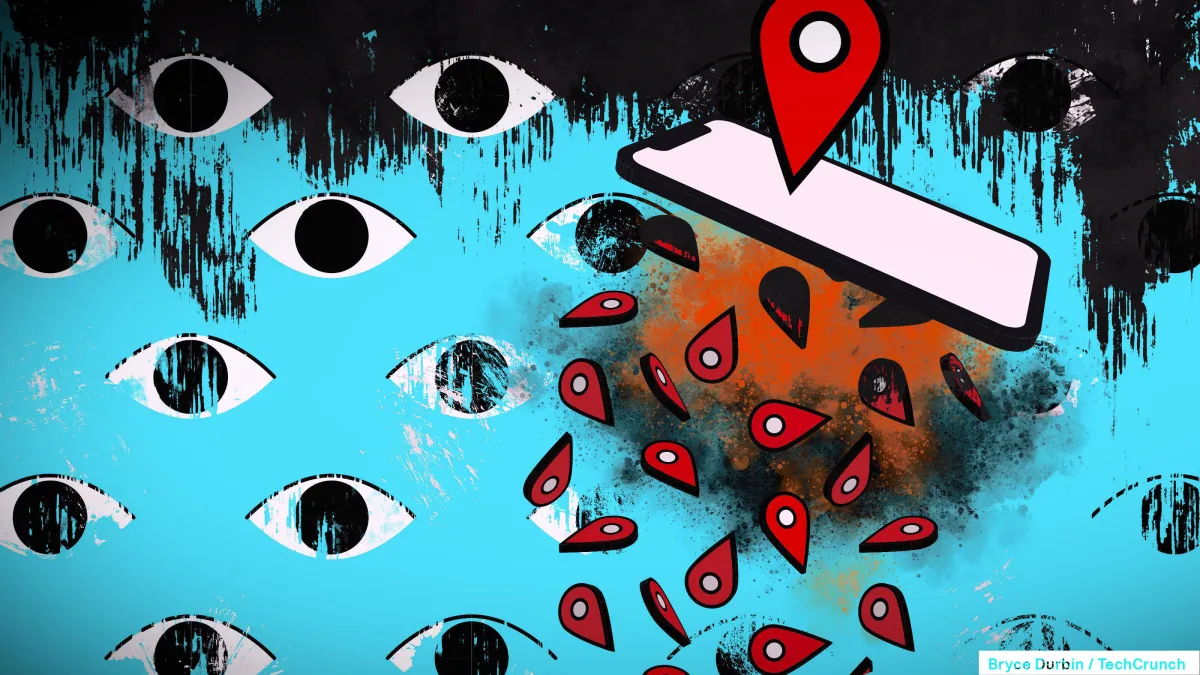
FTC stands firm: Stalkerware pioneer Scott Zuckerman banned, tech watchdogs celebrate

The Federal Trade Commission (FTC) has decisively upheld its 2021 ban against Scott Zuckerman, the controversial founder behind Support King and its associated stalkerware products. This move underscores the ongoing clash between relentless disruption of traditional privacy norms and regulatory measures aimed at protecting consumers and vulnerable individuals from invasive surveillance technology. The FTC’s stance remains firm despite Zuckerman’s recent petition to revoke or modify the ban, citing mounting financial and operational burdens.

At the heart of this controversy lies the alarming pattern of innovation in illicit surveillance. When it first enacted the ban, authorities highlighted that Zuckerman’s product SpyFone facilitated stalking by secretly monitoring personal devices, exposing users’ most sensitive data. A major breach in 2018, involving over 3,600 phones, revealed that the company had left sensitive content—including selfies, messages, and audio recordings—vulnerable online due to extremely lax security protocols. This incident not only exposed personal information but also exposed the inherent risks of disruptive business models built around invasive monitoring.

  • Innovative breach exploitation exposed vulnerabilities in stalkerware security.
  • Demonstrated the potential for hackers to hijack sensitive personal data stored by these apps.
  • Highlighted the failure of regulatory frameworks to keep pace with rapidly evolving surveillance tech.

The case reveals a disturbing trend: repeat offenders attempting to circumvent regulation through clandestine operations. Less than a year after the FTC ban, evidence suggested Zuckerman’s team was running a clandestine secondary operation, SpyTrac, with ties back to the original Support King empire. Leaked data showed direct links to SpyFone and access keys to OneClickMonitor, raising questions about whether regulatory crackdowns can truly contain such disruptive entrepreneurs whose innovations push legal boundaries. Experts like MIT’s cybersecurity researchers warn that these activities threaten to erode privacy standards, fueling a clandestine market that’s difficult to regulate.

Industry analysts such as Gartner warn that the continued proliferation of such invasive technologies signals a need for robust enforcement and innovative reforms. The implications extend beyond individual privacy; they threaten to reshape the competitive landscape, driving legitimate tech firms to innovate smarter security and privacy solutions. As Peter Thiel and others argue, disruption in the surveillance tech realm could redefine the boundaries of personal liberty and corporate responsibility. The FTC’s refusal to relax the ban is a statement: regulation must evolve in tandem with innovation—crucial for safeguarding future technological progress.

Looking ahead, this high-stakes case serves as a stark warning to entrepreneurs and investors betting on disruptive tech: without strong ethical boundaries and regulatory compliance, even the most innovative ideas risk becoming regulatory casualties. As the industry braces for a wave of new innovations, the importance of urgently establishing clear legal and ethical frameworks will determine which companies lead the next revolution and which fall by the wayside. The future of technology rests on striking the right balance—fostering innovation while fiercely defending individual rights against invasive surveillance. Time remains of the essence; the clock is ticking for regulators and entrepreneurs alike to shape a secure, responsible digital frontier that can withstand the disruptive forces at play.

Social Media Auto Publish Powered By : XYZScripts.com



