
The Rise of Nightwear-Inspired Fashion: Redefining the Classic Look
In recent years, a captivating shift in fashion norms has emerged that challenges traditional notions of daywear. The trend isn’t just about throwing on pajamas during daylight hours; it’s about reinventing a timeless aesthetic with a contemporary twist. Fashion enthusiasts and influencers now elevate this concept by pairing delicate nightwear pieces with casual staples such as T-shirts or silky bombers. The result? A look that is both rebellious and refined, blurring the lines between comfort and style. As trend analysts note, this style embodies a broader societal move towards embracing authenticity and individual expression.
The Cultural Impact and Social Significance
This evolution in fashion isn’t happening in a vacuum. It reflects a distinct cultural narrative of breaking away from formal dress codes and societal expectations. Influencers like @FashionRebel on platforms such as Instagram advocate for confident self-expression, emphasizing that sometimes, the key to modern chic lies in simple audacity—like wearing a nightdress outside the bedroom. Additionally, sociologists observe that this trend signifies a broader undercurrent of decentralizing traditional femininity and rediscovering comfort as a form of empowerment. The addition of a classic accessory—such as a slick of lipstick—reinforces a message: this look is deliberate, bold, and capable of commanding attention in any social setting.
The Key Details and Elements of the Look
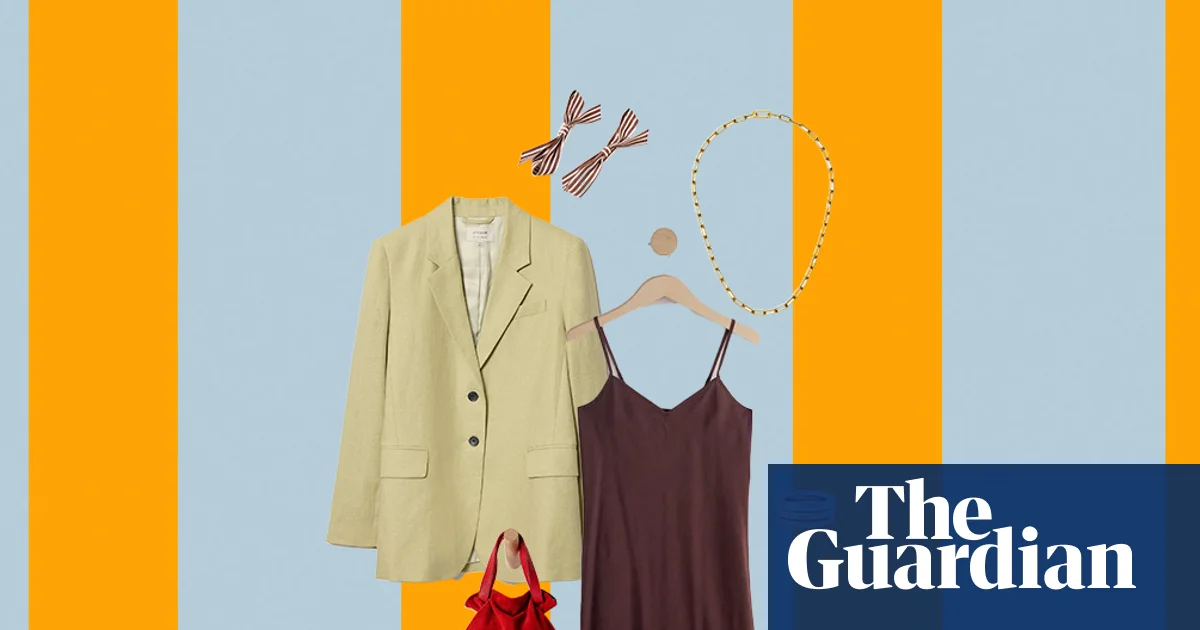
- Layering nightwear with casual wear: Think satin robes over a basic T-shirt or sheer slips under oversized blazers.
- Accessorizing: Lipstick, chunky jewelry, or statement bags heighten the look’s sophistication.
- Footwear choices: Sneakers, loafers, or even heels can dramatically alter the outfit’s vibe.
Fashion brands have swiftly caught on to this cultural shift. The latest collections feature slip dresses and satin items paired effortlessly with streetwear staples, seamlessly merging luxury and leisure. It’s a trend that invites young consumers to redefine what is considered stylish; comfort and audacity are no longer mutually exclusive. Experts suggest that this style signifies a desire for unfiltered self-expression, challenging the conventional boundaries of formal and casual.
The Next Chapter for Fashion and Society
As this trend continues to gather momentum, the question becomes: where does it go from here? Will nightwear-inspired fashion evolve into a fully-fledged subculture, or will it integrate further into mainstream wardrobe staples? Influential voices like Sociologist Dr. Emily Carter argue that these shifts signal a larger societal movement towards valuing authenticity and comfort over rigid aesthetic standards. The next big question is whether this melting pot of comfort, rebellion, and high fashion will push society towards a post-conventional sense of style—one that warrants continuous exploration. Ultimately, this trend asks the broader question of how fashion can be a mirror of societal change, and just how far society is willing to take the idea of dressing for oneself before it becomes a revolutionary act.