Matox News

Truth Over Trends, always!

France plans to strengthen its nuclear forces and extend deterrence to tighten security across Europe

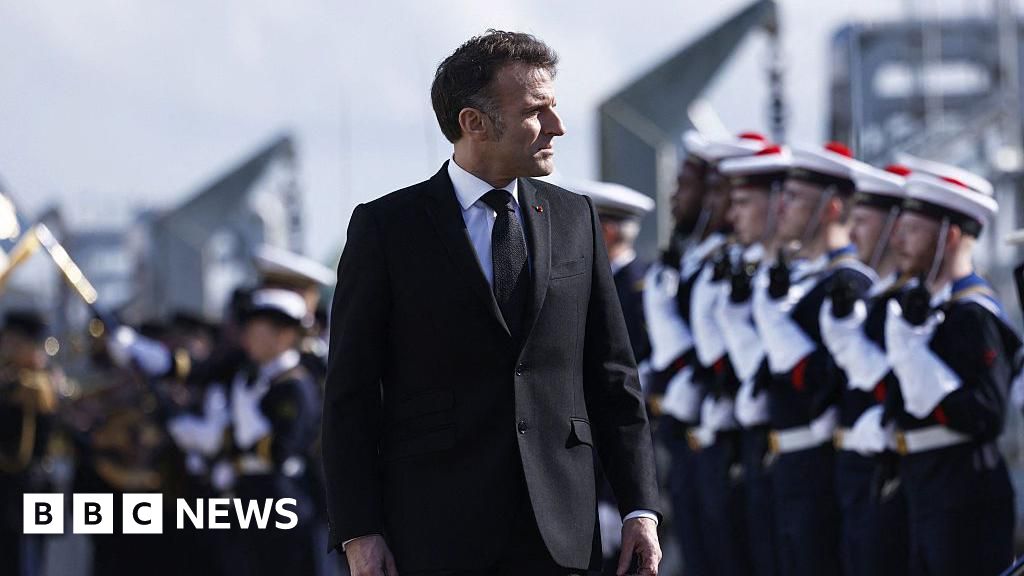
In a move that signals a shift in European and global security dynamics, France‘s President Emmanuel Macron announced that eight countries could soon benefit from Paris’s nuclear protection, a development that has sent ripples across international corridors of power. While the explicit intent is to bolster regional security—and potentially reposition France as a central player in nuclear diplomacy—the decision underscores a complex balancing act: extending protective umbrella without relinquishing sovereignty.

According to Macron, these nations will enjoy nuclear protection, yet all remains under the strict control of Paris. “France will retain sole decision-making power,” Macron asserted in a recent statement. This assurance emphasizes that, even as alliances and security commitments deepen, France seeks to maintain its strategic independence. This approach resonates with traditional Gaullist principles, framing nuclear security as a sovereign prerogative that cannot be shared or delegated. The European security landscape, historically dominated by NATO and the United States, is now witnessing a nuanced reconfiguration, with Paris positioning itself as a pivotal regional power.

International analysts suggest that this move may be aimed at countering the influence of Russia and China in Europe and beyond. By extending nuclear deterrence to select allies, France appears to be creating a layered security posture that could challenge the existing transatlantic dominance. Historian Pierre Lorrain, an expert on French military policy, notes that this move “reasserts France’s unique role as a nuclear power capable of independent influence, signaling a subtle but clear rejection of American hegemony in Europe.” The decision may also foster a sense of sovereignty among these nations, but how this impacts NATO cohesion remains uncertain.

From a geopolitical perspective, the nuclear sharing arrangement reveals broader strategic ambitions. The United States and European Union are closely watching how this development may recalibrate alliances. The shift could inspire other small or medium-sized states to push for independent deterrent options—thus complicating existing security architectures. Conversely, critics warn this could fragment collective defense, weakening established alliances, especially if nations begin to question their reliance on American nuclear umbrella. According to an analysis by the International Crisis Group, sustainable security depends on trust and shared sovereignty, which are challenged by unilateral decisions like Macron’s recent announcement.

As history unfolds, the international community watches with bated breath, aware that such decisions—though carefully couched in sovereignty and security—can have unforeseen consequences. The move by France could either fortify regional security or deepen divisions, depending on how the proposed alliances are maintained and if they evolve into competing power centers. One thing remains certain: the delicate balance of global diplomacy hinges on these choices, and the world’s future may soon be shaped by how these nations and their leaders navigate the treacherous waters of nuclear diplomacy, leaving an indelible mark on the fabric of international security. With history watching silently, the question lingers—who truly controls the ultimate defensive firepower, and at what cost to global stability?

Australia’s Security Chiefs Prepare as US and Israel Target Iran

Global Tensions Erupt as United States and Israel Launch Strikes on Iran: A New Phase in Middle East Conflict

The international landscape has undergone a dramatic shift overnight as U.S. and Israel forces initiated what many are calling a “new illegal bombing campaign” against Iran. This escalation marks a pivotal moment in the ongoing saga of Middle East instability, with global implications reverberating across geopolitical fabric. The decision, condemned sharply by world analysts, underscores a renewed commitment by the western alliance to counter Iran’s ballistic missile and nuclear programs—an effort that many critics argue risks spiraling into a full-scale regional conflagration.

This surge in hostilities follows mounting concern over Iran’s “destabilising force,” as Australian Prime Minister Anthony Albanese recently characterized the regime, citing concerns about its support for armed proxies, acts of internal repression, and foreign aggression. Australia, echoing the sentiments of several allies, declared its support for U.S. and Israeli actions aimed at curbing Iran’s nuclear ambitions. The move is rooted in a broader international effort spearheaded by organizations like the United Nations to maintain global peace, but it also raises serious questions about the potential consequences of escalation.

Historically, analysts such as Middle East political experts warn that interventions resembling the overnight strikes have demonstrated a troubling tendency to escalate existing conflicts. “This is not just a tactical military move, but a turning point that could reshape the entire region,” comments Dr. Samuel Levine, a geopolitical analyst at the London Institute for Strategic Studies. The attack, which reportedly resulted in the death of at least sixty children due to strikes on Southern Iran, serves as a stark reminder of the human cost inherent in such conflicts. Iran’s regime responded with defiance, claiming the strikes threaten international stability while risking severe repercussions for their own population.

How International Decisions Shape Societies and Power Dynamics

The geopolitical impact of these recent actions extends far beyond the immediate violence. Countries aligned with the West are now navigating a treacherous path of diplomatic and military posture, with some European nations voicing concern about civilian casualties and potential regional collapse. The United States and Israel portray these strikes as necessary for global security, but critics argue that such unilateral military actions betray the principles of international law and risk unleashing chaos. The UN Security Council faces mounting pressure to respond, though its effectiveness remains uncertain amidst vetoes and geopolitical rivalries.

In Australia, the government’s principled stance aligns with historic allies’ push for a tough approach; yet, it also underscores the increasingly complex reality of a multipolar world where regional and global powers clash. Many international observers, including seasoned diplomats and analysts, warn that these decisions could ultimately empower more aggressive factions within Iran or ignite wider regional conflicts, dragging in other powers and increasing the threat of nuclear proliferation. The specter of civilian suffering, especially among innocent children, looms large, prompting urgent calls from human rights organizations for restraint instead of escalation.

Concluding Reflections: A Turning Point or a Pandora’s Box?

As the dust settles on this night of military action, the future remains uncertain. Will this marked escalation lead to a decisive turning point in bringing stability or merely open a Pandora’s box of violence and chaos? Historians like Prof. Michael Carter warn that peace is often sacrificed at the altar of intervention, with unintended consequences lurking behind every strategic move. The world stands at a crossroads — with each decision echoing through history’s vast corridor, shaping the narratives of future generations. The unfolding chapter in the Iran conflict leaves humanity vulnerable and vigilant, a stark reminder that the question of peace is often a battle fought as much in the minds and hearts of nations as on the battlefield.

Iran’s retaliation sparks concerns over US air defenses—Youth worried about national security

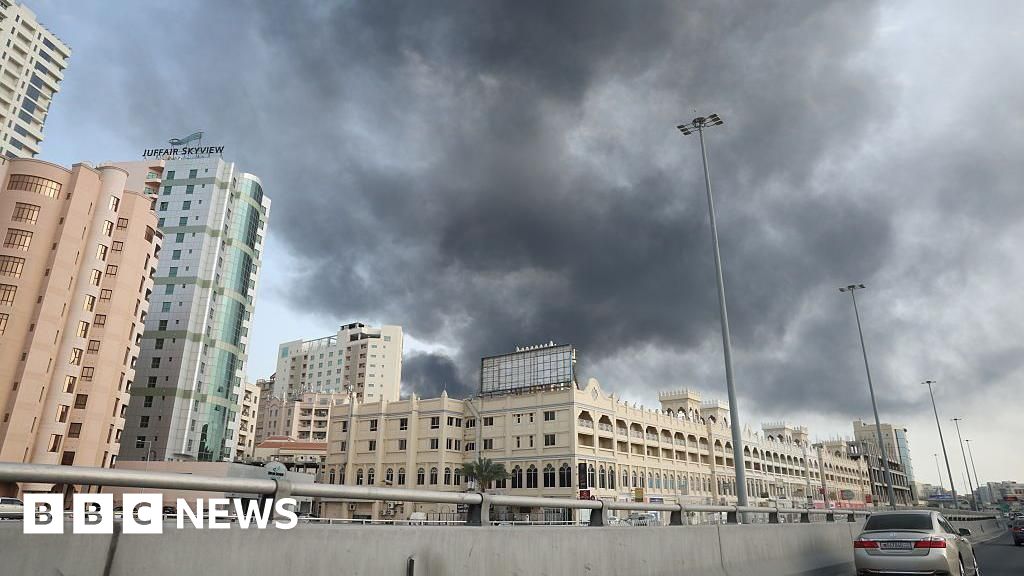
The recent missile attack by Iran on a US Navy base in Bahrain has sent shockwaves across the geopolitical landscape of the Middle East. An targeted assault on a strategic military asset underscores the ongoing tension in a region where diplomacy often teeters on the brink of conflict. While initial reports suggest limited casualties, the implications for U.S. regional influence and alliances are profound. Many analysts interpret this event as a stark warning from Tehran, signaling their readiness to challenge U.S. military dominance in the Persian Gulf, a vital artery for global oil supplies.

The attack stirs echoes of past confrontations, reigniting fears that Iran might be escalating efforts to leverage military force as a means of negotiating concessions over its nuclear program and regional influence. Historically, Iran has oscillated between negotiations and provocative actions, but this strike marks a noticeable shift towards assertiveness. According to international security experts and reports from organizations such as the International Institute for Strategic Studies, Iran’s actions exacerbate regional instability, with potential consequences radiating beyond the Gulf. Smaller Gulf states, deeply intertwined with U.S. military presence and economic interests, now grapple with the torment of balancing diplomatic ties against the threat of further escalations.

From a geopolitical impact, the attack illustrates a pivotal moment where regional and global powers must reassess their strategies. Washington faces mounting pressure to demonstrate resolve, potentially through military reinforcement or diplomatic overtures aimed at de-escalation. Meanwhile, China and Russia continue to watch intently, capitalizing on Washington’s perceived distraction to strengthen their influence across the Middle East. The incident underscores a shifting international landscape, where traditional alliances are tested, and the risk of broader regional conflicts increases. The latest developments have also prompted renewed debate within the United Nations and among global watchdogs, emphasizing the urgency of diplomatic solutions over military posturing.

Historians and analysts warn that choices made in these critical moments will define the future of the region and the stability of global energy markets. The strike on Bahrain, a cornerstone of U.S. military posture in the Middle East, raises fundamental questions about the balance of power, sovereignty, and the long-term strategy for peace in a volatile zone. As international actors scramble to respond, the overarching narrative remains fraught with uncertainty. This incident could epitomize a new chapter in a protracted contest—one that could either lead toward negotiation or plunge the region into years of instability, with consequences rippling around the globe. History’s pen has been stationary for only a moment; the story is still being written, and the weight of its next page may determine the course of nations for decades to come.

Democrats criticize US military for shooting down CBP drone at border—are they putting politics over security?

U.S. Border Security and the Flawed Logic of Anti-Drone Operations

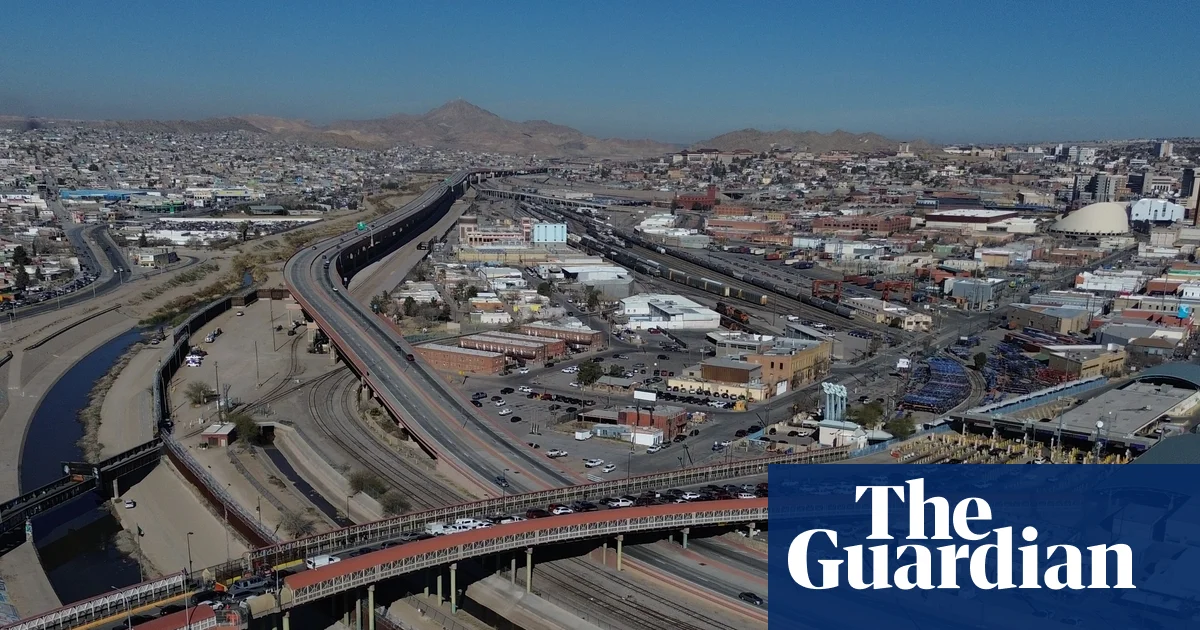
The recent series of incidents along the U.S.-Mexico border reveals a troubling trend in America’s border security and aviation management. With airspace closures, drone misidentification, and intra-agency conflicts, the American federal government appears to be caught in a cycle of chaos and indecision. The latest event involving the U.S. military shooting down a drone presumed to be a threat, only to discover it belonged to U.S. Customs and Border Protection, underscores a misjudged strategy that threatens not just national security, but also public trust. Analysts warn that such reckless operations, powered by improvised high-energy laser deployments, could escalate into larger diplomatic and military miscalculations, especially given the sensitive border region.

The strategic missteps were compounded by inter-agency disagreements—particularly between the Pentagon, the FAA, and CBP—illustrating a fractured command structure. Congressional critics, especially Democratic members like Senators Tammy Duckworth and representatives Rick Larsen and Bennie Thompson, have voiced grave concerns about the lack of coordination and the “incompetence” fueling these border violations. These incidents are a clear reflection of a broader deficiency in strategic planning and oversight, fueling fears of escalation that could create international tensions or even unintended conflicts.

International observers and historians have repeatedly warned about the peril of uncoordinated military actions near contested borders. Such blunders can rapidly spiral into crises, especially in a geopolitically sensitive region like North America. The use of high-energy lasers—a technology still in its infancy—raises questions about its safety and efficacy. The FAA’s call for a comprehensive safety review underscores the technology’s emerging risks, and experts warn that deploying such systems without proper regulation could violate international norms and invite retaliation. This chaos occurs amid a backdrop of ongoing debates about border security, drug trafficking, and migrants—pressing issues that demand prudent, coordinated responses rather than reckless show-of-force tactics.

The U.S. border remains a flashpoint for geopolitical contention, with organized crime, drug cartels, and increased militarization making the region volatile. The incident near Fort Hancock, adjacent to one of the world’s most active smuggling corridors linked to the Sinaloa cartel, demonstrates how missteps in security operations risk fueling violence and destabilization. As international organizations like the United Nations assess the implications of U.S. border policies, history teaches that haphazard military interventions only deepen conflicts and undermine sovereignty. The continuing dispute over the management of drone technology serves as a stark warning: decisions taken in haste today could cast long shadows over future geopolitical stability. In the evolving chessboard of global power, mishandled border security operations threaten to become catalysts for far larger conflicts, echoing historic failures in reckless militarization.

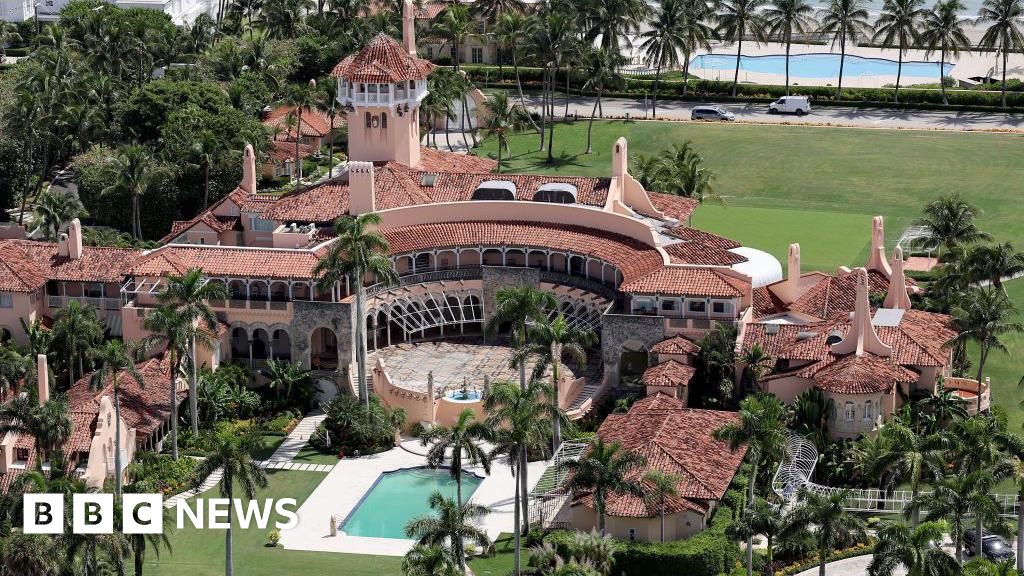
Intruder shot after breaching Mar-a-Lago security, Secret Service confirms

Sudden Violence in Butler Shakes U.S. Political Landscape

The summer of 2024 will be remembered as a pivotal moment in American history, marked by a shocking act of violence targeting former President Donald Trump. On a routine day in July, as he engaged with supporters in Butler, Pennsylvania, an unexpected and tragic event unfolded. A gunman, identified as 20-year-old Matthew Crooks, opened fire, striking Trump in the ear and causing chaos among the gathered crowds. This assault resulted not only in injuries but also in the loss of life, with one bystander killed and two others wounded. The rapid response by security forces, who promptly shot and killed Crooks, prevented further bloodshed, but the incident has ignited both national and international debate about the state of political violence in the United States.

This act of violence underscores tensions that have continued to escalate in the American political arena, reflecting a broader ideological divide that has been inflamed over recent years. Analysts and international commentators warn that such incidents threaten the stability of democratic institutions and portend a future where political violence might become more commonplace. The implications extend beyond US borders, casting a shadow over the global image of America as a beacon of democracy. The ripple effects of this attack could influence international relations, security policies, and the perception of American political resilience, especially as global powers observe how internal strife affects their ideological rivals.

The motivations behind Crooks’ attack remain unknown, but the incident has sparked urgent questions about security protocols, mental health, and the rise of extremist sentiments within the US. Historians and security analysts are already drawing parallels with past political violence, warning that such events might become catalysts for more profound societal upheaval. International organizations such as the United Nations have called for internal stability and a crackdown on extremist narratives that facilitate such violence, emphasizing the risk of deterioration in democratic norms.

From a geopolitical perspective, this violence poses a threat to domestic stability—a core foundation of a nation’s standing in the world. The deliberate targeting of a prominent political figure like Trump exposes vulnerabilities in US security and highlights the need for an urgent reassessment of how political hostility manifests physically. Leaders worldwide observe with concern, knowing that unchecked internal conflict fuels instability, weakening America’s ability to project power and influence globally. As the nation mourns, the question remains: how will this tragedy shape future political discourse and policy in the United States?

History has often recorded moments where a single act of violence ignited broader societal shifts—sometimes for better, sometimes with devastating consequences. As the United States grapples with what this attack signifies, the world watches closely. The harrowing question lingers: will this event fracture the fragile fabric of American democracy or serve as a wake-up call to reinforce its foundations? In the unfolding chapters of history, the answer remains uncertain, yet undeniable: the weight of this moment will linger in the collective memory, reminding us all that the future of nations often hinges on how they confront their darkest hours.

Teacher stabbed by student: From educators to security, society’s slipping?

In recent discussions surrounding school safety and community well-being, a notable statement from a former Ysgol Dyffryn Aman educator has reignited debates about the appropriate roles of school staff and the overarching approach to maintaining security within educational institutions. The educator emphasized that staff are not security guards, arguing that equipping teachers and administrative personnel with handheld scanners or similar security devices would be ineffective in addressing broader social issues. Rather, the emphasis must rest on understanding the societal challenges that influence school environments, impacting families, education, and entire communities.

Historically, schools have been more than centers for academic learning; they are a mirror and a microcosm of societal health. As Dr. Mary Louise Pratt, a prominent social historian, notes, schools reflect the social fabric of their communities, inclusive or fractured. When societal tensions—such as increasing youth violence, economic disparities, or cultural divides—pervade neighborhoods, they inevitably seep into classrooms, challenging educators’ capacity to foster safe learning spaces. In this context, the idea that simply installing handheld scanners or security measures can resolve the complex web of social issues is both naive and superficial. This approach risks turning dedicated teachers into de facto security personnel, diluting their core role of cultivating knowledge and moral development.

Social commentators warn that overemphasizing security without addressing root causes of social unrest can further alienate communities and undermine the moral authority of educational institutions. Challenges such as

  • rising youth unemployment
  • family breakdowns
  • disenfranchisement

contribute to environments where violence and unrest flourish. These issues are deeply embedded in the demographic shifts experienced over recent decades, changing the fabric of local populations and hampering efforts to create cohesive, supportive school communities. The adoption of security-centric policies, without supportive social programs, risks alienating marginalized youth, who already face systemic obstacles.

In light of these complexities, it becomes clear that the real challenge lies in fostering resilient, inclusive communities. Schools need resources that extend beyond surveillance equipment—investment in mentoring programs, mental health services, and family support initiatives is vital. Sociologists like Michael W. Ross have argued that by empowering communities and creating care-centered environments, society can turn schools from battlegrounds into havens of hope. According to Professor Heather Macdonald, an expert in social dynamics, genuine change requires integrated efforts that recognize educational success is inseparable from societal stability.

As society stands at a crossroads, the dialogue should shift from viewing social issues as problems to be policed, toward recognizing them as challenges to be understood and addressed holistically. Families, educators, and community leaders must unite in confronting the underlying issues that threaten the fabric of our society. Only then can schools reclaim their true purpose: nurturing well-rounded individuals prepared not just to excel academically, but to contribute positively to their communities. Through this lens, the future of society hinges on our collective ability to transform societal struggles into opportunities for renewal, ensuring that every child’s right to a safe, supportive, and enriching educational environment is truly realized.

Homeland Security Forum: ICE Agents Spill the Tea on Internal Drama

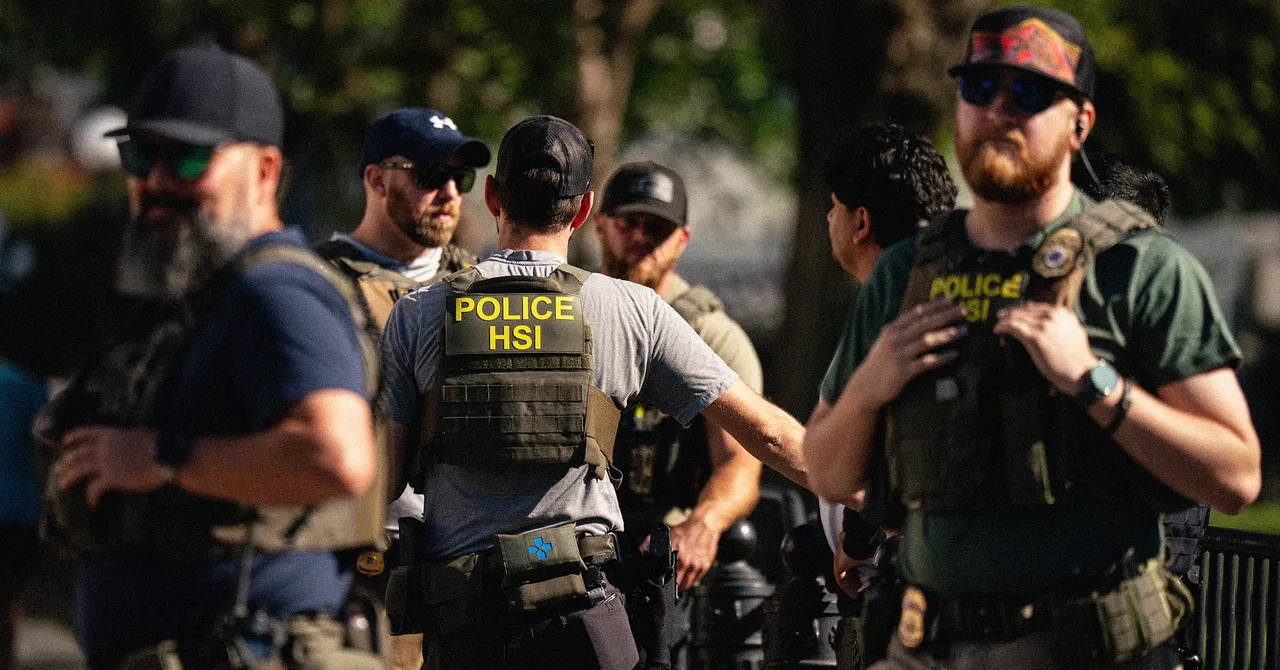
The landscape of U.S. law enforcement is undergoing a profound shift, driven by advancements in technology and a reevaluation of strategic priorities. Federal agencies such as the Department of Homeland Security (DHS) and Customs and Border Protection (CBP) are increasingly leveraging innovative tools to expand their operational reach. However, this rapid growth is sparking vigorous debates about resource allocation, mission focus, and public trust. Industry analysts from Gartner and leading security think tanks warn that the aggressive deployment of surveillance and investigative technologies may disrupt traditional law enforcement paradigms, creating a complex web of ethical, operational, and political challenges.

The controversy intensifies as online forums and forums reveal a growing divide within enforcement communities and the broader public. Discussions on these platforms highlight how disruption in enforcement tactics—driven by advanced surveillance, data analytics, and undercover operations—are redefining what it means to ensure national security. Some voices argue that the targeting of political adversaries, including recent high-profile shootings and protests, may undermine operational integrity and citizen trust. Experts such as MIT cybersecurity specialists emphasize that this new era demands a careful balance; unchecked technological overreach could lead to loss of privacy, civil liberties, and legitimate operational effectiveness.

Business implications are equally significant. As the U.S. government increases investment in advanced intelligence platforms, AI-driven investigative tools, and decentralized command structures, private sector innovators are racing to fill the void. Companies specializing in facial recognition, biometric analysis, and encrypted communications are seeing unprecedented growth—highlighting a market shift that threatens to consolidate power within a handful of tech giants. Meanwhile, some critics, including industry watchdogs and civil liberties advocates, warn that this concentration could foster authoritarian tendencies and stifle innovation through over-regulation. It is clear that the industry must navigate a treacherous terrain: fostering disruptive advances while safeguarding constitutional rights and competitive markets.

The future trajectory of this evolutionary cycle depends heavily on how policymakers and industry leaders respond to these challenges. Gamers like Elon Musk and economist Peter Thiel have long advocated for public-private partnerships that promote transparency and responsible innovation. Experts from institutions like MIT argue that emerging technologies—particularly AI and machine learning—offer unprecedented disruption potential, enabling agencies to anticipate threats proactively and dismantle illicit activities with greater precision. Yet, the warning remains: *failure to adapt responsibly* could accelerate *societal divisions*, reduce public confidence, and stymie technological progress itself.

As the government doubles down on integrating these disruptive innovations into the national security fabric, stakeholders must recognize that the pace of change is relentless. The window for proactive regulation, strategic investment, and ethical oversight is closing rapidly. The path forward hinges on a balanced approach—harnessing the disruptive power of emerging tech to safeguard freedom and stability, while avoiding overreach that could lead to unintended consequences. The evolution of law enforcement and security technology is not just a matter of national interest — it is a decisive turning point shaping the future of American innovation and liberty.

El Paso No-Fly Fail Sparks Broader Drone Security Crisis for America

Broader Implications of Recent U.S. Anti-Drone Innovations Highlighted by El Paso Airspace Incident

The recent airspace closure over El Paso, Texas, has raised significant questions about the trajectory of U.S. nationally critical drone defense technologies. Although the closure lasted only eight hours, the incident underscores a pivotal shift toward energy-based weaponry as the future of short-range air defense systems. The event, initially attributed to potential incursion by Mexican cartel drones, appears now to involve the deployment of laser counter-drone systems supplied by AeroVironment—a company at the forefront of energy weapon innovations.

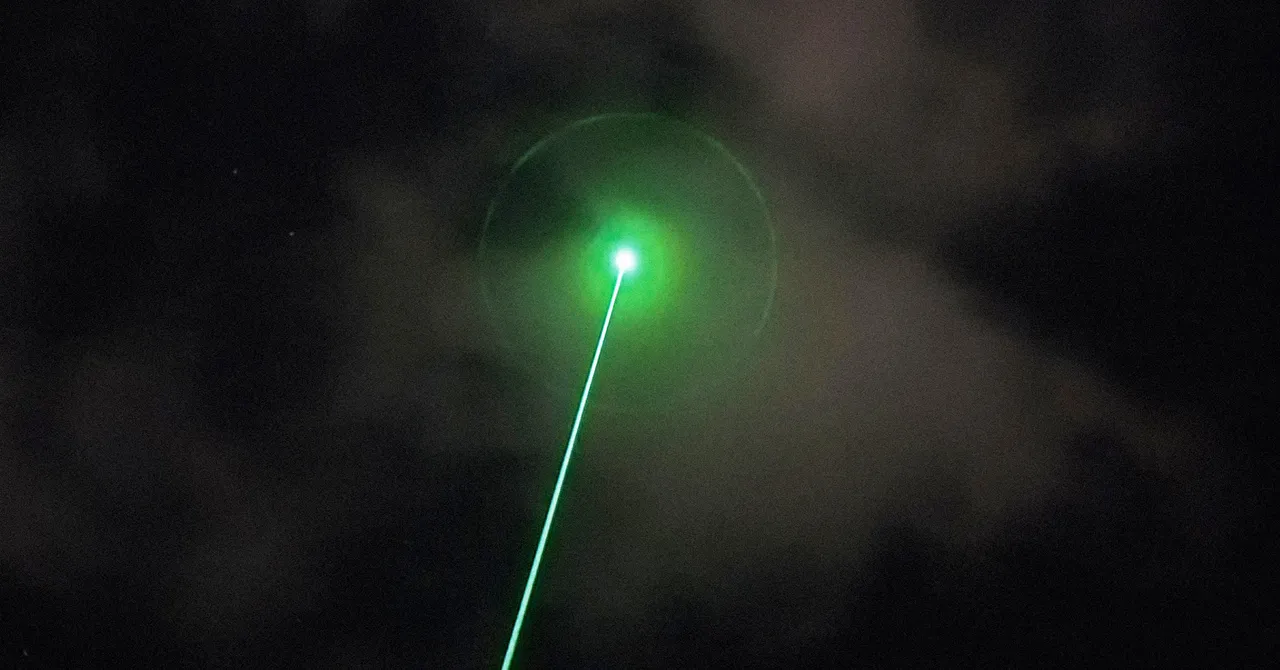
According to public reports, the defense system used was the LOCUST anti-drone laser, a 20-kilowatt directed energy weapon designed specifically for small drone neutralization. This marks a significant step in disrupting traditional air defense paradigms—moving away from bulky, costly interceptors toward lightweight, energy-efficient lasers. Industry analysts note that these systems have become particularly relevant given the proliferation of inexpensive and accessible drones. As high-powered microwave and laser defenses ramp up, a new era of energy-based warfare is emerging, potentially reshaping how national security responds to non-traditional aerial threats.

Innovation in Anti-Drone Technologies and Industry Disruption

The deployment of the LOCUST system, along with its subsequent acquisition by BlueHalo (a subsidiary of AV Inc.), signals a broader disruptive wave in defense innovation. The shift toward directed-energy weapons aligns with the U.S. Army’s ongoing experiments, such as the recent energy weapon tests aimed at establishing energy-based multi-mission defense capabilities. Such systems promise higher operational readiness, reduced logistics burdens, and faster response times compared to traditional missile-based systems.

  • Key features include portability, reduced cost per shot, and rapid engagement.
  • Recent developments have seen the delivery of multiple LOCUST units to the U.S. Army as part of the AMP-HEL program.
  • Industry leaders emphasize that energy weapons could soon become integral components of integrated air defense architectures.

Experts like Peter Thiel and institutions such as MIT predict that disruption driven by directed-energy systems will redefine battlefield paradigms, placing energy weapons as the preferred method of drone suppression. This technological leap favors agile, scalable defense solutions that could soon render legacy countermeasures obsolete, fundamentally shifting the market landscape and geopolitical dynamics.

The Future: A Race Toward Dominance in Energy-Driven Defense

What makes this shift urgent is the accelerating proliferation of low-cost drones, which can be deployed swiftly and in large numbers. The increasing affordability and accessibility of such hardware threaten to undermine established airspace security protocols, compelling both government and private sectors to prioritize energy-based defense innovations. As defense giants and emerging startups race to develop more sophisticated laser and microwave systems, the geopolitical stakes are higher than ever.

In this context, innovation and disruption are not merely buzzwords—they are the blueprint for national security and economic strength in the 21st century. The El Paso incident highlights that energy weapons, once relegated to science fiction, are now being operationalized at a rapid pace. The question for industry leaders and policymakers is clear: Who will lead this new arms race, and how will global power balances shift in the face of technological superiority? The future belongs to those who recognize that energy-based defense systems are not just an evolution—they are a revolution, demanding swift strategic adaptation to stay ahead of emerging threats.

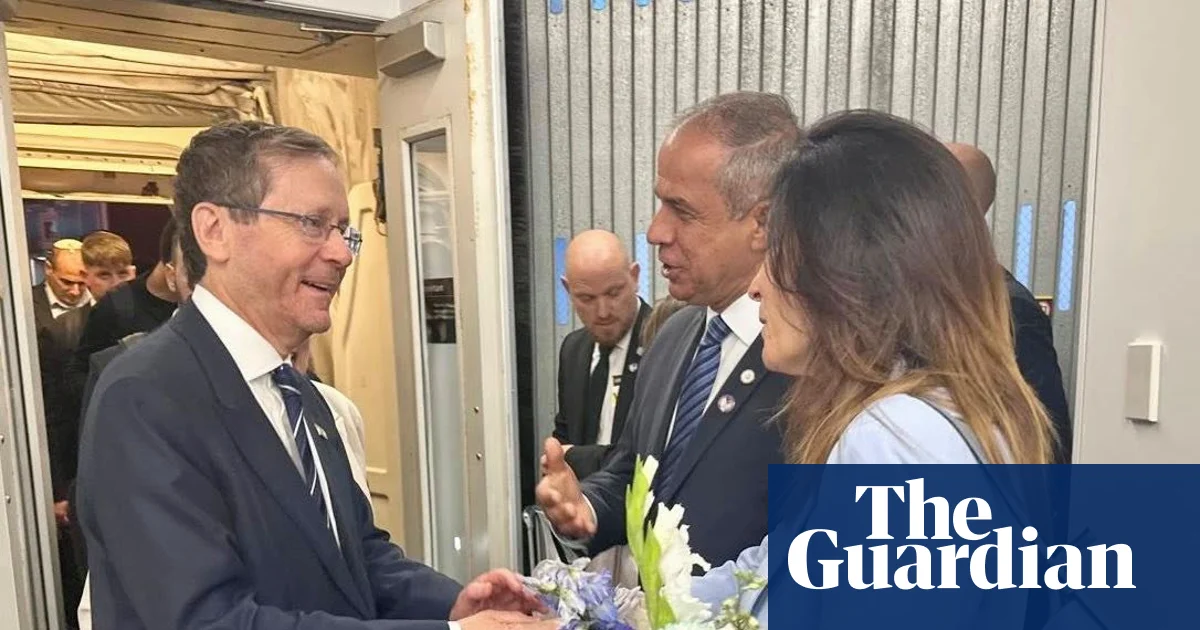
Isaac Herzog visits Bondi to stand with terror attack survivors amid heavy security

Geopolitical Tensions Flare as Israel and Australia Navigate Sensitive Diplomatic Terrain

The recent diplomatic visit of Israel’s President Isaac Herzog to Australia marks a pivotal moment in the ongoing transnational diplomacy surrounding the Israel-Palestine conflict. Herzog’s four-day trip, primarily aimed at engaging with Jewish communities and advocating for bilateral relations, has ignited both support and fierce opposition across the Australian political landscape. While the Australian government, led by Prime Minister Anthony Albanese, positioned the visit as a step toward forging greater unity amidst regional tensions, critics within and outside of the Jewish community viewed it as a provocative act that risks deepening existing divisions.

The visit’s implications extend far beyond symbolic gestures. Herzog’s meetings with top Australian officials, including the prime minister and representatives from across political spectrum, are seen as strategic steps to bolster international support for Israel, especially in the wake of recent violence and antisemitic incidents. The Bondi terror attack, which served as a catalyst for Herzog’s visit, underscored the delicate atmosphere of the Jewish diaspora in Australia, prompting expressions of solidarity from the government and community leaders alike. Yet, the response of sections of Australia’s Jewish community—particularly those critical of Israel’s government—highlight the ethnic and political rifts that continue to challenge cohesion among diaspora populations.

Controversies and the Path Toward International Diplomacy

  • Australia’s Jewish community remains deeply divided, with over 600 members explicitly voicing opposition through full-page ads, criticising Herzog’s visit as a betrayal to multicultural values and Palestinian human rights.
  • Herzog’s international standing has come under scrutiny, with some human rights organizations and analysts accusing him of inciting violence, and even drawing parallels to a “blood libel” by denying allegations of genocide.
  • Adding complexity, recent findings by a UN commission—albeit unofficial and contested—have accused Herzog and Israeli leaders of incitement, a claim that Israeli officials vehemently dismiss as politically motivated propaganda aimed at undermining Israel’s national integrity.

This controversy underscores the geopolitical impact of Israel’s international diplomacy, especially as it navigates accusations of war crimes and genocide in global courts. Such assertions threaten to isolate Israel further on the world stage, forcing the government to rehearse diplomatic responses while managing domestic and diaspora pressures. Meanwhile, Australian authorities, keen to avoid escalation, have been engaged in tense negotiations concerning a planned protest march by pro-Palestinian groups. Prime Minister Albanese and NSW Premier Chris Minns seek a careful balance—preserving the right to assemble while maintaining public order.

The Broader Global Ripple Effect

The Herzog visit occurs within a broader context of shifting international alliances and increasing polarization over Israel’s policies. Historically, Australia has maintained close ties with Israel, often siding with Western allies, yet recent domestic unrest reveals the fragile undercurrents within Australian society regarding Middle Eastern politics. Experts from institutions like the International Crisis Group warn that such diplomatic moves—when coupled with domestic protests and global accusations—could fracture alliances and hinder collaborative efforts in peacekeeping or security initiatives across the Indo-Pacific.

Underlying these developments is a new generation of leaders and analysts who warn that decisions made in these tense moments will echo through history, possibly shaping Australia’s future role on the world stage. As protests flare and diplomatic language tightens, the weight of history presses down, reminding all involved that the decisions taken today may fuel the flames of division or sow seeds for reconciliation. In an era where geopolitics is marked less by clear alliances and more by complex, often contradictory motives, the enduring question remains: How will nations navigate the perilous waters of justice, loyalty, and international diplomacy when history itself continues to unfold before their eyes?

NSA intercepts foreign intel call on Trump ally, raising concerns for US security

U.S. Intelligence Crisis Sparks International Tensions and Geopolitical Reckoning

The recent revelations surrounding United States intelligence operations have sent shockwaves through the international geopolitical landscape, revealing a complex web of internal conflicts and power struggles that threaten global stability. At the heart of the controversy is a highly classified whistleblower complaint involving President Biden‘s administration and high-ranking officials, with whispers of a covert phone call between individuals connected to foreign intelligence agencies and a figure close to former President Donald Trump. According to insiders, the call was monitored by the National Security Agency (NSA) last spring, and objects of concern include alleged attempts to shield sensitive information from congressional oversight and potential presidential interference. These revelations have not only exposed fissures within the Intelligence Community but also raised questions about the legitimacy and transparency of America’s internal security machinery amidst a rapidly shifting global order.

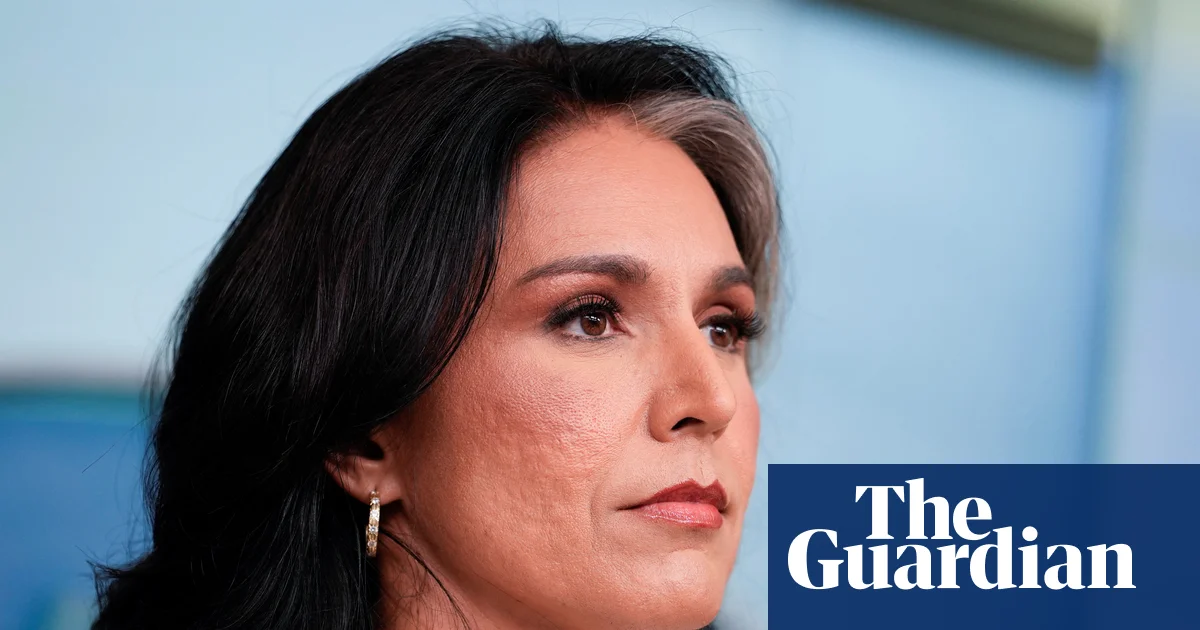
Experts and historians like Dr. Anne Clark of the International Security Institute warn that this internal turmoil could have profound geopolitical impacts. The revelations indicate a possible erosion of the rule of law in intelligence oversight—a scenario that global allies and adversaries alike are scrutinizing with suspicion. The controversy centers on Director of National Intelligence (DNI) Tulsi Gabbard, who allegedly bypassed routine protocols to conceal the whistleblower’s complaint and directed classified material away from congressional oversight. Critics argue this raises alarms about executive overreach and underscores a pattern of non-compliance with established legal standards. The situation has prompted a chorus of international concern, as nations observing the U.S. grapple with whether internal political motives are compromising global security commitments, thereby undermining America’s credibility as a leader in the fight against terrorism and state-sponsored abuse.

  • On 17 April, a whistleblower surfaced with claims that Gabbard had intentionally delayed and redacted sensitive intelligence documents that could prove pivotal in the unfolding scandal.
  • The whistleblower alleges that long-standing legal obligations to transmit such complaints to Congress were ignored, with delays extending over months and questions surfacing about the true independence of oversight officials.
  • Adding fuel to the fire, Republican lawmakers such as Senator Tom Cotton dismissed the allegations as baseless, emphasizing the importance of legal procedures and national security confidentiality.
  • Meanwhile, Democratic members like Senator Mark Warner accused the intelligence agencies of deliberately burying crucial information, potentially compromising national security and international stability.

As this high-stakes game unfolds, international analysts caution that the damage done within the corridors of U.S. power reverberates across the globe. Many fear a weakened U.S. may no longer be able to project power or uphold their international commitments effectively. With global rivals capitalizing on this internal discord — especially China and Russia — the possibility of exaggerated geopolitical shifts grows, threatening to destabilize already fragile regions. The consensus amongst respected geopolitical thinkers is that this controversy may mark a pivotal moment: a turning point that will define U.S. leadership in the emerging multipolar world or diminish its influence amid growing internal chaos.

As the world watches, the winding course of this internal U.S. saga remains uncertain. The stories of secrecy, deception, and betrayal echo warnings that history’s weight is ever-present, threatening to tip the balance of international peace and security. Will honest transparency restore order, or will these shadows deepen, consigning a once-powerful nation to the ashes of its own making? The pages of history are yet to be written, but the impact of these decisions will be felt for generations—echoes of a nation’s struggle to uphold its principles in the face of chaos and corruption.

Social Media Auto Publish Powered By : XYZScripts.com