Matox News

Truth Over Trends, always!

US government bans foreign-made routers, signaling a new push for digital security and tech sovereignty

FCC’s New Ban on Foreign-Made Consumer Routers Sparks Disruption in US Tech Industry

The Federal Communications Commission (FCC) has announced a significant shift in U.S. technology policy, effectively banning all future imports of foreign-produced consumer networking gear. This move, announced in December, mirrors previous restrictions on foreign-made drones and signals a strategic pivot toward ensuring national security and cybersecurity dominance. With this ban, the FCC aims to curb potential vulnerabilities tied to foreign manufacturing, citing concerns over malicious cyber activities and supply chain risks. As innovation in networking technology accelerates globally, this decision could lead to a seismic disruption in the industry, forcing companies to rethink sourcing and manufacturing strategies to stay competitive.

The agency’s justification hinges on a pressing need to safeguard critical U.S. infrastructure from sophisticated cyberattacks linked to foreign-made routers. According to an FCC National Security Determination, the dominance of foreign routers—particularly those from China—poses unacceptable risks. Notably, devices produced abroad have been implicated in high-profile cyberattacks such as Volt, Flax, and Salt Typhoon, targeting vital sectors like energy, transportation, and water systems. The FCC emphasizes that reliance on foreign manufacturing could undermine America’s technological independence, echoing warnings from industry leaders and cybersecurity experts who argue that vulnerabilities exploited by state-sponsored hackers threaten both economic power and national sovereignty.

Disruptive innovation is at the heart of this policy shift, with the U.S. now signaling a push towards domestic manufacturing and perhaps a new chapter in tech sovereignty. Major industry players such as TP-Link—which previously held a dominant position in the U.S. consumer router market—are feeling the pressure to adapt. After efforts to distance itself from Chinese origins, with a California-based headquarters established in 2022 and 2024 respectively, the company is navigating a rapidly shifting landscape. The ongoing regulatory climate could accelerate the trend of local manufacturing and lead to a re-evaluation of the entire supply chain, providing a blueprint for other critical sectors to follow suit.

Importantly, this move underscores the growing complexity of cybersecurity risks. While moving router production to the U.S. might seem like a straightforward solution, experts such as those at MIT and Gartner warn that hardware vulnerabilities are not solely related to manufacturing location. Instead, the core issue lies in ongoing security vulnerabilities—exploited even in domestically produced devices like Cisco and Netgear routers, which faced targeted attacks from Chinese state-sponsored hackers, as reported by the Department of Justice. This suggests that, beyond geographic sourcing, any comprehensive security strategy must integrate robust, ongoing software updates and hardware resilience, regardless of where devices are assembled.

As the U.S. embarks on this strategic pivot, the implications for the global tech ecosystem are profound. Industry analysts anticipate that these restrictions will accelerate innovation in homegrown networking technologies, spurring startups and established firms alike to develop secure, domestically-sourced hardware. In a climate where cyber warfare and digital espionage are becoming commonplace, the geopolitical stakes are crystal clear: control over critical infrastructure and digital assets is a matter of national survival. The urgency to innovate and disrupt the status quo has never been higher, as market leaders and new entrants race to deliver the next generation of secure, resilient networking solutions that could define the future of American technological independence.

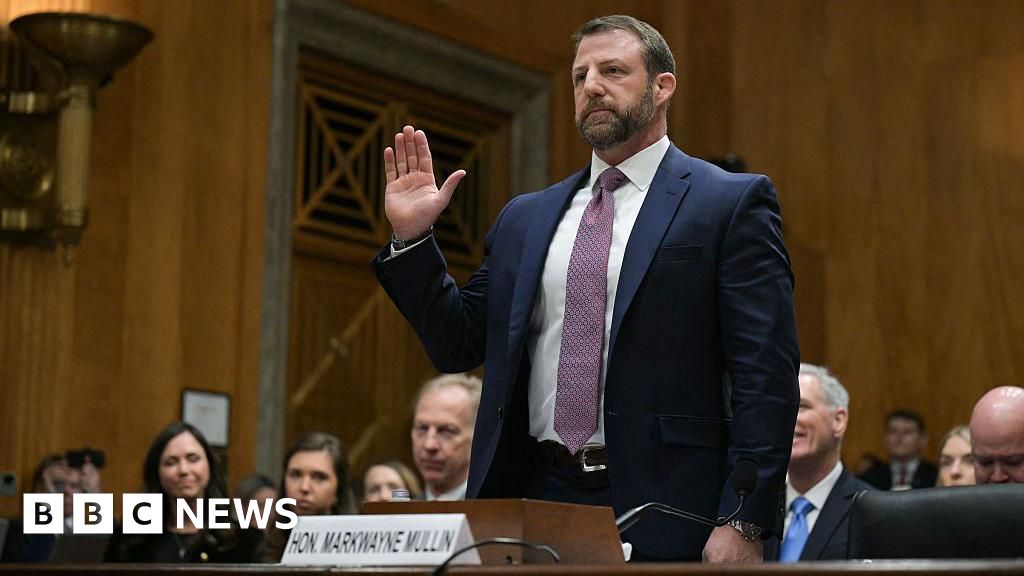
US Senate Approves Markwayne Mullin as Homeland Security Chief—A Bold Step Forward

US Senator Appointed to Oversee Immigration Enforcement Amidst Crisis

In a significant shift that underscores ongoing tensions within America‘s political landscape, a prominent US senator has been tasked with overseeing the embattled Department of Homeland Security’s Immigration Enforcement division. This appointment comes after a series of costly and contentious errors that have upended the agency’s credibility, raising profound questions about national sovereignty and border security. Analysts suggest that this move is not merely an internal fix but a reflection of wider geopolitical concerns that stretch across the globe, illustrating the high stakes involved in America’s immigration policies and their ripple effects on international stability.

The recent blunders involve overreach, administrative missteps, and controversial deportation practices that have drawn ire from both domestic and international communities. According to diplomats and human rights advocates, these failures have not only tarnished the United States’ reputation as a nation of laws and order but also fueled instability in neighboring regions. Historian James McAllister points out that such internal crises can serve as catalysts for broader geopolitical shifts, shaping alliances and influencing migration patterns. By placing a seasoned senator at the helm, authorities aim to restore order, restore trust, and recalibrate the nation’s approach to immigration—key issues that resonate far beyond America’s borders.

International organizations, including the United Nations, have expressed concern over these recent developments, warning that unpredictable enforcement can exacerbate regional conflicts and destabilize fragile economies. Analysts warn that unilateral policies rooted in strict enforcement risk unintended consequences, including increased humanitarian crises and black-market human trafficking networks. This situation underscores the importance of strategic decision-making in a connected world, where domestic policies frequently have profound international repercussions. The appointment is viewed by some experts as an attempt to stabilize not only a domestic issue but also to project a semblance of control in a chaotic geopolitical environment in which nations are increasingly interconnected.

As the United States grapples with its internal challenges, the broader global landscape watches cautiously. In a world where ideological clashes and economic rivalries define the modern era, America’s handling of immigration enforcement is emblematic of larger struggles for sovereignty and influence. The decisions taken now will influence not only how the U.S. navigates its internal divisions but also how nations around the world confront their respective migratory and security crises. History will judge whether this pivotal moment signals a renewed commitment to lawful but humane immigration policies or whether it plunges the nation further into chaos and disarray. As the dust settles on this recent reshuffle, the enduring question remains: how will the decisions made in the corridors of power ripple through the fabric of societies and shape the unfolding course of history?

Israeli settlers escalate West Bank assaults amid indifferent security forces

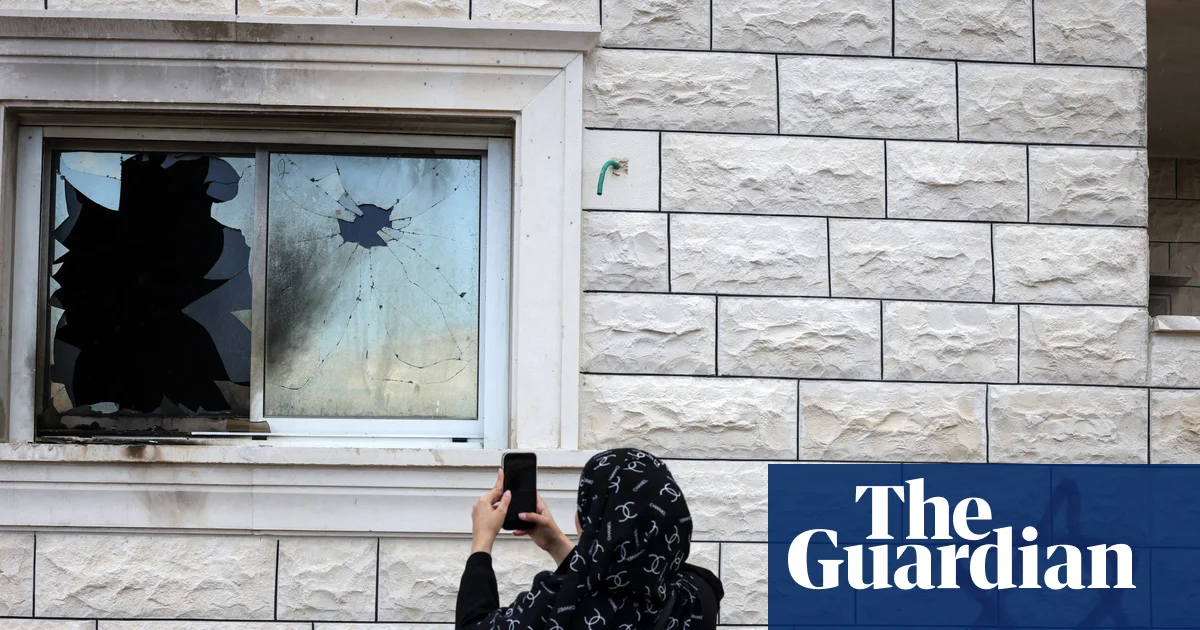
The situation in the West Bank continues to escalate, exposing a volatile chapter in the ongoing Israeli-Palestinian conflict that bears profound geopolitical repercussions. Reports of widespread settler violence—attacks involving arson, vandalism, and physical assaults—underscore a disturbing pattern of escalation that challenges international calls for stability and peace. Over recent days, Israeli settlers have reportedly carried out coordinated raids across at least half a dozen Palestinian communities, inflicting injuries and destruction, while Israeli forces have largely remained passive or complicit in allowing these acts to unfold unchecked.

  • Settlers targeted homes and vehicles in communities such as al-Fandaqumiya, Seilat al-Dahr, Masafer Yatta, Qaryout, and Jaloud. Witnesses describe scenes of chaos and destruction, with multiple homes burned, residents injured, and hundreds of vehicles vandalized or torched.
  • These incidents have coincided with key religious and national observances like Eid al-Fitr, marking a period traditionally associated with peace and reflection, yet now overshadowed by violence and lawlessness.
  • The UN and human rights organizations like B’Tselem have condemned the Israeli government’s apparent complicity—arguing it enables settler violence as part of a broader strategy to forcibly displace Palestinians and expand territorial claims.

Amid this climate of unchecked violence, international analysts have begun scrutinizing the dangerous implications of the Israeli government’s approach in the West Bank. Critics point to a concerning trend: the absence of accountability for settler crimes, which often go unpunished, further emboldening settler factions. Yair Golan, leader of Israel’s Democratic Party, has publicly condemned what he describes as government neglect and the promotion of lawlessness, warning that “Jewish terrorism” is proliferating amidst the chaos. Historic trends highlight that such unchecked violence risks destabilizing the entire region, intensifying cycles of retaliation and undermining prospects for peace.

Meanwhile, international institutions warn that Israel’s policies in the West Bank could result in the *forcible displacement* of Palestinian communities, threatening to alter the demographic and territorial status quo permanently. The UN explicitly states that current Israeli practices risk “displacing entire communities,” a move that could have broader destabilizing effects beyond regional borders. The horrific details of Israeli military actions—such as the 2023 killing of a Palestinian family in Tamoun or reports of settler sexual violence—serve to deepen global concern over human rights abuses, as well as the erosion of moral authority in the conflict.

As the international community watches, a shadow of doubt falls over the decades-old peace process. With each act of violence, the prospects for any diplomatic resolution fade further into the horizon, replaced by escalating cycles of hostility rooted in decades of failed policy and missed opportunities. Anxieties loom large, as the global balance of power shifts in the face of these ongoing crises, and the potential for wider regional destabilization grows. The unfolding story in the West Bank is a stark reminder: history’s pen continues to write with an unforgiving hand, and the coming chapters will forever shape the destiny of nations, societies, and the very fabric of international order.

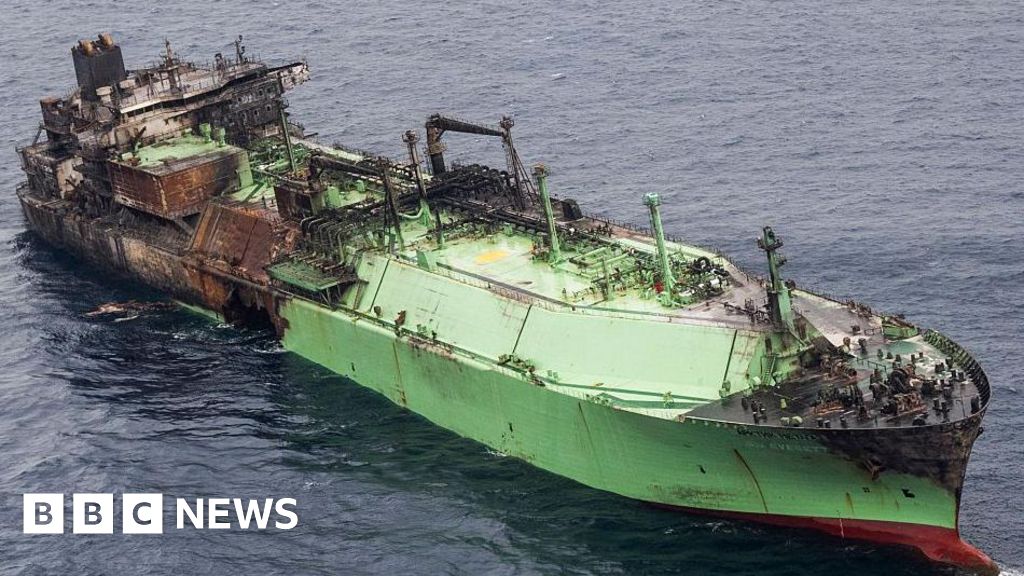
Italy warns Arctic Metagaz Russian tanker may blow up in Mediterranean, raising security alarms

In recent weeks, the international security landscape has witnessed a troubling escalation of maritime conflicts that underscore a rapidly shifting geopolitical environment. According to reports from Ukrainian security services, notably the Security Service of Ukraine (SBU), three vessels operating in the Black Sea have been targeted, with catastrophic consequences. The most alarming of these incidents involved the vessel Dashan, which was reportedly subjected to “critical damage” — a stark indication that the maritime domain is becoming an increasingly contested and dangerous arena amidst ongoing hostilities in Eastern Europe.

Less than two weeks after these Black Sea attacks, a new incident emerged in the Mediterranean Sea: the oil tanker Quendil was hit, raising questions about the broader scope of maritime destabilization. Experts from various international organizations have pointed to these targeted assaults as a strategic move that complicates the balance of power in vital global shipping corridors. Experts like geopolitical analysts and military strategists warn that such covert assaults could not only disrupt global energy supplies but also serve as provocations meant to test the resilience of international maritime law and security arrangements. The United Nations and NATO have both expressed concern, yet the incidents reveal a more complex chessboard where traditional alliances are strained by emerging conflicts and asymmetric tactics.

The significance of these attacks goes beyond the immediate damage to vessels; they represent a deliberate attempt to reshape regional security dynamics. Some analysts argue that these strikes are part of a broader campaign to establish new influence zones in strategic choke points, where ongoing tensions involve Russia, Ukraine, and NATO members. The targeted vessels, often seen as symbols of international commerce, are now also tangible symbols of the **vulnerabilities** that global maritime trade faces in an era of hybrid warfare. According to historians specializing in modern conflicts, these incidents mark a *turning point* in the use of unconventional methods to project power and unsettle economic stability across major sea routes.

How the international community reacts to these provocations will profoundly shape the future of global security architecture. The European Union, U.S., and Russia are under intense scrutiny, with some voices warning that failure to contain these maritime strikes could trigger wider escalation. The Nord Atlantic Treaty Organization (NATO) has signaled readiness to bolster maritime defenses, but critics suggest that existing frameworks are ill-equipped for the asymmetry of modern hybrid threats. As maritime authorities and intelligence agencies scramble to identify perpetrators, the broader question looms: **are we witnessing a new phase of conflict where the seas become battlegrounds for geopolitical dominance?**

In the shadows of these escalating tensions, history reminds us that conflict on the seas often foreshadows larger regional upheavals. As ships vanish or are damaged in remote waters, the echoes of past maritime crises linger—reminding everyone that these waters are more than just routes for commerce; they are the arteries of power. How nations respond in the coming weeks will determine whether this chapter in maritime warfare remains isolated or morphs into a broader, more intense confrontation that could threaten global stability — a story still being written by the relentless currents of history itself.

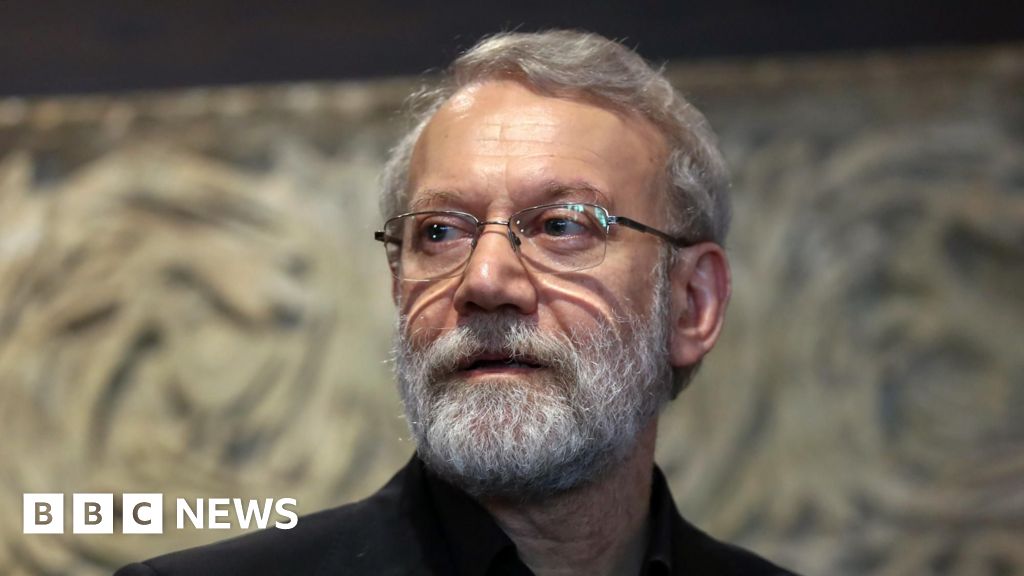
Iranian security leader Ali Larijani eliminated in drone attack

In a shocking development, state television across the Middle East has confirmed the deaths of a prominent leader and a senior figure, Gholamreza Soleimani. The circumstances surrounding their demise remain shrouded in mystery, yet their passing marks a pivotal moment in the region’s ongoing struggle for influence and stability. This event underscores the delicate balance of power in a geopolitically volatile area, where every shift can trigger ripple effects far beyond national borders.

The deaths come amidst intensified regional tensions and ongoing conflicts involving various domestic and international actors. The loss of such high-profile figures is expected to significantly shape the trajectory of regional diplomacy and security. Analysts suggest that these events may catalyze a renewed wave of instability, as factions within the Middle East recalibrate their strategies in response to this apparent power vacuum. Prominent international organizations, including the United Nations and Middle East Policy Forum, have issued statements urging caution and emphasizing the importance of safeguarding civilian lives amid this turmoil.

The geopolitical impact of these deaths cannot be overstated. Historically, such high-profile losses have often precipitated shifts in alliances and escalation of hostilities. Consulting experts and renowned historians point to previous instances where the sudden removal of key figures led to unpredictable consequences—sometimes paving the way for peace negotiations, but often exacerbating conflicts. The regional power dynamics are now on the brink of upheaval, with nations competing and aligning into new blocs, affected profoundly by decisions made in the coming weeks. How regional leaders respond could shape the prospects for stability or chaos for years to come.

In particular, the death of these figures is expected to impact ongoing negotiations over territorial disputes, economic alliances, and military confrontations. Countries such as Iran and Saudi Arabia are likely to reassess their strategies, possibly leading to a recalibration of policies or retaliatory actions. The U.S. and European Union are closely monitoring developments, aware that any change in the regional balance could influence global markets and international security. As the weight of history presses down upon these fragile nations, the international community faces an uncertain future—one in which control and influence may shift as quickly as the sands in a desert storm.

As history continues to unfold amid the dust of recent upheavals, the world must confront the stark reality that these losses may just be the beginning of a new chapter—one where alliances are tested and chaos threatens to engulf the fragile peace. The passage of these influential figures leaves a void that may define the coming era: a future written in the shifting sands of power, where the margin for error is razor-thin and the stakes could not be higher. The weight of the past, the immediate chaos, and the uncertain future merge to craft a narrative still being written—one that could shape the course of history for generations to come.

France plans to strengthen its nuclear forces and extend deterrence to tighten security across Europe

In a move that signals a shift in European and global security dynamics, France‘s President Emmanuel Macron announced that eight countries could soon benefit from Paris’s nuclear protection, a development that has sent ripples across international corridors of power. While the explicit intent is to bolster regional security—and potentially reposition France as a central player in nuclear diplomacy—the decision underscores a complex balancing act: extending protective umbrella without relinquishing sovereignty.

According to Macron, these nations will enjoy nuclear protection, yet all remains under the strict control of Paris. “France will retain sole decision-making power,” Macron asserted in a recent statement. This assurance emphasizes that, even as alliances and security commitments deepen, France seeks to maintain its strategic independence. This approach resonates with traditional Gaullist principles, framing nuclear security as a sovereign prerogative that cannot be shared or delegated. The European security landscape, historically dominated by NATO and the United States, is now witnessing a nuanced reconfiguration, with Paris positioning itself as a pivotal regional power.

International analysts suggest that this move may be aimed at countering the influence of Russia and China in Europe and beyond. By extending nuclear deterrence to select allies, France appears to be creating a layered security posture that could challenge the existing transatlantic dominance. Historian Pierre Lorrain, an expert on French military policy, notes that this move “reasserts France’s unique role as a nuclear power capable of independent influence, signaling a subtle but clear rejection of American hegemony in Europe.” The decision may also foster a sense of sovereignty among these nations, but how this impacts NATO cohesion remains uncertain.

From a geopolitical perspective, the nuclear sharing arrangement reveals broader strategic ambitions. The United States and European Union are closely watching how this development may recalibrate alliances. The shift could inspire other small or medium-sized states to push for independent deterrent options—thus complicating existing security architectures. Conversely, critics warn this could fragment collective defense, weakening established alliances, especially if nations begin to question their reliance on American nuclear umbrella. According to an analysis by the International Crisis Group, sustainable security depends on trust and shared sovereignty, which are challenged by unilateral decisions like Macron’s recent announcement.

As history unfolds, the international community watches with bated breath, aware that such decisions—though carefully couched in sovereignty and security—can have unforeseen consequences. The move by France could either fortify regional security or deepen divisions, depending on how the proposed alliances are maintained and if they evolve into competing power centers. One thing remains certain: the delicate balance of global diplomacy hinges on these choices, and the world’s future may soon be shaped by how these nations and their leaders navigate the treacherous waters of nuclear diplomacy, leaving an indelible mark on the fabric of international security. With history watching silently, the question lingers—who truly controls the ultimate defensive firepower, and at what cost to global stability?

Australia’s Security Chiefs Prepare as US and Israel Target Iran

Global Tensions Erupt as United States and Israel Launch Strikes on Iran: A New Phase in Middle East Conflict

The international landscape has undergone a dramatic shift overnight as U.S. and Israel forces initiated what many are calling a “new illegal bombing campaign” against Iran. This escalation marks a pivotal moment in the ongoing saga of Middle East instability, with global implications reverberating across geopolitical fabric. The decision, condemned sharply by world analysts, underscores a renewed commitment by the western alliance to counter Iran’s ballistic missile and nuclear programs—an effort that many critics argue risks spiraling into a full-scale regional conflagration.

This surge in hostilities follows mounting concern over Iran’s “destabilising force,” as Australian Prime Minister Anthony Albanese recently characterized the regime, citing concerns about its support for armed proxies, acts of internal repression, and foreign aggression. Australia, echoing the sentiments of several allies, declared its support for U.S. and Israeli actions aimed at curbing Iran’s nuclear ambitions. The move is rooted in a broader international effort spearheaded by organizations like the United Nations to maintain global peace, but it also raises serious questions about the potential consequences of escalation.

Historically, analysts such as Middle East political experts warn that interventions resembling the overnight strikes have demonstrated a troubling tendency to escalate existing conflicts. “This is not just a tactical military move, but a turning point that could reshape the entire region,” comments Dr. Samuel Levine, a geopolitical analyst at the London Institute for Strategic Studies. The attack, which reportedly resulted in the death of at least sixty children due to strikes on Southern Iran, serves as a stark reminder of the human cost inherent in such conflicts. Iran’s regime responded with defiance, claiming the strikes threaten international stability while risking severe repercussions for their own population.

How International Decisions Shape Societies and Power Dynamics

The geopolitical impact of these recent actions extends far beyond the immediate violence. Countries aligned with the West are now navigating a treacherous path of diplomatic and military posture, with some European nations voicing concern about civilian casualties and potential regional collapse. The United States and Israel portray these strikes as necessary for global security, but critics argue that such unilateral military actions betray the principles of international law and risk unleashing chaos. The UN Security Council faces mounting pressure to respond, though its effectiveness remains uncertain amidst vetoes and geopolitical rivalries.

In Australia, the government’s principled stance aligns with historic allies’ push for a tough approach; yet, it also underscores the increasingly complex reality of a multipolar world where regional and global powers clash. Many international observers, including seasoned diplomats and analysts, warn that these decisions could ultimately empower more aggressive factions within Iran or ignite wider regional conflicts, dragging in other powers and increasing the threat of nuclear proliferation. The specter of civilian suffering, especially among innocent children, looms large, prompting urgent calls from human rights organizations for restraint instead of escalation.

Concluding Reflections: A Turning Point or a Pandora’s Box?

As the dust settles on this night of military action, the future remains uncertain. Will this marked escalation lead to a decisive turning point in bringing stability or merely open a Pandora’s box of violence and chaos? Historians like Prof. Michael Carter warn that peace is often sacrificed at the altar of intervention, with unintended consequences lurking behind every strategic move. The world stands at a crossroads — with each decision echoing through history’s vast corridor, shaping the narratives of future generations. The unfolding chapter in the Iran conflict leaves humanity vulnerable and vigilant, a stark reminder that the question of peace is often a battle fought as much in the minds and hearts of nations as on the battlefield.

Iran’s retaliation sparks concerns over US air defenses—Youth worried about national security

The recent missile attack by Iran on a US Navy base in Bahrain has sent shockwaves across the geopolitical landscape of the Middle East. An targeted assault on a strategic military asset underscores the ongoing tension in a region where diplomacy often teeters on the brink of conflict. While initial reports suggest limited casualties, the implications for U.S. regional influence and alliances are profound. Many analysts interpret this event as a stark warning from Tehran, signaling their readiness to challenge U.S. military dominance in the Persian Gulf, a vital artery for global oil supplies.

The attack stirs echoes of past confrontations, reigniting fears that Iran might be escalating efforts to leverage military force as a means of negotiating concessions over its nuclear program and regional influence. Historically, Iran has oscillated between negotiations and provocative actions, but this strike marks a noticeable shift towards assertiveness. According to international security experts and reports from organizations such as the International Institute for Strategic Studies, Iran’s actions exacerbate regional instability, with potential consequences radiating beyond the Gulf. Smaller Gulf states, deeply intertwined with U.S. military presence and economic interests, now grapple with the torment of balancing diplomatic ties against the threat of further escalations.

From a geopolitical impact, the attack illustrates a pivotal moment where regional and global powers must reassess their strategies. Washington faces mounting pressure to demonstrate resolve, potentially through military reinforcement or diplomatic overtures aimed at de-escalation. Meanwhile, China and Russia continue to watch intently, capitalizing on Washington’s perceived distraction to strengthen their influence across the Middle East. The incident underscores a shifting international landscape, where traditional alliances are tested, and the risk of broader regional conflicts increases. The latest developments have also prompted renewed debate within the United Nations and among global watchdogs, emphasizing the urgency of diplomatic solutions over military posturing.

Historians and analysts warn that choices made in these critical moments will define the future of the region and the stability of global energy markets. The strike on Bahrain, a cornerstone of U.S. military posture in the Middle East, raises fundamental questions about the balance of power, sovereignty, and the long-term strategy for peace in a volatile zone. As international actors scramble to respond, the overarching narrative remains fraught with uncertainty. This incident could epitomize a new chapter in a protracted contest—one that could either lead toward negotiation or plunge the region into years of instability, with consequences rippling around the globe. History’s pen has been stationary for only a moment; the story is still being written, and the weight of its next page may determine the course of nations for decades to come.

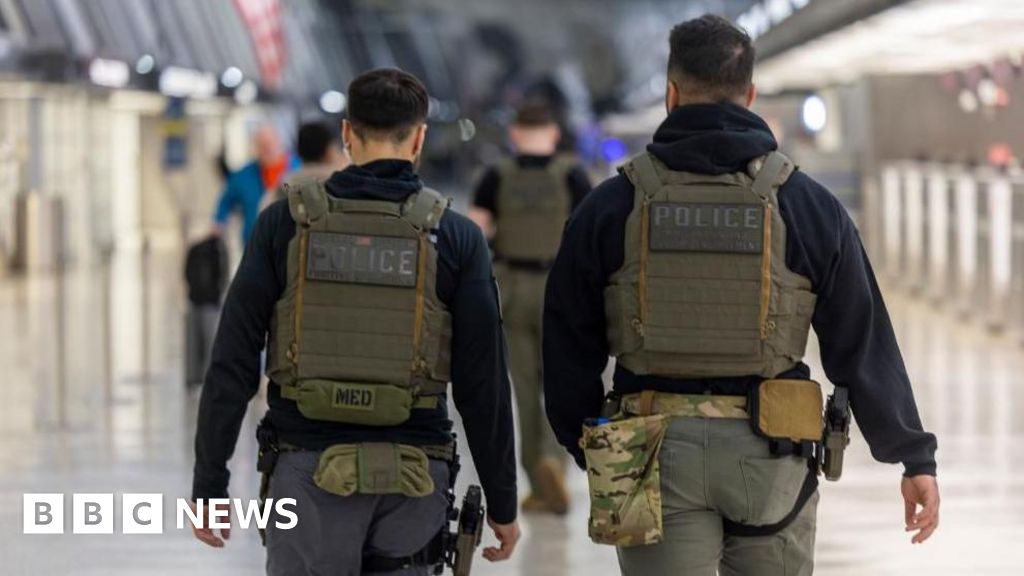
Democrats criticize US military for shooting down CBP drone at border—are they putting politics over security?

U.S. Border Security and the Flawed Logic of Anti-Drone Operations

The recent series of incidents along the U.S.-Mexico border reveals a troubling trend in America’s border security and aviation management. With airspace closures, drone misidentification, and intra-agency conflicts, the American federal government appears to be caught in a cycle of chaos and indecision. The latest event involving the U.S. military shooting down a drone presumed to be a threat, only to discover it belonged to U.S. Customs and Border Protection, underscores a misjudged strategy that threatens not just national security, but also public trust. Analysts warn that such reckless operations, powered by improvised high-energy laser deployments, could escalate into larger diplomatic and military miscalculations, especially given the sensitive border region.

The strategic missteps were compounded by inter-agency disagreements—particularly between the Pentagon, the FAA, and CBP—illustrating a fractured command structure. Congressional critics, especially Democratic members like Senators Tammy Duckworth and representatives Rick Larsen and Bennie Thompson, have voiced grave concerns about the lack of coordination and the “incompetence” fueling these border violations. These incidents are a clear reflection of a broader deficiency in strategic planning and oversight, fueling fears of escalation that could create international tensions or even unintended conflicts.

International observers and historians have repeatedly warned about the peril of uncoordinated military actions near contested borders. Such blunders can rapidly spiral into crises, especially in a geopolitically sensitive region like North America. The use of high-energy lasers—a technology still in its infancy—raises questions about its safety and efficacy. The FAA’s call for a comprehensive safety review underscores the technology’s emerging risks, and experts warn that deploying such systems without proper regulation could violate international norms and invite retaliation. This chaos occurs amid a backdrop of ongoing debates about border security, drug trafficking, and migrants—pressing issues that demand prudent, coordinated responses rather than reckless show-of-force tactics.

The U.S. border remains a flashpoint for geopolitical contention, with organized crime, drug cartels, and increased militarization making the region volatile. The incident near Fort Hancock, adjacent to one of the world’s most active smuggling corridors linked to the Sinaloa cartel, demonstrates how missteps in security operations risk fueling violence and destabilization. As international organizations like the United Nations assess the implications of U.S. border policies, history teaches that haphazard military interventions only deepen conflicts and undermine sovereignty. The continuing dispute over the management of drone technology serves as a stark warning: decisions taken in haste today could cast long shadows over future geopolitical stability. In the evolving chessboard of global power, mishandled border security operations threaten to become catalysts for far larger conflicts, echoing historic failures in reckless militarization.

Intruder shot after breaching Mar-a-Lago security, Secret Service confirms

Sudden Violence in Butler Shakes U.S. Political Landscape

The summer of 2024 will be remembered as a pivotal moment in American history, marked by a shocking act of violence targeting former President Donald Trump. On a routine day in July, as he engaged with supporters in Butler, Pennsylvania, an unexpected and tragic event unfolded. A gunman, identified as 20-year-old Matthew Crooks, opened fire, striking Trump in the ear and causing chaos among the gathered crowds. This assault resulted not only in injuries but also in the loss of life, with one bystander killed and two others wounded. The rapid response by security forces, who promptly shot and killed Crooks, prevented further bloodshed, but the incident has ignited both national and international debate about the state of political violence in the United States.

This act of violence underscores tensions that have continued to escalate in the American political arena, reflecting a broader ideological divide that has been inflamed over recent years. Analysts and international commentators warn that such incidents threaten the stability of democratic institutions and portend a future where political violence might become more commonplace. The implications extend beyond US borders, casting a shadow over the global image of America as a beacon of democracy. The ripple effects of this attack could influence international relations, security policies, and the perception of American political resilience, especially as global powers observe how internal strife affects their ideological rivals.

The motivations behind Crooks’ attack remain unknown, but the incident has sparked urgent questions about security protocols, mental health, and the rise of extremist sentiments within the US. Historians and security analysts are already drawing parallels with past political violence, warning that such events might become catalysts for more profound societal upheaval. International organizations such as the United Nations have called for internal stability and a crackdown on extremist narratives that facilitate such violence, emphasizing the risk of deterioration in democratic norms.

From a geopolitical perspective, this violence poses a threat to domestic stability—a core foundation of a nation’s standing in the world. The deliberate targeting of a prominent political figure like Trump exposes vulnerabilities in US security and highlights the need for an urgent reassessment of how political hostility manifests physically. Leaders worldwide observe with concern, knowing that unchecked internal conflict fuels instability, weakening America’s ability to project power and influence globally. As the nation mourns, the question remains: how will this tragedy shape future political discourse and policy in the United States?

History has often recorded moments where a single act of violence ignited broader societal shifts—sometimes for better, sometimes with devastating consequences. As the United States grapples with what this attack signifies, the world watches closely. The harrowing question lingers: will this event fracture the fragile fabric of American democracy or serve as a wake-up call to reinforce its foundations? In the unfolding chapters of history, the answer remains uncertain, yet undeniable: the weight of this moment will linger in the collective memory, reminding us all that the future of nations often hinges on how they confront their darkest hours.

Social Media Auto Publish Powered By : XYZScripts.com