Matox News

Truth Over Trends, always!

Teacher stabbed by student: From educators to security, society’s slipping?

In recent discussions surrounding school safety and community well-being, a notable statement from a former Ysgol Dyffryn Aman educator has reignited debates about the appropriate roles of school staff and the overarching approach to maintaining security within educational institutions. The educator emphasized that staff are not security guards, arguing that equipping teachers and administrative personnel with handheld scanners or similar security devices would be ineffective in addressing broader social issues. Rather, the emphasis must rest on understanding the societal challenges that influence school environments, impacting families, education, and entire communities.

Historically, schools have been more than centers for academic learning; they are a mirror and a microcosm of societal health. As Dr. Mary Louise Pratt, a prominent social historian, notes, schools reflect the social fabric of their communities, inclusive or fractured. When societal tensions—such as increasing youth violence, economic disparities, or cultural divides—pervade neighborhoods, they inevitably seep into classrooms, challenging educators’ capacity to foster safe learning spaces. In this context, the idea that simply installing handheld scanners or security measures can resolve the complex web of social issues is both naive and superficial. This approach risks turning dedicated teachers into de facto security personnel, diluting their core role of cultivating knowledge and moral development.

Social commentators warn that overemphasizing security without addressing root causes of social unrest can further alienate communities and undermine the moral authority of educational institutions. Challenges such as

  • rising youth unemployment
  • family breakdowns
  • disenfranchisement

contribute to environments where violence and unrest flourish. These issues are deeply embedded in the demographic shifts experienced over recent decades, changing the fabric of local populations and hampering efforts to create cohesive, supportive school communities. The adoption of security-centric policies, without supportive social programs, risks alienating marginalized youth, who already face systemic obstacles.

In light of these complexities, it becomes clear that the real challenge lies in fostering resilient, inclusive communities. Schools need resources that extend beyond surveillance equipment—investment in mentoring programs, mental health services, and family support initiatives is vital. Sociologists like Michael W. Ross have argued that by empowering communities and creating care-centered environments, society can turn schools from battlegrounds into havens of hope. According to Professor Heather Macdonald, an expert in social dynamics, genuine change requires integrated efforts that recognize educational success is inseparable from societal stability.

As society stands at a crossroads, the dialogue should shift from viewing social issues as problems to be policed, toward recognizing them as challenges to be understood and addressed holistically. Families, educators, and community leaders must unite in confronting the underlying issues that threaten the fabric of our society. Only then can schools reclaim their true purpose: nurturing well-rounded individuals prepared not just to excel academically, but to contribute positively to their communities. Through this lens, the future of society hinges on our collective ability to transform societal struggles into opportunities for renewal, ensuring that every child’s right to a safe, supportive, and enriching educational environment is truly realized.

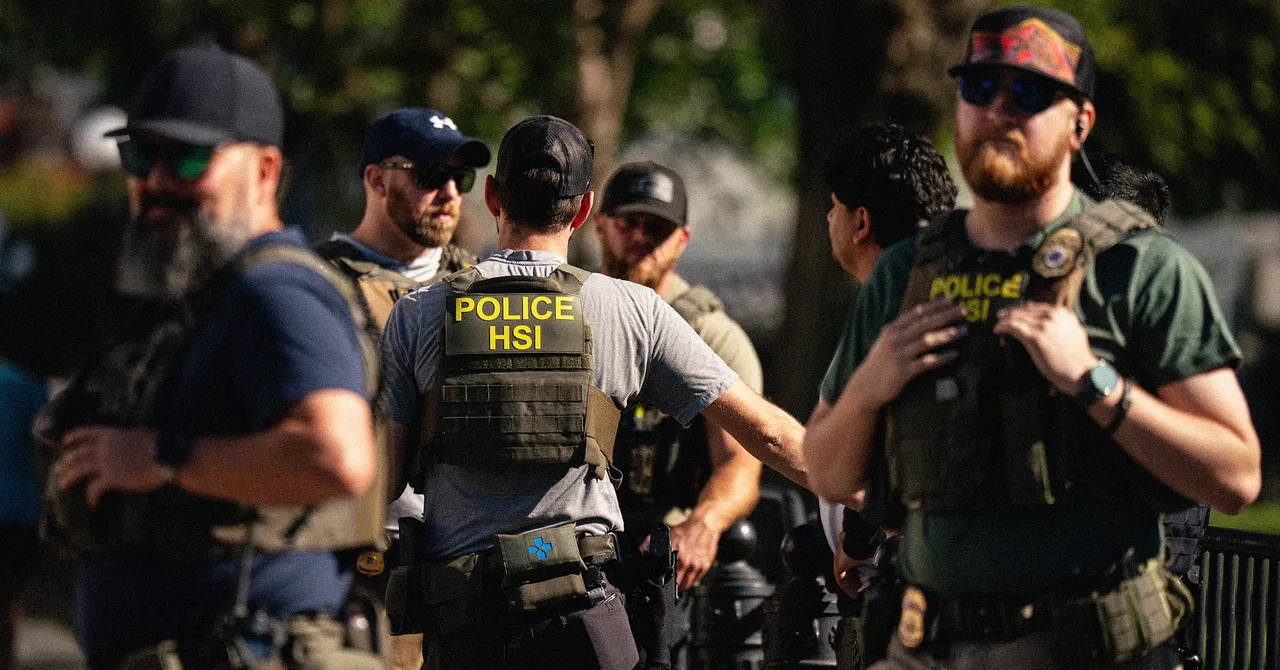
Homeland Security Forum: ICE Agents Spill the Tea on Internal Drama

The landscape of U.S. law enforcement is undergoing a profound shift, driven by advancements in technology and a reevaluation of strategic priorities. Federal agencies such as the Department of Homeland Security (DHS) and Customs and Border Protection (CBP) are increasingly leveraging innovative tools to expand their operational reach. However, this rapid growth is sparking vigorous debates about resource allocation, mission focus, and public trust. Industry analysts from Gartner and leading security think tanks warn that the aggressive deployment of surveillance and investigative technologies may disrupt traditional law enforcement paradigms, creating a complex web of ethical, operational, and political challenges.

The controversy intensifies as online forums and forums reveal a growing divide within enforcement communities and the broader public. Discussions on these platforms highlight how disruption in enforcement tactics—driven by advanced surveillance, data analytics, and undercover operations—are redefining what it means to ensure national security. Some voices argue that the targeting of political adversaries, including recent high-profile shootings and protests, may undermine operational integrity and citizen trust. Experts such as MIT cybersecurity specialists emphasize that this new era demands a careful balance; unchecked technological overreach could lead to loss of privacy, civil liberties, and legitimate operational effectiveness.

Business implications are equally significant. As the U.S. government increases investment in advanced intelligence platforms, AI-driven investigative tools, and decentralized command structures, private sector innovators are racing to fill the void. Companies specializing in facial recognition, biometric analysis, and encrypted communications are seeing unprecedented growth—highlighting a market shift that threatens to consolidate power within a handful of tech giants. Meanwhile, some critics, including industry watchdogs and civil liberties advocates, warn that this concentration could foster authoritarian tendencies and stifle innovation through over-regulation. It is clear that the industry must navigate a treacherous terrain: fostering disruptive advances while safeguarding constitutional rights and competitive markets.

The future trajectory of this evolutionary cycle depends heavily on how policymakers and industry leaders respond to these challenges. Gamers like Elon Musk and economist Peter Thiel have long advocated for public-private partnerships that promote transparency and responsible innovation. Experts from institutions like MIT argue that emerging technologies—particularly AI and machine learning—offer unprecedented disruption potential, enabling agencies to anticipate threats proactively and dismantle illicit activities with greater precision. Yet, the warning remains: *failure to adapt responsibly* could accelerate *societal divisions*, reduce public confidence, and stymie technological progress itself.

As the government doubles down on integrating these disruptive innovations into the national security fabric, stakeholders must recognize that the pace of change is relentless. The window for proactive regulation, strategic investment, and ethical oversight is closing rapidly. The path forward hinges on a balanced approach—harnessing the disruptive power of emerging tech to safeguard freedom and stability, while avoiding overreach that could lead to unintended consequences. The evolution of law enforcement and security technology is not just a matter of national interest — it is a decisive turning point shaping the future of American innovation and liberty.

El Paso No-Fly Fail Sparks Broader Drone Security Crisis for America

Broader Implications of Recent U.S. Anti-Drone Innovations Highlighted by El Paso Airspace Incident

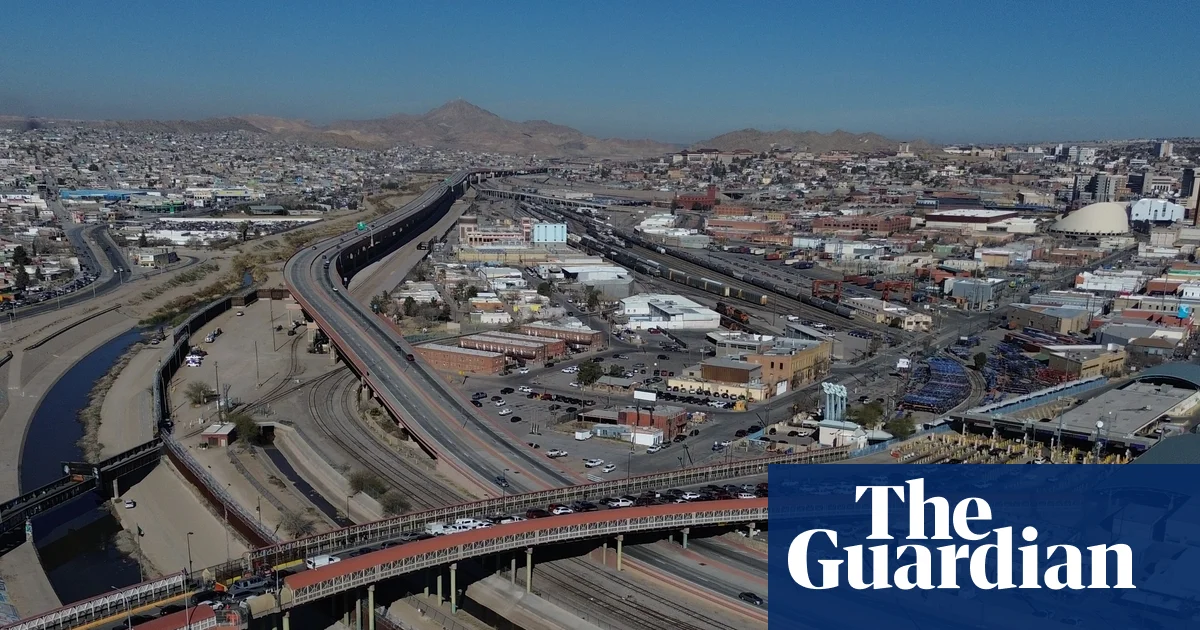
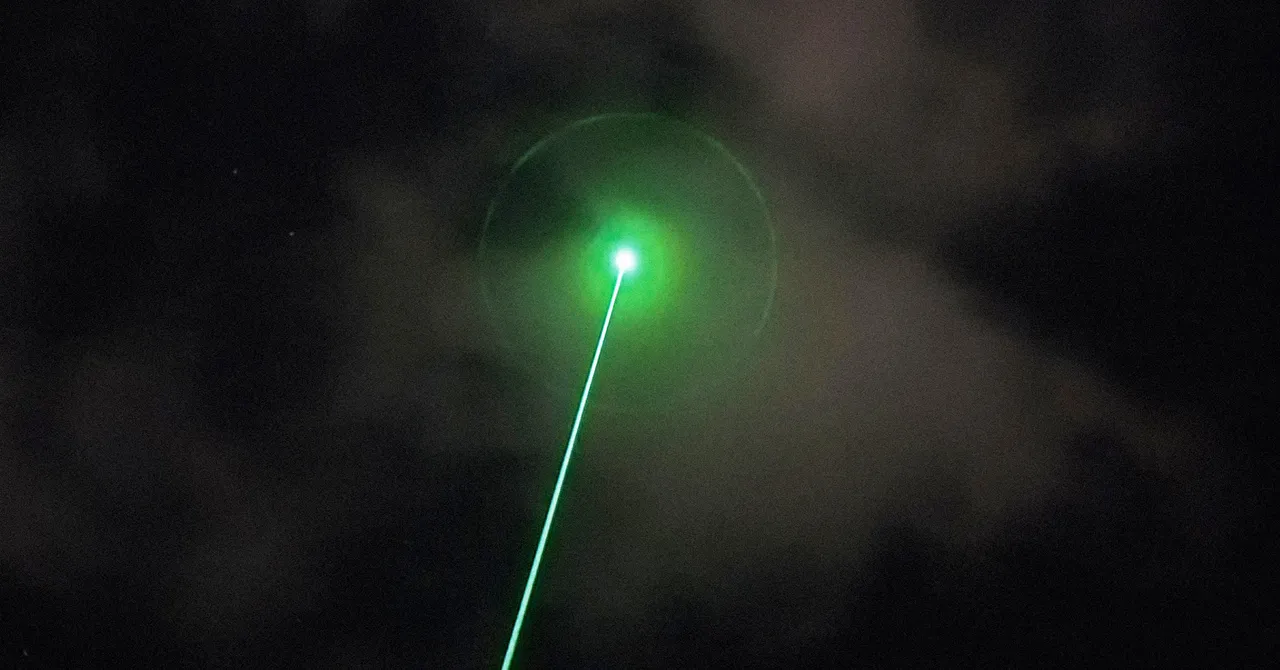
The recent airspace closure over El Paso, Texas, has raised significant questions about the trajectory of U.S. nationally critical drone defense technologies. Although the closure lasted only eight hours, the incident underscores a pivotal shift toward energy-based weaponry as the future of short-range air defense systems. The event, initially attributed to potential incursion by Mexican cartel drones, appears now to involve the deployment of laser counter-drone systems supplied by AeroVironment—a company at the forefront of energy weapon innovations.

According to public reports, the defense system used was the LOCUST anti-drone laser, a 20-kilowatt directed energy weapon designed specifically for small drone neutralization. This marks a significant step in disrupting traditional air defense paradigms—moving away from bulky, costly interceptors toward lightweight, energy-efficient lasers. Industry analysts note that these systems have become particularly relevant given the proliferation of inexpensive and accessible drones. As high-powered microwave and laser defenses ramp up, a new era of energy-based warfare is emerging, potentially reshaping how national security responds to non-traditional aerial threats.

Innovation in Anti-Drone Technologies and Industry Disruption

The deployment of the LOCUST system, along with its subsequent acquisition by BlueHalo (a subsidiary of AV Inc.), signals a broader disruptive wave in defense innovation. The shift toward directed-energy weapons aligns with the U.S. Army’s ongoing experiments, such as the recent energy weapon tests aimed at establishing energy-based multi-mission defense capabilities. Such systems promise higher operational readiness, reduced logistics burdens, and faster response times compared to traditional missile-based systems.

  • Key features include portability, reduced cost per shot, and rapid engagement.
  • Recent developments have seen the delivery of multiple LOCUST units to the U.S. Army as part of the AMP-HEL program.
  • Industry leaders emphasize that energy weapons could soon become integral components of integrated air defense architectures.

Experts like Peter Thiel and institutions such as MIT predict that disruption driven by directed-energy systems will redefine battlefield paradigms, placing energy weapons as the preferred method of drone suppression. This technological leap favors agile, scalable defense solutions that could soon render legacy countermeasures obsolete, fundamentally shifting the market landscape and geopolitical dynamics.

The Future: A Race Toward Dominance in Energy-Driven Defense

What makes this shift urgent is the accelerating proliferation of low-cost drones, which can be deployed swiftly and in large numbers. The increasing affordability and accessibility of such hardware threaten to undermine established airspace security protocols, compelling both government and private sectors to prioritize energy-based defense innovations. As defense giants and emerging startups race to develop more sophisticated laser and microwave systems, the geopolitical stakes are higher than ever.

In this context, innovation and disruption are not merely buzzwords—they are the blueprint for national security and economic strength in the 21st century. The El Paso incident highlights that energy weapons, once relegated to science fiction, are now being operationalized at a rapid pace. The question for industry leaders and policymakers is clear: Who will lead this new arms race, and how will global power balances shift in the face of technological superiority? The future belongs to those who recognize that energy-based defense systems are not just an evolution—they are a revolution, demanding swift strategic adaptation to stay ahead of emerging threats.

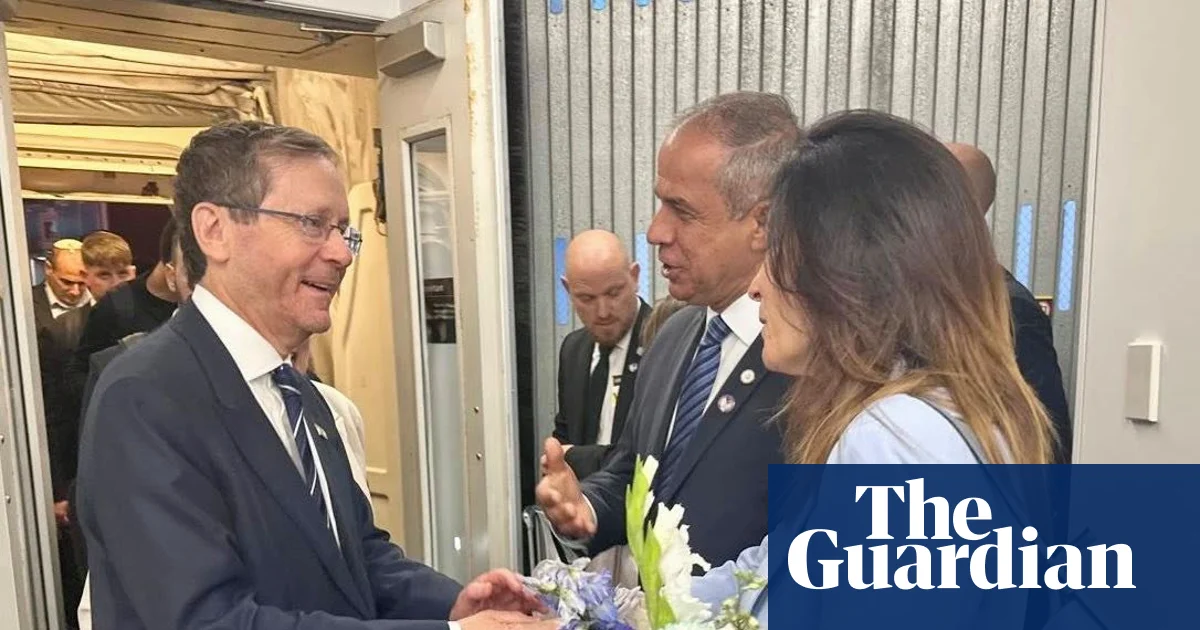
Isaac Herzog visits Bondi to stand with terror attack survivors amid heavy security

Geopolitical Tensions Flare as Israel and Australia Navigate Sensitive Diplomatic Terrain

The recent diplomatic visit of Israel’s President Isaac Herzog to Australia marks a pivotal moment in the ongoing transnational diplomacy surrounding the Israel-Palestine conflict. Herzog’s four-day trip, primarily aimed at engaging with Jewish communities and advocating for bilateral relations, has ignited both support and fierce opposition across the Australian political landscape. While the Australian government, led by Prime Minister Anthony Albanese, positioned the visit as a step toward forging greater unity amidst regional tensions, critics within and outside of the Jewish community viewed it as a provocative act that risks deepening existing divisions.

The visit’s implications extend far beyond symbolic gestures. Herzog’s meetings with top Australian officials, including the prime minister and representatives from across political spectrum, are seen as strategic steps to bolster international support for Israel, especially in the wake of recent violence and antisemitic incidents. The Bondi terror attack, which served as a catalyst for Herzog’s visit, underscored the delicate atmosphere of the Jewish diaspora in Australia, prompting expressions of solidarity from the government and community leaders alike. Yet, the response of sections of Australia’s Jewish community—particularly those critical of Israel’s government—highlight the ethnic and political rifts that continue to challenge cohesion among diaspora populations.

Controversies and the Path Toward International Diplomacy

  • Australia’s Jewish community remains deeply divided, with over 600 members explicitly voicing opposition through full-page ads, criticising Herzog’s visit as a betrayal to multicultural values and Palestinian human rights.
  • Herzog’s international standing has come under scrutiny, with some human rights organizations and analysts accusing him of inciting violence, and even drawing parallels to a “blood libel” by denying allegations of genocide.
  • Adding complexity, recent findings by a UN commission—albeit unofficial and contested—have accused Herzog and Israeli leaders of incitement, a claim that Israeli officials vehemently dismiss as politically motivated propaganda aimed at undermining Israel’s national integrity.

This controversy underscores the geopolitical impact of Israel’s international diplomacy, especially as it navigates accusations of war crimes and genocide in global courts. Such assertions threaten to isolate Israel further on the world stage, forcing the government to rehearse diplomatic responses while managing domestic and diaspora pressures. Meanwhile, Australian authorities, keen to avoid escalation, have been engaged in tense negotiations concerning a planned protest march by pro-Palestinian groups. Prime Minister Albanese and NSW Premier Chris Minns seek a careful balance—preserving the right to assemble while maintaining public order.

The Broader Global Ripple Effect

The Herzog visit occurs within a broader context of shifting international alliances and increasing polarization over Israel’s policies. Historically, Australia has maintained close ties with Israel, often siding with Western allies, yet recent domestic unrest reveals the fragile undercurrents within Australian society regarding Middle Eastern politics. Experts from institutions like the International Crisis Group warn that such diplomatic moves—when coupled with domestic protests and global accusations—could fracture alliances and hinder collaborative efforts in peacekeeping or security initiatives across the Indo-Pacific.

Underlying these developments is a new generation of leaders and analysts who warn that decisions made in these tense moments will echo through history, possibly shaping Australia’s future role on the world stage. As protests flare and diplomatic language tightens, the weight of history presses down, reminding all involved that the decisions taken today may fuel the flames of division or sow seeds for reconciliation. In an era where geopolitics is marked less by clear alliances and more by complex, often contradictory motives, the enduring question remains: How will nations navigate the perilous waters of justice, loyalty, and international diplomacy when history itself continues to unfold before their eyes?

NSA intercepts foreign intel call on Trump ally, raising concerns for US security

U.S. Intelligence Crisis Sparks International Tensions and Geopolitical Reckoning

The recent revelations surrounding United States intelligence operations have sent shockwaves through the international geopolitical landscape, revealing a complex web of internal conflicts and power struggles that threaten global stability. At the heart of the controversy is a highly classified whistleblower complaint involving President Biden‘s administration and high-ranking officials, with whispers of a covert phone call between individuals connected to foreign intelligence agencies and a figure close to former President Donald Trump. According to insiders, the call was monitored by the National Security Agency (NSA) last spring, and objects of concern include alleged attempts to shield sensitive information from congressional oversight and potential presidential interference. These revelations have not only exposed fissures within the Intelligence Community but also raised questions about the legitimacy and transparency of America’s internal security machinery amidst a rapidly shifting global order.

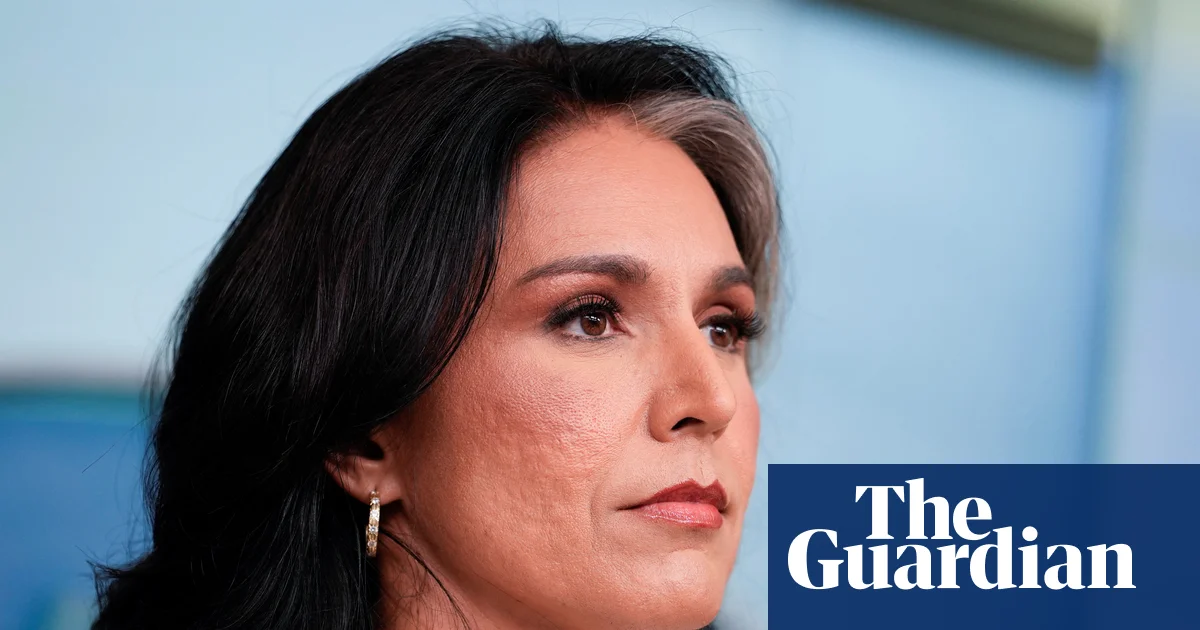
Experts and historians like Dr. Anne Clark of the International Security Institute warn that this internal turmoil could have profound geopolitical impacts. The revelations indicate a possible erosion of the rule of law in intelligence oversight—a scenario that global allies and adversaries alike are scrutinizing with suspicion. The controversy centers on Director of National Intelligence (DNI) Tulsi Gabbard, who allegedly bypassed routine protocols to conceal the whistleblower’s complaint and directed classified material away from congressional oversight. Critics argue this raises alarms about executive overreach and underscores a pattern of non-compliance with established legal standards. The situation has prompted a chorus of international concern, as nations observing the U.S. grapple with whether internal political motives are compromising global security commitments, thereby undermining America’s credibility as a leader in the fight against terrorism and state-sponsored abuse.

  • On 17 April, a whistleblower surfaced with claims that Gabbard had intentionally delayed and redacted sensitive intelligence documents that could prove pivotal in the unfolding scandal.
  • The whistleblower alleges that long-standing legal obligations to transmit such complaints to Congress were ignored, with delays extending over months and questions surfacing about the true independence of oversight officials.
  • Adding fuel to the fire, Republican lawmakers such as Senator Tom Cotton dismissed the allegations as baseless, emphasizing the importance of legal procedures and national security confidentiality.
  • Meanwhile, Democratic members like Senator Mark Warner accused the intelligence agencies of deliberately burying crucial information, potentially compromising national security and international stability.

As this high-stakes game unfolds, international analysts caution that the damage done within the corridors of U.S. power reverberates across the globe. Many fear a weakened U.S. may no longer be able to project power or uphold their international commitments effectively. With global rivals capitalizing on this internal discord — especially China and Russia — the possibility of exaggerated geopolitical shifts grows, threatening to destabilize already fragile regions. The consensus amongst respected geopolitical thinkers is that this controversy may mark a pivotal moment: a turning point that will define U.S. leadership in the emerging multipolar world or diminish its influence amid growing internal chaos.

As the world watches, the winding course of this internal U.S. saga remains uncertain. The stories of secrecy, deception, and betrayal echo warnings that history’s weight is ever-present, threatening to tip the balance of international peace and security. Will honest transparency restore order, or will these shadows deepen, consigning a once-powerful nation to the ashes of its own making? The pages of history are yet to be written, but the impact of these decisions will be felt for generations—echoes of a nation’s struggle to uphold its principles in the face of chaos and corruption.

Over 30 Dead in Pakistan Mosque Blast—A Tragic Reminder of Security Gaps

In a tragic and shocking event that has sent shockwaves through the international community, nearly 170 individuals were injured in an explosion that occurred during Friday prayers in Islamabad. The attack, which struck the core of Pakistan’s capital, has ignited fears of increasing instability in the region, with wide-reaching implications for regional security and global diplomacy. As investigators scramble to determine the origins and motives behind this deadly assault, global leaders and institutions are weighing their responses amidst a backdrop of mounting tensions.

Analysts suggest that this act of violence is not merely a tragic incident but a stark manifestation of the deep-seated conflicts and geopolitical struggles in South Asia. Many experts, including officials from the United Nations and regional security think tanks, view this attack as potentially linked to ongoing insurgencies, extremist factions, or even covert international interventions. The repercussions are profound: a destabilized Pakistan risks further fraying the fragile balance of power in a region already fraught with nuclear-armed neighbors and rivalries. This event underscores the fragility of peace in a geopolitically pivotal country caught between the interests of larger powers like China and India.

  • Pakistan, amid internal political turmoil and economic struggles, faces heightened security challenges that threaten its sovereignty and stability.
  • The attack occurs at a time of rising regional tensions over border disputes, trade alliances, and influence pacts, which could be further exacerbated by this violence.
  • International bodies, including Carnegie Endowment for International Peace and Security Council, have called for restraint and increased intelligence cooperation, emphasizing the need to address underlying grievances.

Historical perspectives from leading scholars such as Professor Ayesha Siddiqa and Dr. Peter R. Neumann warn that such attacks could be precursors to broader escalation unless urgent de-escalation and dialogue are prioritized. This event may serve as the latest chapter in a series of incidents that threaten to ignite wider conflicts in the region if not contained. For Pakistan, the consequences are dire: increased *internal security measures*, public fear, and strained diplomatic ties with neighboring states. The attack also raises grave questions about the efficacy of existing counterterrorism efforts and intelligence-sharing frameworks, which many analysts argue are insufficient to prevent such tragedies from recurring.

As the world watches with tense anticipation, the question remains: will this tragedy galvanize international efforts for peace or escalate into a broader conflict? The weight of history presses heavily on leaders’ shoulders. The unfolding aftermath of the Islamabad explosion will determine whether this is a fleeting horror or the harbinger of a new, more dangerous chapter in regional geopolitics. With each failed attempt at peace, the danger grows—an uncertain future still shaped by decisions made in the corridors of power, where the echoes of yesterday’s violence may either forge pathways to reconciliation or plunge the world deeper into chaos.

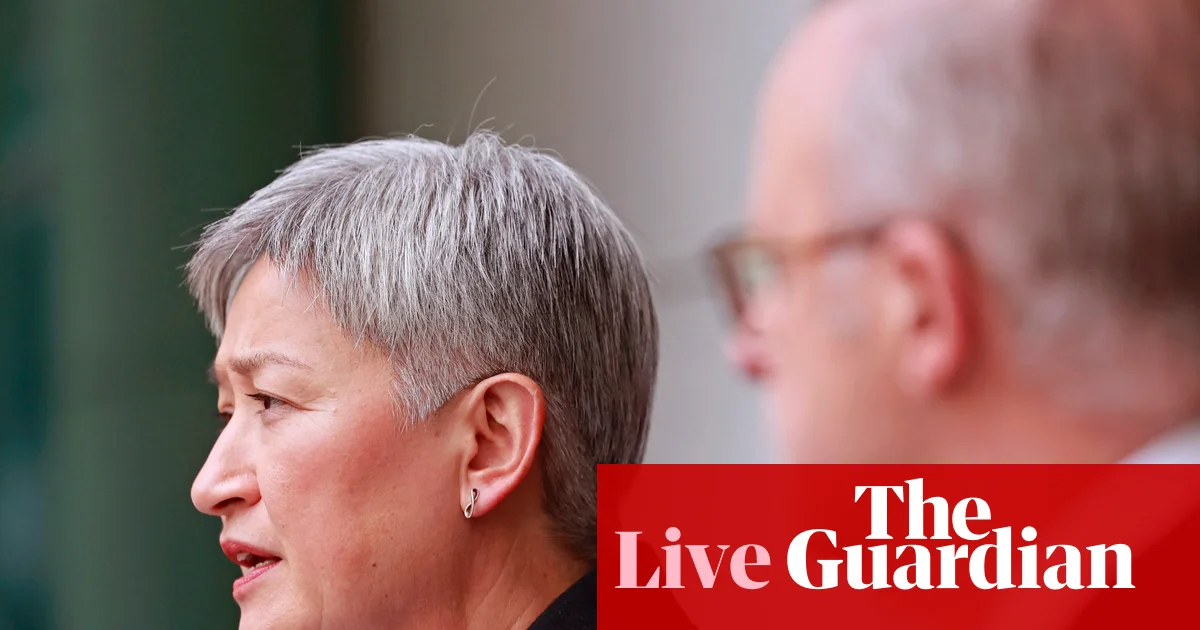
Australian Politics Live: Marles Boosts Herzog’s Visit, Vows Strong Security Measures

The geopolitical landscape of Australia is currently undergoing a complex transformation, influenced by domestic political upheavals and significant international diplomacy. The recent visit of Israeli President Isaac Herzog to Australia has ignited fierce debate within the country’s political circles, highlighting the _deep divisions_ over Australia’s role on the global stage and its domestic policies. This visit, officially sanctioned by the Prime Minister and Governor General, is seen by many as a move to reaffirm alliances in a shifting international climate. Yet, critics—particularly from Labor factions—express profound _concerns_ about the implications of such diplomatic gestures, especially given the ongoing tensions in the Middle East and the internal fractures over Israel’s actions in Gaza.

High-profile critics like Ed Husic, a Labor MP, have voiced _deep concerns_, questioning the moral and strategic wisdom of extending diplomatic warmth to President Herzog amidst the backdrop of Israel’s recent military operations. Husic’s reservations are echoed by various international legal and human rights organizations, such as the UN commission of inquiry on Palestinian territories, which have urged the Australian government to reconsider the invitation in light of the _controversy and violence_. In the corridors of power, Richard Marles, Australia’s Deputy Prime Minister, has defended Herzog’s visit, emphasizing its _importance_ for security and diplomatic relations. Nonetheless, this move exposes Australia’s delicate balancing act—maintaining strong bilateral ties while managing domestic divisions and international scrutiny.

The decision to host President Herzog is not made in isolation but is intertwined with wider strategic concerns. The government has underscored its commitment to _security_ and _diplomatic engagement_, yet this stance arrives amidst criticisms that Australia is _aligning too closely_ with Western allies at the expense of marginalized voices concerned with human rights and justice. Simultaneously, the ongoing political struggles within Australia’s Parliament—most notably, the leadership dispute involving Sussan Ley and the right faction—signal a nation in ideological flux. Analyst voices from global institutions warn that these internal conflicts risk _undermining_ Australia’s credibility and strategic coherence in the Indo-Pacific and beyond.

  • The Australian government has publicly maintained that its _foreign policy_ remains consistent, with Minister Marles affirming, “there haven’t been any changes or shifts in our strategic or tax arrangements.” However, the political maneuvering behind the scenes indicates a nation grappling with _intergenerational_ challenges, especially around housing affordability and tax reforms like the _capital gains tax discount_.
  • Amidst these tensions, the Australian Council of Trade Unions has called openly for _reform_ of property taxes, citing the _”deep unfairness”_ in housing inequality exacerbated by policies enacted over decades—particularly the _discount introduced in 1999_ under John Howard, which has significantly fueled investment in existing housing—further widening disparities and impeding the dream of homeownership for younger generations.
  • On the international stage, figures such as Chris Sidoti, an UN inquiry commissioner, have urged the Australian government to _reconsider_ its diplomatic commitments related to Israel, emphasizing the _moral_ and _strategic_ stakes involved. This internal dialectic — between diplomacy, domestic politics, and societal values — underscores a pivotal question: How will Australia’s leadership navigate this volatile terrain without losing its footing in a rapidly changing geopolitical order?

As history continues to unfold, the weight of these decisions will resonate far beyond today’s headlines. With the internal pressure mounting from within and the global community watching critically, Australia stands at a crossroads—its choices rippling across the Indo-Pacific and shaping the future of international diplomacy. Will it persist in steadfast alliances and domestic policies that favor strategic stability, or will the _internal divisions_ and _international controversies_ fracture its resolve? The coming days will reveal whether this nation can uphold its sovereignty and sense of justice, or if it inevitably becomes entangled in a web woven by shifting alliances and internal discord. In this moment, history’s pen is poised, and the story of Australia’s future is still being written—each decision a stroke in the vast canvas of a nation seeking its place amidst a tumultuous world.

Slovakia's security adviser quits over Epstein scandal—raises questions for youth security mindset
Slovakia’s security adviser quits over Epstein scandal—raises questions for youth security mindset

International Diplomacy in Turmoil: Miroslav Lajčák’s Resignation Sparks Global Investigation

In a startling development that underscores the fragile state of international diplomacy, Miroslav Lajčák, a prominent figure in global diplomatic circles and former high-ranking official at the European Union, has resigned amid revelations of inappropriate exchanges involving the late sex offender. Recently released communications paint a troubling picture, revealing Lajčák discussing personal relationships, including references to girls, in conversations with a figure linked to severe criminal conduct. Such disclosures have ignited an international debate over integrity within diplomatic ranks and the potential ramifications for global diplomacy’s credibility.

The controversy erupted after leaked transcripts surfaced, illustrating that Lajčák engaged in discussions that breach the expected boundaries of diplomatic decorum. While some analysts initially speculated on the motives behind releasing these conversations, the broader implication remains clear: questions about accountability and the ethical conduct of high-profile diplomats are now front and center. The international community’s trust in diplomatic channels—especially those involving key mediators in multilateral agreements—comes under unprecedented scrutiny. Critics argue that these revelations threaten to undermine years of diplomatic effort aimed at fostering stability, cooperation, and peace among nations, especially in regions heavily reliant on diplomatic negotiations.

Against this background, international institutions such as the United Nations and influential regional organizations have issued statements emphasizing the importance of integrity and transparency. Notably, some geopolitical analysts argue that these developments could serve as a turning point, exposing underlying vulnerabilities in diplomatic oversight. Historically, figures like Lajčák have been regarded as skilled negotiators, yet now their reputations are scrutinized through the lens of personal conduct. The gradual erosion of trust in diplomatic figures might influence future engagement strategies, forcing nations to reassess the vetting processes for those entrusted with sensitive negotiations. In the broader sense, this case illuminates how individual moral lapses can threaten entire diplomatic architectures—potentially leading to a reevaluation of international protocols on conduct and accountability.

The geopolitical impact of this scandal extends beyond individual careers. It raises pressing questions about how decisions made behind closed doors affect entire societies. Countries that rely on diplomatic mediators to navigate conflicts, denuclearization efforts, or trade negotiations could find themselves facing increased instability if trust falters. As international observers dissect the implications, voices from respected historians and foreign policy analysts warn of a dangerous precedent: that the credibility of diplomacy itself is fragile and can be compromised by scandals of personal misconduct. The ongoing investigations and potential repercussions threaten to alter the landscape of international negotiations, compelling governments to implement stricter ethical guidelines and oversight mechanisms.

As history continues to unfold in real time, the world watchfully stands on the precipice of change. The luster of diplomatic authority dims in the shadow of personal malfeasance, yet this moment also insists on reflection: can trust be restored once breached? With the weight of the global community at stake, the fallout from Miroslav Lajčák’s resignation serves as a stark reminder that the fabric of international diplomacy is woven carefully through both words and deeds. The future hinges on whether nations will learn to uphold integrity in the face of scandal—or allow these revelations to fracture the delicate web of cooperation that sustains peace in an increasingly volatile world.

US Government Partially Shuts Down Over Homeland Security Funding—A Win for Fiscal Responsibility

In a dramatic turn of US political turmoil, funding for several federal departments has lapsed amidst a fierce standoff in Congress. This partial government shutdown, initiated on Saturday, exposes the deep divisions over immigration enforcement and domestic policy, as Democrats and Republicans clash over new restrictions on federal agents following a series of controversial killings. The trigger was a dispute over the Department of Homeland Security’s (DHS) funding, which became politicized after incidents involving federal agents—namely the deaths of Alex Pretti in Minneapolis and Renee Good earlier in January. Democratic senators have refused to endorse the bill without crucial reforms, citing concerns over police conduct, masks, and accountability—a stance that risks further paralysis in one of the world’s most powerful nations.

  • Democrats are pushing for reforms such as mandatory body cameras, bans on “roving patrols,” and independent investigations into officer misconduct.
  • Republicans, meanwhile, insist on maintaining broader funding without punitive restrictions, fearing that such demands might politicize law enforcement further.
  • The Senate narrowly passed a two-week DHS funding extension, but the House, controlled by a slim Republican majority, remains uncertain about approving the measures, especially as right-wing factions push to attach voting identification provisions like the Save Act.

Analysts, including political strategists and international observers, warn that this internal squabble signals deeper geopolitical implications. The US, historically viewed as a global leader in stability and governance, now appears fractured, with domestic infighting threatening to weaken its international standing. The partial shutdown echoes past crises, but this time it occurs amidst rising tensions worldwide, from China’s expanding influence to Russia’s assertiveness. Each delay at home distracts from the formidable task of managing global crises, and experts warn that prolonged dysfunction could embolden adversaries who doubt America’s resolve.

According to prominent historians and international institutions like the Council on Foreign Relations, the current crisis underscores the **fragility of American institutions**. The focus on issues such as immigration enforcement and police accountability reveals the profound societal divide, impacting both how nations view American leadership and how American society perceives itself. The internal debates are not merely about policy but reflect broader questions of sovereignty, justice, and national identity. With the government’s future hanging in the balance, a culture of political brinkmanship risks turning external perception into doubt—a crucial moment that could redefine the US’s influence for generations to come.

As the nation teeters on the edge of further shutdowns, the world watches with trepidation, knowing that the unfolding events in Washington are more than domestic politics—they are a symbol of a **nation at a crossroads**. Will America forge a path towards unity, or will internal divisions deepen, leaving an indelible mark on history? The echoes of today’s crisis will resonate through the corridors of power and across every continent, as policymakers account not only for the immediate fallout but for what this tumult reveals about the **geopolitical superpower’s** resilience in confronting both internal and external challenges. The story remains unwritten—yet its chapters are being inscribed with every passing day, shaping the course of history in a world hungry for leadership amidst chaos.

North-East Syria Security Tension Grows as Fear of IS Return Flares Up

Amidst the tumultuous landscape of north-east Syria, a crisis of monumental proportions is unfolding, with consequences that reverberate across the geopolitical spectrum. Western officials, closely monitoring the deteriorating security situation, express grave concern over the resurgence of Islamic State militants (IS). The recent chaos involves a dramatic transfer of approximately 150 IS fighters from a frontline prison in Hasakah to Iraq, as the United States signals a readiness to evacuate up to 7,000 detainees. This move underscores the fragility of peace in the region and the peril that lurks within these unresolved conflicts, making it clear that the threat of a dangerous breakout remains alive—an alarming development for global security.

The chaos was fueled by a swift advance of Syrian government forces, which seized control of key prisons and camps housing former IS fighters and thousands of women and children connected to the terror network. The events led to an unprecedented change of hands over camps like al-Hawl, home to over 20,000 women from roughly 70 countries, highlighting the international dimension of this humanitarian crisis. Reports of escapes and a loss of control have amplified fears across Europe, where many of these foreign detainees pose a persistent threat. According to analysts such as Nanar Hawach from Crisis Group, the region is not witnessing a reborn caliphate but rather a dispersed insurgency rebuilding in the cracks—an insidious threat that could ignite anew if containment fails.

The geopolitical impact of these developments extends deeply into the strategic calculations of global players. The recent Washington decision to abandon support for the Syrian Democratic Forces (SDF)—long considered the primary anti-IS force on the ground—marks a pivotal shift. US special envoy Tom Barrack emphasized that the US’s primary partner in holding down IS had shifted towards reliance on the Damascus regime, led by President Ahmed al-Sharaa. Such a move signals a strategic recalibration, as Washington appears to prioritize stability over ideological affinity, even if it means tacitly endorsing the Assad regime’s evolving authority. This shift not only impacts the balance of power but also risks empowering insurgent networks and prolonging chaos, which analysts warn could destabilize the entire region further.

The ongoing conflict, marked by rapid territorial gains by Syrian government forces and fragile ceasefires, continues to ripple through the region’s delicate mosaic of alliances and enmities. Despite the official cessation of hostilities, the collapse of the ceasefire and the rapid advances by Assad’s forces threaten to escalate into a wider confrontation, with Kurdish factions caught in the middle. As the international community watches with concern, the fate of camps like al-Hawl remains uncertain, burdened by resource shortages and the inability of the Syrian government to fully manage the complex humanitarian demands. Experts like Hawach warn that managing these camps and preventing the resurgence of insurgent elements is complicated by institutional weakness—an issue that could undermine any efforts toward stabilization.

As history unfolds in the shadows of war, the fate of north-east Syria hangs in the balance. With alliances shifting and the specter of chaos lurking, this volatile corner of the Middle East embodies the high stakes and profound consequences of modern geopolitical decisions. Whether this crisis escalates into a renewed caliphate or spirals into broader regional destabilization, the world bears witness to a chapter where the weight of history continues to be written in the dust and violence of a land scarred by decades of conflict—an uncertain future that demands vigilance, resolve, and a careful understanding of the intricate webs that bind nations together in this stage of relentless upheaval.

Social Media Auto Publish Powered By : XYZScripts.com