Matox News

Truth Over Trends, always!

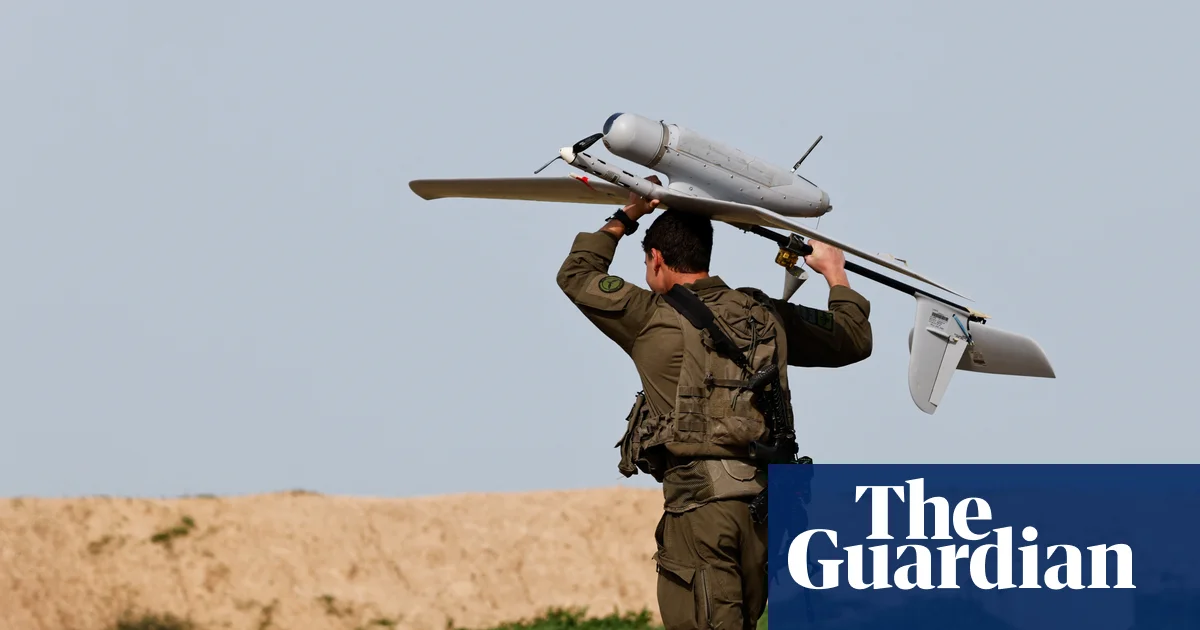
Palestinian Groups Challenge Australian Arms Exports to Israel, Seek Transparency

Amid ongoing conflict in Gaza and mounting international scrutiny, Australia finds itself at a critical juncture concerning its arms export policies. A recent legal challenge launched by Palestinian human rights organizations—namely the Palestinian Centre for Human Rights, Al-Haq, and Al Mezan Center for Human Rights—aims to compel Defense Minister Richard Marles to disclose documents related to the approval of arms exports destined for Israel. These groups suspect that Australia may have granted export permits—some potentially linked to violations of international law—raising serious questions about the country’s role in international conflicts. Such moves come at a time when international bodies including the United Nations have expressed concern over allegations of genocide in Gaza, highlighting the global stakes involved in decisions made behind closed doors.

This legal effort underscores a broader debate over Australia’s participation in the global arms trade amid a reputation of secrecy and minimal transparency. Officially, the Albanese government has denied supplying weapons to Israel since October 7, 2023, describing existing permits as “dual-use,” and asserting that they include parts with civilian purposes but potential military applications. However, the Australian Defense Department has acknowledged *amending or lapsing* at least 16 permits amidst ongoing reviews—a move that suggests a degree of recalibration under international pressure. Analysts like Prof. Donald Rothwell from the Australian National University highlight that, despite official denials, **transparency remains elusive**; the public remains in the dark about whattech exports are approved and whether they could contribute to the ongoing humanitarian crisis in Gaza.

The geopolitical impact of Australia’s arms export policies extends well beyond its borders. Inside the global supply chain, more than 75 Australian companies participate in the F-35 fighter jet program, contributing critical parts such as RUAG Australia’s uplock actuator system—an essential component for maintaining stealth capabilities during combat. While some nations, like Germany, have moved aggressively to halt similar exports to Israel, Australia remains cautious, citing the absence of direct arms supplies. Still, critics warn that these components could indirectly facilitate conflict, raising questions about Australia’s compliance with international obligations to prevent complicity in war crimes and crimes against humanity.

International organizations and legal experts, including Joanna Kyriakakis of Monash University, emphasize that nations like Australia bear a legal duty under international law to avoid knowingly contributing to risks of genocide and war crimes. The case initiated by the Palestinian groups reflects a growing global awareness of how opaque exports can evade scrutiny, enabling regional violence. With Germany suspending arms shipments in response to Gaza’s turmoil, how long will Australia continue to deny the full extent of its role? As the weight of history presses down, the choices made now could determine whether Australia becomes a silent accomplice or a reluctant witness to the unfolding chaos in the Middle East. The pressure mounts on policymakers to balance strategic interests with international justice—yet the true story remains concealed behind layers of classified files, waiting for the next chapter of this complex geopolitical saga to be written.

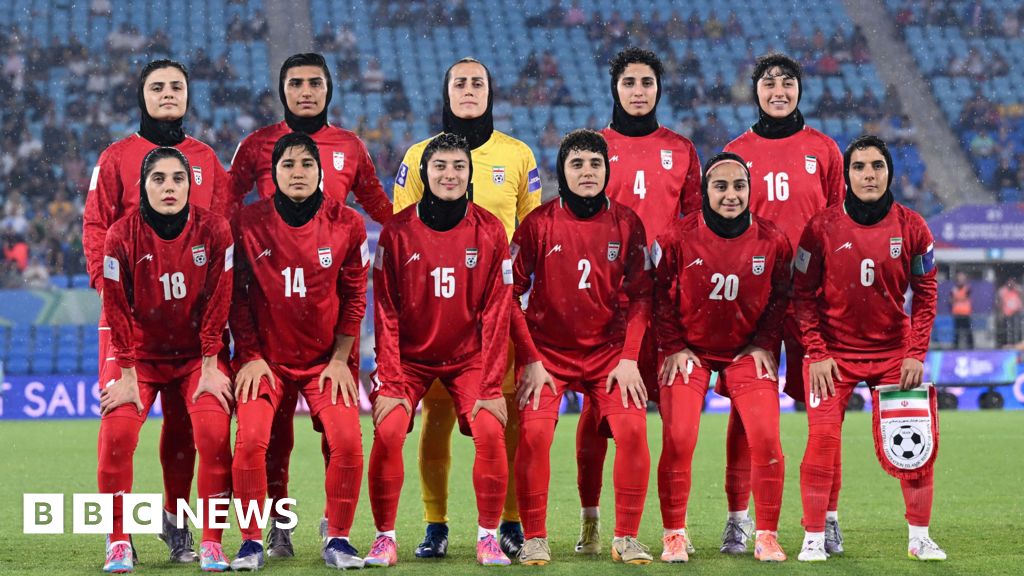
Iran Football Team Players Defect, Seek Asylum Amid Regime Tensions

The recent developments surrounding the women’s football delegation highlight a striking instance of how international sporting events can serve as more than mere competition; they are often arenas for broader geopolitical and societal struggles. Out of the seven members who initially sought to stay in Australia, only three now remain committed, with four electing to return to their home countries. This shift is not simply a matter of individual choices but signals deeper issues related to diplomatic pressures, societal challenges, and the geopolitical dynamics that influence international sports diplomacy.

Experts and international observers have linked this move to the evolving geopolitical climate surrounding the event, where persistent concerns about safety, political interference, and potential reprisals loom large. Analysts from institutions such as the International Federation of Football Associations (FIFA) and geopolitical think tanks have raised alarm bells about how these decisions may reflect broader tensions. As nations grapple with shifting alliances and diplomatic realignments, international sports delegations increasingly find themselves caught between national interests and global perceptions. The withdrawal of these athletes signals a revealing portrait of how external pressures can influence individual athletes’ decisions, often mirroring the geopolitical anxieties felt across continents.

Historically, sports have often been used as a proxy for political contestation, whether during the Cold War or in contemporary conflicts. Some analysts argue that the decision of these athletes to leave Australia underscores a larger narrative of diminished trust in the international system. According to renowned geopolitical analyst Dr. Mark Stevens, such acts are indicative of a broader retreat from international cooperation, especially when the risks to personal safety and national loyalty are perceived to outweigh the benefits of participation. The international community watches intently, with some voices warning that these incidents could foreshadow more profound disruptions in future global sporting events, which have traditionally served as bridges for diplomacy and mutual understanding.

This episode also highlights the role of nations and societies in shaping the narrative around international engagement. For some, the choice to remain or leave is driven by underlying societal tensions—whether political, ideological, or cultural. The decision by the four athletes to return home could be interpreted as a statement on national sovereignty, individual agency, or reaction to external pressures. The ramifications are profound: these acts can influence public perceptions of international cooperation, potentially emboldening some nations’ assertions of independence at the expense of collective diplomacy. The weight of these decisions is a stark reminder that the fabric of global unity is often fragile, susceptible to fracture at moments of crisis.

As the world continues to navigate these tumultuous waters, the question remains: what does the future hold for international sports diplomacy? Will the retreat of some athletes signal a decline in the power of such events to foster international understanding, or will it serve as a catalyst for reform and resilience? While analysts and historians debate whether this is a temporary setback or a harbinger of a more fractured world order, the saga remains far from its conclusion. One thing is certain: the unfolding story of this women’s football delegation will be remembered as a pivotal moment in the ongoing narrative of how nations and societies clash, cooperate, and ultimately define the course of history in this tumultuous era.

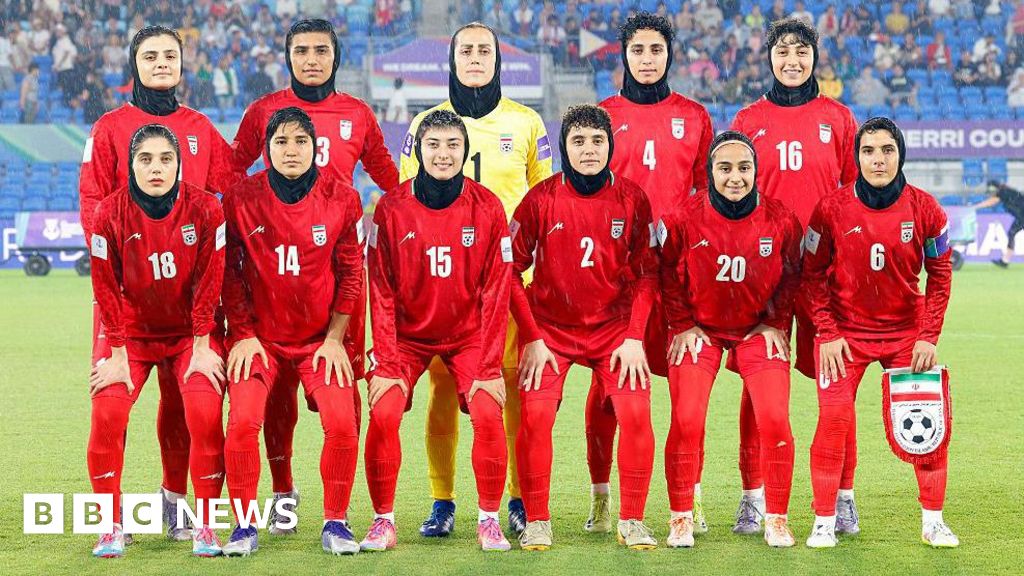
Iranian Women Footballers Seek Asylum in Australia Following Asian Cup Protest

In a concerning escalation that highlights the ongoing turbulence within Afghanistan and its complex relationship with regional powers, reports have surfaced indicating that members of the Afghanistan women’s football team are being held under duress in Iran. Activists and international observers describe a distressing situation where the athletes have been *held hostage by the Iranian team management* in their hotel, deprived of access to external communication channels including family, legal counsel, and international support networks. This incident underscores the broader issue of media suppression and human rights violations that continue to mar Afghanistan’s fragile social fabric since the Taliban’s resurgence in 2021.

Historian and geopolitical analyst John McGregor highlights that such acts represent a *turning point in regional diplomacy*, illuminating how Iran exploits its political leverage over Afghan nationals—especially women and vulnerable groups—to consolidate influence amidst ongoing regional tensions. As the United Nations and human rights organizations voice concern, it becomes clear that these actions are emblematic of a larger pattern of repression and authoritarian assertion in the Middle East and Central Asia. The detention of these athletes is not isolated but taps into a broader systemic issue where authoritarian regimes aim to suppress dissent and deny fundamental freedoms, even in arenas as global as sports.

The incident also reveals the geopolitical impact of Iran’s internal policies, which have increasingly positioned the regime as a regional power broker wielding strategic influence through coercion and control. The case echoes the crisis of international perceptions of Iran, further exacerbating its strained relationships, notably with the European Union and United States. These nations accuse Tehran of violating *international norms* and worsening regional instability, especially as Iran faces mounting sanctions and diplomatic isolation. Meanwhile, Afghan exiles and supporters argue that the detention exemplifies the ongoing suppression of Afghan women—who had begun to re-emerge symbolically through sports and education.

  • 2021: Taliban regains control of Afghanistan, leading to widespread international concern over women’s rights and human rights abuses.
  • 2023: Afghan women’s sports teams attempt to participate in international events, risking repression and retaliation from Taliban authorities and their allies.
  • Current: Reports emerge of detained athletes in Iran, illustrating the regional consequences of Afghanistan’s internal convulsions and Iran’s strategic leverage.

This crisis serves as a stark reminder that the decisions made in regional capitals have profound implications beyond borders. The fate of these athletes—and what their detention signifies—transcends sport, touching on issues of sovereignty, gender rights, and international legitimacy. As international institutions debate their response, the voices of those fighting for freedom grow louder, asserting that the repression of Afghan women is a reflection of a broader struggle for dignity against oppression. In this fluid geopolitical landscape, the actions of Iran and Afghanistan continue to ripple outward, shaping a future where the weight of history presses upon the present.

In the end, the world bears witness to how fragile the thread of human rights really is, stretched taut across an intricate web of power, ideology, and geopolitics. As the shadows of repression deepen, the question remains: will the international community choose silence or action? The answer lies not just in diplomatic words but in the resolve to stand against injustice—a challenge that history will record in the annals of a turbulent era yet to be written.

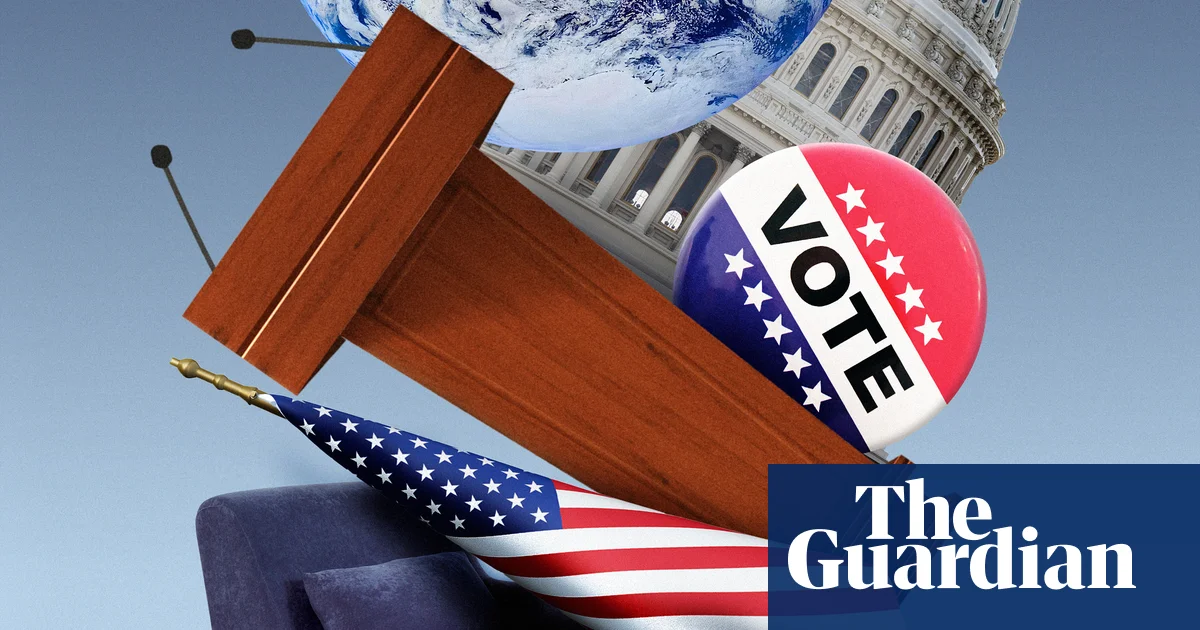
Trump chaos pushing more youth to seek help — society’s in flux

Across families, schools, and communities, the pervasive impact of burgeoning social and political crises cannot be overstated. As sociologists like Ann Cvetkovich and mental health professionals observe, a palpable wave of political depression is emerging, where individuals grapple not only with external chaos but also with internal despair. For many, this despair manifests as a feeling of helplessness, compounded by the notion that traditional avenues of resistance or engagement are effectively collapsing. The result is a societal disconnect that threatens to weaken the very fabric that holds communities together, undermining the hope and resilience needed to face ongoing economic disparities, cultural tensions, and government overreach.

For families and youth, these social fissures translate into a disorienting landscape where uncertainty reigns. With education systems often caught between progressive agendas and conservative backlash, young minds are left navigating a complex, often divisive moral terrain. Historians like Howard Zinn warned that societal malaise grows when civic engagement declines, and today, that warning resonates more acutely. Families report rising anxiety and frustration, with children witnessing unrest at home and in their neighborhoods. Additional stressors, such as rising crime, politicized schooling, and pervasive misinformation, threaten long-term societal stability. Amidst this chaos, the moral challenge looms: how can communities support a generation at risk of growing disillusioned and disengaged? The answer appears to lie in reclaiming community bonds and fostering a renewed sense of agency among young people.

Educational and community leaders emphasize the importance of building resilience through collective action. Initiatives like community support groups, youth activism, and artistic collaborations offer pathways for young individuals to channel their emotions into constructive endeavors. As social commentators argue, these efforts are more than just symbolic—they can forge meaningful change and rekindle faith in democratic participation. Furthermore, mental health professionals advocate for strategies that promote *engagement without burnout*, emphasizing the necessity to mobilize consciousness with care. According to Brett Ford, an associate professor of psychology, social resilience depends on maintaining a balance where individuals are informed and active, yet protected from the debilitating effects of chronic stress. The challenge lies in creating environments where young voices are not only heard but empowered to shape their societies rather than retreat from them.

Ultimately, the social issues facing our communities, families, and institutions are intertwined with broader cultural shifts and demographic transformations. Yet, amidst the turbulence, there remains a flicker of hope—through community, art, and active engagement. The stories of individuals like Rebecca McFaul and advocates like Shahem Maclaurin remind us that resistance does not always look like protests or headlines; it begins with the small acts of hope we nurture within our circles. As society stands at a crossroads, the challenge is to hold onto the belief that society’s collapse is not inevitable—that through conscious connection, education, and mutual support, a renaissance of resilience is possible. It is in our collective response to these societal wounds that we find the potential to heal, rebuild, and redefine the future—one where hope becomes the foundation for lasting change, echoing the timeless truth that even in darkness, the human spirit can ignite a brighter dawn.

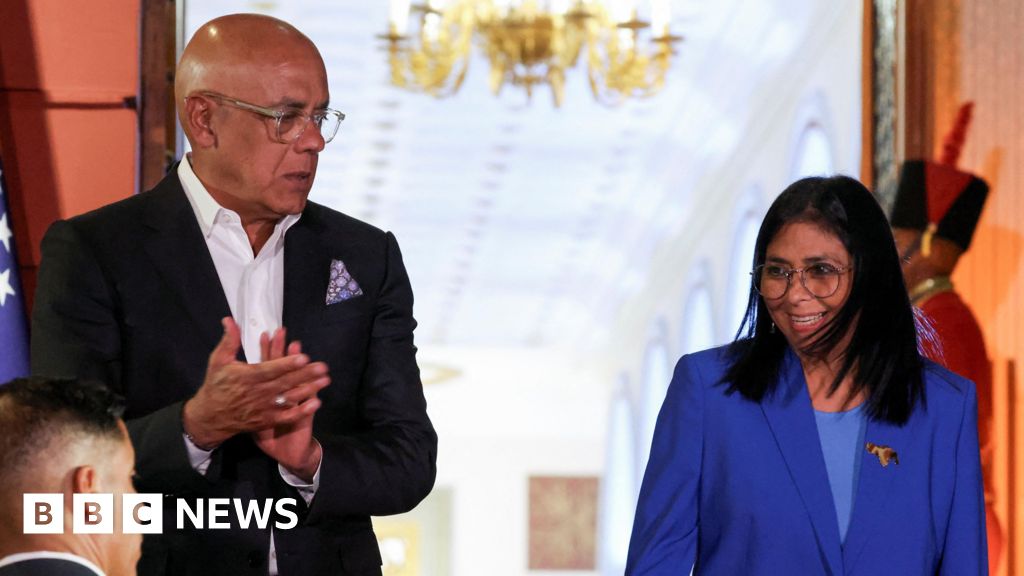
Over 1,500 Venezuelan Political Prisoners Seek Amnesty—A Bold Step Forward

The recent announcement by the head of Venezuela’s National Assembly marks a pivotal moment in the ongoing political upheaval within the nation. This statement, issued amidst intense pressure from the United States, follows the controversial capture of ex-President Nicolás Maduro, heightening tensions across the unpredictable landscape of Latin American geopolitics. The move underscores a complex interplay of domestic resistance and international intervention, with broad implications for regional stability.

Historical analysts and international observers underscore that the situation in Venezuela is at a critical turning point. The international community, led by the US, perceives the current crisis as an opportunity to reshape Venezuela’s leadership, driven by strategic interests ranging from oil security to regional dominance. The US-backed push to challenge Maduro’s authority echoes a persistent policy aimed at displacing what Washington considers a destabilizing regime, fostering a climate of uncertainty that resonates far beyond Latin America’s borders. Experts warn that such actions risk destabilizing not only Venezuela but also the broader geopolitical balance in the Western Hemisphere, where historically fragile alliances are tested.

Amid this turbulent backdrop, global institutions such as the United Nations and regional bodies like the Organization of American States face mounting pressure to take sides. While some advocate for diplomatic resolution and respect for Venezuela’s sovereignty, others call for decisive intervention, seeing the current chaos as a vulnerability that could be exploited by external actors. Such decisions are fraught with risk, as they could either usher in a new era of stability or plunge the nation—and possibly the continent—into further unrest. Meanwhile, Venezuelan society, polarized and strained, watches closely, vulnerable to the ripple effects of international machinations. The country, heavily dependent on oil exports, finds its economic and social fabric fraying further as the global powers contend for influence over its future.

Historically, upheavals of this magnitude have served as warnings about the high costs of external intervention and internal neglect. International organizations and independent analysts emphasize the importance of sovereignty and sustainable political solutions over short-term power plays. Nevertheless, the momentum from US pressures and the ongoing detention of Maduro cast a long shadow over Venezuela’s stability, turning the nation into a symbol of broader geopolitical struggle. As the world watches, history appears poised to record whether this crisis becomes a turning point toward renewed democracy or a descent into chaos—a warning tale in the making, where decisions made in distant boardrooms and capitals will inevitably determine the fate of millions. And as the echoes of this moment reverberate across time, one thing remains clear: the unfolding chapters of Venezuela’s future will be watched with bated breath, for history itself is at a crossroads, waiting to be written.

Social Media Auto Publish Powered By : XYZScripts.com