Matox News

Truth Over Trends, always!

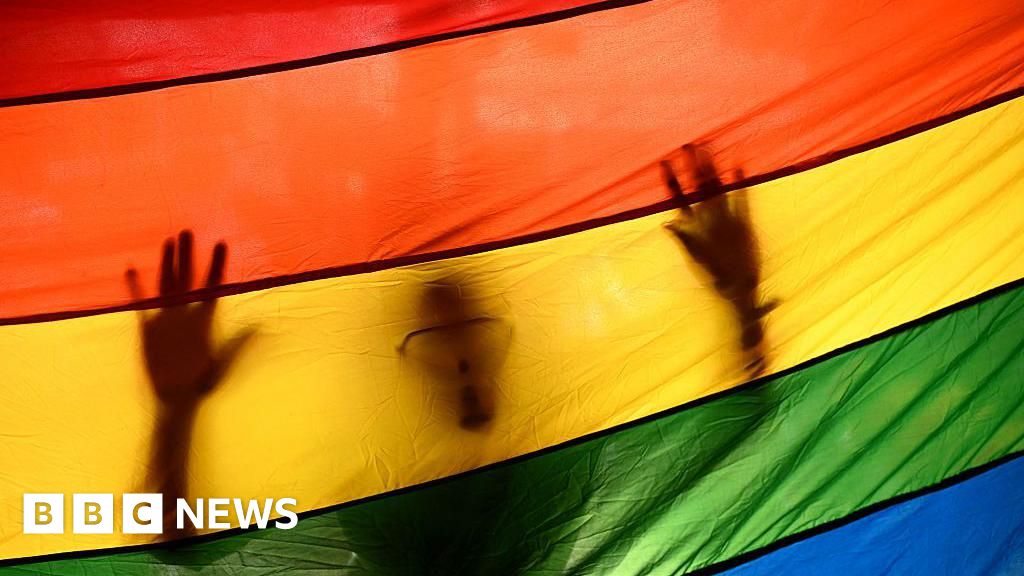
Senegal Enacts Stricter Anti-Gay Laws Amid Rights Group Concerns

Recent warnings from international critics suggest a concerning trajectory where violence and fear are poised to escalate across multiple regions, threatening the fragile stability that many nations have worked decades to establish. Analysts warn that these developments could serve as a turning point, undermining not only regional security but also the foundational principles of equality and non-discrimination. Such concerns are particularly acute among defenders of democratic freedoms, who emphasize that the current geopolitical climate may significantly reverse progress made in human rights over recent years.

In the midst of ongoing conflicts, there is mounting evidence that internal and external pressures are pushing nations toward increased authoritarianism and repression. Top international organizations, including the United Nations, have issued cautious statements pointing out that rising violence often correlates with the suppression of civil liberties. Historically, sharp rises in violence tend to be accompanied by efforts to curtail dissent and marginalize vulnerable populations, thereby eroding the ideals of equality. Some political analysts, referencing historical parallels, warn that when governments prioritize security over individual rights, societal divisions deepen, and the stability they seek to maintain is often betrayed by the very methods deployed to achieve it.

Notably, critics argue that these trends are not isolated but indicative of a broader geopolitical shift. Countries caught between rising authoritarian regimes and global power struggles are increasingly resorting to coercive measures that threaten to destabilize entire regions. Efforts to suppress dissent and silence opposition voices are intensifying, with many nations adopting laws that undermine free media and judicial independence. These actions threaten to undo decades of progress toward inclusive governance. According to observers from the International Crisis Group, such shifts could precipitate regional conflicts, destabilize alliances, and fracture international cooperation, with far-reaching consequences for global peace and security.

Moreover, the erosion of principles of equality and non-discrimination complicates these already tense circumstances. Societies with entrenched divides—be they ethnic, religious, or socio-economic—are particularly vulnerable to the destabilizing impacts of violence and repression. Voices from historians such as Dr. Jonathan Marcus warn that history repeatedly demonstrates how the disavowal of fundamental human rights fuels cycles of violence that can spiral into full-scale upheaval. As nations grapple with these emergent threats, the question remains: how will the international community respond to safeguard the core values of freedom and justice, especially when those values are under assault?

Ultimately, these interconnected dynamics cast a long shadow over the future. The unfolding story of conflict, repression, and the retreat from universal rights is a stark reminder that history is perpetually in the making. Each decision taken—whether to capitulate to fear or uphold justice—will define the course of nations for generations to come. As the world watches on the brink of this tumult, the haunting realization persists: the struggle for peace and liberty is an enduring, often perilous journey, and the choices made today will echo through history’s halls as defining moments of our age.
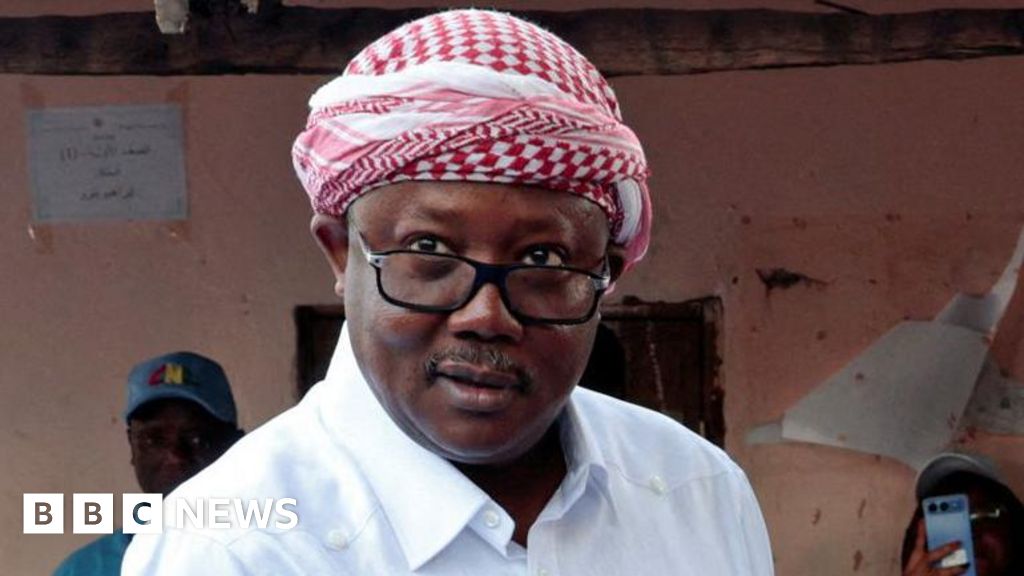

Guinea-Bissau’s President Umaro Sissoco Embaló Sought Refuge in Senegal Following Coup

The recent turmoil in Guinea-Bissau underscores the fragility of democratic institutions in West Africa, a region increasingly influenced by military interventions and external pressures. This week, the nation witnessed yet another military coup, a recurring theme in its post-independence history, which has seen at least nine coups or attempted upheavals over the last fifty years. The abrupt removal of President Umaro Sissoco Embaló and the installation of an interim military leader exemplifies the deep-rooted challenges facing the country’s political landscape. As regional powers and international organizations express concern, the question of whether Guinea-Bissau’s political instability will spiral into a broader crisis remains.

  • The military detained Embaló and other key political figures, suspending the electoral process just before official results could be announced.
  • The coup was justified by the military as a move to thwart a purported plot involving unnamed politicians and a “well-known drug baron”—highlighting Guinea-Bissau’s longstanding role as a major hub in international drug trafficking.
  • Regional Ecowas swift response saw the organization suspend Guinea-Bissau from decision-making bodies, demanding the military return to the barracks, condemning their actions as a “grave violation of constitutional order”.

Internationally, the situation has elicited sharp condemnation from the African Union and the United Nations. UN Secretary-General Antonio Guterres expressed “deep concern” and called for an “immediate and unconditional restoration of constitutional order,” emphasizing the importance of stabilizing the nation before further deterioration. These reactions reflect the wider recognition that Guinea-Bissau’s instability does not exist in isolation but feeds into the broader geopolitics of the region. For decades, Western powers and neighboring states have watched carefully, wary of the country’s vulnerability to drug trafficking, military meddling, and political backslide.

Moreover, the crisis in Guinea-Bissau exemplifies how internal political machinations—ranging from allegations of rigged elections to claims of self-staged “simulated coups”—are often entwined with geopolitical interests and local power dynamics. Analysts like Beverly Ochieng from Control Risks suggest that embattled President Embaló’s recent actions, including dissolving parliament after a coup attempt, might have inadvertently created space for military intervention, possibly orchestrated or at least exploited by factions seeking stability through strength. How the military’s assertion of control will reshape Guinea-Bissau’s future remains uncertain, but regional leaders, notably Sierra Leone’s President Julius Maada Bio, have taken steps to secure Embaló’s safety, illustrating how geopolitical concerns extend beyond national borders.

As history looms heavily over Guinea-Bissau’s current predicament, the nation’s struggles become a stark reminder to the world: weak institutions, unresolved political conflicts, and external criminal influences can turn fragile democracies into battlegrounds of chaos and control. The decisions made now—whether to impose sanctions, support diplomatic resolutions, or leave military factions unchecked—will leave an indelible mark on the country’s trajectory. The wheels of history are turning, and in a region where the stakes include not only national sovereignty but international safety, Guinea-Bissau’s story is far from over. As the international community watches in measured silence, the ongoing battle for stability, sovereignty, and soul of Guinea-Bissau begins a new chapter—one that will define the future of this troubled yet strategically vital country, a tiny nation sitting precariously on the edge of chaos and renewal.

Social Media Auto Publish Powered By : XYZScripts.com


