Matox News

Truth Over Trends, always!

India stands firm against criminalizing marital rape — our new series explores why.

The recent surge of interest surrounding Chiraiya, a widely viewed media phenomenon that has captivated millions across various social platforms, has ignited a fierce global debate on issues of consent and misogyny. This entertainment icon, initially celebrated for its innovative storytelling, has inadvertently become a catalyst for conversations transcending entertainment, touching sensitive topics that resonate with societal values worldwide. International observers note that such digital phenomena are increasingly influential, shaping perceptions and fueling debates that often extend beyond borders.

Experts from notable institutions such as the United Nations Educational, Scientific and Cultural Organization (UNESCO) and acclaimed cultural analysts emphasize that the popularity of Chiraiya exposes the complex interplay between modern media and societal norms. As social media amplifies these discussions, citizens across nations scrutinize their own cultural practices and legal frameworks related to gender relations. Many see this as a pivotal moment—a societal mirror—reflecting deeper, often unspoken issues surrounding gender dynamics, and the ways media influences collective consciousness. Historians, such as Dr. Elizabeth Monroe from Harvard, argue that such phenomena serve as historic indicators; they signal shifting social paradigms that demand rigorous examination and, potentially, policy response.

Nevertheless, the phenomenon also raises significant geopolitical repercussions. Countries in regions with deeply ingrained traditional views on gender roles find themselves at crossroads. Some governments are grappling with how to regulate content without infringing upon freedom of expression, while also addressing concerns over misogyny that some believe are inflamed by entertainment content. The debate echoes the ongoing tension within many nations’ legal and social systems—a tension that international organizations warn could escalate if left unaddressed. The World Health Organization (WHO) has issued statements emphasizing the importance of responsible media consumption, highlighting that unchecked propagation of misogynistic narratives may foster environments conducive to violence or discrimination.

Furthermore, the ripple effect of this debate touches diplomatic corridors, where international human rights frameworks are being challenged and reinterpreted. As nations observe each other’s responses—from legislative measures to public discourse—this cultural moment has the potential to influence geopolitical alignments. Countries that aggressively reform policies or tone down gender-based narratives may strengthen their reputations as modern, progressive states, while those perceived as complacent risk diplomatic criticism. Analysts like George Harrison from the International Crisis Group warn that the battle for cultural influence extends into the realm of international diplomacy, with media as the new battleground.

As history continues to unfold, the enduring significance of this phenomenon rests upon whether societies will harness this momentum to enact meaningful change or succumb to divisiveness. It remains an open question: Will this digital discourse catalyze a broader awakening towards gender equality, or will it deepen the divides that threaten to fracture social cohesion? The world watches—aware that, at this pivotal juncture, every decision shapes the trajectory of social justice for generations to come. The pages of history are being written, and the weight of the present moment promises to echo forward, echoing into an uncertain future—where the true battle for cultural sovereignty is only beginning.

Harry Potter TV Series Trailer Unveiled: What Fans Need to Know So Far

In an era where the rapid commodification of entertainment often threatens to erode the foundations of tradition and shared identity, the upcoming HBO reboot scheduled for 2027 emerges as more than a mere continuation of a beloved franchise. It symbolizes a cultural phenomenon—an endeavor to reconnect contemporary society with stories rooted in universal themes, timeless values, and the narrative archetypes that have shaped human thought for generations. Such revival, rooted in the enduring power of storytelling, underscores the persistent relevance of culture as the fabric weaving community, identity, and history together.

Drawing from the legacy of original literary works and film adaptations, this new iteration hints at a broader cultural reverberation—one that echoes the fundamental importance of tradition in a landscape increasingly dominated by transient trends. The original books and films served as an echo chamber of Western ideals, emphasizing heroism, morality, and the perennial struggle between order and chaos. As Ortega y Gasset asserted, “The tragedy of life is not that it ends so soon, but that we wait so long to begin it.” In this context, the reboot can be seen as an effort to rekindle a collective sense of purpose, honor, and resilience—a societal reaffirmation of the values that forge cohesion amidst dissonance.

Moreover, elevating cultural continuity in the face of rapid technological change calls to mind Tocqueville’s insights on American individualism and community. While new media erodes traditional social bonds, stories rooted in mythic and moral archetypes serve as anchors for cultural memory—reminding us that «culture is both the memory and the prophecy of a people». Through this lens, the reboot’s origin as a spin-off from the original books and films exemplifies the ongoing dialogue between the past and present, between the values that once united society and the innovations that threaten to scatter it. This is a testament to the enduring human need for shared heritage—a common narrative that shapes societal identity and preserves the continuity of civilization.

Philosopher Gilbert K. Chesterton once argued that “Tradition means giving a vote to the most obscure of all classes—our ancestors.” In this spirit, a modern cultural revival must serve not as a retreat into nostalgia, but as a conscious acknowledgment that the continuity of our stories sustains the moral and spiritual fabric of society. As T.S. Eliot wrote, “We shall not cease from exploration, and the end of all our exploring will be to arrive where we started and know the place for the first time.” The HBO reboot, therefore, can be viewed as an artistic voyage—a return to the roots of our cultural identity, offering a hope that through remembering our origins, we may conceive a future guided by the wisdom of our collective past. Ultimately, culture is both the memory and the prophecy of humanity—an eternal echo that defines us and points us onward into the uncharted horizon of history’s unfolding canvas.

Why I Trust the Ratio Four Series Two to Try Fresh Coffee Gear

Innovation Reshapes Coffee Culture: Disruption and Business Implications for a Classic Industry

The coffee industry, long rooted in tradition and ritual, is witnessing a technological renaissance that could redefine its core business models. While coffee’s status as the original office biohack remains unchallenged—serving as an essential productivity tool—the advent of new brewing technologies demonstrates an industry on the cusp of significant disruption. Companies like Ratio are spearheading this change by introducing precision brewing devices like the Four Small-Batch Brewer (Series 2), designed to deliver café-quality coffee in the comfort of homes, which, according to industry analysts, could elevate consumer expectations and reshape market dynamics.

This wave of innovation is driven by advances in small-batch, quality-focused coffee appliances that emulate the precise craftsmanship of artisan cafes. By integrating features such as quiet vibratory pumps, customizable brew temperatures, and optimized water flow, these devices mark a paradigm shift away from the low-cost, convenience-driven commercial machines of the past. Industry experts from Gartner and academics at MIT highlight that this trend reflects a broader shift toward personalization and premiumization within the beverage sector. Furthermore, a renewed focus on the disruption of traditional retail channels, exemplified by the rise of boutique roasters like Heart Coffee Roasters), underscores how niche craftsmanship can now reach a wider audience.

Technological Disruption and Market Shifts

The transformation of coffee brewing technology fundamentally threatens established market players, from mass-market producers to traditional brick-and-mortar cafes. As consumers increasingly seek bespoke coffee experiences, companies like Ratio are embracing innovation not merely as a product feature but as a strategic pivot. Their premium small-batch brewers emphasize aromatic purity and precision, aligning with avant-garde consumer tastes that favor authenticity, quality, and control.

The economic implications are profound: The premiumization trend is expected to shift consumer spending from standard brands to boutique companies, hastening the decline of commoditized coffee products. This invites entrepreneurs and established firms alike to consider integration of autonomous, IoT-enabled brewing solutions that could automate quality control, gather data analytics, and personalize flavor profiles. As Elon Musk’s ventures demonstrate, disruptive technologies driven by AI and automation tend to catalyze consolidations in traditional markets, with opportunities for new entrants to challenge incumbents.

Business Opportunities and Future Outlook

The potential for disruption extends beyond appliances; it encompasses a reevaluation of retail and supply chain models. The growing consumer demand for hyper-personalized, small-batch coffee fosters an environment where direct-to-consumer sales, subscription models, and third-wave coffee collaborations could flourish. Institutions like MIT’s Media Lab predict that this shift will accelerate as integrated sensor technology and AI-driven brewing algorithms become mainstays in both home and commercial settings.

In this landscape, businesses that prioritize innovation, quality, and technological integration will have the most to gain. Young consumers, in particular, are placing a premium on authenticity and craftsmanship, which favors brands that communicate a compelling story of artisanal mastery backed by cutting-edge technology. The industry’s trajectory suggests a future where coffee is no longer just a morning ritual but a frontier for disruption and technological entrepreneurship.

With industry giants and startups vying for dominance in this high-stakes game of innovation, one thing remains clear: the future of coffee belongs to those who dare to disrupt and redefine. As the technological tide advances, swift adaptation and bold invention are essential for capturing market share and shaping consumer habits—making the coming years pivotal for players in this evolving industry. The question is no longer whether traditional coffee markets will be disrupted, but when and how rapidly this transformation will unfold.

Mad Men Now Streaming on HBO Max — Fans Spot Rocky Mistakes in Classic Series

Global Impact of Entertainment and the Lessons it Still Holds

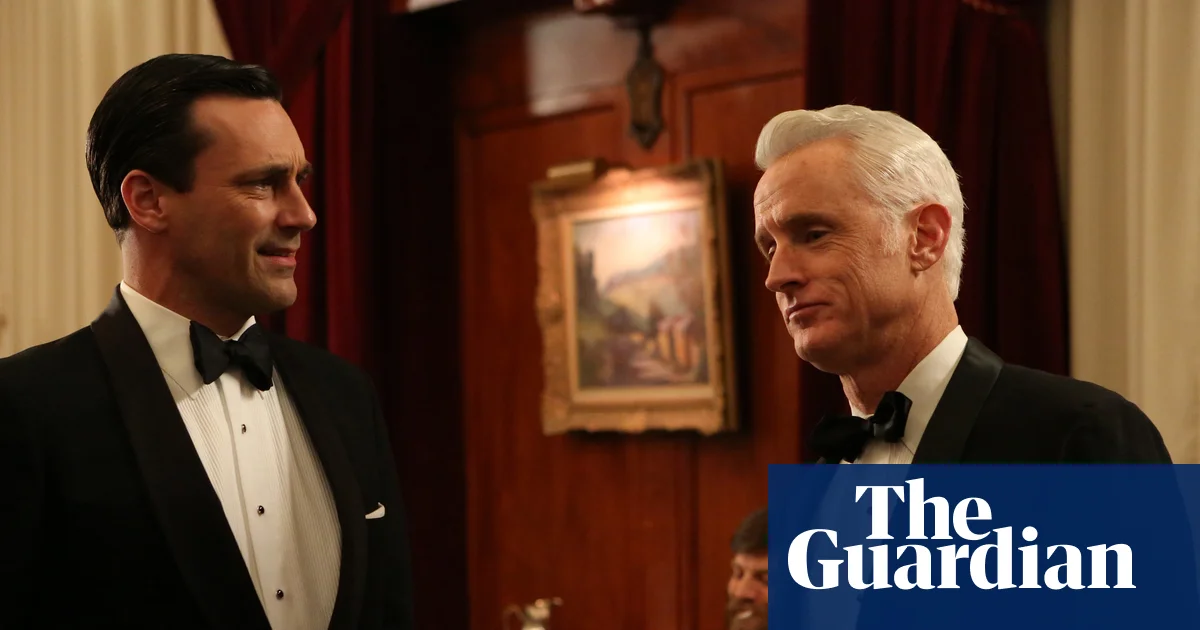
In an era where media industries are increasingly intertwined with geopolitical interests, the recent mishaps in the HBO Max re-release of Mad Men serve as a stark reminder of the global influence of cultural products. The decision to restore this groundbreaking series in 4K has rekindled popular interest and demonstrated how entertainment can shape societal perceptions, even amidst technical pitfalls. Yet, behind these glossy remasters lies a larger narrative—one of technological dominance, international competition, and the relentless quest for cultural supremacy.

Historically, the television industry has played a pivotal role in shaping national identities and soft power, especially as countries seek to project influence internationally. The controversy surrounding the HBO Max restoration—episodes being out of order, visible crew members, and social media viral moments—highlight an underlying tension: the importance of maintaining cultural artifacts with precision and care. This isn’t simply about entertainment; it is a reflection of who controls the narratives and how societies see their past. Critics such as international media analysts argue that these seemingly trivial errors symbolize a broader crisis: the encroachment of global corporations into culturally sensitive domains, often at the expense of authenticity.

Moreover, the mishandling of Mad Men’s re-release mirrors earlier incidents, like the infamous Starbucks coffee cup incident in Game of Thrones’s final season. Despite the humorous viral response, it underscored how international media conglomerates often prioritize quick fixes over meticulous quality control, thereby impacting their credibility on the global stage. This pattern is not merely a matter of poor editing but an illustration of the pressures faced by multinational entities under the specter of hyper-competition. How these errors are perceived internationally can influence perceptions of a nation’s technological capability and geopolitical standing. According to global media watchdogs, such lapses—while seemingly superficial—can serve as symbols of declining standards and international vulnerability.

Yet, the story extends beyond media missteps to a broader geopolitical narrative. Historians and analysts observe that cultural dominance is a strategic component of soft power, especially in the context of U.S.-China and Russia rivalry. As China invests heavily in exporting its media and cultural products globally, Western firms face mounting pressures—and scrutiny—in safeguarding their cultural heritage. The errors in restoring classic shows, though minor, may be exploited by adversaries to question the robustness of Western technological and cultural leadership. It underscores that every digital misstep is more than an operational flaw; it is a part of the ongoing struggle to define the global narrative.

In the final analysis, the unfolding saga of HBO Max’s restoration errors embodies the high-stakes nature of cultural preservation in a fractured world. Every glitch, every mislabeled episode, echoes the tension between technological innovation and international influence. As history continues to unfold, it is vital to recognize that these seemingly small moments—like crew members manning fake vomit machines—are, in fact, emblematic of much larger conflicts. The weight of history remains heavy on this digital stage, as nations and societies grapple with their place in an ever-changing geopolitical landscape, where control over cultural artifacts may ultimately determine the future of soft power in the 21st century.

Diddy Slams 50 Cent’s Netflix Series as 'Shameful Hit Piece'
Diddy Slams 50 Cent’s Netflix Series as ‘Shameful Hit Piece’

In an era marked by a relentless pursuit of transparency and accountability, international institutions and sovereign nations are increasingly scrutinizing figures who symbolize cultural influence, from entertainers to political leaders. Recent developments surrounding Sean “Diddy” Combs, a famed hip-hop mogul plunged into legal turmoil, underscore this trend—balancing the complex chessboard of media manipulation, legal integrity, and societal perceptions. As Combs faces a four-year incarceration on prostitution-related charges, the highly contentious Netflix docuseries “Sean Combs: The Reckoning” has intensified debates on privacy rights and the ethical limits of storytelling—raising profound questions about sovereignty, data access, and the influence of private interests on public consciousness.

  • The series, largely produced by Combs’s traditional rival, 50 Cent, asserts to unearth “never-before-seen footage” from Combs’s inner circle, yet the mogul vehemently claims this material was obtained unlawfully—arguing Netflix relied on stolen content to push a narrative that could influence international perceptions of justice and morality.
  • Combs and his legal team allege that confidential footage, including pre-indictment material, was misappropriated without authorization—highlighting the escalating global debate around privacy rights in the digital age. Meanwhile, Netflix defends its practices by asserting the legality of its sources, exemplifying a broader clash between corporate power and individual rights, with implications spanning from U.S. law to global liberal norms about data and privacy protection.

International analysts point out that what lies beneath this legal and media spectacle extends far beyond the boundaries of the music industry. Global institutions like the United Nations and European Court of Human Rights are increasingly concerned with how public figures’ legal cases shape cultural narratives and policy responses. As historian Dr. Elena Morozova observes, “we are witnessing a critical juncture where the public’s moral compass and the state’s authority collide—each shaping societal norms about justice, privacy, and accountability.” Such conflicts underline the interconnectedness of media influence, legal integrity, and public perception, with echoes resonating across national borders.

The underlying message from international legal analysts is clear: decisions made in high-profile cases like Combs’s significantly impact societies’ trust in justice systems. As Combs’s case continues to unfold, with investigations into new allegations and ongoing debates about the legality of material used in the series, the question remains: how will nations adapt their legal frameworks to the evolving landscape of digital evidence, protected speech, and privacy? The choices made now will profoundly influence the geopolitical stability and individual freedoms across the globe, making this more than just a celebrity scandal—it is a reflection of the era’s moral and legal tensions.

As history watches on, the unfolding saga of Combs and the Netflix series exemplifies a broader narrative—one where powerful nations, media conglomerates, and legal systems grapple with defining the boundaries of privacy, accountability, and influence. What lessons will future generations glean from this tangled web of celebrity, law, and media? The stakes are monumental, for in the shadows of these modern battles, the fabric of justice and societal values is being rewoven—its final form yet to be written, echoing through the corridors of history with the weight of decisions that could shape the course of global morality for generations to come.

LA Dodgers Dominates again, Secures Back-to-Back World Series Titles Over Blue Jays

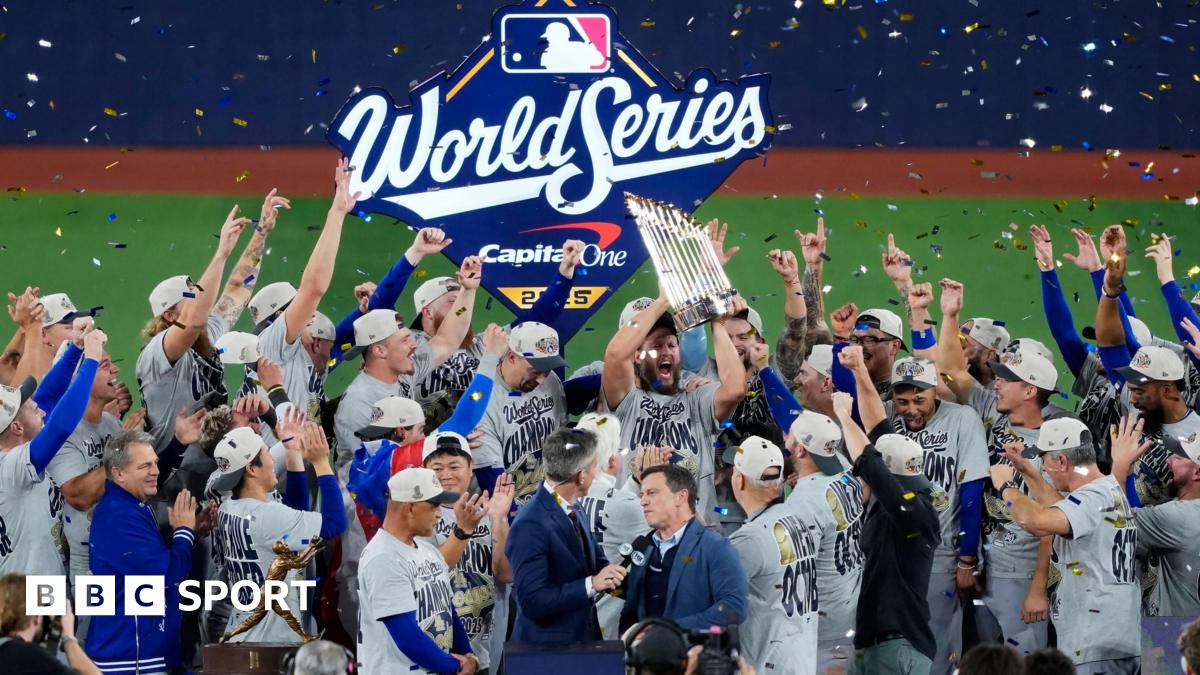
In an era marked by geopolitical upheaval and shifting alliances, the recent World Series victory by the Los Angeles Dodgers over the Toronto Blue Jays somewhat mirrors the international landscape’s complex dance of competition and resilience. Just as baseball fans around the world observed tense moments in a gripping game seven—where both teams displayed remarkable strategic flexibility—nations worldwide grapple with the unpredictable nature of their geopolitical contests. The game’s culmination, highlighted by a dramatic home run from Smith that set the Dodgers within reach of the title, echoes a broader theme: in the global arena, pivotal moments often hinge on fleeting opportunities and decisive actions.

Historically, sports championships serve as microcosms of larger geopolitical dynamics, reflecting the interplay of strategy, timing, and resilience. Meanwhile, international analysts note that the current geopolitical climate is anything but predictable, with challenges emanating from resurging powers, technological rivalries, and regional conflicts. The recent series and its unpredictable turns remind observers of how swiftly alliances can shift and decisions can alter the course of history. The involvement of high-profile athletes and tactical substitutions in the game also exemplify the same strategic calculus that nations pursue on the diplomatic stage—where the sight of a single, game-changing move can redefine the outcome for entire populations.

Moreover, the series’ narrative of perseverance amidst adversity parallels the ongoing struggles of nations facing territorial disputes, economic sanctions, and ideological clashes. Just as Toronto’s Blue Jays threatened to take the game into extra innings—building up to a crescendo of collective anticipation—so too do global conflicts build to critical junctures where diplomacy, or lack thereof, determines whether peace holds or erupts into turmoil. According to international organizations like the United Nations, the world’s stability now hinges on whether leaders recognize the consequences of their choices—a concept vividly illustrated by the high-stakes performances of baseball pitchers like Yoshinobu Yamamoto, whose relief victory underscored the importance of resilience and tactical ingenuity.

As history’s echoes reverberate through today’s shifting alliances, it becomes clear that the decisions made now will echo through generations. The outcome of this ongoing saga, like the game’s final innings, remains unwritten—awaiting a decisive moment that could turn the tide of progress or plunge the world into further chaos. Just as fans held their breath during those critical last plays, the international community must reflect on the profound impact of leadership, foresight, and unity. In this fragile closing chapter of a complex game, the weight of history presses heavily upon us, reminding all that the unfolding narrative of global conflict and cooperation is far from over, and the playing field remains unforgiving and unpredictable.

Canadian Powerhouse: The $500M Slugger Leading the Charge to the World Series

In the heart of Toronto, a city known for its resilience and multicultural spirit, a new chapter in sports history is unfolding—one that transcends the diamond and touches on the very essence of personal impact and cultural identity. Dominating headlines is Vladimir Guerrero Jr, a baseball prodigy whose recent rise to the World Series symbolizes more than just athletic achievement; it embodies a narrative of dedication, legacy, and embracing a lifestyle centered on perseverance and community. Signed earlier this year to a staggering $500 million, 14-year contract, Guerrero has become a beacon for aspiring youth, exemplifying that with discipline and passion, great things are within reach.

This young superstar’s journey is steeped in tradition and ambition. His father, Vladimir Guerrero Sr, a Hall of Famer whose illustrious career was spent in obscurity due to a lack of a championship ring, passed down not just talent but a relentless drive to succeed. Guerrero Jr’s statement that he was “born ready” isn’t just bravado but a reflection of an inner conviction—an inspiring reminder that greatness often flows from familiarity with struggle and a deep desire to leave a legacy. Beyond the field, Guerrero lives modestly with his grandmother, incorporating her traditional Dominican dishes into his routine, exemplifying a lifestyle that values roots and humility while chasing epic milestones.

Reflecting broader societal shifts, Guerrero’s story highlights the significance of wellness and lifestyle choices in elevating personal performance. His focus on community, humility, and resilience resonates with wellness experts who advocate for a balanced approach—where mental health, cultural connection, and physical training form the foundation for success. This is not just about winning trophies; it’s about inspiring a generation to view lifestyle as a journey for self-improvement and cultural pride. The fan support, both from Toronto and across North America—including American admirers—underscores how sports today serve as a catalyst for shared identity and a collective pursuit of excellence.

  • Celebrate your roots while striving for greatness.
  • Prioritize community and humility alongside ambition.
  • Balance physical training with mental strength for lasting impact.
  • Embrace cultural traditions to stay grounded amid success.

As Guerrero’s narrative unfolds on the global stage, it prompts reflection on how a lifestyle—shaped by personal history, cultural pride, and community—can serve as a roadmap to fulfill one’s potential. His emotional moment after the victory, fighting back tears and acknowledging his journey, illustrates that true success is as much about inner fulfillment as it is about external victories. For the aspiring youth, his story becomes an invitation—a reminder that embracing your heritage, working relentlessly, and staying true to your purpose can turn even distant dreams into reality. In the collective heartbeat of Toronto, a nation, and a continent, is the understanding that adventure, growth, and legacy are lifelong pursuits—each day an opportunity to shape a lifestyle rooted in purpose, resilience, and hope.

Philip Pullman’s The Rose Field: A Riveting Finale to the Northern Lights Series for the New Generation

In an era where institutions falter and the very fabric of society appears frayed, the enduring power of culture emerges as both a sanctuary and a lighthouse. Like the ancient parable of the Tower of Babel, our modern world’s complexity and division underscore a profound truth: that culture—the collective memory and shared symbols of a people—constitutes the bedrock upon which society fortifies its identity and moral coherence. As Tocqueville observed, societies are held together not merely by laws or economic structures but by the moral and cultural fabric that sustains collective purpose amidst chaos. Today, amid global upheaval, this fabric is challenged, yet it remains crucial for understanding who we are and envisioning who we might become.

Pulling from philosophical reflections by thinkers such as G.K. Chesterton, who championed the importance of tradition and imagination in shaping a vibrant society, we recognize that cultural icons and stories serve as passing of torch—proofs of continuity and beacons of hope. The recent narratives of Philip Pullman, particularly within The Book of Dust, exemplify this understanding. His universe, where worlds collide and where myth intersects with reality, reminds us that humanity’s narrative is not merely a series of disconnected facts but an ongoing story that guides moral and spiritual development. Lyra’s evolution—once a girl of innocent curiosity, now a woman marked by loss and perseverance—reflects the essential need for a shared mythology that keeps alive the inextinguishable flame of human imagination amid a landscape of disillusionment.

This intrinsic relationship between culture and identity is echoed in the writings of Ortega y Gasset, who pointed out that the individual’s sense of self is inextricably linked with the larger story of their community. As institutions waver and markets shift unpredictably—highlighted in Pullman’s depiction of economic crises associated with mysterious rose oil—we are reminded that the symbols we cherish and the stories we tell uphold societal resilience. These narratives, often dismissed as mere entertainment, are in fact the vessel for communal memory and moral orientation; they are the language of tradition that keeps society anchored as it navigates tumultuous waters. Like Chesterton’s insistence that “tradition is the democracy of the dead,” our cultural expressions serve as a dialogue across generations, ensuring that even in the face of chaos, the narrative of human greatness persists.

Ultimately, culture embodies both memory—the record of humanity’s virtues, struggles, and triumphs—and prophecy—a vision of what can be achieved when the moral imagination is stirred. It whispers to us through art, literature, and shared rites that we are not isolated individuals but members of an ongoing story, shaped by ancestors and poised toward future heights. As T.S. Eliot reminded us, the true poet is one who recognizes that “the past is never dead; it’s not even past.” In this light, our cultural inheritance—whether in Pullman’s mythic worlds or in our own rooted traditions—becomes a guiding star, urging us to preserve what is worth fighting for, and to envision anew what humanity can achieve.

Afghanistan Withdraws from Cricket Series in Protest Over Pakistan Airstrike Killings

International Tensions Reach Boiling Point as Afghanistan Cuts Ties in Sport and Peace Talks Show Fragility

The international community faces a precarious moment marked by escalating violence and fragile diplomacy between Afghanistan and Pakistan. In a dramatic display of national grief, Afghanistan’s cricketing authorities have announced their withdrawal from a tri-nation T20 series scheduled for November, after three young Afghan cricketers were tragically killed in an air strike. The attack, described by Afghanistan’s Cricket Board as targeted and carried out by Pakistan’s regime, underscores the deeply intertwined nature of regional conflict and cultural identity.

This incident not only devastates Afghanistan’s burgeoning sports scene but also highlights the profound impact of military conflicts on societal cohesion. As noted by international analysts, the deaths of Kabeer Agha, Sibghatullah, and Haroon—who did not even represent the national team—are emblematic of how conflict permeates every facet of life, from sports to national morale. The International Cricket Council expressed deep sadness and condemned the violence, framing it as a tragic loss for the entire cricketing family. Yet, beyond the sporting arena, the violence has broader geopolitical implications, threatening the stability of a region already scarred by decades of conflict.

Amid these tragic events, efforts are underway to forge some semblance of peace through diplomatic channels. A temporary truce has been announced, extending for 48 hours to facilitate negotiations in Qatar, as Afghan and Pakistani delegations meet to address border tensions and cross-border terrorism. Former Afghan President Hamid Karzai called for reconsideration of Pakistan’s policies, urging a move toward civil and cooperative relations—an appeal echoed by regional observers who see the current approach as a cycle of provocations and reprisals. However, Pakistan’s official stance remains defensive, with Defense Minister Khawaja Asif emphasizing ongoing efforts to curb militant activities, claiming that recent strikes targeted militants and not civilians.

This fragile diplomacy comes at a crucial moment when Islamabad’s claims of counterterrorism efforts clash with local reports of civilian casualties, fueling mutual accusations. The situation on the border remains tense, with casualties reported on both sides, further complicating prospects for peace. Historians and security experts warn that unresolved border disputes and cross-border militancy threaten to unravel hard-won diplomatic advances, risking another cycle of violence with profound regional and global repercussions. As international powers watch nervously, the region’s trajectory hangs in a delicate balance, where each decision could either pave the way for reconciliation or thrust the region into renewed chaos.

As the shadows of war lengthen across this borderland, the voices of youth and hope within Afghanistan and Pakistan seem drowned out by the relentless echo of violence. The deaths of promising cricketers symbolize far more than a tragic loss—they are a stark reminder of how war’s destructive hand reaches into every corner of society, dismantling dreams and futures. As historians speculate on the unfolding chapters of history, the weight of tension presses heavily on the shoulders of nations eager for peace but unable to escape their turbulent past. The world watches as this fragile peace hangs by a thread, its next move potentially sealing the fate of an entire region, where the echoes of conflict threaten to drown out the possibility of coexistence—leaving history still in the making, with the future uncertain and the stakes higher than ever.

Social Media Auto Publish Powered By : XYZScripts.com