Matox News

Truth Over Trends, always!

V&A to Spotlight Schiaparelli: The Art, Style, and Innovation Shaping Tomorrow’s Trendsetters

In 2023, fashion’s fascination with extravagance and outré design reached a new peak as Kylie Jenner took to the marble steps of Paris’s Petit Palais, donning an eye-catching outfit featuring a fake lion head attached to her dress. While her statement look might have raised eyebrows at first, it spotlighted a broader shift in cultural values: the rising celebritainment-driven phenomenon of turning fashion into a form of theatrical self-expression. This isn’t just about high society’s whimsy; it’s a vivid reminder of how social media saturation has propelled fashion into a hyper-stylized, image-conscious arena where every look becomes a statement—often fleeting but endlessly viral.

What’s truly notable, however, is that this trend has deep roots in the legacy of icons like Elsa Schiaparelli. The V&A’s latest exhibition on the legendary Italian designer makes this connection clear: today’s BIG moments in fashion—be they red carpet crushes or TikTok trend cycles—are echoes of Schiaparelli’s original approach to culture creation. As Roseberry, designer derrière Schiaparelli’s modern revival, puts it, Elsa was not just a dressmaker but an image-maker and culture creator. Her collaborations with avant-garde artists like Salvador Dalí and her innovative trompe l’œil techniques continue to influence contemporary designers like Martin Margiela and Rei Kawakubo. This synergy between art and fashion exemplifies how design is intertwined with broader societal narratives.

Elsa Schiaparelli and Salvador Dalí collaboration, 1938
Skeleton dress, designed by Elsa Schiaparelli and Salvador Dalí, 1938. This piece exemplifies her mastery of surrealist design, a hallmark that continues to inspire haute couture today.

Fast forward to 2024, and the impact of Schiaparelli’s daring aesthetic is palpable in the brand’s haute couture collections. A recent show featured whimsical pieces like glittery robot babies and trompe l’œil leather and knitwear hybrids that seem to defy conventional textile logic. The brand’s knack for blending wit, humor, and wearable art has secured its status as a cultural powerhouse while resonating with a new generation eager for authenticity tinged with spectacle. Influencers like Bella Hadid and Teyana Taylor have been seen sporting these inventive looks on red carpets, making Schiaparelli a staple of the social media-era wardrobe.

  • The “Schiap pack”—a term affectionately coined in fashion circles—references the brand’s signature couture looks that continue to dominate Instagram feeds and TikTok videos.
  • Designs feature tongue-in-cheek accessories like brass necklaces shaped like lungs or crystal thongs, emphasizing the brand’s mastery of humor balanced with high fashion.
  • The V&A’s retrospective aims to draw over half a million visitors, showcasing how the brand’s edgy, provocative style has seeped into mainstream consciousness, redefining what it means to be trendsetting.

While the spectacle of fashion’s current moment is truly flamboyant, the underlying question remains: are we witnessing a passing trend driven by social media’s short-lived attention span, or is there a deeper cultural shift towards viewing fashion as performance art and personal identity? As designers like Roseberry continue to weave the threads of history and modernity, the next big question becomes: will the future of style embrace even more technological integration and boundary-pushing creativity, or will it settle into a more sustainable, understated aesthetic? The answer might well determine whether fashion continues to serve as a mirror of social values—oscillating between absurdity and authenticity—or transforms into something entirely new.

From affordable alternatives to literary shadows: the rising surge of doppelgangers shaping today’s culture | Books

In an era inundated with the noise of digital doubles and disconcerting parallels, the double has metamorphosed from a mere literary device into a profound symbol of our collective consciousness. As Ortega y Gasset once observed, civilization is built upon a fabric of tradition—a tapestry woven from shared memory and cultural identity. Today, this tapestry seems frayed, replaced by a fragmented series of facsimiles, echoes, and simulacra, yet it is precisely through these doubles that we confront the essence of who we are and who we might become. The burgeoning fascination with doppelgängers—from fashion runways to Hollywood, from books to the digital realm—mirrors a deeper societal yearning: the desire to reconcile our inner fears with external images that promise both familiarity and alienation.

Contemporary culture, saturated with images of clones and mirror images, reflects an underlying anxiety about authenticity and selfhood. The literary tradition, from Charlotte Brontë’s Bertha Mason to Nabokov’s Hermann in Despair, illustrates the double as a manifestation of repressed desires, guilt, or unacknowledged truths. Modern works—be it Isabel Waidner’s As If or Deborah Levy’s August Blue—embrace the uncanny, revealing that amidst our technological advancements, the internal struggle for self-understanding remains as primal as ever. Our fascination with flesh-and-bone copies—be they supermodels or Hollywood icons—serves as a cultural assertion: identity is more than appearance; it is a reflection of society’s values, fears, and fissures.

Furthermore, the trend extends beyond entertainment into the realm of political doubles. Parody, duplicity, and illusion have become tools for the powerful, who craft empty promises and brandish pretenses of authenticity as shields against accountability. The proliferation of digital facades—filters, curated profiles, and false identities—only accentuates our collective paranoia. As T.S. Eliot lamented, our modern world risks becoming a “hollow men,” where superficiality replaces substance, and doubles serve both as masks and mirrors. Yet, in this chaos, the double remains a potent critique—a symbol of societal dislocation, yet also a hope for deeper understanding rooted in tradition and shared memory. It reminds us that at the core of our identity lies a mysterious, often shadowy, echo of the past—a prophecy inscribed within our cultural DNA, whispering that, ultimately, to know oneself is to confront the mirror that is both haunting and illuminating.

NextGen Athletes: Spotlight on Rising Stars Shaping the Future of Sports

Eastern Conference Showdown: Who Holds the Edge?

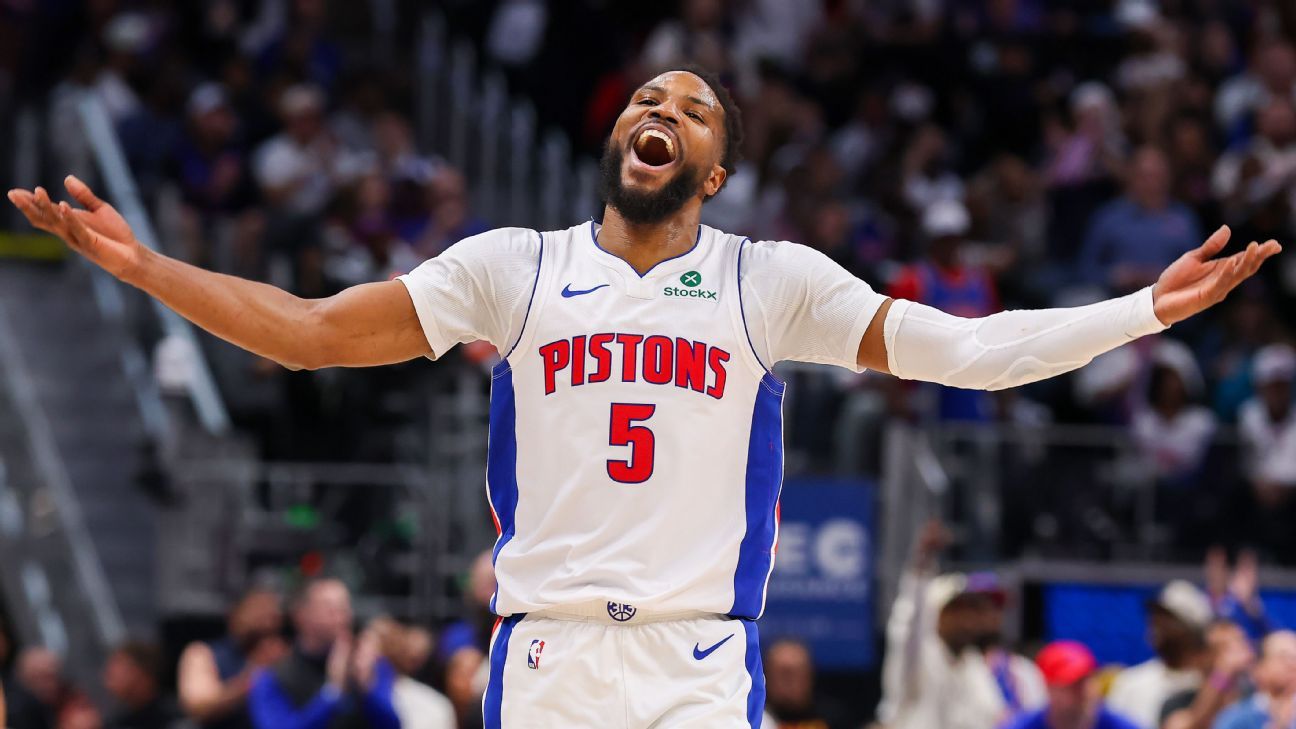
As the NBA season unfolds, the race in the Eastern Conference is intensifying, with analysts like Tim Bontemps and Brian Windhorst weighing in on the current contenders. With several teams vying for supremacy, the landscape appears more competitive than ever, raising the stakes as we approach the playoffs.

Among the top teams, the Milwaukee Bucks have recently surged, showcasing their championship experience under the leadership of Giannis Antetokounmpo. His impressive averages of 30.0 points and 11.5 rebounds per game have been instrumental in the Bucks’ rise. Additionally, the Philadelphia 76ers, led by Joel Embiid, are also making a case for supremacy with a strong offensive display and a robust defense.

  • Milwaukee Bucks ride high with consistent performances from their stars.
  • Philadelphia 76ers boast a potent combination of offensive prowess and defensive solidity.
  • Emerging challengers like the Boston Celtics and Miami Heat cannot be overlooked with their evolving rosters.

Key matchups to watch include the fierce battles between the Celtics and Heat, which promise to be pivotal in determining playoff positioning. Notably, clutch moments like last week’s nail-biter in which the Celtics edged out the Heat underscore the unpredictable nature of this conference. Coaches are emphasizing the importance of defense as teams prepare for the crucial stretch run.

Ultimately, this season’s Eastern Conference narrative goes beyond the scoreboard. As teams battle for dominance and fans rally behind their franchises, basketball continues to serve as a unifying force in communities across America. In a world often divided, it is on the hardwood where rivalries ignite passion, camaraderie is built, and young talent emerges as the future stars of this beloved sport. The chase for the championship is not merely about wins; it represents resilience, hope, and the enduring power of teamwork.

Source link

Project 2025: The blueprint from Venezuela to immigration shaping Trump's next move
Project 2025: The blueprint from Venezuela to immigration shaping Trump’s next move

America’s Bold Pivot: A New Chapter in Global Power Dynamics

The recent assertion by White House spokesman Davis Ingle underscores a narrative that President Donald Trump has fundamentally reshaped America’s position on the world stage over the past year. According to Ingle, the administration’s efforts have not only fortified the nation internally but have also elevated the United States to an unparalleled level of influence and economic strength. These claims highlight a strategic shift rooted in a focus on sovereignty, economic nationalism, and a reassertion of American priorities amidst a rapidly evolving global landscape.

Significant policy moves, including the securing of the border, historic tax reforms targeted at the middle class, and an influx of trillions of dollars in foreign investments, have energized critics and supporters alike. However, the true geopolitical impact extends beyond economics. It signals a decisive move away from globalist policies favoring multilateral agreements, towards an America-centric approach. As many analysts suggest, this transition could redefine international alliances, with ripple effects on trade agreements, security alliances, and diplomatic priorities across continents.

  • Border security efforts aim to curb illegal crossings and affirm national sovereignty amid increasing migration pressures.
  • Tax cuts are designed to stimulate domestic investment, employment, and innovation, fostering a resilient economy with global implications.
  • Foreign investments have surged as foreign nations and corporations see America as a safe haven and hub for future growth, further empowering U.S. global influence.

However, this strategic realignment raises fundamental questions about the future of international diplomacy. Critics warn that turning inward could diminish existing cooperative efforts like the Paris Agreement or WHO collaborations, and spark a recalibration of alliances such as NATO. Conversely, supporters argue that a restored sense of national pride and economic independence will enable America to lead more effectively in addressing transnational issues — a sentiment echoed by historians like Dr. James Roebuck, who caution that the global stage is in flux and that leadership is as much about resilience as cooperation.

Globally, this shift has caused concern in regions like Europe and Asia, where longstanding alliances are tested against the backdrop of America’s newfound assertiveness. Trade tensions and strategic realignments threaten to redefine geopolitical boundaries, resemble a new Cold War landscape where economic strength and diplomatic defiance become the core currencies of power. The decisions made today will shape our collective future, echoing through generations of nations seeking stability and prosperity amid upheaval.

In the shadow of these transformations, the question remains: will this new era herald renewed strength and clarity for the United States, or will it ignite conflicts that threaten global stability? As historians and analysts watch closely, the weight of history presses down, hinting that the coming years will determine whether this chapter of decisive action will carve a legacy of sovereignty and resilience — or sow chaos in a world still teetering on the edge of transformation. The story of our time is still being written, and the future remains unwritten, hanging in the balance of choices made today.

Celebrity Spotlight: The Iconic Figures Shaping the JFK Jr. Legend—A Youthful Take on a Timeless Love Story

In the midst of a new era dominated by rapid social change and redefined notions of legacy, television continues to serve as a mirror and mold of society’s evolving values. The recently premiered FX series Love Story: John F. Kennedy Jr. & Carolyn Bessette stands out not just as a dramatized recounting of iconic 90s figures but as a definitive cultural artifact that underscores a fascinating shift in societal narratives. This series deftly intertwines celebrity, fashion, and societal expectations, bringing a nostalgic yet critical lens to the glamour and intricacies of the early ’90s—an era often romanticized for its rebellious spirit but also scrutinized for its social hierarchies.

Remarkably, the series has captured the imagination of a youth demographic increasingly obsessed with nostalgia and the trauma of social media fame. Influencers and analysts have pointed out that it’s not just a biopic; it’s a reflection of a societal obsession with legacy and celebrity culture. Through characters like Calvin Klein and Kate Moss, the series spotlights how fashion and fame interacted to create the archetype of modern celebrity: a blend of style, scandal, and societal influence. Walking the tightrope between admiration and critique, the show’s depiction of figures like Mark Wahlberg and Madonna reveals how societal shifts have affected the public’s perception of morality and success. These stories reveal how societal values are *perpetually in flux*, with youth in particular questioning what it means to truly be authentic amidst a backdrop of hyper-glamorous illusions.

The cultural impact of this series extends beyond mere entertainment; it rekindles debates about how social identities and societal perceptions are constructed through Hollywood, fashion, and politics. Scholars like Dr. Lisa Miller suggest that these portrayals serve as a lens into the *shifting social norms*—especially how gender roles and power dynamics are portrayed and challenged through the personal stories of these high-profile figures. The narrative’s focus on Carolyn Bessette’s rise amidst Hollywood’s superficial allure hints at a deeper desire among today’s youth for authenticity in a social climate often dominated by curated images and fleeting viral moments. Meanwhile, the recurring references to iconic celebrities like Michael Bergin and Kate Moss present a layered illustration of how the fashion industry’s influence on personal identity has escalated in the digital age, intensifying the societal obsession with appearance and influence.

Interestingly, the series also sets the stage for one of the most compelling questions of today’s social media-driven world: *Are we witnessing the end of traditional celebrity?* As younger audiences increasingly seek genuine connections over curated personas, the enduring legacy of these 90s icons prompts us to ask—*what does fame really mean in an age where anyone with a smartphone can be a star?* With influencers emerging as the new cultural icons and platforms amplifying authentic voices, the next big question is whether society is headed toward a renaissance of genuine, unfiltered fame or if we are merely reshaping our obsession with superficial glamour into a new digital spectacle. As the lines between reality and social media blur, the true challenge will be understanding if the future of fame will be rooted in raw authenticity or further entrenched in curated illusions.

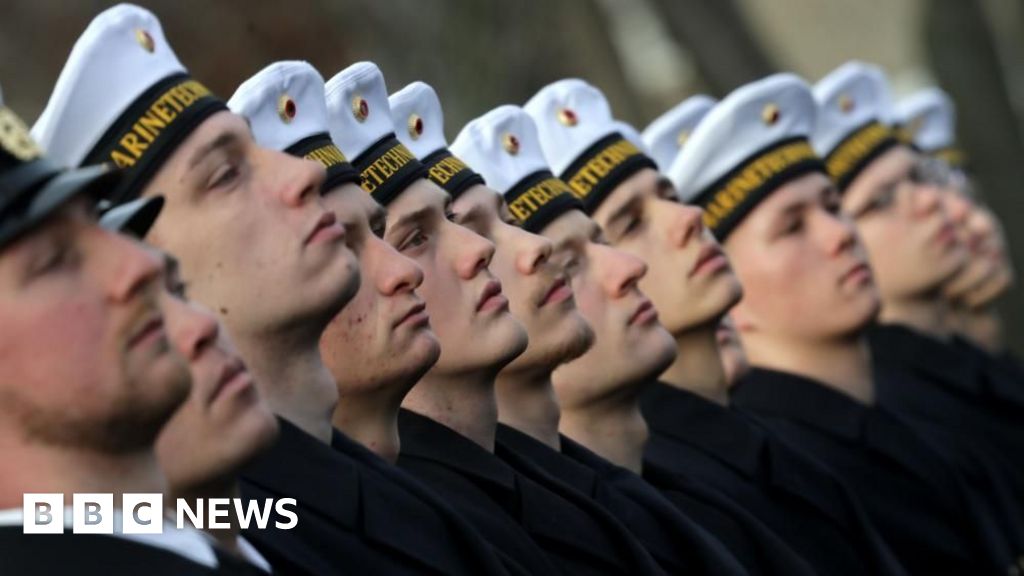
Germany pushes for voluntary military service for 18-year-olds, shaping a stronger future youth force

Germany Revamps Its Military Policy in Response to Rising Geopolitical Tensions

The recent decision by Germany’s Bundestag to introduce voluntary military service marks a pivotal moment in European defense policy. In a close vote of 323 to 272, the German parliament approved the measure, signaling a strategic shift amidst swirling uncertainties stemming from Russia’s full-scale invasion of Ukraine. Chancellor Friedrich Merz has made rebuilding the Bundeswehr into Europe’s strongest conventional army a central goal, aligning himself with a broader NATO push to bolster collective defense capabilities. This decision comes at a time when European nations grapple with existential threats that threaten to reshape the continent’s security landscape.

Historian and defense analysts underscore that this move signifies more than just military expansion; it signals Germany’s acknowledgment of a changed geopolitical reality. Historically, Germany has maintained a pacifist stance since ending compulsory service in 2011, but the current threat environment has compelled a reevaluation. The new policy envisions raising the standing army by 20,000 personnel over the next year and increasing the reserve forces to about 200,000—aiming to meet NATO’s evolving force standards. The decision to implement voluntary service is reportedly designed to maximize recruitment incentives, offering approximately €2,600 per month to volunteers—an attractive proposition in contrast to neighboring France, where volunteers will receive at least €800 monthly.

How Decisions Shape Nations and Societies

The widespread protests from German youth reflect a significant societal divide about the nation’s renewed militarization. Many young Germans oppose the move, citing personal and moral reservations about military service. As student protests erupt across 90 cities like Hamburg, critics argue that the shift toward militarization risks igniting a generational rift—raising concerns about the long-term societal impact of increased recruitment and training. The protest organizers warn that war offers “no prospects for the future” and could threaten the livelihoods of young Germans already wary of a return to a militarized society, illustrating how **domestic opinion** can influence, and sometimes hinder, strategic national policies.

By aligning with NATO strategies and increasing its defense spending, Germany demonstrates an intent to shift from a peaceful, post-Cold War stance to a more assertive military posture. The move also signals a broader European response, with France recently announcing voluntary military training for 18- and 19-year-olds, emphasizing a continent-wide recognition of the escalating threats from Russia and other geopolitical adversaries. International organizations, such as the European Union and NATO, now watch closely as the policies taken by Berlin unfold, with many analysts warning that these steps could trigger a renewed arms race and further destabilize an already fragile geopolitical order.

The Long Shadow of History and an Uncertain Future

As Germany prepares to reintroduce a form of conscription—initially voluntary, but with the potential for future mandatory service—history looms large. The Cold War army of nearly half a million starkly contrasts with today’s force of 182,000, illustrating decades of demilitarization and peace-oriented policy shifts. Yet, the current trajectory reflects a ©reversal of practice, motivated by concerns that in a crisis, time would be wasted determining who is operationally capable of defending the homeland. It is a stark reminder of how international conflicts can swiftly recalibrate national priorities, transforming internal debates into urgent questions of sovereignty and security.

As the world watches, the weight of history presses heavily on Germany’s shoulders. The nation’s future, now entangled with questions of military readiness, societal values, and international stability, hangs in a delicate balance. Each decision echoes through the corridors of power, shaping the course of Europe’s security architecture. The current moves may be seen as definitive steps towards renewed strength, but they also carry the unpredictable risks of reigniting old conflicts on a continent scarred by war—reminding the global community that in the theater of geopolitics, history’s unfinished story remains perilously open-ended.

VC Kara Nortman Doubling Down on Women’s Sports: Shaping the Future of the Game

Angel City FC’s Rise Sparks Broader Disruption in Women’s Sports Investment

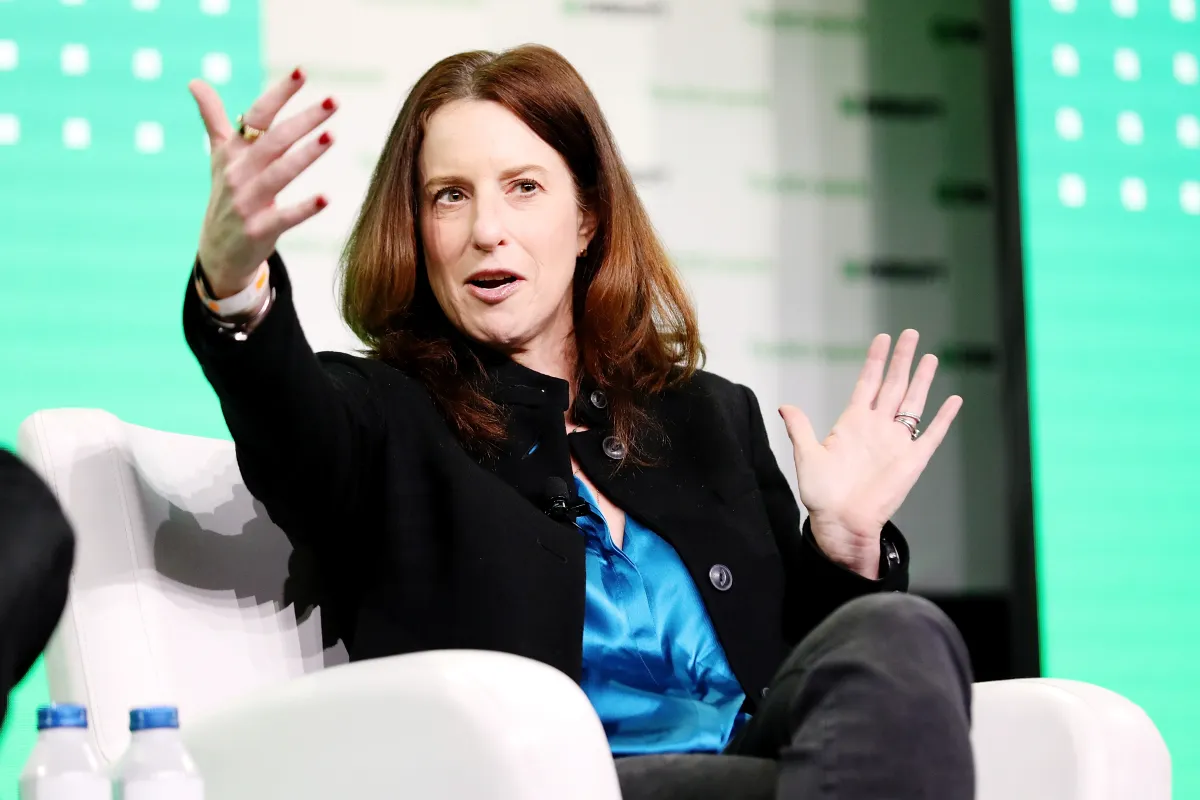
In a landscape historically dominated by male-centric sports, Angel City FC is emerging as a groundbreaking case study in how strategic innovation can redefine the commercial potential of women’s sports. Despite a disappointing on-field performance this season, the franchise has achieved unprecedented success off the pitch, illustrating the potent business implications that disrupt traditional sports economics. Venture capitalist Kara Nortman, co-founder of the club, has exemplified how a focus on innovative marketing, celebrity involvement, and strategic sponsorships can generate explosive revenue—going from zero to $30 million in revenue before the team had even scored a single goal.

Disruption Through New Business Models and Investment Strategies

This success has catalyzed a new paradigm in sports investment, highlighted by Monarch Collective, Nortman’s $250 million fund launched in 2023—a pioneering venture that is fundamentally changing how capital flows into women’s sports. Unlike traditional sports franchises that rely primarily on ticket sales and merchandise, Monarch’s portfolio spans multiple leagues and international markets, including stakes in three other National Women’s Soccer League clubs and an international investment in FC Viktoria Berlin. This diversified approach signals an industry-wide shift, where the conventional single-team focus is giving way to a broader ecosystem with multiple franchises supported by sophisticated operational and media strategies.

  • Standout features include setting industry milestones, such as Monarch being the first foreign investor in a German women’s team
  • Fund growth from an initial $100 million to $250 million showcases the market’s rapid evolution and burgeoning confidence
  • Investments extend beyond soccer into emerging women’s sports like basketball, golf, and tennis, underpinning a diversified growth strategy

Market Realignments and the Road Ahead

As Nortman highlights, the global women’s sports market has surged from a modest $0.5 billion to an estimated $3 billion—yet this is merely a fraction of the $500 billion sports industry worldwide. Strategic disruption is therefore not optional but imperative for investors aiming to capitalize on this momentum. Industry analysts such as Gartner and MIT researchers emphasize that sustained growth depends on infrastructure investments, league governance, and community engagement. The focus is shifting toward operational excellence, where teams can reach breakeven and capitalize on higher-margin media rights, a move that threatens to outflank entrenched traditional models.

Experts warn that history’s cautionary tales, reminiscent of the 1920 ban on women’s football in England, illustrate the importance of consistent innovation and strategic resilience. As with the early days of the internet and cleantech disruptions, timing and execution are everything. Nortman’s commentary underscores that external support, investor confidence, and foundational industry reforms are vital to avoid the setbacks that have historically hampered progress in women’s sports.

Looking Forward: The Urgency of Sustained Disruption

With transformative investments and innovative marketing reshaping perceptions, the future of women’s sports is poised for extraordinary growth. The upcoming Techcrunch event in San Francisco, October 2026, underscores the accelerating pace at which this sector is maturing. As investor interest intensifies and international markets open, the window for strategic disruption is closing fast. Forward-looking stakeholders must prioritize scalable business models, embrace technological innovations, and foster genuine community ties, or risk being left behind in a rapidly evolving landscape where the next big breakthrough could redefine global sports economics.

In sum, what began as a niche venture is quickly transforming into a multi-billion-dollar industry with global implications. The question is no longer if women’s sports will be disrupted, but how, when, and by whom. As key players like Angel City demonstrate, the next decade will determine whether this revolution will be enduring or just a fleeting moment of novelty.

Oxfordshire Schools Step Up to Support More SEND Students, Shaping a Stronger Future for All

Across communities in the UK, a growing crisis in special educational needs and disabilities (SEND) support threatens to undermine the very fabric of inclusive education. As local authorities grapple with ballooning costs and a demographic shift towards greater demand for specialized care, families face the stark reality of limited resources and uncertain futures. Oxfordshire County Council exemplifies this trend, with a forecasted £153 million high needs funding deficit next year. To address this, the council is pioneering efforts to bring children with SEND into mainstream schools, aiming to reduce reliance on expensive private institutions, which can cost up to £64,000 annually per child.

But such solutions are far from simple. The financial pressures extend beyond just funding, affecting families, educators, and entire communities. As Oxfordshire seeks to expand its mainstream support, it faces the challenge of not only increasing funding but also fostering effective leadership and inclusive practices within schools. Paul James, chief executive of the River Learning Trust, emphasizes that creating truly inclusive environments requires more than policy adjustments; it demands ambitious, well-led teaching backed by adequate financial support. Without this, schools are compelled to make difficult cuts—reducing staff, resources, and enrichment activities—compromising the quality of education for all students, particularly those with complex needs.

  • Research by sociologists such as Hannah Arendt warns that without social support and equitable funding, the marginalized—like children with SEND—risk being pushed further into social isolation.
  • Historically, public education systems have reflected societal values; increasingly, the neglect of SEND funding signals that society’s priorities may be shifting away from inclusive justice.
  • Local authorities are calling for clear government strategies to address mounting debts, as the current funding model, approved and kept off councils’ books, leaves communities vulnerable to fiscal crises and potential bankruptcy, which would have devastating ripple effects through local families and services.

Social issues surrounding SEND support profoundly influence families’ stability, educational equity, and community cohesion. As costs escalate—highlighted by the fact that mainstream school support costs around £10,000 per child annually—families find themselves caught between inadequate systemic support and the relentless demand for specialized care, further emphasizing the urgent need for reform. The societal implications go beyond economics; they are a moral question about the human right to equitable education and the societal obligation to nurture every child’s potential. As social commentator Michael Sandel argues, our collective moral core is tested in how we prioritize vulnerable populations; neglecting these needs erodes the fundamental bonds that hold society together.

Yet, amidst these daunting challenges, glimmers of hope emerge. Communities, educators, and policymakers recognize that collaborative, well-funded leadership is essential for meaningful change. With plans to add 340 specialized school places and reduce dependency on private alternatives, local authorities are aiming to rebuild a system rooted in fairness and accessibility. Leaders like Paul James insist that “children only get one go” at their education, and it is a moral imperative that society commits to supporting them fully. Ultimately, society’s capacity for resilience and reform will determine whether we can transform these challenges into opportunities—building a future where families, education, and communities thrive together in the embrace of genuine inclusion.

As society stands at this crossroads, the question remains: can our collective resolve turn the tide of neglect into a wave of hope and transformation? The future of our children—the very essence of society’s moral health—depends on the answer we choose to write today.

Thanksgiving 2025: The Bold Takes Shaping Our Holiday Scene — The New York Times

In an era where personal well-being becomes increasingly intertwined with everyday life, a _shift_ in how we approach our leisure and wellness routines is unfolding—one that champions the importance of rebalancing between productivity and genuine self-care. This new mindset invites us to reconsider the traditional schedules and expectations, emphasizing that _living intentionally_ can transform the way we experience daily routines. As wellness experts like Dr. Deepak Chopra have pointed out, _the journey toward self-awareness_ begins with simple, deliberate choices—starting with how we structure our days and the foods we consume.

One of the most significant lifestyle changes gaining momentum is the push toward eat-at-normal dinner hours. Simply put, aligning meal times with _natural circadian rhythms_ not only enhances your metabolism but also frees hours otherwise lost in hasty dining. Reports from leading food journalists like Priya Krishna highlight the benefits of eating at 7:30 PM, which paradoxically grants you extra hours to _unwind_, _prep_, and even _enjoy_ a relaxed happy hour featuring dishes like _bhel puri_. This approach encourages a _more mindful appreciation_ of food, turning meal times into daily rituals rather than rushed episodes. The core message: when we manage our schedule proactively, we create space for _meaningful leisure_, which is essential for developing resilience and _personal wellness_.

In parallel, contemporary culture is venerating the concept of _authentic connection_—whether through setting the right playlist for dinner parties or engaging in games that cultivate _shared joy_. Chef Natasha Pickowicz advocates for something as simple as saying, _“This should be the least formal scenario you can imagine,”_ urging us to dismantle the overcomplicated social scripts. Her advice emphasizes that in embracing _casual, honest interactions_, we foster communities rooted in _authenticity_. Foods and entertainment are no longer mere indulgences but tools for creating _memories_ and _meaning_, connecting us to our roots and each other on a deeper level.

  • Adopt a regular meal schedule to align with your body’s natural rhythms.
  • Prioritize _intentional_ leisure activities—like game nights or soulful playlists—over superficial social rituals.
  • Embrace _authentic connections_, whether through meaningful conversations or shared experiences that foster _resilience_.

Ultimately, this lifestyle shift is about _embracing your true self_—your instincts, your passions, your health. Figures like Andy Baraghani remind us that _the playlist_ is as vital as the food served; it sets the tone and creates an environment of _genuine enjoyment_. As Eddie Huang eloquently states, _“Thanksgiving is different when your team’s playing,”_ urging us to infuse tradition with personal passion, turning routine holidays into _celebrations of self_ and _community_. When we choose the paths aligned with _our authentic desires_, we pave the way for a life that feels less like obligation and more like _a journey we’re proud to walk_. With each deliberate choice, we write our stories—filled with health, joy, and resilience—culminating in a lifestyle that celebrates the _fullness of being_.”

Discover the understated and unexpected: the coolest men’s knitwear brands shaping the new style rebellion

In an era dominated by fast fashion and fleeting trends, a new movement among the youth is quietly reshaping how men approach wardrobe staples: knitwear. Once relegated to the realm of grandma’s closet or reserved for winter wear, knitwear now stands at the forefront of social relevance and cultural impact. This shift isn’t merely about warmth—it’s a statement about long-term investment, responsibility, and individual style. Influencers like Pedro Pascal and Paul Mescal are leading the charge, sporting cropped silhouettes and statement knits that achieve a chic yet rebellious aesthetic, emphasizing the importance of personalization and authenticity in menswear.

The embrace of responsible knitwear is redefining what it means to dress with purpose. Endorsed by brands like Asket and Sheep Inc, today’s consumers are more conscious of the societal and environmental footprint of their clothing choices. Transparency is becoming as vital as durability, with notable brands offering conservation-focused initiatives such as repairing or recycling, and sourcing textiles from regenerative farms. The rise of carbon-negative knitwear—where your jumper becomes part of the solution rather than the problem—illustrates how fashion is cementing its role as a social force. Such narratives elevate knitwear from simple apparel to a symbol of activism and lifestyle alignment, especially among younger generations seeking authenticity and impact.

Trends in Knitwear: From High Street to Luxury

Mid-range and luxury brands are elevating knitwear to an art form. A Day’s March exemplifies this with its minimalist, Scandinavian aesthetic, offering luxurious pieces like mohair sweaters and cardigans that boast understated elegance and purpose. Meanwhile, Les Deux taps into the demand for statement knitwear, with options that include bold colors and playful graphics, embodying a counter-culture feel that resonates with youth seeking individuality. On the high street, brands like Uniqlo and Gap cater to a broader audience, making quality knitwear accessible, with staples like cashmere crew necks and merino wool sweatshirts priced under £100. This democratization of premium textiles underscores a collective shift towards quality over quantity, driven by a desire for durable, versatile, and stylish wardrobe foundations.

The Cultural and Social Significance

What makes this resurgence of knitwear particularly compelling is its cultural resonance. Modern knitwear isn’t just about practicality—it’s intertwined with socially conscious narratives. Whether it’s through brands promoting regenerative wool, or influencers experimenting with layered textures and vintage-inspired designs, the trend signifies a collective move toward meaningful fashion. Sociologists point out that this evolution symbolizes a rejection of disposable fashion: today’s young men want garments that tell stories, reflect values, and stand the test of time.

Yet, amid this backdrop of style and responsibility, a next big question looms: as knitwear becomes a symbol of cultural authenticity and activism, how will future trends balance fast-paced innovation with the long-term ethics of sustainable fashion? Will the market sustain this level of conscientious consumerism, or is it another fleeting fad? As influencers and brands continue to push the conversation, one thing remains clear—this isn’t just about clothing; it’s about redefining societal values around an age-old craft that’s now more relevant than ever.

Social Media Auto Publish Powered By : XYZScripts.com