Matox News

Truth Over Trends, always!

Teen Surfer’s Narrow Escape from Shark Attack in South Australia

Teenager Survives Fresh Encounter with South Australian Sharks Amid Rising Global Concerns

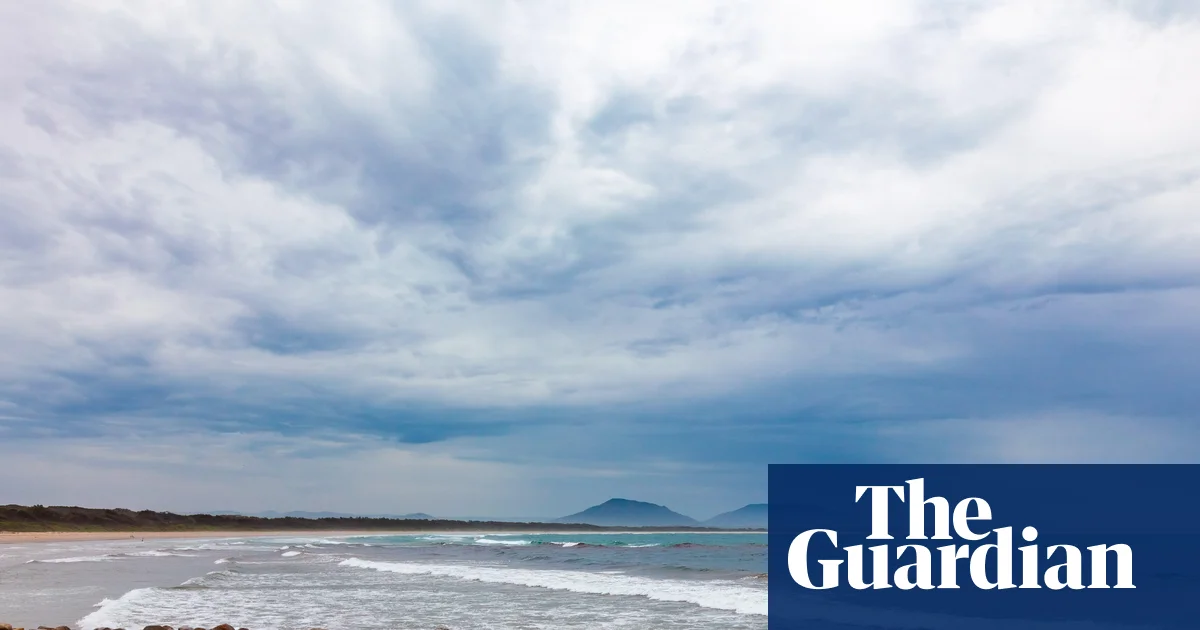
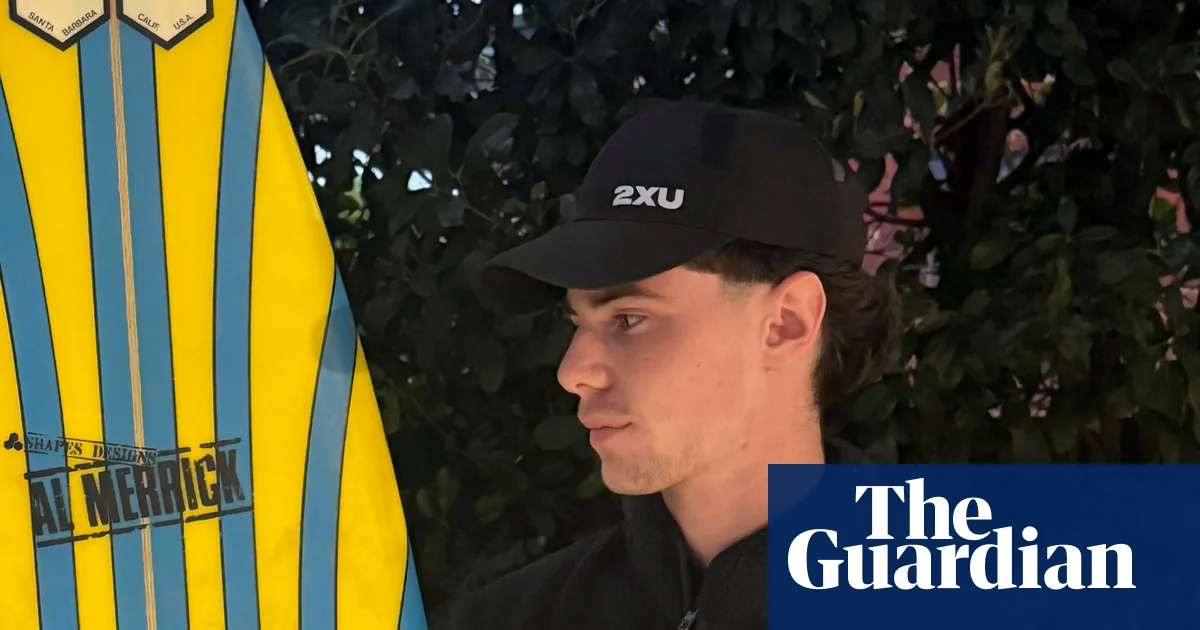
In a stark reminder that nature remains unpredictable, Oliver Tokic-Bensley, a 16-year-old surfer from South Australia, was recently attacked by what he described as a bronze whaler shark while riding the waves near Middleton. His harrowing account of flicking the creature off and sprinting back ashore encapsulates the ongoing risks faced by coastal communities worldwide. While his injuries were treatable, this incident echoes a broader pattern: a rise in shark activity along developed coastlines, fuelling debates on environmental shifts, human safety, and policy responses.

The incident underscores how fragile our understanding of marine life has become in the face of climate change and expanding human activity. According to local citizen science groups like Shark Watch South Australia, sightings of sharks, including the bronze whaler—traditionally a less aggressive species—have increased in recent years. Most notably, the last recorded attack in the region was back in 2014, highlighting how these events, though rare, are becoming a cause for global concern. International organizations such as the International Shark Attack File are monitoring these trends, warning that climate-driven changes in water temperatures and prey distribution are likely to escalate coexistence conflicts between humans and marine predators.

The Geopolitical Impact of Rising Marine Risks

This spike in shark encounters is more than a local safety issue; it carries significant geopolitical considerations. Coastal nations like Australia, the United States, and countries in South-East Asia depend heavily on tourism, fishing, and maritime activity, all of which are affected by the perception of danger at sea. Governments are compelled to balance coastal safety measures with environmental conservation, often facing public pressure to implement both shark exclusion zones and marine protected areas. Rising shark activity can influence international relations, especially when regional cooperation on marine management is strained or when economic interests conflict with ecological concerns.

Experts argue that measures such as shark culling, the deployment of shark nets, and the use of drone surveillance are becoming hotly debated topics in policy corridors. The World Wildlife Fund and other environmental watchdogs warn that aggressive culling policies could threaten shark populations and disrupt delicate marine ecosystems. Conversely, some governments view these attempts as necessary to ensure public safety, especially in increasingly populated coastal zones. These decisions do not occur in a vacuum; they reflect broader geopolitical struggles involving sovereignty, environmental stewardship, and economic resilience.

How Decisions Shape Societies and the Future of Marine coexistence

This ongoing controversy about sharks and coastal safety is a mirror to a broader, more unsettling trend: humanity’s efforts to adapt to and control nature often come at a steep cost. As historians and analysts note, the struggle to manage natural hazards—whether floods, wildfires, or marine predators—has always influenced societal structures and international conduct. Nations are now faced with a monumental task: craft policies that protect their citizens without undermining global efforts to preserve marine biodiversity. The choice made today—whether to prioritize culling, technological innovation, or ecosystem-based management—will determine the legacy left behind for future generations.

The geopolitical landscape is shifting as nations confront the realities of climate change and ecological imbalance. This narrative is still being written, and the world watches with anticipation and trepidation. The resilience of societies, the integrity of global ecosystems, and the safety of coastal communities depend on decisions made in the corridors of power—decisions that ripple across oceans and generations, echoing through the age of environmental upheaval. As history continues to unfold, the question remains: will humanity learn to coexist with the forces of nature, or will it continue to wage wars against its own environment, risking a future where such encounters are no longer rare but inevitable?
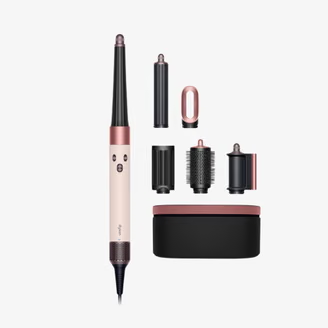
Dyson Airwrap vs. Shark FlexStyle: We Put the Hot Tools to the Test — The Results Will Shock You | Life & Style

In a world where personal expression often aligns with individual style and lifestyle choices, the pursuit of perfect hair remains a timeless quest—yet the tools we rely on often shape the journey as much as the journey shapes us. For nearly two decades, many have been caught in a never-ending cycle of gadget shopping, hoping that the next device will unlock that elusive effortless style. From conventional hairdryers to high-tech, multi-stylers, the landscape of hair care has evolved into a battlefield of innovation and value. Today, the contenders are the Dyson Airwrap i.d. and the Shark FlexStyle, two powerful yet distinctly different devices designed for those who prize efficiency, versatility, and that perfect Instagram-worthy finish.

What makes these tools stand out is not just their ability to transform damp hair into a voluminous, sleek style but their capacity to offer a level of wellness—a break from damaging heat and the frustration often associated with styling hair. Both models are engineered with the modern user in mind, aiming to combine convenience with professional results. The Dyson Airwrap i.d., with its cutting-edge technology and sleek design, offers inclusivity suited for those willing to invest around $649.99. Meanwhile, the Shark FlexStyle, priced approximately at $299.99, delivers comparable styling outcomes at a fraction of the cost, emphasizing accessibility and practical value. This comparison is more than a battle for the best gadget; it’s a reflection of a broader shift in the wellness movement—favoring health-conscious styling tools that prioritize hair integrity over mere appearance.

At a glance: Key differences and decision points

The Dyson and Shark devices, though similar in purpose, diverge in their design philosophy. The Dyson Airwrap i.d. is a sophisticated system that—despite its higher price tag—may be better suited for those who seek a seamless, tech-enhanced experience. It comes with a stylish storage box and integrates a dedicated app-guided setup, allowing greater customization with features like the “i.d. curl,” which can tailor curls with astonishing precision. Yet, this device’s setup process involves Bluetooth pairing and app navigation, making it a bit less intuitive for those who prefer straightforward usability. In contrast, the Shark FlexStyle is lauded for its simplicity, including a comprehensive manual and more accessible controls. It’s an all-in-one system that can easily serve as a comprehensive styling station, especially for those just starting to embrace multi-functional appliances.

When it comes to power and efficiency, both tools seem to perform neck-and-neck, with similar timing for damp to styled hair—approximately seven minutes—though neither specifies exact temperatures, aligning with the push toward heatless styling to preserve hair health. In terms of attachment diversity, Dyson’s bundle offers six tools including diffusers, curling barrels, and smoothing brushes, with the option to purchase additional attachments a la carte. Shark’s bundle provides five attachments, with the possibility to customize further, emphasizing adaptability for different hair types and styling needs. For users weighing convenience against cost, the Shark FlexStyle’s more accessible price point and simpler setup may tip the scales, especially with its bundle deals that make expanding functionality more affordable.

The verdict: Who comes out on top?

Within the realm of straightening and curling, both devices hold their own—yet subtle differences matter. The Shark FlexStyle, with its slightly more gripping brush attachments and ergonomic design, proved preferable for straightening, making bouncy, polished blowouts with relative ease. Conversely, for curling, the precise, automated “i.d.” system of Dyson’s Airwrap offers an edge, especially for those aiming for consistent, curl-perfect results without extensive manual effort. The Dyson also features a more refined form factor, with buttons positioned for natural handling and a quieter, lighter operation, adding to its appeal for the lifestyle-conscious user who values luxury and ease of use.

Ultimately, the choice hinges on individual priorities: those seeking a premium, feature-rich experience may find the Dyson Airwrap i.d. worth the premium investment, especially if innovation and aesthetics are paramount. Conversely, those who desire high-quality results at a more accessible price can confidently opt for the Shark FlexStyle, embracing its practicality and versatility as a reflection of modern, mindful approach to self-care. Either way, these tools exemplify a broader cultural shift—toward healthier hair, smarter devices, and a celebration of effortless, yet intentional, personal style.

As the story of our hair mirrors that of lifestyle itself, it becomes clear that true beauty and confidence are rooted not just in the tools we use, but in our willingness to embrace the journey—a journey that reminds us that every style is an expression of self and every choice an act of self-love. Whether wielded by the meticulous tech enthusiast or the pragmatic beginner, these stylers beckon us to see styling as an extension of our identity—a daily declaration that, in a fast-changing world, we can control the narrative of our appearance, one curl, one blowout, one moment at a time.

Australia Shark Attack: Woman Killed, Man in Critical Condition on NSW Beach

Rising Tragedy on Australia’s Shores: A Wake-Up Call for Global Marine Safety

In the latest chapter of Australia’s ongoing struggle with marine safety, a tragic shark attack on the New South Wales mid-north coast has resulted in the death of a woman in her 20s at Kylies Beach. Emergency responders responded swiftly early Thursday morning, but despite their efforts, the woman succumbed to her injuries at the scene. The incident also left a man critically injured, though he is now reported to be in a serious but stable condition. Such events have become a stark reminder of the increasing dangerous interactions between humans and marine life, sparking debates on how international communities should address the rising threat of shark attacks amid climate shifts and human encroachment.

Australia’s rising number of shark bite incidents has raised alarm bells across the international community, with experts citing an unprecedented increase in unprovoked bites over the last two decades. According to Prof. Charlie Huveneers from Flinders University, while the surge in water activities among Australians contributes to the risk, other factors—possibly including climate change, coastal development, and shark migration patterns—are fueling an intensifying threat. Over the past year alone, Australia has experienced five fatalities due to shark attacks, with the current year marking 13 unprovoked bites—10 fewer than 2023 but still indicative of a troubling trend.

Local authorities, responding to the incident, promptly closed Kylies Beach and deployed advanced “smart” drumlines equipped with real-time shark monitoring capabilities. These non-lethal devices, which use baited hooks to lure and tag sharks before releasing them back into open waters, exemplify innovative strategies being considered by international marine safety agencies. A report from the Department of Primary Industries (DPI) aims to identify the species involved and assess the ongoing threat, demonstrating Australia’s commitment to balancing ecological integrity with human safety. Such measures, along with drone surveillance, highlight how technology is increasingly critical in managing human-wildlife interactions on a global scale. However, international experts note that while these efforts are vital, they remain only part of the solution, as the root causes of rising shark encounters are complex and multi-faceted.

Looking beyond Australia, the geopolitical impact of marine safety and climate-related shifts in marine ecosystems could have far-reaching consequences. Nations with extensive coastlines—such as the United States, South Africa, and countries across Southeast Asia—are closely watching Australia’s approach, as the patterns of shark migrations and oceanic changes are global phenomena. As international organizations like the United Nations Environment Programme (UNEP) caution about climate change’s role in altering marine biodiversity, analysts warn that uncoordinated responses could exacerbate tensions and threaten maritime economies. Historians and environmental experts emphasize that these incidents are a “turning point,” underscoring the urgency of collective global action on climate mitigation, marine conservation, and sustainable tourism. Failing to act decisively may result in an era where coastlines are plagued by ever-increasing dangers, and societies are forced to confront the devastating costs of ecological neglect.

In this unfolding saga of survival and sovereignty over the seas, the incident at Kylies Beach serves as a visceral warning—one that underscores how decisions made today will carve the contours of future generations’ relationship with the ocean. As history rushes forward, the question remains: will humanity learn to coexist with these majestic but unpredictable creatures, or will we continue to witness tragedies that echo through the corridors of time? The weight of this moment rests heavily on the shoulders of international leaders, environmental strategists, and communities alike. The tide is turning; the narrative of human stewardship over the ocean is still being written, and the world hangs in the balance as nature’s patterns reveal that no coast, no matter how remote, is immune to the profound shifts underway.

Social Media Auto Publish Powered By : XYZScripts.com