Matox News

Truth Over Trends, always!

Border agents linked to Alex Pretti's deadly shooting put on leave
Border agents linked to Alex Pretti’s deadly shooting put on leave

In an era marked by complex geostrategic shifts, the United States finds itself embroiled in a tumultuous domestic debate that has far-reaching implications beyond its borders. Recent exchanges on social media between former President Donald Trump and the Mayor of Minneapolis underscore the deepening ideological rifts over immigration law enforcement, illustrating how internal political struggles influence perceptions of national stability and foreign policy. As the nation grapples with these discordant narratives, international analysts warn that such upheavals could diminish America’s global standing at a critical juncture in history, especially amidst mounting challenges from rival powers like China and Russia.

The clash over immigration enforcement encapsulates broader debates on sovereignty and security that resonate well beyond U.S. borders. These internal conflicts, often amplified by social media, serve as a mirror to a nation divided, revealing fault lines that increasingly influence its ability to project power worldwide. Experts from the Council on Foreign Relations emphasize that how America manages these internal tensions will directly impact international partnerships and its ability to promote stability and democracy globally. As U.S. policymakers navigate this storm, the geopolitics of diplomacy is shifting, compelling allies and adversaries alike to reconsider their engagements with an America that appears fractured from within.

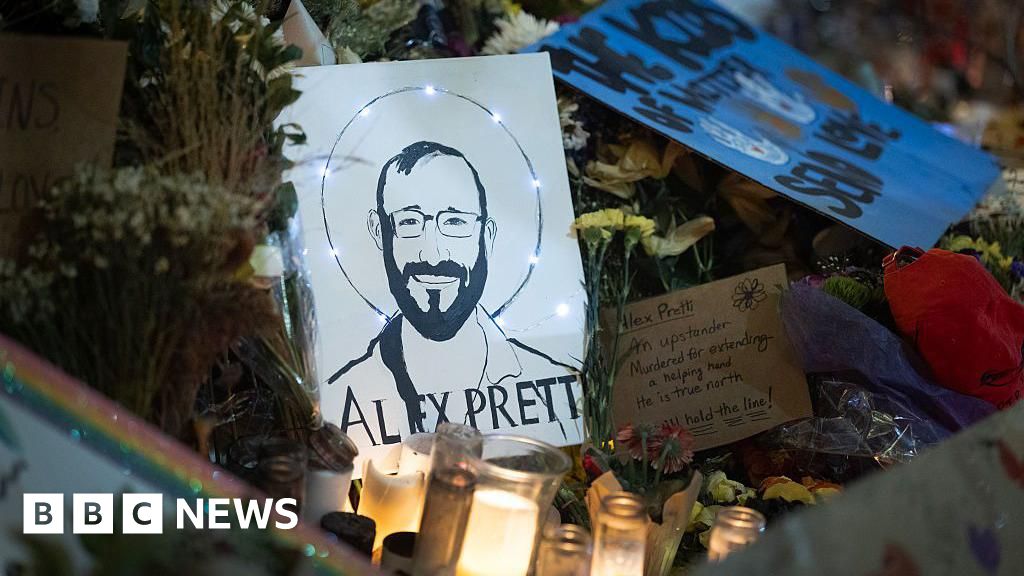
Meanwhile, a tragic incident involving the death of nurse Alex Pretti has sent shockwaves across American society, further fueling national crises of trust and social cohesion. The ongoing investigation and unresolved questions surrounding this event exemplify the broader social distress that defines contemporary America. Historically, analysts suggest, such domestic turbulence can weaken a nation’s ability to effectively engage on the international stage. Countries like China and Russia are closely monitoring these developments, viewing America’s internal strife as an opportunity to advance their own geopolitical agendas while undermining American influence. The situation underscores a critical lesson from history: internal cohesion is the bedrock of global power, and when fractured, even the mightiest nations falter.

As the world watches these unfolding dramas, the geopolitical landscape remains dynamic and unpredictable. US leaders face the daunting task of restoring stability amidst division, fully aware that their decisions today will ripple through history’s fabric. Analysts warn that a failure to unify and lead decisively could embolden rising authoritarian powers and accelerate the decline of Western influence. This ongoing saga, marked by political clashes, social upheaval, and international strategic recalculations, leaves the global community bracing for what lies ahead. In the shadows of this turmoil, the true test of resilience and leadership unfolds, reminding us all that history’s greatest moments are often born through chaos, forging new epochs in the relentless march of time.
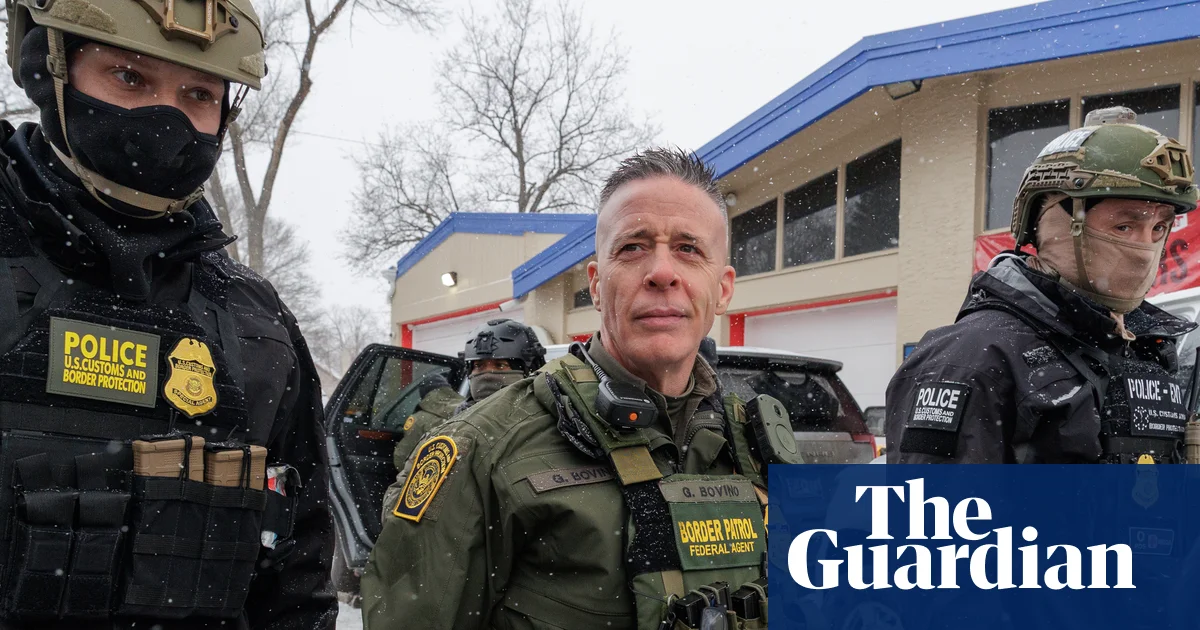
Border Patrol Chief to Depart Minneapolis Amid Alex Pretti Shooting Controversy

In a striking turn of events that extends beyond local Minneapolis tensions to the broader geopolitical landscape, recent shifts in United States immigration enforcement strategy reveal the resilience of a nation grappling with both internal unrest and international reputation. The White House has begun to modulate its aggressive approach, exemplified by the replacement of Gregory Bovino, the hardline border patrol commander, with Tom Homan, a seasoned figure known for his staunch stance on immigration control. This move comes amidst mounting criticism from civil liberties groups and Democrats, highlighting the White House’s challenge to balance urgent national security concerns with the image of lawful authority—an issue watched closely by global institutions seeking to interpret U.S. policy as a bellwether for Western democratic stability.

The decision to demote Bovino, a vocal supporter of the Trump administration’s deportation campaigns, accompanies a premature scaling back of federal military-style enforcement tactics in Minneapolis, where the tragic shooting of nurse Alex Pretti by federal agents has reignited protests. The White House’s shift, reportedly prompted by a series of deadly encounters and diplomatic pressures—such as calls from Minnesota’s Governor Tim Walz and Minneapolis Mayor Jacob Frey—signals an attempt at calibration in a tense geopolitical harbor. It underscores how domestic unrest dovetails with broader U.S. foreign policy narratives, affecting international perceptions of American law and order, especially when viewed through the persistent lens of the global community’s anxiety over rising authoritarian tactics versus democratic ideals.

Analysts from the Council on Foreign Relations and the Heritage Foundation emphasize that such internal reckonings are not isolated. They serve as turning points that ripple across the international stage. The Biden administration’s recent efforts to distance itself from the previous administration’s hardline policies, while still grappling with the consequences of aggressive enforcement, exemplify how leadership choices influence transnational efforts on migration and security. Meanwhile, global allies monitor *America’s internal policies*—such as the aggressive use of force, the legitimacy of police conduct, and the symbolism of leadership decisions—as reflective of the country’s ability to project soft power amidst chaos. Historically, similar internal crises have either fueled regional instability or prompted reform, depending on the collective response by civic institutions and the international community.

As the story unfolds, the tragic shooting of Alex Pretti and the subsequent political fallout remind the world that history is still writing its chapters. The pandemic of violence and division beckons a question that transcends borders: how long can a nation uphold the veneer of stability while grappling with the cracks beneath? With protests still echoing through the streets and leadership shifting in the corridors of power, it becomes clear that the United States stands at a pivotal crossroads—its choices echoing for generations to come, shaping a legacy of resilience or regression in the unfolding drama of history.

Breaking Down the Minneapolis Shooting: What Really Happened

Escalating Tensions in U.S. Immigration Enforcement: A Reflection of Broader Geopolitical Shifts

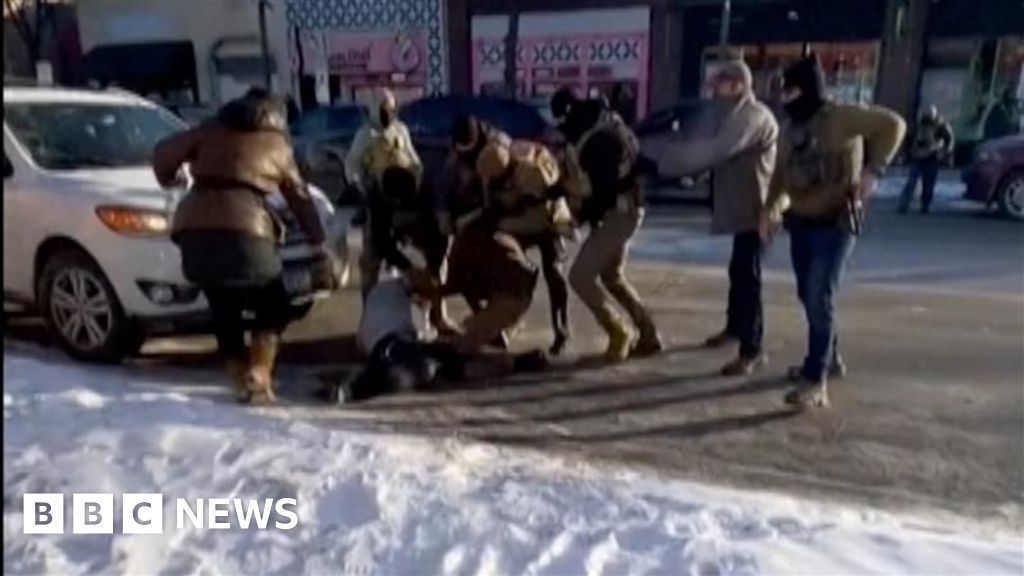
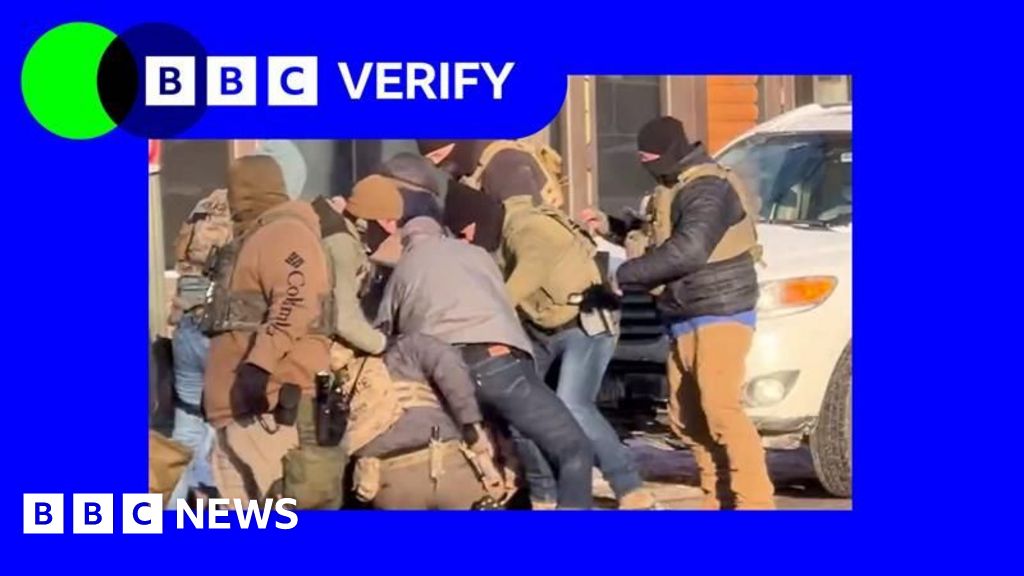
In recent weeks, the United States has faced intense scrutiny over its approach to immigration enforcement, with the tragic killing of Alex Pretti, a 37-year-old Minneapolis resident, capturing international attention. Footage obtained from multiple angles by BBC Verify depicts the moments preceding the fatal encounter involving federal immigration officers. The disturbing images and detailed analysis reveal a pattern that underscores a broader concern: the escalating use of force amidst border and immigration operations, which are increasingly becoming flashpoints of controversy both domestically and globally.

This incident occurs merely less than three weeks after the fatal shooting of Renee Good by an immigration agent in the same city. Such repeated tragedies highlight underlying issues within the U.S. immigration enforcement system—an apparatus often criticized by international human rights groups and analysts for its aggressive tactics and perceived lack of accountability. Historians have long debated whether U.S. immigration policies are evolving towards a more authoritarian stance, or if these are isolated incidents driven by short-term political pressures. Regardless, the ripple effects extend beyond national borders, influencing global perceptions about American values, sovereignty, and the rule of law.

Global Context and Geopolitical Impact

In the context of international geopolitics, these domestic incidents take on a broader significance. The U.S., often seen as a leader in democratic norms, appears increasingly divided over border security and immigration policies. Decisions made within the Beltway carry profound implications for transnational security and economic stability. Countries across the world observe these events, interpreting them as signs of a shifting paradigm—one where internal security measures are perhaps prioritized over individual rights and due process. The increase in such incidents contributes to ongoing debates at the United Nations and other global bodies regarding human rights standards, sovereignty, and the limits of government authority.

Many analysts argue that these tragedies reflect a broader societal crisis—a clash between law enforcement practices and societal values centered on human dignity. International organizations, such as Amnesty International, warn that unchecked use of force not only damage America’s international reputation but also serve as cautionary tales for other nations contemplating similar aggressive policies. The implications of such actions are significant, potentially fueling anti-American sentiment and inspiring other nations to adopt even harsher measures in their own border enforcement efforts.

The Role of Media, Public Opinion, and Future Directions

Critical media outlets and public figures are calling for accountability, emphasizing the need to reevaluate immigration enforcement strategies. As the global community watches with concern, the debate intensifies: should nations prioritize national security at the expense of civil liberties? The U.S. faces mounting pressure from advocacy groups and international watchdogs to reform practices, emphasizing transparency and adherence to human rights standards. The political landscape remains volatile, with proposed legislation and executive actions capable of either curbing excessive force or further emboldening enforcement agencies.

Conclusion: An Unfolding Saga of Justice and Power

Meanwhile, as the world teeters on the edge of shifting moral and political boundaries, the story remains far from over. The casualties of these confrontations serve as a stark reminder that the decisions made today—whether regarding border control, immigration policy, or law enforcement—will echo through history. Every act of violence, every policy shift, shapes the fabric of societal justice and international reputation. The weight of history hangs heavy, as nations grapple with the profound questions of sovereignty, morality, and power—prompted by moments like the killing of Alex Pretti, which may seem isolated but are, in truth, part of a larger narrative that continues to unfold.

Footage reveals key moments in Minneapolis deadly shooting

In a development that underscores ongoing tensions within the United States regarding immigration enforcement and law enforcement accountability, a tragic incident unfolded in Minneapolis involving federal immigration officers. Bystander footage has surfaced, capturing tense moments leading up to the fatal shooting of 37-year-old Alex Pretti. The recordings, shot from multiple perspectives, reveal a chaotic confrontation that has ignited controversy and intensified debates over federal authority and civil liberties in the nation’s heartland.

As details emerge, conflicting narratives from federal officials and state authorities have further muddled the incident’s circumstances. Homeland Security Secretary Kristi Noem claimed that agents fired “defensive shots” after Pretti allegedly “reacted violently,” presenting an account aligned with justified self-defense. Conversely, Governor Tim Walz dismissed the federal explanation as “nonsense” and “lies,” emphasizing a need for transparency and accountability. This internal dispute exemplifies the broader divide within American governance, where federal and state authorities seem increasingly at odds over immigration enforcement tactics and the use of lethal force.

The incident’s timing adds to its significance, occurring less than three weeks after the tragic killing of Renee Good, an American citizen shot by an immigration agent in similar circumstances. Such events have sparked nationwide outrage and raised questions about the overreach of immigration authorities operating under policy shifts favoring aggressive enforcement. Many analysts see these events as a reflection of a broader geopolitical and domestic struggle — one that tests the limits of federal power, the rule of law, and the safety of American citizens. International observers and rights watchdogs warn that unchecked force and lack of transparency threaten the social fabric of the nation, fueling suspicion and unrest across communities.

  • Key event: The deadly confrontation, captured on video, sparks nationwide debate on immigration and law enforcement conduct.
  • International impact: Foreign allies and adversaries scrutinize the U.S. for its internal stability, affecting diplomatic relations.
  • Potential consequences: Policymakers face mounting pressure to implement reforms that balance enforcement while safeguarding civil liberties, yet fears persist of increased militarization and societal division.

This incident highlights how decisions made in the corridors of power resonate profoundly. The policy environment has shifted towards a more assertive stance on immigration, with the federal government emphasizing national security over individual rights. These measures, while backed by some as necessary for national sovereignty, legal advocates warn threaten the very foundations of civil liberties. Who bears the weight of justice in such conflicts — the individual or the state? This question now haunts America’s conscience.

As the story continues to unfold—shrouded in conflicting accounts, political theatrics, and the relentless march of history—one thing remains clear: the choices made here will echo far beyond the streets of Minneapolis. They will shape the future of public trust, law enforcement policies, and America’s role on the world stage. The echoes of this tragedy serve as a stark reminder that in a world fraught with conflict and uncertainty, the line between order and chaos is often razor-thin, and the weight of history presses heavily upon the present.

Here's a revised version of the headline with a moderate right-wing, youth-oriented tone:
"The Truth About the Bondi Beach Shooting Uncovered"
Here’s a revised version of the headline with a moderate right-wing, youth-oriented tone: “The Truth About the Bondi Beach Shooting Uncovered”

In an unprecedented act of violence that has sent shockwaves through the international community, Australia witnessed a brazen attack at one of its most iconic landmarks, Bondi Beach. What was intended to be a festive commemoration by the Jewish community for Hanukkah rapidly devolved into chaos when two gunmen launched a deadly assault, capturing the world’s attention in just eleven minutes of terror. This incident not only underscores the persistent threats faced by Western societies but also highlights the evolving nature of terrorism in a deeply interconnected world. The chilling footage analyzed by BBC Verify reveals the calculated movements of the attackers, the brave response of a bystander, and the tragic loss of innocent lives — a stark reminder of how violence canstrike even the most idyllic settings.

Global analysts and security experts are drawing parallels between this attack and broader trends that threaten international stability. Historically, terrorist organizations have exploited moments of cultural celebration to maximize impact and spread fear. As the incident unfolded during the Hanukkah festivities, it demonstrated how **extremist ideologies** continue to target diverse communities worldwide, aiming to sow division and undermine social cohesion. Some analysts warn this attack signals a disturbing shift in tactics** — from large-scale strikes in vulnerable regions to high-profile, publicity-driven assaults on Western targets. International organizations, including the United Nations, are sounding alarms about the increasing sophistication and reach of such threats, which threaten to destabilize regional peace and security.

The incident also amplifies geopolitical implications that extend beyond Australia’s shores. Governments across the world are forced to reevaluate their security protocols, especially concerning **public gatherings**. The attack_on Bondi Beach is a potent reminder that **radicalization** does not recognize borders and that international cooperation in intelligence-sharing, counterterrorism strategies, and border security must be bolstered. Historically, nations have often been caught unprepared for these evolving tactics, but the current global climate demands a proactive stance. If not addressed decisively, such acts of violence could embolden extremist factions, fueling a cycle of violence that spills into regional conflicts and threatens global stability.

Australia’s response to this tragedy will be closely scrutinized for its effectiveness and resilience. Many analysts believe this incident marks a pivotal point in the nation’s approach to **public safety** and **counter-terrorism**—a challenge that has become increasingly prominent in the context of *international terrorism*. The leadership’s handling of the aftermath, the capacity to prevent future attacks, and the unity demonstrated in the face of adversity will influence the nation’s trajectory for years to come. Yet, beyond the immediate response, the incident also poses questions about **societal resilience**—how communities recover from trauma and whether nations can preserve their open, multicultural values amid such threats.

As the world watches, the attack at Bondi Beach serves as a stark chapter in the ongoing narrative of global security—a reminder that history, much like the tide that laps against Bondi’s sands, is constantly shifting. Nations are called to confront their vulnerabilities and forge new pathways toward safeguarding freedom and unity. In this moment of darkness, history continues to be written—an unfolding story of resilience in the face of chaos, echoing lessons from past conflicts and the enduring hope for a future where terrorism no longer holds sway over society’s destiny.

Bondi Beach Shooting: What We Know About the Victims

Bondi Beach Terror Attack: A Tragedy with Far-Reaching Geopolitical Consequences

The recent attack at Bondi Beach has shaken the international community to its core, leaving a trail of tragic loss and raising profound questions about the state of global security and societal resilience. At least 15 civilians, many attending a celebration of the Jewish festival of Hanukkah, fell victim to a barbaric act of terrorism. Among the victims were notable figures such as Rabbi Eli Schlanger, known as the “Bondi Rabbi”, and Matilda, a 10-year-old girl whose bright spirit was extinguished in an instant. The attack was reportedly carried out by a gunman with radical motives that continue to be unraveled, but its ramifications extend far beyond the event itself, dramatically impacting international relations and societal stability across nations.

Authorities have identified the victims who embodied the fabric of their communities—rabbis, Holocaust survivors, young children, and doctors—each with personal stories that underscore the human toll of this violence. This tragedy exposes a chilling truth: that even in perceived safe havens, extremism lurks and threatens to destabilize the very foundations of multicultural societies. The death of Rabbi Eli Schlanger, a respected leader of the local Jewish community and head of the Chabad mission, has sent shockwaves through Australia and the international Jewish diaspora. His familial and community ties illustrate the profound loss as images of mourning flood social media, a stark reminder that deep-rooted cultural and religious identities remain targets in a global landscape marred by terrorism and intolerance.

International Reactions and Geopolitical Ripple Effects

Global leaders and organizations quickly responded to the attack with condemnations and calls for unity. President of France, Jean-Noël Barrot, expressed profound sorrow over the death of Dan Elkayam, a French national who had recently moved to Australia. Elkayam’s death highlights the increasingly interconnected nature of international migrant communities, and how violence in one part of the world reverberates throughout the global fabric. Analysts like Dr. Margaret Chen of the International Security Council warn that such acts of terror are not isolated incidents but signals of escalating geopolitical tensions fueled by radical ideologies that cross national borders.

In the broader context, this attack underscores the fragile state of international commitments to combat anti-Semitism and terrorism. Nations such as Australia, France, and the United Nations are under mounting pressure to intensify cooperation and prevent future tragedies. However, critics argue that political inaction and increasing polarization threaten to undermine collaborative efforts. Key international agreements meant to promote security, like the Global Counter-Terrorism Convention, appear to be faltering as radicals exploit political divisions to advance their cause. Historians warn that history has shown societies often face “turning points” when complacency gives way to tragic casualties, and the question remains: are nations prepared to confront the rising tide of radical extremism?

How Decisions Shape Societies and the Future

The decisions made in the wake of Bondi’s tragedy will define societal resilience for years to come. Governments are urged to reassess policies on immigration, surveillance, and community integration—tools essential to stem the spread of extremist narratives. The attack also highlights how societal attitudes towards multiculturalism can either foster unity or be manipulated to deepen divisions, potentially fueling further violence. International organizations such as the United Nations and regional bodies will face pressure to deliver tangible actions that prevent similar incidents globally. The stories of victims like Larisa Kleytman, who recounted how her husband’s heroism saved her from the gunfire, are a stark reminder of human bravery amid chaos—yet they also point to urgent questions about security and the resilience of societal values.

As the dust begins to settle over Bondi, the haunting realization remains: this is but a chapter in an ongoing story of history—in which freely elected leaders, institutions, and societies must grapple with the enduring threat of radicalism. The legacy of those lost is not only in their stories but in the actions nations undertake to forge a safer future. History watches us now, reminding us that the choices we make today will echo through generations, shaping the course of humanity’s struggle against hatred and violence—a struggle that remains painfully unfinished.

Person of interest detained in Brown University shooting, officials confirm

The recent shooting at Brown University in Providence, Rhode Island, has once again cast a dark shadow over the ongoing debate about gun control and safety in the United States. Reportedly, a gunman opened fire within a classroom on Saturday afternoon, leaving two students dead and nine others injured. The incident, which unfolded at the Holley engineering building, shocked a nation already accustomed to tragic acts of violence, but it also raised urgent questions about internal security and mental health policy that many analysts argue are being neglected by policymakers.

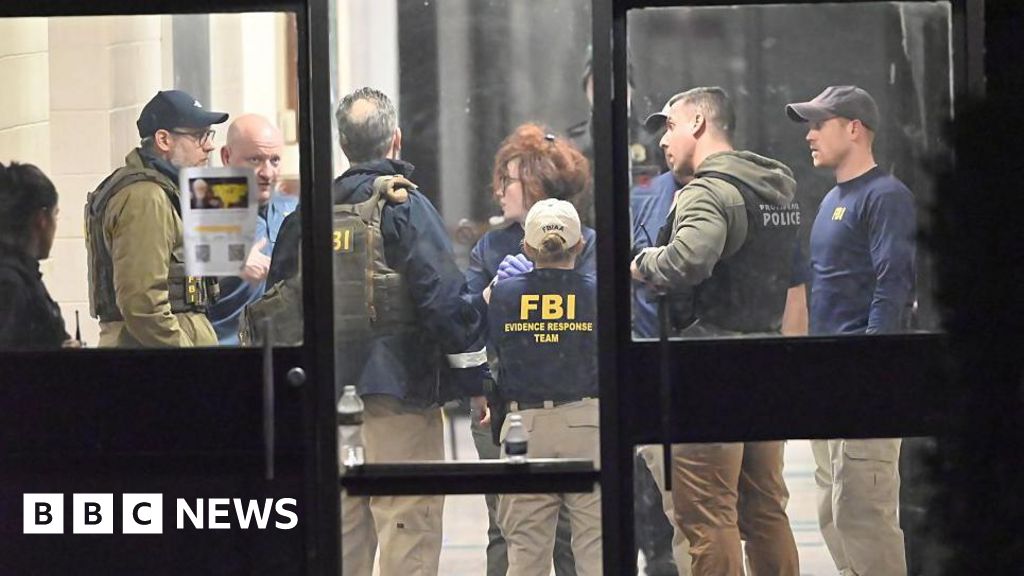
The response from local authorities and university officials has been swift. Police detained a suspect shortly after the attack, with Police Chief Oscar Perez confirming that no additional individuals are being sought and that evidence collection is ongoing. While CCTV footage captured a male suspect dressed in black walking away from the scene, officials indicated that the firearm was not recovered immediately, complicating efforts to understand the motives behind the attack. This event underscores a troubling pattern within the U.S., where mass shootings are becoming disturbingly routine. According to experts like Harvard Law Professor Laurence Tribe, the persistence of such violence threatens to undermine the foundations of society—not just in the U.S., but as a cautionary tale to the world.

Internationally, the United Nations and various human rights organizations have lamented the apparent intractability of America’s gun epidemic, often framing it as a product of a “culture of violence” that is amplified by lax regulations. Yet domestic critics argue that the true cause is rooted in a complex mixture of societal decay, partisan politics, and the influential gun lobby, which continues to stymie meaningful reform. How nations like Japan and Australia implemented strict gun laws in the past decade, sharply reducing firearm-related incidents, provides a stark contrast to America’s ongoing struggles. Such differences reveal the geopolitical divide: nations willing to prioritize societal security versus those hamstrung by political inertia and powerful interest groups.

Beyond the immediate tragedy, the incident at Brown University serves as a harbinger of future challenges for U.S. society and global stability. While the authorities work to piece together the motives and evidence, many warn that unless there is a fundamental shift in approach—addressing mental health, gun regulation, and security—similar incidents will continue to scar communities and deepen divisions. Historians and analysts are already warning that this event will be remembered as a pivotal moment: either as the breaking point that prompts reform or as another chapter in the ongoing saga of American violence. As the city of Providence begins its long road to recovery, the question remains: how many more lives must be shattered before significant change is wrought?

Brown University Shooting: Two Dead, Eight Critically Hurt—Suspect Still At Large

In a stark reminder of America’s ongoing gun violence epidemic, the recent mass shooting at Brown University in Providence, Rhode Island, has ignited international debate about the nation’s handling of firearm regulations and societal safety. While the tragedy unfolded during final exams—an event that should epitomize the pursuit of knowledge and peaceful progress—the harrowing reality highlights a deeper crisis that transcends individual incidents.

The attacker, described by authorities as a male dressed in black who remains at large amidst a city swarmed with holiday shoppers and busy streets, has left a nation mourning yet again. Officials from law enforcement, including Mayor Brett Smiley, have provided limited details, confirming only that two individuals are dead and at least eight are in critical condition. The incident occurred within a university housing over 100 laboratories and numerous classrooms, where students like biochemistry senior Alex Bruce and engineering student Emma Ferraro experienced firsthand the chaos and fear of gunfire in what was supposed to be a safe academic environment. The international community observes these scenes with a mixture of concern and frustration, questioning whether America’s unique relationship with guns can ever be reconciled with fundamental rights and public safety.

Global organizations and analysts have long critiqued the United States’ approach to gun control, often describing it as a failure in policy and societal management. The Everytown for Gun Safety organization labels itself as the leading gun violence prevention group and insists that “we either take action or bury more of our kids.” International voices, from academics to political leaders, emphasize that the US is increasingly isolated in its refusal to enact effective legislation. Historical perspectives, including those of renowned historians, suggest that cycles of violence in America are not only a product of targeted policy failures but also reflect cultural and political divisions. The impact extends beyond fatalities, permeating social fabric, education, and the perception of safety among youth.

As the nation grapples with this latest tragedy, every international observer recognizes that decisions made today—be it on stricter gun laws, mental health support, or national security—will shape the societal landscape for decades. Leaders like President Donald Trump, having initially claimed a suspect was in custody before clarifying otherwise, highlight the often chaotic and politicized response to such incidents, complicating international perceptions of American governance. Meanwhile, voices from across the political spectrum, including New York’s incoming Mayor Zohran Mamdani, have pointed to the tragedy as a symptom of a broader crisis that demands urgent and decisive action.

The story is still being written, and history waits with bated breath on what course the United States will chart in the aftermath of these recurring tragedies. The weight of future generations and the conscience of a nation hang in the balance, as the world watches and waits for a turning point—an opportunity for meaningful change or a continued descent into violence that defies comprehensible explanation. The pages of history are turning, and the next chapter remains unwritten, leaving us to ponder: how many more lives must be lost before America’s crisis finds its resolution?

Amanda Seyfried Defends Her Criticism of Charlie Kirk’s Remarks on Shooting: Refuses to Apologize

In an era where the digital sphere becomes an extension of our national and cultural identity, the conversation surrounding figures like Charlie Kirk and the outspoken responses they provoke reveal more than mere partisan squabbles; they embody a deeper struggle over the essence of societal values. Amanda Seyfried’s unapologetic declaration that she would not “fucking apologise” for calling Kirk “hateful” underscores a vital truth — culture is the battlefield of ideology, tradition, and morality. In her stance, she echoes a timeless cultural tension: the moral imperative to speak truth amidst the cacophonous chaos of modern discourse. This is reminiscent of the courage of the Old Republic’s orators and the patriotic voices that sought to uphold a moral order, asserting that societal memory is preserved not only through memorials but through the unflinching assertion of one’s convictions.

Social media, for Seyfried, becomes a kind of digital agora, a space where individual voice can forge protected ground in the confrontation of cultural chaos. She articulates a modern necessity — the right to speak one’s truth as an act of cultural preservation. Her acknowledgment of the backlash reflects an ongoing cultural debate: whether society is drifting into a relativistic cloud where only silence offers safety, or whether the virtue of moral clarity can survive amidst the shrill noise of modern polarization. As T.S. Eliot once pondered the fractured nature of contemporary culture, he reminded us that it is “the still point of the turning world”, a vital anchor that keeps collective memory alive in the tempest of change. Seyfried’s conviction highlights this — an assertion that speaking freely, especially in the face of populist hysteria, sustains the societal fabric through ongoing dialogue and moral staking.

In the broader sense, her actions emphasize the central role that culture plays in shaping identity, tradition, and societal cohesion. From the reverence of classical literature and art to the moral philosophies that underpin Western civilization, the challenge today is whether these foundational symbols continue to serve as guiding lights or are relinquished in an age of cultural relativism. The philosophical stance of thinkers like G.K. Chesterton reminds us that authentic culture is rooted in the recognition of a divine and moral order that binds our communities. Seyfried’s defiance can be seen as part of a renewed cultural effort to defend these enduring truths against the encroaching tide of nihilism, which seeks to dissolve tradition into mere spectacle.

Ultimately, culture is both memory and prophecy. It preserves our shared past, yet signals future expectations about who we are and hope to become. As Ortega y Gasset observed, society must stand upon its cultural foundations lest it drift aimlessly in the fog of modernity. Seyfried’s impulse, articulated through her media engagement, embodies this dialectical tension: a desire to preserve the moral and cultural inheritance that defines our societal soul, even amidst fierce disagreement. The enduring power of culture, then, is to serve as a lighthouse, guiding generations through the storm, illuminating the path from memory to prophecy, and reminding us that human civilization, at its core, is a song of voices singing the everlasting narrative of our collective destiny — a melody that calls us to remember, to resist, and to believe in the enduring promise of human greatness.

South Africa tragedy: 11 lives lost in deadly mass shooting

South Africa Faces a Tragedy: Deadly Mass Shooting Shakes Nation

The recent mass shooting in South Africa underscores the persistent violence that has become emblematic of the country’s social and political landscape. Early Saturday morning, the quiet of the Saulsville township, located west of Pretoria, was shattered when armed assailants stormed an informal drinking establishment, a so-called “illegal shebeen,” and opened fire, claiming at least 11 lives and injuring 14 others. Among the victims was a three-year-old child, while among the wounded were a 12-year-old boy and a 16-year-old girl, highlighting the indiscriminate nature of this brutal attack.

According to police reports, three unidentified gunmen entered the premises at approximately 04:30 local time, unleashing a barrage of gunfire on groups of men engaged in drinking activities. The motive behind this attack remains unknown as no arrests have been made, but analysts observe that such incidents are often linked to broader issues of organized crime and illegal liquor trade. This tragedy is merely the latest in a series of mass shootings that reveal a country struggling to address its rampant gun violence.

Inner Chaos and Failed Governance: The Impact of Unregulated Violence

South Africa’s high murder rate—an alarming 45 people per 100,000, according to the United Nations Office on Drugs and Crime (UNODC) for 2023-24—is a stark indicator of the deep-rooted security crisis. Police data reveal an average of 63 murders every day, painting a grim portrait of a society beset by lawlessness and systemic failures. Illegal liquor outlets, such as shebeens, have become central to the violent landscape, often functioning outside the reach of law enforcement, which complicates efforts to curb violence and protect innocent civilians.

Many analysts argue that the continuous cycle of violence reflects broader societal issues, including poverty, corruption, and ineffective governance. International organizations have repeatedly called for stronger state intervention and comprehensive crime reduction strategies, but political will remains elusive amid competing priorities. Historians warn that if this escalation persists, South Africa could slip further into chaos, jeopardizing both its internal stability and its international reputation.

Global Implications and the Dialectic of Security and Sovereignty

The geopolitical impact of South Africa’s violence extends beyond its borders, as the country’s stability influences regional security and economic development in Africa. As a key member of the BRICS bloc and an influential player in international Afro-Asian policy forums, Pretoria’s internal strife raises questions about security cooperation and international support. The persistent violence underscores a dangerous trend: failure to address internal crises invites destabilization, which can ripple outward, destabilizing adjoining nations and complicating efforts for regional peace.

Leaders and global institutions are increasingly vigilant. The United Nations and regional organizations like the African Union have issued warnings about the rising levels of violence and the necessity for decisive action. Yet, critics argue that without addressing root causes—such as unemployment, inequality, and illegal weapons trafficking—these crises will only deepen. History has shown that neglecting internal security can transform a nation’s internal fractures into broader geopolitical vulnerabilities.

History’s Unfolding Drama: The Weight of Future Choices

As South Africa navigates this turbulent chapter, the world watches with a mixture of concern and anticipation. The country’s leaders face a critical crossroads: whether to confront the violence head-on through reform and law enforcement or continue to grapple with a persistent legacy of neglect and corruption. The choices they make today will reverberate for generations, shaping the narrative of a nation that teeters on the edge of chaos. Each act of violence not only claims lives but also inflicts trauma that echoes through society’s fabric, etching an indelible mark on history’s unfolding story.

Social Media Auto Publish Powered By : XYZScripts.com