Matox News

Truth Over Trends, always!

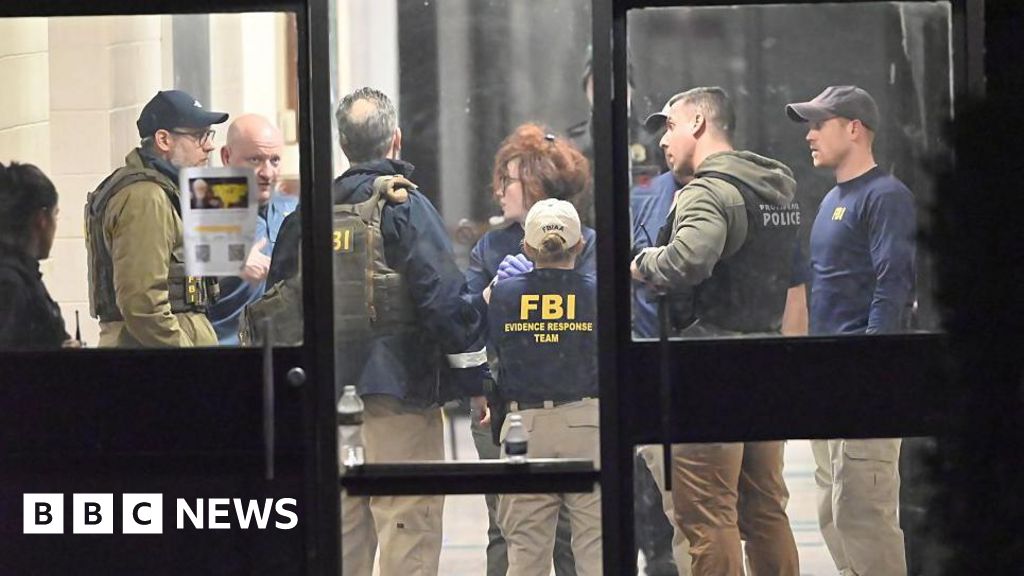
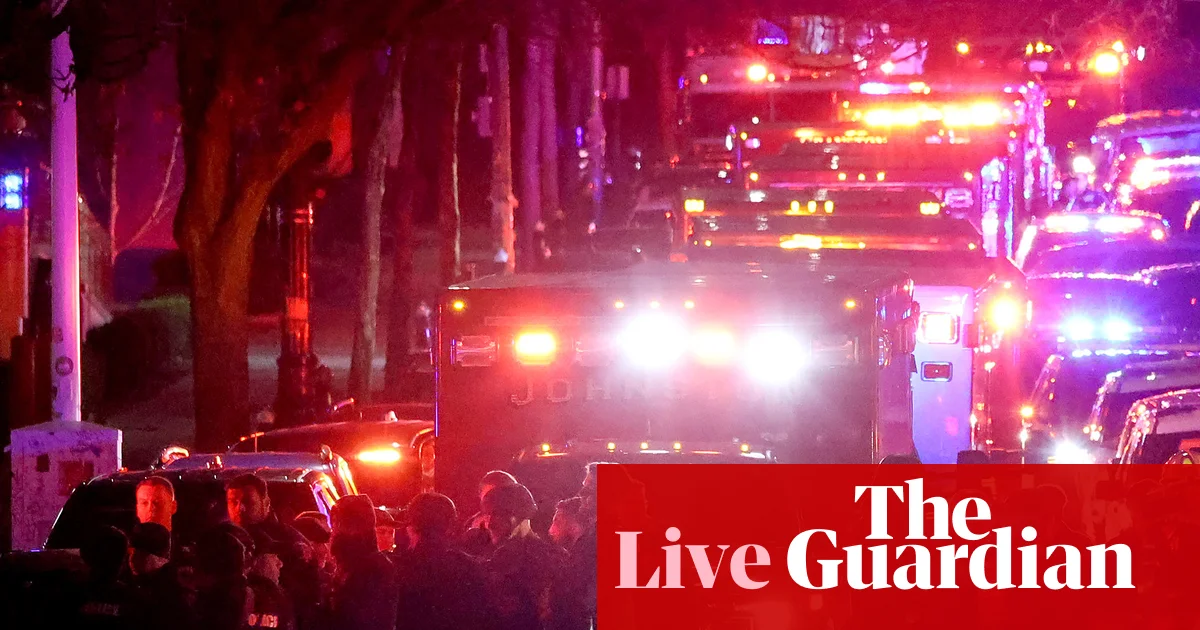
Brown University Shooting: Two Dead, Eight Critically Hurt—Suspect Still At Large

In a stark reminder of America’s ongoing gun violence epidemic, the recent mass shooting at Brown University in Providence, Rhode Island, has ignited international debate about the nation’s handling of firearm regulations and societal safety. While the tragedy unfolded during final exams—an event that should epitomize the pursuit of knowledge and peaceful progress—the harrowing reality highlights a deeper crisis that transcends individual incidents.

The attacker, described by authorities as a male dressed in black who remains at large amidst a city swarmed with holiday shoppers and busy streets, has left a nation mourning yet again. Officials from law enforcement, including Mayor Brett Smiley, have provided limited details, confirming only that two individuals are dead and at least eight are in critical condition. The incident occurred within a university housing over 100 laboratories and numerous classrooms, where students like biochemistry senior Alex Bruce and engineering student Emma Ferraro experienced firsthand the chaos and fear of gunfire in what was supposed to be a safe academic environment. The international community observes these scenes with a mixture of concern and frustration, questioning whether America’s unique relationship with guns can ever be reconciled with fundamental rights and public safety.

Global organizations and analysts have long critiqued the United States’ approach to gun control, often describing it as a failure in policy and societal management. The Everytown for Gun Safety organization labels itself as the leading gun violence prevention group and insists that “we either take action or bury more of our kids.” International voices, from academics to political leaders, emphasize that the US is increasingly isolated in its refusal to enact effective legislation. Historical perspectives, including those of renowned historians, suggest that cycles of violence in America are not only a product of targeted policy failures but also reflect cultural and political divisions. The impact extends beyond fatalities, permeating social fabric, education, and the perception of safety among youth.

As the nation grapples with this latest tragedy, every international observer recognizes that decisions made today—be it on stricter gun laws, mental health support, or national security—will shape the societal landscape for decades. Leaders like President Donald Trump, having initially claimed a suspect was in custody before clarifying otherwise, highlight the often chaotic and politicized response to such incidents, complicating international perceptions of American governance. Meanwhile, voices from across the political spectrum, including New York’s incoming Mayor Zohran Mamdani, have pointed to the tragedy as a symptom of a broader crisis that demands urgent and decisive action.

The story is still being written, and history waits with bated breath on what course the United States will chart in the aftermath of these recurring tragedies. The weight of future generations and the conscience of a nation hang in the balance, as the world watches and waits for a turning point—an opportunity for meaningful change or a continued descent into violence that defies comprehensible explanation. The pages of history are turning, and the next chapter remains unwritten, leaving us to ponder: how many more lives must be lost before America’s crisis finds its resolution?

Amanda Seyfried Defends Her Criticism of Charlie Kirk’s Remarks on Shooting: Refuses to Apologize

In an era where the digital sphere becomes an extension of our national and cultural identity, the conversation surrounding figures like Charlie Kirk and the outspoken responses they provoke reveal more than mere partisan squabbles; they embody a deeper struggle over the essence of societal values. Amanda Seyfried’s unapologetic declaration that she would not “fucking apologise” for calling Kirk “hateful” underscores a vital truth — culture is the battlefield of ideology, tradition, and morality. In her stance, she echoes a timeless cultural tension: the moral imperative to speak truth amidst the cacophonous chaos of modern discourse. This is reminiscent of the courage of the Old Republic’s orators and the patriotic voices that sought to uphold a moral order, asserting that societal memory is preserved not only through memorials but through the unflinching assertion of one’s convictions.

Social media, for Seyfried, becomes a kind of digital agora, a space where individual voice can forge protected ground in the confrontation of cultural chaos. She articulates a modern necessity — the right to speak one’s truth as an act of cultural preservation. Her acknowledgment of the backlash reflects an ongoing cultural debate: whether society is drifting into a relativistic cloud where only silence offers safety, or whether the virtue of moral clarity can survive amidst the shrill noise of modern polarization. As T.S. Eliot once pondered the fractured nature of contemporary culture, he reminded us that it is “the still point of the turning world”, a vital anchor that keeps collective memory alive in the tempest of change. Seyfried’s conviction highlights this — an assertion that speaking freely, especially in the face of populist hysteria, sustains the societal fabric through ongoing dialogue and moral staking.

In the broader sense, her actions emphasize the central role that culture plays in shaping identity, tradition, and societal cohesion. From the reverence of classical literature and art to the moral philosophies that underpin Western civilization, the challenge today is whether these foundational symbols continue to serve as guiding lights or are relinquished in an age of cultural relativism. The philosophical stance of thinkers like G.K. Chesterton reminds us that authentic culture is rooted in the recognition of a divine and moral order that binds our communities. Seyfried’s defiance can be seen as part of a renewed cultural effort to defend these enduring truths against the encroaching tide of nihilism, which seeks to dissolve tradition into mere spectacle.

Ultimately, culture is both memory and prophecy. It preserves our shared past, yet signals future expectations about who we are and hope to become. As Ortega y Gasset observed, society must stand upon its cultural foundations lest it drift aimlessly in the fog of modernity. Seyfried’s impulse, articulated through her media engagement, embodies this dialectical tension: a desire to preserve the moral and cultural inheritance that defines our societal soul, even amidst fierce disagreement. The enduring power of culture, then, is to serve as a lighthouse, guiding generations through the storm, illuminating the path from memory to prophecy, and reminding us that human civilization, at its core, is a song of voices singing the everlasting narrative of our collective destiny — a melody that calls us to remember, to resist, and to believe in the enduring promise of human greatness.

South Africa tragedy: 11 lives lost in deadly mass shooting

South Africa Faces a Tragedy: Deadly Mass Shooting Shakes Nation

The recent mass shooting in South Africa underscores the persistent violence that has become emblematic of the country’s social and political landscape. Early Saturday morning, the quiet of the Saulsville township, located west of Pretoria, was shattered when armed assailants stormed an informal drinking establishment, a so-called “illegal shebeen,” and opened fire, claiming at least 11 lives and injuring 14 others. Among the victims was a three-year-old child, while among the wounded were a 12-year-old boy and a 16-year-old girl, highlighting the indiscriminate nature of this brutal attack.

According to police reports, three unidentified gunmen entered the premises at approximately 04:30 local time, unleashing a barrage of gunfire on groups of men engaged in drinking activities. The motive behind this attack remains unknown as no arrests have been made, but analysts observe that such incidents are often linked to broader issues of organized crime and illegal liquor trade. This tragedy is merely the latest in a series of mass shootings that reveal a country struggling to address its rampant gun violence.

Inner Chaos and Failed Governance: The Impact of Unregulated Violence

South Africa’s high murder rate—an alarming 45 people per 100,000, according to the United Nations Office on Drugs and Crime (UNODC) for 2023-24—is a stark indicator of the deep-rooted security crisis. Police data reveal an average of 63 murders every day, painting a grim portrait of a society beset by lawlessness and systemic failures. Illegal liquor outlets, such as shebeens, have become central to the violent landscape, often functioning outside the reach of law enforcement, which complicates efforts to curb violence and protect innocent civilians.

Many analysts argue that the continuous cycle of violence reflects broader societal issues, including poverty, corruption, and ineffective governance. International organizations have repeatedly called for stronger state intervention and comprehensive crime reduction strategies, but political will remains elusive amid competing priorities. Historians warn that if this escalation persists, South Africa could slip further into chaos, jeopardizing both its internal stability and its international reputation.

Global Implications and the Dialectic of Security and Sovereignty

The geopolitical impact of South Africa’s violence extends beyond its borders, as the country’s stability influences regional security and economic development in Africa. As a key member of the BRICS bloc and an influential player in international Afro-Asian policy forums, Pretoria’s internal strife raises questions about security cooperation and international support. The persistent violence underscores a dangerous trend: failure to address internal crises invites destabilization, which can ripple outward, destabilizing adjoining nations and complicating efforts for regional peace.

Leaders and global institutions are increasingly vigilant. The United Nations and regional organizations like the African Union have issued warnings about the rising levels of violence and the necessity for decisive action. Yet, critics argue that without addressing root causes—such as unemployment, inequality, and illegal weapons trafficking—these crises will only deepen. History has shown that neglecting internal security can transform a nation’s internal fractures into broader geopolitical vulnerabilities.

History’s Unfolding Drama: The Weight of Future Choices

As South Africa navigates this turbulent chapter, the world watches with a mixture of concern and anticipation. The country’s leaders face a critical crossroads: whether to confront the violence head-on through reform and law enforcement or continue to grapple with a persistent legacy of neglect and corruption. The choices they make today will reverberate for generations, shaping the narrative of a nation that teeters on the edge of chaos. Each act of violence not only claims lives but also inflicts trauma that echoes through society’s fabric, etching an indelible mark on history’s unfolding story.

San Diego Settles for $30M in Police Shooting Death of 16-Year-Old Boy

San Diego Reaches $30 Million Settlement in Police Shooting of Teenager

In a landmark decision, the city of San Diego has agreed to pay $30 million in a settlement to the family of Konoa Wilson, a 16-year-old who was fatally shot by a police officer while fleeing dangerous circumstances at a local train station. This settlement, one of the largest civil payouts in the United States concerning a police shooting, underscores the ongoing crisis of police use of deadly force and raises critical questions about race, accountability, and systemic bias within law enforcement agencies nationwide. As international observers watch, this incident exemplifies the complex intersection of justice and public safety, fueling debates that resonate well beyond American borders.

Wilson’s tragic death occurred during a chaotic shootout at the Santa Fe station, where a youth had opened fire and injured another individual. Exiting the scene in fear, Wilson ran past officer Daniel Gold, who, according to police footage, immediately drew his weapon and fired multiple shots at the fleeing teen’s back—even as Wilson did not threaten or brandish a weapon at the moment of the shooting. Body camera footage reveals that Gold identified himself only after initiating the gunfire, further fueling allegations of excessive use of force. The civil lawsuit filed on behalf of Wilson’s family accused the officer of racial violence, emphasizing the racial dynamics at play and portraying the shooting as rooted in systemic biases.

By accepting this settlement, San Diego tacitly acknowledged the gravity of the incident—though city officials maintained it was a *business decision* rather than an admission of liability. Critics argue that police officers operating within a framework of systemic racism often perceive Black youth as threats, leading to tragedies like Wilson’s death. Historians and human rights advocates point out that such incidents are not isolated; they reflect a broader pattern of racial profiling that persistently undermines community trust and endangers vulnerable populations. International organizations, including the United Nations, have repeatedly voiced concern about racial disparities in police violence, urging reforms to ensure more just and equitable law enforcement practices worldwide.

This incident marks a significant turning point—highlighting the urgent need for comprehensive reforms and better accountability mechanisms within police forces across the globe. As governments grapple with these issues, the fallout from such tragedies shapes international discourse on state violence and human rights. How nations respond to this mounting pressure will influence the delicate balance between security and liberty, potentially redefining the role of law enforcement in societies seeking justice and fairness.

The saga of Wilson’s death remains a stark reminder that the weight of history and the pursuit of justice continue to unfold, forging a path that nations worldwide are watching with cautious anticipation. As the ripple effects of this settlement echo through the corridors of power, one fact remains clear: the fight for meaningful reform is far from over, and its outcome will shape generations to come. With each decision, policymakers stand at a crossroads—either advancing toward genuine justice or retreating behind the barriers of systemic inertia, risking the further erosion of public trust and the moral fabric of society.

What’s Known About the DC National Guard Shooting: The Facts for Young Americans

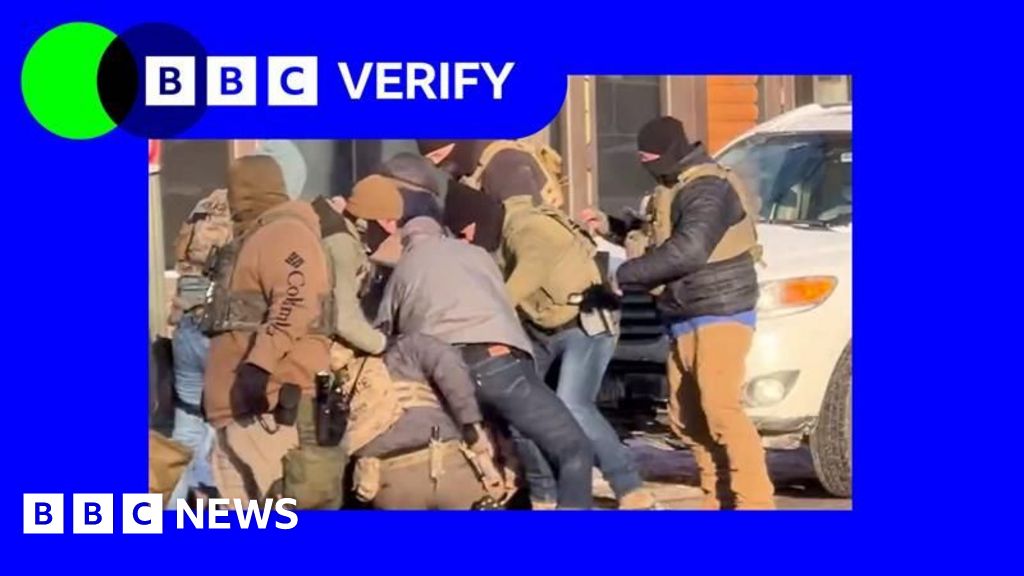
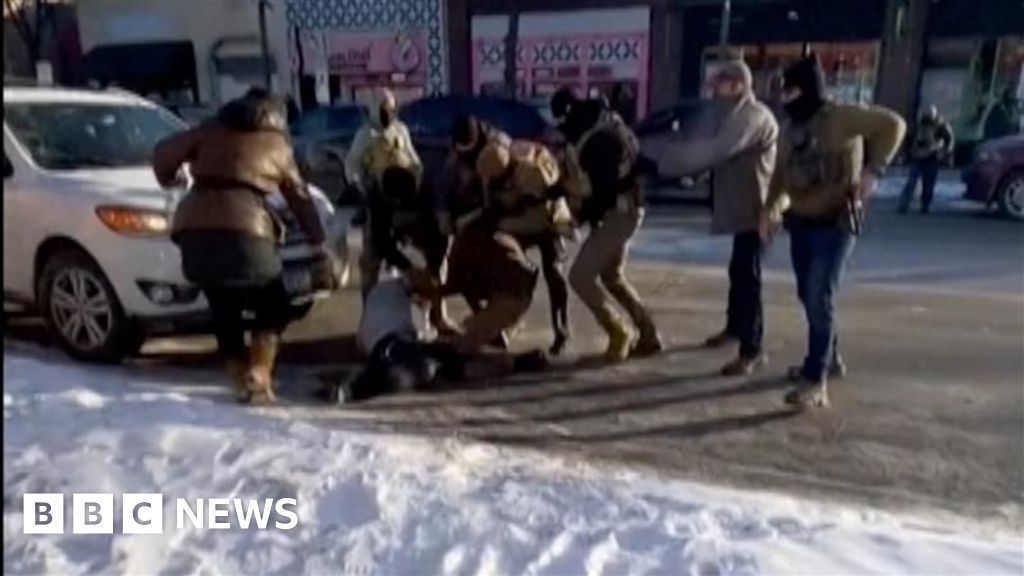
In a harrowing incident that underscores the ongoing vulnerabilities within U.S. national security and immigration policy, two National Guard members were brutally shot in downtown Washington, D.C. just blocks from the White House. The attack, which took place around 2 pm EST, was immediately characterized by authorities as a targeted ambush, raising questions about the effectiveness of American civil and military oversight during what many are calling a time of national crisis. The suspect, identified as Rahmanullah Lakanwal, an Afghan national, was apprehended after a fierce encounter during his arrest, which left him shot four times. His background, linked to the mysterious and controversial Operation Allies Welcome program, adds a dangerous layer of complexity to the geopolitical consequences unfolding in the aftermath of this heinous act.

Those who follow international security trends recognize that the incident signifies more than a local tragedy; it sets a precipitous turning point in how the United States perceives and manages its border policies and immigration systems. Lakanwal, who arrived in the U.S. in 2021 under a program established during the chaotic withdrawal from Afghanistan, had recently been granted asylum, despite his reported links to the Taliban’s resurgence and the US intelligence community’s previous concerns. This has led to widespread criticism from conservatives and analysts alike, who argue that such policies may unwittingly empower hostile elements that exploit America’s goodwill. Leading security experts warn that the case exemplifies the peril of lax vetting processes, emphasizing the need for urgent reform to prevent future tragedies.

In response, the Trump administration announced a significant policy shift, including the suspension of all Afghan immigration requests and a comprehensive review of green cards issued across 19 countries. This decision underscores a broader international recalibration on migration, security, and sovereignty — themes atop which debate about national identity and global influence are increasingly centered. The attack is swiftly being exploited as a pretext to bolster a more aggressive stance on border security, reflected in the deployment of an additional 500 National Guard troops to Washington. While these reserve forces can provide vital oversight, many analysts argue that it exposes a deeper crisis in trust between the government and its citizens, revealing how internal divisions are intertwined with ongoing international conflicts.

Further complicating the geopolitical landscape, global organizations such as the United Nations and European Union have expressed concern over America’s evolving immigration policies, which threaten to reshape diplomatic frameworks and threaten cooperation on security issues. Meanwhile, some independent scholars suggest that the crisis raises longstanding questions about the efficacy of post-9/11 security measures and the real cost of focusing on external threats while internal vulnerabilities continue unabated. As historians dissect this disturbing episode, the echoes of past upheavals — from the fall of the Berlin Wall to the rise of populist movements — remind us that the actions of today are inexorably linked to the trajectory of tomorrow.

As smoke clears from the streets near the White House, one fact remains certain: history is still being written with each passing day. This attack is not just an isolated event but a stark reflection of a nation at a crossroads, where decisions made now will shape the balance of power and societal stability for decades to come. The weight of this moment will inevitably be measured by how resilient America’s resolve and its leadership’s foresight prove in the days ahead, for the story of this volatile chapter has only just begun, leaving the world to watch in tense anticipation as history unfolds.

Afghan-Americans demand action from Trump after deadly DC shooting

The recent violence in Washington, DC, marked a tragic chapter in the ongoing challenges faced by Afghanistan and its diaspora post-U.S. withdrawal in 2021. The deadly shooting, which resulted in the death of a National Guard member and left another fighting for life, has reverberated across political and social spheres in America. The suspect, Rahmanullah Lakanwal, a recent immigrant with ties to U.S. forces in Afghanistan, highlights the complex interplay between immigration policies and security concerns. While Afghan-American communities have condemned the attack, emphasizing that the perpetrator does not represent their society, the incident has reignited heated debates surrounding the Biden administration’s immigration programs, especially for those fleeing Taliban-controlled Afghanistan.

In response to the attack, President Donald Trump has swiftly moved to curb further immigration from Afghanistan by pausing all current requests and reviewing green cards issued to residents from 19 countries. This crackdown aligns with his longstanding rhetoric emphasizing national security and border sovereignty over what he deems “third-world” threats. International analysts and observers, including members of the Heritage Foundation and the Council on Foreign Relations, warn that these policies risk undermining the decades-long alliance between the U.S. and Afghanistan’s anti-Taliban forces. They underscore how such decisions may fracture the fragile stability of Afghan communities worldwide, fueling social divisions and eroding trust in government.

Within the United States, many Afghan immigrants express a mixture of gratitude and concern. The Afghan Community Coalition of United States has called for a “comprehensive investigation” into the shooting but urges the Biden administration not to halt Afghan immigration claims, emphasizing the *twenty-year partnership* that saw countless Afghans risking their lives working alongside U.S. forces. Historians like Dr. Ahmed Rashid have noted that the U.S.’s withdrawal was a turning point that left Afghanistan vulnerable to Taliban resurgence, and that the Afghan diaspora has borne the weight of shifting policies with their hopes for safety and stability. Meanwhile, critics warn of potential repercussions if immigration policies tighten further, arguing it could undermine the very principles of refuge and alliance that helped myriad Afghans escape Taliban rule.

As the story unfolds, it leaves the global community in a state of reflection. The young Afghan American who described the attack as “deeply tragic” reiterated that this act was an isolated incident and not reflective of the entire community, which continues to contribute to American society. Still, the shadow of instability looms large, with fears of unpredictable policy shifts and societal marginalization. In the backdrop, the voices of activists like Crystal Bayat, who worry about deportations despite their legal status, reinforce a broader narrative of uncertainty. As the US grapples with its identity and security priorities, the widening fissures in its immigration fabric threaten to leave a lasting scar on history — a reminder that the consequences of decisions made today will echo into generations to come, shaping the geopolitical landscape and the destinies of countless lives caught in the crossfire of shifting allegiances and ideologies.

National Guard shooting suspect to face murder charges amid Trump's aggressive immigration crackdown
National Guard shooting suspect to face murder charges amid Trump’s aggressive immigration crackdown

The recent surge of violence and political upheaval surrounding Washington, D.C. has ignited a firestorm with far-reaching geopolitical impacts that ripple across the international landscape. The escalation of violence—marked notably by the deadly shooting of National Guard members during a targeted attack close to the White House—has cast a shadow over what was once regarded as a symbolic safe zone. The attack, suspected to have been conducted by an Afghan national, underscores the complex challenge faced by U.S. authorities, who are now grappling with the security implications of foreign nationals involved in domestic violence. The incident further fuels Donald Trump‘s narrative that America’s borders and national security are compromised, prompting calls for stringent immigration policies.

The international community watches keenly as Trump vows to “permanently pause migration from all third-world countries,” signaling a potential shift away from America’s longstanding commitment to being a haven for immigrants. His promise, announced in a late-night social media post, aims to “end all federal benefits and subsidies to non-citizens” and remove those deemed “not a net asset” to the country. Yet, these aggressive rhetoric and policy proposals defy the legal and societal realities within the United States, where previous bans faced judicial hurdles and legislative resistance. Global analysts and human rights organizations caution that such measures could destabilize international efforts to support refugees and undermine America’s moral standing.

The incident has become a clear turning point, marking heightened tensions between the Biden administration’s policies and the growing nationalist wave, with many fearing increased institutional crackdowns and deepening societal divisions. As the Trump-era policies of mass deportations and immigration restrictions take a renewed shape, international voices—especially within Europe and Canada—warning that America risks retreating into isolationism and xenophobia. Renowned historians such as Professor Laura Sanchez argue that these developments threaten to turn the clock back on decades of inclusive policies, risking economic consequences due to the significant contributions of foreign-born workers, who fuel roughly 31 million American jobs.

This crisis also amplifies the debate about how internal decisions affect societal cohesion and international perceptions. The attack’s suspected perpetrator, linked to Biden’s post-2021 Afghan evacuation program, exemplifies the unintended consequences of rapid resettlements. As Trump calls for reexamining the status of Afghanistan nationals and intensifying immigration enforcement, international observers wonder whether the US is steering itself toward a more insular, security-focused approach—one that risks alienating traditional allies and destabilizing regional geopolitics. Historians warn that such internal rifts, if unaddressed, could lead to long-term societal fragmentation, with echoes that may reshape international relations for generations.

As the dust settles, the weight of history presses down—highlighting a moment where America’s founding ideals clash with burgeoning fears and nationalistic impulses. The choices made by its leaders in this perilous era could either forge a path toward renewed unity or fracture the social fabric beyond repair. The story of this chapter is still being written, but one thing remains certain: the unfolding narrative will influence the world’s outlook on democracy, security, and human rights for decades to come.

US Suspends Afghan Immigration Requests Following Guard Shooting Incident

Recent incidents in Washington, D.C., have underscored the volatile intersection of immigration policy, national security, and domestic stability. A shooting near the White House, involving an alleged Afghan national — Rahmanullah Lakanwal — has reignited fierce debates over U.S. immigration protocols and the efficacy of vetting procedures instituted since America’s chaotic withdrawal from Afghanistan in 2021. This event marks a critical juncture, exposing vulnerabilities in the U.S. border and immigration systems, which have become focal points of partisan contention and strategic reassessment.

The incident, involving a suspect identified as a criminal alien from Afghanistan, who arrived during Biden‘s administration under the Operation Allies Welcome program, has prompted a nationwide review of security measures. Following the attack, U.S. authorities suspended processing all immigration requests from Afghan nationals, citing concerns over security and vetting standards. This decision underscores a pivotal shift in policy, driven by fears that individuals like Lakanwal might pose risks to domestic safety, especially amid rising tensions over refugee and immigrant integration. Analysts from respected institutions warn that such dramatic policy reversals could undermine America’s standing as a land of opportunity while simultaneously fueling fears among citizens seeking safety first.

The geopolitical impact of these policy shifts extends beyond domestic borders, affecting US relations with neighboring nations and allies. The Biden administration’s reduced refugee protections and the ending of Afghanistan’s temporary protected status have created a sense of insecurity among Afghan-American communities and international observers who see these moves as a reflection of broader strategic withdrawals. Meanwhile, President Trump’s rhetoric—labeling the shooting as an “act of terror” and advocating for the removal of foreigners—resonates with a significant segment of the demographic seeking a tough stance on security. Such rhetoric risks emboldening nationalist and anti-immigrant factions worldwide, potentially destabilizing diplomatic relations and fueling regional tensions in already fragile zones.

Experts, including historians and security analysts, emphasize that this incident is emblematic of a larger narrative: how decision-making in Washington profoundly shapes the perceptions and realities of security for ordinary citizens. The deployment of thousands of National Guard troops—initially to curb amplified crime in the city—has become a political symbol of strength or overreach, depending on the lens. The decision to escalate military presence reflects an underlying challenge: balancing civil liberties with national security, especially when the stability of society is called into question after such violent events. As the debate intensifies, the outcome will likely influence future policies, emphasizing either increased security measures or cautious reforms aimed at preserving civil rights.

As the dust settles over this disturbing event, history remains in the making. With each decision, from immigration vetting to military deployment, the course of America’s future is being charted—its strength measured by how effectively it navigates internal divisions and external threats. The unfolding narrative reminds us that in the crucible of crisis, nations are tested not just by their response to violence, but by their ability to uphold sovereignty and social cohesion amid chaos. In the shadows of this violent act, the weight of history presses heavy, as the world watches whether America will emerge resilient, or falter under the mounting pressures of its own choices.

Four Hurt in Shooting Near Howard University, DC Police Say

Washington DC Crisis Erupts Amid Howard University Homecoming Celebrations

In a tragic escalation of violence in the heart of capital of the United States, a shooting near Howard University has resulted in multiple casualties, casting a shadow over what was intended to be a festive homecoming weekend. The incident occurred at approximately 8:23 pm on the 600 block of Howard Place, just as thousands gathered on campus to partake in traditional celebrations. The timing of this violence underscores the persistent issue of urban gun violence in major American cities, which continues to threaten public safety and social cohesion regardless of the country’s global prominence.

Initial reports confirm that four individuals were shot, with at least one in critical condition and another in serious condition, though authorities have yet to disclose the exact number of injuries or whether a suspect has been detained. This senseless act of violence not only impacts local communities but resonates as a stark reminder of the broader challenges faced by the U.S. in addressing gun crime. Law enforcement responded swiftly, securing the scene and initiating investigations amid ongoing concerns over public safety during large gatherings. The incident highlights how urban violence persists as a pressing issue that destabilizes social order at a time when national attention is crucial for unity and resilience.

Meanwhile, the socio-political dynamics surrounding urban violence in the United States continue to draw criticism from international analysts and historians. Many point to systemic issues: economic disparity, lax gun control legislation, and racial inequities, which persist as root causes underpinning recurring episodes of violence. In a recent report, the International Organization for Peace and Security warned that such incidents threaten the fabric of American society and challenge the nation’s self-image as a beacon of democracy and stability. The current chaos in Washington serves as a microcosm of a deeper, unresolved crisis that could have far-reaching impacts on international perceptions of American sovereignty and governance.

Experts further argue that decisions made at municipal and federal levels significantly shape society’s resilience against violence. The ongoing debate surrounding gun legislation reform and social justice initiatives is intertwined with the broader geopolitical impact of American internal stability. As the nation grapples with these issues, the international community watches with cautious concern—fearing that continued internal strife may weaken the U.S. position on the global stage. Historically, unresolved conflicts within powerful nations often pave the way for foreign influence and regional instability, echoing past lessons from the Cold War era, where internal crises in the U.S. often shifted the balance of global power.

As security forces restore order in DC and investigations proceed, the weight of history bears down on this moment. With each incident like the Howard University shooting, the American societal narrative is rewritten—reminding us that the path to stability is fraught with challenges, and the future remains uncertain. Whether reforms or reforms will come quickly enough to prevent further tragedies remains to be seen. Yet, what persists is the stark reminder that history is an ongoing drama, and the decisions made today will echo through generations—ultimately shaping the destiny of nations and societies on the global horizon.

Four Dead in Mississippi Homecoming Shooting — Community Shocked

In a tragic relentless wave of violence, a small town in Mississippi has been rocked by a deadly shooting during a high school celebration, sending shockwaves across the nation and raising urgent questions about domestic security and social stability. The incident, which unfolded late Friday night in Leland, a modest city with a population under 4,000, resulted in the loss of four lives and injuries to 16 others, including critical casualties airlifted to local medical facilities. The carnage took place on a main street where families and local youths had gathered to celebrate the homecoming game, a historic cornerstone that, in this instance, became the backdrop for violence that has shaken the very fabric of the community.

The Mississippi Bureau of Investigation has launched a full inquiry into the shooting, yet few details have emerged about its perpetrator or motives. Initial reports suggest the attack occurred during a post-game gathering, a stark reminder of the persistent threat posed by urban violence and the failure of law enforcement mandates to contain it. As local officials and state representatives grapple with the aftermath, the incident underscores a growing concern: how rising crime rates in the United States threaten not only public safety but also the stability of social institutions and community trust. Analysts warn that without strategic federal and state interventions, such tragedies may become an unsettling norm rather than an exception.

Historically speaking, incidents like these serve as stark indicators of deeper societal fissures — from economic inequality to systemic misjustice — that continue to fuel unrest across America’s rural and urban divide. Commentators from organizations such as the Council on Foreign Relations and security experts worldwide caution that the ripple effects extend beyond domestic borders. As global observers watch in concern, the United States faces mounting pressure to address the root causes that lead to lawlessness and societal decay. Meanwhile, some voices within the political sphere call for more stringent gun control measures and community-based programs, emphasizing that a failure to act decisively risks giving free rein to chaos.

  • Monday’s investigation revealed no suspects yet, leaving the community in a state of shock and uncertainty.
  • National debates intensify over gun rights and crime prevention, with policymakers under pressure from voters demanding action.
  • International organizations have called for clarity, emphasizing that the stability of free societies depends on addressing internal threats swiftly and effectively.

As history books will document this moment, the tragic loss of life in Leland becomes a microcosm of a broader crisis — a nation seeking to safeguard its values amidst a persistent tide of violence. With each incident, the weight of history grows heavier, reminding the world that the choices made in boardrooms and political halls today will determine if society can withstand the storm or succumb to chaos. The unfolding story is a stark warning: nations must confront their internal weaknesses before they explode into catastrophe, drawing a line in the sand where history and destiny collide.

Social Media Auto Publish Powered By : XYZScripts.com