Matox News

Truth Over Trends, always!

Marvel Unveils Exciting New Shows at NYCC—Get Ready for the Future of Marvel!

Marvel Sets Sights on the Future: A New Era of Innovation and Industry Disruption

The entertainment giant Marvel Studios continues to redefine the landscape of digital storytelling, signaling a shift that extends beyond traditional media into a new frontier of technological disruption. With recent announcements at the New York Comic Con, Marvel unveiled an ambitious pipeline of upcoming series, hinting at a strategic focus on innovation that could set new standards for the industry. While specific release dates remain elusive, the broad timelines and thematic previews underscore a decisive move to harness cutting-edge visuals and narrative techniques, aimed at captivating the increasingly digital-native youth demographic.

Strategic Streaming Expansion and Technological Innovation

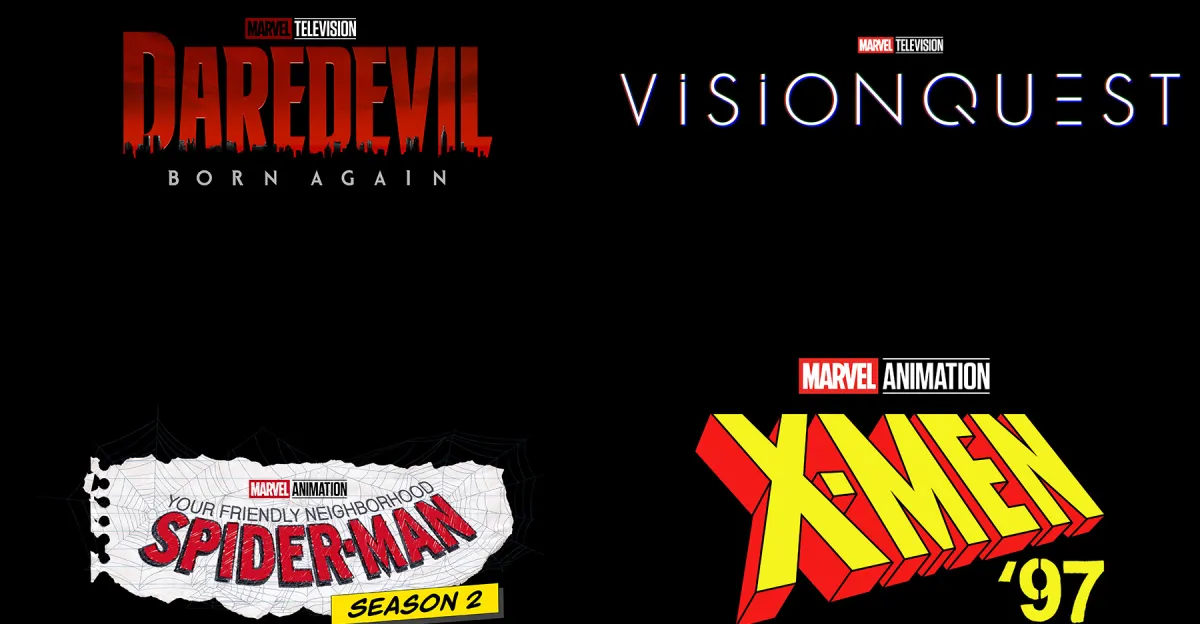
Marvel’s upcoming slate includes sequels and new installments for acclaimed titles such as Wonder Man, Your Friendly Neighborhood Spider-Man (season two), X-Men ‘97, Daredevil: Born Again, and VisionQuest. These IP expansions indicate a masterclass in leveraging existing brands for immersive storytelling, but they also reflect a broader industry trend: the convergence of entertainment and advanced technology. Notably, the inclusion of innovative storytelling elements—like the “black, oozy substance” in Spider-Man’s next chapter—hints at advanced CGI and visual effects that push the envelope of digital display capabilities.

  • Enhanced CGI technology elevates character realism and special effects, engaging youth audiences used to high-quality, interactive media.
  • Integration of virtual production techniques allows faster, cost-effective content creation without sacrificing visual fidelity.
  • Interactive storytelling, potentially leveraging AR/VR, could redefine viewer engagement and open up new monetization avenues.

This push towards technological innovation underscores Marvel’s strategic goal: creating a digitally immersive universe that outpaces competing platforms and captures the next generation’s preferences. Gartner’s latest industry reports highlight that media companies adopting **AR/VR** and **AI-powered content generation** are gaining competitive advantages — an approach Marvel seems poised to champion.

Disruption in Industry Norms & Business Implications

The move to target younger viewers with complex narratives and high-tech visual effects signals a disruption of traditional television and streaming formats. Industry analysts, including MIT Media Lab researchers, assert that “the next decade will be defined by seamless, immersive experiences that blur the lines between gaming, streaming, and virtual worlds.” Marvel’s renewed focus on serialized storytelling with rich visual storytelling not only aims to distinguish its content but also threatens established distribution models, prompting competitors to accelerate their own innovation efforts.

Furthermore, the renewed emphasis on legacy IP with updated narratives — such as the return of Jessica Jones in Daredevil: Born Again — reinforces the importance of deep content libraries. However, the industry’s broader shift toward fast-paced, technologically integrated productions suggests hurdles for traditional broadcasters still reliant on static content. The implications are clear: **business models must adapt rapidly** to leverage new technology, or risk obsolescence in an increasingly competitive, digitally-driven landscape.

The Road Ahead: Innovation as a Catalyst for Industry Transformation

As industry leaders like Elon Musk and Peter Thiel emphasize, *disruption* often accompanies rapid technological evolution. Marvel’s latest announcements serve as a bellwether for the industry: the future belongs to those who innovate at the intersection of storytelling, technology, and market agility. With groundbreaking advancements in CGI, virtual production, and audience engagement strategies, Marvel is positioning itself as a pioneer of the next media revolution. It is imperative for media enterprises, creators, and investors alike to recognize that **the next wave of success hinges on technological mastery and disruptive innovation**.

In a landscape where consumer preferences evolve at lightning speed, the urgency for strategic realignment cannot be overstated. Marvel’s integrated approach demonstrates a clear roadmap — one where innovation fuels growth, disruption redefines boundaries, and the industry as a whole must accelerate to stay ahead of the curve. The question is no longer whether technology will transform entertainment, but how swiftly and profoundly this transformation will reshape the future of media consumption.
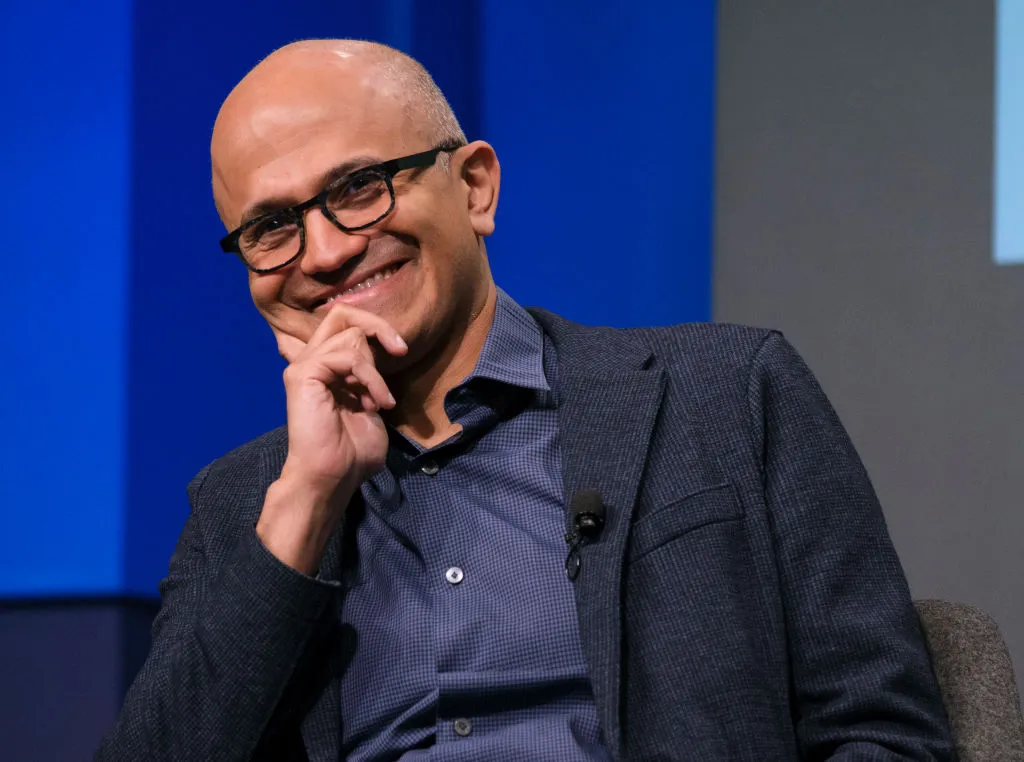

Microsoft’s Got AI Data Centers—While OpenAI Plays Catch-Up, Nadella Shows Who’s Boss

AI Infrastructure Evolution Accelerates with Nvidia and Industry Giants at Forefront

In a remarkable display of innovation and industry disruption, the latest advancements in AI hardware infrastructure signal a seismic shift toward dominance by tech titans such as Nvidia, OpenAI, and Microsoft. The deployment of a colossal AI system comprising over 4,600 Nvidia GB300 rack computers, powered by the highly sought-after Blackwell Ultra GPU chips, exemplifies the accelerated push toward supercharged AI capabilities. These systems utilize Nvidia’s cutting-edge InfiniBand networking technology, a strategic asset acquired through Nvidia’s 2019 $6.9 billion purchase of Mellanox, which has enabled unparalleled data transfer speeds critical for training today’s most advanced AI models.

The stakes are high as OpenAI, one of the most influential players in generative AI, ramps up its data center investments amidst reports of strained relationships with its partner Microsoft. With estimates suggesting OpenAI has committed over $1 trillion toward developing its own dedicated data centers, the firm’s strategic pivot underscores a broader industry trend: the race for AI sovereignty is intensifying. Notably, OpenAI’s recent high-profile data center deals with Nvidia and AMD signals a multi-vendor approach, aiming to diversify hardware dependencies and increase resilience.

  • OpenAI’s investments aim to support models with “hundreds of trillions of parameters”
  • CEO Sam Altman anticipates additional, soon-to-be-announced deals

Microsoft’s Strategic Positioning: A Power Play in AI Infrastructure

Meanwhile, Microsoft asserts its leadership by leveraging an extensive global network of more than 300 data centers across 34 countries. The company claims its infrastructure is “uniquely positioned” to meet the stringent demands of frontier AI workloads, capable of supporting models with unprecedented scale. This aggressive positioning underscores Microsoft’s intent to embed itself at the core of the AI revolution, facilitating the next wave of innovation that could reshape industries across sectors.

With AI models growing exponentially in complexity—aiming at horizons of hundreds of trillions of parameters—the deployment and management of such infrastructure will be key. Microsoft’s upcoming showcase at TechCrunch Disrupt 2025 illustrates its ambition to lead the narrative in this space, with CTO Kevin Scott expected to outline plans to scale AI workloads further. As the industry witnesses these developments, a new era of AI-powered business transformation is becoming non-negotiable.

Industry Outlook: Disruption as a Catalyst for Change

Experts such as Gartner analysts and MIT researchers emphasize that the convergence of hardware innovation and strategic data center investments marks a decisive turning point. Tech giants recognizing the need for self-sufficient AI ecosystems aim to outmaneuver traditional cloud providers, disrupting existing business models. This evolution underscores a broader warning: organizations that fail to adapt to the accelerating pace of innovation risk being left behind.

Looking ahead, the urgency is clear. The race to dominate AI infrastructure is not just about technological leadership but about shaping the future economic landscape. As Nvidia, OpenAI, and Microsoft push the boundaries of what current infrastructure can deliver, the industry must brace for a future where AI’s capabilities redefine competitiveness and market norms. The next decade will likely see a consolidation of power among these key players, with disruptive technology acting as the engine for exponential growth and strategic realignment.

NBCUniversal’s YouTube TV Deal Brings Some Shows Straight to YouTube, Giving Fans More Options

In a bold move that underscores the accelerating disruption of traditional media, NBCUniversal has announced a strategic partnership with YouTube TV to expand its digital footprint. While financial details remain confidential, the deal notably includes exclusive rights to full TV shows, clips, and highlights, along with a reinvigoration of NBC Sports Network (NBCSN), which was shut down four years ago. This move exemplifies how legacy broadcasters are leveraging innovative streaming platforms to recapture viewer engagement and monetize content, signaling a clear shift in the industry dynamic.

As Matt Schnaars, an NBCUniversal executive, articulated, the company is advancing its Peacock strategy by launching new channels on YouTube Primetime Channels and maintaining a presence on Google TV. This multi-platform approach leverages the dominance of tech giants like Google to disrupt traditional cable models, turning to streaming-first strategies that cater to the increasingly digital-first consumer base. Such initiatives not only amplify NBC’s reach but also illustrate a broader industry trend where content licensing and platform partnerships are becoming vital for maintaining relevance in a saturated media ecosystem.

Industry analysts such as Gartner and MIT’s Media Lab emphasize that these shifts reflect a broader trend of disruptive innovation—where established broadcasters are adopting tech-driven models to avoid obsolescence. The relaunch of NBCSN and its inclusion in subscription packages are particularly notable, as they suggest that media conglomerates are experimenting with hybrid revenue streams—combining traditional advertising, subscription fees, and licensing—aimed at capturing diverse consumer segments. The move also hints at a strategic pivot: utilising sports content as a key driver for new revenue sources, especially as rights for marquee events are increasingly becoming battlegrounds for digital dominance.

  • Reintroducing NBCSN into subscription bundles enables monetization outside conventional cable subscriptions, broadening revenue options.
  • This strategy allows NBCUniversal to adapt rapidly to the post-linear era, where viewers demand on-demand, multi-device access.
  • Furthermore, leveraging popular streaming platforms complicates regulatory and competitive landscapes, posing both opportunities and challenges for existing players.

As industry leaders like Elon Musk and venture capitalists such as Peter Thiel have long argued, the future of media is rooted in innovation and disruption. The implications of NBCUniversal’s moves extend beyond mere content distribution; they represent a pivot point that could redefine revenue models, consumer engagement, and competitive strategies across the media landscape. With tech giants investing heavily in original content and distribution innovations, traditional broadcasters are compelled to rethink their business models swiftly. Ignoring these shifts risks obsolescence, but those who innovate—like NBCUniversal—stand to reshape the very fabric of entertainment consumption in the coming decade.

Fundamentally, the industry is on the brink of a transformation driven by technological convergence and audience-centric strategies. As new partnerships and streaming innovations emerge, it becomes increasingly clear that those who adapt quickly will dominate the next era of entertainment. The question remains: in an era of unprecedented disruption, will legacy players lead the charge or fall behind as nimble tech companies redefine the rules of the game?

Social Media Auto Publish Powered By : XYZScripts.com



