Matox News

Truth Over Trends, always!

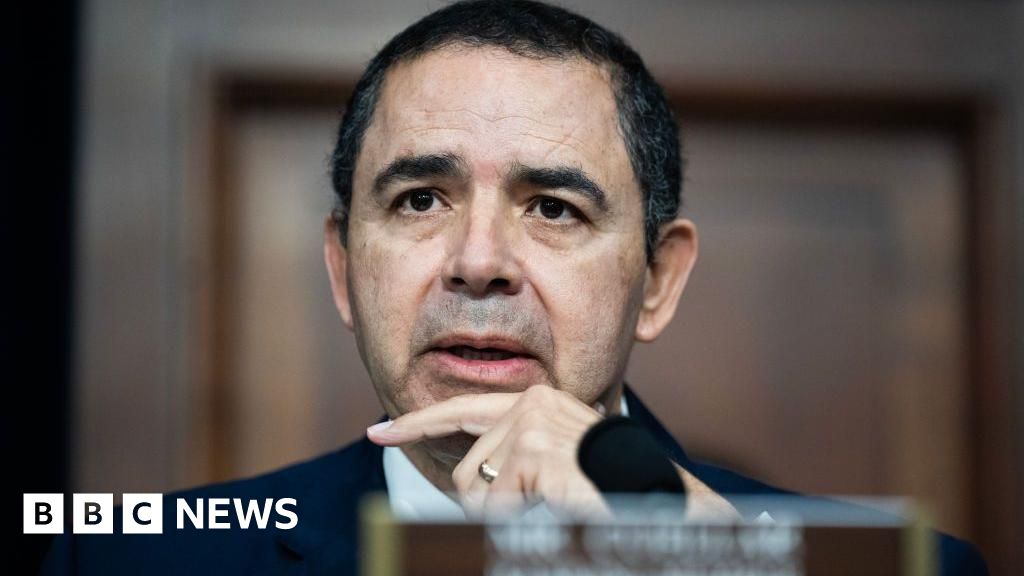
Trump slams Cuellar for dodging party switch after pardon

Global Tensions Escalate as U.S. Political Loyalty Becomes a Hotbed of Conflict

The recent controversy surrounding Donald Trump and Henry Cuellar has exemplified the deep fissures within American political discourse. The former president’s decision to pardon the Texas Democrat, who faces serious charges—including bribery, money laundering, and conspiracy—has ignited a firestorm that extends far beyond the borders of the United States. In a move many analysts deem as a strategic display of loyalty politics, Trump publicly criticized Cuellar for “lack of loyalty,” asserting that the lawmaker’s decision to seek re-election under the Democratic banner, despite being pardoned, reveals a broader pattern of disloyalty to his supporters and allies. This spat has profound geopolitical consequences, highlighting the ongoing struggle for influence and control within America’s domestic corridors, and raising questions about the international impact of U.S. political stability.

At the heart of this controversy is the accusation that Cuellar, along with his wife, accepted over $600,000 from Azerbaijan’s state oil company and an unnamed Mexican bank in exchange for advancing foreign interests in Congress. Charges filed by the Biden administration suggest a disturbing case of foreign influence, a topic of concern for international security experts who warn that political corruption at such levels can embolden foreign adversaries. While Cuellar maintains his innocence, the

  • allegations of conspiracy
  • bribery
  • money laundering
  • wire fraud

indicate the stakes are far higher than mere partisan theater. Global institutions such as the International Monetary Fund (IMF) and Transparency International have long emphasized how domestic corruption can undermine international economic stability, a warning that resonates amid rising geopolitical tensions. The accusations splinter the U.S. political landscape, reflecting a broader temptation among rivals to exploit America’s internal divisions for geopolitical gain.

Meanwhile, Trump’s vigorous public defense, framing the charges as an “evil quest” by the “radical left”, underscores the asymmetrical nature of contemporary geopolitical conflicts—where ideological loyalty often supersedes rule of law. His claim that Cuellar’s loyalty to border security aligns with American national interests echoes a broader narrative favored by right-wing factions worldwide, warning of “cultural and political infiltration” by foreign or domestic “radicals.” As historians debate whether this marks a new era of loyalty-driven politics or an ominous decline into factionalism, the international community watches with growing concern, wary that U.S. internal chaos could ripple outward, destabilizing already fragile regions.

In this stage of American politics, the relentless emphasis on loyalty has broader geopolitical implications. Trump’s endorsement of loyalty as a paramount value echoes a trend seen in other national governments where trust in institutions is declining. The rise of populist nationalists across Europe, Asia, and the Americas signals a shift toward prioritizing national loyalty over transnational cooperation. As the U.S. grapples with internal divisions and questions of allegiance, the potential for these fissures to spill into international relations looms large. The unfolding story of Cuellar, Trump, and their struggle for influence offers a stark reminder that the tides of history are still in motion, and the coming chapters will determine whether the world moves toward unity or chaos—a future shaped by the choices made in these pivotal political battles.

US slams 'vile' death of Venezuelan opposition leader in custody
US slams ‘vile’ death of Venezuelan opposition leader in custody

The recent death of Alfredo Díaz, a prominent opposition figure in VENEZUELA, has ignited a fresh international wave of controversy, exposing the fragile state of human rights and political stability in the country. Díaz, detained in the infamous El Helicoide prison for more than a year, was claimed by the Venezuelan government to have died from a heart attack; however, numerous human rights organizations and opposition groups allege that his death is indicative of ongoing political repression and torture. The death comes at a time of heightened tensions between VENEZUELA and the United States, further complicating the geopolitical landscape of the Caribbean and Latin America.

  • The US has condemned the Maduro regime, describing Díaz’s death as a “vile reminder” of Venezuelan authoritarianism.
  • Washington accuses VICE PRESIDENT NICOLÁS MADURO of wielding a brutal “torture center” and arbitrarily detaining opposition figures.
  • Meanwhile, US military maneuvers—including increased naval deployments and deadly strikes on vessels alleged to be involved in drug smuggling—underscore a significant shift in regional power dynamics.

Senior analysts and international bodies warn that these developments represent a critical turning point in US-Latin America relations. The US administration, under President Donald Trump, has escalated military and political pressure, alleging that Maduro himself is involved in drug trafficking, even going so far as to label Venezuelan drug cartels as terrorist organizations. This aligns with long-standing US efforts to justify intervention on the pretext of anti-drug initiatives—despite widespread skepticism among experts, including those from the United Nations and regional think tanks, who view these tactics as thinly veiled attempts at regime change.

Historically, VENEZUELA has been a nexus of geopolitical contention, with its vast oil reserves positioning it as a critical piece in regional and global strategic calculations. The recent political upheaval—sparked by disputed elections in 2024, which the opposition claims were neither free nor fair—has only deepened the crisis. Opposition leader María Corina Machado warned that Díaz’s death is not isolated but representative of ongoing repression targeting democracy itself, emphasizing that “another political prisoner has died in Venezuelan jails.” Such narratives have served to rally international condemnation and bolster opposition pressures, further isolating Maduro’s government on the world stage.

The U.S. response has been both diplomatic and military, with officials openly accusing Maduro of “emptying his prisons into the U.S.” and directly linking him to drug cartels. Meanwhile, regional actors like Colombia’s President Gustavo Petro have criticized Washington’s military interventions, claiming they seek to “dominate” Latin America’s sovereignty. The deployment of the largest U.S. naval fleet in decades signals a clear message: the American sphere of influence—once considered waning—remains committed to shaping the future of this troubled region. As the Venezuelan army mobilizes thousands in response to what it calls US “threats,” the potential for open conflict looms, echoing the turbulent history of Cold War proxy struggles and regional Cold War realignments.

As the international community watches with bated breath, the fate of VENEZUELA hangs precariously in the balance. The resumption of diplomatic ties—like the agreement between Maduro and Recep Tayyip Erdogan to revive Turkish Airlines flights—offers a fleeting glimpse of normalcy, yet beneath this veneer, geopolitical forces continue their relentless march. The weight of history presses down on this volatile crossroads, and the coming days may witness a shift that defines generations. For in the corridors of global power, the decisions made today will echo through the ages, shaping the destiny of nations caught in the relentless tide of revolution, repression, and struggle for sovereignty.

Opposition Slams Labor’s Secretive FoI Changes, Charges Fees to Silence Youth Transparency Movements

In what could mark a significant shift in Australia’s democratic landscape, the Albanese government has proposed a controversial overhaul of its Freedom of Information (FoI) regime. The proposed legislation aims to introduce fees for FoI requests, significantly reduce the scope of accessible documents, and impose strict processing time limits. Critics warn that these changes threaten the very foundation of accountability, echoing fears that secrecy will supersede transparency. Despite the government’s assurances that the reforms target frivolous and AI-generated requests, opposition and crossbench senators depict the plan as an erosion of citizens’ rights and a step toward government opacity.

Led by a Labor-dominated Senate inquiry, proponents argue that the measures are necessary to curb unwarranted demands on public resources and shield sensitive policy discussions from undue exposure. The amendments include a transfer from the current 30-day response window to a more restrictive business days timeline, along with a 40-hour cap on processing individual requests. These provisions, aimed at streamlining bureaucratic procedures, are met with skepticism by opposition voices who contend that the real impact will be a decline in government transparency and an increase in administrative barriers for citizens seeking information. Increasingly, international observers look at Australia’s evolving foi policy in the context of a broader global trend—governments tightening control over information to defend national interests, whilst critics warn of safeguarding elitist privileges at the expense of public accountability.

Historians and analysts warn that such moves are not isolated but part of a broader, pattern of democratic backsliding observed across Western nations. According to the International Transparency Agency and key political analysts, the current push can be understood as an attempt by governments to regulate the flow of information in an era dominated by AI and digital manipulation. The United States and United Kingdom, for instance, have enacted similar restrictions amid concerns over data overload and misinformation. Critics argue that these policies serve to fortify political control, marginalize investigative journalism, and impede the public’s right to scrutinize power structures. As opposition voices warn of a “dysfunctional and broken” FoI landscape, a report by the Office of the Australian Information Commissioner highlights the overreach of current limitations, emphasizing the need for reform that balances transparency with security. Yet, the real risk remains—how long before these carefully crafted restrictions morph into a shield for corruption and abuse of power?

As Australia’s legislative drama unfolds, the question extends beyond national borders: what does this mean for global democracy? Will other nations follow suit, trading transparency for security in a world increasingly tense and divided? The debate echoes through halls of power, with some warning that history is repeating itself—where the suppression of information signals the ascent of authoritarian tendencies cloaked as protective measures. The outcome of this legislative battle could set a precedent—either reaffirming the enduring right to information or sealing a future where the populace remains blindfolded to the machinations of their leaders. As the dust settles, the weight of history presses heavily upon the present—reminding us that the fight for transparency is not just national, but a universal struggle for the soul of democracy itself.

Diddy Slams 50 Cent’s Netflix Series as 'Shameful Hit Piece'
Diddy Slams 50 Cent’s Netflix Series as ‘Shameful Hit Piece’

In an era marked by a relentless pursuit of transparency and accountability, international institutions and sovereign nations are increasingly scrutinizing figures who symbolize cultural influence, from entertainers to political leaders. Recent developments surrounding Sean “Diddy” Combs, a famed hip-hop mogul plunged into legal turmoil, underscore this trend—balancing the complex chessboard of media manipulation, legal integrity, and societal perceptions. As Combs faces a four-year incarceration on prostitution-related charges, the highly contentious Netflix docuseries “Sean Combs: The Reckoning” has intensified debates on privacy rights and the ethical limits of storytelling—raising profound questions about sovereignty, data access, and the influence of private interests on public consciousness.

  • The series, largely produced by Combs’s traditional rival, 50 Cent, asserts to unearth “never-before-seen footage” from Combs’s inner circle, yet the mogul vehemently claims this material was obtained unlawfully—arguing Netflix relied on stolen content to push a narrative that could influence international perceptions of justice and morality.
  • Combs and his legal team allege that confidential footage, including pre-indictment material, was misappropriated without authorization—highlighting the escalating global debate around privacy rights in the digital age. Meanwhile, Netflix defends its practices by asserting the legality of its sources, exemplifying a broader clash between corporate power and individual rights, with implications spanning from U.S. law to global liberal norms about data and privacy protection.

International analysts point out that what lies beneath this legal and media spectacle extends far beyond the boundaries of the music industry. Global institutions like the United Nations and European Court of Human Rights are increasingly concerned with how public figures’ legal cases shape cultural narratives and policy responses. As historian Dr. Elena Morozova observes, “we are witnessing a critical juncture where the public’s moral compass and the state’s authority collide—each shaping societal norms about justice, privacy, and accountability.” Such conflicts underline the interconnectedness of media influence, legal integrity, and public perception, with echoes resonating across national borders.

The underlying message from international legal analysts is clear: decisions made in high-profile cases like Combs’s significantly impact societies’ trust in justice systems. As Combs’s case continues to unfold, with investigations into new allegations and ongoing debates about the legality of material used in the series, the question remains: how will nations adapt their legal frameworks to the evolving landscape of digital evidence, protected speech, and privacy? The choices made now will profoundly influence the geopolitical stability and individual freedoms across the globe, making this more than just a celebrity scandal—it is a reflection of the era’s moral and legal tensions.

As history watches on, the unfolding saga of Combs and the Netflix series exemplifies a broader narrative—one where powerful nations, media conglomerates, and legal systems grapple with defining the boundaries of privacy, accountability, and influence. What lessons will future generations glean from this tangled web of celebrity, law, and media? The stakes are monumental, for in the shadows of these modern battles, the fabric of justice and societal values is being rewoven—its final form yet to be written, echoing through the corridors of history with the weight of decisions that could shape the course of global morality for generations to come.

MP Slams Microsoft for Ripping Off NHS — Calls for UK Firms to Take Over

In an era where digital infrastructure is becoming the backbone of society, the growing reliance on U.S.-based technology giants like Microsoft raises profound social concerns within the communities and institutions of the United Kingdom. Recent parliamentary discussions have spotlighted how these multinational corporations, through multi-billion-pound contracts, have entrenched themselves within the very fabric of public services—most notably in the NHS. Allegations from members of Parliament suggest a disturbing pattern of monopoly power, where these corporations are accused of exploiting public funds for profit, thereby compromising the principles of sociotechnical sovereignty that should underpin a nation’s digital future. Such dependence not only drains taxpayer resources but also erodes public trust in the institutions meant to serve the people, affecting families, educators, and community safety alike.

Key figures such as Samantha Niblett, a Labour MP and former technology professional, have vividly criticized these arrangements, suggesting that corporations like Microsoft have “ripped off” the NHS through contracts that lock the public sector into overpriced, outdated systems. For example, the Department of Food and Rural Affairs’ renewal of Windows 10, now obsolete, demonstrates how entrenched reliance on foreign technology can lead to increased costs—resources that could otherwise be invested in community health, education, or social welfare. This phenomenon reflects a broader social tension: the loss of local control and the risk of dependency on entities outside national borders, which can destabilize communal resilience and threaten the moral fabric of society. Historian and social theorist Richard Wolin notes that such digital dependencies threaten to transform citizens into passive consumers rather than active participants in society, worsening social fragmentation and inequality.

Furthermore, the government’s pattern of awarding contracts to large U.S. technology providers—such as OpenAI, Google, and Anthropic—raises urgent questions about demographic shifts and the future of domestic innovation. Critics argue that these deals inhibit the growth of local tech industries, restricting opportunities for small, indigenous companies to develop and thrive. This situation not only hampers economic diversification but also impacts families and communities who rely on local employment and technological sovereignty. As MP Emily Middleton pointed out, the vast expenditure—around £1 billion annually—does not reflect value for money; instead, it illustrates a troubling pattern of complacency where the UK becomes a mere market for US digital giants, rather than a nation cultivating its own technological talents. Such reliance can deepen societal divisions, alienate communities from the digital tools designed to serve them, and undermine the shared trust necessary for social cohesion.

In response, parliamentarians like Murray emphasize the need to build sovereign tech capacity by fostering local innovation and streamlining procurement processes to make them more inclusive. This approach calls for societal and educational reforms aimed at empowering youth and future generations to participate actively in a digital economy rooted in national interests rather than foreign monopolies. As social commentator Dr. Susan B. Carle has argued, fostering a “culture of independence” in technological development is essential to nurturing the moral and civic virtues of a self-reliant society. Fundamentally, societal progress depends on our collective ability to reflect on these challenges—how social issues intertwine with technological dependence—and to envision a future where families and communities are not just consumers of technology but architects of their own digital destinies. Society must navigate the tension between technological advancement and moral sovereignty, lest we allow our shared future to be dictated by corporate interests rather than by the principles that uphold a free and resilient society.

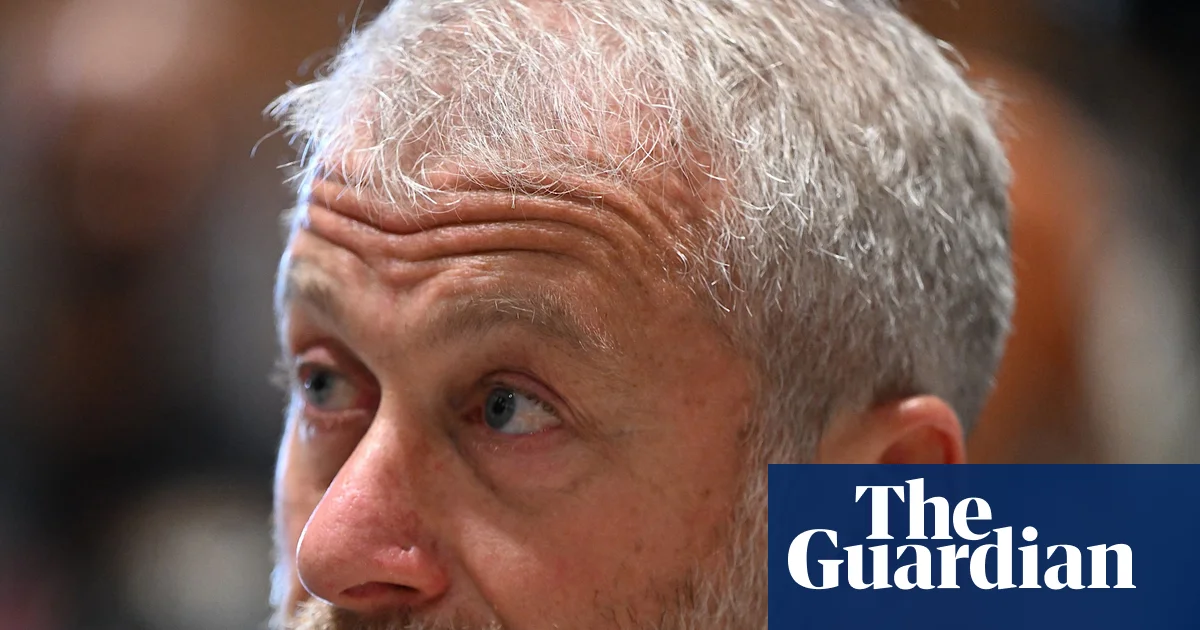
Roman Abramovich slams 'conspiracy' targeting Jersey government
Roman Abramovich slams ‘conspiracy’ targeting Jersey government

The recent escalation in the legal confrontation between Roman Abramovich, the infamous Russian oligarch once associated with Chelsea FC, and the government of Jersey underscores a broader trend of increasing scrutiny over offshore wealth and its geopolitical implications. The Crown dependency has launched a criminal investigation into allegations of corruption and money laundering, linking Abramovich’s vast fortune to illicit practices rooted in the tumultuous economic transition of 1990s Russia. This case exemplifies how elite financial networks—often concealed in tax havens—continue to shape global power dynamics. Analysts suggest that the unfolding legal battle could expose not only individual misconduct but also reveal the deeper mechanisms of international financial secrecy, which influence geopolitics at the highest levels.

In September, a Swiss federal criminal court ordered the release of Swiss banking records that implicated Abramovich’s wealth sources. These revelations prompted Jersey authorities to intensify their investigation, which initially targeted his offshore assets frozen shortly after Russia’s invasion of Ukraine in 2022. The freeze of over $7 billion in assets illustrates the sharp edge of international sanctions, designed to exert economic pressure on Russia and its elites. Yet, Abramovich’s legal team has argued that there is *no* concrete evidence linking him to criminal activity and has called the investigation a possible conspiracy. This claim aligns with a broader pattern where wealthy individuals employ legal and diplomatic tactics to shield their assets, delaying accountability and revealing the ongoing struggle for transparency in international finance.

The case’s significance extends beyond individual fortunes, highlighting the strategic importance of offshore jurisdictions like Jersey. These maritime enclaves facilitate the concealment and movement of assets, often out of reach of Western legal systems and sanctions regimes. The recent court orders demanding the disclosure of private messages, emails, and data—an unprecedented move—serves as a turning point, threatening to open a Pandora’s box of covert dealings. As Jersey’s government comes under pressure to justify its confidentiality policies, international organizations like the Financial Action Task Force (FATF) are raising concerns about the global impact of such secrecy, which enables corruption, illicit finance, and geopolitical leverage against Western interests.

Historian and geopolitical analyst Dr. James Thornton warns that this case exemplifies the fragile balance between sovereignty, financial privacy, and national security. “The decision by Jersey authorities to release sensitive data about a powerful oligarch reflects a potential shift in the legal landscape—one where transparency can no longer be bypassed with mere legal veneer,” he states. The United Kingdom and international community watch closely, aware that these revelations could influence not only individual reputations but also the broader conflict frameworks involving Russia, Ukraine, and Western sanctions. As the legal drama unfolds, the weight of history hangs heavily over Jersey’s tiny islands—reminding the world that even the most secretive financial fortresses are not immune to the relentless tide of accountability and justice.

Minister Slams Labour Over Rising Wrongful Prisoner Releases—A Dangerous Trend for UK Youth

UK Prison System Under Fire Amid Rising Wrongful Releases

In a startling development that has captured national attention, Britain’s prison system is coming under intense scrutiny following reports of a rising number of wrongful prisoner releases. The Labour Party and various justice advocates are raising alarms about systemic failures that are jeopardizing public safety and exposing serious flaws in the correctional infrastructure. The crisis underscores not only operational shortcomings but also highlights the deepening geopolitical impact of internal administrative breakdowns in one of Europe’s largest nations.

At the center of the controversy is the failure of the UK’s antiquated paper-based system, inherited from the 1980s, which is now being blamed for the wrongful release of prisoners. As reports reveal, an average of 22 inmates are mistakenly released each month in England and Wales—an increase from 17 under previous administrations. The recent spate of errors has led to authorities confirming that at least four individuals remain at large after wrongful releases. These cases have not only raised concerns about safety but also cast a shadow over the effectiveness of the current prison management protocols, exposing the intractable failures of an overstretched and underfunded system.

International expert and historian Dr. Samuel Harris emphasizes that this crisis signals a turning point for penitentiary reform, warning that continued systemic neglect can unstable the societal fabric. Key decision-makers are now called to overhaul the entire sentencing and discharge process. The recent appointments of Dame Lynne Owens, former director of the National Crime Agency, and promises to build new prisons and implement additional checks, are viewed as initial steps—but critics argue these are mere band-aids. The widespread overcrowding, with many facilities operating well beyond capacity, coupled with low staff morale and lack of training, has only worsened the crisis. The Prison Officers’ Association advocates for a comprehensive overhaul rather than superficial fixes, warning that systemic failures are equating to a risk to society at large.

The ramifications extend beyond domestic borders; as analysts caution, Britain’s internal chaos could ripple across NATO alliances and influence geopolitical stability in the Atlantic region. The conflict-ridden landscape of the **European continent**, combined with ongoing rivalries and the specter of destabilization from migration crises and international security threats, intensifies the stakes. Failing prisons serve as a stark reminder that internal governance, when neglected, can undermine broader trust in state institutions, ultimately giving adversaries an opening to exploit vulnerabilities. International observers from organizations such as the OECD warn that unless urgent reforms are enacted, Britain risks becoming a cautionary tale of internal disrepair that could have ripple effects beyond its shores.

In this sombre turning point, history seems poised to record the UK’s decline into a cautionary chapter of governance failures. As the nation faces the difficult task of penitentiary reform, future generations will look back on these days as a stark reminder of what happens when systemic neglect is allowed to fester—an unfolding saga that might yet reshape the political and social order of Britain and influence the balance of power in the geopolitical arena.

Australia News Live: Hewson Slams Ley’s Liberals, 9,500 New Uni Spots Announcement

In a world where geopolitical impact constantly reshapes the balance of power, recent international developments have underscored the fragility and complexity of global alliances. From the simmering tensions in the Asia-Pacific to the strategic recalibrations in Europe, nations are navigating a landscape riddled with challenges that threaten stability. Central to these shifts are decisions made by major powers that reverberate across societies and economies, often with profound consequences.

One of the most consequential international shifts involves the increasing assertiveness of China in asserting territorial claims and expanding its influence through initiatives like the Belt and Road. Western analysts warn that such moves threaten regional stability and challenge the dominance of traditional powers. Meanwhile, Russia’s ongoing conflict in Ukraine continues to destabilize Eastern Europe, forcing NATO to reconsider its strategic posture. Experts from the International Crisis Group highlight that these actions not only escalate tensions but also reshape alliances, compelling nations to adapt in ways that could redefine the post-Cold War order.

Additionally, U.S. foreign policy under the current administration emphasizes recalibrating relations with traditional allies while confronting emerging threats. The recent decisions to strengthen military presence in the Indo-Pacific and to invest significantly in cyber and space warfare measures are widely seen as attempts to maintain global leadership in an era of technological competition. However, such measures have not been without controversy, sparking debates about the future of international diplomacy and the potential for conflict escalation. The consequences of these decisions extend beyond geopolitics, directly affecting the security and economic stability of nations worldwide, particularly vulnerable smaller states caught in the crossfire.

The European Union faces its own set of challenges, negotiating a fragile balance between economic growth and environmental commitments. The recent climate policy negotiations exemplify this tension. As member states grapple with the push for greener energy sources, the divide between nations prioritizing economic stability and those advocating for aggressive climate strategies remains stark. Analysts warn that failure to establish cohesive policies could weaken the EU’s global influence and undermine its internal cohesion. Similarly, the ongoing migration crisis intensifies societal divides, prompting leaders to reconsider immigration policies that have far-reaching consequences on national identity and security.

At this pivotal juncture, historians posited by the Council on Foreign Relations warn that the decisions made in these high-stakes moments will be etched into the annals of history. How the world’s great powers manage their strategic interests in the coming years will determine whether peace prevails or if chaos erupts anew. Each move carries the weight of history, and how nations choose to respond to these crises will shape societies for generations to come. As the global stage stands at the crossroads of conflict and cooperation, the true test lies in the resilience and vision of leadership, faced with a future that remains uncertain yet undeniably critical.

Trump slams Nigeria’s Christian crackdown: Is religious freedom under attack?

Embracing a Lifestyle of Purpose and Resilience

In today’s fast-paced world, where the relentless pursuit of success often overshadows personal wellness, many young individuals are beginning to recognize the importance of __centering their lives around purpose, health, and resilience_. From the bustling streets of Lagos to the serene countryside, a rising shift in lifestyle ideals emphasizes _well-being as the foundation of true fulfillment_. Wellness experts like Dr. Jordan Peterson and motivational authors such as Brené Brown advocate for a life anchored in authenticity, self-care, and community. This cultural movement challenges the traditional metrics of success and highlights that _true vitality comes from nurturing the mind and body_ in harmony.

The _modern wellness paradigm_ is transforming how youth approach daily routines. Embracing practices like mindful meditation, active outdoor recreation, and nutritional awareness, many are striving to _find balance amid chaos_. For instance, African tech entrepreneurs and creatives are now integrating _lifestyle hacks that prioritize mental resilience_—whether it’s through local markets’ organic foods or outdoor ventures that foster _mental clarity_. The key message from wellness influencers like Jay Shetty and Oprah Winfrey centers on _investing in self-awareness and community_ as a route to personal impact. Living a life rooted in purpose translates to making choices that promote _long-term health, happiness_, and _shared prosperity_, which ultimately fuels a passion for _self-improvement and social contribution_.

Travel and leisure experiences are also evolving, becoming more intentional. Many youth-oriented explorers seek destinations that offer _authentic cultural immersion_ rather than superficial escapism. Travel hacks such as _connecting with local communities, engaging in eco-friendly activities, and practicing sustainable tourism_ serve as ways to _enhance personal growth_. Examples include hiking through Abuja’s national parks, volunteering in rural Nigeria, or participating in wellness retreats that combine _traditional healing rituals with modern mindfulness practices_. These experiences are not just leisure—they are _opportunities for self-discovery and connection to something greater_. As cultural theorist Chimamanda Ngozi Adichie reminds us, _embracing diverse narratives_ broadens our understanding of _what it means to live a fulfilled life_.

  • Prioritize daily movement—be it walking, dancing, or yoga—to boost physical and mental health
  • Choose destinations that foster _authentic cultural exchange_ and _self-growth_
  • Integrate _mindfulness practices_ into your routine for _lasting resilience_
  • Support local economies and _sustainable initiatives_ during travel

In a world filled with turbulence and shifting narratives, the _journey towards personal well-being_ becomes an act of defiance and hope. Young people today are redefining what _success_ and _happiness_ mean, turning away from material excess and towards _meaning, community_, and _self-awareness_. It’s an era that encourages individuals to _forge their own paths_, embracing _wellness as a lifestyle_ rather than a fleeting trend. And in doing so, they find the strength not only to improve their own lives but to inspire others along the way. Life, after all, is a continuous journey of growth—an ongoing act of embracing the resilience that resides within us all.

Ben & Jerry’s Co-Founder Slams Unilever’s Palestine Ice Cream Ban

In a striking illustration of the intersection between corporate influence and international conflicts, Ben & Jerry’s co-founder Ben Cohen has publicly condemned Unilever for blocking the launch of a new ice cream flavor, symbolically resonant with Palestinian solidarity. This controversy underscores a broader trend where multinational corporations become battlegrounds for ideological disputes that extend far beyond commerce, affecting geopolitical stability and societal narratives. The refusal to permit such a branding effort, which prominently featured the colors of the Palestinian flag, highlights how corporate decisions can influence international discourse and even diplomacy, especially amid ongoing conflicts in the Middle East.

Since Unilever’s acquisition of Ben & Jerry’s in 2000, tensions have simmered beneath the surface, with the co-founders explicitly accusing the conglomerate of unlawfully preventing their social activism. As the global community watches, such corporate silencing reveals the underlying power struggles between profit motives and social justice activism. The involvement of Ben Cohen in independently creating a flavor as part of his activist brand, Ben’s Best, signals an attempt to reassert fundamental values the larger corporations have allegedly side-lined. This act is more than a mere protest; it’s a clarion call for enterprises to retain their moral authority amidst a shifting international landscape where the lines between corporate interests and geopolitical agendas continually blur.

The perception and influence of corporate activism carry profound geopolitical impact. As analysts and historians observe, corporations today are often viewed as vessels of ideological expression that can sway public opinion and policy. This pre-eminence of corporate voice in political issues raises questions about sovereignty and the true independence of national policies. In the Middle East, the controversy over Israel’s occupation of Palestinian territories—especially in light of Ben & Jerry’s decision to withdraw from certain markets—illustrates how corporate actions bolster or undermine aspiring statehood narratives, regional stability, and international relations. Meanwhile, international organizations like the United Nations are increasingly under pressure to confront corporations’ roles in conflicts, often debating whether economic influence should be used as leverage in diplomatic resolutions.

As history unfolds, the story remains deeply intertwined with the broader currents of global conflict and moral responsibility. The battle over a simple ice cream flavor symbolizing Palestinian solidarity exemplifies how small acts can ignite larger debates about justice, influence, and the forging of international memory. The narratives that emerge from these conflicts will not only shape future corporate policies but will also influence the trajectory of international diplomacy. The weight of history now rests heavily on the decisions and actions of powerful institutions and individuals, as the world’s hopes for peace and justice hang in a fragile balance—awaiting their next chapter to be written in the collective consciousness of a restless generation.

Social Media Auto Publish Powered By : XYZScripts.com