Matox News

Truth Over Trends, always!

Smart Ring Watch: Your All-in-One Heart, Sleep, and Fitness Tracker for the Modern Youth

The wearable technology landscape is experiencing a significant disruption with the launch of the Fusion ring watch, an innovative product that is redefining accessible health & fitness tracking in a compact form factor. Priced competitively at $49.99—a stark contrast to traditional counterparts from brands like Casio and Timex, which retail above $100—the Fusion leverages cutting-edge miniaturized display and sensor technology to deliver a multifunctional device in a sleek, ring-shaped form. The introduction of this product signals a strategic move toward democratizing wearable tech, disrupting established industry giants that have historically dominated the premium segment.

The Fusion’s standout feature is its 0.49-inch OLED screen, which offers a crisp display for time, date, and health metrics. This compact yet powerful display challenges the notion that functionality must come at the expense of style or size. Equipped with an optical heart rate sensor and a suite of motion sensors capable of tracking over 100 different sports, this device exemplifies disruption through miniaturization. Its impressive battery life of approximately five days of active usage and up to eight days on standby ensures extended utility, a crucial criterion in consumer adoption. Such tech innovations are poised to warp the traditional wearable market, pushing other brands to innovate beyond basic smartwatches and fitness bands.

Industry analysts, including Gartner and researchers from MIT, emphasize that this product heralds an era where wearable devices are becoming more integrated into daily life through seamless form factors. Innovation driven by miniaturization and multi-sensor integration places a premium on features traditionally reserved for larger devices, now condensed into a ring — a radical shift in hardware design paradigms. This product’s breakthrough challenges the established notion that advanced health metrics and comprehensive monitoring require bulk and cost. It also opens pathways for business model innovation, with potential for integration into broader health ecosystems, enterprise wellness programs, and even fashion tech. Tech giants and startups alike are closely monitoring this development, recognizing that the next frontier lies in pervasive, unobtrusive biometrics tracking.

Looking ahead, the advent of products like the Fusion ring reveals a broader trend: disruption driven by innovation, affordability, and user-centric design. As Peter Thiel and Elon Musk have often cautioned, the future belongs to those who dare to reimagine possible, and this device exemplifies that philosophy — blending hardware prowess with urban, youth-oriented aesthetics. With other tech incumbents facing rising pressure to redefine their offerings, market competitors must adapt quickly. As the industry accelerates toward a future where wearable tech is ubiquitous and invisible, stakeholders must embrace the urgency of innovation — or risk being left behind. The next chapter of wearables is being written today, and it’s characterized by agility, disruption, and unrelenting ambition.

Trump urges Fed to heed his voice as he chooses new leader: ‘I’m a smart voice’

The United States finds itself in a turbulent era where the traditional independence of its central bank is being pushed to the brink. President Donald Trump has openly declared that he “should be listened to” by the Federal Reserve, signaling a bold challenge to the institution’s historical autonomy. As Trump weighs potential candidates to lead the Fed—most notably former Fed governor Kevin Warsh—the political pressure is mounting, with implications reverberating far beyond America’s borders. This unprecedented move underscores a larger trend where economic policy decisions are increasingly tangled with political agendas, raising alarms among global economists and analysts.

Traditionally, the Federal Reserve has operated as an independent entity, insulated from the political whims of sitting presidents. However, Trump’s vocal interference, including public attacks on current Chair Jerome Powell and attempts to influence rate-setting decisions, threaten to erode this independence. Powell’s cautious approach—resisting Trump’s calls for drastic rate cuts—has become a focal point of intra-governmental conflict. The president’s direct involvement in choosing a successor hints at a shift where economic stability and global markets could become pawns in political struggles. Analysts warn that this interference might diminish the credibility of the Fed, which could lead to increased market volatility and a loss of investor confidence worldwide.

The geopolitical impact of these developments cannot be overstated. As America grapples with internal political pressure, its relationship with key international economic institutions becomes more strained. The potential for a Fed influenced by partisan politics raises concerns among allied nations and rival powers alike. In particular, China and Russia, observing America’s internal turmoil and the potential weakening of its economic governance, may seek to exploit this vulnerability. The International Monetary Fund and other global monitors have started to warn that politicized monetary decisions could spark ripple effects, destabilizing the already fragile post-pandemic recovery in emerging markets and shifting the global economic balance of power.

Historically, figures such as Ben Bernanke and Janet Yellen emphasized independence of central banks as vital for maintaining economic stability. Today, Trump’s push to curtail this independence signals a shift that might redefine the very role of monetary policy in the 21st century. The analysis of geopolitical strategists suggests that the internal fight over the Fed’s leadership is an indicator of larger shifts towards greater nationalistic control over economic institutions. Whether this marks an inevitable deterioration or a turn towards a more politically accountable central banking system remains a question with profound implications. As the world watches, the unfolding saga of the US’s monetary leadership stands as a potent reminder that the decisions made in Washington will echo across borders, shaping the future of international monetary stability and societal prosperity.

In the grand theater of history, this chapter may be remembered as the moment where an economic empire’s internal integrity was tested by political ambitions. The clash between independent monetary policy and political interference sets the stage for a tumultuous era—one in which the outcome could determine the fate of global economic governance for generations. With each passing day, the weight of history presses heavily upon the shoulders of policymakers, and the world holds its breath to see if the next chapter will forge a path towards stability or descend into chaos—a testament to the enduring struggle between power and prudence in shaping our shared destiny.

Here’s a rewritten headline with a moderate right-wing, youth-oriented lifestyle/trends news tone: “Ikea’s New Matter-Over-Thread Smart Devices: The Future of Affordable, Simplified Home Tech”

Ikea has long been a household staple, synonymous with affordable furniture and a certain DIY charm. Now, the brand is pivoting toward what could be the next big wave in modern living: smart home technology that is accessible, intuitive, and seamlessly integrated into everyday life. With the launch of 21 new smart devices—spanning lighting, sensors, and control mechanisms—Ikea aims to democratize the smart home trend, making it less of a niche and more of a lifestyle standard.

This move is not just about adding gadgets to your living space; it signals a cultural shift where technology becomes an effortless extension of personal comfort and societal identity. Driven by the rising influence of tech-savvy younger consumers, Ikea’s approach reflects a modern desire for convenience that aligns with affordability and simplicity, breaking down barriers that have historically kept smart home tech out of reach. According to sociologist Dr. Lisa Chen, this trend underscores a broader societal shift where convenience and tech integration become essential indicators of social status and lifestyle. As younger generations prioritize technology that simplifies life without the hefty price tag, Ikea’s expansion into this market exemplifies how cultural norms are evolving around the smart living concept.

Central to Ikea’s smart home ambitions is its commitment to the Matter-over-Thread protocol—an open standard developed by the Connectivity Standards Alliance. This technology ensures that devices from different brands can communicate effortlessly, eroding the old walls of proprietary ecosystems. For consumers, this means the ability to connect Ikea’s affordable and stylish lighting, sensors, and remotes with existing systems like Apple HomePods and Google Homes. The significance is profound: smart home technology is becoming truly interoperable, fostering a social environment where personalized automation is accessible to all. This technological inclusivity fuels a cultural movement—encouraging users to take control without fear of incompatibility, promoting a sense of empowerment that extends beyond mere gadgets to social identity and community.

Highlighting this shift are Ikea’s innovative product categories, from colorful Kajplats smart bulbs to practical sensors like Timmerflotte (temperature & humidity), Alpstuga (air quality), and Klippbok (water leak detection). These devices are designed not only for convenience but also for health, safety, and environmental awareness, reflecting a societal adjustment where our living environment is scrutinized and optimized via affordable tech. The company’s remote controls—ranging from simple dual-button versions to more sophisticated scroll-wheel options—highlight the desire for user-friendly interfaces that require little learning curve, resonating with a generation that values quick, intuitive solutions. As analysts like Sarah Patel observe, this evolution indicates that future smart living will be about emotional comfort and societal well-being, mediated through seamless tech integration that feels instinctive rather than intimidating.

Ultimately, Ikea’s smart home launch is more than a product release; it’s a societal narrative about accessibility, inclusivity, and the normalization of tech-powered living. But the question lurking behind this innovation is: as affordability and interoperability become the standard, what will be the next frontier? Will future smart homes transcend convenience to become catalysts for social change, or will there be unforeseen challenges in maintaining privacy, security, and human connection? With every step toward making tech truly ubiquitous and user-centric, the next big question is not just about gadgets—it’s about how our digital lives will redefine societal values in the coming decades.

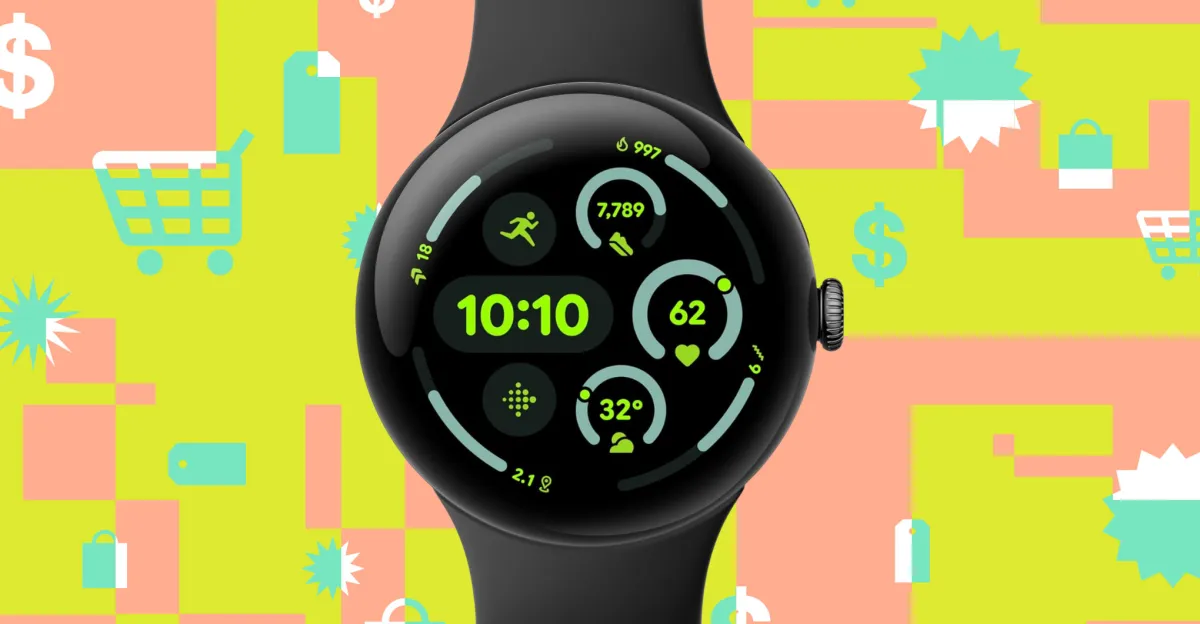
This week’s top steals: Google Pixel Watch 3 and Anker’s dual-headed USB-C cable—gear up smart!

Emerging Trends Signal Disruption in Consumer Tech Industry

In an era marked by rapid technological innovation and market disruption, companies are leveraging new hardware and software advancements to secure their footholds in a fiercely competitive landscape. Google’s Pixel Watch 3 exemplifies this shift, showcasing not only the integration of Wear OS 6 with revolutionary AI features but also emphasizing the importance of health-centric wearables in the evolving ecosystem of Android devices. As Victoria Song highlights in her recent review, the watch’s extended battery life, seamless integration with Pixel devices, and multi-functional capabilities—including remote Google TV control and offline navigation—highlight how Google is positioning itself to challenge established players like Samsung and Apple.

Beyond smartwatches, accessory innovators such as Anker and Microsoft are driving disruption in the accessory and gaming markets. Anker’s new 2-in-1 USB-C cable restructures charging logistics, allowing consumers to charge multiple devices simultaneously with peak power throughput when paired with a 140W adapter, such as Apple’s latest offering. This move not only signifies a technological leap but also signals a shift towards more efficient, space-saving… device management—crucial in a market where productivity and convenience are paramount. Meanwhile, Microsoft’s Xbox Wireless Controller, now retailing at record lows, underscores how timeless hardware design—founded on user comfort and durability—continues to influence the gaming industry.

Implications for Business and Industry Leaders

These innovations are emblematic of a broader industry trend that favors disruption over tradition. Tech giants and startups alike recognize that differentiation now hinges on integrated ecosystems. For instance, Google’s push into AI-powered health tracking and software-driven updates reflect an understanding that continuous innovation is essential for maintaining competitive advantage. Analysts from Gartner suggest the wearables and accessories markets could see compound annual growth exceeding 20% over the next five years, driven by consumer desire for smarter, more interconnected devices.

Such market shifts compel established companies to reevaluate their strategies, while new entrants capitalize on niche innovations. The business implications are profound, including heightened patent activity, strategic acquisitions, and a focus on AI-driven feature development. As industry leaders like Elon Musk and Peter Thiel emphasize, disruption in technology not only challenges the status quo but also creates enormous opportunities for those who can harness these innovations swiftly and effectively. Competition will intensify, and companies must prioritize agility and strategic foresight to avoid being rendered obsolete.

Looking Forward: Seizing the Future of Tech Innovation

As we look ahead, one thing remains clear: The technological landscape is undergoing a fundamental transformation, driven by rapid advances in AI, wearable tech, and smart accessories. Industry insiders warn that failing to innovate could leave legacy companies trailing behind more agile disruptors. The convergence of hardware and software, exemplified by products like the Pixel Watch 3 and Anker’s new charging solutions, signals an era where disruptive innovations will redefine consumer expectations and redefine market winners.

For young entrepreneurs and established players alike, the challenge is to anticipate, adapt, and accelerate amidst this dynamic upheaval. In a world where technology is no longer an enabler but a core differentiator, the race for innovation is more urgent than ever, and those who capitalize on emerging trends now will shape the digital economy of tomorrow.

Jess Cartner-Morley’s November Style Picks: Smart Raincoats & Statement Trousers for the New Season

In the fast-paced world of youth fashion, high street brands are demonstrating a remarkable ability to blend luxury design with affordable prices. This phenomenon reflects a broader cultural shift—one where access to boutique-worthy style no longer depends solely on a high bank balance but is influenced heavily by social media influencers and fashion analysts. Names like Jonathan Anderson and Zac Posen are no longer confined to runway shows—they’ve jumped into the mainstream, with collections now available at retail giants like Uniqlo and Gap. For a generation eager to project style that’s both authentic and effortless, this fusion of high-end aesthetics with accessible pricing is redefining social relevance and cultural impact.

This trend is more than just about shopping; it’s shaping societal behaviors and cultural identity. The new style ethos celebrates practical elegance—from versatile, long-line coats to functional yet chic rain jackets that don’t compromise on style. Influencers like fashion theorists and style icons emphasize that today’s youth are seeking personal expression through wardrobe choices that are both stylish and pragmatic. Take, for example, the scardigan, a clever mashup of scarf and cardigan that offers a statement piece perfect for layering—and social media feeds—without veering into “try-hard” territory. Meanwhile, curated accessories such as festive earrings and velvet mushrooms for Christmas trees showcase how decorative trends serve as language in a shared cultural dialogue, blending tradition with contemporary wit.

This democratization of fashion is supported by celebrity and influencer endorsements, fueling a shift that sociologists describe as cultural flattening. When high-street and designer collaborations create affordable luxury—like the JW Anderson × Uniqlo polo shirt or the Gap× Zac Posen shirts—it signals a recognition that youthful consumers demand not just affordability, but also authenticity and style. The social cachet here is undeniable: dressing well becomes a form of social capital, a means for young people to visually communicate their identity and aspirations in a competitive cultural landscape. Even the rituals of gifting, like wrapping up designer-inspired gloves or statement earrings, reinforce a collective aspiration towards personal refinement.

However, as this trend solidifies, the next big question emerges: are we witnessing a true shift in societal values, or merely a clever reinterpretation of consumerism? As affordable luxury becomes the new norm, sociologists ponder whether these style choices are markers of genuine self-expression or a new form of social conformity—where the appearance of uniqueness hinges on curated, yet accessible, branding. Is this trend paving the way for a more inclusive, expressive culture, or is it merely another chapter in the ongoing narrative of youth-driven consumerism? The answer, perhaps, lies in how future generations will continue to redefine what it means to be fashionable—and whether that fashion will eventually transcend mere appearance to influence deeper social and cultural paradigms.

Top 3 Smart Displays of 2025: Youth-Driven Picks from a Tech Enthusiast

Emerging Smart Display Market Disruption Sparks Industry Shift

The smart home ecosystem is once again at an inflection point, as major tech players intensify their push into the rapidly evolving market for smart displays and voice assistants. Though companies like Amazon and Google continue to innovate, recent developments are highlighting an industry grappling with innovation, disruption, and uncertain long-term viability. As consumers remain captivated by the promise of seamless integration and AI-powered automation, industry analysts warn that the current trajectory may fundamentally alter the landscape of connected home devices.

Amazon’s latest lineup of smart displays and speakers exemplifies ongoing efforts to disrupt traditional interfaces. The release of the Echo Show 8 (4th Gen) and the Echo Show 11 signals a strategic push to leverage AI-enhanced functionalities with a focus on user personalization and conversational interfaces. Notably, Amazon’s recent rollout of its innovative Alexa+ AI assistant—powered by generative AI—aims to fundamentally transform voice interactions. This upgrade allows the assistant to execute complex tasks and learn from user behavior, aligning with Elon Musk’s vision of AI-driven ecosystems. However, this disruption comes with significant business implications: Amazon reportedly faced losses exceeding $10 billion in 2022, largely stemming from Alexa’s challenges. Yet, the company’s resilience in continuing to introduce new devices underscores a belief that AI disruption can carve out a sustainable market trajectory.

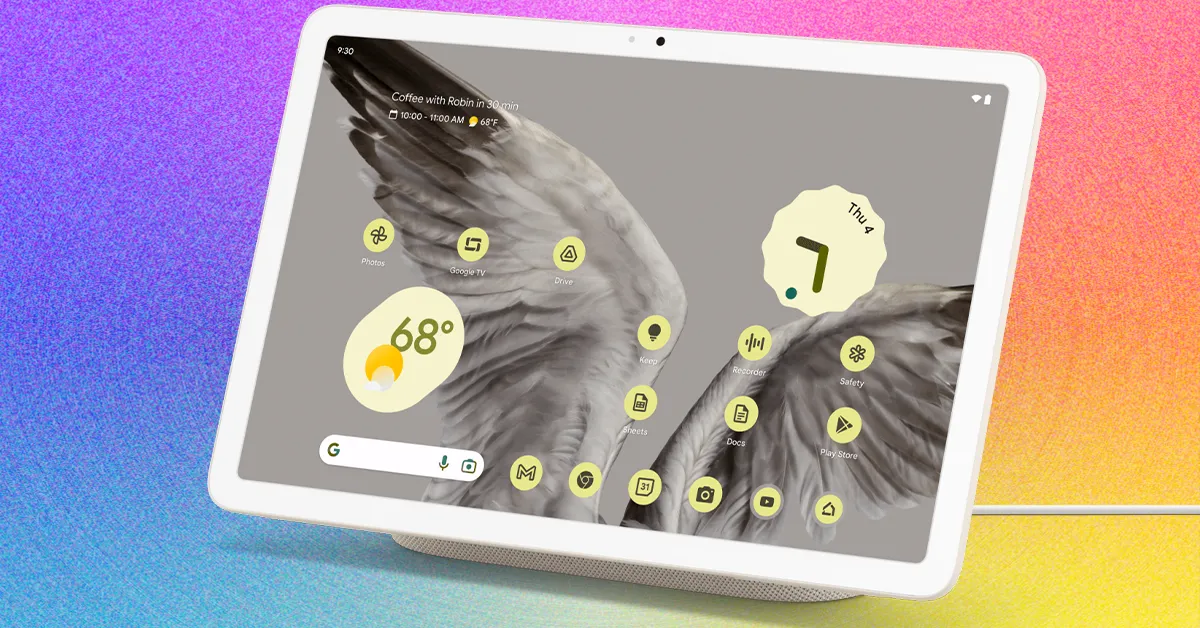
At the forefront of this disruption, Google plans to roll out its new AI assistant, Gemini, across its existing lineup—excluding the currently limited Google Pixel Tablet. This signals a strategic shift where AI innovation is expected to redefine user engagement and device capabilities. While Google has thus far avoided the smart display frenzy, industry leaders acknowledge that third-party partners are likely to fill the gaps, potentially disrupting the market with versatile, AI-enhanced devices. Gartner’s recent outlook emphasizes that when companies successfully integrate generative AI into user interfaces, the implications span beyond consumer convenience to reshape how smart home ecosystems function—what Peter Thiel refers to as “creating a new ecosystem of disruption.”

While the industry races toward innovation, certain market segments face acceleration of obsolescence or decline. Notably, the viability of current smart display forms remains under scrutiny. Meta’s discontinuation of its Portal devices and Apple’s stalled efforts into smart displays underscore a broader trend: the market may be experiencing a phase of re-evaluation and realignment. As companies experiment with new AI-powered interfaces, the industry could see a consolidation or even a phase-back, where only the most innovative, privacy-conscious devices survive—especially given recent shifts in privacy policies, such as Amazon’s removal of local voice processing in favor of cloud-based AI models. This shift leaves consumers vulnerable to increased data processing and raises concerns among privacy advocates, signaling that future devices must balance disruption with trust.

Looking ahead, the industry’s next chapter is set to define the future of connected homes. Innovators like Elon Musk and MIT’s AI labs suggest that AI-driven disruption will dominate the next decade, disrupting old paradigms and creating new markets. The question remains: can legacy players adapt swiftly enough to capitalize on the AI revolution, or will emerging startups seize the opportunity to redefine the smart display industry? As tech titans pour billions into advancing AI functionalities, one thing is clear—those who innovate aggressively and safeguard user trust will shape the future of smart homes. The clock is ticking, and the industry’s response over the coming months could determine its trajectory—either toward revolutionary disruption or continued obsolescence.

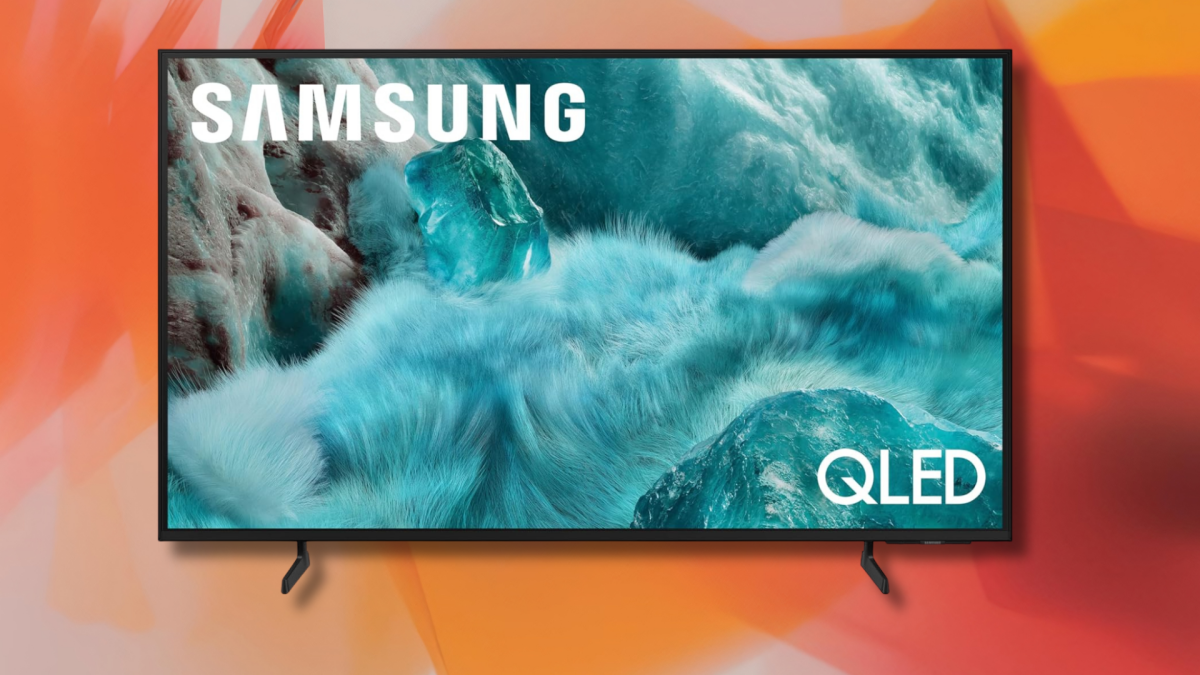
Score the Latest Samsung 65-inch AI Smart TV for Just $499.99 on Amazon—Upgrade Your Home Entertainment!

The Digital Leap: How Smart TVs Are Shaping the Next Generation’s Lifestyle

As autumn settles in and cozy nights become the new norm, the spotlight is shifting toward next-generation entertainment technology. Smart TVs—once considered a luxury—are quickly becoming an essential part of the modern lifestyle, especially among the youth. Recent sales data and market analyses reveal a surge in demand for high-end models like the Samsung Class QLED Q7F Series AI Smart TV, which now offers impressive features such as Vision AI for automatic content upscaling and vibrant visuals validated by Pantone. With prices dipping below the $500 mark—an all-time low—these devices are democratizing quality entertainment, making it accessible for younger consumers eager to upgrade their living rooms.

What makes this trend particularly significant is not just the increasing affordability but the cultural impact of the features integrated into these devices. Influencers and sociologists alike note that smart technology is becoming a social currency. Owning a TV with sophisticated AI-powered features signifies more than just viewing; it’s about being connected to a broader digital community that values clarity, vibrancy, and seamless integration. The entertainment ecosystem now extends far beyond traditional broadcast, influencing social interactions, preferences, and even fashion—think premium soundbars, interactive gaming, and streaming platforms that are reshaping leisure routines among today’s youth.

From Functional to Trendsetting

  • Top-tier features: Quantum Dot technology for billion shades of true-to-life color and AI-enhanced visuals
  • Smart capabilities: Voice control, automatic content enhancement, and integration with smart-home devices
  • Social influence: TikTok reviews, YouTube unboxings, and influencer endorsements turning these TVs into cultural phenomena
  • Price accessibility: Deals like the current Amazon sale for the Samsung QLED Q7F at just $499.99, making high-tech affordable

Industry analysts highlight that the proliferation of smart TV technology is more than a trend—it’s a cultural shift that emphasizes the importance of personal expression, technological savvy, and social connectivity. Young consumers see owning such a device as a statement: it’s not just about displaying aesthetic taste but signaling that they’re plugged into contemporary culture and technological progress. Influencers like Marques Brownlee and Justine Ezarik amplify this narrative, demonstrating how these gadgets serve as portals not only for entertainment but for identity formation among digital natives.

Looking Ahead: The Next Big Question

As technology continues to evolve at a rapid pace, the question that arises for both consumers and industry insiders is: What will be the next frontier in smart entertainment? Will our homes become fully integrated hubs of virtual and augmented realities, or will the emphasis on AI-driven visuals and connectivity redefine what it means to indulge in leisure? The current trajectory suggests that these devices are merely the beginning of a broader societal transformation—one where personalized content, social engagement, and technological immersion merge into a seamless lifestyle experience.

In essence, the rise of affordable, AI-powered smart TVs signals a future where entertainment is not just passive consumption but an active, social, and cultural act. As young generations embrace these innovations, the next big question remains: How will this shift influence our social fabric, our media consumption habits, and our very sense of identity in a digital age? It’s a conversation that’s just beginning, and one that could determine the cultural landscape of tomorrow.

Unlock Your Home’s Cash: Smart Options to Consider!

Home Equity: Exploring Cash-Out Options for Homeowners

In an era where financial flexibility is becoming increasingly crucial, homeowners are considering various ways to unlock the value of their properties. Among these methods, cashing out home equity stands out as a popular option. This practice enables homeowners to access funds for various needs while maintaining ownership of their homes. As mortgage rates remain relatively favorable, the appeal of cash-out refinancing and other financial strategies is growing.

Cash-out refinancing allows homeowners to replace their existing mortgage with a new one that has a larger principal amount. The difference between the new loan total and the old mortgage is disbursed to the homeowner in cash. This method not only provides immediate funds but can also secure a lower interest rate compared to the original mortgage, depending on market conditions. However, homeowners must be cautious, as this option increases the overall debt on the property, which may have long-term financial implications.

Another avenue for accessing home equity is through home equity lines of credit (HELOCs). Unlike cash-out refinancing, a HELOC operates more like a credit card, allowing homeowners to borrow funds as needed up to a predetermined limit. Typically, these loans offer flexibility and can be utilized for various purposes, from home renovations to debt consolidation. However, as with any borrowing option, careful consideration is necessary to ensure that the repayment structure aligns with the homeowner’s financial strategy.

In addition to cash-out refinancing and HELOCs, some homeowners may opt for home equity loans. These loans offer a lump sum amount that is paid back in fixed monthly installments, generally over a term of 5 to 15 years. Home equity loans can be particularly effective for substantial expenses, such as funding a college education or starting a business. However, homeowners need to weigh the costs associated with these loans, including fees and closing costs, against their financial goals.

While tapping into home equity can provide much-needed liquidity, it is essential for homeowners to remain vigilant about the potential risks. Increased indebtedness can lead to a higher monthly mortgage payment and may contribute to financial strain if not managed properly. Moreover, fluctuations in the real estate market can affect property values, potentially leaving homeowners with negative equity should they need to sell. Properly assessing one’s financial literacy and risk tolerance is crucial in determining the right path forward.

As the landscape of home financing continues to evolve, it is vital for homeowners, particularly younger individuals entering the housing market, to remain informed about their options. Financial decisions regarding home equity can significantly impact one’s future, making it crucial to carefully evaluate all available options, understand the implications of borrowing, and consult with financial advisors when necessary. Ultimately, the ability to tap into home equity offers powerful opportunities for those looking to enhance their financial situation, provided they approach it with diligence and forethought.

Source link

Social Media Auto Publish Powered By : XYZScripts.com