Matox News

Truth Over Trends, always!

Lidl and Iceland Ads Lead the Way in UK’s New Junk Food Crackdown—A Win for Society's Health
Lidl and Iceland Ads Lead the Way in UK’s New Junk Food Crackdown—A Win for Society’s Health

The New Era of Junk Food Advertising Restrictions in the UK and Its Societal Implications

In a landmark shift aimed at combatting the rising tide of childhood obesity, the Advertising Standards Authority (ASA) in the UK has enforced strict new regulations on the marketing of high-fat, salt, and sugar (HFSS) foods. These rules, effective since January 5th, symbolize a societal attempt to curb unhealthy dietary influences, especially on impressionable youth. However, they also reveal broader cultural tensions surrounding consumer freedoms, corporate responsibility, and the well-being of families and communities. The recent banning of ads from grocery giants Lidl and Iceland exemplifies how this regulatory change is reshaping social norms regarding marketing practices and public health priorities.

Despite these efforts, the implementation has not been smooth. Both supermarkets faced scrutiny after their digital advertising campaigns—visible on platforms like Instagram and the Daily Mail website—were found to violate the new standards. Lidl’s influencer-driven post promoting a bakery product, which included a French pastry filled with vanilla cream and chocolate chips called pain suisse, was flagged for promoting a “less healthy” food item. Meanwhile, Iceland’s digital banners advertised sweets such as Swizzels treats and Haribo Elf Surprises, categorized as HFSS and therefore banned under the new nutrient profiling model. These incidents highlight the ongoing struggles within our society to balance commercial interests with the urgent necessity of fostering healthier environments for families and children.

This regulatory push underscores how social issues extend beyond individual choices and into the fabric of community life. Sociologists like Dr. Sophia Williams argue that cultural shifts towards immediate gratification and consumerism often undermine efforts to promote long-term health. For families, especially in underprivileged communities, such marketing strategies deepen existing disparities—exposing children to constant messages that glamorize unhealthy foods. The impact on education is profound: schools and parents are increasingly burdened with counteracting these pervasive advertising messages while trying to instill healthier habits. As Dr. Martin Keller, a historian specializing in social change, notes, public health campaigns must navigate a complex landscape of social influences that are deeply embedded within popular culture and economic interests.

  • Regulatory authorities seek to limit youth exposure to HFSS food advertising to promote better health outcomes.
  • Corporations often find loopholes or interpret rules narrowly, complicating enforcement of health-focused policies.
  • Communities grapple with the moral implications of restricting marketing freedoms versus protecting vulnerable populations.
  • Families face the ongoing challenge of navigating a marketplace flooded with unhealthy options, influencing children’s ongoing dietary habits.

While the bans signify a moral victory for health advocates, they also raise questions about societal priorities and the role of free enterprise. As social commentators like Emily Sharpe warn, the battle against unhealthy advertising is not just about regulations but about reshaping cultural attitudes towards food and consumption. Schools, parents, and community organizations continue to seek innovative ways to promote nutritious lifestyles amid a landscape dominated by aggressive marketing tactics. Ultimately, these efforts reflect a society striving to protect its most vulnerable members—its children—from long-term health consequences and from becoming unwitting participants in corporate schemes that prioritize profit over well-being.

As society faces this challenge, it becomes clear that the erosion of traditional values and guidelines around health, responsibility, and community support must be addressed holistically. Society’s future depends on whether families, educators, and policymakers can foster a cultural renaissance—one rooted in empathy, responsibility, and a collective commitment to the health of generations yet to come. Like a fragile seed beneath the soil, hope persists that through unwavering resolve and principled action, society will blossom into a landscape less marred by the shadows of greed and neglect—a testament to the enduring human spirit’s capacity for transformation.
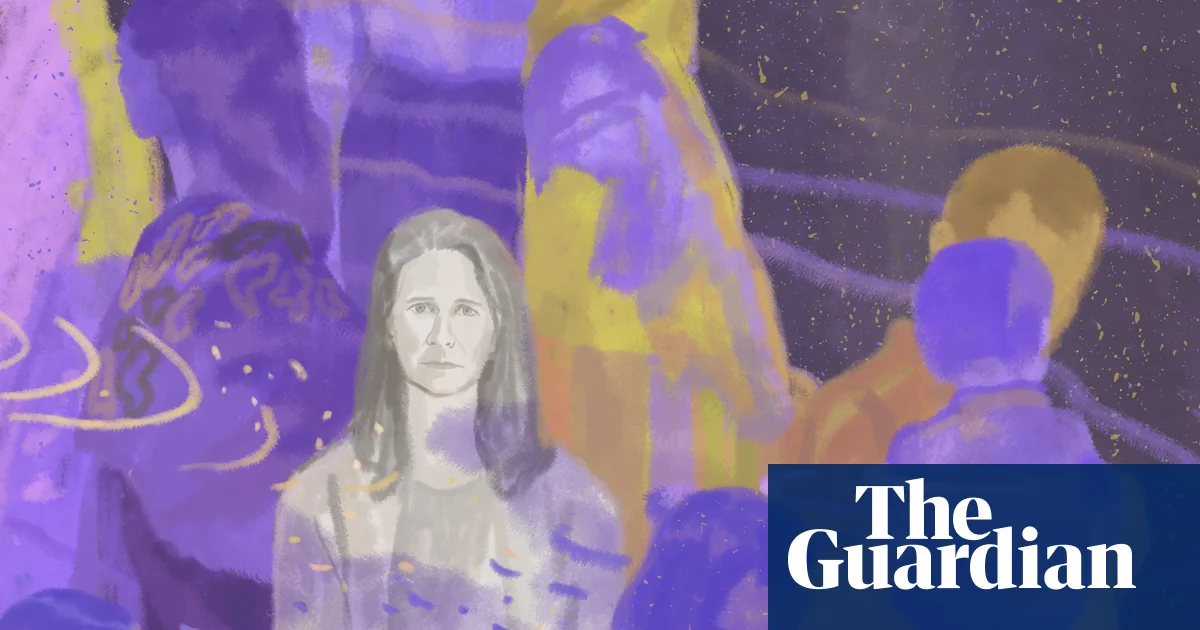

At 56, I Lost My Hearing—A Wake-Up Call on Society’s Neglect of Aging and Deafness

In a rapidly changing society, social cohesion hinges on our collective ability to bridge communication gaps that threaten to fracture communities and divide families. The story of Deborah’s experience — a woman who, at age 56, found herself grappling with sudden, profound hearing loss — illustrates a pervasive yet overlooked crisis that transcends individual hardship. Her journey underscores a crucial societal issue: despite advancements in medical technology and understanding, the barriers that prevent equitable access to hearing care persist, often fueled by a healthcare system driven more by profit than compassion. When insurance companies deny coverage for critical procedures and devices, families face not only financial ruin but also devastating social isolation, which in turn weakens the fabric of our communities.

This crisis is not isolated. According to sociologists like Dr. Susan K. Gardner, the societal consequences of untreated hearing loss are staggering — from increased loneliness to diminished participation in educational and communal activities, disrupting the very foundations upon which families and communities are built. For Deborah, the denial of her surgery and hearing aids meant months of silence, profound loneliness, and a shrinking social circle. The inability to communicate effectively with loved ones or participate fully in society erodes not only individual well-being but also the interconnected trust that sustains communities. As many as 48 million Americans are impacted by hearing loss, and yet, systemic inequities continue to silence millions more, amplifying their struggles while society turns a deaf ear to their needs.

Adding to this social adversity are cultural shifts and demographic changes that demand a reevaluation of how we approach neurodiversity, language, and accessibility. The example of Martha’s Vineyard, where generations grew up learning and signing in MVSL, demonstrates that fully integrated deaf and hearing communities are achievable. Their success stems from early cultural integration and a shared language—traits that could serve as a blueprint for broader, national inclusion. Society’s failure to adopt similar strategies leaves many deaf individuals isolated and marginalized, often unaware that solutions are possible. Policymakers and social institutions must prioritize initiatives that promote early language education, expanded insurance coverage, and the integration of AI-powered technologies—ensuring that the social fabric is woven with threads of understanding rather than strands of silence.

Ultimately, the moral imperative of society lies in recognizing that deafness is an unsolved problem of communication—one that we choose each day not to resolve. Every missed opportunity for early intervention, every denied coverage, and every societal neglect to foster inclusivity compounds the challenge. But hope remains. Through legislation that mandates coverage for hearing health, investments in innovative AI solutions, and widespread efforts to teach sign language, society can turn the tide. In doing so, we do not merely restore the ability to hear; we restore voices, relationships, and the unity of our shared humanity. As Deborah’s story demonstrates, when we commit to bridging the deaf-hearing divide, we revive the promise that every individual, regardless of their physical limitations, can participate in the symphony of society—listening, speaking, and ultimately, belonging.

Billions in SEND funding to boost school inclusivity, government vows to fairer future
Charity warns SEND reforms may weaken kids’ legal protections—challenging society’s commitment to vulnerable youth

Planned Changes to England’s SEND System Spotlight Critical Social Issues

In recent developments, the government in England announced significant reforms to the Special Educational Needs and Disabilities (SEND) system, aiming to reshape the landscape of support for children and families facing neurodiversity and other special needs. While these reforms are often framed as a necessary step toward improving educational inclusion, they unveil deeper social tensions and cultural shifts surrounding what it means to truly serve diverse learning needs. The reforms come at a time when many families rely heavily on an overstretched system that has struggled to meet the complex needs of their children, raising critical questions about equity, community inclusion, and moral responsibility within society.

Historically, the SEND system has been a battleground of social policy, as sociologists like Michael Young highlighted decades ago, emphasizing the importance of equitable access to education as a foundation for social cohesion. Today, however, the new proposals suggest a shift towards more localized control and a focus on streamlining services. While this might address some administrative inefficiencies, critics warn that such decentralization risks deepening disparities among communities in socio-economic and cultural terms, potentially leaving the most vulnerable without the necessary support. The impact on families is profound: increased bureaucratic hurdles can exacerbate anxiety, as parents are often left navigating complex systems, risking their children’s educational and social inclusion.

Underlying the policy shift is a broader cultural debate about how society values neurodiverse individuals and what constitutes a fair and compassionate community. Some social commentators argue that the reforms may inadvertently reinforce misconceptions, framing disability as an issue to be managed within a fragmented system rather than as part of a collective moral obligation to embrace and serve all members of society. In this landscape, schools, local authorities, and families are interconnected; changes here could determine whether children with SEND experience a genuine sense of belonging or remain on society’s fringes. Furthermore, the education sector faces the challenge of balancing resource limitations with the moral imperative to foster inclusive environments, a concern articulated by sociologist David Matza, who emphasized that the social acceptance of difference is foundational to social stability.

  1. Challenges include inconsistent access to specialist support, disparities based on geography or socioeconomic background, and the risk of marginalization for those with complex needs.
  2. Proposed solutions focus on strengthening local authority budgets, integrating community resources, and enhancing specialist training for school staff.
  3. Yet, critics argue that without broader societal change—such as tackling inequality and stigma—these measures are insufficient to create genuine inclusion on their own.

Ultimately, the question remains: how can society reconcile its promise of justice and equality with the reality of limited resources and cultural biases?’ In an era increasingly defined by identity, diversity, and social justice discourse, the future of the SEND system may serve as a mirror reflecting society’s core values. As communities stand at this crossroads, the hope lies in fostering a shared moral perspective—where the dignity of every child is non-negotiable, and support for families becomes a societal priority rather than an afterthought. It is in this collective effort that society may find its true strength, transforming these challenges into opportunities for a more inclusive, compassionate future—one in which every child is given the education not just to survive, but to thrive.

Trump chaos pushing more youth to seek help — society’s in flux

Across families, schools, and communities, the pervasive impact of burgeoning social and political crises cannot be overstated. As sociologists like Ann Cvetkovich and mental health professionals observe, a palpable wave of political depression is emerging, where individuals grapple not only with external chaos but also with internal despair. For many, this despair manifests as a feeling of helplessness, compounded by the notion that traditional avenues of resistance or engagement are effectively collapsing. The result is a societal disconnect that threatens to weaken the very fabric that holds communities together, undermining the hope and resilience needed to face ongoing economic disparities, cultural tensions, and government overreach.

For families and youth, these social fissures translate into a disorienting landscape where uncertainty reigns. With education systems often caught between progressive agendas and conservative backlash, young minds are left navigating a complex, often divisive moral terrain. Historians like Howard Zinn warned that societal malaise grows when civic engagement declines, and today, that warning resonates more acutely. Families report rising anxiety and frustration, with children witnessing unrest at home and in their neighborhoods. Additional stressors, such as rising crime, politicized schooling, and pervasive misinformation, threaten long-term societal stability. Amidst this chaos, the moral challenge looms: how can communities support a generation at risk of growing disillusioned and disengaged? The answer appears to lie in reclaiming community bonds and fostering a renewed sense of agency among young people.

Educational and community leaders emphasize the importance of building resilience through collective action. Initiatives like community support groups, youth activism, and artistic collaborations offer pathways for young individuals to channel their emotions into constructive endeavors. As social commentators argue, these efforts are more than just symbolic—they can forge meaningful change and rekindle faith in democratic participation. Furthermore, mental health professionals advocate for strategies that promote *engagement without burnout*, emphasizing the necessity to mobilize consciousness with care. According to Brett Ford, an associate professor of psychology, social resilience depends on maintaining a balance where individuals are informed and active, yet protected from the debilitating effects of chronic stress. The challenge lies in creating environments where young voices are not only heard but empowered to shape their societies rather than retreat from them.

Ultimately, the social issues facing our communities, families, and institutions are intertwined with broader cultural shifts and demographic transformations. Yet, amidst the turbulence, there remains a flicker of hope—through community, art, and active engagement. The stories of individuals like Rebecca McFaul and advocates like Shahem Maclaurin remind us that resistance does not always look like protests or headlines; it begins with the small acts of hope we nurture within our circles. As society stands at a crossroads, the challenge is to hold onto the belief that society’s collapse is not inevitable—that through conscious connection, education, and mutual support, a renaissance of resilience is possible. It is in our collective response to these societal wounds that we find the potential to heal, rebuild, and redefine the future—one where hope becomes the foundation for lasting change, echoing the timeless truth that even in darkness, the human spirit can ignite a brighter dawn.

Private schools lose fight against VAT hikes, fueling debate on society's priorities
Private schools lose fight against VAT hikes, fueling debate on society’s priorities

Private Schools’ Challenge to VAT Removal Sparks Broader Social Debate

In recent developments, a coalition of low-fee private schools has actively contested the government’s decision to eliminate the VAT exemption previously granted to them. This move not only affects the financial sustainability of these institutions but also underscores the larger societal debates surrounding access to quality education and the widening economic divide within communities. As education remains a fundamental pillar of societal progress, the repercussions of policy decisions resonate beyond school walls, impacting families and shaping communities’ futures.

The removal of VAT exemption has ignited protests and legal challenges from private school advocates who argue that it threatens the affordability of education for many families. These schools, often providing an alternative to overstretched public education systems, serve a significant demographic that relies on manageable tuition fees. By imposing VAT, critics contend that the government risks exacerbating inequalities within society, especially for lower-income families who see private schooling as a crucial pathway for social mobility. Sociologist Dr. Laura Higgins emphasizes that such policies directly influence families’ access to education, ultimately affecting children’s prospects and social integration.

Historically, education has been viewed as a cornerstone of social cohesion, yet policy decisions like these *can threaten the fabric of community life if they favor those with more economic privilege*. From a social perspective, the challenge lies in balancing fiscal responsibility with ethical imperatives to foster equity and opportunity. The debate also raises questions about how societal values are reflected in policy. According to social critic Matthew Crowley, an increase in the cost of private education risks creating a divided society where the social mobility of lower-income families is compromised, with long-term ramifications for community stability and cohesion.

As the controversy unfolds, policymakers face the difficult task of considering the broader social consequences of their decisions. Advocates for inclusive education argue that public resources should be directed towards strengthening state institutions, yet they acknowledge that a diverse educational landscape can promote healthy competition and innovation. This dilemma touches on fundamental social issues—how societies value education, how they address inequality, and how they uphold the human dignity of all children. If the current trajectory continues, families may find themselves caught in a cycle of escalating costs and limited opportunities—undermining the very ideals of a fair and just society.

In reflecting on these social tensions, one is reminded of the words of societal reformer George Bernard Shaw, who once said, “Progress is impossible without change, and those who cannot change their minds cannot change anything.” As communities grapple with the challenge of ensuring equitable access to education, there is a vital hope that society can adapt—creating policies rooted in human rights, moral responsibility, and community solidarity. The path forward demands dialogue, compassion, and a relentless commitment to the transformative power of education—not just for individual success, but for the moral fabric of our society. Only then can society truly stand resilient against the forces that threaten to divide us, guiding future generations toward a shared destiny of opportunity and hope.

Teacher stabbed by student: From educators to security, society’s slipping?

In recent discussions surrounding school safety and community well-being, a notable statement from a former Ysgol Dyffryn Aman educator has reignited debates about the appropriate roles of school staff and the overarching approach to maintaining security within educational institutions. The educator emphasized that staff are not security guards, arguing that equipping teachers and administrative personnel with handheld scanners or similar security devices would be ineffective in addressing broader social issues. Rather, the emphasis must rest on understanding the societal challenges that influence school environments, impacting families, education, and entire communities.

Historically, schools have been more than centers for academic learning; they are a mirror and a microcosm of societal health. As Dr. Mary Louise Pratt, a prominent social historian, notes, schools reflect the social fabric of their communities, inclusive or fractured. When societal tensions—such as increasing youth violence, economic disparities, or cultural divides—pervade neighborhoods, they inevitably seep into classrooms, challenging educators’ capacity to foster safe learning spaces. In this context, the idea that simply installing handheld scanners or security measures can resolve the complex web of social issues is both naive and superficial. This approach risks turning dedicated teachers into de facto security personnel, diluting their core role of cultivating knowledge and moral development.

Social commentators warn that overemphasizing security without addressing root causes of social unrest can further alienate communities and undermine the moral authority of educational institutions. Challenges such as

  • rising youth unemployment
  • family breakdowns
  • disenfranchisement

contribute to environments where violence and unrest flourish. These issues are deeply embedded in the demographic shifts experienced over recent decades, changing the fabric of local populations and hampering efforts to create cohesive, supportive school communities. The adoption of security-centric policies, without supportive social programs, risks alienating marginalized youth, who already face systemic obstacles.

In light of these complexities, it becomes clear that the real challenge lies in fostering resilient, inclusive communities. Schools need resources that extend beyond surveillance equipment—investment in mentoring programs, mental health services, and family support initiatives is vital. Sociologists like Michael W. Ross have argued that by empowering communities and creating care-centered environments, society can turn schools from battlegrounds into havens of hope. According to Professor Heather Macdonald, an expert in social dynamics, genuine change requires integrated efforts that recognize educational success is inseparable from societal stability.

As society stands at a crossroads, the dialogue should shift from viewing social issues as problems to be policed, toward recognizing them as challenges to be understood and addressed holistically. Families, educators, and community leaders must unite in confronting the underlying issues that threaten the fabric of our society. Only then can schools reclaim their true purpose: nurturing well-rounded individuals prepared not just to excel academically, but to contribute positively to their communities. Through this lens, the future of society hinges on our collective ability to transform societal struggles into opportunities for renewal, ensuring that every child’s right to a safe, supportive, and enriching educational environment is truly realized.

Peppa Pig’s hearing loss story could help end society’s stigma on disabilities

Social Dynamics in Education: Embracing Diversity and Inclusion

In recent developments within the realm of special education, the leadership at a school serving the deaf community has emphasized initiatives aimed at fostering greater inclusion and social integration. The head teacher highlighted that certain episodes or activities are designed to help deaf children “not feel so different,” underlining a vital societal shift towards recognizing the importance of empathy, acceptance, and community cohesion. This focus underscores the fundamental understanding that social inclusion within educational settings not only benefits students’ individual development but alsoRipples across families and broader communities, impacting perceptions of diversity.

However, the pursuit of genuine inclusion often exposes the persistent challenges that families and communities face in bridging communication gaps and breaking down societal barriers. Social commentators and sociologists such as Dr. Mariana Ruiz suggest that when schools actively work to diminish feelings of marginalization among students with disabilities, they foster environments where every child can thrive. Nonetheless, such efforts often require significant resource investment, comprehensive training, and cultural sensitivity—elements that are not always adequately addressed. Therefore, the journey towards true inclusion demands a societal commitment to re-evaluate how educational institutions and public services recognize and support the diverse needs of their communities.

Moreover, these initiatives impact not only the students but also ripple into familial structures. The parents of deaf children frequently face social stigmas, misunderstandings, and a lack of adequate support systems. As noted by historian Dr. Robert Clarkson, historical narratives often marginalized deaf culture and undervalued the importance of linguistic and cultural identity. Today, however, a growing recognition of the cultural significance of deafness and sign language is fostering a paradigm shift—one that values differences as strengths rather than deficits. This shift is critical for helping families feel more connected and supported, aspiring towards a society where every family’s story is recognized as an integral thread in the social fabric.

In contemplating these social transformations, it becomes clear that the challenge lies in addressing the structural inequalities and cultural biases that still pervade many aspects of society.

  • Implementing inclusive curricula that validate multiple ways of learning and communicating
  • Training educators to be culturally competent and sensitive to diverse needs
  • Expanding community outreach programs to foster understanding and acceptance
  • Developing policies that ensure equitable access to resources for marginalized groups

These initiatives are essential stepping stones toward creating a society where diversity is celebrated and all children can genuinely feel they belong.

As society continues to grapple with complex issues of identity, communication, and belonging, the enduring question remains: how do we build a collective future where social acceptance replaces exclusion? In the quiet resilience of children learning to navigate their worlds and in the dedicated efforts of educators seeking inclusivity, there lies a spark of hope. Society’s capacity to transform itself—embracing cultural shifts and addressing social tensions—might ultimately forge communities where every voice is heard, and every child’s potential is realized. The dawn of such a future beckons, urging us to reflect on our shared responsibility: to craft a society that values not just tolerance, but genuine understanding and unity.

Are We Overdiagnosing Mental Illness? A Doctor Speaks Out on Society’s Labels

Recent reflections from a general practitioner highlight a societal crisis that transcends individual suffering: the expanding epidemic of mental health issues among populations worldwide. The toxic blend of cultural shifts, diagnostic overreach, and an increasingly mechanized healthcare model has woven a complex tapestry that deeply impacts families, education, and communities. Studies reveal that in the UK alone, two-thirds of youth report experiencing some form of mental disorder, a statistic that alarmingly illustrates a demographic in distress. This surge not only strains mental health services but also endangers the fabric of daily life—rupturing familial bonds, destabilizing classrooms, and fostering social alienation.

The core challenge lies in how society conceptualizes mental health. The proliferation of diagnostic tools like the DSM and ICD over recent decades, while useful in clinical contexts, has contributed to a pathologization of everyday human experiences. As sociologists critique, these models often impose rigid “constellations” of symptoms—**labels** that may not capture the fluid, interconnected nature of individual mental states. This tendency toward overdiagnosis and the widespread belief that internal suffering is predestined by biochemical imbalances risk reducing complex human emotions to mere categories, with significant moral and human costs. Instead, insights from cultural anthropologists suggest that different societies interpret mental distress through diverse, often more holistic lenses, emphasizing community, spirituality, and personal resilience rather than solely medicalized diagnoses.

Amidst this landscape, the role of medical practitioners emerges as both vital and challenging. The narrative of the healthcare system shifting towards protocol-driven, depersonalized care draws concern from clinicians and social observers alike. The contrast between compassionate, nuanced engagement—what Dr. M. describes as “the doctor as the drug”—and the cold prescribing practices of clinicians like Dr. Q exemplifies a broader societal drift towards efficiency at the expense of empathy. This approach risks turning mental health treatment into a series of checklist tasks rather than a process of healing rooted in understanding and human connection, which sociologists argue is essential for societies seeking to foster resilience and community cohesion.

Looking ahead, many voices in the medical and social sciences advocate for a shift from rigid labels toward a recognition of human diversity in mental experience. Philosopher and psychoanalyst Clarissa Pinkola Estés vividly describes the richness of human psychological states—“feeling powerless,” “feeling uncreative,” or “feeling stuck”—as part of the authentic human condition. The challenge involves cultivating a culture less fixated on categorization and more attentive to *each person’s unique narrative*. Societies that embrace this perspective—highlighted by figures like Shekhar Saxena—see mental health less as fate and more as a contextual, dynamic flow. Only through compassion, humility, and humility can communities foster environments where individuals can reweave their mental landscapes—transforming suffering from a sentence into an opportunity for growth.

As society stands at this crossroads, the hope is that greater understanding, less rigid classifications, and renewed compassion will empower families and communities to become safe havens of healing. The journey towards a society that recognizes mental health as part of the human tapestry—not a malfunction to be fixed but a natural variation—requires us to listen deeply, act kindly, and believe in the possibility of transformation. For, in the depths of society’s flaws and fractures, lies the enduring truth that even broken threads can be rewoven into something stronger, brighter, and more resilient—if only we dare to see beyond the labels and embrace the human story behind every mind.

House of Lords Approves Phone Ban in Schools, Putting Society’s Discipline First

In recent weeks, the UK Parliament has taken a significant step towards safeguarding the mental and social well-being of its youth by supporting legislation aimed at banning social media usage for under-16s. This legislative move highlights growing concerns among parents, educators, and social commentators regarding the impact of digital platforms on families, education, and broad community cohesion. Critics argue that social media, while a tool for connection, often contributes to increased anxiety, cyberbullying, and distorted perceptions of reality—particularly for impressionable adolescents who are still navigating the complex landscape of identity and self-esteem.

Historically, social critics and sociologists have warned about the destabilizing effects of rapid technological change. Influential figures like Neil Postman emphasized how media shape societal values and moral frameworks, warning that excessive exposure to digital environments could erode traditional community bonds and intergenerational understanding. Today, many argue that the pervasive influence of social media during formative years is undermining the ethical fabric of families and the stability of educational environments. Schools report incidents of cyberbullying, social isolation, and mental health crises that are increasingly linked to online activity, prompting calls for tighter regulation to restore order and safety within the social fabric.

The legislative response reflects a broader recognition of social issues that transcend individual behavior—highlighting how demographic shifts and cultural tensions are reshaping societal norms. Historically, each era of technological innovation has challenged existing social structures. The current digital revolution, however, appears to be accelerating these changes at a pace that leaves many struggling to adapt. Critics voice concerns that unchecked social media use fosters a culture of instant gratification and impairs families’ ability to provide moral guidance. This phenomenon risks creating generations of young people with fragmented social identities, increasingly disconnected from their community roots and shared cultural values.

  • Strengthening family bonds through responsible digital use remains a societal priority.
  • Schools are adopting comprehensive digital literacy programs to equip students with critical skills for navigating online environments.
  • Community organizations are calling for greater parental involvement and oversight in children’s digital lives.

In this landscape of rapid change, social commentators emphasize the importance of restoring balance—recognizing that the social health of a nation depends on empowered, connected communities grounded in shared values and moral integrity. As historian Yuval Noah Harari and others have observed, society’s moral compass is often challenged during times of technological upheaval. It is essential to foster environments where families feel supported and where education reinforces the ethical imperatives necessary for building resilient communities. Efforts to regulate social media for minors reflect an acknowledgment that societal well-being is intertwined with the ethical development of its youngest members.

Ultimately, society stands at a crossroads. The path we choose will determine whether future generations inherit a fractured, digitally-saturated world or a resilient, morally grounded community capable of withstanding the turbulence of the modern age. As communities rally around safeguarding their cultural and social ideals, the hope remains that through thoughtful legislation and renewed family engagement, society can forge a future where technology serves as a tool for connection rather than division—reminding us all that the true strength of any society lies in its capacity to nurture hope, foster responsibility, and uphold shared human dignity.

Experts warn missed diagnoses of treatable male infertility are driving avoidable IVF use, harming society’s future.

The Hidden Crisis of Male Infertility: A Society Overlooking a Critical Social Issue

In recent years, national health initiatives have begun to shine a light on male health issues, but the problem of male infertility remains disturbingly under-researched and misunderstood. Despite men contributing to 50% of all infertility cases, families, educators, and communities alike are failing to recognize the significance of this silent crisis. Societies that neglect this aspect of reproductive health risk losing a pillar of their social fabric—families and the future generations they aspire to nurture. According to experts like Vaibhav Modgil, an honorary clinical professor and consultant urological surgeon, the ignorance surrounding male infertility is not just a medical issue but a social dilemma rooted in inadequate funding, misperceptions, and systemic neglect.

The lack of comprehensive education and public awareness translates into tangible hardships for families. When couples face infertility, women often become the focus of testing and treatment, while men are left without basic diagnostics or knowledge about how lifestyle factors—such as heat exposure, smoking, or poor diet—damage sperm quality. As Dr. Michael Carroll notes, the societal tendency to view fertility as exclusively a woman’s concern perpetuates outdated stereotypes and leaves men’s health issues in the shadows. This imbalance not only hampers effective treatment but also inflicts mental trauma on men who grapple with feelings of inadequacy or societal stigma—wounds that can run deep and affect community cohesion and individual well-being.

Efforts by public health officials to address this issue are emerging, with the recent publication of a Men’s Health Strategy that promises to catalyze change. However, critics argue that policy gaps and insufficient funding keep the problem entrenched. The National Institute for Health and Care Excellence is updating guidelines to recommend more extensive testing for men, but much more is needed. As social commentators have observed, the true challenge lies in shifting cultural perceptions—expecting society to acknowledge that men’s health matters equally and to confront the stereotypes that hinder access to care. Without a comprehensive approach that includes education, medical research, and community awareness, the cycle will persist, and families will continue to bear the emotional and financial costs of infertility.

Recognizing that health disparities affect entire communities, many argue for an urgent cultural transformation. As studies reflect, 80.6% of GPs have received no formal education on male fertility, and 97% cannot accurately examine for varicocele—yet, these are simple, treatable conditions within reach if adequate resources and awareness are in place. Reformative action would not only improve individual outcomes but also serve the broader societal goal of strengthening the family’s foundation. The societal narrative must evolve from viewing fertility solely as a woman’s issue to understanding it as a shared responsibility and societal concern—one that cuts directly into the moral fabric of community life, impacting young families’ hopes and futures. Hope lies in our collective will to understand, educate, and innovate; society’s strength will be measured by how effectively it supports its most vulnerable members both morally and practically, nurturing families rather than neglecting them in silence.

Social Media Auto Publish Powered By : XYZScripts.com