Matox News

Truth Over Trends, always!

SoftBank’s $40B Boost: Signs Point to an OpenAI 2026 IPO Breakthrough

SoftBank Executes $40 Billion Loan to Accelerate AI Investment Strategy

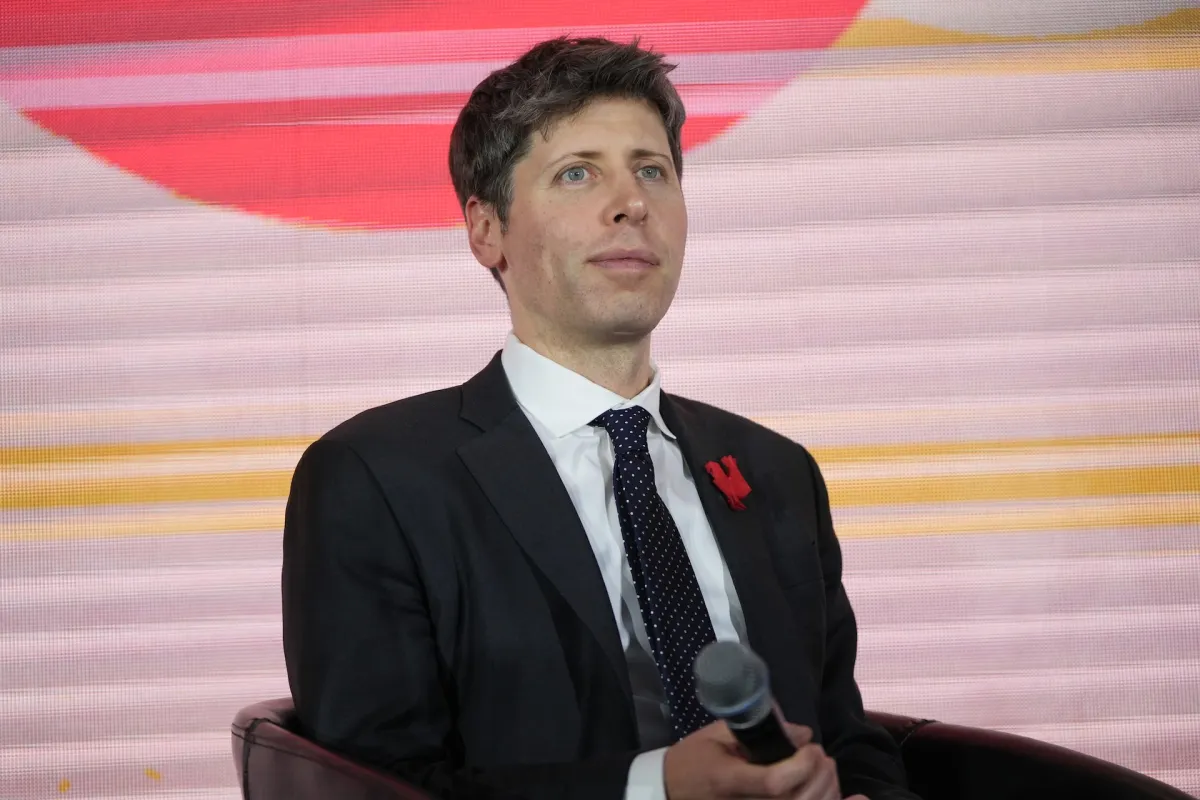
In a bold move that underscores the transformative power of artificial intelligence (AI), SoftBank has secured a $40 billion loan, a strategic financial maneuver designed to propel its substantial $30 billion commitment to OpenAI. This infusion of capital positions SoftBank at the forefront of a disruptive AI sector that is poised to redefine the tech landscape and accelerate market shifts. The funding announcement comes amidst record-breaking private funding rounds for OpenAI, which recently raised an unprecedented $110 billion, signaling investor confidence in the AI giant’s revolutionary potential.

What makes this development especially significant is the context of an impending Initial Public Offering (IPO) for OpenAI. Industry observers, including Gartner analysts and MIT AI researchers, suggest that the IPO could become one of the largest technology listings in history. Such a move would unlock vast liquidity, enabling SoftBank to rapidly settle its extensive debt and reinforce its position as a dominant player in AI innovation. With over $60 billion already invested in OpenAI, SoftBank’s strategic gamble highlights a clear recognition of AI’s game-changing implications for future enterprise paradigms. As Elon Musk and Peter Thiel have emphasized, the next waves of technological disruption will center around AI-driven platforms and infrastructure, making SoftBank’s aggressive investments a clear marker of industry direction.

The implications for the broader tech ecosystem are significant. As SoftBank channels unprecedented levels of capital into AI development, a paradigm shift is underway—where innovation accelerates at a pace that most traditional firms cannot match. Market shifts toward automation, intelligent agents, and autonomous systems are becoming inevitable, prompting both caution and opportunity for young entrepreneurs and established incumbents. Moreover, this infusion of capital underscores a broader trend: AI’s potential to unlock new business models and reshape entire sectors, from finance to healthcare. The disruptive force of AI, championed by visionaries like Musk, is challenging existing regulatory frameworks and standards, demanding a new wave of forward-thinking leadership to navigate the rapidly evolving landscape.

Conclusively, this aggressive investment signals a battle for AI supremacy that is only intensifying. As firms like SoftBank position themselves to capitalize on this revolutionary wave, the urgency for innovative agility and strategic foresight becomes clear. The industry’s trajectory suggests that those who harness disruptive AI breakthroughs earliest will dictate the future of global tech dominance. Stakeholders across the startup ecosystem, corporate giants, and policy arenas must recognize that the race for AI leadership is accelerating — and delaying could mean falling behind in the defining economic transformation of the 21st century. With ongoing developments in AI, distributed computing, and next-generation hardware, the next decade promises to be a high-stakes battleground—where winners will shape the world economy for generations.

SoftBank’s Nvidia move sparks market buzz and questions linger

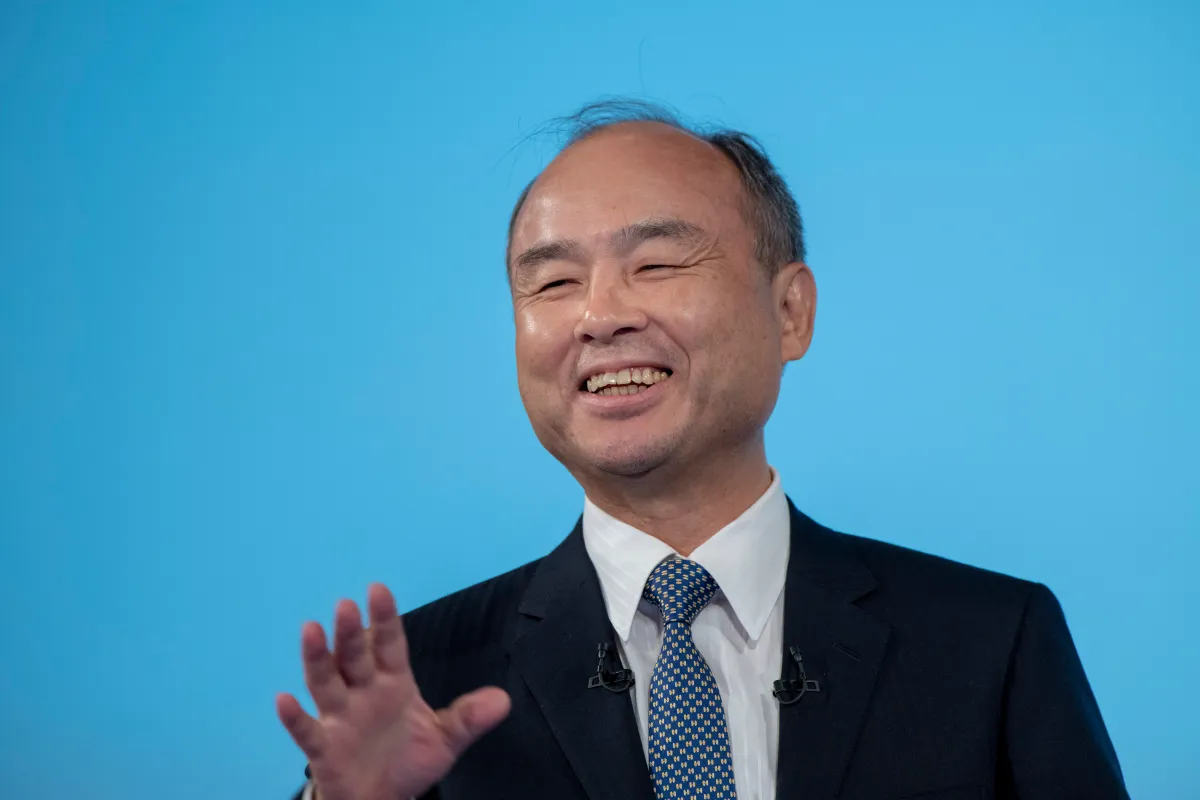
SoftBank’s Masayoshi Son Makes Bold Move into AI, Signaling Industry Shift

In a move that underscores the relentless pursuit of disruption and innovation, Masayoshi Son, founder of SoftBank, has liquidated his entire $5.8 billion stake in Nvidia, a leader in artificial intelligence hardware, to fully commit to AI-focused investments. This aggressive repositioning highlights the growing strategic importance of AI technology as the key driver of future market dominance. Son’s reputation for high-stakes decision-making, coupled with his history of market upheavals, positions this shift as a pivotal moment for investors looking to capitalize on AI’s potential to reshape industries.

Son’s commitment aligns with broader industry trends identified by institutions like Gartner, which forecasts AI as a multi-trillion-dollar sector poised to disrupt everything from finance to manufacturing. By reallocating his capital—once heavily tied to tech giants like Nvidia—Son is sending a clear signal that the future belongs to AI-driven business models. This move could propel SoftBank into an even more dominant position within the AI ecosystem, challenging traditional tech giants and paving the way for startups and emergent platforms to flourish. Industry analysts suggest that such a decisive refocus on AI-driven ventures might accelerate the pace of innovation and create new market leaders across multiple sectors.

Historical Context and Business Asymmetry

Son’s history of high-risk, high-reward bets has often set the stage for industry disruption. During the late 1990s dot-com bubble, he saw his net worth soar to $78 billion, only to be decimated when the bubble burst, wiping out $70 billion overnight. Despite this turmoil, Son’s legendary investment in Alibaba—made after a brief meeting with Jack Ma—turned into one of the most lucrative tech bets ever, fueling his comeback and cementing his reputation as a visionary investor. His early faith in Alibaba’s potential rewrote the narrative for Asian tech firms and demonstrated how bold bets could yield industry-shifting results.

While some have criticized Son’s willingness to stay long at the table, his pattern of daring investments, such as his backing of WeWork and Uber, reflects a penchant for embracing ambitious visions, even amid turmoil. These moves often highlight the *industry’s* tendency toward over optimism and hype cycles, but they also showcase Son’s ability to challenge conventional wisdom and amplify funding for innovation. His latest focus on AI may be part of another strategic gamble to sustain his legacy as a disruptor capable of riding the next wave of technology revolutions.

Implications for Investors and Industry Dynamics

The bold reallocation demonstrates that industry landscape is ripe for a paradigm shift driven by AI. As Elon Musk and Peter Thiel warn, *the next decade could redefine economic power — with AI at the core*. With SoftBank’s pivot, the foundational question becomes: which players will capture the value in this transformation? Companies that harness AI’s capacity for automation, predictive analytics, and autonomous systems will likely emerge as net winners, while traditional firms lagging behind risk obsolescence.

  • Increased investment in AI startups and infrastructure
  • Emergence of new business models driven by intelligent automation
  • Potential for market consolidation around AI pioneers
  • Regulatory and ethical challenges accompanying rapid technological advances

Looking forward, the technological and business implications of Son’s move emphasize an urgent need for firms, entrepreneurs, and investors to adapt swiftly. As AI continues to accelerate, those who fail to recognize its transformative potential risk becoming irrelevant in a universe where innovation and disruption are the only constants. Son’s aggressive stance reminds us that in the realm of breakthrough technology, it’s often the boldest bets that define the future.

Social Media Auto Publish Powered By : XYZScripts.com


