Matox News

Truth Over Trends, always!

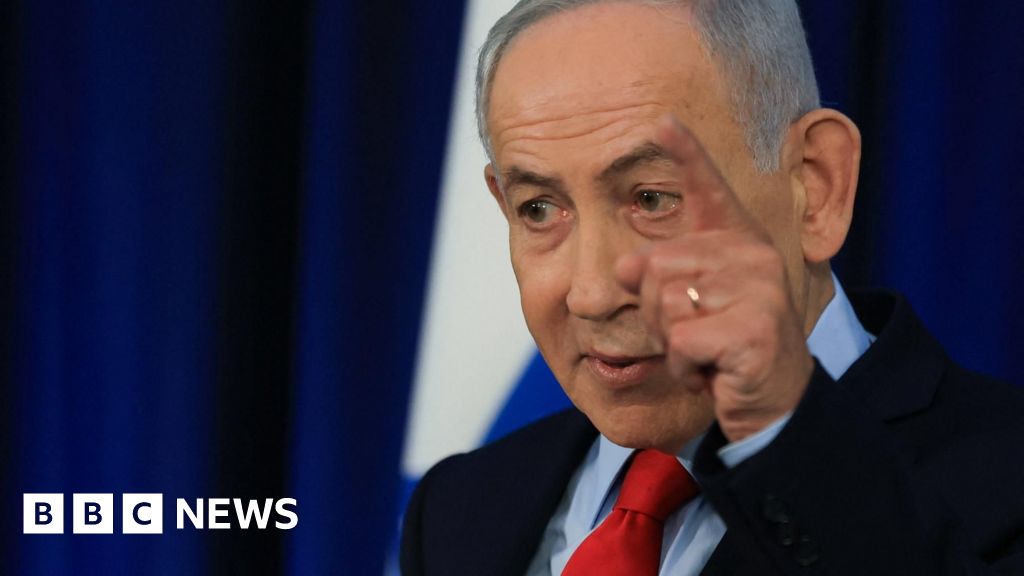
Netanyahu asserts Israel 'acted solo' in strike on Iranian gas facility
Netanyahu asserts Israel ‘acted solo’ in strike on Iranian gas facility

Recent developments in the Middle East have sent shockwaves through global energy markets, with gas prices surging as geopolitical tensions escalate in the region. An unexpected attack by Iran on Qatar has triggered a sharp increase in energy costs, reflecting not only the immediate conflict but also underlying fears of regional instability. This event highlights the profound impact of geopolitical shifts on international energy supplies, reminding nations that their economic resilience is deeply intertwined with the volatile politics of the Middle East.

In response to the attack, market benchmarks such as the UK gas prices briefly peaked at nearly 183p per therm on Thursday. Although prices have since pulled back slightly to 154.8p—a still significant 11.3% increase from the previous day—this volatility underscores broader concerns about supply disruptions. European gas prices have similarly surged by more than 10%. Such movements are not merely numbers on a screen; they translate into increased heating and manufacturing costs, influencing millions of households and businesses across the continent. Analysts warn that continued instability could push prices even higher, exacerbating economic strain on societies already grappling with inflation and energy shortages.

International organizations and regional powers are now grappling with the geopolitical fallout. The United Nations has expressed concern over the escalation, emphasizing the need for diplomatic resolution to prevent further destabilization. Meanwhile, analysts suggest that Iran’s strategic attack on Qatar—an important regional player and US ally— marks a shift in the regional balance of power. Historically, such conflicts have ripple effects, influencing not just immediate trade but also long-term alliances and energy routes. Institutions like the International Energy Agency (IEA) are warning of the potential for protracted supply disruptions, which could lead to a global energy crisis if the situation deteriorates.

The geopolitical impact of this incident extends beyond energy markets. It exposes the fragility of international diplomacy in a highly competitive, often unpredictable Middle East. This conflict, while localized at the moment, carries the potential to escalate into a larger regional or even global confrontation. According to renowned geopolitical analyst Dr. Emily Carter, “The attack on Qatar underscores the danger of destabilization in energy-rich regions, where even a single event can have cascading effects on global security and economic stability.” For youth and future generations, these developments serve as stark reminders of the precarious balance of power and the importance of strategic foresight in international relations.

As the world watches an uncertain future unfold, the weight of history presses heavily upon the unfolding events. The decisions made today—whether diplomatic, military, or economic—will define the course of regional peace and global stability for years to come. The crossroads are clear: an era of unpredictable conflicts shaping the fate of nations or a renewed commitment to diplomacy and stability. The choice is ours, but history is watching, and the pages of tomorrow remain unwritten.

7 Killer Horror Films That’ll Make You Glad You’re Flying Solo

Horror Movies: The Unexpected Cultural Statement for Today’s Single Youth

In a world driven by relentless streaming and cultural shifts, a fascinating redefinition of horror has emerged—one that resonates particularly with America’s single and youthful demographic. Traditionally, horror has been the domain of monsters, supernatural scares, and post-apocalyptic chaos. But lately, we see a cultural pivot: horror films now also serve as reflections of modern social dynamics, especially for those navigating the complex terrain of being single. Movies like It Follows, Get Out, and Ready or Not have tapped into the subconscious fears and societal attitudes surrounding independence and solitude, transforming horror into a social commentary as much as a thrill ride.

Within this context, the cultural impact is profound. These films aren’t just about scares—they embody the social anxiety of modern romantic and social relationships. Influencers and sociologists alike recognize a trend: the younger generation, often labeled as “digital natives,” increasingly find their social reality intertwined with themes of fear of rejection, societal pressure, and the unknown. For instance, the viral popularity of It Follows isn’t just about the supernatural entity—it symbolizes the dread of emotional baggage, transmitted not through sex but through the fear of intimacy itself. Similarly, Get Out mirrors the societal fears of assimilation and racial tension, becoming a modern myth that amplifies societal apprehensions through a horror lens.

  • It Follows: An allegory for the stress of dating and the fear of emotional attach ment.
  • Get Out: A reflection of societal fears about race, identity, and the nervousness of meeting new family members.
  • Ready or Not: The paranoia surrounding in-laws, tradition, and the illusion of safety within familial ties.

Building on this, many social analysts note that these films have a shared social relevance: they validate the fears of a generation that often feels overwhelmed by the pressures to conform, find “the one,” or even just date without repercussions. Viral influencers have started using these movies as part of their online narratives, turning horror into a form of *lifestyle protest*—an expression of independence and the rejection of societal expectations. The social relevance of this trend isn’t lost on brands either, as streaming services and streaming-oriented brands like Fandango and Prime Video increasingly cater to this demographic with curated horror collections and social media campaigns that emphasize a “single and fearless” lifestyle.

As these movies flood social feeds, a more profound question emerges: Are horror films now serving as a mirror of the societal sovereignty of single youth? They challenge the assumptions about relationships, turning fears into a form of cultural identity. These films are not just entertainment—they are messages, alliances, and even subtle acts of rebellion. The next big question: will this cinematic trend evolve into a broader cultural movement that redefines how society views independence, fear, and social connection in the digital age? Perhaps, as social media continues to amplify individual narratives and new social norms, the horror genre might just become an important lens through which we understand the future of social identity among youth—single, fearless, and forging their own paths in a spooky, yet intriguing world.

Social Media Auto Publish Powered By : XYZScripts.com



