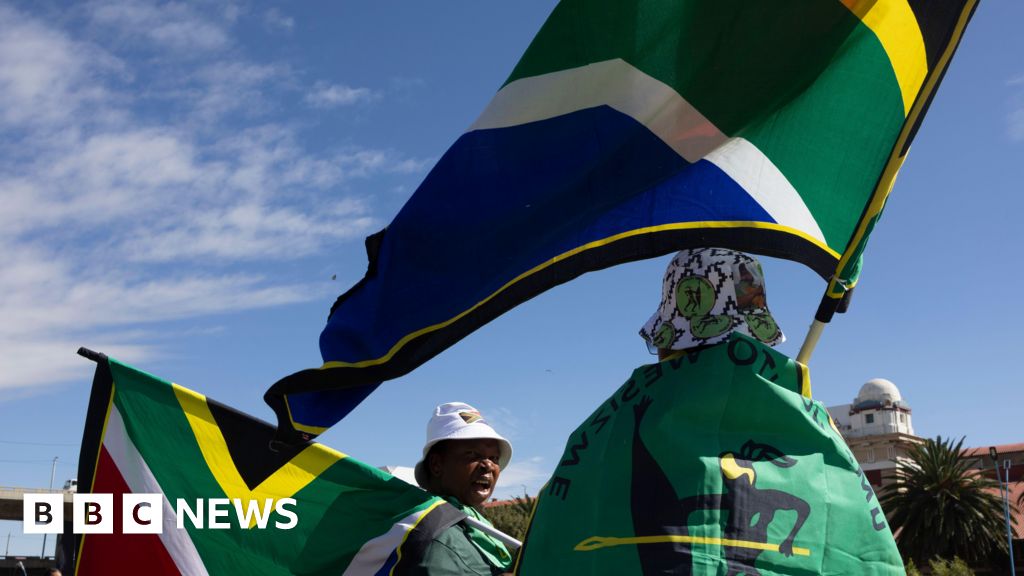
In recent weeks, South Africa has witnessed a disturbing surge in anti-migrant protests, some of which have escalated into violence. These demonstrations, fueled by economic hardship, rising unemployment, and social tensions, have focused increasingly on foreign nationals—primarily from neighboring countries in the region. As images of mobs attacking migrant communities circulate globally, analysts warn that these developments threaten to destabilize a nation already grappling with a complex web of internal crises. The societal upheaval underscores the broader challenges of migration management and regional stability in Southern Africa.
South Africa‘s current turmoil must be understood within the context of *underlying economic decline and persistent inequality*. Historically, the nation’s leadership has struggled to address deep-seated issues of unemployment and poverty, which have been exacerbated by the fallout from the COVID-19 pandemic and global economic shifts. As frustration mounts among the indigenous population, scapegoating migrants has become a populist outlet, igniting xenophobic sentiments that reach a dangerous boiling point. Some human rights organizations have warned that these protests could radicalize and spiral into broader societal conflicts, undermining decades of social cohesion.
International observers, including the United Nations and African Union, have expressed concern over the escalation of violence and the rhetoric targeting migrants. While the South African government has condemned the violence and promised to uphold the rule of law, critics argue that insufficient interventions fail to address the root causes of the unrest. Historians such as Thabo Mbeki’s former advisors emphasize that the crisis is not merely about migration but about the failure of leadership to deliver equitable economic opportunities. The regional implications are profound: neighboring nations, which depend on migrant labor for key sectors, are watching closely, fearing that continued unrest could destabilize the broader regional economic corridor.
The geopolitical impact of these events extends beyond South Africa’s borders. Regional instability could impair efforts for economic integration, threaten investments, and encourage further displacement of vulnerable populations. Several regional powers are now reevaluating their policies toward migration, with some warning of increased border controls and stricter enforcement, which risk deepening social segregation. Analysts highlight that this crisis may serve as a critical turning point in regional diplomacy, exposing fractures within the Southern African Development Community and challenging the narrative of a unified regional front. International organizations are calling for dialogue and comprehensive policies to manage migration humanely while safeguarding national security.
As the nation stands at a crossroads, the weight of history presses heavily upon decision-makers. What unfolds next will likely determine whether South Africa can navigate through this crucible of internal division or succumb to its mounting crises, cloaked in the shadows of a failed social contract. The world watches as the specter of xenophobia and socio-economic despair threaten to reshape the future of a nation that once symbolized hope and resilience. In this unfolding narrative, one thing remains clear: the choices made today will echo through generations to come, defining the legacy of a society on the brink of transformation or collapse.