Matox News

Truth Over Trends, always!

Is Trump’s Absence Dimming South Africa’s Spotlight?

South Africa’s G20 Presidency: A Test of Diplomacy Amidst Geopolitical Tensions

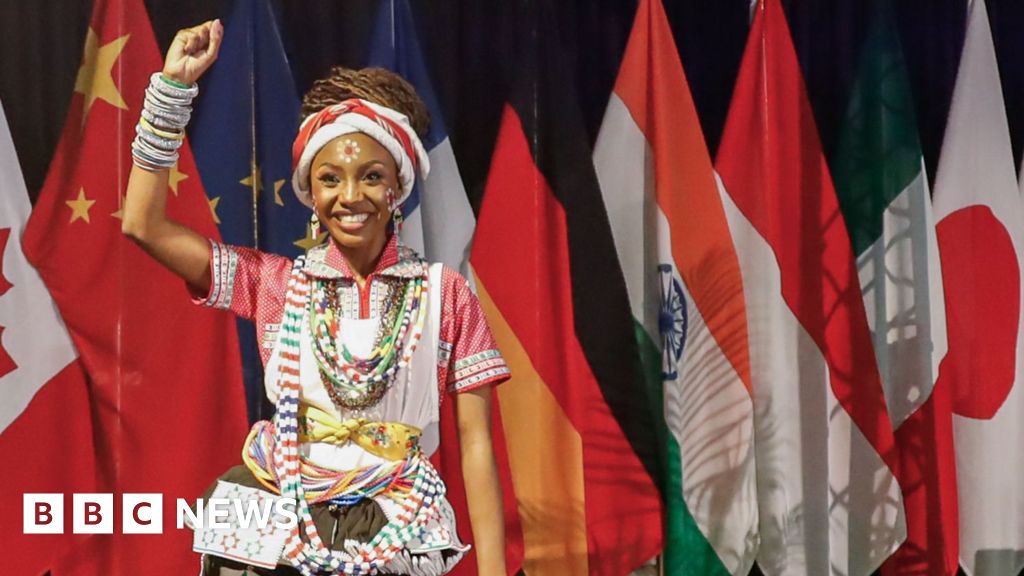
As South Africa takes the helm of the G20 this year, its ambitions are clear: to amplify the voices of developing nations on the global stage and push for reforms that could reshape international economic governance. With a storied history of navigating complex diplomatic waters, Pretoria has positioned itself as a champion for economic fairness, advocating for lower borrowing costs for emerging markets, climate finance, and the strategic utilization of Africa’s critical minerals. This year’s summit, hosted amid a climate of rising global instability, underscores the crucial role that middle powers can play in steering the world away from exclusive oligarchic decision-making towards broader, more inclusive multilateral cooperation.

However, the summit is overshadowed by a significant diplomatic crisis that reflects broader geopolitical conflicts and a deepening rift between South Africa and the United States. President Donald Trump has publicly excused himself from the gathering, citing discredited claims about violence against South Africa’s white minority and alleged land seizures. The decision to withdraw US participation — initially signaling only a diplomatic boycott and later reinforcing it by refusing to send high-level representatives — signals not just a diplomatic shift but a realignment of global alliances and influence. Relations have frayed; the US expelled South Africa’s ambassador, cut aid, and imposed tariffs of up to 30%, the highest in sub-Saharan Africa, pointing to how decisions at this summit could influence future international cooperation.

Adding to the tension is the absence of key global leaders such as Vladimir Putin, Xí Jinping (sending only his Premier, Li Qiang), and Javier Milei from Argentina. These withdrawals, combined with the US’s stance, threaten to diminish the summit’s influence—raising questions about whether the assembly can produce meaningful outcomes without the participation of the world’s leading powers. Some analysts believe this could open a window for pushback from emerging economies and middle powers, who might seize the opportunity to foster consensus outside the shadows of superpower influence.

Despite the absences, South Africa remains resolute. Foreign Minister Ronald Lamola emphasized that the summit would proceed, asserting that the priorities of pressing issues—climate change, technology, and resource management—must be addressed regardless of US participation. As the summit unfolds, the key test lies in whether these nations can forge a collective vision that transcends the discord from Washington and Beijing, aiming to build a more resilient and equitable global order.

In the shadow of this unfolding diplomacy, the question endures: Will history remember this as a turning point towards a more multipolar world or as a failure of international collaboration in an era of relentless upheaval? With each wavering alliance and diplomatic absence, the stakes are higher than ever, as the world watches the fragile dance of power and principle, knowing that the decisions made in Johannesburg could resonate through the corridors of history long after the summit concludes. The unfolding story of Africa’s rise and the retreat of old alliances paints a vivid tableau—one where the future remains unwritten, yet undeniably shaped by the choices of today.

South Africa Labels Gender Violence a National Crisis Amid Youth-Led Protests

South Africa Declares Gender-Based Violence a National Disaster Amidst Growing Protests and International Concerns

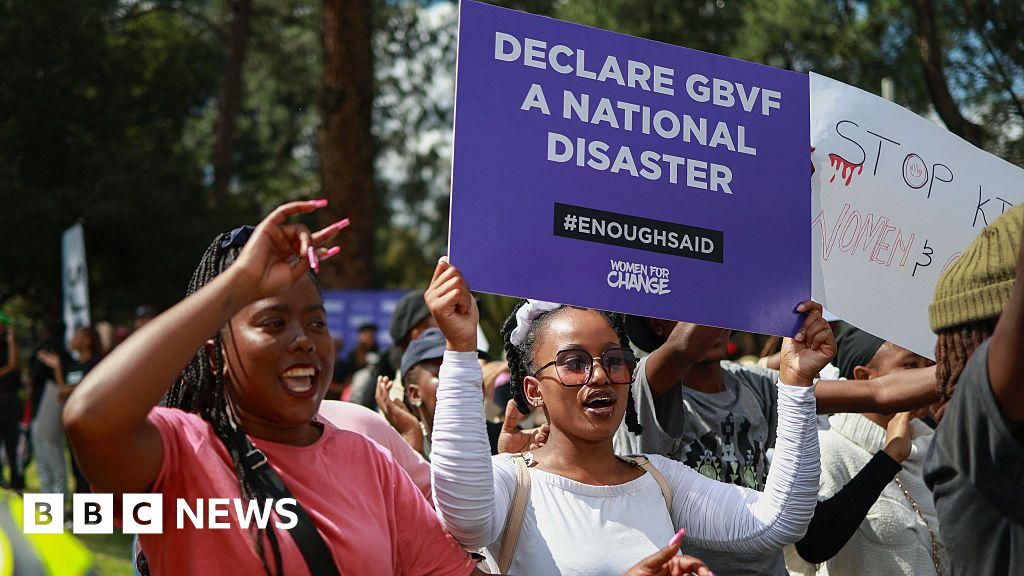
In a decisive move reflecting the gravity of its ongoing crisis, South Africa has officially declared gender-based violence (GBV) a national disaster. The decision follows an unprecedented wave of public outcry and countrywide protests urging the government to confront a crisis that has persisted for decades, yet remains alarmingly unresolved. This escalation in official recognition underscores how deeply entrenched violence against women has become within South African society—a reality that international organizations, including UN Women, have long warned about. With women murdered at a rate five times higher than the global average, the country’s plight not only sparks domestic outrage but also highlights the broader geopolitical impact of failed governance and social norms.

The protests, notably dubbed the G20 Women’s Shutdown, saw thousands of women and allies in major urban centers like **Cape Town**, **Durban**, and **Johannesburg** engaging in a symbolic act—lying down for fifteen minutes at noon, as a gesture of mourning and resistance. This coordinated effort was supported across borders, with formations in **Eswatini**, **Kenya**, and **Namibia** expressing solidarity. Significantly, the movement drew momentum from social campaigns where celebrities and ordinary citizens changed profile pictures to purple, symbolizing awareness and unity against GBV. Such mass mobilizations have begun to force the hand of a government historically reluctant to classify the violence as a crisis, despite repeated warnings from activists, legal experts, and international observers.

The launch of this declaration comes with a stark recognition of systemic failures. South Africa’s Ministry of Cooperative Governance and Traditional Affairs announced the classification after *”a thorough reassessment of previous reports”* and a push from civil organizations demanding action. Yet, despite a wide array of legislation aimed at curbing violence, critics argue that implementation has been lackluster—making the classification a symbolic victory rather than a tangible solution. Analysts from institutions like *International Crisis Group* suggest that such declarations, while crucial, often risk becoming mere gestures unless accompanied by concrete policy shifts. History warns that without action, the risk is a continued cycle of violence, societal normalization of fear, and a weakening of the social fabric.

This alarming situation has spurred individual action as well. Women’s organizations like Girls on Fire advocate for armed self-defense, with many women learning to wield firearms legally, hoping to shift the balance of power in their favor. The tragic stories of survivors like Prudence—who was raped and faced a bureaucratic nightmare to seek justice—highlight the urgent need for societal and legal reform. These grassroots efforts emphasize a crucialNational geopolitical impact: the ongoing struggle in South Africa is emblematic of broader regional instability, where governance gaps foster environments ripe for violence, often spilling over borders and exacerbating migration, refugee crises, and regional insecurity. Experts warn that unless national leadership prioritizes genuine change, South Africa risks further deterioration, with repercussions rippling across the continent and beyond.

As the weight of history presses down and the world watches, the question remains whether this declaration marks a genuine turning point or a fleeting political gesture. The unfolding narrative will test whether international solidarity, grassroots resilience, and government accountability can ultimately confront a societal scourge that threatens to erode the very foundations of a nation struggling to reconcile its promise with its harsh realities. In the shadows of the Union Buildings, beneath the banner of mourning and defiance, the battle for South Africa’s soul continues—its outcome uncertain, its significance immense.

South African man caught at neo-Nazi rally loses Australian visa, protecting our values

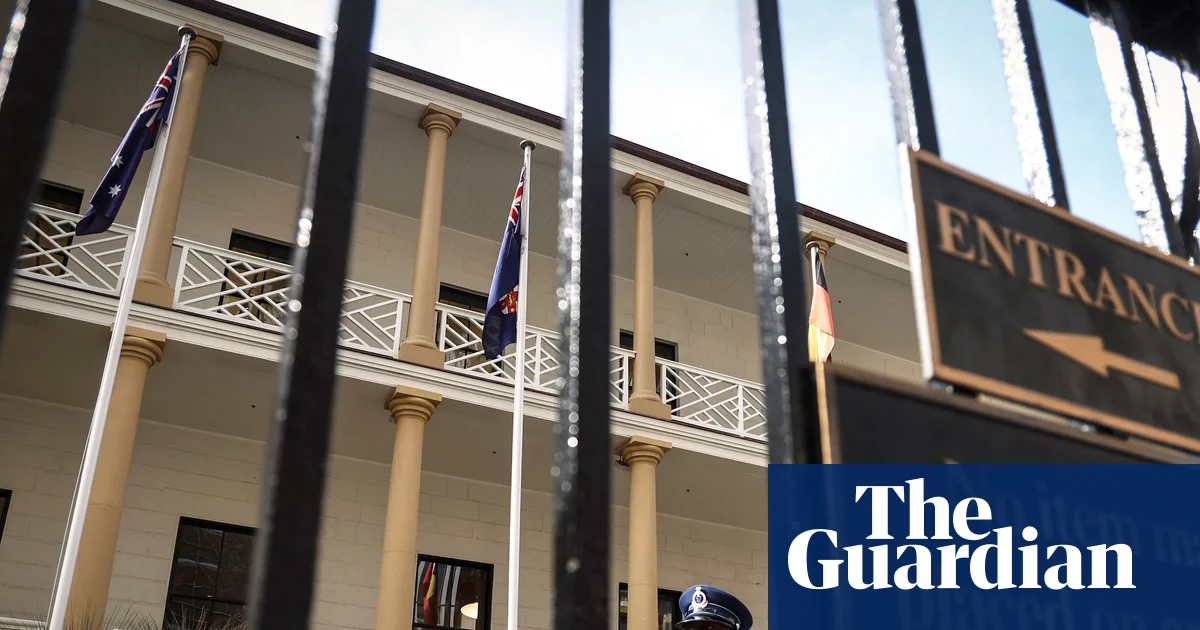
In a disturbing display of rising populist extremism, Australia recently confronted a stark reminder of the global threat posed by far-right ideology and neo-Nazi sympathies. A South African immigrant, Matthew Gruter, who has been residing in Australia since 2022, was seen participating in a neo-Nazi rally outside the New South Wales parliament organized by the National Socialist Network. The event, attended by approximately 60 men dressed in black and chanting racist slogans, revealed that Europe’s old demons are finding fertile ground in the Pacific continent—a development that nations must take seriously in the face of returning fascist rhetoric and anti-Semitic mobilization. Australian authorities swiftly responded, revoking Gruter’s visa on character grounds and detaining him as they prepare to deport him, underscoring the government’s firm stance against hate speech and Extremism.

This incident comes amid heightened efforts by the Australian government to combat the resurgence of extremism in the region, which many analysts warn could threaten the fabric of multiculturalism that has defined Australia’s modern identity. Home Affairs Minister Tony Burke emphasized that visa holders in the country are considered guests, and those who actively promote hatred or division are unwelcome. “Like any household, if a guest turns up to show hatred and wreck the household, they can be told it’s time to go home,” Burke stated, making clear that the Australian government views such acts as unacceptable breaches of societal norms. The decision to deport Gruter was based on concerns that his participation in the rally not only contravenes Australia’s anti-racism laws but also undermines the nation’s commitment to multicultural values—a stance supported by many international organizations advocating for the preservation of pluralistic societies amid growing global intolerance.

The rise in neo-Nazi activity and anti-Semitic incidents in Australia has elicited alarm from various advocacy groups. The Jewish Council of Australia warned that such hate groups pose a direct threat to multiculturalism, emphasizing the need to distinguish between peaceful protests and acts of hate. The rally’s chants of “blood and honour,” a phrase linked to Hitler Youth, evoke a dark chapter of history that should serve as a warning rather than a rallying cry. The Australian government’s decisive action signals a broader commitment to uphold the values of modern, inclusive society in the face of divisive and extremist rhetoric. Meanwhile, international observers, including analysts from regional security think tanks, warn that what occurs within Australia could mirror a distrubing wave of similar radicalism elsewhere, as global politics ferment conflicts around identity and sovereignty.

History’s gaze lingers over this modern chapter where nations are forced to confront the re-emergence of dangerous ideologies: a reminder that the struggle against extremism is not confined within borders but is a shared, global challenge. With the resurgence of such hate-mongering, international institutions and governments alike find themselves at a pivotal crossroads. As the Australian government asserts its authority to cleanse its society of those who threaten its cultural harmony, the bigger story unfolds—a story of nations defending their sovereignty and values against forces that threaten to unravel them. Here, amidst the echoes of history’s darkest moments, the watchful eyes of the world remain, knowing the weight of the future is still being written, piece by piece, in this unfolding struggle for civilization itself.

South African Man’s Visa Pulled Over Neo-Nazi Rally Near NSW Parliament

Australia’s Tightening Grip on Dangerous Ideologies: Visa Cancellation Sparks International Reflection

The recent incident involving a neo-Nazi-led protest outside New South Wales’s parliament marks a significant moment in Australia’s ongoing effort to shield its societal fabric from extremist influences. The protest, orchestrated by a group identifying as “White Australia, formerly the National Socialist Network,” drew swift and decisive action from the Home Affairs Minister, Tony Burke. The cancellation of the South African national Matthew Gruter’s visa exemplifies how the government is actively combatting foreign nationals involved in propagating hatred, signaling an unwavering stance against extremism that transcends borders and issues a strong message about national values.

The demonstration itself, though brief—lasting less than 20 minutes—was meticulously planned and legally authorized, raising questions about the legal frameworks that govern public protests in Australia. Despite police confirming that they had no objection to the rally, the authorities’ ability to swiftly revoke Gruter’s visa underscores the country’s concerted strategy to prevent hate-driven activities from taking root. Analysts and human rights groups have long emphasized the importance of pre-emptive legal action to counteract the spread of extremist ideologies, especially when these groups wield social media to amplify their message. The protest’s openly racist symbolism and banners, such as “Abolish the Jewish Lobby,” highlight the threat these ideologies pose to societal cohesion and the delicate balance of free speech versus hate speech. The government’s decisions reflect a clear intent: to deny platforms to those who promote divisiveness and racial hatred, thereby asserting that Australian society prioritizes unity and tolerance over divisive extremism.

This incident also reveals the broader geopolitical impact of Australia’s vigilant policies. Australia has historically sought to position itself as a multicultural and tolerant nation; however, incidents like this activate international debate on how Western democracies should respond to rising far-right movements. The Australian government’s move to block foreign nationals involved in “inciting discord” parallels actions taken by other Western nations—such as Canada and the United Kingdom—where authorities have banned controversial figures from entering or participating in public discourse. These policies aim to protect national security and social harmony, yet they also raise questions about the limits of free expression and the potential for political misuse.

The societal consequences of such governance decisions are profound. Young Australians, particularly those who feel threatened by the normalization of racial hate, see these actions as vital steps toward ensuring a cohesive future. Conversely, critics argue that rigid laws may risk curbing legitimate debate or political dissent. For now, the Australian authorities appear to be focused on reinforcing the boundary between acceptable protest and dangerous extremism, drawing a firm line against ideologies that threaten social stability. With a national review underway—as announced by NSW Premier Chris Minns—the trajectory of Australia’s laws and policies on protests and hate speech may soon evolve, shaping how societies handle systemic threats in an age of social media proliferation and globalized extremism.

As history continues to unfurl, the actions taken by Australia reflect a broader pattern among resilient democracies confronting the mounting threat of radicalization. The legacy of this era hinges on whether the pillars of freedom and security can coexist without inadvertently empowering the very forces they aim to suppress. With international observers watching, this unfolding story tests the resolve of nations committed to defending their core values while confronting the dark realities of ideological extremism. In this turbulent chapter, the weight of history presses heavily upon the present: every policy, protest, and decision leaves an indelible mark on the unfolding narrative of a society striving to define itself amidst the shadows of hatred.

South Sudan’s President Kiir ousts Vice President Mel in major shake-up

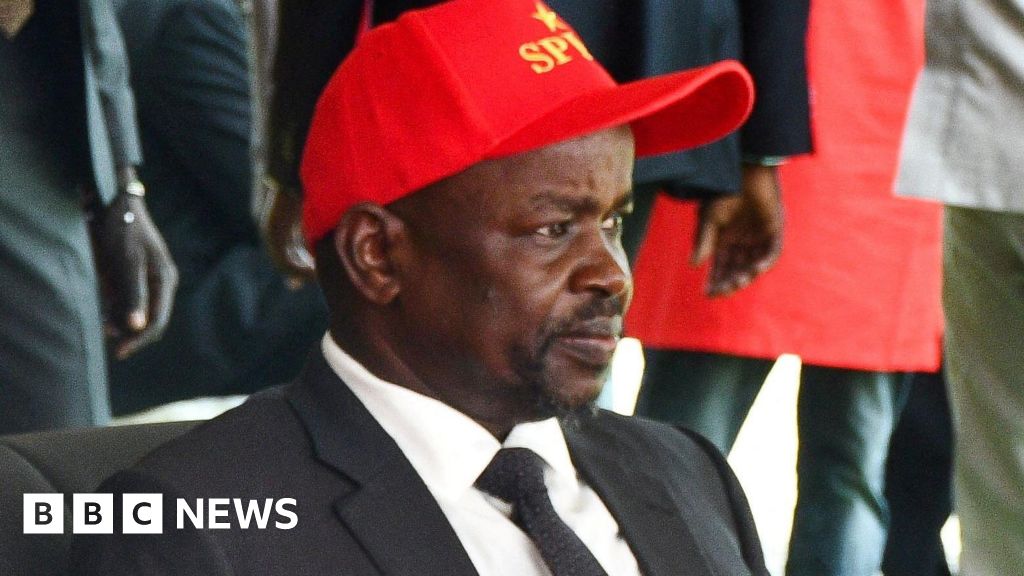
The recent dismissal of South Sudan Vice-President Benjamin Bol Mel by President Salva Kiir has sent shockwaves through the young nation’s fragile political landscape. This move, announced via decree and devoid of explanation, underscores the ongoing volatility in a country that only gained independence in 2011 but has been plagued by civil unrest ever since. The removal of Bol Mel—who previously appeared poised as Kiir’s likely successor—appears to symbolize a decisive consolidation of power amid mounting fears of renewed civil war. Analysts warn that such internal struggles threaten to unravel the last remnants of peace established under the 2018 power-sharing agreement, which has continuously faltered under the weight of old tensions and new conflicts.

South Sudan’s tumultuous history is well documented by international organizations and historians, recognizing its journey from a peaceful separation from Sudan into a maelstrom of violence. The recent crisis follows the escalation of fighting between government forces loyal to Salva Kiir and armed groups aligned with ex-vice-president Riek Machar. Notably, Machar was sacked earlier this year, arrested, and charged with serious crimes, prompting accusations from his supporters of a politically motivated witch-hunt that only worsened tensions. This cycle of power struggles exposes the underlying fragility of South Sudan’s state institutions, which continue to be vulnerable to internal divisions and external pressures, including sanctions and diplomatic isolation.

In the wake of Bol Mel’s removal, social media and local sources reflect a broad consensus: his dismissal signals an internal power struggle within the Sudanese People’s Liberation Movement (SPLM). A senior government official, speaking anonymously for security reasons, indicated that Bol Mel was viewed as a “divisive figure” whose presence was exacerbating factional discord. The apparent withdrawal of Bol Mel’s security detail and the lack of immediate replacements suggest a sudden and potentially destabilizing power vacuum. These events could accelerate the erosion of recent ceasefire efforts, with some regional analysts warning of a possible descent into chaos—a scenario that international observers, including the United States and regional powers, are desperate to prevent. Yet, the very nature of South Sudan’s regime suggests that internal factionalism remains unresolved, with entrenched elites vying for dominance amid a nation still scarred by years of violence.

The geopolitical impact of this upheaval extends beyond South Sudan’s borders. As Africa’s youngest nation, its stability affects regional security, oil markets, and international efforts aimed at fostering peace. The United States, which has historically played a dominant role in supporting South Sudan’s peace process, remains cautious, maintaining sanctions against figures like Bol Mel for purported corruption, despite his promotion to prominent security roles. The broader implications involve how neighboring nations and global institutions respond to escalating instability. As historians and analysts draw parallels with other post-conflict states, the specter of what if looms large: Could internal power struggles ignite a larger civil conflict, destabilizing the already volatile Horn of Africa?

As South Sudan’s leadership grapples with internal dissent, the weight of history presses upon its young democracy. The fate of a nation born from hope now teeters on the brink of chaos, with every decision in Juba echoing through corridors of power and across the continent. The unfolding story remains a stark reminder that in the heart of Africa—where oil riches and ethnic allegiances intersect—the future is written in moments of upheaval. History’s pen hovers, uncertain whether this chapter will forge a fragile peace or plunge South Sudan back into the shadows of conflict, a stark testament to the unpredictable course of nations in transition. And thus, the world watches, silent yet attentive, as the next pages of this turbulent saga are yet to be written.

South Australia Rejects Restrictive Late-Term Abortion Bill Amid Fierce Debate

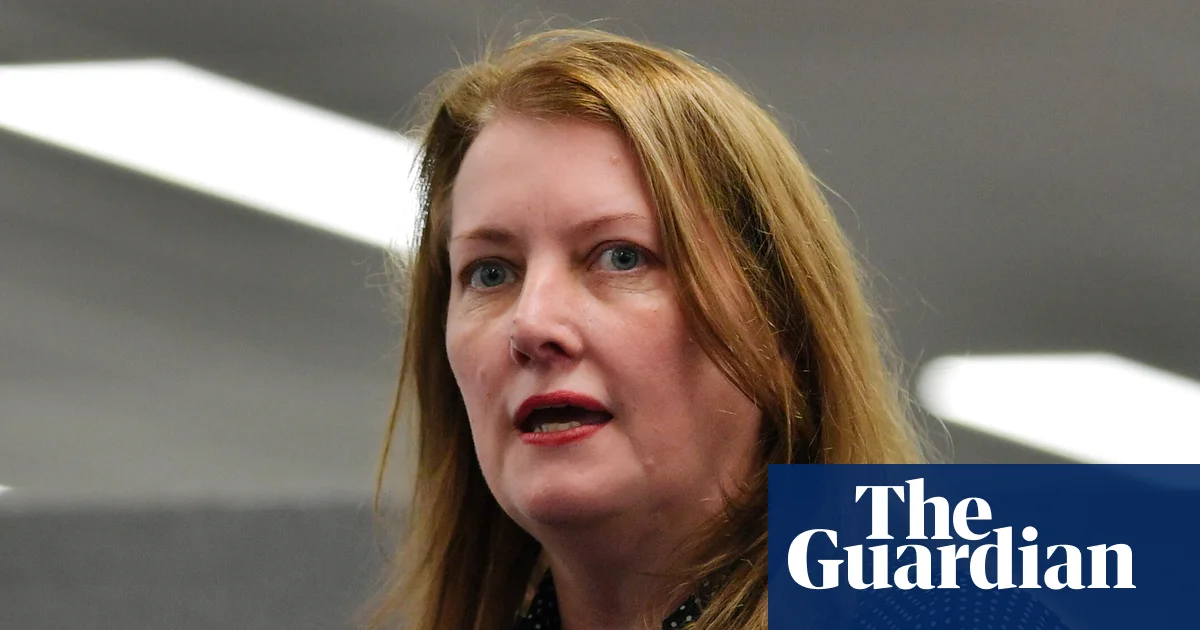
In a decisive turn within Australia, the South Australian Parliament recently defeated a contentious bill aiming to restrict access to late-term abortions. This legislative battle not only spotlights the country’s ongoing internal debate over reproductive rights but also echoes a broader, international struggle over the influence of anti-abortion movements. The bill, proposed by former One Nation member Sarah Game—now an independent—demanded to tighten restrictions on abortions after 22 weeks and six days, significantly narrowing existing laws that permit late-term terminations when the mother’s physical or mental health is at risk.

The motion was defeated by a vote of 11 to 8, with emotional scenes unfolding as several Members of the Legislative Council (MLCs) expressed visible distress during the debate. Health experts from the Royal Australian and New Zealand College of Obstetricians and Gynecologists (RANZCOG) sharply criticized the proposed legislation, asserting it was rooted either in ignorance or deliberate misrepresentation of medical realities. The attorney general, Kyam Maher, underscored that the bill’s premise was fundamentally flawed, emphasizing that it risked erecting unnecessary barriers to essential healthcare.

Global analysts highlight that Australia’s internal opposition to abortion laws is increasingly influenced by imported tactics from United States conservatives, who have long sought to chip away at reproductive rights. As noted by international organizations and historians, this pattern involves focusing on the most rare and medically complicated late-term procedures, which necessarily involve cases of severe fetal abnormalities or maternal health threats. Experts warn that these strategies serve to erode broadly accepted standards of informed consent and patient autonomy, gradually shifting societal perceptions of reproductive healthcare. The defeat of the South Australian bill is thus seen as a victory against these well-funded and strategically driven anti-abortion campaigns, which often cloak their motives under the guise of protecting life.

However, the battle is far from over. In South Australia, controversy is ongoing regarding the device of anti-abortion tactics and their influence on policy. Critics point to the banning of Joanna Howe, who had proposed similar legislation and alleged threats and intimidation tactics by opponents—actions that democratic leaders unequivocally condemned. These developments are emblematic of a strained climate where advocacy, opposition, and political coercion increasingly intertwine, raising concerns about the future landscape of reproductive rights in Australia and beyond. As analysts warn, these national debates are part of a wider geopolitical carriage of value clashes that resonate across borders, influencing laws and societal attitudes worldwide.

With international organizations watching closely, and historians cataloging these moments as pivotal shifts, the ongoing struggle over abortion rights continues to be a defining issue of our era. As the controversy in South Australia evidences, the decisions made today ripple outward, shaping societies and influencing policies that will define generations to come. The scales of justice and morality in reproductive rights hang precariously, and the pages of history are once again being written—this time, with the weight of countless lives and societal values at stake, as the relentless tide of change carries us toward an uncertain future.

U.S. Withdraws from G20 in South Africa Over False Claims of White Farmer Abuses

The upcoming G20 summit in Johannesburg has been thrust into chaos amid a diplomatic crisis fuelled by US President Donald Trump. Citing discredited claims of persecution of white South Africans, Trump announced that the United States will refuse to participate in the gathering of the world’s leading economies. His provocative assertions, which paint South Africa as a nation gripped by racial violence and human rights abuses, are widely considered to be a strategic move to ignite international controversy. The decision underscores the growing divergence between Washington and Johannesburg, and spotlights the shifting landscape of geopolitical influence.

South Africa’s government promptly dismissed the claims as “widely discredited and unsupported by reliable evidence,” with officials asserting that no credible genocide or systematic persecution of white minorities exists within their borders. Chrispin Phiri, spokesperson for South Africa’s foreign ministry, described Trump’s stance as “orchestrating an imagined crisis” that exploits the country’s painful history. Critics, including seasoned analysts and international organizations like the United Nations, have long warned against the dangerous use of historical grievances as political leverage. The South African government emphasized that this political distraction does not reflect the true social fabric of their nation, where issues like crime impact all citizens regardless of race.

In recent years, Trump’s rhetoric has contradicted the foundational goals of the G20, an alliance established post-1999 to foster economic stability and international cooperation after the Asian financial crisis. Leaders from the world’s largest economies, along with the European Union and African Union representatives, convene annually to address pressing global challenges—climate change, trade policies, and economic reform. This year’s summit, however, is overshadowed by US accusations and a diplomatic backlash that threaten to destabilize this crucial forum. As the White House declares a stand against “human rights abuses,” critics argue the US is diverting attention away from substantive economic issues and instead fueling division. Historians and think tanks warn that such conflicts risk unraveling decades of diplomatic progress, with the potential to reconfigure the global order once solidified after Cold War rivalries.

Meanwhile, the fallout from Trump’s accusations reverberates beyond diplomatic circles. The White House has announced plans to prioritize white South Africans for refugee status and cut overall refugee admissions, citing cultural persecution as justification. South Africa’s government, meanwhile, has countered with legal rulings dismissing the genocide claims as “ahistorical” and baseless. The international community watches nervously as this confrontation escalates, knowing that such rhetoric could embolden far-right movements, destabilize regional peace, and threaten the delicate balance of global diplomacy. As history continues to unfold in this tense, polarized environment, the stakes are clear: the fate of South Africa’s reputation, the integrity of the G20, and the future of international cooperation hang precariously in the balance—reminding us that centuries of progress can be undone in a matter of disputes fueled by misinformation and geopolitical ambition.

US to Limit Refugees, Prioritize White South Africans in Immigration Policy

In a move that signals a profound shift in U.S. foreign policy and immigration stance, the Trump administration has announced plans to drastically reduce refugee admissions for the 2026 fiscal year to a mere 7,500 individuals. This decision marks a significant departure from the previous Biden administration target of 125,000 refugees, underscoring a more insular and restrictive approach to international migration. Behind the silence from official channels, rumors suggest that the majority of these limited admissions could potentially favor white South Africans, signaling a controversial prioritization that has alarmed advocates for humanitarian relief and critics across the globe.

Such drastic cutbacks inevitably carry geopolitical implications that extend far beyond domestic policy. Historically, refugee flows have been a barometer of global stability, and restrictions like these often send ripple effects through international relations and regional alliances. As analysts point out, the decision could embolden authoritarian regimes in regions beset by conflict, providing a signal that the U.S. may retreat from its traditional role as a refuge for the persecuted. The United Nations and other international agencies have expressed concern about the message this sends at a time when global crises, such as conflicts in the Middle East and Africa, are forcing millions to flee their homes.

Furthermore, this shift reveals deepening fissures in global migration policies and highlights the contentious debate surrounding national sovereignty versus international responsibility. Critics warn that such restrictive policies could undermine longstanding commitments to humanitarian ideals enshrined in international treaties like the 1951 Refugee Convention. More alarmingly, the silence and opacity surrounding the decision indicate a possible strategic move to reset America’s image on the world stage — yet at what cost? These policies risk alienating traditional allies and destabilizing regions where refugees seek safety, compounding the international community’s challenges in addressing human suffering.

Leading voices in geopolitics, including local historians and international think tanks, warn that these developments will be remembered as a pivotal point in the decline of American influence on human rights standards. As the global order continues to shift, the weight of history presses heavily upon the current leadership’s decisions, with the potential to reshape the coming decades. In an era marked by crisis and contention, the world watches cautiously, aware that the unfolding chapters of this story could define new alliances, fracture old ones, and leave a lasting mark on humanity’s collective conscience. As the borders tighten and the rhetoric hardens, the question remains: how will nations reconcile their ideals with the stark realities of a fractured world?

Trump praises 'strong' chat with Xi in South Korea
Trump praises ‘strong’ chat with Xi in South Korea

In an era defined by intense geopolitical competition and shifting alliances, the recent meeting between US President Donald Trump and Chinese President Xi Jinping marks a pivotal moment that may signal a tide of strategic recalibration. After a six-year hiatus, the leaders finally convened in South Korea, an event laden with implications for the delicate balance of power on the international stage. While not an outright treaty or comprehensive agreement, the summit has stirred hopes for a de-escalation of trade tensions that have gripped the global economy, revealing how individual decisions at the highest levels can ripple across nations and societies worldwide.

Although the talks did not produce a formal accord, they laid down a strategic framework that analysts and historians are already interpreting as a potential turning point in US-China relations. A key victory for President Trump was China’s agreement to suspend export controls on rare earths—crucial materials that power modern technology, from smartphones to advanced military hardware. The significance of this move cannot be understated; it demonstrates China’s recognition of its leverage and a shift toward engaging more constructively in global trade. Concurrently, Beijing committed to increasing purchases of U.S. farm exports, specifically soybeans, which had been a flashpoint due to retaliatory tariffs. This gesture, lauded by Trump as a major breakthrough, exemplifies how economic incentives and strategic negotiations intertwine to shaping the future geopolitical landscape.

Yet, beneath the surface, the complex chess game between two superpowers reveals entrenched interests and unresolved conflicts. Notably absent from the accord was progress on regulations surrounding TikTok, where U.S. authorities continue to push for extracting the app’s U.S. operations from Chinese ownership—an issue strongly tied to national security concerns. Moreover, the U.S. announced plans to relax tariffs on ingredients used in fentanyl manufacturing, a key issue in the ongoing fight over drug smuggling that has affected American communities and politics. Nevertheless, the continued presence of tariffs exceeding 40% on Chinese imports underscores how unresolved economic tensions remain core to the broader competition. Highlighting the strategic deadlock, Beijing’s permission for Trump to visit China in April symbolizes a cautious thaw, but also a reminder of the fragile diplomacy prevailing between the world’s two giants.

From the vantage point of global analysts and organizations like the International Monetary Fund, this summit is recognized as a critical juncture where decisions made today will ripple through the fabric of international society. China’s leadership, well aware of its strengthened position, entered the negotiations with a tone of measured restraint, clearly knowing its strategic advantage— having learned from previous confrontations, it has diversified its trade partnerships and leveraged its chokehold on rare earths. Meanwhile, Trump’s approach was more unpredictable, marked by tactical concessions and starkly different diplomatic styles, encapsulating the ongoing ideological and strategic contest that dominates the US-China relationship. As world history’s pages turn, the outcome of this diplomatic engagement, seemingly tentative yet undeniably consequential, promises to shape how nations navigate the complexities of global power for generations to come, leaving the informed observer to ponder: how much of the future is truly in our hands, and how much is being written by the strings of geopolitics beyond our control?

South Africa considers renaming iconic reserve amidst national debate

South Africa’s Cultural Identity and Geopolitical Implications: The Battle Over Names and History

In recent months, South Africa has become the epicenter of a fiery debate over its historical memory and national identity. The proposed renaming of Kruger National Park—arguably the country’s most iconic wildlife sanctuary—serves as a microcosm of a larger struggle that involves not only history and heritage but also economic stability and geopolitical positioning. A local legislative push, driven by the opposition Economic Freedom Fighters (EFF), seeks to erase the name of Paul Kruger, a 19th-century Afrikaner leader revered by certain segments of society, from one of the country’s most treasured landmarks. While some applaud the move as a necessary step toward decolonization and healing, critics warn it risks igniting socio-economic repercussions that could destabilize the nation’s fragile progress.

The name Kruger National Park has been a cornerstone of South Africa’s colonial and apartheid-era history since 1926. For Afrikaners, Kruger symbolizes resilience against British colonialism, a hero of their resistance and cultural legacy. Conversely, mainstream South African society increasingly views him as a symbol of racial exclusion and oppression, responsible for displacing Black communities from their land. This tension mirrors broader debates about how South Africa confronts its apartheid past: most of the country’s infrastructure, including city names and landmarks, has been renamed to reflect indigenous heritage and move away from colonial shadows. Yet, the question arises—does erasing these names genuinely foster unity, or does it risk rewriting history to the detriment of economic stability and international reputation?

International analysts and historians highlight the geopolitical impact of such decisions. According to institutions like UNESCO, a nation’s identity is intertwined with its cultural symbols; however, they also warn that hasty renaming processes—done without comprehensive consultation—can jeopardize tourism and foreign investment. Tourism, which accounts for nearly 9% of South Africa’s economy, relies heavily on the recognition and iconic status of sites like Kruger Park.)—as noted by economic experts—any delusions of erasing history must be carefully weighed against economic realities. Critics argue the proposed name change, though well-intentioned as an act of decolonization, could backfire. The tourism sector, already strained by internal socio-economic challenges—such as youth unemployment soaring above 50%—might suffer irreversible damage. Revenues from millions of international visitors contribute significantly to local livelihoods, and any erosion of the park’s brand risks turning the wilderness into a political battleground that alienates rather than unites.

Moreover, the controversy over the proposed renaming exposes deeper divides within South Africa’s society—what some regard as a necessary step toward indigenous sovereignty, others see as political opportunism. The AfriForum lobby group condemned the EFF’s initiative as “cheap politics,” warning it circumvents the legal processes set by the South African Geographical Names Council. This bureaucratic body is tasked with ensuring that name changes proceed according to law, involving extensive consultations and public participation. Conversely, President Cyril Ramaphosa’s administration, currently navigating its post-pandemic recovery, finds itself caught between honoring indigenous heritage and safeguarding economic interests. As international organizations watch closely, the unfolding debate underscores how internal decisions ripple beyond borders, influencing South Africa’s standing and strategic alliances. Historians such as Dr. Thabo Mbeki have emphasized that confronting history with clarity and responsibility is essential; however, reckless renaming risks overshadowing this intent.

As the nation stands on this precipice, the fight over the Kruger name symbolizes more than just a name; it symbolizes a choice between reconciliation and division, between economic stability and political symbolism. History continues to unfold beneath the weight of these decisions, reminding the world—and the people within—that the ripples of today’s choices will define South Africa’s legacy for generations. At this pivotal moment, the question remains: will the country forge a future where heritage and progress coexist, or will it slip into a cycle of ideological retribution with infeasible costs? This is more than a local debate—it marks a chapter in the ongoing story of nations grappling with their past amidst the pressures of global geopolitics.

Social Media Auto Publish Powered By : XYZScripts.com