Matox News

Truth Over Trends, always!

Teaching union blocks new Year 8 reading test plan, sparking debate among future leaders

In contemporary society, the debate around the role of assessments in education continues to evoke passionate discussion among educators, policymakers, and communities alike. The government maintains that these assessments are “vital tools” for identifying the specific needs of pupils and tailoring support accordingly. However, beneath the surface, this emphasis on standardized testing reveals deeper social challenges that directly influence families, educational institutions, and the fabric of our communities.

At the heart of this debate lies a profound tension between meritocratic ideals and the realities faced by students from diverse backgrounds. Critics argue that assessments, while seemingly neutral, often serve as gatekeepers that reinforce existing social inequalities. Researchers such as Dr. Lisa Delpit have highlighted how testing practices tend to favor those with access to better educational resources and supportive environments, thus perpetuating a cycle of disadvantage for children in disadvantaged communities. This has serious implications for families striving to secure better futures for their children, as they find themselves entrapped in a system that may favor privilege over potential.

Within the broader societal context, the demographic shifts of recent decades—including increasing immigration and urbanization—have further complicated the landscape of education. Sociologists like Dr. Pierre Bourdieu have emphasized how cultural capital, often lacking in marginalized groups, intersects with education policies rooted in assessments. Families from diverse backgrounds frequently face additional hurdles when navigating an evaluative system that does not always accommodate linguistic, cultural, or socio-economic differences. Consequently, children from these communities risk being labeled as underperformers, not because of innate ability, but due to systemic shortcomings that ignore the multicultural realities of modern society.

Amidst these complexities, the societal challenge is fostering an educational environment where assessments do not merely serve as barriers but become opportunities for genuine growth and equality. To achieve this, policymakers must consider approaches that balance standardized evaluation with community-based support systems. Suggested solutions include increased investment in

  • multilingual teaching staff
  • culturally responsive curricula
  • holistic student well-being programs

—all aimed at addressing the root causes of educational disparities. By doing so, the goal is to rebuild a society where families are empowered, communities thrive, and children from all backgrounds have the chance to realize their full potential.

As society stands at this crossroads, the path forward demands reflection on the true purpose of education—not merely as a means of assessment, but as a vital instrument of social cohesion and moral development. In each classroom, in each community, the hope resides that with concerted effort and genuine understanding, we can transform a fractured system into a foundation of hope, opportunity, and resilience. The question remains: will society summon the courage to redefine its standards and foster an environment where every child’s potential is recognized and nurtured? Only time will tell, but the enduring promise of a better future lies in our collective resolve to confront these social challenges head-on — for the sake of the generations yet to come.

Publisher Pulls Horror Novel Amid AI Controversy, Sparking Debate

Historical Controversy Erupts as Author Denies AI Involvement in Horror Tale

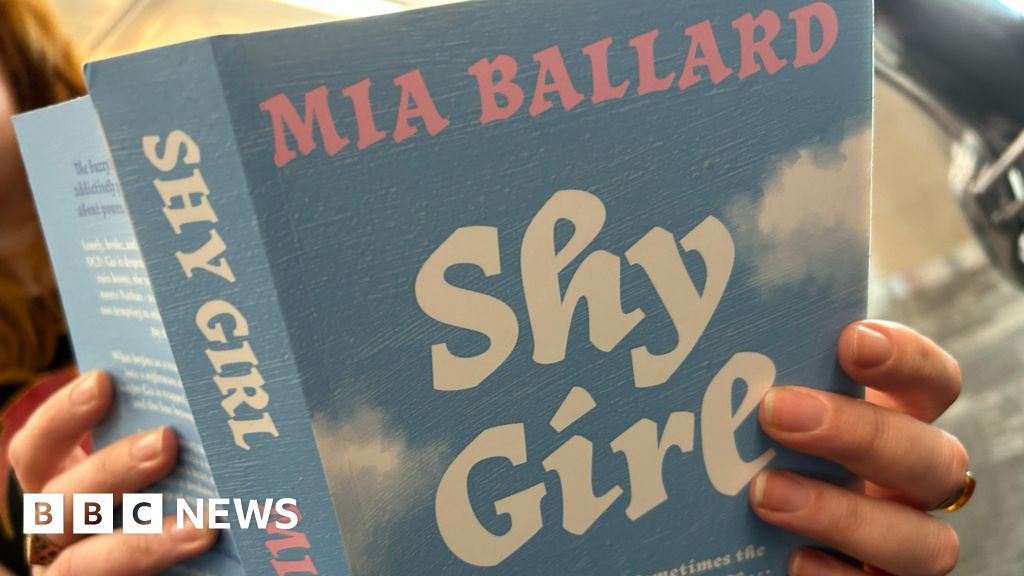
In a startling turn of events that echoes the ongoing debate over technological influence in cultural production, author Mia Ballard has publicly denied allegations that she employed artificial intelligence tools to craft her recent horror story, Shy Girl. The controversy unfolds amidst growing concerns about the rise of AI-generated content and its implications for authorship, originality, and artistic integrity across the global literary landscape. While Ballard maintains her traditional writing process, critics and industry insiders are debating the broader impacts of AI in creative sectors, with international organizations weighing in on the cultural and economic stakes involved.

The incident underscores a vital geopolitical impact—the ongoing struggle to regulate and control emerging technologies that threaten to redefine human labor and creative sovereignty. In particular, countries and institutions that have invested heavily in AI development face mounting pressures to establish standards that balance innovation with authenticity. According to reports from the United Nations Educational, Scientific and Cultural Organization (UNESCO), the potential for AI to disrupt cultural industries is immense, posing risks to traditional notions of intellectual property and the role of human creativity in storytelling. As major powers like the United States and China continue to lead global AI research, smaller nations are watching carefully, trying to navigate the delicate border between fostering innovation and safeguarding cultural identity.

The dispute over Mia Ballard’s work has become more than a question of personal integrity; it has become a symbolic battleground over the legitimacy of AI in the arts. Numerous independent analysts and historians have weighed in, asserting that such allegations exemplify the heightened tensions surrounding technological authenticity. “This case could serve as a pivotal moment,” explains Dr. Laura Chen, a technology historian at the International Institute of Creative Economy. “The legitimacy of human authorship is now being challenged at the highest levels, reflecting broader fears about automation’s encroachment into traditional industries, including literature and the arts.” As these debates unfold, policymakers are increasingly being urged to draft international treaties aimed at establishing clear boundaries between human and machine-generated content—boundaries that could determine the very future of cultural production and expression.

The decisions made in the coming months will resonate far beyond individual authors or publishers. They will influence the international cultural landscape and shape the societal understanding of authenticity in an age increasingly driven by algorithms. The lingering questions about who holds creative agency—and whether machine-generated content can ever truly rival human ingenuity—are at the heart of a seismic shift under way. Observers warn that failure to address these issues could lead to a troubling landscape where artistic integrity is commodified, and the “soul” of storytelling is lost amid the cold logic of machine code. As history continues to unfold, all eyes remain fixed on the unfolding saga that will determine whether humanity’s creative spirit can resist being subsumed by relentless technological encroachment, or whether we stand on the brink of a new era—one where the line between human and AI becomes irreversibly blurred.

Ali Larijani’s death intensifies Iran’s leadership crisis, sparking youth intrigue

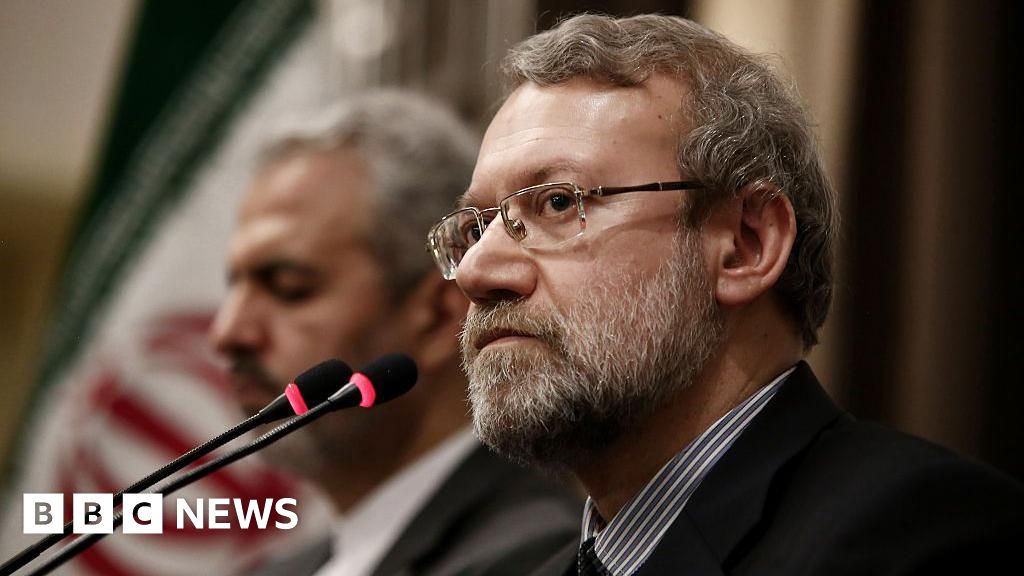
Throughout recent decades, Larijani has emerged as a key figure within the Islamic Republic of Iran, representing a potent blend of experience and strategic influence. Recognized by international analysts as one of Iran’s most seasoned policymakers, Larijani’s role extends far beyond domestic politics—his decisions resonate across the geopolitical landscape, shaping outcomes for entire regions and global powers alike. His longstanding presence in Tehran’s corridors of power underscores the importance of individual leadership in navigating the complex web of religious authority, strategic interests, and America’s shifting policies.

Within the context of history, Larijani’s influence has been a critical axis in Iran’s dealings with Western nations, especially amid ongoing conflicts over nuclear proliferation and regional dominance. As Iran continues to advance its nuclear program—despite international sanctions and diplomatic pressure—the calculus made by figures like Larijani carries significant consequences. Many analysts, including those from the International Crisis Group, point out that decisions taken within Iran’s upper echelons could either serve to escalate tensions or open pathways toward diplomatic compromise. His long experience and authoritative voice contribute to Iran’s consistent stance, often resistant to the unconditional concessions favored by Western powers.

Crucially, Larijani’s influence extends into regional geopolitics, notably within the Middle East. With Iran backing proxy groups, engaging in military confrontations, and vying for influence over neighboring countries, the stakes have never been higher. The United States, along with its allies such as Israel and Gulf Cooperation Council states, closely monitor Iran’s diplomatic maneuvers—often framing them as a prelude to broader conflicts. The decisions by Iran’s leadership, including Larijani’s policies, impact the stability of entire nation-states, fueling cycles of violence and resistance that threaten to spiral beyond control.

Recent conversations among international diplomats and scholars reveal a somber consensus: the path toward peace remains narrow, and the weight of history presses heavily upon the shoulders of those guiding Iran’s future. As Larijani’s influence continues to shape Iran’s position on the world stage, the broader implications for global security and regional stability become unavoidable. The ongoing struggle over Iran’s nuclear ambitions, regional alliances, and international diplomacy reflects an epochal moment—one where the decisions taken today will echo through history, long after the voices of current policymakers fade into the shadows of time. The stage has been set, and the world watches with bated breath as the drama of geopolitics unfolds, knowing that the final chapters remain unwritten but profoundly consequential.

Chinese brain-tech startup Gestala launches with $21M boost, sparking youth innovation wave

Innovation at the Forefront of Neurotech: Gestala Secures Record-Breaking Funding in China’s Brain-Computer Interface Sector

In an extraordinary display of investor confidence, Gestala has raised an impressive $21.6 million (CN¥150 million) within just two months of launching, positioning itself as a major disruptor in China’s burgeoning brain-computer interface (BCI) industry. This funding round, co-led by prominent financial players Guosheng Capital and Dalton Venture, with participation from several key institutions including Tsing Song Capital and Gobi Ventures, has set a new milestone as the largest early-stage investment in China’s BCI arena. With investor commitments surpassing $58 million, the industry’s appetite for groundbreaking neurotechnology is clear and expanding rapidly.

Innovation and speed are now defining the competitive landscape. Gestala is pioneering ultrasound-based brain-computer interface (BCI) systems, a technology believed to revolutionize how humans interact with neural signals. Unlike traditional invasive methods that involve surgery, ultrasound offers a non-invasive alternative capable of monitoring and stimulating deep neural circuits with precision. This approach could drastically lower the risks associated with brain implants, thereby opening up BCI applications to broader populations. By leveraging China’s efficient supply chains and integrated manufacturing ecosystem, Gestala aims to accelerate from prototype to scale, targeting commercialization within the next year—a timeline that could give it a competitive edge against global rivals, many of whom are still in early R&D phases.

Market Implications and Strategic Expansion in Neurotech

The global BCI market is experiencing a surge driven by advancements in ultrasound technology, with major players like OpenAI-backed Merge Labs leading the charge outside China. Gartner analysts highlight that these innovations are fundamentally disruptive, with the potential to reshape sectors from healthcare to gaming. Gestala plans to develop its first-generation prototype by year’s end and is actively expanding its R&D team from 15 to 35 personnel, underscoring an aggressive move towards rapid commercialization. The company’s strategic focus on developing a “Ultrasound Brain Bank” signals its intent to create large, high-quality datasets, crucial for training AI models and bolstering future diagnostics—a move aligned with global trends in AI-driven healthcare.

  • Medical Applications: Chronic pain management, mental health (depression, PTSD, autism), stroke rehabilitation
  • Long-Term Goals: Neurodegenerative diseases such as Alzheimer’s, Parkinson’s, and tremors
  • Operational Strategy: Leveraging China’s manufacturing scale for speed and cost efficiency, reducing clinical trial costs by up to 80%

Despite rising geopolitical tensions, Peng, founder and CEO of Gestala, emphasizes the importance of international collaboration, advocating a partnership model where the U.S. and China combine large-scale clinical research capacity with top-tier scientific talent. This cooperation could potentially accelerate breakthroughs, echoing industry experts’ warnings that hardware and AI integration must navigate geopolitical hurdles but also unlock unprecedented innovation in neural science.

Looking ahead, the implications for disruption are profound. With a blend of innovative ultrasound tech, strategic manufacturing, and data-rich AI models, Gestala is positioning itself at the vanguard of the next wave of neurotechnology. As global investors and industry giants race to decode the brain’s complexities, the urgency to stay ahead becomes critical. The next 12 to 24 months are poised to determine whether non-invasive ultrasound BCI can break through regulatory, technical, and geopolitical barriers—and, in doing so, reshape the very fabric of human-machine interaction for generations to come.

Noma’s head chef steps down amid abuse accusations, sparking questions about accountability in the food scene.

In the realm of international gastronomy and cultural influence, few names resonate as powerfully as René Redzepi, the Danish culinary icon celebrated for pioneering innovative Nordic cuisine. However, recent developments have cast a shadow over his reputation, as allegations from former employees at his renowned restaurant have accused him of fostering a toxic work environment. This controversy not only questions the integrity of one of Europe’s most acclaimed chefs but also underscores a broader debate about leadership ethics within global hospitality industries.

While Redzepi issued an apology, the incident exemplifies the increasing scrutiny faced by high-profile figures in the international cultural scene. Historians and labor advocates assert that such allegations have significant geopolitical impact, especially in a world where social justice movements and workplace reforms are gaining momentum. Governments and international organizations now watch these developments closely, as they reflect shifting societal expectations around ethical leadership. For nations that are heavily reliant on tourism and cultural exports, the reputation of iconic figures like Redzepi can influence perceptions, affecting everything from diplomatic relations to economic stability.

The controversy surfaces at a critical juncture for Europe, which is grappling with a series of socio-political upheavals—ranging from migration challenges to economic recalibrations. The leadership style endorsed by influential cultural ambassadors must align with advancing more ethical standards. International bodies such as the European Union, along with industry watchdogs, are increasingly advocating for a respectful, equitable work environment across all sectors. The fallout from such accusations can serve as a catalyst for broad reforms, compelling powerful entities to prioritize social responsibility and human rights beyond mere economic gains.

As the narrative unfolds, many analysts warn that the repercussions extend far beyond the kitchen, illustrating a global shift towards accountability. The geopolitical impact of enforcing corporate and cultural accountability is profound. Countries and industries that fail to adapt risk losing their influence on the world stage, especially as younger generations demand transparency and integrity from their leaders. The case of René Redzepi emphasizes that even venerable institutions face scrutiny in the age of social media and instant information sharing. International sentiment is turning against unchecked power and privilege, urging a re-evaluation of moral standards in leadership.

In this relentless, tumultuous dance of history, the verdict remains unwritten. Will Redzepi’s apology mark a genuine turning point toward reform, or merely serve as a fleeting chapter in a larger story of societal awakening? As nations watch, the world teeters on a precipice—where the cultural icons of today may either be champions of change or relics of a bygone era. The weight of this moment lies heavy on history’s scales, as the global community continues to define its moral compass amidst an era of profound transformation.

St. Francis’s bones go on display, sparking pride in Italy’s heritage

Italy’s Patron Saint Reappears After Decades in Sole Public Display

In a momentous event that has captivated the world’s attention, the remains of Italy’s patron saint were publicly displayed for only the second time in recorded history. The last occasion was in 1978, marking nearly five decades since the sacred relics last appeared for the public. This rare unveiling not only reignited religious fervor across Italy but also drew intense international scrutiny as analysts and historians contemplated the broader geopolitical implications of such a spiritual event in a world increasingly driven by political conflicts and shifting alliances.

Instituted centuries ago, the veneration of this revered relic has historically been a unifying force for the Italian people and a symbol of their enduring spiritual heritage. However, the decision to display the remains now, amidst a fragile geopolitical landscape, underscores as much a declaration of cultural resilience as a subtle assertion of national identity. The timing coincides with mounting domestic and international challenges—ranging from economic strains to regional tensions—and signals a deliberate reminder of Italy’s historical roots and sovereignty.

International organizations, such as the United Nations, and major world powers have watched keenly as this event unfolds. Scholars point out that religious symbolism, especially in Italy—a nation intertwined with the fabric of Western civilization—remains a potent tool of soft power. Some analysts suggest that this public display could serve as a strategic gesture, reaffirming Italy’s cultural independence amid rising global uncertainties. Conversely, critics argue that in an era dominated by digital communication and political upheavals, such traditional symbols may be overshadowed by more pressing geopolitical concerns.

Historians and geopolitical strategists alike have emphasized that how nations choose to preserve and memorialize their cultural and religious icons often reflects underlying shifts in power and societal cohesion. As one seasoned European diplomat noted, “Events like this are never just about faith or history—they encode deeper narratives of sovereignty, identity, and resistance against external nods to cultural erosion.” The re-emergence of Italy’s relics thus signifies more than a spiritual event; it is a living testament to a nation contemplating its place on a turbulent geopolitical stage. As history continues to be written, the world watches with bated breath, aware that moments of cultural revival can often presage significant political shifts. The symbolic relics, quiescent for needs of centuries, now carry an unspoken message: some aspects of a nation’s soul are resilient in ways that transcend borders and conflicts—reminding us that in the chaos of history’s pages, spiritual history remains an enduring, potent force.

Greek Coast Guard clash kills 15 migrants, sparking outrage

The recent collision near the island of Chios, reportedly during a Coastguard pursuit, underscores the escalating tension in the Mediterranean region—a zone increasingly torn between humanitarian concerns and national security interests. The incident, which involved a pursuit preceding the collision, points to a broader pattern of confrontations between local authorities and migrant vessels attempting to cross from Turkey into the European Union. As reports emerge that a chase was underway at the time of the incident, international observers emphasize that this event is more than a local tragedy; it is a signal of the mounting geopolitical volatility fueling the migration crisis.

The mediterranean migration crisis remains one of the most complex and volatile challenges confronting Europe. The EU’s border agencies have been engaged in relentless efforts to curb irregular crossings, often resulting in high-stakes pursuits in dangerous waters. Experts argue that such pursuits, while aimed at enforcing border sovereignty, also heighten risks for migrants and local coastguards alike. In this tense atmosphere, the collision near Chios exemplifies the dangerous cat-and-mouse game played out daily in this strategic but volatile theater. International organizations such as the United Nations and European Border and Coast Guard Agency have long warned that aggressive policing in this region could escalate into more tragedies if not managed with a nuanced approach that balances security and humanitarian responsibilities.

The geopolitical impact of such incidents extends well beyond immediate rescue operations. Turkey continues to be a pivotal actor in this crisis, with its facilitation or suppression of migration flows deeply influencing European security and diplomatic relations. Recent statements from analysts and historians indicate that these confrontations are symptomatic of a fragile regional equilibrium, with Russia and NATO geopolitical strategies subtly shaping the narrative. The incident at Chios thus becomes a microcosm of larger international fissures, as nations weigh their interests amidst the chaos of migration, security, and sovereignty.

Furthermore, the fallout from such events fuels ongoing debates within European nations over immigration policies and national security. The event also reaffirms the urgent need for a coordinated international approach, as emphasized by the International Crisis Group, which warns that failure to address root causes—conflict in originating regions, economic instability, and weak border management—could see this crisis intensify. As European leaders grapple with this mounting challenge, the incident near Chios serves as a stark reminder that each collision, pursuit, or tragedy shapes the course of history in the making. With the Mediterranean increasingly seen as a battleground of competing interests, the outcome of these events will resonate for generations, echoing in the corridors of power and in the stories of countless lives caught in Europe’s shifting tides—forever etched into the unfolding narrative of our troubled times.

US plans to deploy ICE agents at Winter Olympics, sparking Italian outrage

The United States has once again found itself at the center of an international controversy over its security policies, this time involving the presence of Immigration and Customs Enforcement (ICE) agents during the upcoming Winter Olympics in Milan, Italy. As the world prepares for the global event scheduled to run from February 6 to 22, a series of reports and diplomatic tensions have emerged, highlighting the far-reaching geopolitical impact of U.S. domestic security agencies extending their influence beyond American borders.

It was initially understood that the U.S. Department of Homeland Security (DHS) would provide support for security operations, a common practice at major international events. However, confirmation that ICE agents would be involved in support roles—distinct from direct law enforcement—prompted alarm among Italian officials and society. Milan’s Mayor Beppe Sala publicly condemned the move, likening the agents to a militia capable of deadly force and asserting they were “not welcome in Milan.” As images from Minneapolis surfaced, showing ICE agents involved in fatal shootings, the international community’s concern deepened. The controversy underscores a thorny question of sovereignty and how an internal U.S. agency’s actions can influence perceptions of Italy’s ability to guarantee its own security, especially when foreign agencies might operate on its streets.

The Italian government, eager to reassure allies and its citizens, insisted that “all security operations at the Olympics are directed and managed exclusively by Italian authorities.” Nonetheless, it became apparent that the US planned to set up an operations room at its Milan consulate, with various federal agencies ready to work jointly with Italian agencies to mitigate risks. Although official statements emphasized that ICE would only play a supportive, counter-terrorism role, the unsettling images and reports have ignited a wave of domestic dissent. Critics within Italy, including the opposition, have questioned the propriety of foreign agents operating within Italian territory, especially given the recent violent incidents involving ICE officers—most notably the fatal shooting of Pioneer Nicole Good in Minneapolis.

Analysts and international observers such as historians and think tanks warn that these incidents exemplify a broader erosion of sovereignty and a dangerous precedent for national security cooperation. The European Union and other global institutions are increasingly concerned about the United States’ expanding domestic security presence abroad, which some argue risks turning international events into potential battlegrounds for American agencies wielding lethal force. As Italy navigates the delicate balance of safeguarding its international reputation while hosting a major sporting event, the controversy leaves a lasting warning to the world about the consequences of unchecked transnational security policies. As the Winter Olympics commence, the weight of history remains heavy, reminding us all that the lines between national sovereignty and international cooperation are often blurred, and that decisions made today will ripple through the corridors of power for generations to come.

Jonathan Anderson Flexes Eccentric Edge at Dior Men’s Show — Sparking a Fresh ‘New Aristocracy’ at Paris Fashion Week

In the pulsating heart of Paris, fashion is undergoing a remarkable transformation that is as much about societal shifts as it is about style. Jonathan Anderson’s recent Dior menswear show, staged at the iconic Musée Rodin, exemplifies this evolution. With celebrity icons like Robert Pattinson and Lewis Hamilton in attendance, the collection didn’t just showcase clothing—it challenged perceptions about what it means to be part of a new aristocracy. Anderson’s concept focused on eccentricity over wealth, emphasizing the social and cultural relevance of individuality. Instead of traditional signs of status, he spotlighted personal expression—an intriguing reflection of today’s societal trajectory that increasingly favors authenticity and unique identity over old notions of privilege.

His collection, a provocative blend of punk-iness and historic references, took fashion’s boundaries for a deliberate spin. Sequin camisoles, snakeskin boots, and synthetic wigs united to form a character study that questions the norms of normality. Anderson’s use of cropped blazers and tailored pieces from eras just before societal upheaval—the 60s and prewar periods—serves as a commentary on clothing as a premonition of societal change. Influences from eclectic sources like MK Gee and Withnail and I indicate a deliberate move towards a culture that embraces mixed styles and the unconventional. This cultural layering signals a shift where fashion’s role extends beyond aesthetics into the realm of storytelling and social commentary.

Meanwhile, the conversation around fashion’s social relevance continues to evolve as Anderson mentions that consumers are already adopting the “anti-fitting” vibe—wearing men’s jackets designed with a rebellious twist—those traditionally confined to the women’s section. It underscores a broader trend towards bridging gendered styles and killing off the outdated “siloed” thinking of fashion marketing. Anderson sees this fluidity as a reflection of how we shop today, akin to a dessert menu where individuals craft their own personal aesthetic. This isn’t about Christian Dior or the brand; it’s about the next chapter of fashion—a chapter where personal identity reigns supreme, and the social hierarchy is redefined by the choices we make on our own terms.

On another front, visionaries like Pharrell Williams are similarly steering fashion’s future, this time at Louis Vuitton. Williams’ “retro-futuristic” collection, with tech-enabled tailoring, epitomizes the merging of tradition and innovation. Guests such as Skepta and Stephen Graham witnessed jackets glowing under lights and shirts designed to sculpt to the wearer—an explicit focus on technological integration in fashion. This resurgence of technical apparel indicates that luxury is not just about aesthetics anymore, but about enhanced functionality and personal empowerment. It’s a glimpse into a future where fashion aligns seamlessly with technology, digital culture, and individual agency, thus reshaping what luxury means in a world driven by rapid innovation.

Both Anderson and Williams highlight that the next big question for fashion isn’t simply about new styles—it’s about what these styles say about societal values and power structures. The cultural impact of this shift is profound: it signals a move away from the old aristocratic hierarchies based on wealth and social class, towards a society where self-constructed identities define one’s cultural capital. As fashion becomes more fluid and expressive, it challenges sociologists and trend analysts alike to reconsider the future of cultural influence. The true innovation may lie not just in the clothing itself but in how these visual stories will influence social norms and cultural narratives in the years ahead. The question remaining: are we witnessing the dawn of a new era where style democratizes power, or is this just the beginning of a new grand spectacle of identity politics—and what does that mean for the future of young, fashion-conscious generations?

No 10 delays four England mayoral votes, sparking claims of undermining democracy

Society Reacts to Postponement of Key Local Elections in England

The recent decision by the government to delay mayoral elections in four regions of England—namely Greater Essex, Norfolk and Suffolk, Hampshire and the Solent, and Sussex and Brighton—has ignited a firestorm of controversy. Originally scheduled for this year, these elections have been pushed back until 2028, ostensibly to allow more time for local government reorganization. Critics, however, argue that this move is less about administrative efficiency and more an overreach that undermines democratic principles. The postponement threatens to disenfranchise approximately 7.5 million voters, raising serious questions about the integrity of local governance and the foundational right to democratic participation.

Social commentators, including sociologists and historians, express concern that such postponements could set a dangerous precedent for the erosion of democratic accountability. They warn that in societies where local elections are deferred or canceled, it often signals a drift towards authoritarianism or at least an undermining of the collective voice. Opposition parties, such as the Liberal Democrats and Reform UK, have condemned the move as a blatant attempt by the ruling Conservative government to hijack the democratic process. Richard Tice, Reform UK’s deputy leader, likened the cancellation of elections to practices seen in dictatorial regimes, asserting that “7.5 million people are now going to be denied the opportunity of voting in mayoral elections.” This rhetoric underscores the fears that such delays may further polarize communities and weaken the social fabric that holds them together.

At the heart of this debate is the impact on families, local communities, and the quality of education. Many argue that postponing elections disrupts community engagement and stifles voices, especially as the government claims the delays are necessary for “getting it right,” yet critics contend that the true motivation is political self-preservation. Meanwhile, the moral and human implications of this delay are profound: it deprives residents of the opportunity to shape policies that directly affect their livelihoods, from education funding to social services. As *sociologists like Seymour Martin Lipset* have noted, “democracy involves not just the process of voting but the ongoing engagement and empowerment of communities.”

  • Postponement affects approximately 7.5 million voters
  • Delays aim to facilitate local government reorganization
  • Opposition parties argue it undermines democratic rights
  • The move coincides with a surge in Reform UK’s local electoral success

As society grapples with these challenges, the overarching question remains: will democracy’s voice be silenced in the pursuit of political expediency, or will communities find renewed strength to demand accountability?

In the silent corridors of local councils and in the bustling streets of communities left waiting, the answer will decide the moral compass of the society we are forging. Society stands at a crossroads—where the true measure of a nation’s strength is not in its institutions alone but in the resilience of its families and the hope that even in the darkest hours, transformative change can be born from the collective will of its people.

Social Media Auto Publish Powered By : XYZScripts.com