Matox News

Truth Over Trends, always!

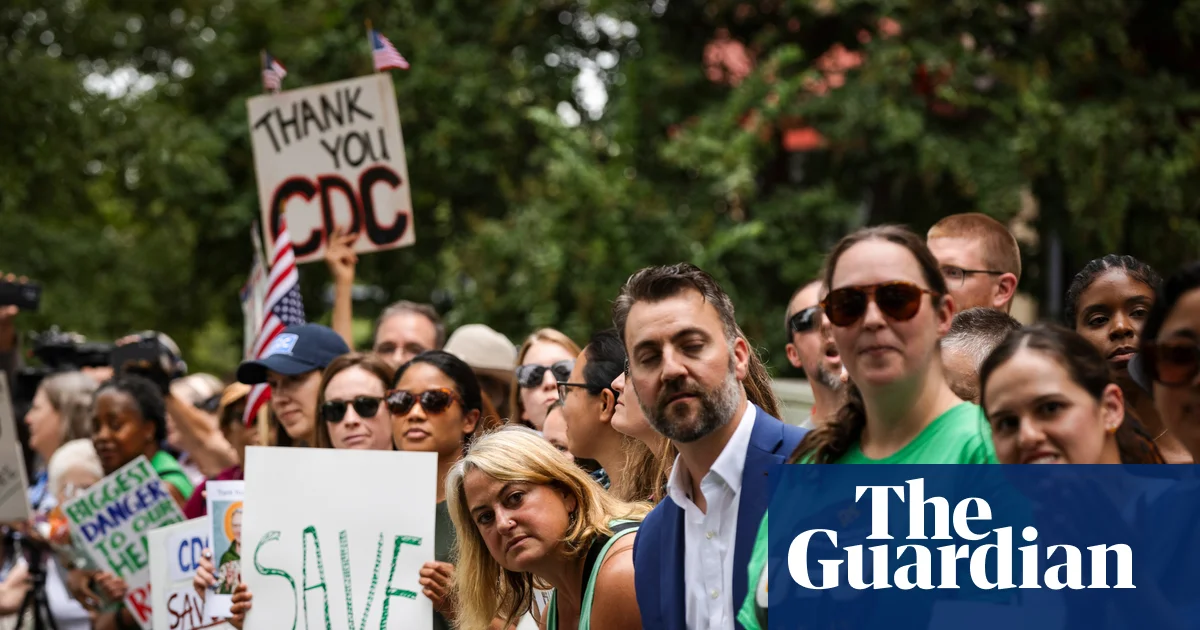
CDC Staff Confront ‘Limbo’ After Cycles of Firing and Rehiring Under Trump Era

The Fallout of CDC Layoffs: A Society in Turmoil and the Erosion of Public Trust

In recent months, the chaos surrounding layoffs at the Centers for Disease Control and Prevention (CDC) has unveiled deeper societal fractures that threaten the very fabric of community health and safety. As layoff notices flood federal offices, many families are witnessing firsthand how depopulation of critical health agencies diminishes America’s capacity to respond to public health crises. The involuntary attrition of over a quarter of the CDC workforce, including vital departments like the National Center for Chronic Disease Prevention and the Research Library, underscores a disturbing trend towards the dismantling of institutions meant to safeguard community well-being.

This wave of fiscal austerity and administrative chaos is not simply an issue of bureaucratic inefficiency; it narrows the pathways of trust and accountability that families rely on during health emergencies. The elimination of offices tasked with research and oversight—such as the ethics office and the Institutional Review Board (IRB)—raises profound questions about the moral responsibility of leadership. When crucial checks and balances are removed, families and communities are left vulnerable to unanticipated risks or ethical breaches that could have been prevented in better times. As social historian Dr. Lisa Greenberg notes, institutions like the CDC form the backbone of societal resilience, and their systematic undermining signals a dangerous slip away from accountability and expertise.

The implications extend beyond the realm of policy into everyday lives. Families, educators, and local communities are increasingly feeling the weight of a fractured health infrastructure. Arguments made by sociologists such as Dr. Samuel Torres suggest that the erosion of institutional integrity fosters a culture of skepticism and politicization that hampers collective efforts to address pressing issues like mental health, substance abuse, and preventative care. A community lacking coherent health guidance becomes a vulnerable arena for misinformation and fear, with many parents and teachers struggling to navigate an environment where evidence-based recommendations are disregarded or unavailable.

Amid this turmoil, the human impact manifests most painfully in instances like the tragic terrorist attack on CDC headquarters, where employees faced gunfire and trauma, or the targeted harassment and doxing that threaten the safety of public health champions. Such incidents expose a societal tension: when public health officials become targets of hostility or violence, it underscores a troubling decline in societal civility and respect for expertise. Former CDC officials warn that the decimation of the agency’s leadership impairs the nation’s ability to respond swiftly and effectively, leaving Americans increasingly exposed to health risks. This erosion of leadership, as historian Dr. James Navarro reflects, demonstrates a broader shift in societal values—from trust and collective responsibility to suspicion and individualism.

Ultimately, the story of the CDC layoffs is a mirror held up to society’s own vulnerabilities. As government resources dwindle and leadership becomes consumed with partisan battles, the hope for societal renewal lies in recognizing the importance of institutions rooted in expertise, ethics, and community service. The resilience of families and communities depends on their ability to advocate for a return to responsible governance—one that values human life over political optics. In the silence left by empty offices and forsaken research, society is called to reflect: can the communities built on shared values rebuild from the ruins, or will they fall further into disarray? The path forward demands more than policy shifts; it requires a renewed moral commitment to safeguard the health and dignity of every American, especially in an era where societal harmony and scientific integrity hang in delicate balance.

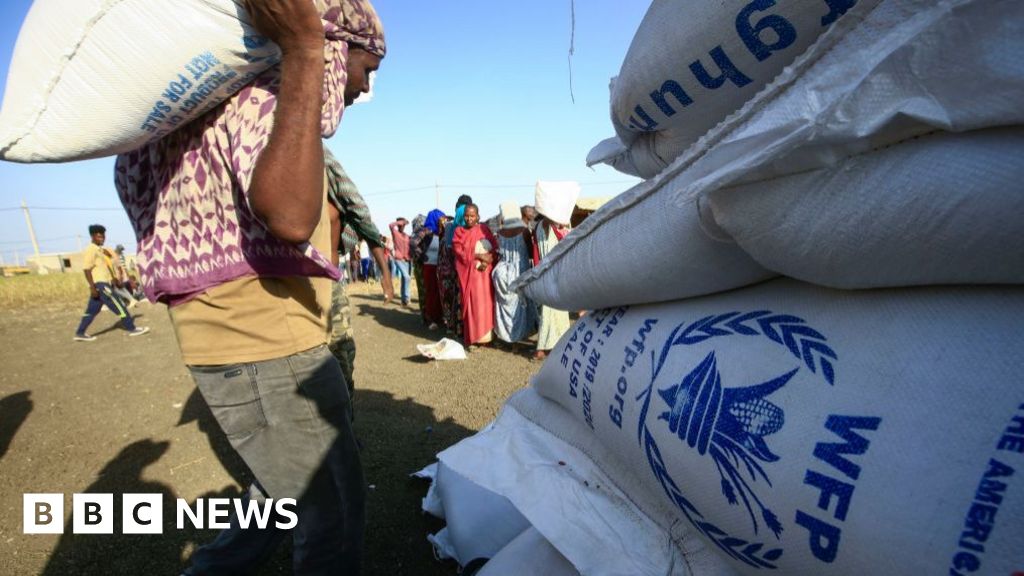
Sudan kicks out UN Food Agency staff as chaos worsens

Sudan’s Humanitarian Crisis Deepens as Military Expels UN Aid Officials

In a move that signals a troubling escalation, Sudan’s military government has ordered two senior officials from the United Nations’ World Food Programme (WFP) to leave the country within 72 hours. This unjustified expulsion comes amid a relentless civil war that has plunged the nation into an unprecedented humanitarian catastrophe. The ongoing conflict, which erupted in April 2023, has resulted in a catastrophic food blockade, leaving over 24 million Sudanese facing severe food insecurity. The removal of key aid personnel at this critical juncture is no coincidence; it underscores the regime’s intent to undermine crucial international aid efforts aimed at alleviating suffering in a conflict zone that has now become a battleground for influence and survival.

Conflict Escalation and Humanitarian Atrocity

  • The reprisals came days after the capture of el-Fasher in Darfur by the paramilitary Rapid Support Forces (RSF), a protracted victory following an 18-month siege that included a food blockade. This event has compounded fears that the violence in Darfur—once a region scarred by genocide—may be reawakened.
  • The fighting has directed international attention to the profound suffering of civilians caught amidst partisan violence, with reports of atrocities and mass killings spreading across the region.
  • Amidst rampant looting, shootings, and violations, eyewitnesses describe el-Fasher as a site of chaos and despair, reminiscent of Sudan’s darkest days during the early 2000s.

The situation illustrates a grim pattern: the resurgence of ethnic violence in Darfur’s rugged terrain, which has long been emblematic of regional instability. Historians and analysts warn that these events are a stark reminder of how internal conflicts can erupt into international crises, with regional and global consequences. The UN and regional bodies like the European Union and African Union have issued alarmed statements, condemning the escalation and calling for international intervention. Yet, the military government’s refusal to provide clear explanations for the expulsion of aid workers reveals an intention to clamp down on any external efforts to document or influence the conflict.

Geopolitical Ramifications and How International Decisions Shape Nations

The expulsions and escalating violence underscore a broader geopolitical shift where resilient regional powers and international organizations face renewed challenge in maintaining stability and order. As Sudan teeters on the brink of renewed genocide, the implications extend beyond Africa’s borders. The renewed violence threatens to destabilize neighboring countries, potentially fueling refugee flows, fostering militant recruitment, and creating fertile ground for larger regional conflicts.

Moreover, this crisis exposes the strategic weakness of international diplomacy, as the Sudanese military’s move to silence aid organizations indicates its defiance of Western and regional pressure. Experts point out that Sudan’s internal turmoil is emblematic of the failure of international efforts to broker lasting peace. If the situation continues to deteriorate, it could invite greater foreign intervention or, conversely, further entrenchment of regional conflicts, reshaping the geopolitical landscape of North-East Africa.

The academic and diplomatic community warns that actions taken today—whether through sanctions, peacekeeping, or diplomatic isolation—will ripple through the historical fabric of the region. How the global community responds to Sudan’s unfolding tragedy could determine whether the country slips further into chaos or emerges anew, scarred yet resilient. The weight of history is pressing heavily on this fragile nation, signaling a pivotal moment where choices made in the halls of power might either curb or catalyze the next chapter of its tumultuous story.

Conclusion: The Unfolding Shadow of History

As the world watches this unfolding tragedy, it becomes clear that Sudan’s plight is not merely a regional concern but a warning—a stark reminder that unchecked violence and international neglect can ignite a conflagration of human suffering that spans generations. The decisions made in the coming days could set a precedent for how the international community confronts future crises—whether with steadfast resolve or tragic indifference. The pages of history remain unwritten, and the shadow of Sudan’s unfolding chaos continues to cast a long and ominous pall over the pursuit of peace and stability in the 21st century.

University of Staffordshire plans to slash almost 70 jobs, sparking concern among students and staff

Societal Strain and the Future of Education: The Impact of University Job Cuts on Communities

The financial stability of our educational institutions faces mounting pressures that ripple far beyond the campus gates. Recently, the University of Staffordshire announced a plan to eliminate nearly 70 jobs amid ongoing economic challenges. This decision, driven by a necessity to save approximately £6.4 million, underscores the <crisis in higher education funding>—a crisis that threatens to undermine the very fabric of our learning communities. With 31.2 academic and 35.5 professional service roles on the line, the repercussions extend well into the lives of students, families, and the wider community.

While the university asserts that 95% of its staff will remain unaffected, the human toll of these cuts cannot be ignored. Such reductions do not merely delete jobs; they erode the integrity of student support systems and academic quality. As noted by social commentators, a diminished faculty can lead to larger class sizes, decreased access to mentorship, and a decline in innovative research. These shifts threaten to compromise the educational experience for the next generation—who are already grappling with an uncertain economic climate and changing job markets. The community’s strength is rooted in its shared investments in knowledge and growth, and when institutions weaken under fiscal strain, the ripple effects threaten families’ future stability and societal progress.

Historically, the expansion of higher education has played a crucial role in shaping resilient societies. As sociologist Dr. Alice Freeman notes, the stability of post-secondary institutions is intertwined with broader societal health. When those institutions falter, families are often forced to bear the brunt—either through increased costs, reduced access, or compromised quality—altering the very foundation of community cohesion. The challenges facing universities today reveal a shift in priorities: where once they were viewed as engines for social mobility, today they appear vulnerable to economic austerity, risking the degradation of the social contract between education and society. This cultural shift demands urgent reflection on our collective values and the societal cost of economic retrenchment.

Amidst these struggles, various proposed solutions emerge—from increased government support and targeted funding, to innovative collaborations that sustain jobs and academic integrity. Yet, the core issue remains: how do we ensure that the next generation of students receives not just an education, but an experience that prepares them to face the future? As history teaches us, real societal renewal often begins with communities rallying around their institutions—rebuilding resilience through shared sacrifice and renewed purpose. In a world where the social fabric is stretched thin by economic uncertainty, the hope lies in rekindling our collective commitment to fostering strong, inclusive, and well-supported communities. The challenge is formidable, but within it also lies the opportunity: the chance to transform societal values, prioritizing genuine growth over short-term savings, and nurturing a society where no student, family, or community member is left behind.”

NHS facilities staff to strike over pay discrimination—stand up for fairness and equality

Social Justice or Systemic Disparity? The Struggle of NHS Facilities Workers and Society’s Broader Reflection

In the midst of Britain’s sprawling National Health Service (NHS), a quiet but potent crisis is unfolding among the least visible yet most vital members of healthcare institutions: facilities staff. Comprising mainly cleaners, porters, and catering workers, these individuals are predominantly from minoritised communities. Recent reports from United Voices of the World (UVW) reveal that over 330 of these low-paid workers, employed by the St George’s, Epsom, and St Helier hospital group, are on the brink of striking, citing decades of wage stagnation, pension shortfalls, and systemic exclusion.

At the core of this social upheaval lies a stark disparity: these essential workers have reportedly been denied the benefits afforded to their higher-paid NHS counterparts, with pension contributions as low as 3% compared to the 23.7% of other staff. Such differential treatment underscores a broader issue of institutional racism and economic injustice within one of the nation’s most revered societal institutions. The figures tell a compelling story: over four years, these workers have lost more than £36 million in wages and pension entitlements—an economic blow that affects their families’ stability and their community’s resilience. For many, this wage gap translates into everyday hardship, where workers, often working unsociable hours, grapple with late bills and mounting debt, and sometimes resort to coming to work ill because sick pay is inaccessible.

This scenario echoes socialist sociologist Stuart Hall’s reflections on the cultural and economic marginalization of minoritized groups, illustrating how structural inequalities perpetuate cycles of inequality. The return of outsourced jobs in earlier years, coupled with recent efforts to reclaim these positions in-house under more favorable contracts, demonstrates an ongoing battle for fair treatment. Yet, despite such strides, the gap persists, highlighting the systemic failure to integrate these workers into the NHS’s core pay and conditions framework. The tensions expose a social fabric strained by injustice—a fabric that, if left unaddressed, risks pulling apart entirely.

The ongoing negotiations have far-reaching effects. When workers are kept outside the Agenda for Change, the very foundation of equitable pay and working conditions crumbles, impacting families, education prospects, and community stability. A survey by UVW revealed that a majority of these workers face sick leave cuts, with nearly a quarter falling into debt to make ends meet—an indelible mark on their ability to provide a stable environment for their children, forge careers, and contribute meaningfully to society. The moral question remains: should a nation as affluent as Britain tolerate such disparities within its most sacred institutions?

As social commentators like Dr. Nigel Lake warn, these disparities are not merely about wages—they are about societal values and the moral fabric of a nation. Legitimate efforts are underway to rectify these imbalances, with hospital authorities acknowledging some fault and advocating for fairer treatment. Yet, the challenge remains: how to ensure that the pursuit of fairness is not just rhetoric but becomes an enduring reality for the most vulnerable?

In the end, society faces a choice: continue to overlook the social fractures caused by embedded inequality, or confront them head-on, pitting the moral obligation of justice against the complacency of systemic neglect. These workers, driven by necessity and dignity, stand as a testament to the resilience of those on society’s margins—reminding us that true societal progress isn’t measured solely by economic growth but by the capacity to uplift and include every member of the community. In their struggle, perhaps society can glimpse the potential for genuine transformation—a fragile yet unwavering hope that echoes in the corridors of every hospital where the true health of a nation is ultimately measured not by its wealth, but by its capacity for justice and compassion.

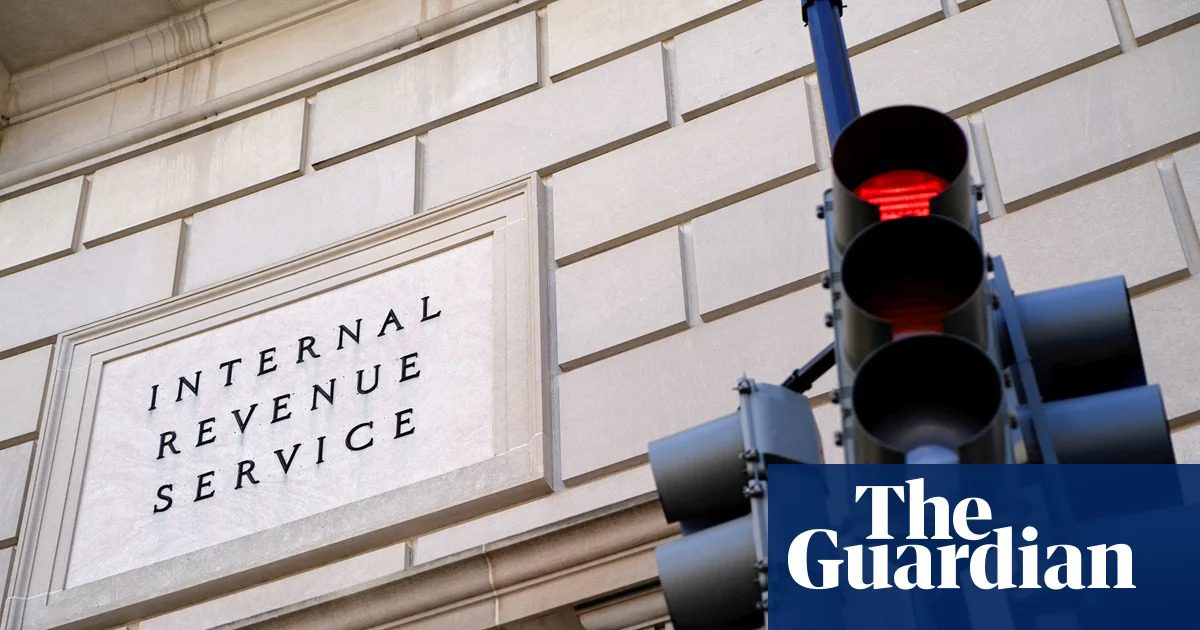
IRS to Lay Off Half Its Staff Amid Government Shutdown—A Wake-Up Call for Fiscal Responsibility

The United States continues to grapple with a prolonged government shutdown, an event that once again exposes the fragility of its bureaucratic machinery and signals potentially more profound repercussions on the global stage. As the Internal Revenue Service (IRS) announces it will furlough nearly 34,000 employees — approximately 53.6% of its workforce — the ripple effects are felt not only within domestic borders but across international economic networks. With vital tax enforcement and financial oversight hamstrung, analysts warn that global financial markets and diplomatic relations could become increasingly volatile.

The decision by the IRS comes amidst a broader political standoff in Washington over budget allocations, which has forced the federal government into a shutdown scenario. This internal crisis intensifies questions about the stability of American governance at a time when the nation’s geopolitical influence appears to be waning. The furlough, effective from October 8, leaves only about 39,870 employees working, as the agency warns of potentially increased delays in tax processing, enforcement, and taxpayer assistance. For an economy that claims to be the world’s financial nucleus, such disruptions underscore how internal political discord can weaken global standing.

International institutions and foreign governments are closely monitoring the fallout. The International Monetary Fund and World Bank have issued cautious statements, emphasizing that the United States’ political gridlock fosters **uncertainty** that could hinder emerging markets and global trade agreements. With the U.S. fiscal posture appearing increasingly unstable, countries dependent on dollar reserves and international commerce face mounting risks. Meanwhile, critics within global geopolitics warn that ongoing internal chaos may embolden adversaries, fueling narratives that America’s capacity to lead on the world stage is compromised.

  • A day after the furlough announcement, a White House memo suggested that furloughed federal employees, including those in the IRS, might not receive back pay, contradicting the protections established by the *Government Employee Fair Treatment Act of 2019*. Such conflicting signals intensify fears of escalating internal discord, which could serve as a strategic advantage for geopolitical rivals like China and Russia.
  • Historians point out that previous shutdowns have historically exposed the vulnerabilities in the American political system, but this instance’s broader economic implications are far more significant in an interconnected era where national security, trade, and diplomacy are inseparable.

As the crisis deepens, the global community watches intently. The echoes of internal strife in America serve as a sober reminder that the decisions made within the corridors of power resonate far beyond national borders. With each day that the government remains paralyzed, the world witnesses a chapter of internal disarray threatening to reshape the geopolitical landscape itself — a narrative still being written in the shadow of a nation that once stood as an unmatched superpower. History’s judgment, waiting patiently at the crossroads, will weigh heavily on those who choose to ignore the signs of an empire in peril, as the unfolding story bears the weight of the future.

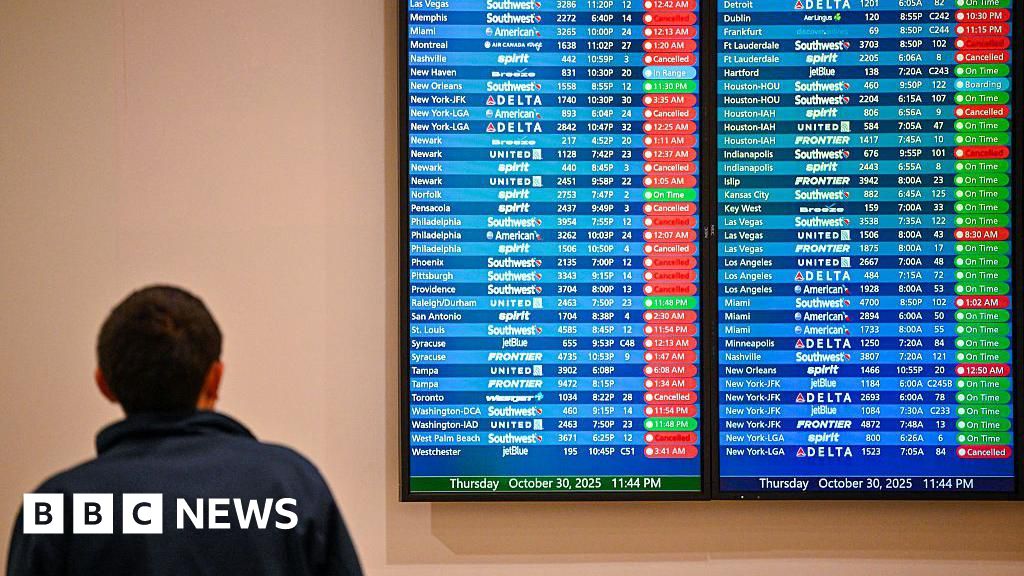
Europe’s skies at risk: Cost cuts and staff shortages threaten air safety, warns industry study

In a sobering revelation that casts doubt on the future of European aviation safety standards, a comprehensive study by Ghent University exposes dangerous shifts within the airline industry driven by relentless cost-cutting and corporate greed. As airlines prioritize profits over personnel welfare, pilots and cabin crew are pushed to work increasingly long shifts while feeling pressured to hide signs of exhaustion—factors that critically undermine passenger safety. This alarming trend, accelerated by the pandemic’s aftermath, signals a potential erosion of the continent’s once-robust safety protocols that, according to international safety experts, could have grave consequences for global aviation stability.

What is particularly troubling is the growing role conflict faced by airline staff, who are asked to juggle commercial responsibilities—such as onboard sales of alcohol and perfumes—with their fundamental duty to ensure passenger safety. The study highlights how a “Swiss cheese model” of systemic safety weakens with each cost-driven decision, creating “holes” where oversight fails. This phenomenon poses a significant geopolitical impact; with Europe striving to maintain its credibility as a leading aviation hub, these internal fissures threaten its reputation amid an increasingly competitive global industry dominated by low-cost carriers. International organizations and aviation analysts warn that a decline in safety could give rise to unforeseen disasters, risking not just lives but also damaging Europe’s hard-won stature in international civil aviation.

Underneath these systemic failures lies a troubling deterioration in crew morale and mental health. Nearly 70% of airline workers surveyed report falling below the threshold for positive mental health, with many describing a dehumanizing environment marked by fear, job insecurity, and a blatant lack of regard for their physical and psychological wellbeing. The phenomenon of “management by fear,” as experts call it, fosters a toxic workplace culture where safety is secondary to profit margins. Critics, including leaders of pilot unions such as Ignacio Plaza of the European Cockpit Association, warn that such conditions are not sustainable and could catalyze a crisis of confidence among industry professionals—crucial stakeholders for global flight safety. Historically, a well-trained, motivated workforce is the backbone of an aviation sector’s resilience, and the current trajectory risks making Europe a cautionary tale for the world.

As the international community watches, the question remains whether these trends will be addressed before they culminate in tragedy. The international aviation community—including the International Air Transport Association—has so far responded with muted concern, but assessments from top safety analysts suggest that urgent reform is needed. The choices made today—favoring short-term profits over the long-term integrity of safety systems—may yet define the legacy of this era. History, after all, often repeats itself, and the looming realization is that the caller’s whistle may come too late if decisive action isn’t taken. As the industry stands at this perilous crossroads, the weight of history presses down, reminding us that every decision now shapes the stories that future generations will recount—whether as cautionary lessons or as turning points toward renewal.

Social Media Auto Publish Powered By : XYZScripts.com