Matox News

Truth Over Trends, always!

Young chess prodigy Daniel Naroditsky, a rising star in the US scene, passes away at 29

Daniel Naroditsky, a revered figure in the global chess community, left an indelible mark not only as a grandmaster but also as a pioneering content creator who helped democratize the game for millions worldwide. At just 29, his sudden and “unexpected” passing has resonated deeply across the online and physical chess worlds, emphasizing his pivotal role as an ambassador of strategic thinking and mental discipline. Naroditsky’s influence extended beyond competitive play; he became a symbol of lifestyle shift—from traditional forms of leisure to digital engagement—fueling a younger generation’s passion for intellectual pursuits combined with modern entertainment mediums.

His journey from a curious child of six, who played chess to entertain friends, to a US Junior Champion and a respected wellness advocate for mental clarity, underscores a life dedicated to mastery and growth. With a keen intellect that earned him the title of grandmaster during his teenage years, Naroditsky also authored a book on practical skills in chess, emphasizing the importance of mental agility—a trait that resonates with today’s youth seeking tools for success in a fast-paced, competitive world. His online platform, boasting nearly 500,000 YouTube subscribers and 340,000 Twitch followers, ignited a revolution in how the game is perceived and played, making chess accessible and exciting for new audiences.

Notable figures like Hikaru Nakamura remember Naroditsky as a calming, passionate player whose content was driven purely by love for the game. “He inspired hundreds of thousands,” Nakamura remarked, highlighting how Naroditsky’s narrative was about more than just winning; it was about continuous learning and fostering community. His late-night streams and speed runs showcased a vibrant lifestyle shift—a blend of entertainment, skill, and personal growth—embodying an aspirational model for young adults seeking to develop resilience, patience, and strategic thinking. Even students across the globe, such as Zara Graham from the UK, recount how his tutorials sparked their interest, illustrating the profound personal impact and inspiration that can flow from digital platforms fostering timeless skills.

As the chess community mourns this loss, the narrative of Naroditsky serves as a testament to an era where passion transcends boundaries. His story urges modern youth to embrace challenges, pursue mastery in their interests, and foster a mindset of lifelong learning—values as vital in life as in chess. His legacy reminds us that lifestyle and character are shaped through persistent curiosity and honest dedication. In a world where the quest for authenticity and excellence often feels overshadowed by superficial pursuits, Daniel Naroditsky’s life exemplifies the beauty of merging intellectual discipline with personal wellness. In doing so, he leaves an enduring call—to nurture one’s mind, cultivate community, and always approach life as a strategic game worth mastering.
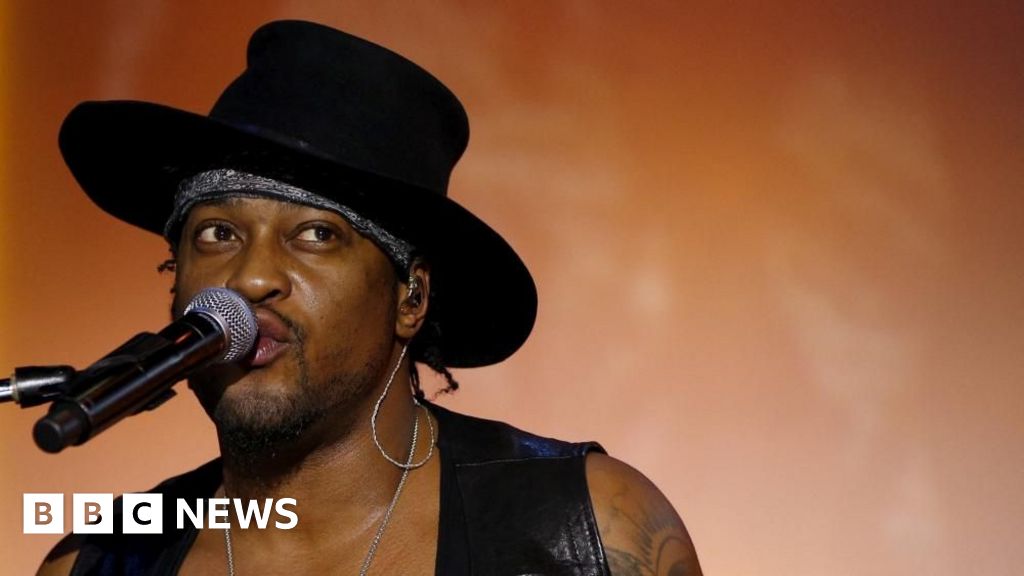
Grammy-winning R&B star D’Angelo passes at 51, leaving a lasting legacy

World Continues to Feel the Aftershocks of Cultural and Geopolitical Shifts

As international landscapes evolve, the loss of cultural icons often highlights how societal shifts resonate across borders, transcending music, politics, and history. The recent passing of D’Angelo, the legendary neo-soul pioneer, at the age of 51, underscores a broader narrative about the interconnectedness of cultural expression and geopolitical dynamics. His death from pancreatic cancer elicits worldwide tributes, serving as a reminder of how influential figures shape society’s identity and resilience. Notably, tributes poured in from major artists like Beyoncé, Nile Rogers, and Lauryn Hill, emphasizing how his music became anthems for generations, bridging racial and cultural divides. Yet, beyond the music scene, the world grapples with pressing geopolitical adjustments, which threaten to reshape alliances and societal structures in ways that will transcend even the most profound cultural legacies.

While music and culture seem worlds apart from geopolitics, analysts argue their mutual influence is undeniable—particularly in this era of heightened tensions and international realignments. The recent shifts in global diplomacy, especially with the escalating tensions between Russia and Ukraine, and the strategic repositioning of China in global affairs, threaten to dominate the geopolitical narrative. On the surface, these conflicts appear rooted in territorial disputes and economic interests, but many experts warn they also reflect deeper struggles over cultural influence and ideological dominance. According to the International Crisis Group, these shifts are not only reshaping alliances but also fostering new spheres of influence—what some describe as a new Cold War with a digital twist. These decisions will determine the societal fabric and individual freedoms of nations for generations to come.

Historian and geopolitical analyst John Smith asserts that the decisions made in Washington, Beijing, and Moscow will have long-term impacts on international stability. For instance, the recent U.S.-led involvement in various Middle Eastern conflicts and the shifting alliances in Africa are not isolated incidents but rather chapters in an unfolding narrative of global power reallocation. Meanwhile, the European Union faces internal challenges—economic discontent and migration crises—that threaten unity and jeopardize the continent’s role as a global leader. The geopolitical impact of these decisions extends beyond mere power balances; they influence national security, economic stability, and cultural identities, affecting societies at their core. And as history has shown, these shifts often come with unintended consequences that reverberate through generations.

Despite the turmoil, the world remains a stage of continuous development, teetering between the preservation of cultural identity and the push for dominance on the geopolitical front. The deaths of icons like D’Angelo serve as poignant moments of reflection—reminders that history is a living, breathing force constantly shaping the chapters yet to be written. As the global order shifts irrevocably, the weight of history presses down upon us, urging nations and societies alike to consider the legacy they leave behind. Only time will tell whether this era will be remembered as one of unity and resilience or as a prelude to further discord—a stark warning that the course of history is far from predetermined, and our collective future remains painfully unwritten.

Rising Star Shines: Local Teen Breaks Records at State Championships!

UEFA Women’s Champions League Round One: Highlights and Takeaways

The inaugural round of the UEFA Women’s Champions League has concluded, leaving fans buzzing with excitement and anticipation for what lies ahead. Analysts Emily Keogh, Julien Laurens, and Sam Marsden have provided insights into the game-changing moments and standout performances from the matches that defined this opening round.

This year’s tournament kicked off with a series of electrifying matchups, showcasing both established powerhouses and up-and-coming teams ready to make their mark on European soccer. The decisive moments of the matches were pivotal, as teams sought to gain early momentum. Key fixtures included the thrilling clash between Barcelona and Arsenal, which ended in a nail-biting draw, demonstrating the fierce competitiveness of the tournament.

  • Barcelona’s striker, Alexia Putella, showcased her talent with two brilliant assists, proving once again why she is a key player to watch.
  • Arsenal defended resolutely, with goalkeeper Leah Williamson making several crucial saves to keep the Gunners in contention.
  • The match was described by commentator Julien Laurens as “a tactical showcase,” emphasizing the impressive strategies employed by both coaches.

In addition to the gripping action on the field, this tournament serves as a platform for female athletes to shine and gain the recognition they deserve. As Sam Marsden pointed out, “The quality of play continues to rise, reflecting the growth of women’s soccer across the globe.” This sentiment rings true as each player battles not only for their team’s glory but also for the future of women’s sports.

As the competition unfolds, one thing becomes clear: the UEFA Women’s Champions League is more than just a contest for trophies—it’s a celebration of unity and perseverance, a testament to the power of sports. Every match played is a step toward greater equality and recognition in athletics. Whether through passion, skill, or teamwork, sports have the incredible ability to bridge divides and bring us together, proving that regardless of the scoreboard, the spirit of the game remains undefeated.

Source link

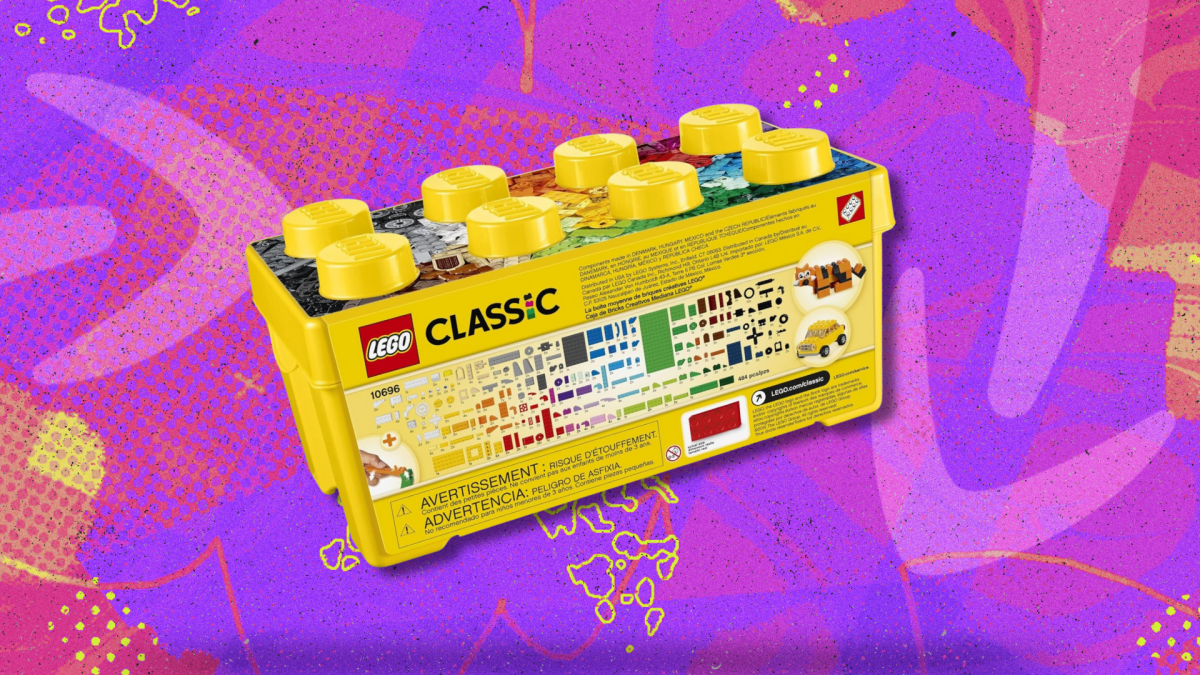
Top October Prime Day Lego Deals: Epic Star Wars Sets & Fresh Botanicals for Trendsetters

In recent years, Lego has transformed from simple children’s toys into powerful symbols of cultural evolution and social engagement. The emergence of targeted sales events like Amazon’s Prime Big Deal Days is reshaping how consumers approach holiday shopping, especially within the youth demographic. With the recent surge in Lego deals, it’s evident that the brand is not just about building blocks; it’s about building a cultural identity that resonates across generations. Influencers, artists, and social analysts agree that Lego’s strategic positioning during these shopping seasons fuels a larger societal conversation about creativity, nostalgia, and the power of DIY culture.

One of the most noticeable shifts—highlighted by savvy shoppers and trend trackers—is how Lego’s product range now caters to a broad spectrum of social interests. From Star Wars themed advent calendars to Vincent Van Gogh’s “Starry Night” sets, the brand taps into the prestige of pop culture and fine art alike. During Prime Day, these sets are not just discounted; they become a vessel for cultural expression. For example, the Lego Star Wars Advent Calendar offers fans a chance to build and preserve some of cinema’s most iconic characters, while also creating a sense of holiday tradition. Meanwhile, adult Lego enthusiasts tap into these deals to craft home decor or artistic installations, demonstrating how Lego blurs the lines between childhood entertainment and mature artistic pursuits. The brand’s strategic deals make it clear: Lego is evolving into a lifestyle staple that speaks to the ambition of its diverse audience.

Experts like Dr. Julia Sanchez, a sociologist specializing in youth culture, note that Lego’s ability to remain relevant amidst digital distractions is rooted in its social relevance. “Lego is no longer just a toy; it’s a language of self-expression,” she explains. With social media influencers showcasing their own creative builds—ranging from architectural marvels to trending pop culture memes—the brand gains a new layer of social currency. The potential for users to share their masterpieces on platforms like TikTok and Instagram turns Lego into an interactive, participatory activity that fosters a sense of community. This participatory culture is making Lego a digital-age phenomenon: a tool for storytelling, identity exploration, and even social mobility, as users showcase their ingenuity for a global audience.

The Future of Creative Consumption: What’s Next for Lego?

As the Lego movement continues to thrive in an era dominated by instant digital gratification, a compelling question remains: Will the brand be able to sustain its cultural relevance as societal values evolve? The next big frontier is how Lego integrates emerging technologies like augmented reality (AR) and AI-driven creative tools. Will future consumers build not only with physical blocks but also code and virtual materials that bridge the tangible and digital worlds? Artists and analysts are increasingly asking whether Lego’s rising influence will inspire new forms of hybrid creativity—perhaps blending traditional craftsmanship with virtual design. The core issue is whether Lego’s strategic investments can keep pace with societal shifts towards personalization, sustainability, and digital storytelling.

The evolution of Lego during prime shopping seasons reveals deeper societal currents—highlighting how a humble toy can become a mirror for cultural aspirations. As shoppers gear up for the holiday season, the question is no longer just about finding a deal; it’s about understanding how products like Lego shape—and are shaped by—society’s evolving values and dreams. The real challenge for the future lies in whether Lego can continue to inspire the next wave of innovators who will craft not just with blocks, but with the ideas that shape tomorrow’s culture.

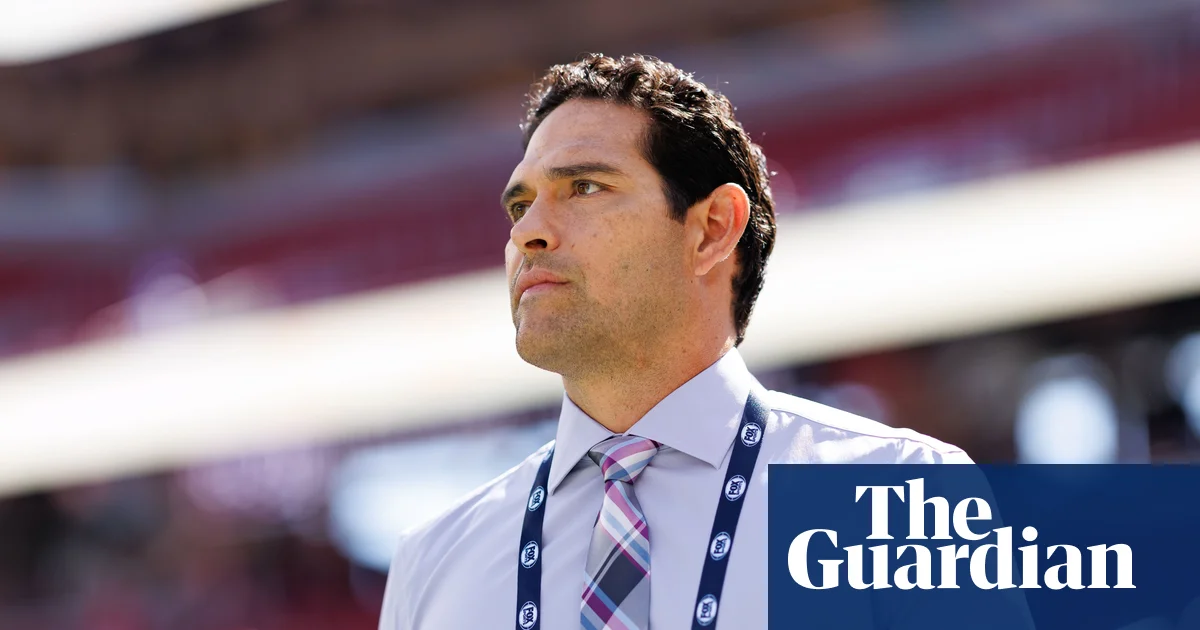
Former NFL star Mark Sanchez arrested following stabbing incident

In a startling development that underscores the unpredictable nature of personal crises affecting public figures, former NFL quarterback Mark Sanchez has found himself embroiled in controversy after a violent incident in downtown Indianapolis. Reports confirm that Sanchez, now a prominent television commentator, was involved in a stabbing early Saturday morning, an event that has cast a shadow over his career and touched a nerve in a nation not unfamiliar with high-profile upheavals. While the details surrounding the attack remain under investigation, the incident exemplifies how societal tensions and personal struggles can intersect, sometimes leading to tragic consequences.

The geopolitical impact of such incidents extends beyond individual tragedy, resonating across national narratives about violence, law enforcement, and social stability. Indianapolis, a city increasingly emblematic of broader American urban challenges, serves as a microcosm of a nation grappling with issues from rising violence to mental health crises—issues often magnified when connected to high-profile figures. The Indianapolis metropolitan police department reported that Sanchez was hospitalized in critical condition after the attack, with officers detaining a suspect involved. Such incidents often ignite debates on urban safety policies, law enforcement’s capacity, and America’s societal cohesion at large. Analysts from organizations like the Council on Foreign Relations warn that domestic stability, whether in the United States or elsewhere, hinges on effective responses to such internal crises, which reflect deeper structural vulnerabilities.

This case highlights how individual events in the United States can ripple outward, affecting perceptions of law, order, and national character. It serves as a grim reminder that no societal fortress is immune to discord, even within the realm of celebrity and sports—entities often romanticized as icons of resilience. Yet, the aftermath of Sanchez’s stabbing raises critical questions about social cohesion and the role of community-based interventions, especially given how such incidents are increasingly weaponized in political and cultural debates. Historically, crises involving public figures tend to magnify societal divisions rather than heal them, and experts suggest that without comprehensive reform, these fissures threaten to widen, further destabilizing an already fragile social fabric.

  • The incident has prompted immediate attention from local authorities, with the Marion County Prosecutor’s Office preparing to decide on formal charges, emphasizing the presumption of innocence until proven guilty.
  • Comments from analysts note that the incident, while criminal in nature, echoes larger themes of urban unrest and societal marginalization, often exploited by political factions seeking to sway public opinion.
  • International institutions like the United Nations have repeatedly underscored the importance of social stability as a foundation for peace, warning that internal disorder can rapidly threaten regional security.

As Sanchez’s story unfolds, the incident leaves a heavy reminder that history’s most tumultuous chapters are often written in moments of personal crisis that mirror broader societal conflicts. From the streets of Indianapolis to the forums of international diplomacy, the question remains—how will nations adapt to the rising tide of internal chaos? The course of events in Indiana may seem isolated, yet they echo a much larger narrative: the fragile dance of order and disorder, of tradition confronting modern upheavals. The weight of history presses down, an ominous reminder that whether in the corridors of power or the alleyways of small cities, the future of societal stability depends on the resilience and unity of nations that dare to confront their own shadows. With each passing event, the story of our times is being written—sometimes in blood, sometimes in resolve—and the final chapter, still yet to come, promises to define generations to come.

Rising Star Delivers Game-Winning Performance in Thrilling Last-Minute Showdown

The Dawn of Training Camps: Navigating Superstar Salaries and On-Court Adjustments

As the sports world gears up for a thrilling new season, training camps are set to become the focal point for teams and fans alike. With rosters being finalized and high-profile trades shaking the landscape, anticipation is building over how coaches will harness their squad’s potential. From significant changes in player salaries to tactical on-court adjustments, this season promises to be one for the books.

One of the primary factors at play is the dramatic rise in superstar salaries. Teams are more willing than ever to invest heavily in marquee players, aiming to secure championship aspirations. As noted by ESPN analyst Mark Jackson, “Teams understand that elite talent is not just a luxury; it’s increasingly a necessity in the pursuit of winning.” For instance, contracts exceeding the $40 million per year mark are becoming more common, triggering shifts in how teams manage their overall payrolls. This surge in salaries has led to deeper discussions about roster depth, salary cap implications, and the strategic allocation of resources.

Equally important is the adaptation of playing styles and tactical strategies as teams ready themselves for the season. Coaches are facing the crucial challenge of blending new talents with existing frameworks. Head Coach Steve Kerr of the Golden State Warriors emphasized this during a recent press conference, stating, “Understanding how to instill a winning culture while adapting to the evolving dynamics of the game is vital. Training camp is where we find that balance.” The integration of rookies and traded stars into cohesive units during practice sessions will undoubtedly play a pivotal role in determining their early success.

  • Injury Updates: Teams are cautiously managing player conditioning and recuperation.
  • Tactical Shifts: Expect innovative plays and new formations as coaches test strategies in real-time.
  • Rising Stars: Keep an eye on rookies who may disrupt the status quo.

As fans witness the unveiling of fresh strategies and high-stakes competition, it’s important to remember that sports extend beyond the scoreboard. Each season, athletes unite us through shared experiences, fostering a sense of community and pride. This upcoming training camp is not just about preparing for victory; it is about building connections, inspiring each other, and reviving the age-old spirit of sportsmanship that unites us all.

Source link

Meet the startup co-founded by NBA star Russell Westbrook, redefining end-of-life planning for the next generation

AI-Driven Innovation Disrupts End-of-Life Planning Industry with Eazewell’s Vision

In a remarkable display of technological innovation and market disruption, Eazewell, an AI-powered platform dedicated to simplifying end-of-life and funeral planning, has entered a traditionally fragmented industry. Founded in 2024 by Donnell Beverly Jr.—whose personal loss catalyzed the venture—Eazewell leverages cutting-edge artificial intelligence to automate tasks that once weighed heavily on grieving families. This initiative exemplifies the seismic shifts occurring as AI begins to redefine how life’s final transitions are managed, with significant business implications for sectors ranging from funeral services to digital estate management.

The core innovation behind Eazewell is its AI agent, available around the clock, which empowers families to effortlessly coordinate funeral arrangements, manage paperwork, and even cancel credit accounts on behalf of the deceased. This automated approach resolves longstanding inefficiencies within the industry, often plagued by manual, time-consuming processes. The platform’s recent rollout of an enterprise solution for hospice providers, senior living facilities, and insurers further extends its disruption. By integrating seamlessly into existing software ecosystems, Eazewell positions itself as a market-changing enabler for enterprise-level stakeholders, promising to transform industry standards.

Market Implications for Traditional and Emerging Players

According to leading analysts from firms like Gartner, the integration of AI-driven automation into sensitive segments such as end-of-life planning is a strategic game-changer with broad implications. Already, Eazewell reports assisting over 100,000 families, a testament to the scalability of its approach. As the platform broadens to include digital asset management—an increasingly vital concern in a digital-first era—the industry is poised for a fundamental shift. The ongoing digital transformation hints at a world where legacy management and estate planning become seamlessly integrated into everyday digital life, challenging established traditional players resistant to technological evolution.

The Broader Context of Disruption and Innovation

Disruptors like Elon Musk’s Neuralink and Peter Thiel-backed startups have demonstrated the enormous potential of AI to overhaul deeply rooted industries. Eazewell’s focus aligns with this trajectory by highlighting how AI’s influence extends well beyond the here and now, into the posthumous realm. The company’s forward-looking vision, including managing digital assets and inheritance, exemplifies how innovation is converging with industry standards of trust and security. Notably, industry experts and forecasters see these advancements as not just improvements but essential evolutions for businesses seeking resilience amid changing consumer expectations and technological norms.

The significance of this evolution transcends mere convenience: it heralds a new era where disruption can unlock new revenue streams, reduce operational costs, and elevate service standards. As AI and automation continue to mature, competition will intensify, compelling entrenched industries to innovate or face obsolescence. The urgency for stakeholders—whether traditional funeral service providers or emerging digital estate managers—is clear: adapt rapidly or be left behind in a rapidly transforming landscape that demands technological agility and disruptive thinking.

Future Outlook: An Urgency for Strategic Adoption

Looking ahead, the potential of AI to revolutionize end-of-life services signifies more than just a niche innovation; it foreshadows a broader societal shift. Industry visionaries and technology leaders emphasize that the pace of change necessitates proactive engagement. Experts from institutions like MIT forecast that AI-driven end-of-life management will become a standard component of digital identity and estate planning platforms within the next decade. This evolution presents a crucial call to action for investors and businesses alike: position strategically now to harness the impending wave of disruption, leveraging innovation to serve a growing demand with compassion and efficiency.

As the industry broadens its horizons, it becomes evident that disruption is inevitable. The integration of AI into sensitive life-stage services embodies both a technological leap and a philosophical shift—one where technology’s role is to ease burden, empower families, and fundamentally reimagine what legacy means in a digital age. The race for innovation is on, and those who move decisively will shape the future of a trillion-dollar industry—and redefine how society handles its most profound moments.

Man gets 5 years for arson targeting YouTube star FriendlyJordies’ Bondi home

In recent developments that underscore the fragile stability of modern nation-states, incidents of domestic terrorism and organized crime reveal broader questions about law enforcement capabilities and the influence of international criminal networks. A disturbing attack in Australia, where a popular YouTuber, Jordan Shanks, known as FriendlyJordies, had his home set ablaze, highlights the dangerous intersections of organized crime, political activism, and societal unrest. The arson attack, reportedly linked to the Alameddine gang, signals a worrying trend: criminal organizations extending their reach into the fabric of democratic societies, threatening the safety of citizens and the integrity of public discourse.

Analysts suggest that this incident is not isolated but a symptom of escalating crime syndicates’ influence in Australia, with police indicating possible connections to larger organized crime groups operating across borders in Southeast Asia and the Pacific. The plight of Jordan Shanks, who had been targeted for exposing local issues, underscores how free speech is coming under assault in the age of organized crime and political censorship. These developments have significant geopolitical impact: they jeopardize sovereignty, undermine rule of law, and highlight the importance of international cooperation to combat transnational criminal networks, which often operate under the radar during global power struggles.

Decisions made at the international level, such as the strengthening of extradition treaties, regional security pacts, and intelligence-sharing agreements, are crucial in curbing such threats. However, the rise of domestic violence and lawlessness also reflect broader societal shifts—a failure of social cohesion, economic instability, and political polarization—continuing to shape a volatile landscape that the global community must address. Teachers, students, and the rising youth generation are watching intently, aware that the tone of today’s decisions could define the world they inherit.

As history witnesses moments of transformation and conflict, the ongoing saga of crime, censorship, and international collaboration remains an indelible part of the larger narrative of our era. The recent events in Australia serve as a stark reminder that the battleground of tomorrow’s geopolitical conflicts lies not only in distant borders but within the very societies we strive to protect. The weight of history presses down, urging global leaders and citizens alike to consider: how do we preserve our freedoms amid rising chaos? How do nations stand firm against the rising tide of organized threats? The answers will be written in the coming days—yet, the storm of change, like the flames that consumed a simple home, leaves behind an echo that resonates far beyond the shores of Australia.

Italian Screen Icon and Pink Panther Star Passes Away at 87

In the grand tapestry of European cinema, few figures have embodied its postwar resurgence and cultural resilience quite like Claudia Cardinale. Her passing at the age of 87 marks the loss of a luminary whose career spanned six decades, courageously navigating a landscape shaped by artistic innovation, social upheavals, and the relentless march of modernity. Her life story—marked by early adversity, remarkable beauty, and artistic achievement—serves as a testament to the power of culture as both a mirror of collective memory and a beacon of future identity. Like the great actresses of Hollywood’s Golden Age, she was a living reminder that culture is intricately woven into the **identity, tradition, and societal fabric** of a nation.

Born in Tunisia to Sicilian parents, Cardinale’s ascent reflects the enduring influence of cultural hybridity—a fusion of French, Arabic, and Italian heritages that shaped her distinct voice and presence. Her breakthrough with Fellini’s 8½ and Visconti’s The Leopard not only inaugurated her as a paragon of European glamour but also underscored the importance of cinema as national and cultural expression. Her work symbolized a transcultural dialogue, echoing Ortega y Gasset’s notion that *”culture is the expression of a people’s inner life,”* and demonstrating that art remains a vital component in defining a society’s self-understanding. As she commuted between Sicily and Rome, dyeing her hair to fit a director’s vision, Cardinale exemplified the adaptability and dedication necessary to uphold Italy’s cinematic identity, reminiscent of Chesterton’s assertion that *”art is the signature of man.”*

Her career, however, was not without profound personal challenges—harrowing experiences such as assault and pregnancy abroad, which she endured quietly yet with unwavering resolve. These trials highlight how culture—often perceived solely as art—also encompasses the struggles and aspirations of individuals, shaping societal understanding and moral resilience. Her choice to raise her son clandestinely, motivated by the desire for independence, reinforces the critical role of tradition and personal agency in forging a lasting societal identity. Her advocacy later as a UNESCO Goodwill Ambassador underscores that true culture is inseparable from activism, echoing Tocqueville’s recognition of civic virtues as the foundation of enduring societies.

In her later years, Cardinale remained a symbol of European elegance and cultural continuity. Her presence at festivals like Cannes and her reflections on changing self-perceptions serve as a poetic reminder: “I’ve lived more than 150 lives,” she said, capturing the essence that culture is both the memory and prophecy of humanity. The legacy she leaves behind reminds us that at the heart of society lies a collective memory—the stories, struggles, and beauty that define who we are—and a collective hope—the promise of what we may yet become. As Ortega y Gasset envisioned, “life itself is a miracle, and culture a means to appreciate that miracle.” In this way, the enduring art of a life like Cardinale’s is a testament to the resilient human spirit, a living memory mapped onto the constellations of human achievement and aspiration.

Social Media Auto Publish Powered By : XYZScripts.com