Matox News

Truth Over Trends, always!

Starmer: Tech Giants Face 48-Hour Deadline to Act Against Revenge Porn or Risk Bans

The United Kingdom is taking a bold stand to combat the rising tide of nonconsensual digital content and AI-facilitated abuse. Prime Minister Keir Starmer recently declared a “national emergency” against the proliferation of deepfake nudes and revenge porn, emphasizing the urgent need for decisive government intervention. This new policy aims to enforce a stringent 48-hour window for the removal of illicit images once flagged, with the goal of significantly curbing the spread of this harmful content across social media platforms, pornography sites, and beyond. Such measures highlight a conscious shift towards holding technology firms accountable, especially under the scrutiny of the Ofcom regulator, which is expected to be empowered by the summer to enforce these rules.

This crackdown is not merely about privacy or decency; the layout of international, societal, and geopolitical dynamics is at play. Britain’s push for stricter online safety laws echoes a broader global trend where governments increasingly seek to regulate AI tools and digital content that threaten societal norms and threaten individual safety. The recent controversy surrounding Elon Musk’s Grok AI tool—which generated nonconsensual sexual images—serves as a stark reminder of how innovative technology can be weaponized in ways that magnify harm. Critics argue that the lack of effective regulation allows deepfake technology to flourish unchecked, fostering a digital environment where victims of abuse and extortion find little refuge. By enforcing rapid removal timelines and legislating against AI-generated offensive material, the UK aims to set a precedent that can resonate outside its borders, challenging other nations to follow suit in protecting societal moral standards.

Analysts and international organizations observe that the UK’s legal reforms are a significant step in how regulatory decisions impact global tech companies. The threat of fines—up to 10% of worldwide revenue—and potential service bans are a clear indication that Big Tech will face serious consequences if they fail to act swiftly.

  • The implementation of digital watermarks for illicit “revenge porn” images aims to enable automatic detection and removal, reducing the burden on victims who often have to repeatedly report the same content.
  • Attempts to regulate AI-generated explicit images balance between safeguarding victims and upholding free speech, a delicate dance that underscores the ongoing struggle for responsible innovation.
  • The broad scope of the law, which extends to “rogue websites,” signals a firm stance on disrupting black markets for illicit content, even beyond the UK’s borders.

This move underscores a broader challenge: how to effectively hold powerful institutions accountable and address deep-rooted cultural issues. Prime Minister Starmer’s focus on cultural reforms—particularly his efforts to challenge misogyny within government and politics—illustrates a recognition that technological regulation alone cannot solve societal misogyny or gender-based violence. As he critiques the “institutional misogyny” woven into UK society, his emphasis on elevating women in government reflects an understanding that real change demands both policy and cultural overhaul. Meanwhile, political scandals such as the controversy over Peter Mandelson’s connections to Jeffrey Epstein serve as a stark reminder of the persistent failures endemic to the ruling elite. This is a pivotal moment—one where the decisions made will echo through a fractured political landscape and test the resilience of democratic institutions.

As digital freedoms meet the relentless march of regulation, history continues to forge its course in the uneasy balance of liberty and control. The UK’s efforts, rooted in the acknowledgment of the profound geopolitical and societal consequences, demonstrate that the fight against misuse of technology is far more than a matter of mere policy. It defines the very fabric of moral authority in this new era, where every decision carved into the stones of law could either fortify the foundations of justice or erode them beneath waves of unchecked power. The unfolding saga promises a future fraught with challenge and upheaval—yet it is precisely within this crucible of conflict that the forces shaping tomorrow’s society are being forged in the fires of necessity and resolve.

Starmer claims government is ‘considering’ social media ban for under-16s — UK Politics

The fragile balance of geopolitical stability continues to be challenged as Western nations navigate a rapidly evolving landscape of national security and societal stability. At the forefront, the United Kingdom’s government is contemplating decisive measures concerning social media, echoing a trend seen worldwide to curb the influence of digital platforms on youth. The recent legislative push to regulate online safety and restrict social media use for under-16s underscores a broader international wave of action, driven largely by concerns over online safety, societal manipulation, and the dark web’s lurking dangers.

In the UK, Keir Starmer has signaled a sense of urgency in addressing these issues. Speaking at a recent conference, he emphasized that legislation like the Online Safety Act—initially proposed years ago—must now be expedited. Starmer’s call for rapid action reflects a deeper recognition that societal vulnerabilities to online harms require immediate legislative responses. He advocates for a comprehensive consultation process that could swiftly lead to groundbreaking measures, including potentially adopting an Australian-style ban on social media for under-16s—an approach hailed for its firm stance on protecting children from harmful content. Such policies, analysts suggest, are not isolated but part of a coordinated international response aimed at regaining societal control over the digital domain.

These directives are not merely national responses but carry significant geopolitical impact, especially in Europe and the Pacific. Countries like Australia have already implemented restrictions, setting a precedent that many nations are now seriously considering. Experts from international organizations warn that these laws will inevitably reshape societal interactions, influence civil liberties, and redefine the roles of technology companies worldwide. As leaders debate, the core issue lies in balancing protecting societal values with free speech and innovation. Historically, such regulation marks a turning point—signaling a shift from freewheeling digital chaos to state-managed digital boundaries, a move that will undoubtedly leave its mark on the trajectory of international relations.

Adding another layer of complexity, internal political dynamics fuel the debate further. Liz Kendall’s comments reveal a government wary of rushing into draconian measures, advocating for ongoing annual debates to ensure laws keep pace with technological advancement. Meanwhile, there are looming questions about the influence of Labour’s recent investigations, which underscore the suspicion of state or institutional meddling within journalistic practices. Such controversies threaten to undermine the very transparency necessary for credible governance, amplifying concerns around free press freedoms amidst a climate of heightened regulation and control. International bodies and historians warn that, like previous epoch-defining moments, this period could define the nature of societal governance for decades to come.

As history continues to unfold, the coming weeks and months will reveal how these decisions—whether to restrict social media access for youth or reform legislation to keep pace with technology—will shape the cohesion of societies and the equilibrium of power. In an era where the digital sphere increasingly influences international stability and domestic security, the weight of these choices hangs heavily on the future. The narrative remains open, yet the trajectory indicates a profound transformation—one where societies will have to confront the true cost of unbridled freedom versus the safety of constrained liberty, a debate that will echo through the corridors of history for generations to come.

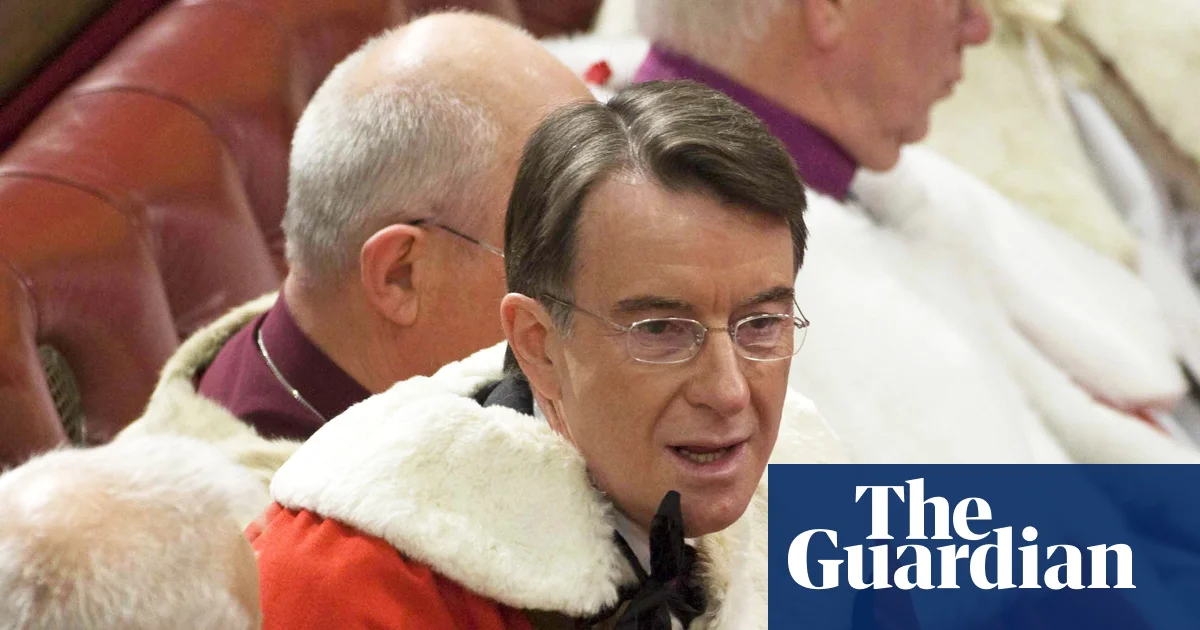
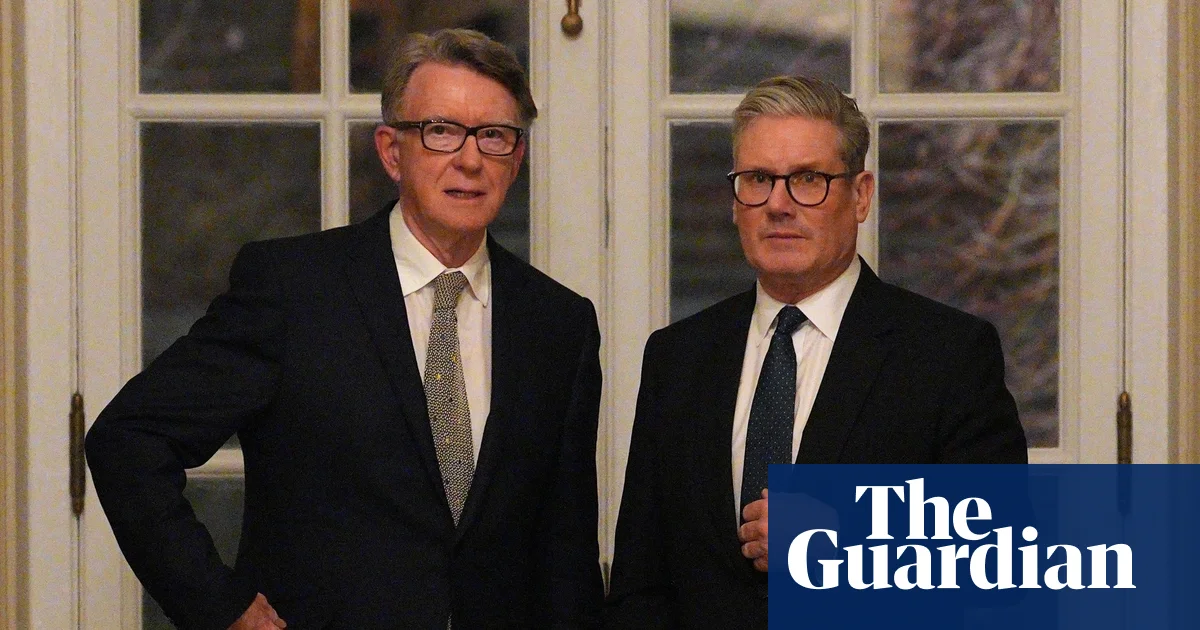
Starmer hands Mandelson dossier to police, plans to strip peerage—tough justice for the establishment insider

UK Political Scandal Sparks International Outcry and Questions of Trust

The recent revelations involving Peter Mandelson, a once-powerful figure in British politics, have sent shockwaves across the United Kingdom. As Keir Starmer, the current Prime Minister, prepares to hand a dossier of evidence to law enforcement, the scandal underscores a deeper crisis of confidence in political leadership at a time when global institutions face unprecedented turbulence. Disclosures of leaked market-sensitive information linked to Jeffrey Epstein, a notorious financier and sex offender, threaten to undermine Britain’s standing both domestically and internationally.

At the heart of this controversy lies the alleged exchange of confidential government information with Epstein, a man whose name remains synonymous with scandal and depravity. Fresh disclosures from the Epstein files reveal that Peter Mandelson, who served as business secretary under Gordon Brown, is accused of sending emails containing sensitive information about economic measures intended to stabilize the global market during the financial crisis. Such conduct, if proven true, threatens to taint the legacy of one of Britain’s most influential politickers and raises questions about the integrity of political decision-making during a period of economic upheaval.

Global Impact and the Decline of Political Trust

This scandal does not merely shake Britain’s political landscape; it reverberates throughout the international community. Analysts warn that breaches of confidentiality at the highest levels can weaken global trust in national governments, especially when financial markets are so interconnected. Historians caution that such leaks, especially involving powerful financiers like Epstein, serve as a stark reminder of the vulnerabilities in the opaque corridors of power. The International Monetary Fund and other multilateral agencies have repeatedly stressed the importance of transparency in crisis management, yet recent events suggest that some leaders may have compromised these principles for personal or clandestine motives.

Underpinning the political fallout are questions about the influence of clandestine figures and their potential impact on national policy. If Mandelson, a key player in the UK’s political and economic spheres, was indeed passing sensitive material based on his contacts and associations, it could signify a broader pattern of corruption and undue influence. Such revelations threaten not only Britain’s credibility but also the perceived integrity of international diplomacy and financial stability, prompting calls for a global reevaluation of oversight mechanisms.

Decisions and How They Shape Society

The decision by Prime Minister Keir Starmer to pursue a crackdown on Mandelson reflects a broader emphasis on restoring public trust and reinforcing accountability. By proposing legislative changes to strip the disgraced former minister of his peerage, the government signals its resolve to confront misconduct head-on. This move underscores an ongoing paradigm shift—when international scandals touch the core of national governance, leaders are compelled into actions that have long-term geopolitical implications.

What ultimately hinges on this scandal is the delicate balance between upholding justice and safeguarding a nation’s diplomatic standing. The United Kingdom, grappling with the challenges of a post-Brexit world, cannot afford to appear divided or compromised. Critics argue that delays in addressing such breaches erode international confidence, impacting alliances and trade relationships. As Global analysts and policy think tanks dissect the plausible fallout, the story remains a stark reminder of how individual actions—especially at the confluence of government and finance—can ignite a chain of events with far-reaching consequences.

Unfolding History and Its Uncertain Future

As the investigation into Mandelson unfolds, the larger narrative of power, secrecy, and accountability continues to be written. The weight of history presses down on leaders, whose choices may one day be viewed as either safeguarding national integrity or failing under the pressure of scandal. The international community watches with bated breath, aware that these fissures in the political fabric have the potential to either heal through transparency or deepen, threatening the foundations of global order. The coming days will reveal whether Britain’s leadership will confront this crisis decisively or allow it to fester, leaving a scar on its reputation that history may never fully erase.

Starmer calls for Mandelson to lose peerage amid leadership concerns

The United Kingdom finds itself at a critical juncture amidst recurrent revelations linking leading political figures to the sordid network of Jeffrey Epstein. The latest disclosures implicate Peter Mandelson, a once-powerful Labour figure, in a series of controversial contacts, raising profound questions about the integrity of UK political elites and their ties to global financiers entrenched in illicit activities. Prime Minister Keir Starmer has openly called for Mandelson’s resignation from the House of Lords and has pushed for reforms to purge the institution of peers who bring disrepute, signaling a possible shift toward accountability in the UK’s aristocratic chambers.

This scandal transcends national boundaries, echoing the uprising of international scrutiny over how elite networks manipulate policy for personal gain. The documents released by the US Department of Justice reveal Mandelson forwarding sensitive government information and attempting to influence policy on issues such as asset sales and bankers’ bonuses—an indication of how interconnected financial, political, and criminal spheres can be. Such revelations reaffirm concerns expressed by political analysts and historians who argue that decades of complacency within Western democracies have enabled the rise of an opaque, unaccountable ruling class. The scandal’s potential repercussions could accelerate calls to overhaul the UK’s parliamentary disciplinary system, drawing parallels with historical efforts during the First World War to rein in peerages deemed unfit for the modern era.

  • The demand for Mandelson’s resignation underscores the broader struggle to modernize outdated institutions that serve as gateways for elite privilege and influence.
  • International organizations, including the United Nations and Transparency International, have long voiced concerns over the global networks of influence that allow corruption and criminality to flourish beneath a veneer of legitimacy.
  • The potential for cross-border investigations, especially involving US authorities, underscores the geopolitics of accountability, with powerful nations asserting influence over how justice is rendered within others’ sovereign frameworks.

For Britain’s geopolitical reputation, this scandal exposes vulnerabilities in the shadows of its once-glorious institutions, prompting critical reflection on how deeply entrenched elite networks may have shaped policy and perpetuated corruption. The involvement of Epstein’s financial dealings, with payments to Mandelson and his associates, further emphasizes the dangerous confluence of global finance and clandestine influence, threatening to undermine public trust across societies. As analysts warn of the erosion of democratic norms, the unfolding saga could set a precedent, inspiring similar scrutiny in other Western democracies still grappling with opaque power structures. Moreover, the international fallout risks complicating diplomatic relations, especially as the UK navigates its post-Brexit path, balancing sovereignty with the unwelcome realities of globalized corruption networks.

As history continues to be written in the shadows of scandal, the weight of this moment reminds a shaken continent that the pursuit of power often walks hand in hand with moral compromise. The question remains: how deep does the rot go, and who will be brave enough to dismantle generations of privilege to forge a new path? The answer lies ahead, buried deep within the archives of secrets long guarded. As the UK grapples with its political legacy, the world watches—and waits—for the next chapter in a saga that may well define the course of history for decades to come.

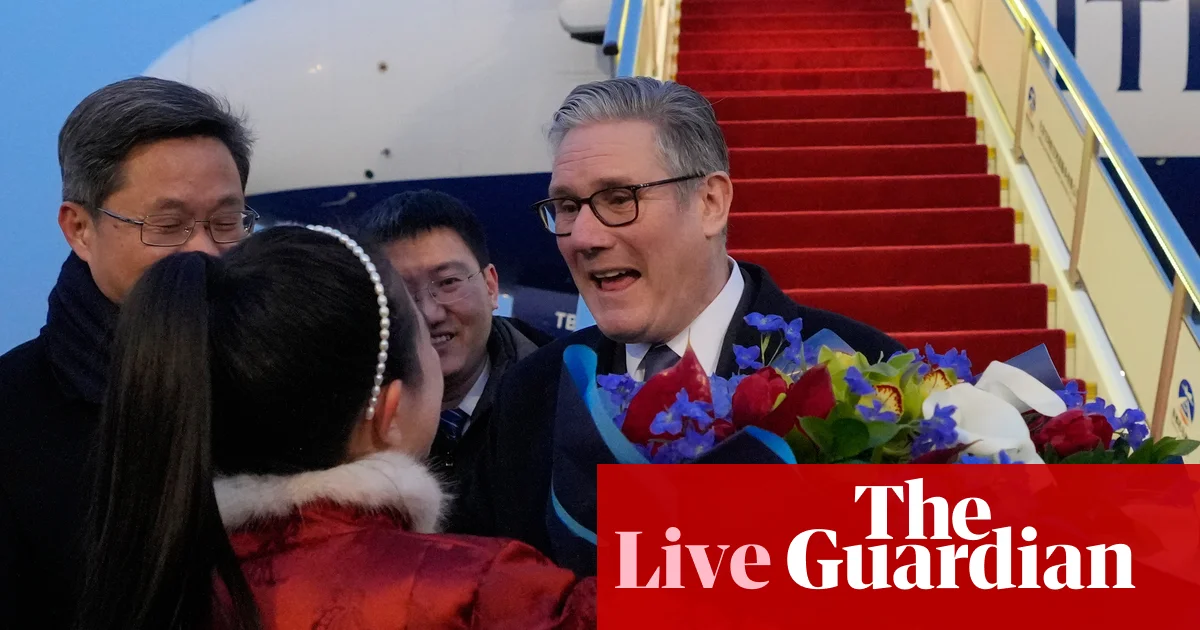
Starmer Lands in Beijing for Key China Visit—UK Politics Update

In an era marked by escalating geopolitical tensions, recent developments reveal a chorus of strategic moves by nations and their leaders that are shaping the future of international power. Keir Starmer, the UK’s leader seeking to carve a distinct global presence, recently embarked on a historic visit to China, the world’s second-largest economy. This visit, the first by a British Prime Minister in nearly a decade, underscores a delicate balancing act—reconciling economic opportunity with national security concerns. Accompanying him was a delegation nearly 60 strong, comprising CEOs and cultural ambassadors, embodying Britain’s intent to foster economic ties amid growing global uncertainties. Yet, critics warn that such engagement must be cautious; MI5’s chief Sir Ken McCallum has regularly warned of the persistent threat posed by Chinese state actors operating daily within UK borders. This trip is a clear demonstration of how international diplomacy is now fraught with the challenge of safeguarding sovereignty while pursuing economic interests.

Meanwhile, Europe witnesses a shift within its own political fabric, as Kemi Badenoch, a rising force within the Conservative ranks, delivered a vehement critique of the political extremes tying together Reform UK and Labour. Badenoch’s fiery speech condemning the “psychodrama” of her opponents highlights a broader struggle—how nations interpret national identity and political direction amidst external threats. Her rebuff of “leftwing fantasy politics” and emphasis on “building a Conservative party for the next decade” reflect a continent still battling internal divisions. Historian Dr. Paul Roberts warns that such internal political clashes weaken Europe’s ability to present a united front on the global stage, especially as NATO faces its own existential challenges amid renewed tensions with Russia and China.

As Starmer prepares to meet Xi Jinping, the stakes are clear: discussing not only trade and diplomacy but also pressing human rights issues, such as the case of Jimmy Lai, signals that the global order is increasingly intertwined with human rights and ideological battles. Simultaneously, Russia continues its assertive posture in Eastern Europe, testing Western cohesion and NATO’s resolve. The Kremlin’s strategic maneuvering, coupled with the unpredictable actions of U.S. allies, cements the view among analysts that international alliances are under unprecedented strain. Former diplomat Laura Spencer cautions that these decisions will ripple across societies, influencing everything from border security to economic stability for decades to come.

From the corridors of Westminster to the distant reaches of Beijing and Moscow, the trajectory of international relations remains uncertain but undeniably impactful. Leaders like Starmer, Badenoch, and Xi Jinping are not merely engaging in diplomatic pleasantries but are scripting the very foundation of global power dynamics at a time when history’s weight presses heavily on every decision. With each handshake and policy announcement, the world edges closer to a new chapter—one that history will judge as either the dawn of renewed cooperation or the prelude to inevitable confrontation. As nations chart their courses amidst this storm of change, the collective destiny of societies around the world hangs by a fragile thread, waiting for the next move that will echo through generations to come.

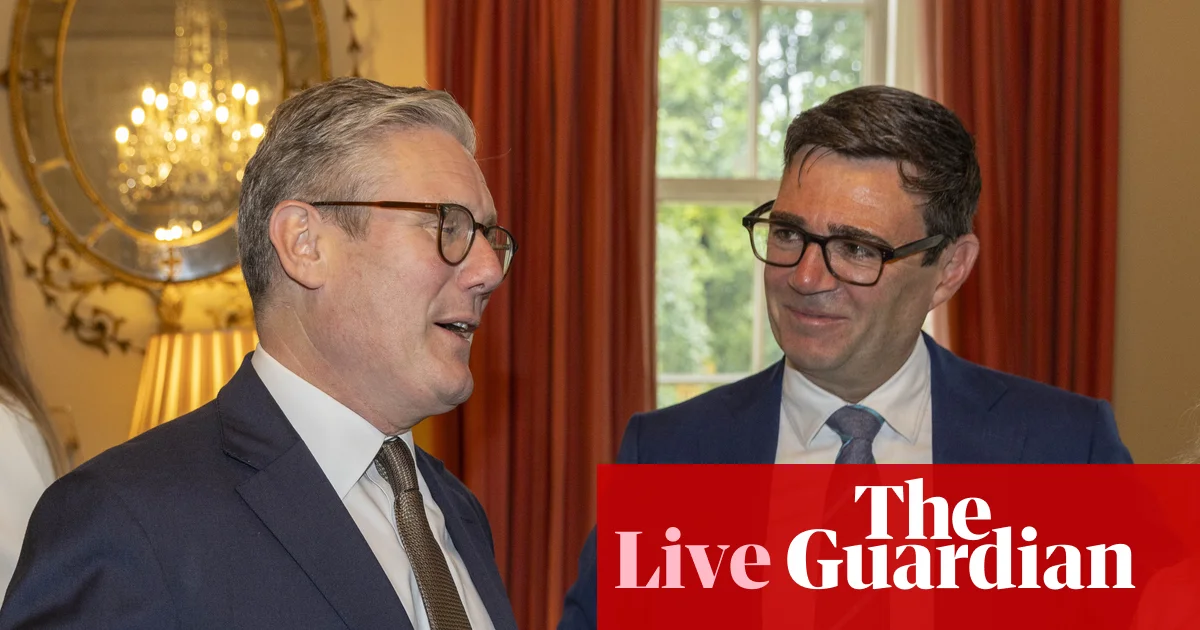
Starmer Stands Firm, Blocks Burnham's Byelection Bid – UK Politics Live
Starmer Stands Firm, Blocks Burnham’s Byelection Bid – UK Politics Live

The tumultuous landscape of British politics continues to reverberate across the international stage, as internal disputes within Labour threaten to undermine the nation’s stability and the broader geopolitical narrative. The recent decision by Keir Starmer and his leadership to block Andy Burnham from standing as the Labour candidate in the upcoming Gorton and Denton byelection exemplifies the growing rift in the party, one that analysts warn could have unforeseen consequences beyond the UK’s shores.
Historically, the internal conflicts of the UK Labour Party have served as a mirror to larger global shifts—where ideological fissures often presage shifts in regional alliances, electoral viability, and national security. When senior officials prioritize short-term electoral strategies over broader political unity, especially during a time of heightened international tension, the ripple effects can diminish the UK’s diplomatic standing and weaken its influence in key alliances such as NATO.

According to renowned historians and global policy analysts, the decisions made within London’s political corridors carry symbolic weight. \”This internal strife,” noted Dr. Clara Martins of the European Council on Foreign Relations, “exposes a nation grappling with its identity at a moment when global powers are recalibrating their alliances and priorities. Such divisions can embolden rivals and weaken diplomatic protocols that rely on stable leadership.”

The internal Labour debate reveals competing visions: one emphasizing electoral strategy and resource allocation, and the other rooted in longstanding principles of party democracy and collective action. The decision to prevent Burnham—a highly popular figure with significant influence—is framed as a pragmatic move to concentrate resources on “elections we must have,” as expressed by Keir Starmer. Yet, critics argue that this political calculus diminishes Labour’s capacity to present a unified front on the international stage, especially in an era where perceived instability can be exploited by geopolitical adversaries such as Russia and China.

Global Repercussions of Domestic Divisions

  • International organizations like NATO and the United Nations watch closely as Britain’s internal politics unfold, understanding that internal stability is often a precursor to successful diplomacy and leadership abroad.
  • European partners are increasingly concerned that ongoing fissures within UK politics could hamper future coalition efforts or compromise commitments on issues such as defense, climate change, and global health preparedness.
  • Furthermore, analysts warn that the UK’s diminished diplomatic cohesion might embolden regional powers to challenge the rules-based international order, exploiting Britain’s perceived political weakness.

In this context, the internal Labour battle is more than a party squabble; it signals how European and global actors can interpret Britain’s internal stability and responses. When leaders like Douglas Alexander argue that concentrating resources on “what we must have” is necessary, they inadvertently broadcast to the world a message of internal discord masked by political necessity. Such signals, according to experts, risk weakening the UK’s influence during a critical period marked by resurgent great power rivalry.

The Weight of History and the Unfolding Future

As history continues to forge its course in the crucible of internal political struggle and international shifts, how Britain navigates these turbulent waters will determine not only its domestic stability but also its geopolitical posture. The decisive decisions made today, from the party halls of Manchester to the diplomatic corridors of Brussels and Washington, echo into a future where alliances are tested, and influence is contested.

In the shadows of Westminster’s veritable chessboard, alliances are being reassessed amidst the chaos of internal discord. The decisions to block Burnham and shift focus away from contentious local politics may seem like tactical moves, but they underscore a far greater narrative—one where the weight of history is calling for unity and strategic clarity, lest Britain’s influence fade into the annals of defeat and internal strife.

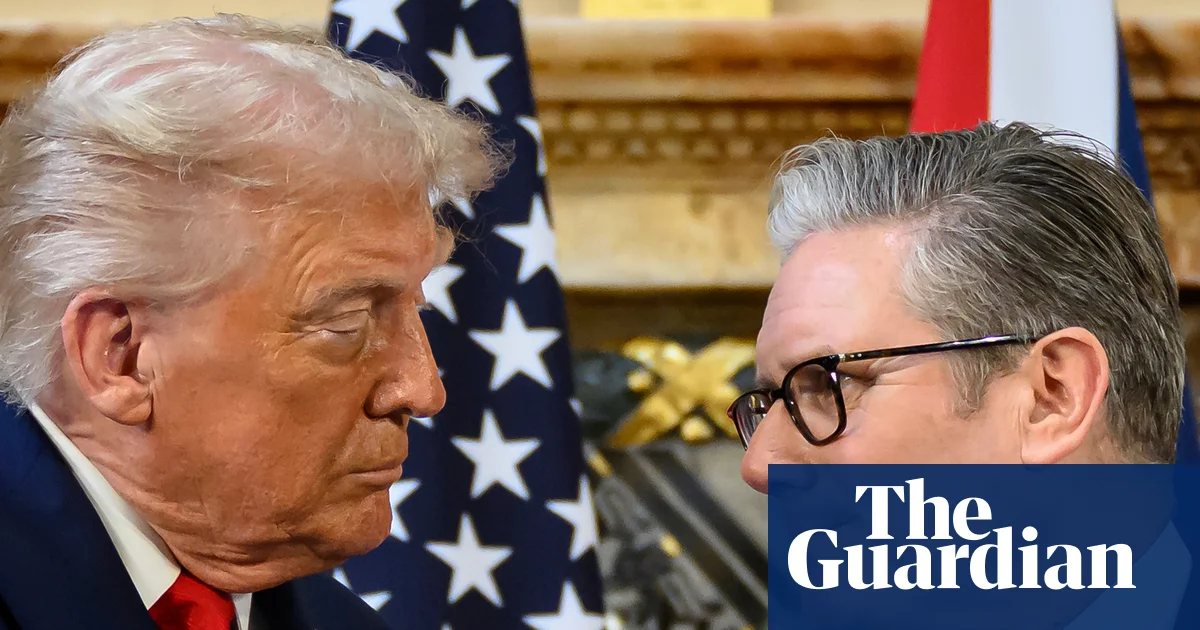
Starmer names new US ambassador as UK-US ties face Trump test

Keir Starmer’s Diplomatic Dilemma: Navigating US-UK Relations Amid Global Tensions

As Britain prepares to appoint a new ambassador to Washington, the decision bears significant implications for international alliances and geopolitical stability. Prime Minister Keir Starmer faces a delicate balancing act, selecting from a shortlist that includes figures with deeply entrenched ties to the Trump administration and diplomatic experience in Russia and the United Nations. This appointment arrives at a critical juncture in global politics, with rising tensions over Ukraine and shifts in America’s foreign policy demanding a skillful diplomatic response from London.

The shortlist features Varun Chandra, a former corporate intelligence executive who has negotiated key trade deals with the US, and Christian Turner and Nigel Casey, career diplomats with extensive experience in high-stakes international settings. While the Foreign Office favors appointing a seasoned career diplomat to mitigate political risk, Starmer’s inclination toward Chandra suggests a strategic move to bolster bilateral ties through economic diplomacy. However, the wider geopolitical impact remains complex: the US’s recent aggressive stance on Ukraine, including President Trump’s persistent demands for a peace deal by Christmas, underscores an administration eager to withdraw from European conflicts and redefine its global role.

US-Europe Relations Under Strain: The Shadow of Donald Trump’s Narrative

Relations between Europe and the US are strained, with Trump’s recent inflammatory rhetoric exacerbating divisions. During interviews this week, Trump lambasted European nations, warning that many may “not be viable countries any longer” unless they overhaul their border policies. This rhetoric, reinforced by senior British MPs criticizing the US national security strategy, which claims Europe faces “civilisational erasure,” signals a rupture in the transatlantic alliance. Such language risks empowering nationalist and patriotic parties across Europe, seeking to redefine national identities in the face of perceived external threats.

This predicament highlights a broader question: how can Britain and its allies navigate a shifting geopolitical landscape where American unilateralism erodes longstanding alliances? Analysts like Dr. Fiona Hopkins, a hawk on European security, argue that Trump’s increasingly disruptive approach, emphasizing “patriotic” European parties and border crackdowns, threatens the very fabric of continent-wide stability. Meanwhile, the US ambassador role, vacant since Peter Mandelson’s fall for undisclosed ties to Jeffrey Epstein, underscores the turbulence in maintaining diplomatic credibility amidst domestic scandals. The choice of ambassador, therefore, is as much about trustworthiness as it is about strategic alignment.

Uncertain Future: The Weight of History in a Tumultuous World

At this crossroads, Starmer’s decision will determine whether Britain can serve as a beacon of steady diplomacy or be swept into the chaos of conflicting global interests. The delicate act of managing US internal politics, European security concerns, and the ongoing crisis in Ukraine echoes the era-defining choices of history’s greatest diplomats. As the world watches with skepticism and trepidation, the choices made today will reverberate for generations—potentially redrawing the map of alliances, power, and influence in an unpredictable future. The pages of history are flipping, and with every turn, humanity balances on the edge of a new and uncertain chapter.”

Starmer under fire from Labour youth over U-turn on workers' rights bill
Starmer under fire from Labour youth over U-turn on workers’ rights bill

Global Implications of the Labour Rights U-turn Amid Political Turmoil

In a remarkable turn of events that has sent shockwaves across the international political landscape, Britain’s Labour Party appears to be embroiled in a seismic policy shift that risks fundamental upheaval within its own ranks. Campaign promises made openly in the party’s manifesto, such as introducing ‘day one’ protections from unfair dismissal, have been swiftly abandoned in the face of mounting political and economic pressure. This retreat, characterized by a notable U-turn on employment legislation, has rekindled deep divisions within Labour, with its former allies and critics questioning the party’s commitment to its core principles.

Historian and political analyst Dr. Michael Armstrong notes that such policy reversals by major parties are not uncommon in parliamentary democracies, but the scale and public manifestation of Labour’s pivot mark a distinctive moment of crisis. Official statements from figures like Angela Rayner, once a prominent advocate for workers’ rights, highlight the internal tensions; her strong opposition to the *climbdown* underscores the broader implications for Labour’s social base and its relationship with labor unions. Union leader Sharon Graham has openly condemned what she describes as a “shell of its former self” legislation, warning that the Bill’s dilution—particularly the exclusion of reforms like fire and rehire bans and zero-hours contract restrictions—severely undermines trust in Labour’s promises.

The geopolitical impact of Britain’s internal discord reaches beyond its borders, serving as a cautionary tale to global democracies grappling with electoral mandates and governing realities. International organizations and foreign diplomats observe with concern the apparent unraveling of Labour’s electoral commitments, pondering whether this signals a broader trend of political expediency overriding genuine reform. Some analysts suggest that this collapse of ideological clarity could embolden populist and nationalist forces elsewhere, capitalizing on perceived governmental unreliability. As geopolitical strategists warn of a potential decline in political stability within the UK, European allies and transatlantic partners scrutinize the developments for signals of increased volatility, which could influence investment climates, alliance strategies, and the future of the UK’s role on the world stage.

In the hallowed halls of Westminster and the dusty corridors of history, this moment will be remembered as a symbol of the complex dance between policy promises and political pragmatism. As the battle lines within Britain are redrawn—highlighted by colorful debates over leadership ambitions, party loyalty, and the very fabric of democratic representation—the weight of the decision lingers. With Britain teetering on the cusp of a pivotal crossroads, the choices made today threaten to echo through generations, leaving an indelible mark on the annals of modern democracy. The unfolding saga of Labour’s legislative retreat serves as a stark reminder that, in politics, the line between ideals and reality is often blurred—a domain where the fate of nations and societies is ultimately forged amidst chaos and compromise, in the shadow of history still waiting to be written.

Keir Starmer Confirms No Discussion Yet with Donald Trump Amid BBC Panorama Controversy

In an era where the boundaries between reality and narrative are increasingly blurred, the recent controversy surrounding the BBC’s Panorama fabricates a compelling reflection of how culture functions as both the custodian and the battleground for societal identity. When Donald Trump announced plans to sue the corporation over their editing of his speech, critics and supporters alike were reminded that media shapes memory—but also that it wields the power to distort reality, influencing the very fabric of national discourse. As Prime Minister Sir Keir Starmer emphasizes the importance of an independent and trusted BBC, we are reminded that cultural institutions are not merely repositories of entertainment but foundational pillars of our collective conscience.

Throughout history, culture has served as the ultimate vessel for tradition, identity, and societal continuity. The principle of an independent press, championed by thinkers like Ortega y Gasset, underscores the view that the vitality of a democratic society depends upon the integrity of its narratives. When media outlets are accused of editorial failings—whether through bias, omission, or manipulation—they threaten to fracture the very identity they are meant to serve. The BBC’s apology for the misleading portrayal of Trump’s speech and the subsequent legal threats reveal how fragile this cultural integrity can be, especially when harnessed as a tool in larger geopolitical and ideological struggles. Such moments echo the shifting sands of cultural authority, reminding us that the memory of a society is as susceptible to distortion as a fragile tapestry.

The current media saga is also a testament to the profound influence of cultural memory, echoing Tocqueville’s insights on how democracy relies on the shared narratives that uphold societal bonds. As critics deliberate over the rights to depict truth, the central question emerges: Whose story is being told? And for what purpose? The fact that Trump’s legal team has considered suing for billions underscores how cultural battles now take on economic and geopolitical dimensions—each contesting the narrative as if it were an existential inheritance. Meanwhile, behind closed doors, diplomatic gestures—like the rumored discussions involving Downing Street officials—highlight how culture is seldom divorced from power, each shaping the other in a relentless dance of influence and resistance.

As T.S. Eliot posited, “The past is never dead; it’s not even past.” The scars and stories etched into our media, our institutions, and our collective memory form the bedrock of society’s identity. Yet this legacy is also prophetic: it informs possible futures, guiding societies through the murky waters of misinformation and ideological manipulation. Culture, in its purest form, remains both the mirror of our memories and a blueprint for our destiny. Our challenge lies not merely in guarding this sacred treasury but in recognizing that the true power of culture rests in its capacity to inspire, to preserve, and to project the enduring spirit of humanity—a timeless force that whispers, even amid the chaos, that we are more than fleeting stories: we are an ongoing narrative of resilience and hope.

Keir Starmer to axe No 10 briefer if found, minister warns—Labour leadership on edge

Political Turmoil Rocks UK Labour Party Amid Leadership Allegations

The recent chaos within Britain’s Labour Party has exposed the undercurrents of internal strife that threaten to destabilize one of Europe’s historically significant political entities. The controversy centers around a leaked briefing war—an age-old tactic in politics but one that now threatens to erode Keir Starmer‘s authority as he grapples with mounting allegations of internal sabotage. The situation escalated after reports suggested that Number 10 Downing Street attempted to rally support for the Prime Minister, while simultaneously planting stories intended to weaken Labour’s front-runner, Wes Streeting. Analysts see these events not just as a leadership dispute but as symptomatic of deeper, systemic chaos in political communication and party unity.

This internal discord has prompted intense public debates and questions from international observers about the stability of the UK’s political landscape. According to historian and political analyst Dr. Elizabeth Morgan, the briefing war reflects a broader pattern where elite factions resort to clandestine tactics to sway leadership disputes, often at the expense of transparency and public trust. Labour’s efforts to contain the fallout have included promises of investigations and internal reviews, but these moves appear to be more aimed at damage control than genuine reform. This episode raises critical questions about the geopolitical impact of such internal fractures, as the UK’s political reputation on the global stage could be compromised by visible disarray among its major parties.

As the scandal unfolds, Keir Starmer remains under pressure to rid his ranks of perceived disloyalty. The focus on the modern culture of political briefing, long criticized by critics as a corrosive element of democratic governance, seemingly reaches new heights of intensity. World political organizations warn that such turmoil could weaken the UK’s diplomatic standing, especially as the country faces complex international challenges—from navigating post-Brexit trade relations to responding to geopolitical crises in regions like Eastern Europe and the Middle East. The internal conflicts highlight how fragile even well-established political alliances can be when submerged in the murky waters of factional infighting.

Ultimately, the trajectory of this political saga remains uncertain. On one side, supporters of Starmer insist that the internal leaks and briefings are routine and that, behind the scenes, efforts are underway to restore order. On the other, critics argue that the unrest exposes a deeper crisis of leadership integrity—a crisis with echoes beyond national borders, demonstrating that the battle for power often reveals more about societal divisions than the policies a government advocates. As history continues to unfold, the spectacle of Britain’s Labour leadership saga will serve as a stark reminder: in the corridors of power, the line between stability and chaos is razor-thin, and the consequences of internal betrayal ripple outward, shaping the course of nations and societies for generations to come.

Social Media Auto Publish Powered By : XYZScripts.com