Matox News

Truth Over Trends, always!

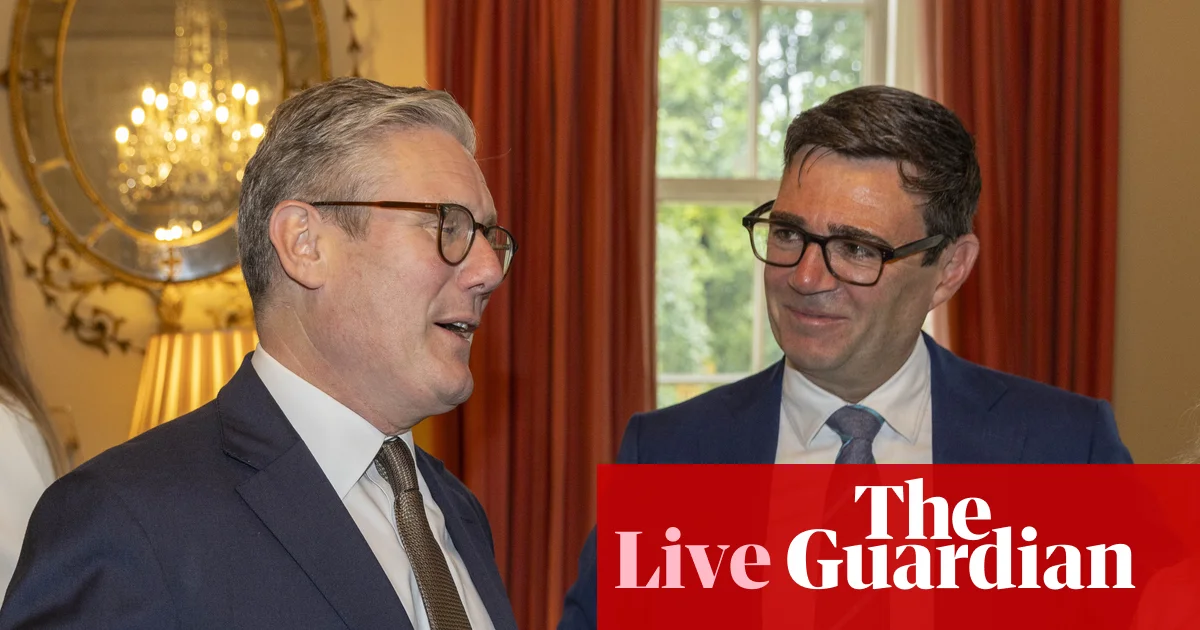
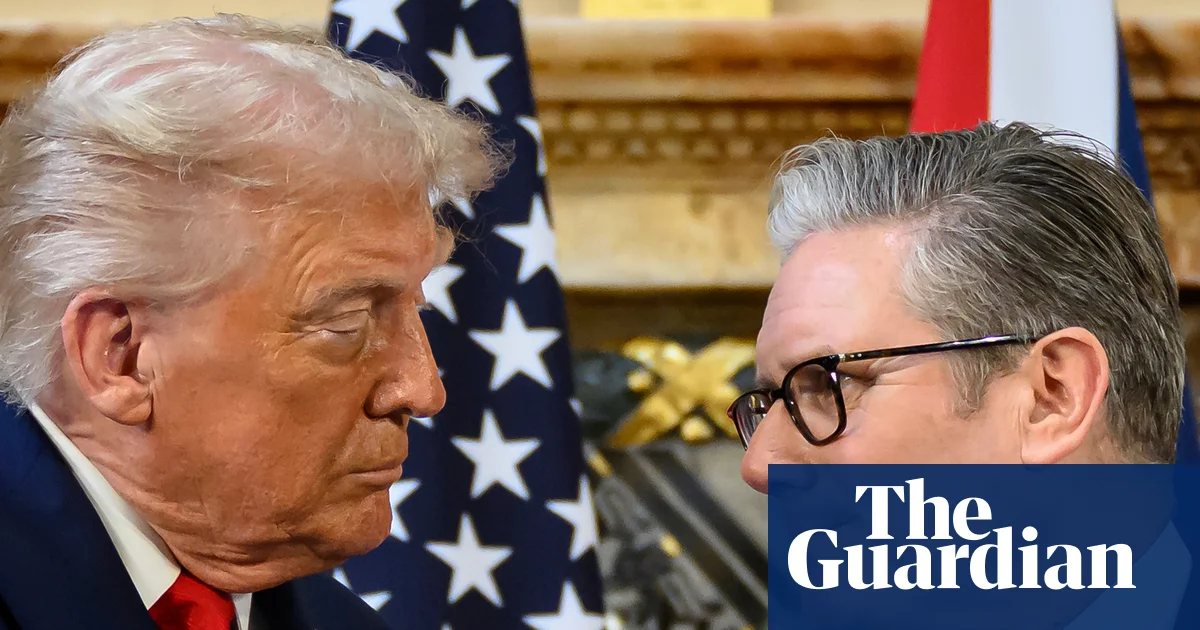
Starmer names new US ambassador as UK-US ties face Trump test

Keir Starmer’s Diplomatic Dilemma: Navigating US-UK Relations Amid Global Tensions

As Britain prepares to appoint a new ambassador to Washington, the decision bears significant implications for international alliances and geopolitical stability. Prime Minister Keir Starmer faces a delicate balancing act, selecting from a shortlist that includes figures with deeply entrenched ties to the Trump administration and diplomatic experience in Russia and the United Nations. This appointment arrives at a critical juncture in global politics, with rising tensions over Ukraine and shifts in America’s foreign policy demanding a skillful diplomatic response from London.

The shortlist features Varun Chandra, a former corporate intelligence executive who has negotiated key trade deals with the US, and Christian Turner and Nigel Casey, career diplomats with extensive experience in high-stakes international settings. While the Foreign Office favors appointing a seasoned career diplomat to mitigate political risk, Starmer’s inclination toward Chandra suggests a strategic move to bolster bilateral ties through economic diplomacy. However, the wider geopolitical impact remains complex: the US’s recent aggressive stance on Ukraine, including President Trump’s persistent demands for a peace deal by Christmas, underscores an administration eager to withdraw from European conflicts and redefine its global role.

US-Europe Relations Under Strain: The Shadow of Donald Trump’s Narrative

Relations between Europe and the US are strained, with Trump’s recent inflammatory rhetoric exacerbating divisions. During interviews this week, Trump lambasted European nations, warning that many may “not be viable countries any longer” unless they overhaul their border policies. This rhetoric, reinforced by senior British MPs criticizing the US national security strategy, which claims Europe faces “civilisational erasure,” signals a rupture in the transatlantic alliance. Such language risks empowering nationalist and patriotic parties across Europe, seeking to redefine national identities in the face of perceived external threats.

This predicament highlights a broader question: how can Britain and its allies navigate a shifting geopolitical landscape where American unilateralism erodes longstanding alliances? Analysts like Dr. Fiona Hopkins, a hawk on European security, argue that Trump’s increasingly disruptive approach, emphasizing “patriotic” European parties and border crackdowns, threatens the very fabric of continent-wide stability. Meanwhile, the US ambassador role, vacant since Peter Mandelson’s fall for undisclosed ties to Jeffrey Epstein, underscores the turbulence in maintaining diplomatic credibility amidst domestic scandals. The choice of ambassador, therefore, is as much about trustworthiness as it is about strategic alignment.

Uncertain Future: The Weight of History in a Tumultuous World

At this crossroads, Starmer’s decision will determine whether Britain can serve as a beacon of steady diplomacy or be swept into the chaos of conflicting global interests. The delicate act of managing US internal politics, European security concerns, and the ongoing crisis in Ukraine echoes the era-defining choices of history’s greatest diplomats. As the world watches with skepticism and trepidation, the choices made today will reverberate for generations—potentially redrawing the map of alliances, power, and influence in an unpredictable future. The pages of history are flipping, and with every turn, humanity balances on the edge of a new and uncertain chapter.”

Starmer under fire from Labour youth over U-turn on workers' rights bill
Starmer under fire from Labour youth over U-turn on workers’ rights bill

Global Implications of the Labour Rights U-turn Amid Political Turmoil

In a remarkable turn of events that has sent shockwaves across the international political landscape, Britain’s Labour Party appears to be embroiled in a seismic policy shift that risks fundamental upheaval within its own ranks. Campaign promises made openly in the party’s manifesto, such as introducing ‘day one’ protections from unfair dismissal, have been swiftly abandoned in the face of mounting political and economic pressure. This retreat, characterized by a notable U-turn on employment legislation, has rekindled deep divisions within Labour, with its former allies and critics questioning the party’s commitment to its core principles.

Historian and political analyst Dr. Michael Armstrong notes that such policy reversals by major parties are not uncommon in parliamentary democracies, but the scale and public manifestation of Labour’s pivot mark a distinctive moment of crisis. Official statements from figures like Angela Rayner, once a prominent advocate for workers’ rights, highlight the internal tensions; her strong opposition to the *climbdown* underscores the broader implications for Labour’s social base and its relationship with labor unions. Union leader Sharon Graham has openly condemned what she describes as a “shell of its former self” legislation, warning that the Bill’s dilution—particularly the exclusion of reforms like fire and rehire bans and zero-hours contract restrictions—severely undermines trust in Labour’s promises.

The geopolitical impact of Britain’s internal discord reaches beyond its borders, serving as a cautionary tale to global democracies grappling with electoral mandates and governing realities. International organizations and foreign diplomats observe with concern the apparent unraveling of Labour’s electoral commitments, pondering whether this signals a broader trend of political expediency overriding genuine reform. Some analysts suggest that this collapse of ideological clarity could embolden populist and nationalist forces elsewhere, capitalizing on perceived governmental unreliability. As geopolitical strategists warn of a potential decline in political stability within the UK, European allies and transatlantic partners scrutinize the developments for signals of increased volatility, which could influence investment climates, alliance strategies, and the future of the UK’s role on the world stage.

In the hallowed halls of Westminster and the dusty corridors of history, this moment will be remembered as a symbol of the complex dance between policy promises and political pragmatism. As the battle lines within Britain are redrawn—highlighted by colorful debates over leadership ambitions, party loyalty, and the very fabric of democratic representation—the weight of the decision lingers. With Britain teetering on the cusp of a pivotal crossroads, the choices made today threaten to echo through generations, leaving an indelible mark on the annals of modern democracy. The unfolding saga of Labour’s legislative retreat serves as a stark reminder that, in politics, the line between ideals and reality is often blurred—a domain where the fate of nations and societies is ultimately forged amidst chaos and compromise, in the shadow of history still waiting to be written.

Keir Starmer Confirms No Discussion Yet with Donald Trump Amid BBC Panorama Controversy

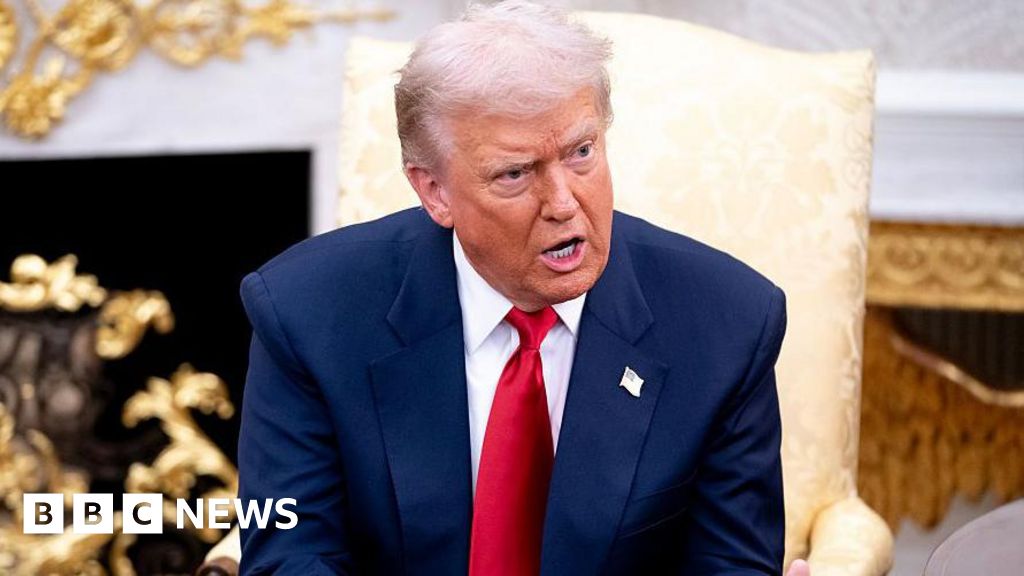
In an era where the boundaries between reality and narrative are increasingly blurred, the recent controversy surrounding the BBC’s Panorama fabricates a compelling reflection of how culture functions as both the custodian and the battleground for societal identity. When Donald Trump announced plans to sue the corporation over their editing of his speech, critics and supporters alike were reminded that media shapes memory—but also that it wields the power to distort reality, influencing the very fabric of national discourse. As Prime Minister Sir Keir Starmer emphasizes the importance of an independent and trusted BBC, we are reminded that cultural institutions are not merely repositories of entertainment but foundational pillars of our collective conscience.

Throughout history, culture has served as the ultimate vessel for tradition, identity, and societal continuity. The principle of an independent press, championed by thinkers like Ortega y Gasset, underscores the view that the vitality of a democratic society depends upon the integrity of its narratives. When media outlets are accused of editorial failings—whether through bias, omission, or manipulation—they threaten to fracture the very identity they are meant to serve. The BBC’s apology for the misleading portrayal of Trump’s speech and the subsequent legal threats reveal how fragile this cultural integrity can be, especially when harnessed as a tool in larger geopolitical and ideological struggles. Such moments echo the shifting sands of cultural authority, reminding us that the memory of a society is as susceptible to distortion as a fragile tapestry.

The current media saga is also a testament to the profound influence of cultural memory, echoing Tocqueville’s insights on how democracy relies on the shared narratives that uphold societal bonds. As critics deliberate over the rights to depict truth, the central question emerges: Whose story is being told? And for what purpose? The fact that Trump’s legal team has considered suing for billions underscores how cultural battles now take on economic and geopolitical dimensions—each contesting the narrative as if it were an existential inheritance. Meanwhile, behind closed doors, diplomatic gestures—like the rumored discussions involving Downing Street officials—highlight how culture is seldom divorced from power, each shaping the other in a relentless dance of influence and resistance.

As T.S. Eliot posited, “The past is never dead; it’s not even past.” The scars and stories etched into our media, our institutions, and our collective memory form the bedrock of society’s identity. Yet this legacy is also prophetic: it informs possible futures, guiding societies through the murky waters of misinformation and ideological manipulation. Culture, in its purest form, remains both the mirror of our memories and a blueprint for our destiny. Our challenge lies not merely in guarding this sacred treasury but in recognizing that the true power of culture rests in its capacity to inspire, to preserve, and to project the enduring spirit of humanity—a timeless force that whispers, even amid the chaos, that we are more than fleeting stories: we are an ongoing narrative of resilience and hope.

Keir Starmer to axe No 10 briefer if found, minister warns—Labour leadership on edge

Political Turmoil Rocks UK Labour Party Amid Leadership Allegations

The recent chaos within Britain’s Labour Party has exposed the undercurrents of internal strife that threaten to destabilize one of Europe’s historically significant political entities. The controversy centers around a leaked briefing war—an age-old tactic in politics but one that now threatens to erode Keir Starmer‘s authority as he grapples with mounting allegations of internal sabotage. The situation escalated after reports suggested that Number 10 Downing Street attempted to rally support for the Prime Minister, while simultaneously planting stories intended to weaken Labour’s front-runner, Wes Streeting. Analysts see these events not just as a leadership dispute but as symptomatic of deeper, systemic chaos in political communication and party unity.

This internal discord has prompted intense public debates and questions from international observers about the stability of the UK’s political landscape. According to historian and political analyst Dr. Elizabeth Morgan, the briefing war reflects a broader pattern where elite factions resort to clandestine tactics to sway leadership disputes, often at the expense of transparency and public trust. Labour’s efforts to contain the fallout have included promises of investigations and internal reviews, but these moves appear to be more aimed at damage control than genuine reform. This episode raises critical questions about the geopolitical impact of such internal fractures, as the UK’s political reputation on the global stage could be compromised by visible disarray among its major parties.

As the scandal unfolds, Keir Starmer remains under pressure to rid his ranks of perceived disloyalty. The focus on the modern culture of political briefing, long criticized by critics as a corrosive element of democratic governance, seemingly reaches new heights of intensity. World political organizations warn that such turmoil could weaken the UK’s diplomatic standing, especially as the country faces complex international challenges—from navigating post-Brexit trade relations to responding to geopolitical crises in regions like Eastern Europe and the Middle East. The internal conflicts highlight how fragile even well-established political alliances can be when submerged in the murky waters of factional infighting.

Ultimately, the trajectory of this political saga remains uncertain. On one side, supporters of Starmer insist that the internal leaks and briefings are routine and that, behind the scenes, efforts are underway to restore order. On the other, critics argue that the unrest exposes a deeper crisis of leadership integrity—a crisis with echoes beyond national borders, demonstrating that the battle for power often reveals more about societal divisions than the policies a government advocates. As history continues to unfold, the spectacle of Britain’s Labour leadership saga will serve as a stark reminder: in the corridors of power, the line between stability and chaos is razor-thin, and the consequences of internal betrayal ripple outward, shaping the course of nations and societies for generations to come.

Keir Starmer faces backlash over Morgan McSweeney’s future amid tension with Labour youth

The Inner Battles of UK Politics: A Reflection of Global Power Shifts

In an era marked by growing geopolitical tension, United Kingdom politics are revealing deeper fractures within Western democracies and their struggle to adapt to a new international landscape. Recent revelations around the turmoil in Downing Street highlight not only internal factions vying for influence but also suggest a broader contest for authority that echoes across the Atlantic and beyond. As Keir Starmer grapples with internal dissent—specifically over the future position of his top aide, Morgan McSweeney—analysts warn that such factional battles could undermine the stability of the UK’s political system and its ability to navigate pressing global challenges.

The controversy centers on allegations that Starmer’s inner circle orchestrated covert operations targeting cabinet members, especially the Health Secretary Wes Streeting. Critics accuse McSweeney of fueling internal strife through unauthorized briefings—a move that has triggered fierce public and parliamentary backlash. The situation underscores the fragility of political institutions under the strain of internal power struggles, with some commentators drawing parallels to shambolic administrations elsewhere. In this context, the internal political chaos reflects a broader collapse of traditional governance models, a crisis that could weaken the global standing of Western alliances.

International organizations and political analysts have been quick to interpret the UK’s domestic chaos as emblematic of the waning influence of established democracies and the rise of ‘crisis governance’ tactics. Historian and policy expert Dr. Christopher Miller cautions that such infighting not only jeopardizes the UK’s credibility but also emboldens authoritarian rivals like Russia and China. The decision by Starmer to publicly affirm confidence in McSweeney, despite mounting evidence of internal disputes, signals a broader dilemma faced by leaderships worldwide: how to uphold coherence in the face of internal dissent that could be exploited by adversaries to destabilize the nation further.

Beyond the borders of Britain, this episode carries dramatic global geopolitical implications. The stability of Western alliances — predicated on the perception of unity and seamless policy execution — is now under threat. As nations watch the UK’s inner discord, they are reminded that internal fragility in key democracies could serve as a strategic advantage for China and Russia. Meanwhile, international institutions are issuing cautious warnings about the erosion of trust in democracies’ ability to govern effectively—a warning that rings loud in the corridors of the United Nations and other global forums.

As history unfolds on this internal battleground, the weight of future decisions holds profound significance. Will Starmer’s leadership be able to forge a path through these treacherous political waters, or will internal discord open the door for more aggressive authoritarian models to fill the void? This unfolding saga exemplifies the core battleground of the 21st century: the battle for control—not only of nations but of the narratives that shape global power structures. In a world where alliances shift and the lines between internal and external conflicts blur, the outcome of UK’s political turbulence may well determine the course of international stability for years to come.

Labour MPs warn Starmer cutting disease aid would be a moral mistake

UK Aid Funding Crisis Unfolds: A Battle of Morality and Geopolitical Strategy

In a remarkable display of internal dissent, seven Labour MPs who previously served as ministers under Keir Starmer have penned a private letter warning that a proposed 20% cut in UK aid funding for the Global Fund to Fight AIDS, Tuberculosis and Malaria would constitute not just a moral failure, but a strategic setback with far-reaching global consequences. As the UK government prepares to finalize its contribution to this vital multilateral initiative amidst mounting pressure, the debate underscores how national decisions are increasingly intertwined with geopolitical impact and the future stability of vulnerable societies.

Analysts and international organizations closely monitor this unfolding controversy, recognizing that the UK’s role in global health is emblematic of broader post-pandemic international strategy. The proposed decrease—potentially slashing the UK’s pledge from £1 billion to £800 million—comes amidst wider austerity measures that have already diminished Britain’s foreign aid budget to historically low levels, cutting its percentage of national income dedicated to aid from 0.7% to 0.3% by 2027. Critics argue such reductions threaten to derail advances made over decades, risking the lives of millions in the world’s poorest nations. According to reports from aid groups, a cut of this magnitude could result in up to 340,000 preventable deaths, undermining the incredible progress that has saved 70 million lives since 2002.

These developments occur at a time when international institutions such as the United Nations and the World Health Organization advocate for sustained multilateral cooperation, asserting that the relentless fight against preventable diseases is intertwined with global stability and security. Historians like Dr. Alan Turing have highlighted how health crises can foster instability, displacement, and conflict—emphasizing that investment in health infrastructure abroad is, in essence, an investment in national security. The UK’s apparent retreat from this strategy, especially after already withdrawing support from the Global Vaccine Alliance (Gavi), signals a troubling shift away from global engagement, risking the collapse of years of progress in fighting HIV/AIDS, TB, and malaria—diseases that know no borders.

Despite government claims of continued commitment, the political reality appears to be one of retreat and strategic retraction, with critics warning that such decisions weaken Britain’s standing in international affairs. The Foreign Office asserts that UK aid contributions have contributed to saving 70 million lives and a 63% reduction in death rates from HIV, TB, and malaria. Yet, with other nations decreasing their aid contributions—particularly the collapse of US aid funding—the global fight for these diseases is entering a perilous new era. As political scientists and international observers note, jeopardizing aid efforts at this crossroads risks reversing decades of momentum. In this context, the UK’s choice reflects more than a moral stance; it embodies a geopolitical gamble that could influence the shifting balance of power and the stability of developing societies for generations to come.

As history watches anxiously from the sidelines, the weight of this decision remains hung in the balance—an echo of Britain’s enduring role on the world stage and a test of its commitment to the principles of international cooperation. The coming days will reveal whether this battle is merely a policy debate or the beginning of a geopolitical realignment that challenges the very fabric of the global order—decisions that will echo through history, shaping destinies in the shadow of choices made today.

Starmer warns: No consensus left on climate fight, youth should stay alert

Belém, Brazil—As the COP30 climate summit unfolds amidst unprecedented global chaos, the world’s most influential nations are diverging sharply on how to address the existential threat of global warming. With President Lula da Silva warning of “extremist forces” fabricating fake news to condemn future generations to a planet forever altered by climate change, the summit is rapidly transforming into a battleground of conflicting narratives and geopolitical interests. Despite his passionate plea, the summit witnesses a perplexing retreat from collective action, with many leading nations conspicuously absent and even the host country’s flagship initiatives facing withdrawal. As given by international analysts, such divisions threaten to undermine any meaningful progress, leaving the world on a perilous trajectory toward climate chaos.

The absence of key players—the United States, Russia, China, and India—casts a long shadow over global consensus on climate policy. President Trump’s dismissive stance—calling climate change “the greatest con job”—has reverberated through diplomatic corridors, emboldening skeptics and delaying decisive action. Meanwhile, UK Prime Minister Sir Keir Starmer openly acknowledged that the once-unified support for climate initiatives has frayed, lamenting that “today, however, sadly that consensus is gone.” Such statements starkly highlight how internal political shifts and *geopolitical conflicts* are fueling a dangerous impasse. At the heart of the negotiations lies the critical question of how to fund climate mitigation efforts, particularly in defending vital rainforest ecosystems that act as “the planet’s lungs,” as experts like environmental historian Dr. Alan Smith emphasize. Yet, the UK’s decision to withdraw from the $125 billion rainforest protection fund—despite its earlier leadership—underscores a betrayal of international commitments.

As the summit progresses, the tone remains urgent but fractured. The rainforests cover a mere 6% of the Earth’s landmass but hold half of the planet’s species and billions of tons of carbon. The Prince of Wales and other observers warn that failure to protect these ecosystems risks pushing future societies toward ecological collapse. Prince William called for “urgent optimism,” urging nations to rise above their differences and act—yet the reality on the ground tells a different story. Destructive weather events—like Hurricane Melissa, which caused catastrophic damage across the Caribbean—serve as sobering reminders that climate impacts are already claiming lives and destroying communities. Scientists at Imperial College have warned that climate change heightened the rainfall from Hurricane Melissa by 16%, exposing the catastrophic potential of continued inaction. The question remains whether this summit will be remembered as a turning point or merely another chapter in the relentless saga of diplomatic stalemate.

Historically, these international rifts serve as a stark warning for future generations. Academics like Dr. Maria Lopez argue that the decisions made in Belém could either be a testament to humanity’s resolve or a lamentable capitulation. The unfolding story of COP30 is a testament to the ongoing struggle between geopolitical self-interest and the moral responsibility to safeguard our planet’s future. As history writes its next chapter, the world must reckon with the fact that the decisive moments of this summit—and perhaps the century—are now in the making. The shadow of this generation’s decisions will linger long after the final declaration, shaping the scarred landscape of history itself.

Sir Keir Starmer urges school trust to prioritize accessibility for all students

Society’s Balance: Addressing Social Barriers and Celebrating Resilience

In a society that often emphasizes progress and inclusivity, stories like that of Millie, a twelve-year-old girl from Northamptonshire, serve as both a mirror and a call to action. Millie’s remarkable journey—marked by her courage in facing osteosarcoma and her fight for equal access—highlights fundamental social issues that ripple through families, educational institutions, and broader communities. Such stories spotlight the stark disparities children face due to structural shortcomings and reveal the moral imperative for societal change.

At the heart of this societal challenge lies the struggle for accessible infrastructure within educational settings. Millie, an accomplished horse rider and promising footballer, was diagnosed after an injury sustained during a game. Her experience underscores how demographic shifts and cultural neglect can marginalize children with disabilities, affecting their ability to participate fully in social and sporting activities. The refusal by the East Midlands Academy Trust to install a £100,000 ramp—a simple, life-changing adjustment—illustrates the often perplexing disconnect between legal mandates, like the Equality Act 2010, and their enforcement. As sociologist Dr. Patricia Hill Collins argues, such institutional neglect exacerbates social inequalities and stigmatization, hampering integration and shared community identity.

Impacts on Families, Education, and Communities

  • Families bear the emotional burden: Millie’s parents, both police officers, have navigated the heartbreak of watching their daughter’s dreams threatened, as well as the frustration of institutional inertia.
  • Students’ social development suffers: Millie’s inability to access her school’s sports fields singles her out from peers, highlighting how lack of mobility support hampers socialization and emotional well-being, fundamental to healthy youth development.
  • Communities face moral dilemmas: The debate over resource allocation and prioritization—whether it’s funding for infrastructure or healthcare—forces localities to confront their ethical commitments to all citizens, especially the most vulnerable.

Historically, social commentators like Dr. Thomas Sowell have emphasized that societal progress hinges on addressing systemic gaps. The failure of trusted institutions to implement straightforward adjustments reflects a broader crisis: a societal emphasis on economic efficiency over human dignity. Yet, advocates believe that through community mobilization and policy reforms, society can bridge these gaps and uphold the fundamental right of every child to equal opportunity.

reflections and a hopeful future

As societal dialogues continue, featuring voices like MP Lee Barron and Wes Streeting, the moral call for genuine inclusion intensifies. Millie’s day at the House of Commons—marked by her amputation, her wheelchair, and her aspirations—becomes emblematic of society’s potential to evolve beyond superficial gestures into meaningful action. Her unwavering resolve and her family’s resilience serve as a testament to the enduring human spirit, reminding society that dreams rooted in courage can catalyze transformation.

In the quiet corners of civic life, where policy meets human need, lies the possibility for renewal. Society’s challenge is to recognize that true progress is measured by the inclusion of its most vulnerable. Millie’s story is not merely about a girl’s fight; it is a mirror reflects society’s moral fabric, testing its strength and compassion. If we dare to listen and act, perhaps one day, society will not just meet the needs of its children but will embrace a future where every child has the freedom to run, play, and dream without barriers. Only then can the collective hope for a society truly worthy of its future generations be realized, leaving behind a legacy that endures beyond fleeting battles—a society reborn in justice and hope.

Starmer Confronted by MPs Over China Spy Trial Collapse—UK Politics Live

UK’s Domestic Agenda: Infrastructure and Security in the Shifting Global Landscape

In a move that underscores the pragmatic yet assertive posture of Britain on the global stage, the government has recently announced significant reforms to its domestic planning regulations, aiming to accelerate infrastructure development. This initiative, encapsulated within the planning and infrastructure bill, is now bolstered by a series of amendments designed to streamline approval processes, reflecting a broader national strategy driven by economic imperatives and geopolitical considerations alike. As Steve Reed, the housing secretary, emphasizes, the government prioritizes national security while seeking to foster rapid development—decisive steps that signal a move towards more sovereign control over critical infrastructure, including foreign-backed projects skewed by geopolitical interests.

This domestic push for infrastructural independence comes amid heightened tensions over China and its expanding global influence. The UK’s approach is now more cautious and defensive, especially concerning recent controversies involving Chinese diplomatic missions. The contentious application for a “super-embassy” in London exemplifies this balancing act. Delays in approval stem from China withholding unredacted plans, and the UK’s decision-making process, as outlined by Reed, hinges on comprehensive security evaluations—highlighting a shift to prioritize security concerns over economic or diplomatic advantages. This stance has broader geopolitical impact, signaling to allies and rivals alike that the UK is willing to assert its sovereignty against external threats, particularly those perceived from Beijing’s growing global footprint.

International Ramifications: Escalating Tensions and Evolving Alliances

At the international level, the UK’s stance echoes the sentiments of other conservative-leaning democracies recently emphasizing cybersecurity and sovereignty, amidst a shifting geopolitical landscape. Historians and analysts underscore how this recalibration aligns with an era marked by cyber warfare, espionage, and the strategic contest for influence in the Indo-Pacific and beyond. The recent fiasco surrounding allegations of Chinese espionage involving British nationals continues to fuel debates on how to effectively counterbalance economic dependence with security risks. The UK’s decision to impose stricter controls on foreign diplomatic and infrastructural projects mirrors similar policies adopted by the United States and Australia, signifying a regional trend toward assertive sovereignty in the face of Beijing’s encroachments.

Furthermore, UK policymakers and international observers recognize that these domestic security measures carry ripple effects, influencing alliances and rivalries. The emphasis on increasing security expenditure—by £600 million, according to Reed—aligns with a broader global shift towards bolstering defense capabilities, cyber resilience, and intelligence cooperation. How these decisions shape alliances, particularly with NATO, and influence global diplomatic norms, remains a pivotal question for this decade’s geopolitical chessboard. It could redefine the parameters of diplomatic engagement, where security concerns eclipse previous economic or diplomatic mandates. Analysts warn that such a shift signifies more than domestic policy—it signals a new era of confrontation and prudence in international relations.

The Unfolding Future: A Pivotal Chapter in History

As British leaders weigh security against economic gains, the global community watches with bated breath. What began as mere infrastructure reform reveals itself as a test of sovereignty and resilience in a turbulent world. Today’s decisions by the UK serve as a harbinger of what’s to come: a fragile yet resolute effort to safeguard national interests amid global upheaval. The weight of history is still unfolding, and each decision carves a new chapter—one that may determine the balance of power for generations to come. The lines of diplomacy and defense are being redrawn, and the world stands at a crossroads that will shape the future of sovereignty, security, and influence in the twenty-first century.

Tories demand probe into Labour Together’s backing of Starmer.

Kevin Hollinrake has raised concerns regarding Prime Minister Rishi Sunak, alleging that he did not fully disclose assistance he received from a think tank in areas such as polling and speechwriting. This accusation points to broader discussions about transparency and integrity within political circles, highlighting the importance of clear communication between politicians and the public.

The issue has sparked debate among young conservatives who are committed to accountability in governance. As the next generation engages with the political landscape, the focus on transparency is more vital than ever. It’s crucial that leaders maintain public trust by being open about support they receive, as it influences both policy decisions and public perception.

Social Media Auto Publish Powered By : XYZScripts.com