Matox News

Truth Over Trends, always!

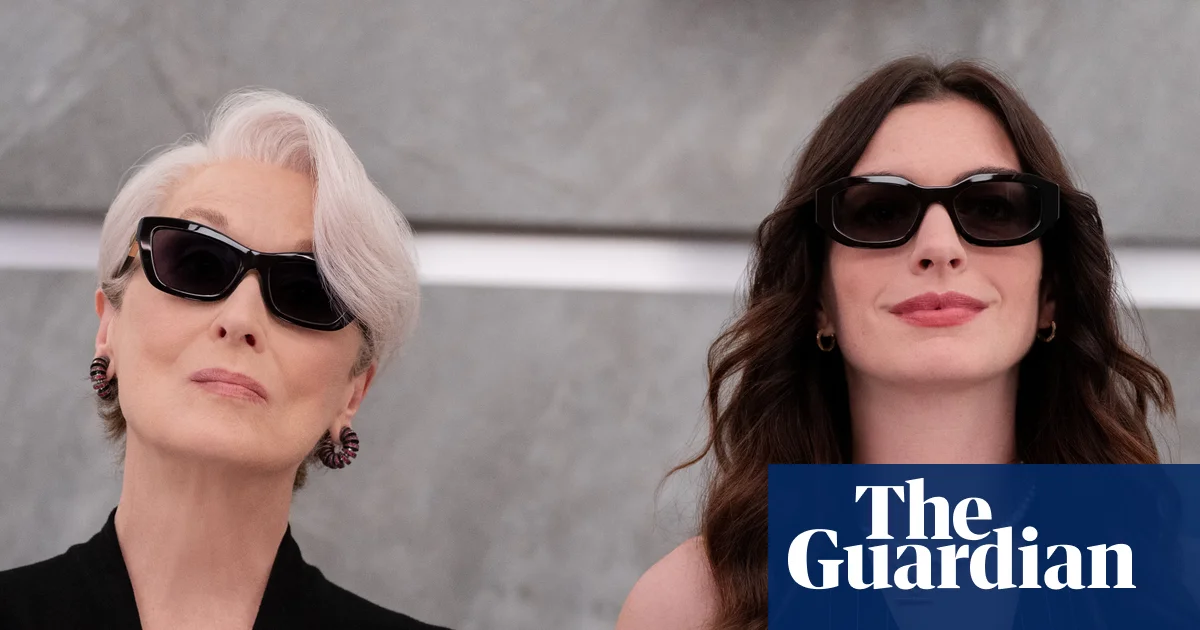
‘The Devil Wears Prada 2’ Roars to $233M Opening, Reinforcing Its Blockbuster Status

The unparalleled success of The Devil Wears Prada 2 at the international box office signals not only a triumph for Hollywood but also underscores shifting cultural currents in a time of significant geopolitical tension. With a staggering $233 million globally, primarily fueled by an overwhelmingly female audience, the film’s performance exemplifies a notable departure from traditional blockbuster patterns dominated by male-centric superhero franchises. This shift is more than cinematic; it echoes the growing influence of culture as a tool of soft power, shaping perceptions and societal narratives worldwide.

Analysts highlight that this movie’s record-breaking numbers—besting even classic motifs like Mamma Mia and Oppenheimer—demonstrate a broader trend: how Hollywood’s choices significantly impact international perceptions of the West and its societal values. The film’s global reach, spanning Tokyo, London, and New York, was amplified by high-profile appearances from icons like Anna Wintour and the cast, bolstering Hollywood’s cultural diplomacy amid rising geopolitical rivalries. Experts warn that entertaining the masses with stories rooted in fashion and female empowerment subtly shifts societal norms and expectations, influencing consumerism and gender discourse across borders.

Furthermore, this Hollywood triumph emerges amid ongoing tensions between Great Power blocs and a media landscape increasingly polarized and influenced by geopolitical agendas. The strategic release during the opening of the summer movie season, a period traditionally dominated by Marvel’s blockbuster dominance, signifies Hollywood’s resilience and adaptive power. The film’s extraordinary performance—particularly in the North American market, which is currently seeing a 14% increase in ticket sales—demonstrates that cultural capital remains a potent weapon in the global arena, capable of swaying opinions and fostering a sense of shared identity.

Historians and international commentators have long observed the nexus of culture and geopolitics. A recent report by the United Nations Educational, Scientific and Cultural Organization (UNESCO) emphasized how cinema influences international cultural diplomacy, subtly reinforcing or challenging existing power structures. As analysts warn of the rising influence of soft power strategies, Hollywood’s latest blockbuster encapsulates a moment where entertainment becomes both a reflection and an agent of social and geopolitical transformation. The true significance lies not only in the $233 million box office but in the unfolding narrative of a world where culture wields an increasingly decisive influence in shaping the future of nations and societies.

As the credits roll on this summer’s Hollywood premiere, history’s pen remains poised. The magnitude of this cultural phenomenon—initially dismissed as merely entertainment—may ultimately be recorded as a pivotal moment where the stories we tell, the images we project, and the cultural symbols we embrace changed the course of history itself. For in an era defined by geopolitical upheaval and shifting alliances, Hollywood’s glittering lights cast long shadows—foretelling that the stories we choose to amplify now will echo through generations, shaping the global order for years to come.

Noah Kahan Achieves Superstar Status, Rethinks the Price of Fame

In the turbulent currents of contemporary society, few phenomena exemplify the profound intertwining of culture, identity, and societal values as vividly as the ascendance of youthful musical icons. Consider the recent trajectory of a prominent US singer, whose rise to festival headliner status following the release of his third album has not only marked a milestone in his artistic journey but has also ignited a broader reflection on the significance of culture as a vessel of collective identity. Such moments are inherently layered, revealing the underlying fears, hopes, and aspirations of a generation eager to forge its narrative amid a landscape of rapid social change.

This phenomenon echoes the age-old understanding that culture is both a mirror and a blueprint—a mirror reflecting societal values and a blueprint shaping future generations. When an artist gains such prominence, it is not merely a matter of entertainment but a symbolic act that encapsulates the spirit of an era. As literary critic G.K. Chesterton once argued, “Culture is the way in which our civilization becomes most visible,” and in that visibility, we see the reflection of our collective convictions and conflicts. The youth, in particular, gravitate toward these cultural milestones — their music, their art, their voices — as expressions of their unique identities and as anchors in a swiftly disorienting world.

This rise, however, is not without its paradoxes. The very process of growth—often accompanied by a crisis of confidence—evokes the universal pattern of progress and upheaval that history repeatedly teaches us. Historically, movements of cultural renewal have often emerged from moments of tension, much like Ortega y Gasset observed in his discourse on the revolutions of the spirit, where established paradigms clash with emerging visions. The artist becoming a headliner is thus emblematic of broader societal shifts—an indication that culture remains a battleground of ideas, values, and identities.

Philosopher and social critic Alexis de Tocqueville warned of the subtle manner in which democratic societies can drift toward
masses and mediocrity, yet he also recognized that the spirit of individual creativity—particularly in its youthful audacity—serves as a vital counterbalance. It is in these cultural expressions that the seeds of tradition and innovation coexist, shaping a society that is both rooted and free. The youthful artist’s journey to the festival stage is more than personal achievement; it embodies the ongoing dialogue between the enduring values of the past and the emerging visions of the future.

In the end, culture—like the poetry of T.S. Eliot—serves as both a memory and a prophecy. It preserves what has been, fashioning it into a living history, while simultaneously whispering the possibilities of what could be. As we observe the ascent of a new generation’s voices, let us remember that their creative expressions are not merely transient phenomena but the very fabric of societal memory and the creative blueprint of tomorrow. Culture, therefore, remains mankind’s poetic act of both remembering and dreaming, a luminous bridge linking the established past with an uncertain but hopeful future.

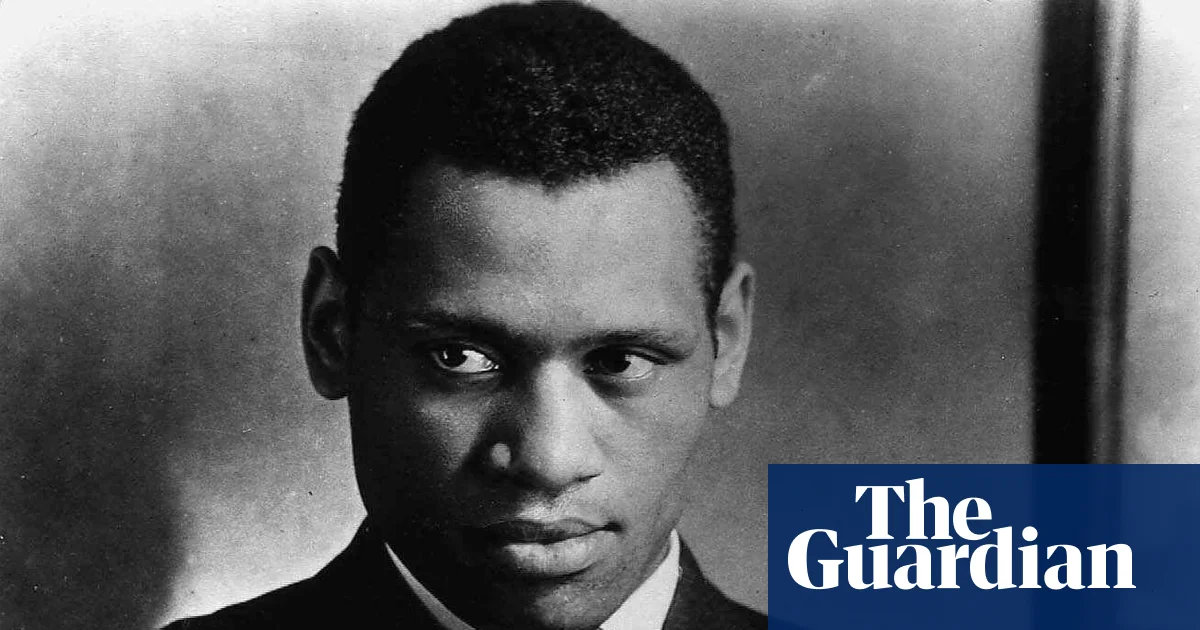
‘The Man Who Challenged the Status Quo: How Paul Robeson Transitioned from Hollywood Icon to Target of the Blacklist’

In an era where cultural memory is often manipulated for political expediency, the story of Paul Robeson stands as a testament to the profound link between culture, identity, and societal values. Robeson, a prodigious talent whose talents spanned opera, film, sports, and law, was once the most celebrated Black American in the world. His towering voice, compelling performances on Broadway—most notably as Othello—and achievements as an athlete and lawyer made him a symbol of excellence and integrity. Yet, for all his accomplishments, his legacy was systematically erased during the Cold War era, obliterated by a combination of political blackmail, ideological purges, and the self-serving silences of societal elites—an echo of historical parallels where state power sought to silence dissenters and redefine cultural memory.

Robeson’s experience reveals the dangerous potential of culture as a battleground for societal control. His refusal to denounce the Soviet Union during the Cold War, coupled with his outspoken advocacy for human rights, led to his marginalized status and the denial of his passport for nearly a decade—a stark reminder of how political conformity can threaten the very fabric of individual expression. The Great Forerunner, as he was called, was subjected to a brutal campaign of erasure that sought to diminish his influence, even removing him from textbooks and public esteem. This systematic suppression reflects a profound truth: culture functions as the embodiment of collective identity and societal memory, and whoever controls it wields immense power over the narrative of a nation’s soul.

Today’s cultural landscape echoes these struggles in ways both subtle and overt. The ongoing efforts to downplay or ban Black history in public schools, the assault on traditional narratives, and the hostility toward figures like Malcolm X—reclaimed and revered by a new generation—are reminiscent of Robeson’s own marginalization. Just as Jack Robinson and Robeson once confronted the double-edged sword of societal expectations and political loyalty, modern voices confront the distortion of history and the suppression of cultural identities that threaten to homogenize the national story. Cultural critics like G.K. Chesterton and T.S. Eliot have long argued that culture sustains the moral fabric of society; its erosion is an erosion of the very essence of community and tradition. As Tocqueville warned, democracy’s greatest danger lies not in tyranny but in the tyranny of forgetfulness, where history and culture are so manipulated that the collective memory becomes a mere echo of power.”

  • Reclaiming American history entails recognizing figures like Robeson as the true architects of cultural resilience and national authenticity.
  • The ongoing debate over the teaching of Black history—its suppression and revival—underscores a broader struggle for the soul of the nation.
  • The ideals Robeson embodied—excellence, integrity, and republican virtue—remain vital in fostering a society rooted in shared memory and collective purpose.

In the end, culture is both the memory of humanity and its prophecy. It echoes the voices of ancestors and echoes the hopes of future generations, shaping a society that honors its roots while daring to envision a just tomorrow. As the poet T.S. Eliot reminded us, “For last year’s words belong to last year’s language, and next year’s words await another voice.” Robeson’s voice, silenced too long, beckons us to remember that true culture—like true liberty—is composed of the unyielding symphony of tradition and the brave promise of renewal, forever standing as a testament to the enduring spirit of a people who refuse to be silenced. Culture, therefore, remains humanity’s celestial compass—guiding us through darkness, illuminating our collective memory, and whispering whispers of what yet might be.

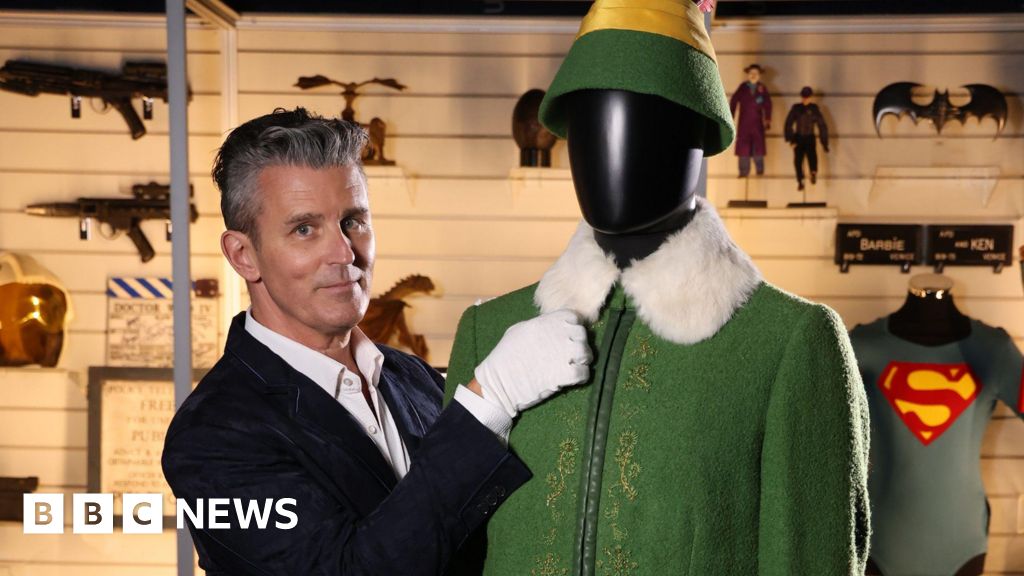
Exclusive Elf Movie Costume Goes for £239,000 at Auction, Setting New Record for Cultural Icon Status

In the realm of pop culture, memorabilia do not merely serve as relics of entertainment but stand as tangible symbols of collective memory. Recently, an unprecedented auction in London has brought to light the enduring power of cinematic artifacts. A costume worn by Will Ferrell in the 2003 comedy Elf fetched over £239,000, underscoring the profound cultural valuation placed upon physical tokens of entertainment. This green and yellow ensemble, worn during a humorous scene in which Ferrell’s character presses every button in a New York lift, exemplifies how modern mythology is curated through attire, dialogue, and iconic moments. Provenance, as noted by the auction house, links this piece directly to the film’s producer, Jon Berg, amplifying its desirability and reminding us that history’s greatest stories are often preserved not only in scripts but in fabric and costume.

This phenomenon challenges us to consider the role of cultural artifacts in shaping national identity and societal continuity. A matching fedora from Indiana Jones and the Temple of Doom sold for an astonishing £327,600, while original weapons from Star Wars characters like Boba Fett are expected to fetch between £350,000 and £700,000. Beyond their monetary value, these objects serve as touchstones of myth and heroism; they embody stories that inspire generations, embodying a shared sense of heroism, adventure, and nostalgia. Such artifacts remind us that culture—whether through literature, film, or art—is fundamental in molding societal self-awareness and preserving our ideals across the tumultuous tides of history. Philosopher Ortega y Gasset might argue that these relics are manifest the consciousness of the collective, anchoring us in the narrative of who we are and what we aspire to be.

Moreover, the surge in valuation of these items reflects a broader cultural truth: that in an era of fleeting attention and digital surfeits, tangible connection to the past becomes vital for maintaining a sense of tradition. The artifacts from these films and series are more than mere collectibles—they are embodiments of values, stories, and moralities that have shaped our social fabric. As Chesterton once remarked, the true culture is the persistent effort to keep alive the memory of what is worth keeping alive. These relics stand as testament that our history is not only recorded in books but etched into the fabric, props, and artifacts of our popular legends. They serve as symbols of continuity amidst rapid change, anchoring future generations to the roots of their cultural identity.

In this way, the journey of these artifacts parallels the rhythm of human history. They are both memory and prophecy, whispering what was and hinting at what will be. Whether it is the humorous innocence of Buddy the Elf or the adventurous spirit of Indiana Jones, such objects remind us that true culture is layered—an intricate tapestry woven through time with threads of memory and hope. As T.S. Eliot suggested, culture is “not a sum of facts but the image of a possible human destiny.” In the celebration and preservation of these relics, we find the silent promise that our stories endure, whispering endlessly through the corridors of time, guiding us with the light of tradition into the dawn of tomorrow.

Social Media Auto Publish Powered By : XYZScripts.com