Matox News

Truth Over Trends, always!

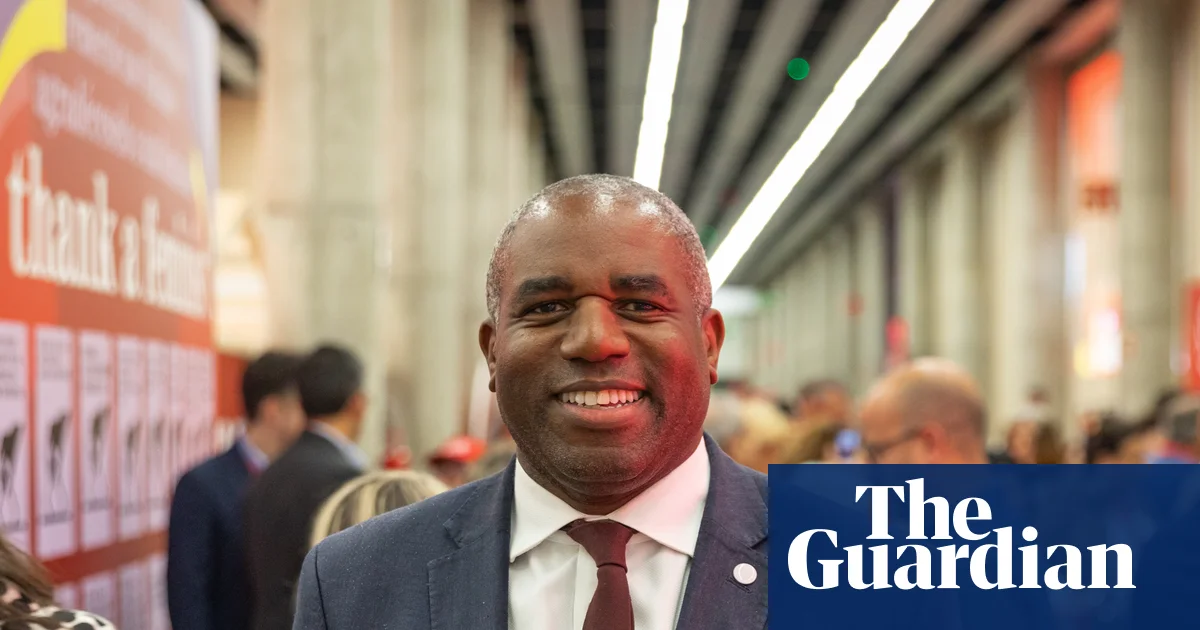
Lammy dismisses Trump’s insults: "Starmer stays focused"
Lammy dismisses Trump’s insults: “Starmer stays focused”

The ongoing Middle East conflict, fueled by the tumultuous developments surrounding Iran, has cast a long shadow over Western geopolitics. The recent clashes have not only intensified regional instability but also ignited a broader global debate on the extent of international involvement and economic stability. President Donald Trump’s provocative rhetoric, including threats against Iran and efforts to escalate pressure on allies such as the UK, highlight a leadership approach increasingly characterized by confrontation and unilateral tactics. Critics argue that such aggression, exemplified by Trump’s recent announcements about resuming peace talks and vowing to “knock out” Iran’s power plants if demands are not met, risks unleashing a new wave of global upheaval.

Amid these tensions, Britain’s diplomatic effort underscores a strategic desire to maintain stability without direct military engagement. Deputy Prime Minister David Lammy, speaking at a global conference, emphasized that “we are not going to get involved in this war”, asserting that the UK’s stance remains rooted in pragmatism rather than imperial posturing. Lammy’s recent trip to Washington aimed at reopening critical channels through the Strait of Hormuz, a strategic shipping route vital to global oil supplies, exemplifies how Britain seeks to balance economic interests and diplomatic neutrality. Analysts like those from the International Crisis Group suggest that the geopolitical impact of this approach could influence global energy markets and international trade, with any escalation threatening to trigger a much wider conflict disrupting supply chains worldwide.

Meanwhile, U.S. domestic politics continues to influence the course of the conflict, as highlighted by President Trump’s recent statements. His announcement of renewed negotiations with Pakistan and threats against Iran underscore an aggressive posture that, according to international scholars, risks destabilizing an already fragile situation. Historians warn that similar brinkmanship during the Cold War demonstrates how miscalculations can escalate into full-scale crises. The U.S. is now in a race against time, with midterm elections prompting policymakers to prioritize short-term political gains over long-term stability. Lammy’s comments, emphasizing concerns about affordability and living standards, reflect a broader awareness that the wars in Ukraine and the Middle East are interconnected crises exacerbating the global economic downturn. This interconnectedness illustrates how decisions made in the corridors of power ripple across societies, often with dire consequences for everyday citizens.

Amidst diplomatic maneuvers, the upcoming UK state visit to the United States by King Charles III and Queen Camilla further amplifies the undercurrents of historical relationships strained by recent disagreements and realignment efforts. Lammy underscored that, despite political differences, the special relationship remains resilient, rooted in shared interests and a history of navigating disagreements with decorum—an approach he laments as increasingly rare in today’s social-media-driven age. Yet, beneath this veneer of diplomacy, the transatlantic alliance faces profound challenges, from economic protectionism to divergent responses to regional crises. The EU, too, continues to serve as a key economic partner, with Lammy advocating for closer alignment, especially on trade matters, as Britain braces for the upcoming European elections and the evolving landscape of international alliances.

As history unfolds, the weight of events in the Middle East, Europe, and North America threatens to reshape the global order. Each decision—each tweet, each diplomatic meeting—embeds itself into the narrative of our age. Will the world’s superpowers find a path to de-escalation, or are we hurtling toward a new epoch of turmoil? The coming months will reveal whether diplomacy and reason can still prevail over chaos, or if the echoes of past failures will resound louder, condemning future generations to the shadows of a world teetering on the brink. The pages of history are turning, and the global stage remains set for a story that could redefine our destiny.

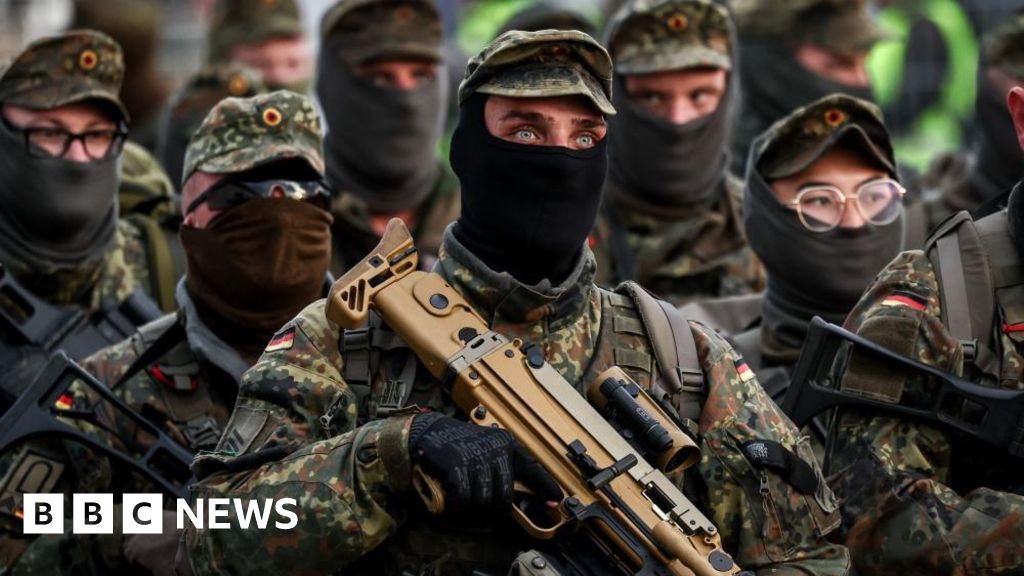
Germany halts military long-term abroad stays for men under 45 to prioritize national defense

Emergence of a Covert Permission System Sparks International Concern

In a development that has swiftly captured the attention of policymakers and analysts worldwide, reports from a prominent German newspaper have revealed the existence of a previously unnoticed requirement for individuals and entities to obtain explicit permission for various activities. While initially dismissed as a minor bureaucratic shift, this revelation signals a potential recalibration of governance structures that could resonate across multiple major nations.

According to investigative reports, the new policy mandates thorough approval processes for a range of actions traditionally conducted without oversight, raising alarms about decreased transparency and increased state control. This shift suggests an acceleration toward authoritative oversight often justified by security concerns or geopolitical strategy, but critics warn it may infringe on personal freedoms and economic stability. Historians specializing in civil liberties warn that such measures, if institutionalized, could erode foundational democratic rights—an unsettling prospect for democratic societies entranced by recent trends of authoritarian consolidation. International organizations, including the United Nations, have begun scrutinizing the implications, with some experts labeling it as a dangerous precedent.

  • The report indicates that multiple laws and regulations in Germany now require prior permission for activities ranging from business transactions to digital communications, ostensibly to combat espionage and misinformation.
  • Other nations are observing these developments closely, with some signaling interest in adopting similar measures to tighten control over economic and civil sectors.
  • Global financial markets, sensing an increased risk of regulatory uncertainty, have experienced fluctuations, reflecting fears that these policies could stifle innovation and cross-border commerce.
  • Analysts have pointed out that such policies could be exploited by authoritarian regimes to justify further suppression of dissent, undermining human rights at a critical juncture in international politics.

Jurists and geopolitical strategists warn that beyond the immediate domestic effects, the global balance of power could tip ominously if other major nations follow suit. China and Russia, already leveraging control to strengthen internal stability, might view this as a blueprint to justify their suppression of dissent, thereby challenging the liberal international order established since the Cold War. Leaders across the spectrum are now contemplating the long-term ramifications of such unprecedented control measures, with some warning that the world risks slipping into a new era of hyper-authoritarianism.

As the story unfolds, it remains to be seen whether this quiet shift will be relegated to bureaucratic obscurity or become a defining feature of future governance models. The unfolding narrative poses a stark question: at what point does the pursuit of national security eclipse the enduring freedoms of society? These decisions ultimately influence the societal fabric—shaping generations and altering the course of history. As nations stand at this critical crossroads, the weight of history presses upon the present, whispering that in the shadows of control, the roots of liberty either deepen or wither.

German men under 45 could face military approval for extended stays abroad—what's really behind the move?
German men under 45 could face military approval for extended stays abroad—what’s really behind the move?

In a move that signals a significant shift in international policy, several nations have recently implemented new regulations stipulating that travel approvals must generally be granted before individuals can cross borders. While these rules may seem routine on the surface, their implications extend far beyond simple bureaucratic procedures, potentially reshaping the delicate fabric of global mobility, sovereignty, and international relations.

What makes these developments particularly notable is the ambiguity surrounding enforcement. Officially, authorities have stated that restrictions are to be adhered to at their discretion, yet there remains considerable uncertainty about how breaches of this protocol will be managed in practice. International observers, including the International Organization for Migration and renowned geopolitical analysts, warn that this lack of clarity could lead to increased friction among nations. Countries with differing policies might interpret enforcement variably, raising tensions especially in regions where borders are already fragile or contested. The absence of a clear enforcement mechanism leaves a vacuum that could be exploited, or worse, devolve into conflicting interpretative clashes among sovereign states.

This evolving landscape underscores the how decisions made at the national level can ripple across global networks, affecting commerce, diplomatic relations, and societal stability. Historically, such regulations have often been precursors to broader geopolitical shifts. Analysts note that some governments may leverage these new travel restrictions to tighten control internally while projecting strength externally. For instance, the United States, the European Union, and China have all shown varying degrees of assertiveness regarding border management, a trend that global institutions like the United Nations are closely monitoring. Their response, or lack thereof, will be critical in determining whether these policies deepen divisions or foster a new form of international cooperation rooted in shared security interests.

  • The imposition of mandatory travel approvals reflects a broader global shift toward border sovereignty and national security concerns, especially amid geopolitical tensions in regions like Eastern Europe and the South China Sea.
  • Major powers appear to be recalibrating their borders, emphasizing control over the free-flowing movement of people and ideas — a move that analysts suggest could undermine longstanding principles of international cooperation.
  • This ambiguity in enforcement raises warnings of potential conflicts or misunderstandings, which could escalate into diplomatic crises if mishandled or exploited.

As historians like Barbara Tuchman have noted, such pivotal moments in policy often mark “the thin line between security and overreach,” where nations must tread carefully or risk unintentional destabilization. International organizations are calling for transparency and clearer guidelines to ensure that border control measures do not spiral into tools of oppression or political maneuvering. Yet, the vital question remains: how will individual states balance the power to regulate their borders with the need for *international stability*? As countries reassess their sovereignty in an era of unprecedented connectivity and conflict, their choices will shape whether history records this as a step toward greater global order or the beginning of a new fragmentation era.

Standing at this crossroads, the world watches as decisions made today carry the weight of the future’s destiny—an unfolding narrative where sovereignty, security, and diplomacy are inextricably intertwined. The stakes are high, and the story is still being written, with each policy shift promising to leave an indelible mark upon the annals of history.

Shutdown delays airports, but ICE stays operational—what it means for travelers

Disruption in U.S. Homeland Security Signals Transition: Tech and Policy Implications

Recent turmoil across U.S. airports, marked by hours-long security lines and staffing shortages, underlines a broader challenge confronting government infrastructure. The Transportation Security Administration (TSA), the primary agent responsible for airport security, has been hamstrung by underfunding, revealing vulnerabilities in legacy systems that rely heavily on traditional manpower. In a rapidly evolving tech landscape, this crisis underscores the imperative for disruption-driven solutions capable of streamlining operations amidst political gridlock. As the Biden administration faces a partial shutdown stemming from a deadlock over immigration enforcement, the industry is witnessing a wake-up call for integrating innovative technology to ensure resilience and efficiency.

At the core of this debate is ICE (Immigration and Customs Enforcement) and CBP (Customs and Border Protection), which currently operate with unprecedented, multiyear federal funding insulated from political pressures—more than $170 billion allocated by the controversial One Big Beautiful Bill Act. While these agencies boast cutting-edge infrastructure, the ongoing funding stalemate exposes a critical industry dissonance: the reliance on traditional enforcement paradigms and slow adaptation to technological disruption. Experts from MIT and Gartner warn that such heavy investment in physical infrastructure—like detention centers and border check-points—must be complemented with AI-powered, analytics-driven tools to preempt threats and manage resources in real-time. Firms innovating in AI, facial recognition, and distributed ledger technology stand poised to redefine enforcement, putting traditional models at risk of obsolescence.

Meanwhile, Democrat-driven reforms seek to introduce transparency and accountability measures, such as body cameras and uniform standardization, to mitigate abuses and improve public trust. However, critics argue that these policy adjustments are merely superficial fixings compared to the rapid disruptive potential of next-gen security tech. As Elon Musk and leading Silicon Valley thinkers accelerate AI development, government agencies face a binary choice: embrace disruptive innovation or remain vulnerable to operational collapse. The 2025-2026 shutdown elucidates a strategic window for integrating autonomous systems, edge computing, and blockchain-based accountability solutions into homeland security, transforming rigid bureaucracies into agile, tech-enabled entities.

The business implications of this tectonic shift are profound. Legacy government agencies, often seen as bureaucratic and slow-moving, are approaching a pivotal moment where disruption could render old processes obsolete, fostering a competitive advantage for private sector partners pushing advanced security tech. According to analyst reports from Gartner, agencies adopting a forward-looking technology strategy will not only reduce operational costs but also elevate national resilience. Waiting too long risks falling behind, leaving critical infrastructure exposed to cyber threats and operational failures. As the political climate intensifies, the urgency to blend policy reform with technological innovation signals a new era—one where the old guard must adapt or face marginalization in the face of disruption.

Future Outlook: A Call for Urgent Innovation

In the current wave of governmental upheaval, the message to industry leaders and policymakers is clear: disruption is no longer optional. The crisis at DHS exemplifies a broader evolution—where the integration of AI, blockchain, and autonomous systems will be vital for safeguarding national interests. Governments that leverage pioneering technologies now stand to redefine the landscape of security and enforcement, securing their position in the 21st-century digital economy. The clock is ticking: the choices made today will determine whether legacy agencies become relics of the past or pioneers of the future. The trajectory is unmistakable—embrace innovation boldly or risk catastrophic operational failure in the face of next-generation threats.

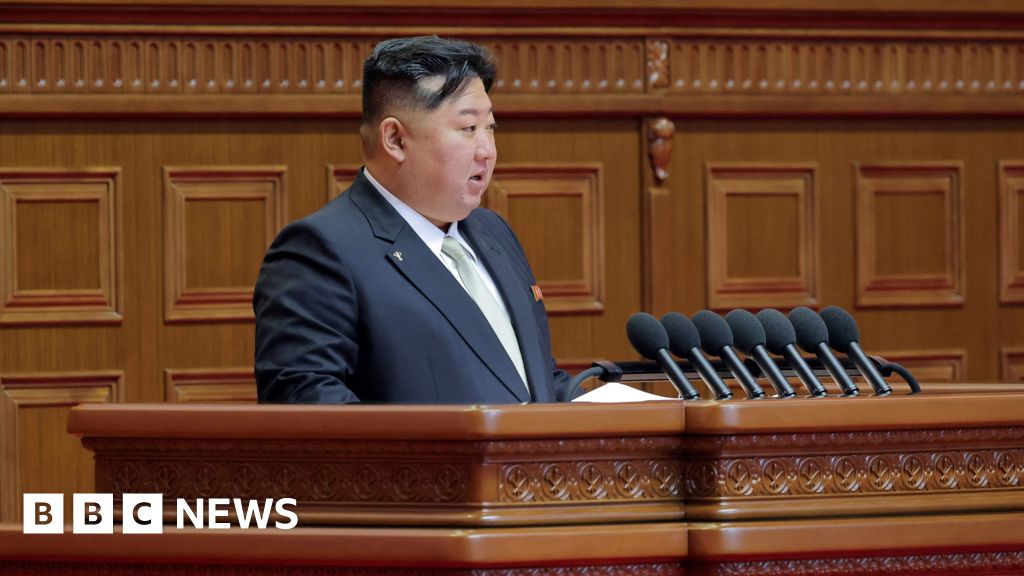
Kim Jong Un stays in power, leading North Korea’s ruling party once again

Kim Family’s Enduring Grip Continues Amidst Surrounding Global Uncertainty

The recent declaration by North Korea’s ruling party congress has reaffirmed the unwavering authority of the Kim family dynasty, a political reality that has persisted since the 1940s. While this reaffirmation may seem predictable to observers familiar with the regime’s history, the international community cannot dismiss the significance of this repeated consolidations of power in the context of an increasingly unpredictable geopolitical landscape. The Kim family’s control over North Korea’s political, military, and economic spheres remains a central factor shaping regional stability and global security dynamics.

Although the Kim regime’s leadership continuity is often seen as a static feature, analysts emphasize its underlying implications for regional deterrence and diplomatic engagement. The party congress, held amidst rising tensions and a shifting international order, signals that Pyongyang is prepared to maintain its stance of strategic ambiguity alongside its pursuit of nuclear advancements. This decision comes at a delicate juncture, with geopolitical shifts in Asia and beyond threatening to reshape alliances and conflict zones. Historically, the Kim family’s unwavering grip, despite economic sanctions and international pressure, demonstrates their focus on regime preservation over domestic reform—an approach that ensures North Korea’s position as a nuclear-armed state at the heart of East Asian security calculations.

The international repercussions of this reaffirmed control are profound. Countries such as South Korea, Japan, and the United States assess North Korea’s trajectory based on its internal consolidations of power. In particular, U.S. policymakers and global security analysts warn of potential escalations resulting from the Kim regime’s continued military modernization, which they increasingly perceive as a threat to regional stability. Meanwhile, China and Russia remain cautious, balancing their strategic interests—diplomatically supporting Pyongyang’s sovereignty while emphasizing the need for stability along their borders. These dynamics underscore how a regime firm in its authority can influence trade, security pacts, and diplomatic negotiations, often at the expense of cooperation and peace.

Historically, the Kim dynasty’s resilience underscores the importance of understanding where power lies in North Korea—beyond superficial leadership changes, it is the deep-rooted political machinery that sustains their rule. As noted by geopolitics scholars, such as Prof. Michael Kelly at the University of London, decisions made within the party congress serve as a powerful signal that Pyongyang intends to persist on its chosen path—a path defined by self-reliance and strategic defiance. This determination effectively sends a warning to the world: stability in East Asia remains fragile, held in the balance by a regime that refuses to relinquish its grip on power regardless of external pressures.

Ultimately, the enduring control of the Kim family over North Korea is a narrative that continues to unfold amidst a fraught and unpredictable world stage. The decisions made today—beneath the surface of orchestrated congress speeches—are shaping the future of peace and conflict across a region where history’s shadows loom large. As the global community watches with cautious trepidation, the late 20th-century lessons of resilience meet the urgent demands of a 21st-century geopolitics—reminding us that history’s true power lies in its capacity to shape tomorrow’s uncertain frontier.

Social Media Auto Publish Powered By : XYZScripts.com