Matox News

Truth Over Trends, always!

LinkedIn CEO Steps Down – No Need for Emotional Farewells, Just the Future Ahead

LinkedIn’s Leadership Shift Signals a New Era of Innovation and Market Disruption

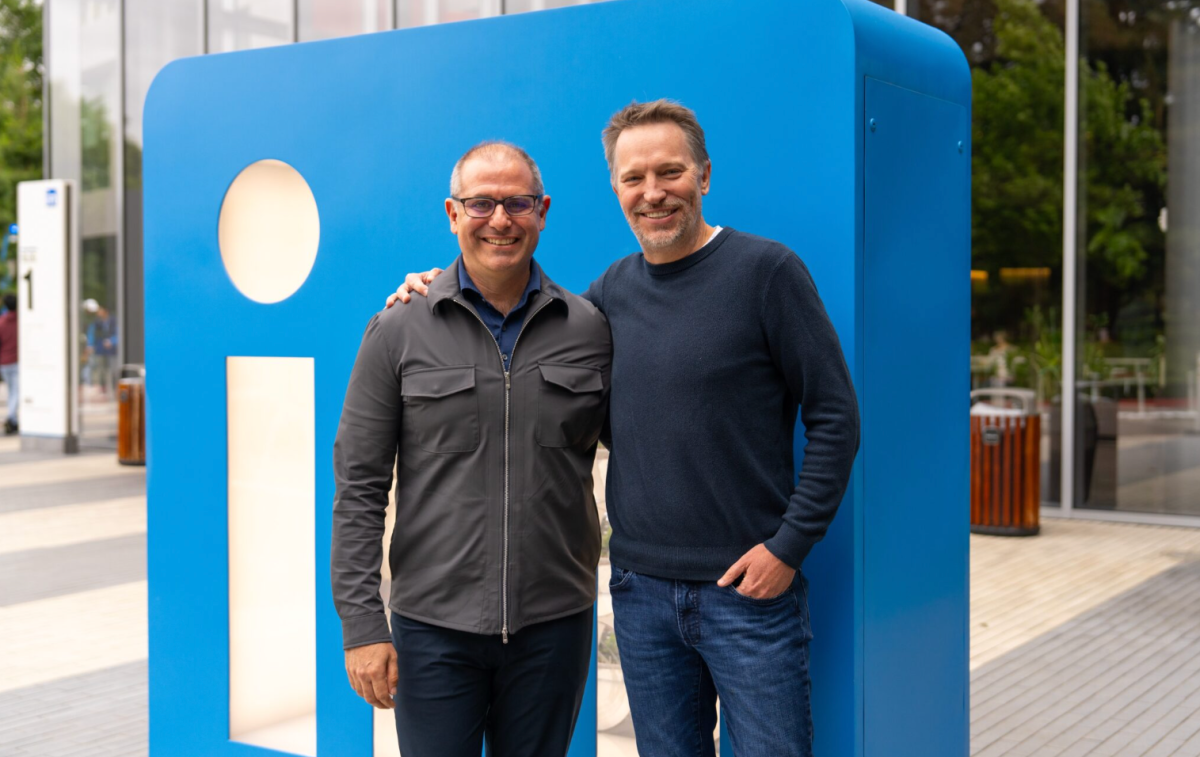
In a move that underscores the relentless pace of transformation within the tech industry, Ryan Roslansky has announced his departure as CEO of LinkedIn after an impactful six-year tenure steering the platform through rapid growth and technological evolution. The company has appointed Dan Shapero, its current COO, as the new CEO, marking a strategic pivot that could accelerate innovation and reshape the professional networking landscape. This leadership change arrives at a critical juncture where the intersection of AI, data-driven insights, and business connectivity is redefining industry standards.

LinkedIn’s ascent has been marked by a relentless drive to leverage disruptive technologies—most notably artificial intelligence and machine learning—to enhance user engagement, facilitate talent acquisition, and empower enterprise solutions. Under Roslansky’s leadership, the platform integrated features such as AI-powered content recommendations, precision targeting for recruiters, and expanded learning modules. Now, with Shapero at the helm, analysts anticipate an intensified focus on market differentiation through innovation, setting the stage for a possible acceleration in growth and diversification of revenue streams. Such strategic realignment could challenge traditional professional networks and catalyze a new wave of startup activity targeting freelancer platforms, remote work tools, and AI consulting.

From an industry perspective, this leadership transition is poised to trigger significant shifts across multiple dimensions. Gartner and leading tech think tanks have identified AI-driven enterprise solutions as the primary driver of next-generation productivity enhancements. The key question for investors and competitors alike is whether LinkedIn under new leadership will continue to disrupt ecosystem standards or if it will face challenges in maintaining its dominant trajectory. Notably, the move aligns with broader market trends emphasizing digital transformation and workforce automation, which have been accelerated by recent global economic shifts and the proliferation of remote work.

The business implications are profound.

  • The potential for integrated AI tools to streamline recruitment, onboarding, and professional development could redefine talent engagement strategies.
  • This shift could create a competitive moat for LinkedIn, shielding it from emerging platforms that are leveraging new AI models and data analytics.
  • Emergent industry players, such as Glassdoor and Indeed, must now innovate aggressively to maintain relevance in a rapidly evolving digital landscape driven by social networking and enterprise SaaS integration.

Esteemed innovation figures like Elon Musk and Peter Thiel have long championed the importance of disruptive leadership to stay ahead of the curve. With the tech giant’s new leadership, the industry is witnessing a pivotal moment that could see LinkedIn redefine its role as not just a networking tool but as an indispensable hub for AI-enabled, highly personalized professional ecosystems. As the platform navigates this transition, stakeholders must remain agile and vigilant, recognizing that this leadership change could catalyze the next wave of market disruption—with profound implications for the global workforce and the future of work itself.

In conclusion, the leadership shift at LinkedIn exemplifies the dynamic tension between innovation, disruption, and strategic positioning. This transition underscores the urgency for industry players to harness emerging technologies proactively, lest they fall behind in an intensely competitive environment. As the platform enters its next chapter, it promises to be a bellwether for broader industry trends—where the convergence of AI, data, and connectivity will determine the future trajectory of the global professional landscape. The clock is ticking for businesses and entrepreneurs eager to capitalize on what’s next—an era where agility and innovation are the keys to sustained success.

Tim Cook steps down as Apple CEO; John Ternus named his successor

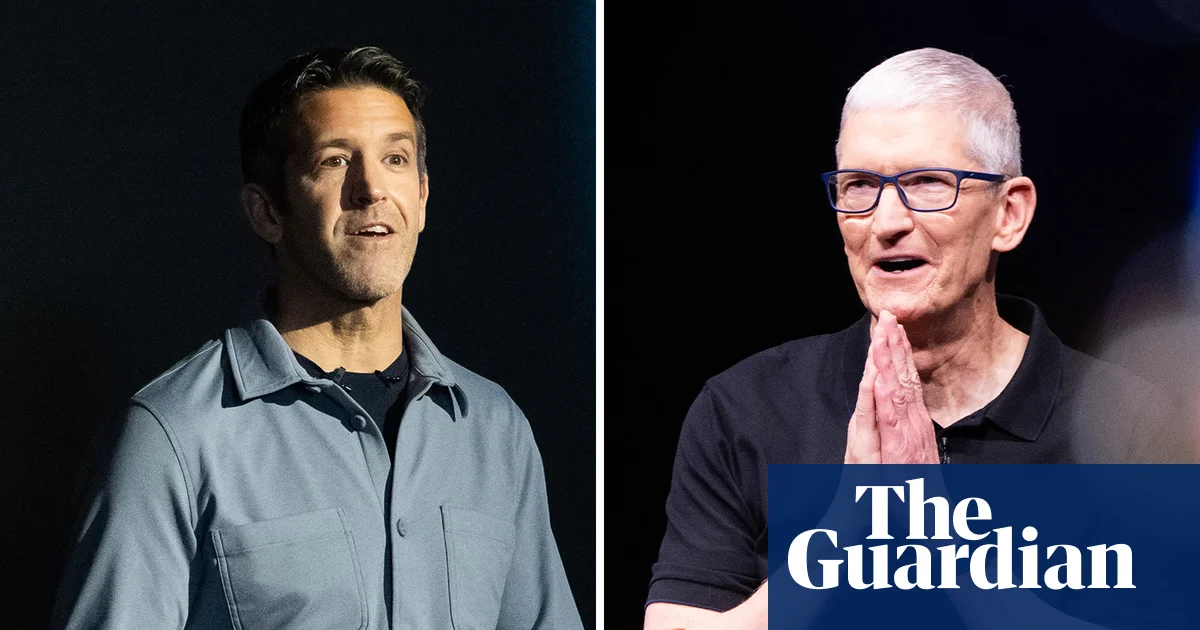
Apple, the multinational technology giant, has announced a significant leadership transition, marking a pivotal moment not only within the realm of consumer electronics but also in the broader geopolitical scene. After nearly 15 years of steering the company through unprecedented expansion, Tim Cook will step down as CEO, handing the reins to John Ternus. This transition coincides with a period of intensifying global competition in artificial intelligence and tech innovation, where corporate decisions resonate with national security interests and economic stability. The move appears poised to influence the company’s strategic direction amid rising scrutiny over its trajectory in AI integration and market positioning.

  • Cook’s leadership saw Apple expand its market dominance, especially with record-breaking iPhone sales in China, signalling entrenched global dependencies.
  • Ternus, known for engineering expertise, promises to uphold the company’s core values while navigating the uncertain landscape of AI development.
  • Growing international and domestic tensions over tech sovereignty and competitive technology race shape the broader context for the announcement.

International organizations and analysts have keenly observed Apple’s shift as a reflection of the larger geopolitical dynamics at play. Some experts argue that the leadership change signals a strategic pivot as the tech sector grapples with AI supremacy and technological independence. In recent years, superpowers like the United States and the People’s Republic of China have been engaged in a high-stakes contest over control of AI and digital infrastructure, with corporations caught in the crossfire. According to technology historian Dr. Lisa Crawford, the new leadership at Apple might signal a cautious step toward more aggressive investment in emerging tech, possibly aligning corporate innovation with national interests. Such moves could reshape global supply chains and influence international cooperation, particularly in the face of mounting sanctions and tech war tensions.

This transition also carries profound implications for society and the global economic landscape. While Apple’s success under Cook bolstered prosperity, it also deepened dependencies in key markets, especially in East Asia. The decision to maintain a measured approach to AI integration—preferring third-party tools over full in-house solutions—may be a strategic response to fears of technological vulnerabilities or geopolitical vulnerabilities in the supply chain. Analysts warn that the next phase of technological rivalry could hasten a divide between Western and Eastern digital ecosystems, with global implications for cybersecurity and technological sovereignty.

As the world watches, the future of Apple seems intertwined with the broader narrative of international power struggles. The United States and other nations will scrutinize John Ternus’s leadership, assessing whether his technical expertise translates into a strategic foresight that can tackle the threats posed by global tech competition. Meanwhile, the real battle unfolds behind closed doors: between nations vying for dominance in the digital age, where the next few years could redefine the balance of power. As history continues to be written in these corridors of influence, one thing remains certain—every executive decision, every innovation, and every shift in leadership at companies like Apple shapes the unfolding fabric of our interconnected world, leaving future generations to grapple with the legacy of today’s choices.

China steps in as peace broker in Iran conflict—will they deliver?

In a noteworthy development on the international diplomatic stage, China has signaled a significant shift towards promoting peace and dialogue amid ongoing global tensions. According to statements released by the Chinese Foreign Ministry, high-level officials have embarked on “new efforts” aimed at fostering diplomatic solutions to regional conflicts. This move comes after months of escalating tensions in various flashpoints across Asia and beyond, where military posturing and economic sanctions have heightened fears of broader confrontation. The joint diplomatic efforts underscore a strategic pivot that could influence the future of geopolitical stability, particularly in areas prone to conflict escalation.

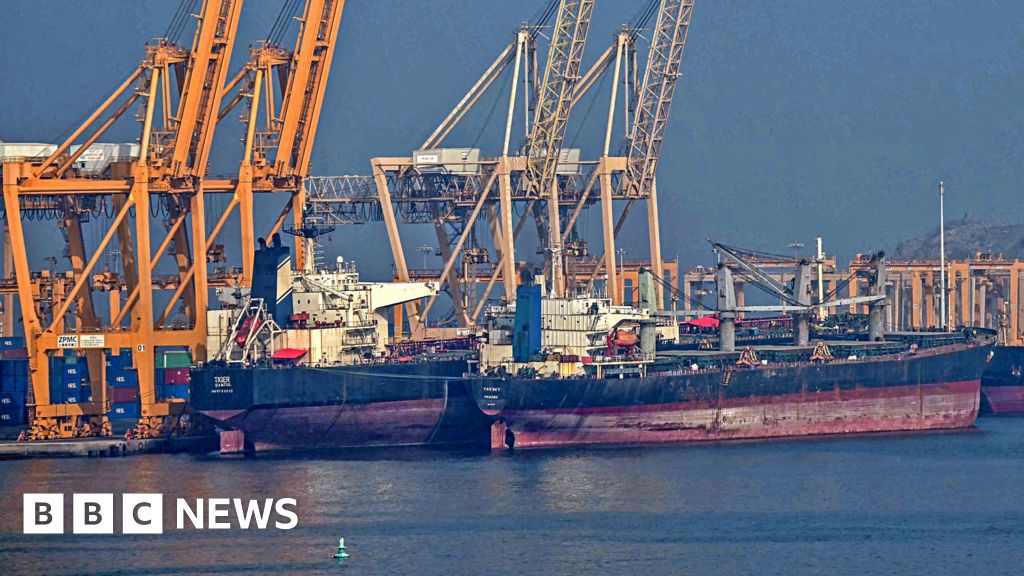
The joint statement issued by China and its counterparts emphasizes that “dialogue and diplomacy are the only viable options to resolve conflicts.” This declaration highlights a deliberate attempt to recalibrate previous assertive postures, especially regarding control of vital waterways such as the Strait of Taiwan, the South China Sea, and other key maritime arteries. The statement also called for the protection of these waterways, emphasizing their international significance and potential as flashpoints for future confrontations. Such rhetoric is a deliberate contrast to earlier assertiveness, signaling that China may be seeking to reframe its image as a responsible global stakeholder and peace advocate, even as its actions remain closely watched by rival powers.

International analysts, including senior analysts from the International Crisis Group and historians specializing in Asian geopolitics, evaluate this diplomatic shift with cautious optimism. They emphasize that “while rhetoric may be evolving, the geopolitical landscape remains fragile.” They warn that permanent peace hinges not only on words but on tangible actions, including mutual de-escalation, respect for international treaties, and safeguarding vital communication channels among global powers. The recent statements are viewed by many as a calculated move by China to demonstrate its willingness to cooperate amidst mounting pressures from the United States and regional allies. However, whether this marks a genuine turn toward peace or merely a temporary diplomatic façade remains uncertain—an ambiguity that leaves the world’s security outlook hanging in the balance.

This diplomatic development arrives against a backdrop of a rapidly shifting geopolitical climate, where conflicts are increasingly intertwined with economic competition, technological rivalry, and ideological disputes. The decisions taken today will undoubtedly influence not only bilateral relationships but also global stability, affecting nations’ security, trade, and societal peace. As U.S. officials and European allies monitor China’s diplomatic moves, the world watches with bated breath for indications of whether this was merely a pause or the beginning of a genuine détente. The weight of history looms, reminding all that the true test lies ahead: can words be translated into lasting peace, or will the current moment serve as another fragile chapter in an enduring saga of international discord?

ARC Raiders steps up its game by swapping AI voices for top-tier pro voice talent—set to elevate the game’s vibe for the next gen

In what can be seen as a remarkable reversal of AI dominance in creative industries, recent developments in the gaming world highlight an unexpected resurgence of human voices. Embark Studios CEO Patrick Söderlund revealed to GamesIndustry.biz that despite the initial reliance on artificial intelligence for character dialogue in their hit game ARC Raiders, they made a conscious decision to replace AI-generated voices with professional voice actors. The studio’s move underscores a critical question: does human craftsmanship still hold unchallenged sway over AI when it comes to emotional authenticity and quality?

The studio’s decision was driven primarily by quality concerns. Söderlund admits that “There is a quality difference. A real professional actor is better than AI; that’s just how it is.” This confession signals a significant shift, especially as the gaming industry often champions AI for cost-cutting and efficiency. Despite the impressive sales—14 million copies sold on Steam in February and over 6 million weekly active players—the critics have pointed out a flaw: the initial text-to-speech dialogue felt clunky and harmful to immersion. Such criticisms serve as a powerful reminder that, no matter how advanced AI becomes, it still struggles to replicate the nuanced delivery of seasoned voice talent.

The implications extend beyond gaming. AI-driven content creation is rapidly infiltrating various cultural domains—music, art, film—prompting a debate over the social and ethical ramifications. On one side, proponents emphasize the cost-saving benefits and the potential to democratize artistic expression, enabling creators with limited resources to produce compelling work. Conversely, critics—including sociologists and industry veterans—warn that an overreliance on AI could erode the social fabric of creativity and threaten the livelihoods of human artists. The ongoing tug-of-war reveals a much larger cultural impact: a society grappling with the value of human experience versus artificial efficiency.

Interestingly, Embark Studios’ approach highlights a balancing act. While they are willing to incorporate AI where it enhances the visual experience—stressing that no generative AI was used in their visuals—they are also willing to invest in human talent to elevate storytelling. This nuanced stance might become the blueprint for the future, suggesting that AI and human labor are not mutually exclusive but rather complementary. Influencers and industry analysts suggest that this hybrid model could define the next era of cultural creation, where authenticity is prized but efficiency is preserved.

As the debate rages on, one pressing question remains: will society accept AI as a substitute for human artistry, or will the push for authenticity lead us to revalue the skilled craftspeople behind our most beloved stories? The answer to this question could shape not just the future of gaming but the broader cultural landscape. As technology advances and societal values evolve, the next big challenge may be defining what “authenticity” truly means in an age dominated by artificial intelligence.

Noma’s head chef steps down amid abuse accusations, sparking questions about accountability in the food scene.

In the realm of international gastronomy and cultural influence, few names resonate as powerfully as René Redzepi, the Danish culinary icon celebrated for pioneering innovative Nordic cuisine. However, recent developments have cast a shadow over his reputation, as allegations from former employees at his renowned restaurant have accused him of fostering a toxic work environment. This controversy not only questions the integrity of one of Europe’s most acclaimed chefs but also underscores a broader debate about leadership ethics within global hospitality industries.

While Redzepi issued an apology, the incident exemplifies the increasing scrutiny faced by high-profile figures in the international cultural scene. Historians and labor advocates assert that such allegations have significant geopolitical impact, especially in a world where social justice movements and workplace reforms are gaining momentum. Governments and international organizations now watch these developments closely, as they reflect shifting societal expectations around ethical leadership. For nations that are heavily reliant on tourism and cultural exports, the reputation of iconic figures like Redzepi can influence perceptions, affecting everything from diplomatic relations to economic stability.

The controversy surfaces at a critical juncture for Europe, which is grappling with a series of socio-political upheavals—ranging from migration challenges to economic recalibrations. The leadership style endorsed by influential cultural ambassadors must align with advancing more ethical standards. International bodies such as the European Union, along with industry watchdogs, are increasingly advocating for a respectful, equitable work environment across all sectors. The fallout from such accusations can serve as a catalyst for broad reforms, compelling powerful entities to prioritize social responsibility and human rights beyond mere economic gains.

As the narrative unfolds, many analysts warn that the repercussions extend far beyond the kitchen, illustrating a global shift towards accountability. The geopolitical impact of enforcing corporate and cultural accountability is profound. Countries and industries that fail to adapt risk losing their influence on the world stage, especially as younger generations demand transparency and integrity from their leaders. The case of René Redzepi emphasizes that even venerable institutions face scrutiny in the age of social media and instant information sharing. International sentiment is turning against unchecked power and privilege, urging a re-evaluation of moral standards in leadership.

In this relentless, tumultuous dance of history, the verdict remains unwritten. Will Redzepi’s apology mark a genuine turning point toward reform, or merely serve as a fleeting chapter in a larger story of societal awakening? As nations watch, the world teeters on a precipice—where the cultural icons of today may either be champions of change or relics of a bygone era. The weight of this moment lies heavy on history’s scales, as the global community continues to define its moral compass amidst an era of profound transformation.

Labour's Tim Allan, Keir Starmer’s top strategist, steps down
Labour’s Tim Allan, Keir Starmer’s top strategist, steps down

Recent developments within United Kingdom political circles signal a tumultuous period that could reshape not only domestic governance but also influence legacy international alignments. The resignation of Tim Allan, the director of communications for Prime Minister Keir Starmer, after only five months underscores internal power struggles and mounting discontent at the highest levels of government. His departure, coupled with the recent resignation of Morgan McSweeney, the chief of staff, reflects a broader crisis of confidence and uncertainty enveloping the current leadership. These upheavals come at a time when the UK is navigating complex global terrains, especially in its relations with the United States and wider NATO alliances.

This political disarray coincides with a scandal that threatens to undercut Starmer’s credibility: the controversial appointment of Peter Mandelson as ambassador to Washington. Critics, including prominent historians and international analysts, point to Mandelson’s notorious associations, including links to the convicted Jeffrey Epstein. The decision has ignited furious debates over accountability, transparency, and how foreign policy decisions are made behind closed doors. In particular, it raises questions regarding the responsibilities of diplomats in safeguarding national reputation and the potential impact of such scandals on UKAmerica relations, especially amid intensifying geopolitical tensions.

On the international front, these internal disturbances are emblematic of a broader shift in global power dynamics, with China and Russia increasingly asserting their influence. Analysts warn that internal instability within Western nations, including the UK, could weaken their stance in ongoing conflicts and diplomatic negotiations. Organizations such as the International Crisis Group have pointed out that political fractures in key allies threaten to undermine coordinated responses to pressing crises, from Eastern Europe to the Indo-Pacific. European nations, observing these developments, brace for potential repercussions—ranging from diminished alliance cohesion to shifts in the balance of global influence—decisions that will echo through history’s unfolding chapters.

As Britain grapples with its internal struggles and controversial international appointments, the overarching narrative remains clear: the decisions made today will either fortify or fracture a delicate geopolitical landscape. The weight of history presses heavily on these fleeting moments; each crisis, scandal, and reshuffle signals not merely a moment in time but the potential redefinition of alliances and power structures. As the world watches, the question persists—will these internal upheavals serve as a catalyst for renewed strength, or will they herald a period of decline and disarray that shapes the global order for generations to come?

Academy boss steps back as youth strikes shake society

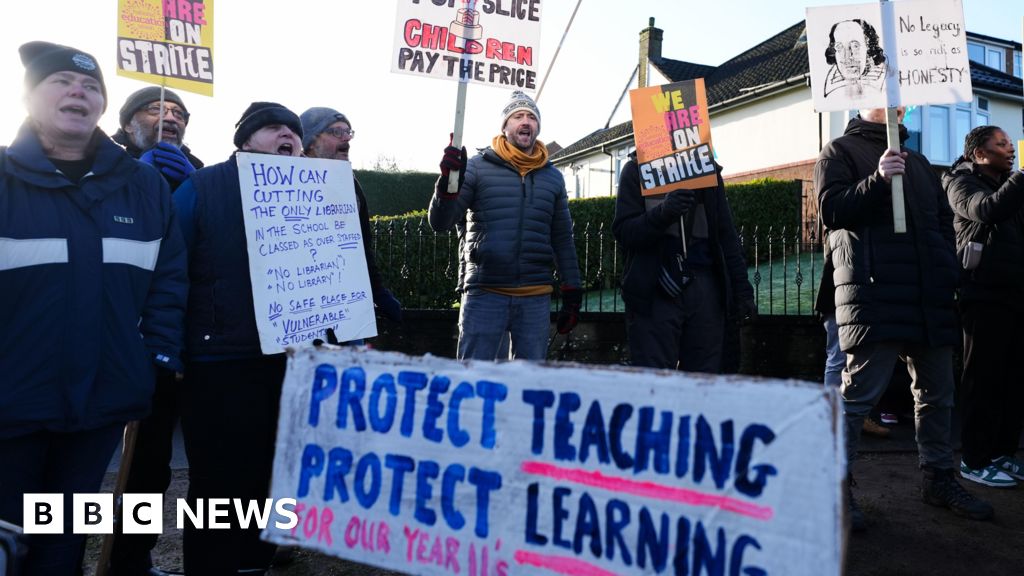
In an unfolding demonstration of societal tension, over 800 school staff members across 20 schools in the West Midlands have recently gone on strike. This significant industrial action underscores deep-rooted issues within the educational landscape, issues that ripple beyond the classroom and into the fabric of families and communities. The strike serves as a stark reminder of the mounting pressures faced by educators, which are reflective of broader social challenges affecting society at large.

At the core of the dispute are concerns over working conditions, salaries, and resource allocations. Teachers and support staff assert that their salaries have not kept pace with inflation, thereby eroding their purchasing power and straining their ability to provide stability for their own families. Moreover, inadequate resources and heavy workloads have heightened stress levels, diminishing the quality of education and support given to students. Historically, sociologists such as James Coleman have demonstrated that the quality of teachers directly influences student achievement, community cohesion, and social mobility. When educators struggle, entire communities feel the repercussions, facing a cycle of underachievement and declining social capital.

This disruption calls into question the very purpose of public education as a pillar of societal progress. As historians like E.P. Thompson have pointed out, a well-educated populace is fundamental to societal stability. Yet, as social strains increase—be it economic hardship, demographic shifts, or cultural tensions—the fractures within institutions become visible. The strike exemplifies how the deterioration of support and respect for educators undermines families’ confidence in the public education system, affecting generations of youth and potentially widening existing social inequalities. Without adequate investment and recognition, the hope of fostering a resilient, educated workforce diminishes, leaving communities vulnerable to long-term decline.

  • Many families depend on predictable school schedules for stability and employment continuity.
  • Students from less advantaged backgrounds face even greater setbacks when schools are disrupted.
  • Communities are left to grapple with the aftermath, often resorting to informal support networks that may lack consistency or reach.
  • Proposed solutions include increased funding, improved working conditions, and more inclusive dialogues between policymakers, educators, and families.

As social commentators warn, neglecting the foundational role of education threatens to widen the cultural and economic divides that already challenge modern society. Addressing these grievances requires a recognition that educators are not merely service providers but vital guardians of societal integrity. By fostering a renewed respect for teachers and investing in the necessary resources, society can begin to rebuild the broken links that threaten to widen the gap between generations and communities. Ultimately, the challenge lies in transforming social issues into opportunities for collective renewal, igniting hope that even amid hardship, society can confront its deepest contradictions and forge a future rooted in resilience, fairness, and shared purpose.

Hero couple steps in to stop gunman before tragedy strikes in Bondi

The Shadow of Terror: Australia’s Bondi Beach Attack and Global Safety Concerns

The recent *terrorist assault* at Bondi Beach marks a dark chapter in international security, revealing the dangerous extent of ideological extremism infiltrating even the most idyllic societies. The attack, which left at least 15 dead—including a 10-year-old girl and a Holocaust survivor—was identified by Australian police as a targeted act of terror motivated by Islamic State (IS) ideology. The perpetrators, Sajid Akram, 50, and his son Naveed Akram, 24, reportedly traveled from Australia to the Philippines weeks before the assault, fueling fears of the global reach of radical networks and their potential to orchestrate violence across borders.

Authorities indicated that the suspects possibly received military-style training while in Southeast Asia, much of which remains under investigation. The presence of homemade IS flags and improvised explosive devices in their vehicle underscores how non-state actors continue to experiment with deadly tools, challenging governments worldwide. These disturbing revelations are not isolated but part of a broader geopolitical concern: how extremist ideologies are metastasizing and linking international militant cells. Analysts warn that such alliances threaten the stability of nations and test the resolve of law enforcement agencies in countries far beyond the Middle East.

Local Heroes and the Global Fight Against Terrorism

Amid the terror, stories of heroism are emerging that reinforce the importance of resilience and quick action. Boris Gurman and his wife Sofia, both victims of the attack, exemplified courage in the face of evil; dashcam footage shows Boris wrestling with one gunman and attempting to disarm him before being fatally shot. Witnesses describe Boris as a “hero” who “charged straight toward the danger” to protect others—highlighting the critical impact of individual bravery during terrorist incidents. Their selfless sacrifice resonates globally, reminding nations of the importance of community vigilance and the readiness to confront threat head-on.

In a context where Australia and its allies face persistent threats, this attack underscores the ongoing need for robust international cooperation against terrorist financing, radicalization, and cross-border movement of militants. The Australian homeland security agencies, together with Interpol and allied nations, are now intensifying efforts to dismantle these networks—a clarion call for renewed global resolve. Such acts of heroism, coupled with strategic intelligence, serve as vital countermeasures, but they also reveal the persistent vulnerability that so-called “peaceful” societies face if they underestimate the reach of radical ideologies.

Implications for International Policy and Societal Security

This tragedy plunges the international community into a sobering awareness: how decisions made in regional policies, immigration controls, and counterterrorism initiatives impact societies at a fundamental level. The global response must be multifaceted, tackling not only the immediate threat but also addressing root causes such as extremist propaganda, social marginalization, and ideological indoctrination. Governments are under mounting pressure from analysts like Clare Lopez and organizations such as UN Counter-Terrorism Committee to revamp strategies—emphasizing intelligence sharing, socio-economic inclusion, and combating online radicalization.

Historically, the rise of Islamic State and similar groups exemplifies how decentralized cells can foment violence well beyond their initial territorial confines. This incident in Australia demonstrates the global nature of modern jihadism, where a single act can reverberate across continents, shaping the geopolitical landscape. As nations grapple with this ongoing threat, the importance of steadfast resolve and protective policies becomes crucial—aimed at safeguarding not just national borders but the very fabric of society against the insidious reach of extremism.

The Future Unfolding in the Shadow of Violence

The words of the witnesses and the unfolding of this tragic event paint a haunting picture: a world where ordinary individuals are pushed to extraordinary acts, fighting against the tide of chaos and hatred. Now, as the dust settles and investigations continue, the weight of history presses heavily upon policymakers and communities alike. The question remains: will collective international resolve be enough to contain this menace, or are we witnessing the beginning of a new era of relentless terror?

In the quiet moments after the storm, the enduring truth is clear—each life lost etches a deeper scar into the global consciousness. The choices made by governments today, and by individuals tomorrow, will determine whether this chapter in history concludes with renewed strength or descends into a prolonged saga of fear and division. The future is unwritten, but the shadow of this attack—and so many before it—reminds us that the unfolding narrative of humanity’s struggle for security and peace is far from over.

Yermak Steps Down After Corruption Raid Sparks Crackdown

Ukraine’s Political Stability in Jeopardy Amid Corruption Scandal and Diplomatic Turmoil

In a development that has sent shockwaves through the international community and raised pressing questions about Ukraine’s internal stability, President Volodymyr Zelensky announced the resignation of his chief of staff, Andriy Yermak. The resignation follows a high-profile anti-corruption raid on Yermak’s residence in Kyiv, which analysts are assessing for its potential impact on Ukraine’s diplomatic negotiations and internal unity. Yermak, the long-standing confidant and a key figure in Zelensky’s administration, has played a pivotal role in steering Ukraine through the tumult of Russia’s ongoing invasion and the complex diplomatic efforts aiming for resolution. Despite not facing any formal charges, the raid symbolizes the heightened scrutiny, both domestically and internationally, on Ukraine’s fight against corruption—a persistent sore point that critics argue hampers Kyiv’s quest for legitimacy and stability amid war.

This diplomatic shake-up comes at a critical juncture, as Ukraine’s leadership faces mounting pressure from Western allies and U.S. officials to make concessions that could alter Ukraine’s territorial integrity. On the heels of Yermak’s departure, U.S. Secretary of the Army Dan Driscoll is scheduled to arrive in Kyiv to discuss President Donald Trump’s} recent push for a peace plan—an indication that international powers are intensifying efforts to broker a settlement that risks encroaching on Ukraine’s sovereignty. Kyiv’s leadership, under immense strain, has reiterated their stance that “no territory will be surrendered,” a line that echoes the steadfast resistance historically championed by Ukraine’s defenders. Nevertheless, analysts such as Dr. Robert C. H. Peters, an international security expert, warn that the window for diplomatic victory is narrowing, and inner political stability is crucial if Ukraine is to stand firm against external pressure.

Despite Ukraine’s official assertions of resolve, the scandal has exposed vulnerabilities within Zelensky’s government, leading to concerns about how internal discord may weaken their negotiating position. The continued conflict in the Donetsk region, where Russia demands the return of strategically vital cities, remains tense, with President Vladimir Putin warning that failure to withdraw by Kyiv could result in military escalation. Yermak’s remarks prior to the raid underscored the gravity of Ukraine’s stance, emphasizing that “as long as Zelensky is president, no one should expect us to cede territory,” encapsulating the indomitable spirit of Ukrainian resistance. The situation is further complicated by Russia’s relentless offensives and the international community’s divided response, which hinges on balancing diplomatic negotiations with the imperative to deter aggression.

As the dust settles over Kyiv and Moscow’s forces gird for further advances, the unfolding drama signifies more than mere political intrigue; it reflects the geopolitical stakes at play. Ukraine’s internal resilience, the capacity of its leadership to navigate scandals, and the international community’s resolve to support Kyiv are all critical factors in shaping the future of Eastern Europe. Facing an uncertain horizon, history may yet judge this moment as the early chapters of a new Cold War chapter—where the global order hangs precariously in the balance, and the fates of nations are dictated not only by soldiers but by the unseen battles of diplomacy and corruption. As the international spotlight intensifies, the weight of history presses down, reminding the world that the choices made today will echo through generations to come, defining the very fabric of freedom in a world teetering on the edge of chaos.

OBR suspects 'outsider' behind budget leak as cyber expert steps in – UK politics updates
OBR suspects ‘outsider’ behind budget leak as cyber expert steps in – UK politics updates

Unfolding Geopolitical Ripples in the UK: Budget Leak and Domestic Policy Shifts

In a dramatic turn of events that underscores the fragile interplay of digital security and national governance, Richard Hughes, chair of the Office for Budget Responsibility (OBR), disclosed that an external individual may have inadvertently caused the early leak of the UK’s latest fiscal report. This incident, which surfaced just minutes before the Chancellor of the Exchequer, Rachel Reeves, formally announced the budget, has ignited concerns over cyber security at a time when international stability increasingly hinges on the integrity of government communications.

As Prof Ciaran Martin, former head of the UK’s National Cyber Security Centre, has been called in to oversee the investigation, critics warn of far-reaching geopolitical implications. This breach at the heart of the UK’s financial oversight not only raises questions about internal security protocols but also signals potential vulnerabilities that, if exploited, could ripple across allied nations and global markets. Analysts suggest that this incident is a stark reminder of how digital threats are reshaping the landscape of international politics, compelling leaders worldwide to revisit cybersecurity treaties and cooperation frameworks.

Domestic Politics and International Consequences

  • The UK government’s handling of fiscal transparency is now a subject of international scrutiny, especially within institutions such as the International Monetary Fund (IMF) and the G7.
  • Meanwhile, Rachel Reeves has defended her budget, emphasizing that none of her fiscal measures are designed to stimulate growth, a stance that contrasts sharply with the assessments of the Institute for Fiscal Studies (IFS). While she insists that her policies are designed to protect existing social frameworks, critics argue that her refusal to break manifesto promises on tax hikes risks exposing growing societal inequalities.
  • International observers, including leading economists and security experts, warn that such domestic discord, combined with vulnerabilities like the recent leak, can undermine Britain’s strategic alliances and its credibility in rallying international support for coordinated economic policies.

The Broader Impact: Rising Tensions and Evolving Alliances

This security lapse exemplifies the broader geopolitical shift where digital sovereignty and cyber diplomacy are now as critical as traditional military alliances. The incident offers a stark warning that how decisions inside nations’ borders influence global stability. With emerging powers like China and Russia deploying cyber tactics to bolster or destabilize existing structures, Western countries must accelerate efforts to forge resilient cybersecurity agreements.

Historical analyses by geopolitical scholars warn that such incidents could catalyze a new era of digital confrontation, compelling nations to rethink traditional alliances. According to the UNESCO, international cooperation in cyber governance must adapt swiftly to defend shared interests, lest fragile democracies fall victim to asymmetrical warfare that erodes trust in essential institutions.

Conclusion: The Unfolding Narrative of Power and Security

As the UK navigates this turbulent chapter, with its political landscape now under the shadow of cyber vulnerabilities and contentious fiscal policies, the weight of history presses heavily upon its future trajectory. The incident serves as a stark reminder that in an interconnected world, choices made within the vaults of London’s government chambers reverberate across continents, shaping the destiny of societies. The unfolding story — of leaks and policies, trust and treachery — leaves the global observer pondering: how resilient are the foundations of power in an age where information itself becomes the battlefield?

Social Media Auto Publish Powered By : XYZScripts.com