Matox News

Truth Over Trends, always!

Mosquitoes Strike Iceland for the First Time After Record Heat Wave

Record-Breaking Heatwave in Iceland Sparks Unforeseen Ecological Shift

In a startling development that underscores the profound effects of climate change on fragile ecosystems, Iceland has recorded the first-ever discovery of mosquitoes within its borders. Historically a haven of icy detachment, the once-impregnable barrier against these pests has been broken by this year’s unprecedented heatwave. Local insect enthusiast Bjorn Hjaltason identified and captured two female mosquitoes and one male, later confirmed by the Icelandic Institute of Natural History as Culiseta annulata, a resilient species capable of surviving frigid winters. This event has sent ripples through environmental circles and geopolitical analysts alike, spotlighting the tangible consequences of a scorching climate that now approaches Iceland’s northern shores.

Prior to this year, Iceland remained one of only two mosquito-free zones globally, with the only other being Antarctica. The cold climate and distinct ecological conditions historically prevented mosquitoes from establishing a foothold. However, the recent series of heatwaves—an anomaly according to the Met Office—have shattered previous temperature records, with May highs exceeding 20°C (68°F) and peaking at an all-time high of 26.6°C (79.8°F) at Eglisstaðir Airport. Such dramatic shifts are emblematic of the larger, more ominous trend of global warming, which the UN’s climate body affirms as driven by human activity. As global temperatures climb, scientists warn of destabilized ecosystems and unforeseen biological invasions, challenges that nations are increasingly ill-prepared to handle.

  • The key event: The first confirmed mosquito presence in Iceland amid record-breaking heat, signaling a disturbing ecological breach.
  • Potential consequences: Expansion of insect-borne diseases, disruption of local fauna, and strain on natural resources.
  • Broader implications: The event is a stark illustration of how climate change accelerates the erosion of natural barriers that historically protected regions like Iceland and Antarctica.

International organizations and experts are taking notice. Critics argue that these developments underscore the urgent need for a coordinated global response to climate change, focusing on both mitigation and adaptation. Historians and environmental analysts warn that this incident foreshadows a new era—one in which the impacts of human pollution and carbon emissions reach into the most remote corners of the world, rewriting the script of nature’s historical boundaries. The question now is whether nations will recognize the gravity of these signs or dismiss them as isolated anomalies. With each passing year marked by record heat and ecological upheaval, the line between natural resilience and human-inflicted vulnerability continues to blur.

As the story unfolds, Iceland stands as a stark symbol—a fragile outpost on the frontlines of a warming planet. The insect’s invasion, while seemingly minor, may herald a larger, more dangerous trend of ecological unravelling that knows no borders. The discovery leaves us with a haunting image: a once-untouched icy haven gradually succumbing to the relentless march of warming tides. Humanity, standing at a crossroads, must confront whether this is the prelude to a new world order—one shaped by climate-driven upheaval or the dawn of decisive action to halt the chaos. The weight of history is still being written, and the next chapter could determine whether the icy wilderness remains a sanctuary or succumbs to the scars of human neglect.

U.S. to Bring Back Survivors of Strike on Drug-Running Submarine, Trump Confirms

A New Chapter in the Geopolitical Conflict Over Drug Trafficking and Sovereignty

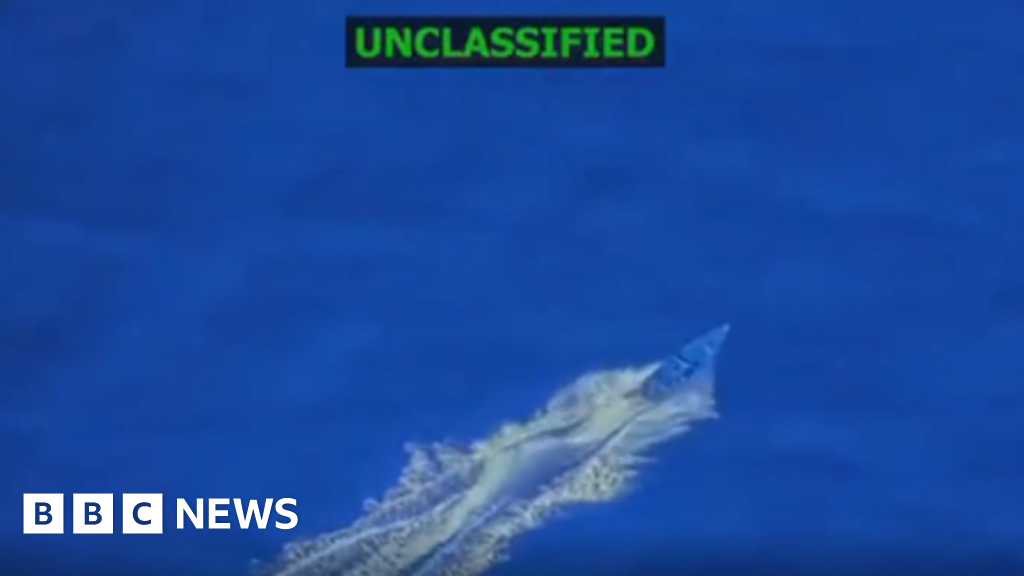
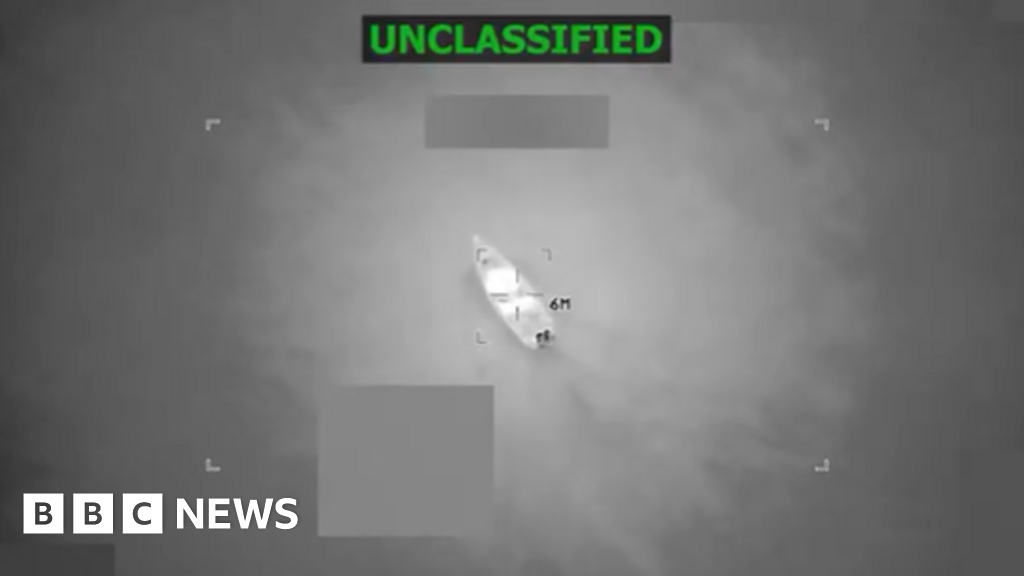
In a series of aggressive military actions taking place in the Caribbean Sea, the United States has reportedly targeted what President Donald Trump describes as a drug-carrying submarine. The strike, which resulted in at least two survivors being rescued and returned to Colombia and Ecuador, marks a significant escalation in Washington’s clandestine campaign against narcotrafficking routes. Over recent weeks, at least six such strikes have been recorded, with the latest incident raising serious diplomatic concerns, especially from Colombia, whose President Gustavo Petro condemned the attack as a violation of sovereignty and, he claimed, an act of murder.

This latest intervention underscores a complex and contentious effort by the US to combat a thriving network of illicit narcotics flowing from Latin America into North America. ^This approach reflects a broader shift toward unilateral military actions against suspected drug trafficking vessels, often classified as narco-subs—homemade, fibreglass vessels capable of avoiding detection and sinking after delivering their deadly cargo. Such operations, while justified publicly as anti-drug efforts, have attracted harsh criticism from human rights monitors and international law specialists. The UN-appointed human rights experts have described the strikes as “extrajudicial executions,” pointing to the profound legal and moral questions surrounding targeted killings without due process.

The Geopolitical Impact of US Naval Interventions

Historians and international analysts warn that these actions could deepen regional instability and foster distrust between the United States and Latin American nations. How decisions made in Washington ripple across the region is critical for understanding future security dynamics. Venezuela, under the leadership of President Nicolás Maduro, has vehemently accused the US of trying to make the nation a colony through covert operations, including the targeting of alleged drug traffickers. Maduro’s accusations echo a long-standing US suspicion that Latin American governments are either complicit in or vulnerable to US influence campaigns.

Moreover, the implications extend beyond immediate military actions. The US‘ stance—emphasizing that these vessels are primarily used for drug smuggling—aligns with a tough-on-crime posture that many analysts see as part of a broader geopolitical strategy to exert power in the hemisphere. Critics argue that this approach risks stoking anti-American sentiment and encourages closer ties among countries like Venezuela and Colombia to evade US efforts or resist its influence. The sanctions and covert military efforts risk transforming local conflicts into proxy struggles, further destabilizing already fragile states.

How International Communities Are Responding

International organizations and scholars are scrutinizing the legality and morality of these targeted operations. UN human rights experts have condemned the strikes, asserting that they violate international law by bypassing judicial processes. Meanwhile, some policy analysts argue that such unilateral actions set dangerous precedents, potentially opening the door to more extrajudicial killings under the guise of the war on drugs. The tension between sovereignty and security remains unresolved, and the global community watches anxiously as the US continues its campaign, which appears to be aimed at curbing the flow of narcotics but at the cost of international norms and trust.

As history unfolds in the turbulent waters of Latin America, the weight of these choices hangs heavy. The narrative of intervention—justified or not—serves as a stark reminder of how fragile peace and sovereignty are in a region where the echoes of history’s conflicts continue to shape the present. Today’s actions reverberate into tomorrow, setting the stage for a new chapter of conflict—one that the world must confront with clarity, caution, and unwavering commitment to justice.

Deadly Drone Strike Claims Over 60 Lives in Sudan’s Besieged City

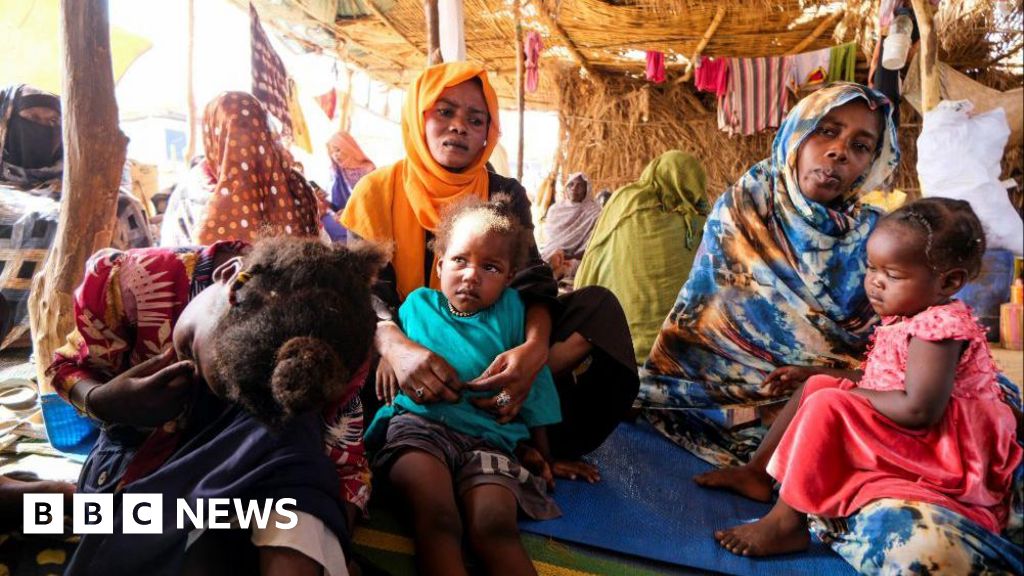
The ongoing conflict in Sudan, particularly in the city of El-Fasher, has escalated into a humanitarian catastrophe, with reports of a devastating drone strike resulting in the deaths of at least 60 civilians. According to the resistance committee for El-Fasher, the attack was carried out by the Rapid Support Forces (RSF), a paramilitary faction at the heart of Sudan’s brutal power struggle. Targeting a displacement shelter within a university—Dar al-Arqam camp—the strike underscores the reckless disregard for innocent lives in an environment already ravaged by years of conflict. The group detailed the destruction as involving two drone strikes and multiple artillery shells, leaving an indelible mark of violence and chaos on a city teetering on collapse.

The situation in El-Fasher has transcended mere warfare and humanitarian neglect; it has blossomed into what international analysts describe as a crisis bordering on genocide. In recent months, the RSF has encircled the city for over 17 months, in a relentless effort to control the last stronghold of the Sudanese army in the Darfur region. This ongoing siege has gutted the city’s medical facilities, food supplies, and infrastructure, leading to the spread of hunger and disease amidst constant bombardments. The United Nations and Human Rights Watch have condemned the escalation, warning that the violence not only endangers Sudan’s territorial integrity but threatens regional stability in a geopolitically sensitive area.

The conflict erupted in 2023, driven by a deadly fallout between top commanders of the Sudanese army and the RSF. As factions vied for dominance, the nation descended into chaos, exposing underlying ethnic tensions and stoking fears of a broader regional destabilization. According to historians and geopolitical analysts, this power struggle echoes the fragmentation that has beset many post-colonial African states, yet the intensity of violence in Sudan is unprecedented in recent history. The conflict has shattered hopes for a peaceful resolution, with international mediators struggling to broker ceasefire agreements amidst growing allegations of war crimes and atrocities, like the recent attack on Dar al-Arqam.

Ultimately, the fallout from Sudan’s chaos extends well beyond its borders, impacting neighboring countries and global geopolitics. As refugee flows increase and regional alliances are tested, the spotlight shifts to international involvement and the effectiveness of diplomatic interventions. Yet, with each passing day, the story in Sudan grows darker, a stark reminder that history’s most harrowing conflicts often stem from fractured states and broken promises. The unfolding tragedy in El-Fasher is a haunting chapter in the story of a nation caught in the grip of turmoil, leaving observers to ponder whether the tides of history may ever turn toward peace or continue to drown an already vulnerable society in an irreversible cascade of violence and despair.

Kyiv hit hard by Russia’s large-scale strike on Ukraine’s energy grid—Europe watches as power is cut back

Global Power Dynamics in Chaos: Russia’s Assault on Ukraine and Europe’s Political Turmoil

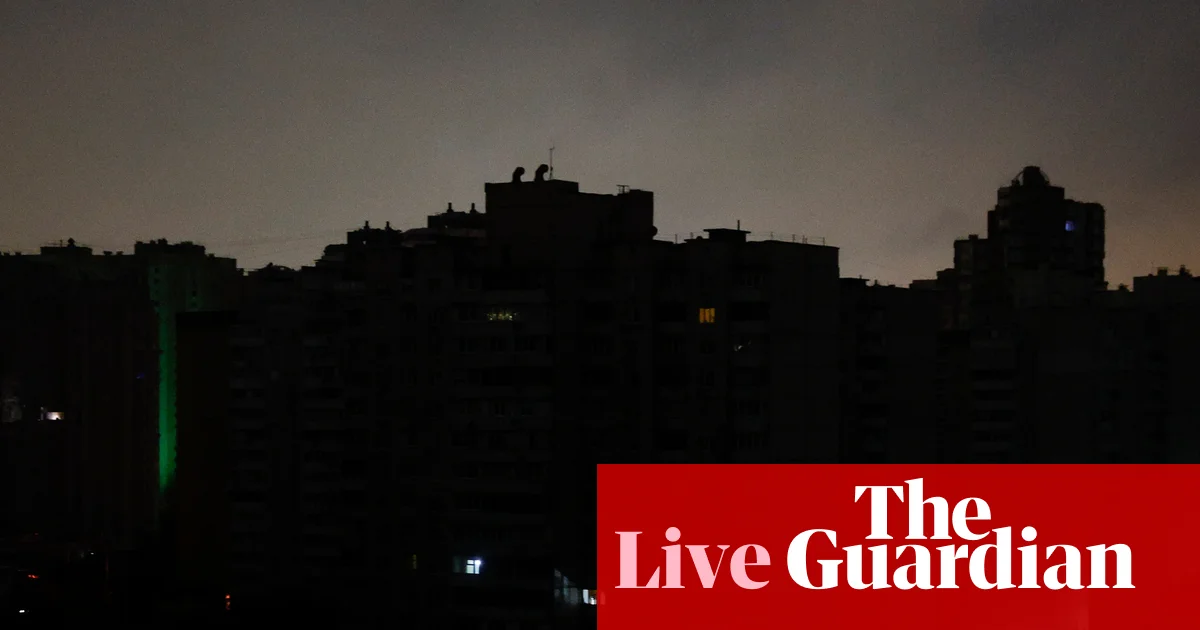
In a stark demonstration of geopolitical instability, the recent escalation of attacks against Ukraine by Russia has plunged Kyiv into darkness and chaos, compelling the international community to reassess the delicate balance of power. Early Friday morning, Kyiv was hit by what the Ukrainian Air Force called a “massive attack,” involving over 450 drones and 30 missiles, targeting critical infrastructure and energy supplies across the country. These relentless assaults resulted in power outages in nine regions and ignited fires in residential buildings, including a high-rise in Kyiv, exemplifying Russia’s strategic effort to weaken Ukraine’s resilience amidst ongoing conflict.

The Ukrainian President Volodymyr Zelenskyy condemned the attack as a blatant act of aggression aimed at undermining Ukraine’s sovereignty and destabilizing its fragile infrastructure. The attack’s scale, which included ballistic missiles and strike drones, marks a significant escalation in Moscow’s campaign to cripple Ukraine’s energy grid, which the energy minister Svitlana Grynchuk described as “a massive strike.” This attack not only disrupts daily life but also signals Russia’s intent on prolonging the conflict, further testing Kyiv’s capacity for resilience and its allies’ support. Analysts from the International Atomic Energy Agency (IAEA) have indicated efforts are underway to restore power to the Zaporizhzhia nuclear plant, which has been isolated from external power sources for over two weeks—highlighting the dangerous brinkmanship and the persisting threat of nuclear instability in the region.

How These Decisions Shaped a War’s Turning Point

  • Russia’s deployment of hundreds of strike drones and missiles explicitly aims at crippling Ukraine’s infrastructure, forcing widespread blackouts and mounting civilian casualties.
  • Kyiv desperately seeks international support, especially advanced air defense systems, to counter such relentless aerial assaults, emphasizing the international stakes of Ukraine’s sovereignty.
  • Within Russia, Kremlin strategists, historians, and military analysts debate the limits of this new escalation, as Moscow’s rhetoric remains unwaveringly aggressive, signaling the possible extension of hostilities into broader European territory.
  • The international community, led by voices such as NATO officials and United Nations representatives, warn that these acts could push the region toward a new Cold War era, with global repercussions and strained alliances.

Amid the chaos, Europe faces internal contractions among its political fabric. French President Emmanuel Macron convened an emergency meeting of mainstream political parties to navigate a crisis rooted in fragile governance, as the country grapples with persistently low growth and a fractured parliament. Meanwhile, in Belgium, authorities uncovered a plot to ignite drone-mounted explosives targeting politicians, including the Prime Minister, reflecting the growing shadow of radical extremism in the continent’s security landscape. These security risks, coupled with Europe’s increased defense investments—most notably Sweden’s billion-crown plan to expand anti-drone systems—highlight a continent awakening to new aerial threats with Eurasian powers as central players.

New Alliances and Shifting Borders: A Clash of Empires

Meanwhile, on the international stage, US President Donald Trump has reignited long-standing tensions by suggesting that NATO should consider expelling Spain over its lagging military expenditures in the face of the European security crisis. Trump’s demands underscore an ongoing push for European nations to shoulder more responsibility, aligning with a broader, more confrontational American stance on European defense matters. Conversely, NATO nations are contemplating the rising threat of aerial violations; Sweden’s €367 million investment in anti-drone technology exemplifies a continent-wide recognition of hybrid warfare’s evolving landscape, with accusations of Russian involvement in drone sightings rattling European skies.

As the whirlwind of violence in Ukraine and the shifting sands of European political stability threaten to ignite a broader conflagration, the weight of history hangs heavy. The decisions made in the coming weeks—whether Ukraine’s allies strengthen their resolve or Russia escalates further—will determine whether this is merely a preamble to a larger war or the dawn of a new era shaped irreversibly by the choices of powerful nations. The pages of history are turning swiftly, and amid the shadows of conflict, the world holds its breath, gazing toward an uncertain horizon where the currents of geopolitics continue to carve their indelible marks into the fabric of history.

NHS facilities staff to strike over pay discrimination—stand up for fairness and equality

Social Justice or Systemic Disparity? The Struggle of NHS Facilities Workers and Society’s Broader Reflection

In the midst of Britain’s sprawling National Health Service (NHS), a quiet but potent crisis is unfolding among the least visible yet most vital members of healthcare institutions: facilities staff. Comprising mainly cleaners, porters, and catering workers, these individuals are predominantly from minoritised communities. Recent reports from United Voices of the World (UVW) reveal that over 330 of these low-paid workers, employed by the St George’s, Epsom, and St Helier hospital group, are on the brink of striking, citing decades of wage stagnation, pension shortfalls, and systemic exclusion.

At the core of this social upheaval lies a stark disparity: these essential workers have reportedly been denied the benefits afforded to their higher-paid NHS counterparts, with pension contributions as low as 3% compared to the 23.7% of other staff. Such differential treatment underscores a broader issue of institutional racism and economic injustice within one of the nation’s most revered societal institutions. The figures tell a compelling story: over four years, these workers have lost more than £36 million in wages and pension entitlements—an economic blow that affects their families’ stability and their community’s resilience. For many, this wage gap translates into everyday hardship, where workers, often working unsociable hours, grapple with late bills and mounting debt, and sometimes resort to coming to work ill because sick pay is inaccessible.

This scenario echoes socialist sociologist Stuart Hall’s reflections on the cultural and economic marginalization of minoritized groups, illustrating how structural inequalities perpetuate cycles of inequality. The return of outsourced jobs in earlier years, coupled with recent efforts to reclaim these positions in-house under more favorable contracts, demonstrates an ongoing battle for fair treatment. Yet, despite such strides, the gap persists, highlighting the systemic failure to integrate these workers into the NHS’s core pay and conditions framework. The tensions expose a social fabric strained by injustice—a fabric that, if left unaddressed, risks pulling apart entirely.

The ongoing negotiations have far-reaching effects. When workers are kept outside the Agenda for Change, the very foundation of equitable pay and working conditions crumbles, impacting families, education prospects, and community stability. A survey by UVW revealed that a majority of these workers face sick leave cuts, with nearly a quarter falling into debt to make ends meet—an indelible mark on their ability to provide a stable environment for their children, forge careers, and contribute meaningfully to society. The moral question remains: should a nation as affluent as Britain tolerate such disparities within its most sacred institutions?

As social commentators like Dr. Nigel Lake warn, these disparities are not merely about wages—they are about societal values and the moral fabric of a nation. Legitimate efforts are underway to rectify these imbalances, with hospital authorities acknowledging some fault and advocating for fairer treatment. Yet, the challenge remains: how to ensure that the pursuit of fairness is not just rhetoric but becomes an enduring reality for the most vulnerable?

In the end, society faces a choice: continue to overlook the social fractures caused by embedded inequality, or confront them head-on, pitting the moral obligation of justice against the complacency of systemic neglect. These workers, driven by necessity and dignity, stand as a testament to the resilience of those on society’s margins—reminding us that true societal progress isn’t measured solely by economic growth but by the capacity to uplift and include every member of the community. In their struggle, perhaps society can glimpse the potential for genuine transformation—a fragile yet unwavering hope that echoes in the corridors of every hospital where the true health of a nation is ultimately measured not by its wealth, but by its capacity for justice and compassion.

Four Dead in US Navy Strike Against Suspected Drug Run Near Venezuela

US Military Operations in Latin America: A Step Toward {External Enforcement and Conflict Escalation}

The recent U.S. strikes against suspected drug trafficking vessels off the coast of Venezuela mark a significant escalation in regional military engagement, raising questions about the evolving geopolitical landscape in Latin America. According to Defense Secretary Pete Hegseth, these operations are conducted in international waters and target boats allegedly transporting massive quantities of narcotics destined for the United States. The U.S. claims such actions are integral to protecting its citizens from the devastating impact of drug violence—yet they also ignite global legal and diplomatic disputes, which could fundamentally reshape regional stability.

Critics, including international lawyers and regional governments like Venezuela and Colombia, have condemned these strikes as potential breaches of international law. The legitimacy of unilateral military actions in international waters remains fiercely debated among experts such as Harvard international law professor Mollie Roberts, who warns that such operations might undermine existing treaties dedicated to preserving sovereignty and avoiding unlawful escalation. The U.S. government’s recent move to frame drug trafficking as a form of armed attack, especially through a leaked memo announcing a “non-international armed conflict” with drug cartels, signals an alarming shift toward legally dubious grounds for military intervention. This move could grant the U.S. expansive powers beyond traditional law enforcement, possibly setting a precedent for future conflicts worldwide.

Consequences of {Military Overreach} and {Regional Sovereignty}

The geopolitical impact of America’s aggressive tactics in Latin America extends far beyond mere law enforcement. By positioning drug cartels as terrorist organizations, the U.S. has given itself sweeping authority—effectively recategorizing criminal enterprises as threats comparable to conventional warfare, a move that critics argue erodes sovereignty and invites further regional destabilization. The response from Nicolás Maduro and other regional leaders has been one of sharp condemnation, emphasizing their commitment to defend <> from perceived aggression. Such adversarial stances threaten to deepen divisions, potentially leading toward a new Cold War dynamic across the continent.

International bodies like the United Nations have yet to take decisive action amid reports that the U.S. plans further military strikes. Analysts warn that continuous escalation could trigger unforeseen consequences, including the destabilization of fragile democracies and a surge in anti-American sentiment across Latin America. The region, historically buffeted by external powers, now finds itself at a crossroads—struggling with the delicate balance between sovereignty and external influence, with many citizens questioning whether these military operations serve their best interests or merely advance geopolitical ambitions.

Stakes for the Future and the Weight of History

As history unfolds on these treacherous waters, the actions of America and regional nations will likely echo for generations. The categorization of drug trafficking as a warfare threat signals a profound shift in the narrative—one that risks turning a fight against crime into an open-ended conflict that could rewrite international norms. The recent strikes, while framed as self-defense, push the boundaries of legal justification and raise fundamental questions about the limits of military power in pursuit of domestic security. As international organizations and legal experts watch anxiously, the weight of history looms—it may be remembered as the turning point from a century of cooperation to a new era of geopolitical confrontation.

In the end, the ongoing saga in Latin America’s waters serves as a stark reminder of the thin line separating order and chaos. The decisions made today—whether to pursue aggressive unilateral policies or seek multilateral solutions—will undoubtedly shape the destiny of nations and societies. With each strike, the world watches a narrative written in real-time, a stark reminder that history’s pen is never silent—only waiting for the next chapter to be written in the uncertain book of global power.

Zelenskyy: Russia's Brutal Strike Includes 500 Drones and 40 Missiles on Ukraine – Live Update
Zelenskyy: Russia’s Brutal Strike Includes 500 Drones and 40 Missiles on Ukraine – Live Update

International Tensions Surge as Russia Unleashes Massive Attack on Ukraine and NATO Responds

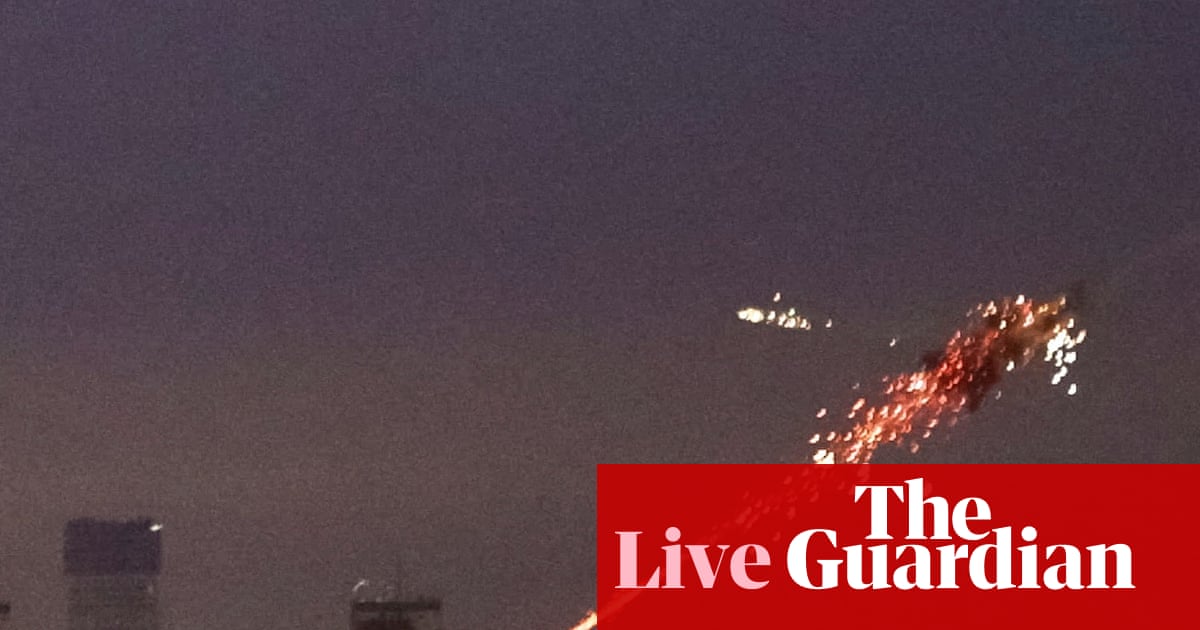
The ongoing conflict between Russia and Ukraine has entered a perilous new chapter, with Moscow launching an unprecedented barrage of military strikes that threaten regional stability and global order. According to Ukrainian President Volodymyr Zelenskyy, over 500 drones and more than 40 missiles targeted multiple regions at once, causing widespread destruction and civilian casualties. Kyiv, the heart of Ukraine’s resistance, was hit with devastating force—an attack the Ukrainian leader describes as part of Russia’s ‘vile attack’,’ aimed not only at strategic infrastructure but at undermining the resilience of Ukraine itself. Analysts warn that such brute force underscores Russia’s determination to continue the war despite mounting international pressure and economic sanctions.

The geopolitical impact of these events resonates far beyond Ukraine’s borders. Poland’s military responded swiftly, scrambling fighter jets and raising alerts near the border, signaling that the conflict’s reach extends into NATO territory. The alliance, already tense due to recent Russian violations—more than 20 drone incursions into Polish airspace last month and accusations from Estonia and Romania—faces a stark choice: confront Russian aggression directly or allow incremental escalations to dismantle European security one drone at a time. NATO officials and military strategists emphasize that recent violations, including alleged Russian fighter jets over Estonia and near Romanian skies, test the alliance’s resolve and unity. As Andrius Kubilius, EU’s defense commissioner, highlights, Europe is moving rapidly towards establishing a formidable ‘drone wall’ at its eastern flank—an essential defense mechanism to prevent further incursions and signal that Western resolve is unwavering. Historians caution that the current crisis is a pivotal moment reflecting the shift towards a new confrontation of global powers with a Russia emboldened by its energy resources and shadow navy, benefiting from “continuing war and terror.”

Meanwhile, Vladimir Putin’s Kremlin remains unbowed, claiming that their forces targeted Ukraine’s military-industrial complex and infrastructure—an assertion met with skepticism by Western allies, who see this as yet another layer of Russian escalation. Ukraine’s widespread counterattack, including drone strikes and missile attacks, demonstrates the escalating intensity of the conflict, with Kyiv’s residents fleeing to metro stations amid relentless bombardments. This campaign of destruction is a calculated effort to break Ukrainian resistance and demonstrate raw Russian power on the international stage. The strikes send a clear message: Russia intends to fight to the bitter end, wielding military might as a tool of coercion and territorial assertion.

The very fabric of European security is under threat, with NATO members like Poland, Estonia, and Romania raising the alarm. Russia’s recent breaches, in combination with its denied involvement, reveal a clear strategy to destabilize the alliance from within. The escalating tension cautions the West that the time for passive diplomacy may have long passed, replaced by the urgent need for decisive collective action. As geopolitical analysts warn, “The specter of a broader conflict — and perhaps a direct confrontation between NATO and Russia — looms ever larger,” underscoring the gravity of the unfolding crisis. With Russia’s military and political posture in flux, the global community stands at a threshold, witnessing how decisions made today will shape history’s next chapter—whether in the preservation of sovereignty or in the descent into a new era of conflict.

Kyiv suffers major Russian strike, mayor warns

The recent escalation of hostilities in Ukraine has once again thrust the continent into the forefront of international concern. Over a 12-hour period, Russian forces launched an unprecedented aerial barrage, utilizing nearly 600 drones and dozens of missiles across seven regions, including Kyiv, Zaporizhzhia, Khmelnytskyi, Sumy, Mykolaiv, Chernihiv, and Odesa. This relentless attack resulted in the death of at least four civilians, including a 12-year-old girl, and injured dozens more, illustrating the brutal nature of Russia’s ongoing invasion. Such a major assault highlights the severity of this conflict’s third year and signals that Moscow remains committed to its military campaign, despite international condemnations and mounting sanctions.

Ukrainian President Volodymyr Zelensky described the bombardment as “vile,” emphasizing that many projectiles targeted critical civilian infrastructure, such as Kyiv’s Institute of Cardiology, factories, and residential buildings. The attack, which also injured three children and resulted in the death of a 59-year-old man in Sumy, demonstrates how deeply intertwined the conflict’s repercussions are for daily life. Zelensky issued a stern warning, asserting that Ukraine would retaliate to “force diplomacy” and called on its allies in Europe and America to provide stronger support. This plea underscores the broader geopolitical impact: a persistent conflict that risks drawing NATO into a larger confrontation and forcing global powers to reassess their commitments to regional stability.

Meanwhile, the wider international response reveals a landscape fraught with tension and uncertainty. Russia, on its part, continues to deny responsibility for recent incursions into Denmark, Estonia, and Romania, claiming no intent to attack NATO or EU countries but warning of a “decisive response” to any aggression against Moscow. Analysts warn that these provocations are part of a calculated strategy to test the resolve of Western military alliances, while Russia’s Foreign Minister Sergei Lavrov asserts that Moscow’s actions are defensive rather than offensive, aiming to protect its interests amidst what it perceives as encroaching NATO expansion. European nations, under the shadow of these threats, have responded by bolstering their defenses and increasing NATO’s eastern presence, as the alliance seeks to deter further Russian aggression. Yet, the risk remains palpable, with some voices, including Donald Trump, suggesting that NATO nations should shoot down Russian aircraft if necessary, revealing a growing divide over how to confront Moscow’s assertiveness.

Underpinning all of this is a shifting global strategic landscape where the decisions of Moscow, Washington, and European capitals are shaping the contours of 21st-century geopolitics. Historians and international analysts warn that the current trajectory could lead to a broader conflict, especially if diplomatic efforts continue to falter and the cycle of escalation persists. The recent drone and missile strikes, combined with NATO’s increased military activity in Eastern Europe, create a tense climate teetering on the edge of a much larger confrontation. As the world watches this unfolding drama, the weight of history presses down—each decision, each attack, each diplomatic maneuver could determine the future of not just Ukraine but global peace and stability. With tensions reaching this critical juncture, the question remains: will diplomacy prevail or will the chaos of war reshape the European continent once and for all, writing yet another chapter in the tumultuous saga of human conflict?

Social Media Auto Publish Powered By : XYZScripts.com