Matox News

Truth Over Trends, always!

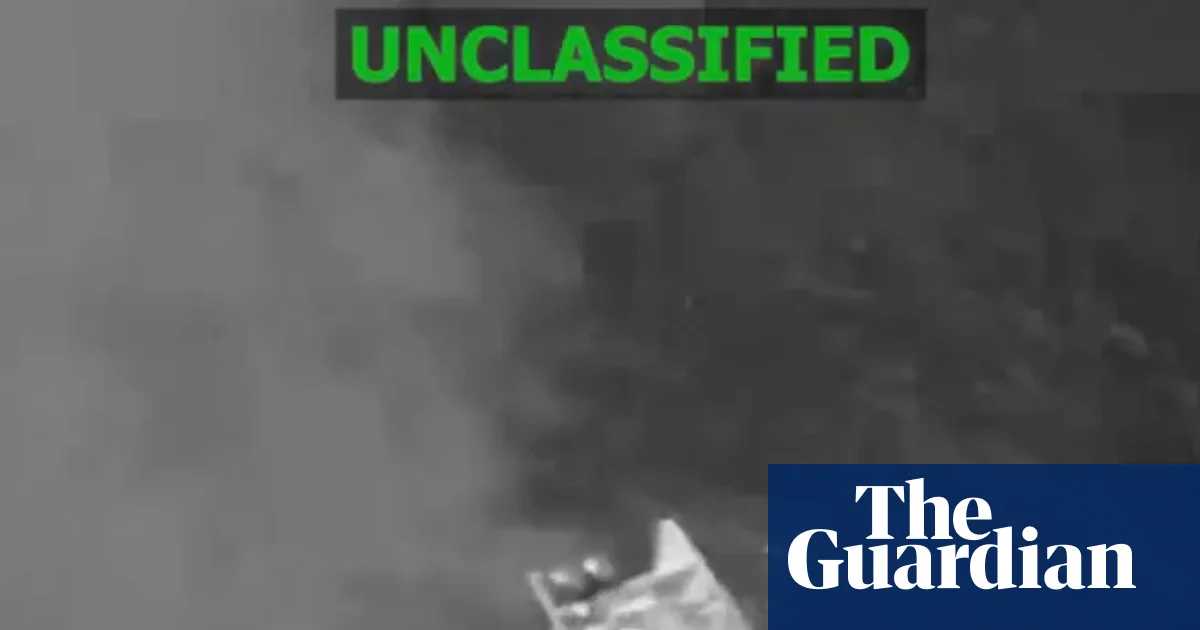
US military reports: Four more killed in Eastern Pacific boat strike

US Military’s Rhetoric and Actions Ignite International Controversy

The United States has once again drawn intense scrutiny over its military tactics in Latin America and the Caribbean, following a series of deadly boat strikes in the eastern Pacific Ocean. Over the span of just four days, the US Southern Command announced the killing of at least 11 individuals in what it claims are operations targeting narco-traffickers. However, critics and international observers are raising grave concerns regarding the legality, morality, and geopolitical implications of these actions. The persistent narrative that labels all such victims as “narco-terrorists” has been challenged by legal experts and human rights organizations, who argue that this approach erodes international law and human rights standards.

Legal and Humanitarian Concerns Mount Against Unsubstantiated Claims

Despite the US military’s insistence that these strikes are based on \”intelligence,\” the absence of concrete evidence casts doubt on the validity of these narratives. Legal analysts from NGOs such as the American Civil Liberties Union (ACLU) have condemned these operations as *extrajudicial killings*, warning that such actions violate both US and international law. The UN, along with many international legal bodies, has questioned the US government’s assertion that these targeted individuals posed imminent threats. In January, a federal lawsuit was filed on behalf of families in Trinidad, alleging premeditated and unjustified killings of civilians, including fishermen simply trying to sustain their livelihoods. This growing wave of criticism underscores a broader concern that the US is crossing a legal boundary—one that echoes historical patterns of violence hidden behind a veneer of anti-narcotics efforts.

Shifts in U.S. Policy and International Reactions

President Donald Trump has publicly justified the aggressive tactics, claiming the US is engaged in an “armed conflict” with Latin American drug cartels—a stance that international law experts dismiss as a dangerous reinterpretation. The UN Secretary-General and other diplomatic voices have warned that these actions undermine the norms of international humanitarian law, emphasizing that the killing of civilians without due process amounts to state-sanctioned murder—a dangerous precedent that could destabilize entire regions.

In particular, Latin American nations are observing with cautious concern as US operations threaten their sovereignty and complicate their efforts in fighting drug trafficking through legal and diplomatic means. Notably, analysts from international organizations argue that such unilateral military actions risk fueling anti-American sentiments across the hemisphere, further isolating the US on the global stage. European and other partners are watching these developments closely, as they could influence the future of international cooperation on security and justice.

The Long Shadow of a Turning Point in Global Power Dynamics

Increasingly, historians and geopolitical analysts interpret these events as part of a broader realignment, where the US asserts its perceived right to act decisively in its own interests, often at the expense of respect for international law and sovereignty. The deliberate framing of civilians as combatants—despite overwhelming evidence to the contrary—represents a dangerous shift that could haunt the pages of history. As global institutions grapple with America’s unilateral tactics, the world community faces a stark choice: uphold the rule of law or succumb to a new era of extrajudicial enforcement. This dangerous game of blurred lines highlights the fragile hope for international justice and the lasting impact such policies will leave on future generations.

As the dust settles, history remains unwritten, but the echoes of these decisions will resonate through the ages. Whether nations will stand firm against these oversteps or fall prey to the temptations of unchecked power will determine the course of international order—an unfolding saga of justice, sovereignty, and the moral limits of state violence.

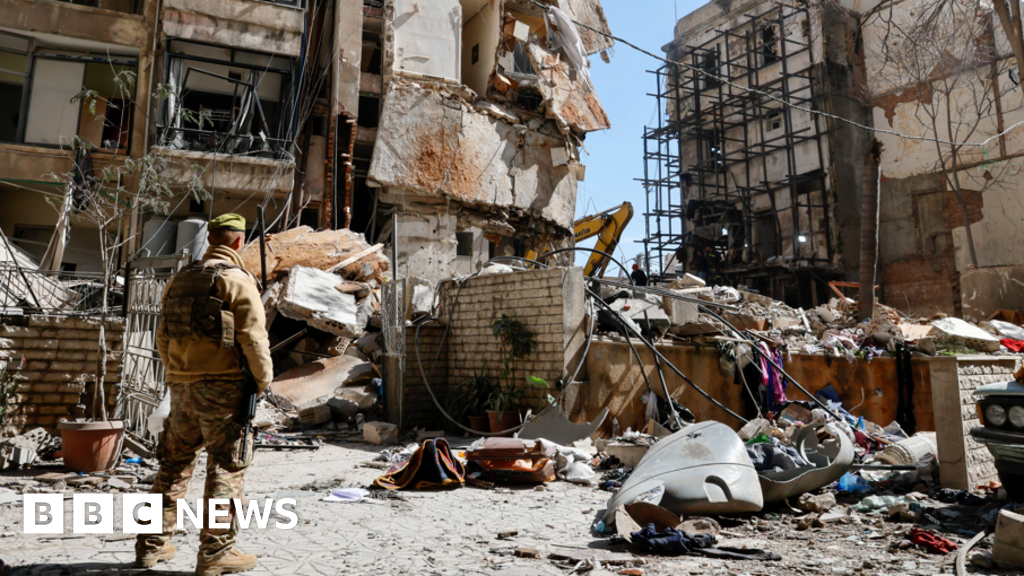
Lebanon believed in peace—then Israel hits back with deadly strike

The recent declaration by Israel that Lebanon is not included in the ceasefire agreement brokered by the United States signifies a complex escalation in the ongoing regional tensions between Israel and Iran-backed entities. As the US facilitates diplomatic efforts to halt the broader conflict, the explicit exclusion of Lebanon highlights the fragile and unpredictable nature of Middle Eastern diplomacy. Analysts warn that this division could lay the groundwork for further destabilization, with profound geopolitical impacts reverberating across borders and societies.

At the core of this development lies the intricate web of alliances and enmities defining the region. Israel‘s stance reflects its caution in engaging with negotiations that exclude key actors like Hezbollah—a powerful Shia Islamistmilitia based in Lebanon and openly supported by Iran. The tension underscores a broader strategic calculus: while the US endeavors to leverage diplomatic channels to de-escalate confrontation with Iran, it faces the hard reality that regional allies and adversaries remain deeply divided. This division is emphasized by the fact that, according to some international experts, the exclusion of Lebanon from the ceasefire could be a strategic move by Israel to pressure Lebanese authorities and Hezbollah into reconsidering their stance during the ongoing conflict.

History has taught us, as noted by prominent defense analysts and scholars, that such exclusions often deepen regional fissures and can lead to unintended consequences. The United Nations and influential international bodies have expressed concern over the potential for renewed hostilities and the risk of broader regional proliferation of violence. The turning point in diplomatic negotiations underscores an ominous reality: the region’s volatile balance is susceptible to shifts driven by both military actions and diplomatic fissures. Lebanon’s omission from the ceasefire signifies not only a strategic decision but also a symbolic line in the sand that could influence future negotiations and regional stability.

As the world watches this unfolding chapter, historians and geopolitical analysts emphasize the significance of these developments in shaping the future landscape of the Middle East. The decision not to include Lebanon in the ceasefire pathway opens new questions about the possible escalation of hostilities and the fragile peace that remains at risk. With Iran’s influence wading deeper into regional affairs and Israel reaffirming its security parameters, the region faces a potentially turbulent period—an uncertain echo of a legacy that will be written by the decisions of today and the unforeseen consequences of tomorrow.

In the shadow of these geopolitical chess moves, history continues to unfold — a stark reminder that in this layered and turbulent landscape, peace remains an elusive prize, perched on the edge of shifting alliances and unspoken red lines. The question remains: how will this new dynamic reshape the contours of Middle Eastern conflict, and what future sacrifices will be required in an arena where diplomacy is continually tested by the harsh realities of power and survival? The weight of history presses down, unwavering, as the actors of this global theatre play their parts in a story still being written.

ProPublica Staff Strike Over AI, Layoffs, and Pay—Youth in Tech Push Back

ProPublica Union’s Digital Strike Sparks Debate on AI and Workplace Protections

In a bold move that underscores the seismic shifts underway in the media industry, ProPublica‘s unionized staff has announced a 24-hour strike, demanding greater oversight and transparency regarding the use of generative AI. The approximately 150-member ProPublica Guild, which unionized in 2023, is calling for protections around AI deployment, layoffs, and employee rights—signaling a broader industry reckoning with the disruptive power of artificial intelligence. As this vanguard of digital journalism stands at the frontline of technological evolution, their protests highlight an urgent need for innovation that balances automation advancements with workers’ rights.

The core issue fueling this labor unrest centers on the recent introduction of ProPublica’s AI policy. Members allege the policy was implemented unilaterally, without sufficient consultation or transparency, particularly concerning how AI tools will influence newsroom processes and storytelling. This mirrors a larger industry trend: at institutions like The New York Times, AI has been leveraged to parse complex documents, aiding investigative journalism, while other outlets like Fortune have automated content creation—churning out hundreds of stories through AI algorithms. These examples exemplify how AI is rewriting the foundational landscape of media production, creating a clash between technological innovation and ethical labor practices.

Analysts such as Gartner and industry insider voices emphasize that this era of AI-driven automation demands robust governance frameworks and disclosure standards. The industry is witnessing a trend where AI tools can significantly boost productivity, but at the potential expense of transparency and job security—so much so that unions are now frequently negotiating AI language directly into employment contracts for the first time. The union’s stance advocates for

  • Protection against layoffs due to AI redundancy
  • Inclusion of workers in decision-making processes involving AI deployment
  • Mandatory public disclosures when AI is used to generate content

These demands reflect a broader industry imperative: to harness AI for disruption and innovation without sacrificing the core values of journalism or jeopardizing employment.

The business implications of this debate are profound. Tech giants and media companies alike face a dual challenge: fueling innovation with AI while managing social and labor concerns. As Elon Musk and Peter Thiel have warned, unchecked AI deployment risks not only ethical compromises but also operational instability, potentially undermining investor confidence and public trust. The current protest at ProPublica indicates a pivotal inflection point. If companies continue to push AI integration without establishing transparent, worker-inclusive policies, they risk alienating their most valuable asset—human talent—and incurring reputational damage. Conversely, firms that proactively develop clear standards and foster accountability may set new industry benchmarks—disrupting traditional media models and establishing themselves as ethically responsible innovators.

Looking ahead, the conflict at ProPublica illustrates the urgent need for an industry-wide shift. As AI continues its rapid evolution, stakeholders—including media outlets, tech developers, and regulatory bodies—must collaboratively forge pathways that prioritize fairness, transparency, and technological advancement. The pressure firms face to adapt quickly is only intensifying; those who fail to do so risk falling behind in a landscape where innovation is the key to survival. The stakes are high: the next decade will determine how AI reshapes journalism, employment, and the societal trust in digital media. As the industry stands on this precipice, one thing is clear—embracing innovation must go hand-in-hand with ethical responsibility, or risk being left behind in a rapidly changing technological frontier.

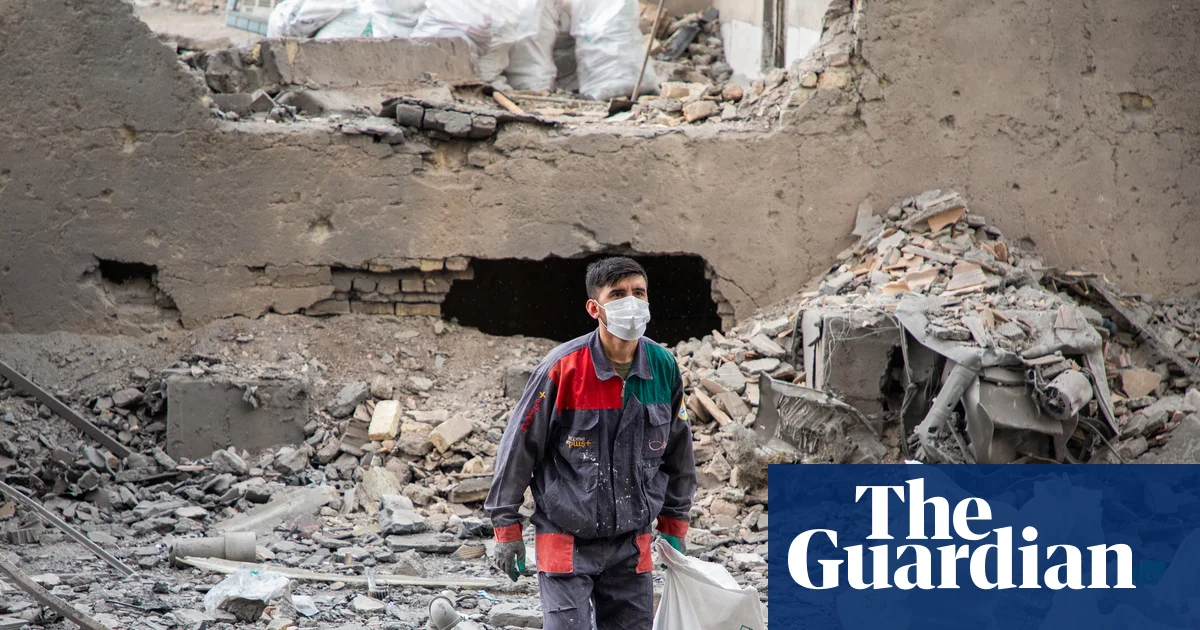
Russian strike on Ukrainian market claims five lives

The escalation of hostilities between Russia and Ukraine reached a new low on Saturday morning when a Russian drone targeted a busy section of a southern Ukrainian town. Reports indicate that at least 21 civilians were injured in the attack, underscoring the brutality and human toll of the ongoing conflict. This strike exemplifies how the war continues to spill over into daily life within Ukraine, impacting ordinary citizens and destabilizing regional security.

Expert analyses from international watchdogs and regional security analysts agree that this attack is emblematic of the increased use of unmanned aerial vehicles in modern warfare. Drones, once considered auxiliary tools, have now become central to Russia’s military strategy—particularly in asymmetrical conflicts where precision and psychological impact matter immensely. The strike not only inflicted physical injuries but also aimed to sow fear among the Ukrainian population, complicating Kyiv’s efforts to maintain stability and morale amid relentless pressure from Moscow.

From a geopolitical impact perspective, the incident signals a disturbing pattern of escalation in the broader conflict zone. According to reports from the United Nations and defense think tanks, such asymmetrical tactics profoundly challenge international norms and border security. Many analysts, including historian Dr. Leonard Harris, warn that the relentless targeting of civilian hubs could serve as a catalyst for broader regional instability, threatening to draw neighboring countries into the conflict or to trigger a wider power struggle involving NATO and other allies supporting Ukraine.

Ukrainian officials and citizens face a future fraught with uncertainty, as the conflict’s brutality reveals no signs of immediate de-escalation. The attack has reopened debates over international response mechanisms and the effectiveness of Western aid in shielding civilians from indiscriminate violence. While Ukraine continues to rally international backing, many experts argue that the continued escalation might push the conflict toward a dangerous threshold, risking a destabilization that could ripple throughout the entire Eurasian continent.

As the world watches with bated breath, it becomes evident that these harrowing moments—marked by drone strikes, civilian suffering, and geopolitical machinations—are not isolated incidents. They are emblematic of a dangerous chapter in history being written anew, where the relentless march of conflict threatens to reshape the very fabric of international order. In the shadows of these unfolding events, the fundamental question remains: how long can diplomacy hold before the chaos of war becomes an indelible part of our collective future?

University Jobs Under Threat as Strike Vote Looms—Time to Stand Up

Impacts of University Funding Cuts on Society and Communities

The University and College Union has recently raised concerns over proposed funding cuts that threaten to weaken the foundational appeal of higher education institutions. These reductions, rooted in broader economic austerity measures, threaten to undermine not only the quality of academic offerings but also the social fabric that university communities foster. As universities serve as gateways for diverse demographic groups and catalysts for social mobility, such cuts pose a risk of deepening existing social disparities and fragmenting the fabric of our communities.

At the heart of the debate lie the repercussions for families, students, and educators. When funding diminishes, universities often resort to increased tuition fees, reduced course offerings, and cutbacks on essential student services. This cascade of austerity impacts families who may already grapple with economic hardships, placing higher education beyond their reach and fueling a cycle of marginalization. The social commentator Dr. Maria Lopez emphasizes that maintaining equitable access to education is crucial—not merely as an economic investment but as a moral imperative for societal cohesion. The erosion of educational quality and accessibility, she argues, threatens to create a generation divided along economic lines, weakening the social alliances that hold communities together.

Historians and sociologists note that universities have historically functioned as microcosms of societal diversity, fostering cross-cultural dialogue and social integration. Demographic shifts, driven by immigration and generational change, have enriched campus life, promoting inclusivity and mutual understanding. However, budget constraints threaten these social gains, risking a return to an era where access to higher education was a privilege reserved for the few. The social inequities exacerbated by such policies can ripple outward, trapping families in cycles of poverty and exclusion, thereby impeding societal progress at large. The potential decline in university appeal could deepen regional disparities and diminish the economic vitality of neighboring communities that rely on student populations and academic institutions as engines of growth.

  • Reduced funding may lead to layoffs for academic and support staff, weakening the campus environment and diminishing student support systems.
  • Financial barriers could discourage talented students from underprivileged backgrounds from pursuing higher education, creating a less diverse and dynamic society.
  • The decline in university programs and research initiatives could hamper innovation, with broad implications for societal advancement.

Solutions to this pressing challenge involve both political will and societal action. Advocates call for alternative funding models that prioritize public investment in education as a national priority. Community-led initiatives, public-private partnerships, and targeted grants could help sustain essential services and maintain the diverse, inclusive environments that universities are meant to be. As the sociologist Prof. Alan Mitchell notes, fostering resilient educational ecosystems is vital for nurturing the next generation of leaders capable of addressing complex social issues.

Ultimately, the societal fabric is woven from the aspirations, struggles, and successes of its communities. As families, educators, and students stand at a crossroads, the challenge is clear: preserve the cornerstone institutions that serve as beacons of opportunity. If society can muster the collective will to invest in educational equity and social cohesion, there remains hope—hope that future generations will inherit a society where knowledge is a bridge, not a barrier, and where hope persists amid ongoing struggle. For in the end, societal transformation begins not with grand gestures but with the quiet resolve to nurture the roots of community—roots that can withstand the storms of austerity and emerge stronger, more united, and more just.

Iran Blames US for Ground Strike Plot as Talks Continue

Global Power Play: Iran Warns US of Confrontation Amidst Rising Tensions

As the international community watches with concern, Iran has issued a stark warning to the United States, revealing that Tehran is prepared for a potential confrontation amidst ongoing conflicts in the Middle East. Marking 30 days since the outbreak of a devastating war, Iranian officials have accused the US of covert military strategizing. Mohammad Bagher Ghalibaf, the speaker of the Iranian parliament, publicly alleged that while the US publicly seeks negotiations, behind closed doors, plans are underway for a ground invasion. Such claims heighten fears of a broader regional war, fueling fears that the current conflict could spiral into a geopolitical powder keg with global repercussions.

This escalation has profound geopolitical impact. Analysts from the International Crisis Group warn that the escalating rhetoric and military posturing threaten to destabilize an already volatile area. Iran’s missile readiness and its warning that it is “waiting for American troops to set them on fire” send a clear message to Washington: any ground encroachment would meet fierce resistance. The leadership’s combative stance appears to be a bid to deter American military ambitions and to reaffirm Iran’s regional influence. This could reshape alliances in the Middle East, rallying some nations to Iran’s cause while others seek to avoid direct confrontation, yet all are aware that the risks of further escalation are deadly for global stability.

US Responses and Global Tensions

Adding fuel to the fire, recent statements by former US President Donald Trump reveal a significant shift in American posture. In an interview with the Financial Times, Trump expressed his willingness to pursue control of Iran’s vital oil resources, stating, “We could take [Kharg Island] very easily.” His explicit mentions of seizing Iran’s oil highlight an aggressive approach that could drastically alter international energy markets and escalate military tensions in the region. The notion of “taking” Iran’s oil is seen by analysts as a turning point that signals a return to a more confrontational US stance, risking conflagration with Tehran and its allies. The geopolitical consequences could include a reshuffling of regional power balances, with oil-rich states reacting to the potential for renewed conflict.

Meanwhile, other narratives are emerging globally. The European Union is under threat as civil liberties groups warn that governments in five member states are “innovatively eroding the rule of law,” raising questions about the resilience of democratic institutions across Europe. The potential for further authoritarian drift in Europe signifies a post-Cold War withdrawal from democracy, which could embolden more aggressive foreign policies and undermine international cooperation. As these internal struggles unfold, they further complicate responses to crises like Iran, illustrating how internal political stability directly influences international security considerations.

Turning Points and the Unfolding Future

In an age where power dynamics swiftly shift, the unfolding narrative around Iran and the US serves as a stark reminder of how history’s pivotal moments are shaped. The aspirations of superpowers to dominate energy resources, combined with ideological clashes and regional ambitions, threaten to ignite a conflict that could drag the world into chaos. As historians emphasize, the decisions made today—whether to pursue diplomacy or escalate military measures—will define the geopolitical landscape for generations. The weight of history presses heavily upon nations; their paths are fraught with peril, and the echoes of this crisis will resonate into the future, shaping global narratives of power and resistance.

Lebanese Journalists Mourn as Israeli Strike Claims Three Lives

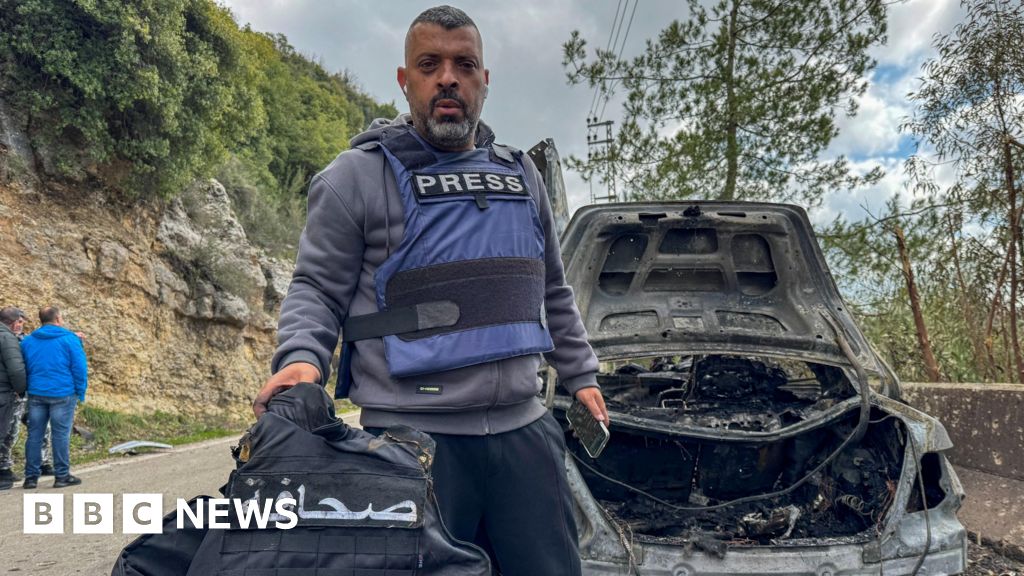
The recent confirmation by the Israeli military of its elimination of Ali Shoeib, a figure affiliated with Hezbollah and associated with Al Manar TV, underscores the ongoing volatility in the Middle East that continues to shape the geopolitical landscape. This event marks yet another instance of the persistent conflict between Israel and Hezbollah, a Lebanese Shia Islamist political party and militant group backed by Iran. Analysts interpret this escalation as part of an ongoing effort by Israel to weaken militant groups within Lebanon, a critical front in its broader security strategy against regional adversaries.

According to sources familiar with the operation, the targeted killing was carried out in a manner consistent with other covert missions, emphasizing precision and operational intent. Such actions often serve as a stark reminder of the relentless cycle of retaliation and preemptive strikes that define the Israeli approach to security threats. Former military commanders and geopolitical experts warn that these developments risk igniting wider confrontations, especially given Hezbollah’s fortified position along Lebanon’s border and its substantial arsenal supplied by Iran. The attack underscores the fragile balance of power in the Levant, where each act of aggression could spark a broader regional conflict.

International organizations and diplomatic analysts have sharply criticized the incident, condemning it as a destabilizing move at a time when regional stability is precariously balanced. The United Nations, which has long called for restraint and dialogue in the Middle East, remains concerned about the potential for this targeted killing to escalate into open warfare. Historically, such targeted operations have had mixed outcomes—either deterring future attacks or fueling cycles of violence that entrench mistrust and hostility.

  • The killing of Shoeib signals a turning point in Israel’s campaign to undermine Hezbollah’s influence and capabilities.
  • It comes amid rising tensions following a series of skirmishes along the Lebanon-Israel border.
  • Experts note that such actions risk broadening the regional conflict, drawing in Iran as a key backer of Hezbollah.

Many international strategists interpret these events within the context of a larger contest for influence stretching across the Middle East. Historians and security analysts frequently point out that Israel’s aggressive posture is driven by its desire to establish deterrence and limit the reach of Iran’s regional ambitions. Yet, they simultaneously warn that such policies could backfire, fueling anti-Israeli sentiment and destabilizing already fragile governments in the region. The looming question remains whether diplomacy can effectively stem the tide of violence or whether the cycle of conflict will continue to spiral out of control.

As the dust begins to settle on the latest targeted operation, the weight of history presses heavily upon the unfolding narrative of the Middle East. The region’s future is written not only in strategic military campaigns but also in the decisions of leadership, the resolve of societies, and the silent hopes for peace amid chaos. With each incident, the stakes grow higher, and the world watches with bated breath—acknowledging that these moments are not isolated, but chapters in an ongoing saga where the echoes of history threaten to reshape an entire generation’s destiny.

UN rights chief urges US to wrap up Iran school strike investigation

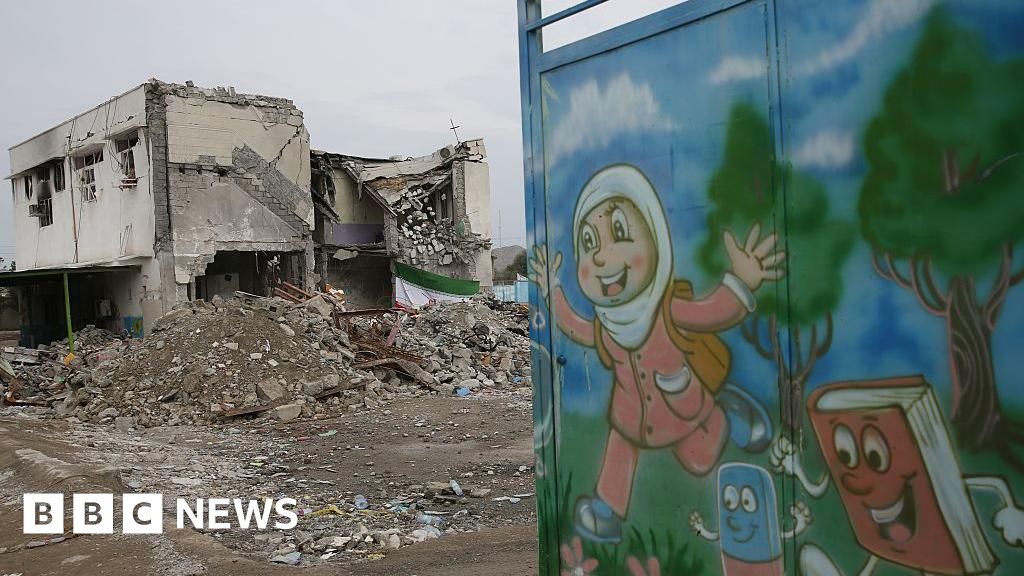
The recent escalation in Middle Eastern geopolitics was starkly highlighted when Iran openly blamed the United States for a targeted bombing incident, which Tehran’s Foreign Minister Abbas Araghchi described as a “deliberate and intentional” attack. Delivered during a speech at the UN meeting in Geneva, Araghchi’s statement underscored Iran’s vehement rejection of Western military interventions, framing the incident as part of a broader pattern of aggression aimed at undermining regional stability. The assertion not only adds a layer of tension to an already volatile region but also signals Iran’s intent to hold Washington accountable on the international stage, raising profound questions about the future of diplomacy and regional security.

This incident, according to Iranian officials, marks a critical turning point in how state-sponsored violence is viewed within the global arena. Iran’s leadership contends that such military actions are not isolated; rather, they form part of a concerning strategy that threatens broader peace and stability in the Persian Gulf and beyond. The statements from Tehran have ignited a fierce debate among international analysts, many of whom caution that the escalation could precipitate a cycle of retaliation that threatens global security. The United States, which has historically maintained a formidable military presence in the Middle East, has yet to issue a conclusive response, but the diplomatic implications are already rippling through international channels.

Global institutions and strategic thinkers have voiced grave concerns over the repercussions of what some are calling a defining moment in 21st-century geopolitics. Numerous analysts note that Washington’s actions, described by Iran as “atrocities,” could deepen existing fissures in an already fractured international order. In particular, the European Union has called for restraint, emphasizing the need to prevent further destabilization. Meanwhile, historians warn that such conflicts, if unresolved, risk entrenching divisions that could last decades — a grim future where diplomatic solutions are overshadowed by persistent violence.

  • Tehran’s accusation marks a significant diplomatic challenge for U.S. foreign policy, especially amid ongoing debates on military intervention versus diplomatic engagement.
  • The UN meeting frames the incident as a potential catalyst for renewed international conflict, reaffirming the importance of multilateral diplomacy.
  • International organizations warn that unchecked violence risks escalating into wider regional unrest, with unpredictable consequences for global markets and security.

As history continues to unfold, the weight of this moment hangs heavily over Iran, the United States, and the broader international community. The choices made today echo in corridors of power and influence, shaping the fate of nations and societies for generations to come. Will diplomacy prevail or will the relentless march of violence propel the world into a new era of instability? Only time will tell—and history, ever watchful, waits patiently to inscribe its next chapter.

Resident Doctors in England to Strike for Six Days Over Pay Dispute

As resident doctors in England prepare to embark on a six-day strike following Easter, a stark reminder emerges of the growing fractures within our society’s public health infrastructure. The ongoing dispute, centered on fair compensation, career progression, and respect for medical professionals, underscores deeper societal issues—namely, how economic hardship and demographic shifts threaten the stability of communities, the future of our families, and the integrity of our institutions. The British Medical Association (BMA) blames the government for initiating this long, sustained protest, marking the 15th industrial action by resident doctors since 2020—a clear indication of mounting dissatisfaction among the workforce entrusted with our nation’s health.

This strike signifies more than a labor dispute; it reveals the erosion of trust in vital public institutions that underpin the fabric of our society. The NHS, traditionally regarded as the crown jewel of universal healthcare, faces the ripple effects of these disruptions. NHS leaders warn that cumulative costs of the strike could reach £300 million, a figure that reflects the unsustainable pressures on both the system and the communities it serves. Patients are forced to endure longer waits for tests, treatments, and surgeries—an unspeakable sacrifice affecting families already navigating financial and emotional stresses. Such systemic strains, sociologists say, threaten to widen the gap between those with resources and those without, fueling social divides that challenge our collective commitment to fairness and societal cohesion.

The core issue of the dispute revolves around salary restoration and career advancement. The government proposed a deal aimed at providing more frequent and fairer pay increases, acknowledging the long-standing erosion of real-term salaries since 2008-09; however, the stubborn resistance and differing interpretations of how to implement the pay rise have stymied progress. Dr. Jack Fletcher, head of the BMA’s resident doctors committee, explains that recent negotiations unraveled over the period in which the increased funding would be disbursed—a dispute that goes to the heart of how public trust in fairness and transparency can be maintained. The government’s insistence on spreading pay increases over three years, versus doctors’ demand to receive these funds upfront, reflects broader societal tensions around preferences for immediate justice versus gradual change. As sociologists note, these disagreements aren’t merely about money—they symbolize a contest over respect for professions and the societal value placed on those who serve us in our most vulnerable moments.

Ultimately, the ongoing strike exposes societal vulnerabilities rooted in economic disparities, demographic changes, and cultural shifts. With families bearing the brunt of delayed healthcare, and communities watching healthcare standards ebb away, the challenge is clear: **how do we rebuild trust and ensure fair treatment for those who care for us?** As historians observe, the story of societies constantly battling with issues of fairness, opportunity, and respect is ongoing—labor unrest is often a mirror reflecting deeper moral questions. Yet, hope persists. Constructive dialogue, renewed recognition of healthcare workers’ dignity, and targeted reforms can guide society toward a future where families, communities, and institutions work hand-in-hand for stability and growth. Society’s enduring strength lies in its ability to adapt, learn, and ultimately, transform—turning this moment of crisis into a catalyst for genuine renewal.

Youth Disrupt Education Again as Teachers Strike Over Disorderly Students

In a striking display of frustration and moral concern, teachers across the nation are initiating a 12-day walkout scheduled for March and April, citing inadequate response to persistent issues surrounding pupil behavior and classroom discipline. This collective action underscores a broader societal crisis where the foundations of education—one of society’s most vital institutions—are strained to their limits. Such protests are more than just grievances by educators; they are a transparent reflection of deep-seated tensions between the values of discipline, respect, and individual freedom, intersecting with shifts in cultural norms and growing demographic complexities.

The core of this issue lies in the erosion of traditional social structures within schools, which act as microcosms of wider community values. Teachers have long been viewed as moral custodians by their communities, tasked not only with imparting knowledge but also with nurturing responsible, disciplined citizens. However, rising challenges such as disrespectful behavior, cyberbullying, and declining parental oversight threaten this communal role. Sociologists like James Coleman have warned that when institutions such as schools falter, families and communities bear the brunt, often experiencing increased social fragmentation, juvenile delinquency, and diminished social cohesion, which in turn complicates efforts to uphold societal order.

Educational experts argue that these strikes are symptoms of broader societal shifts—not just behaviors of unruly pupils but the consequence of cultural transformations where authority is often questioned, and moral responsibility is sometimes sidelined. For many, these protests underscore the pressing need to revisit foundational values and reinforce respect and discipline within classrooms. As social commentators observe, a weakening of these core virtues endangers the moral fabric of future generations. Addressing this crisis requires a collaborative approach—strengthening parental involvement, reforming disciplinary policies, and fostering a culture of mutual respect—so that schools can once again become safe, productive spaces where families, educators, and communities work together towards shared goals.

At their heart, these protests challenge society to reflect on how social issues impact not just individual classrooms but the entire social order. When teachers, who represent society’s moral backbone, walk away from their duties, it signals a need for urgent reflection and action. As social historian David Hackett Fischer has noted, societal well-being hinges on maintaining a shared cultural ethos—one that recognizes the importance of discipline, responsibility, and respect. The future of our families and communities depends on our ability to confront these challenges head-on, forging pathways toward renewed social trust and moral clarity. In the end, society’s resilience will be measured by whether it can turn these turbulent protests into opportunities for healing, renewal, and hope, ensuring that the next generation inherits a society where justice and discipline are not sacrificed but are **fundamental pillars of our collective future**.

Social Media Auto Publish Powered By : XYZScripts.com