Matox News

Truth Over Trends, always!

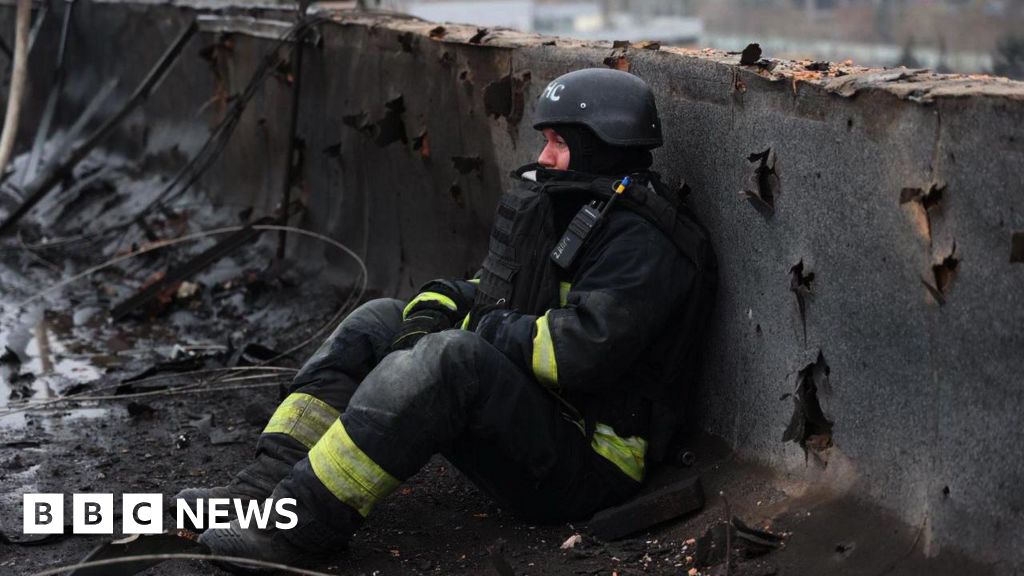
Four lives lost in Russian strike amid ongoing diplomacy to end the war

The ongoing conflict in Ukraine remains a flashpoint of international instability, with recent events underscoring the profound geopolitical impact of Moscow’s relentless military campaign. A Russian missile attack on the eastern Ukrainian city of Dnipro—resulting in four deaths and dozens of injuries—serves as a grim reminder that the war, now stretching into its second year, continues to exact a heavy toll on both civilians and military personnel. While unconfirmed reports suggest a ballistic missile was used, the attack exemplifies how Russia’s inability to fully impose its will has led to increasingly indiscriminate strikes, escalating tensions regionally and drawing international concern.

Significantly, these hostilities unfold amidst a complex web of diplomatic maneuvering. On the eve of structured peace talks, U.S. special envoy Steve Witkoff was scheduled to meet with Vladimir Putin in Moscow—an encounter that highlights Washington’s strategic involvement. Despite repeated visits by U.S. officials to Moscow, the reluctance to engage directly with Kyiv exposes the deep fractures in diplomatic consensus. Meanwhile, Kyiv’s leadership, represented by President Volodymyr Zelensky, has described recent negotiations as “very constructive” but admits there are still “tough issues” to resolve. This diplomatic dance underscores the tense and uncertain how decisions will shape future security—not only for Ukraine but for the entire European continent.

The opposing positions remain entrenched. Russia, under Vladimir Putin, insists on Ukrainian retreat from the Donbas, threatening an escalation by force if necessary, as Putin’s words indicate a readiness for prolonged conflict. Conversely, Kyiv, supported by its European partners and seeking NATO membership, argues that security guarantees are non-negotiable. The debate over Ukraine’s path forward—whether it should join a military alliance or receive other security assurances—illustrates the fundamental divide: Russia’s desire to prevent Ukraine from integrating with Western institutions at all costs, versus Kyiv’s aspiration for legitimate security protections deemed vital for sovereignty. Figures such as Donald Trump have explicitly opposed Ukraine’s NATO accession, further complicating an already fragile diplomatic landscape.

In parallel, political turbulence within Ukraine adds layers of complexity. President Zelensky has recently faced internal setbacks, including the resignation of his chief of staff, Andriy Yermak, amid a corruption scandal. These developments have fueled concerns that the Ukrainian government’s internal stability is being tested at a critical juncture. Meanwhile, Zelensky continues to rally support internationally, visiting France and planning trips to Ireland, seeking to boost morale and secure aid amid ongoing hardships. Such efforts are vital, as analysts warn that external and internal vulnerabilities may be exploited by Moscow to push for concessions, a tactic that critics argue favors Russian interests over Ukrainian sovereignty.

As the conflict enters its second year, the death toll exceeds tens of thousands, with millions displaced and the resilience of Ukrainian society under relentless strain. Many historians and international observers view this war as a pivotal moment in modern history—one that will determine whether the principles of sovereignty and regional stability can withstand the pressures of aggressive expansionism. The shadows of 2014 and the annexation of Crimea linger ominously, serving as a stark reminder that the choices made today will resonate for generations. With each missile fired and diplomatic effort launched, the world stands on the cusp of a historical turning point—where the clash of interests and ideologies could redefine the geopolitical landscape for decades to come, leaving an indelible mark on the pages of history.

Family of missing Colombian youth demand answers after U.S. strike targets suspected drug vessel

In the vibrant coastal regions of Colombia and Venezuela, a quiet lifestyle revolves around the sea — a life rooted in tradition, community, and the pursuit of peace amidst turbulence. Yet, recent US military strikes targeting alleged drug-trafficking vessels have cast a shadow over these once tranquil waters. These covert operations, justified by American officials as efforts to combat narco-terrorism and drug-related violence, have sparked fierce debates about legality and human rights, raising questions about the true cost of national security measures. The stories of local fishermen, like Juan Assis Tejeda and others, reveal a sobering reality: they fear that innocent lives, livelihoods, and even civilians might be caught in the crossfire of international politics.

The US claims that these strikes are necessary defenses against criminal networks that threaten regional stability and American lives, citing an increase in cocaine seizures and the rising toll of fentanyl in the US as evidence. However, critics, including international law experts and local communities, argue that these actions resemble extrajudicial killings—a stark departure from the rule of law that emphasizes arrest, trial, and sentencing. Juan, an experienced fisherman who often surveys the waters near Venezuela, shares a poignant perspective: “We just go after tuna, but sometimes drones hover over us — we’re afraid. It’s not right to be pursued and targeted like terrorists without proof, just for earning a living.” Such testimony underscores that in these moments, what the global stage doles out as “security” can sometimes feel like an assault on everyday lives, on well-being, and on the pursuit of simple peace.

The reactions from regional leaders also underscore the underlying geopolitical tensions. Colombia’s President Gustavo Petro has challenged the US’s narrative, condemning the strikes that reportedly killed civilians, including local fishermen and farmers. Petro’s stance aligns with a broader suspicion: that behind the veneer of anti-drug efforts lies an attempt to exert political pressure on Venezuela’s government and its controversial leader, Nicolás Maduro. Many locals believe that these military moves serve as a tool to destabilize the region further, possibly paving the way for more direct American influence, which could threaten the sovereignty of these nations and their communities. Such multi-layered tensions bring to light a crucial fact—lifelines of culture and livelihood are often caught in the crossfire of superpower ambitions.

Amid these turbulent waters, the local community’s resilience remains a quiet but powerful force. Stories from fishermen like Mr. Tejeda show their unwavering desire to live peacefully, unaffected by the global game of power. These men and women are not targets—they are just ordinary people caught in extraordinary circumstances. Their stories serve as a reminder that, at the heart of every geopolitical conflict, there are human lives seeking stability and dignity. As these small villages watch and wait, they embody the spirit of relentless hope: a hope that one day, diplomacy and respect for sovereignty will prevail, and the love of the sea will return to being a source of life, not conflict.

Reflecting on these narratives leaves us with a profound understanding: lifestyle is more than leisure or routine; it’s a journey to embrace resilience in uncertainty. These coastlines, woven with stories of struggle and hope, remind us that true security arises not from the barrel of a gun, but from respect—respect for life, for community, and for sovereignty. As we watch these waters, may we find the wisdom to navigate our own lives with clarity and purpose, standing for fairness amid the chaos, and cherishing the peaceful pursuits that truly define our well-being.

DR Congo and M23 rebels strike peace deal in Qatar, paving way for stability

The recent signing of a framework for peace between Rwandan-backed M23 rebels and the government of Democratic Republic of Congo marks a significant, albeit tentative, turning point in one of Africa’s most complex conflicts. The peace ceremony held in Qatar underscores the growing international effort to broker stability in the resource-rich eastern region, which has long been a hotspot of violence and chaos. This development is particularly noteworthy given the regional history of insurgency, ethnic tensions, and geopolitical maneuvering, with global powers including the United States and the African Union actively engaging behind the scenes. The peace process, which builds on recent agreements in Doha, signals an evolving approach to conflict resolution that prioritizes diplomatic negotiations over military solutions.

The conflict’s roots extend deep into ethnic and political divides, compounded by competition over mineral resources critical to global industries, especially electronics. Earlier this year, the M23 rebels captured major cities like Goma and Bukavu, effectively disabling the Congolese government’s control over the region. Despite multiple efforts to establish peace, previous agreements have failed, and violence has persisted, with *thousands killed* and *hundreds of thousands displaced*. The new framework aims to address core issues such as humanitarian access, the return of displaced populations, and the disarmament of rebel factions like the FDLR, a militia linked to the 1994 Rwandan genocide. Such measures are crucial, not only for restoring order but also for pacifying a region that’s been destabilized for decades, thereby impacting the broader geopolitics of Central Africa.

At the heart of the dispute lies tension over Rwandan troop presence in eastern Congo. Kinshasa demands a full withdrawal of Rwandan forces, which Kigali counters by insisting that this can only occur once the disbandment of the FDLR rebel group is complete. This stance highlights the intertwined nature of regional security, ethnicity, and control over mineral wealth. The analysis by international security experts suggests that such disagreements threaten to undermine fragile peace efforts if not managed carefully. The geopolitical impact extends beyond mere border disputes; it influences the control of vital mineral resources like coltan, which is indispensable for modern electronics. As US envoy Massad Boulos noted, most protocols still require fine-tuning, but the mere existence of a framework signifies a crucial shift towards diplomacy after years of failed ceasefires and battlefield setbacks.

Ultimately, the unfolding conflict in eastern DR Congo serves as a stark reminder of the high stakes involved—not just for the local population but for global markets and international stability. The region’s earliest history, marked by ethnic divisions and colonial legacies, continues to influence current negotiations. While the world watches as historic peace accords attempt to tame chaos, the shadows of unresolved grievances and regional ambitions loom large. As the negotiations proceed, the weight of history presses heavily upon the shoulders of leaders, analysts, and ordinary citizens alike. The question remains: will peace endure, or will this fragile agreement be yet another chapter in a long, tragic saga of missed opportunities? The story of eastern Congo is still being written, and the pages yet to come will determine whether this moment signals a new dawn or if history’s relentless cycle of conflict will continue to unfold, leaving its indelible mark on Africa’s heartland and the world beyond.

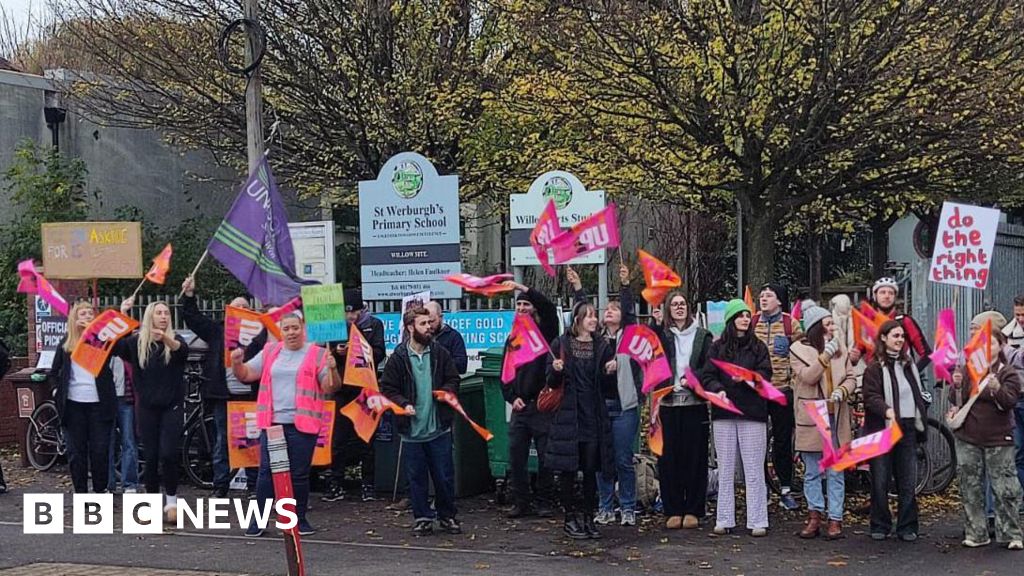
Bristol Schools Disrupted as Support Staff Strike Over Pay—Youth Voice in Crisis

How Economic Disputes and Social Tensions Shape Families, Education, and Communities

In recent weeks, a wave of social unrest has swept through the educational landscape of Bristol and North Somerset, exposing a broader societal challenge rooted in systemic issues of inequality, fairness, and respect. Support staff at a dozen schools managed by the Cathedral Schools Trust initiated a two-day strike, highlighting a crisis that transcends individual workplaces and touches the very fabric of community stability. This protest was triggered by delayed pay raises—delays amounting to five months of withholding payments—and has left many employees, including teaching assistants, administrators, librarians, and caretakers, feeling *unvalued* and *disrespected*. The ripple effects of such disputes threaten not only the livelihood of individual families but also the quality of education and the cohesion of local communities, intensifying social tensions often ignored in broader policy debates.

According to social commentators and historians like Professor Margaret Mead, who emphasized the importance of social cohesion for societal health, disruptions like these illuminate the fragility of our social institutions. Families reliant on predictable income find themselves in stressful financial situations, with some losing hundreds of pounds annually, as vividly expressed by Steve Brice, a dedicated teaching assistant. He revealed that delays in pay have forced him into financial hardship, affecting his entire household. This scenario underscores an ongoing challenge: *when social actors are mistreated or neglected—particularly those in essential roles—families are destabilized, and the cycle of hardship and social discontent persists.* The values of *fairness* and *respect* are central to maintaining social harmony, yet too often, these principles are sacrificed in bureaucratic or institutional neglect, fueling social division rather than unity.

Educational institutions serve as the backbone of community development, shaping the moral and intellectual fabric of future generations. When support staff, who are critical to the day-to-day functioning of schools, feel *undervalued*, the entire learning environment suffers. Sheila Caffrey, a representative from the National Education Union, stressed that many staff members feel they are *not being adequately valued* by their employers—a sentiment echoed across various sectors in society. Such discontent can ripple through schools, disrupting learning and straining relationships between educators, students, and families. More disturbingly, the social tensions generated by these disputes threaten to erode the respect and trust necessary for a thriving, inclusive society. As sociologist Pierre Bourdieu pointed out, these conflicts are not merely about money but about *recognition* and *dignity*, those intangible social currencies that hold communities together or tear them apart.

Despite efforts by the trust to negotiate, the ongoing conflict reveals a critical truth: social issues today are interconnected with mental health, economic stability, and moral integrity. The response to this crisis must be multifaceted. Solutions should include transparent dialogue, fair compensation packages, and structural reforms that prioritize human dignity over bureaucratic expediency. Only then can we hope to rebuild the trust that sustains communities and sustains families. As social commentators warn, neglecting these issues risks not only a breakdown in societal cohesion but also a decline in the moral fabric that binds us. Yet, amid these struggles, there remains a quiet hope—a belief that societies are capable of transformation when rooted in fairness and respect. Indeed, the unfolding story of these support staff and their fight for justice echoes a broader call for societal renewal—reminding us all that the strength of a society is measured by how it treats its most vulnerable, and how it rises together in the face of adversity.

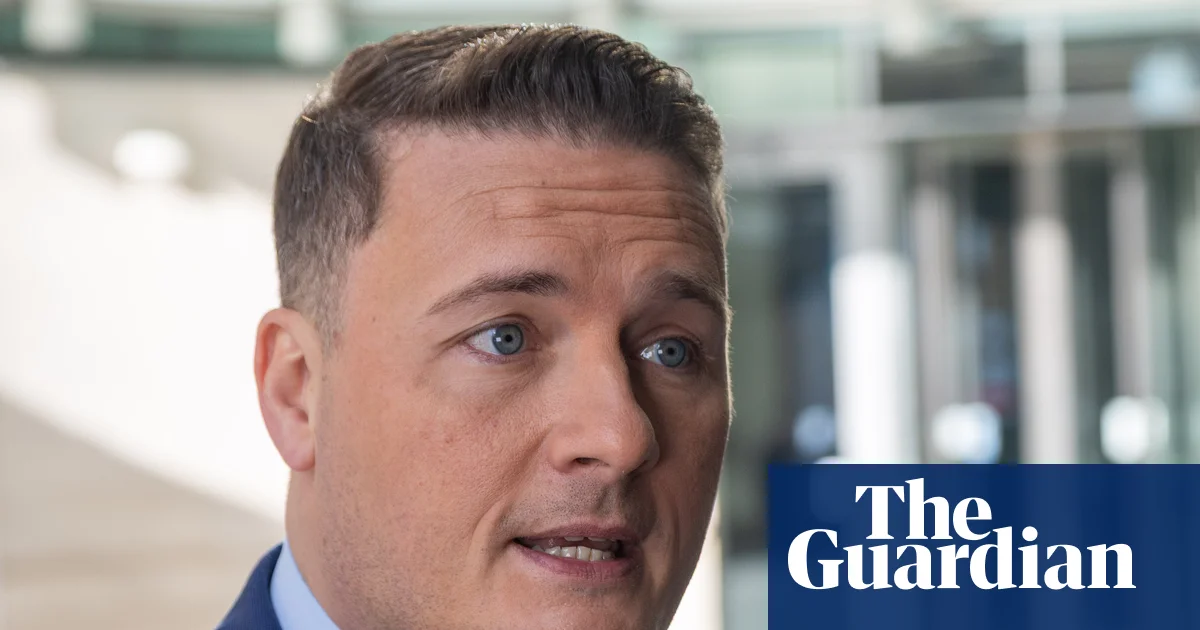
Resident doctors reject Wes Streeting’s last-minute deal; strike to proceed—urgent action needed for NHS future

Societal Strain and the Future of Our Medical Workforce

The ongoing dispute between resident doctors and the NHS highlights a critical challenge facing British society: the strain on healthcare institutions and the families they serve. As the long-standing conflict escalates, the imminent five-day strike threatens to leave vulnerable patients without essential care, underscoring how social issues ripple into families’ wellbeing. The core of the problem lies in how society values and compensates essential workers. The controversy surrounding the offer made by Health Secretary Wes Streeting reflects a deeper societal debate about fairness, career progression, and the moral obligation to ensure adequate healthcare for all.

Despite Streeting’s attempt to tamper down tensions with a renewed offer—doubling the number of new training places and covering examination fees—the discontent persists among resident doctors. The lingering discontent is rooted in a broader cultural shift where many young professionals feel undervalued and overburdened, resulting in a crisis of morale and recruitment. Influenced by sociologists like Richard Sennett, who warns that **a society that undervalues its workers risks societal decline**, the situation reveals a conflict between economic constraints and the moral duty to maintain a robust, compassionate healthcare system.

This social tension extends beyond individual careers, affecting families and communities. Young families rely on a functioning health system, yet they are increasingly faced with the reality that accessible and timely care may become a luxury rather than a given. The key challenge, reflected in the rejection of Streeting’s limited offer, is that **too many aspiring doctors still face barriers that hinder professional advancement**. The statistics speak volumes: with 30,000 applicants vying for only 10,000 training positions annually, the system’s *disconnect from societal needs* is glaring. Historians note that such disparities threaten to erode the social fabric, as frustration grows among the youth who see their future opportunities diminishing.

Real change depends on addressing the root causes of social inequality. As Dr. Jack Fletcher, chair of the Resident Doctors Committee, emphasizes, delivering a multi-year, comprehensive pay deal that restores the value of salaries lost since 2006 is essential. Without this, the cycle of disillusionment, strikes, and staffing shortages will persist, further impacting families, educators, and entire communities. The challenge lies in balancing the nation’s finite resources with the moral imperative to support those who care for society’s most vulnerable. As society stands at this crossroads, it must reflect on a fundamental question—how much are we willing to invest in our future, embodied by the health and education of our youth? The answer will shape the society we nurture for generations to come, determining whether we emerge stronger or risk society’s moral and social decline.

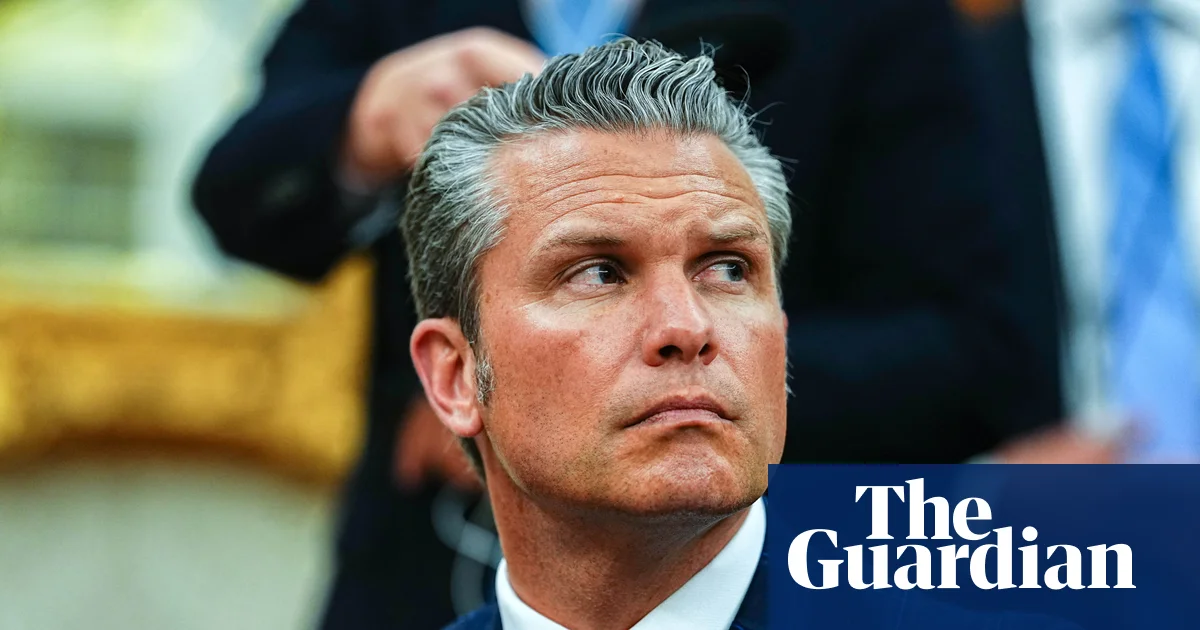
Hegseth touts successful US strike on suspected drug smuggling boat

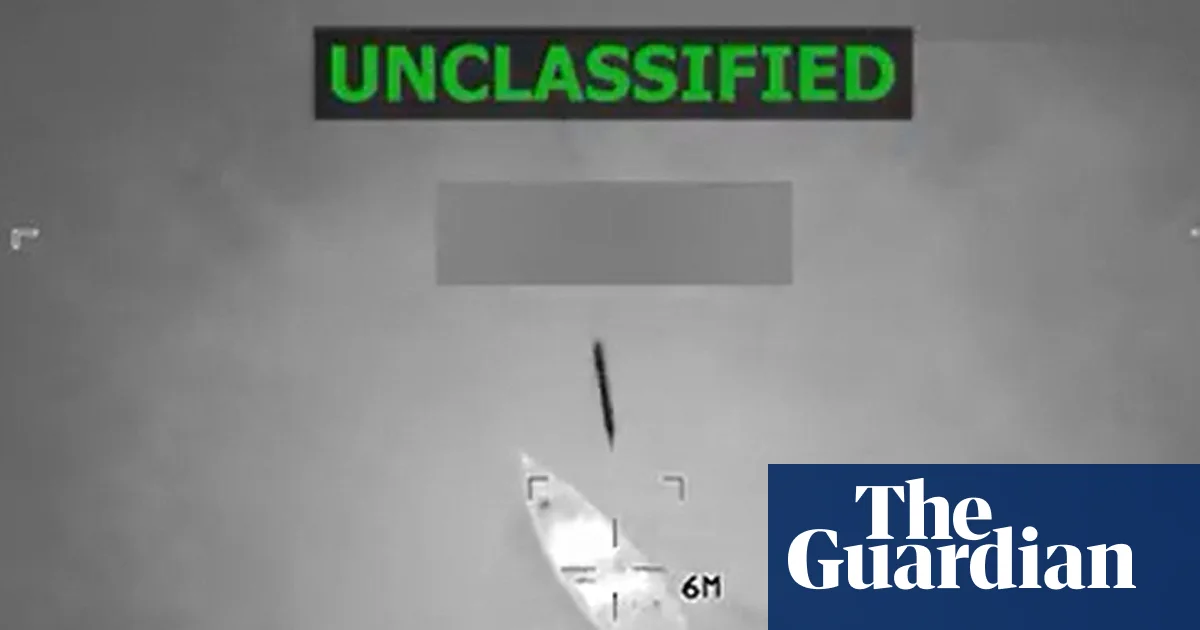
The United States continues its assertive military push in the South American and Caribbean regions, signaling a shift towards more aggressive tactics in its ongoing war against drug trafficking and perceived threats. Defense secretary Pete Hegseth announced a recent deadly strike against a vessel suspected of ferrying illegal narcotics. This strike, which claimed two lives, marks at least the 16th in a series of actions authorized by the Trump administration, raising crucial questions about the legal justifications and the broad implications of such unilateral interventions. The administration claims it is engaged in an armed conflict with drug cartels and foreign terrorist organizations, but critics and lawmakers alike demand more transparency and adhere to international norms.

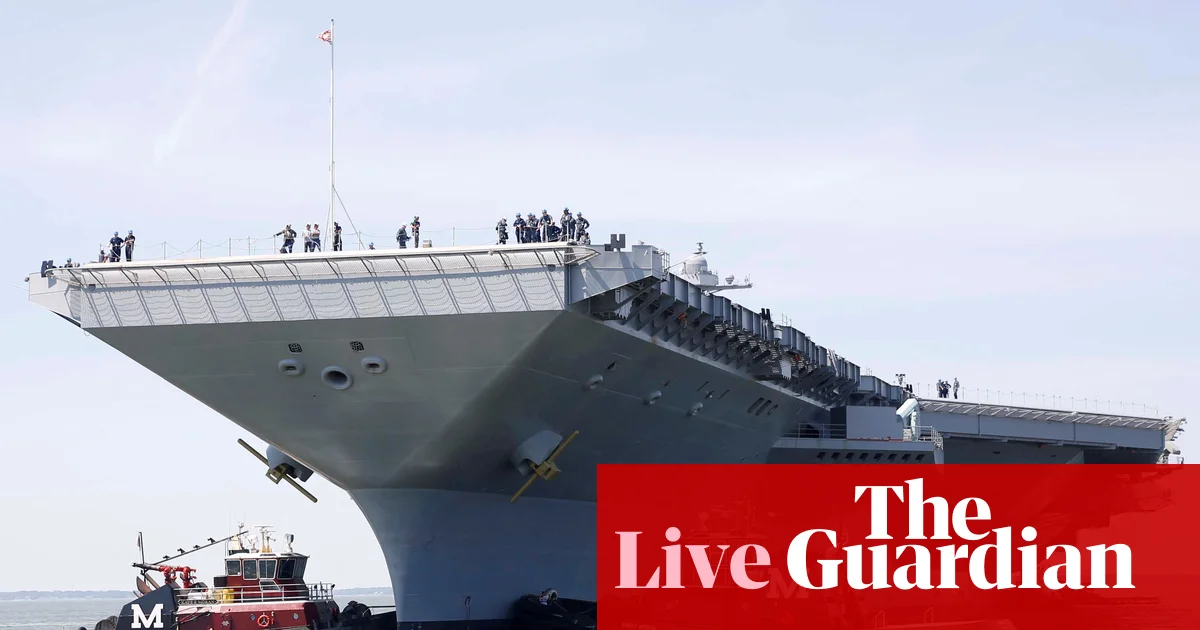
This escalation coincides with the deployment of the USS Gerald R. Ford aircraft carrier to the Caribbean, a move that signifies the extent of America’s military buildup in the region. Having left the Mediterranean through the Straits of Gibraltar, it joins a formidable fleet—including destroyers like the USS Bainbridge and USS Winston Churchill—forming a show of force that many analysts see as an effort to assert dominance over critical maritime routes. Experts from think tanks warn that such actions could destabilize regional diplomacy, creating a climate of uncertainty that threatens both regional stability and international law. This buildup is not merely about combatting drugs but is viewed as a broader message of U.S. geopolitical resolve amid rising tensions with rival powers.

International response to these American maneuvers remains divided. While some narrative voices inside the U.S. emphasize a need for ‘tougher’ stance against illicit trafficking, others, including diplomatic organizations and historical analysts, interpret these moves as part of a strategic effort to project power and influence in an increasingly contested global arena. The deployment of large naval assets to Latin America underscores a broader trend identified by geopolitical scholars: the U.S. aims to capitalize on regional vulnerabilities, positioning itself as both protector and hegemon. Meanwhile, whether these actions will bring peace or further conflict remains a matter debated in global corridors, where the tension between security and sovereignty plays out.

As the smoke of recent bombings clears and the ships traverse international waters, the weight of history presses heavily upon the unfolding narrative. The decisions made today echo through decades, shaping the future alliances and conflicts that will define the global order. With each vessel, each strike, the silent story of ambition, power, and the relentless pursuit of America’s strategic interests continues—leaving the world on the precipice of a new chapter where the lines of engagement are redrawn and the true cost of such power is written in the shadows of history yet to be fully revealed.

Head teachers to be consulted on strike threat over Ofsted reforms

The Rising Tensions Behind England’s New School Inspection System

In a landscape where cultural shifts in education and societal pressures collide, the recent decision by Ofsted to implement a new, color-coded inspection framework has ignited fierce debates among educators, parents, and social commentators. The restructure aims to bring a more nuanced assessment of school environments, broadening the scope beyond traditional academic metrics to include areas such as wellbeing, inclusion, and safeguarding. Yet, beneath the surface of these well-intentioned reforms lies a complex web of social tensions that threaten to undermine the very fabric of our communities and the stability of families across the nation.

Critics, notably the National Association of Head Teachers (NAHT), have voiced concerns that this overhaul might inadvertently harm the mental health of school leaders and staff. Their challenge culminated in a legal battle that was recently dismissed, yet the underlying issues remain unresolved. The union argued that the new grading system, which categorizes schools into five distinct levels—urgent improvement, needs attention, expected standard, strong standard, and exceptional—could foster undue pressure and distort the true quality of education. It’s a debate that cuts deep into how society perceives educational success and whether the current focus on graded judgments aligns with the humanistic values that should underpin our approach to social development and community cohesion.

Adding to the controversy, the tragic case of Ruth Perry—a head teacher whose death was linked to the stresses induced by Ofsted’s inspection process—has cast a long shadow over the reforms. An inquest revealed that the inspection contributed to her untimely death, sparking widespread outrage and calls for re-evaluation of inspection practices. This stark reminder underscores how social issues in education extend beyond students; they profoundly impact families, community stability, and the moral fabric of our society. While Ofsted insists that wellbeing remains a priority and that their new framework seeks fairness and transparency, many voice concerns that the systemic pressure to meet certain standards risks reducing education to a series of numbers and grades, often at the expense of human dignity and mental health.

Historically, educational sociologists like Pierre Bourdieu have warned against the ossification of social hierarchies through metrics and judgments that fail to account for cultural and socio-economic contexts. As societal divisions deepen, so too does the risk of reinforcing demographic disparities within schools, which serve as microcosms of larger societal tensions. The fight over inspection standards exemplifies this struggle—balancing the need for accountability with the imperative to nurture inclusive, resilient communities. Moving forward, the challenge lies in developing a system that recognizes the multifaceted nature of education, one that safeguards not only students’ achievements but also their wellbeing, and by extension, the moral strength of their families and communities.

Ultimately, society stands at a crossroads where the priorities we choose today will determine the moral and cultural integrity of future generations. As the echoes of past social upheavals remind us, the true strength of a nation lies in its capacity to nurture holistic human development. As we grapple with these reforms, the enduring hope is that society will not lose sight of its core moral obligation: to foster communities where families can thrive, educators can find purpose, and each child can grow not just in knowledge but in resilience, compassion, and hope. The path forward is not predetermined; it is one we must continually forge with courage, clarity, and an unwavering commitment to the moral fabric that binds us all.”

Pete Hegseth vows to strike back: “We will hunt and kill them” in crackdown on drug-smuggling vessels — US politics live | US news

As the 2025 geopolitical landscape unfolds, a pattern of strategic escalation and international jockeying becomes increasingly evident, reflecting the enduring quest for dominance in a world fraught with tension and shifting alliances. From military operations against drug cartels in Central America to high-stakes diplomatic meetings involving Donald Trump and Central Asian leaders, the global stage is echoing with decisions that will shape the future of nations and societies. The American administration’s recent embrace of a ‘war on cartels’ signals an aggressive stance, equating narcotics traffickers with terrorists, and promising lethal force in operations that claim lives in the Caribbean and beyond.

Meanwhile, the United States prepares for a possible diplomatic revival in its relations with Shavkat Mirziyoyev, president of Uzbekistan, highlighting an intensified focus on Central Asia—a region rich in resources and geopolitically pivotal. The meeting between Trump and Central Asian presidents could mark a turning point in U.S. strategy, seeking to secure energy partnerships and counterbalance China’s rising influence. Experts articulate that such engagement, especially with nations like Uzbekistan, magnifies America’s push to reassert influence in a critical crossroads of Eurasia, transforming regional dynamics and complicating the strategies of rivals like Russia and China.

Notably, in a move that underscores the ongoing domestic upheaval, political figures on both ends of the spectrum are maneuvering with unorthodox moves that threaten long-standing norms. A GOP legislator is calling for the deportation of Zohran Mamdani, a New York City mayoral candidate, over allegations of naturalization fraud—an episode that exposes the ideological battle over America’s immigrant narrative and national identity. On the legal battlefield, Donald Trump is fighting to overturn his criminal conviction for business fraud, claiming that key evidence was improperly admitted, and signaling a persistent challenge to the judicial system’s authority. Such disputes are not only domestic spectacles but are emblematic of the intensifying polarization shaping American society.

The international community watches as alliances evolve and old certainties give way to confrontations that could redefine regional stability and security. As Japan’s first female Prime Minister, Sanae Takaichi, gains Trump’s praise for her military ambitions, the U.S.-Japan relationship appears poised for a recalibration, with potential investments soaring and defense commitments accelerating. Yet even as diplomacy dances on the surface, the threat of China’s assertiveness in Asia looms large, prompting Japan to pledge a swift defense spending increase and reaffirm its strategic partnership with the U.S. Despite this, critics warn that such displays of unity may mask underlying tensions that could erupt into broader conflict, as historic rivalries and geopolitical ambitions collide.

This confluence of military, diplomatic, and legal actions echoes a larger narrative, one where history’s pen is still writing the chapters of a tumultuous and transformative era. The bold moves—whether the US’s lethal crackdown on drug cartels, the high-level meetings with Asian powers, or internal political battles—are shaping a future that remains uncertain. As the world stands at this geopolitical crossroads, the echoes of these decisions will resonate through generations, reminding us that history waits for no one and that the true contest for influence is still underway, with humanity’s collective destiny hanging in the balance.

Pentagon Chief Orders New U.S. Strike on Drug Smuggling Boat in the Caribbean

In a move that underscores the escalating global struggle against narcotics trafficking, the United States has conducted its tenth military strike targeting vessels suspected of carrying illegal drugs in the Caribbean and off the coast of South America. According to Pentagon officials, the latest operation resulted in the death of six individuals onboard a vessel believed to be involved in narcotics smuggling along transnational routes. These strikes, authorized and executed under the claim of defending national security and disrupting transnational criminal organizations (TCOs), have sparked considerable debate on the legality and efficacy of U.S. unilateral military interventions.

The administration has rapidly intensified its military posture, deploying the aircraft carrier USS Gerald R. Ford to waters off South America, emphasizing a strategic shift to bolster surveillance and interdiction capabilities in the Western Hemisphere. This move signals a broader geopolitical shift in U.S. foreign policy, with an explicit focus on combating narcotrafficking that threatens both domestic stability and regional security. Analysts suggest that this demonstrates a move toward a more aggressive posture, potentially risking regional destabilization and diplomatic fallout. Since early September, Washington has executed at least 10 strikes, resulting in the deaths of over 40 suspected traffickers, based on unverified claims. However, critics, including numerous civil liberties groups and South American leaders such as Colombian President Gustavo Petro, have condemned the campaigns as extrajudicial murders that violate international norms and sovereignty.

Indeed, the geopolitical impact of these actions extends beyond immediate military objectives. The clandestine role of the Central Intelligence Agency in providing intelligence—reportedly underlying many of these strikes—raises profound questions about transparency and legitimacy. Experts like Dr. Mariana Ruiz, a senior analyst at the International Crisis Group, warn that the secretive nature of intelligence-driven operations could set dangerous precedents. The ambiguous status of alleged affiliations between gangs like Tren de Aragua and designated terrorists complicates the legal framework used to justify these strikes, challenging international law and the sovereignty of affected nations.

Beyond the legal and moral controversies, these actions reveal a broader shift in U.S. strategic priorities. While the White House contends that the President is exercising constitutional authority under Article 2—a controversial interpretation—many legal scholars highlight the lack of explicit congressional approval and question whether such strikes are justified as acts of self-defense. Meanwhile, regional reactions remain overwhelmingly critical; Colombia, a frontline state in narcotics trafficking, decries these operations as “murder,” emphasizing that such policies risk destabilizing already fragile alliances and creating new fertile grounds for conflict. As global watchdogs and analysts grapple with the implications, it is clear that these strikes symbolize more than just a war on drugs. They mark a pivotal moment — a dramatic chapter in the unfolding narrative of international power, sovereignty, and the relentless pursuit of safety in an increasingly chaotic world.

Hegseth leads bold new Caribbean strike to keep America safe

Washington has escalated its maritime campaign against suspected drug traffickers with a series of targeted naval strikes across the Caribbean Sea and Pacific Ocean. Announced by US Defense Secretary Pete Hegseth, these operations are part of what the Biden administration and former President Donald Trump have described as a strategic effort to suppress international drug flows. The latest strike in the Caribbean purportedly destroyed a vessel linked to the Tren de Aragua criminal organization, resulting in the deaths of six individuals, according to US officials. As the tenth such operation since September, this campaign underscores Washington’s intensified pursuit of what it claims are threats to national security and regional stability.

This ongoing campaign raises profound geopolitical concerns, with critics questioning the legality and diplomatic ramifications of such unilateral military actions. Members of the US Congress from both sides of the aisle have voiced apprehension, highlighting the absence of clear congressional approval for these strikes. Most notably, 25 Democratic senators expressed their doubt that the earlier operations posed a direct threat to the United States, calling into question the legitimacy of executive authority in these instances. Meanwhile, Republican Senator Rand Paul has publicly maintained that any use of military force against these vessels requires explicit congressional authorization, emphasizing the constitutional debate surrounding the president’s powers in wartime.

Despite these concerns, President Trump’s administration has firmly defended the legality of the strikes, with Secretary of State Marco Rubio remarking that “if people want to stop seeing drug boats blow up, stop sending drugs to the United States.” Washington’s focus appears to extend beyond mere drug interdiction, as analysts suggest an underlying motive involves applying military pressure on the Venezuelan government led by President Nicolás Maduro, whom former President Trump accused of facilitating drug trafficking—an assertion that Maduro consistently denies. The persistent targeting of vessels connected to the Tren de Aragua organization not only aims to dismantle drug networks but also serves as a strategic move to undermine regional allies and adversaries, thereby asserting US influence in Latin America.

The international community watches with cautious apprehension as these operations unfold, with various non-governmental organizations and regional powers questioning the rule of law and the escalation of military force. Historians like James MacGregor Burns argue that such unilateral interventions risk destabilizing fragile diplomatic relations, while international organizations warn that unchecked military actions could provoke broader regional conflicts. At the same time, the US maintains that these operations are vital tools in combating narcotrafficking and safeguarding national security. Yet, with each strike, questions grow about how decisions made in Washington resonate far beyond the Caribbean or Pacific, shaping the fates of nations and societies caught in the crossfire of this modern-day power struggle.

As the dust settles and history writes its next chapter, the weight of this unfolding drama leaves an indelible mark on the global stage. The world watches as Washington flexes its military muscles in the pursuit of security, but at what cost? These actions, cloaked in the guise of justice, threaten to redefine regional dynamics, fuel diplomatic tensions, and question the very principles of sovereignty and international law. In the shadows of these maritime battles, the true line of conflict extends inward—between authority and legality, between power and legitimacy—leaving a question lingering in the air: Whose security is truly at stake, and at what price will the world continue to chase this perilous pursuit of order?

Social Media Auto Publish Powered By : XYZScripts.com