Matox News

Truth Over Trends, always!

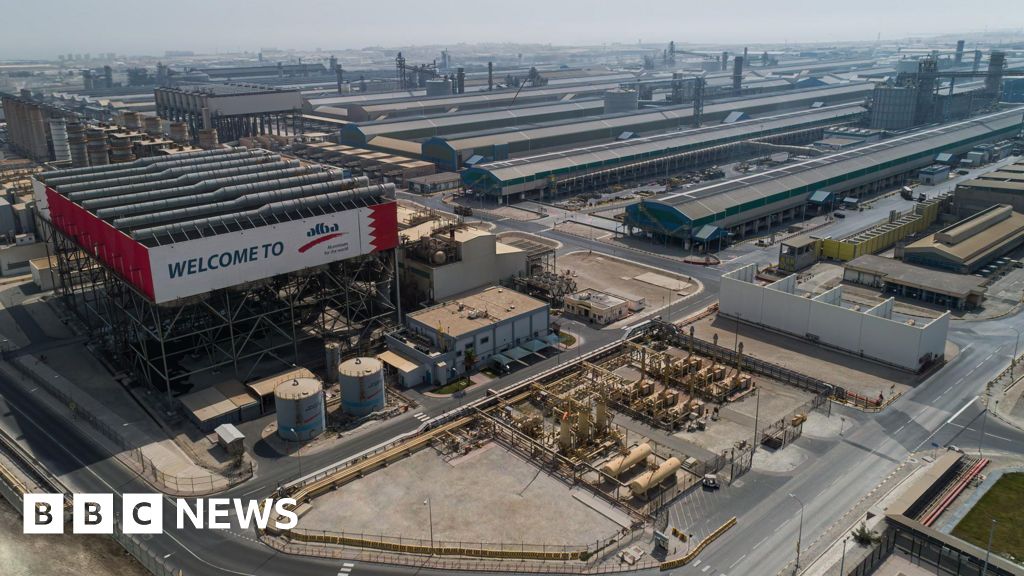
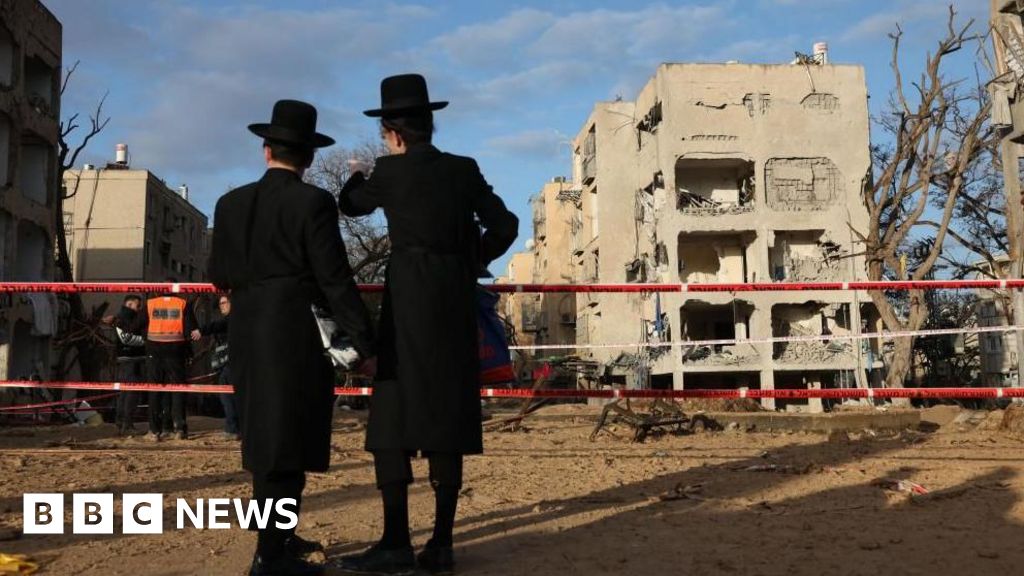
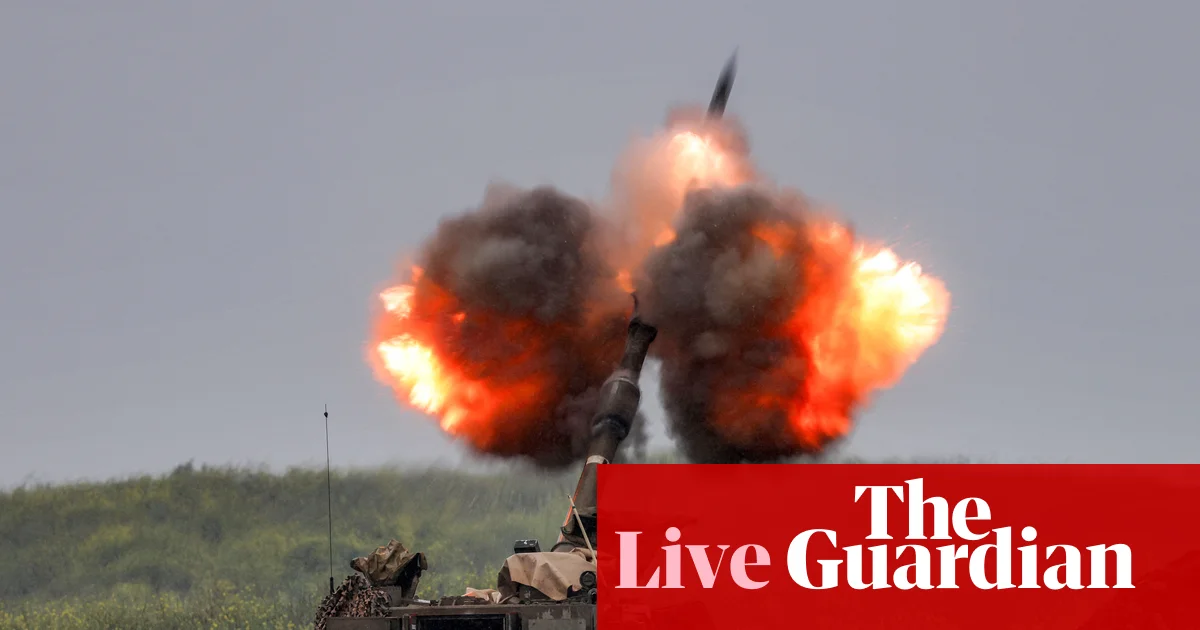
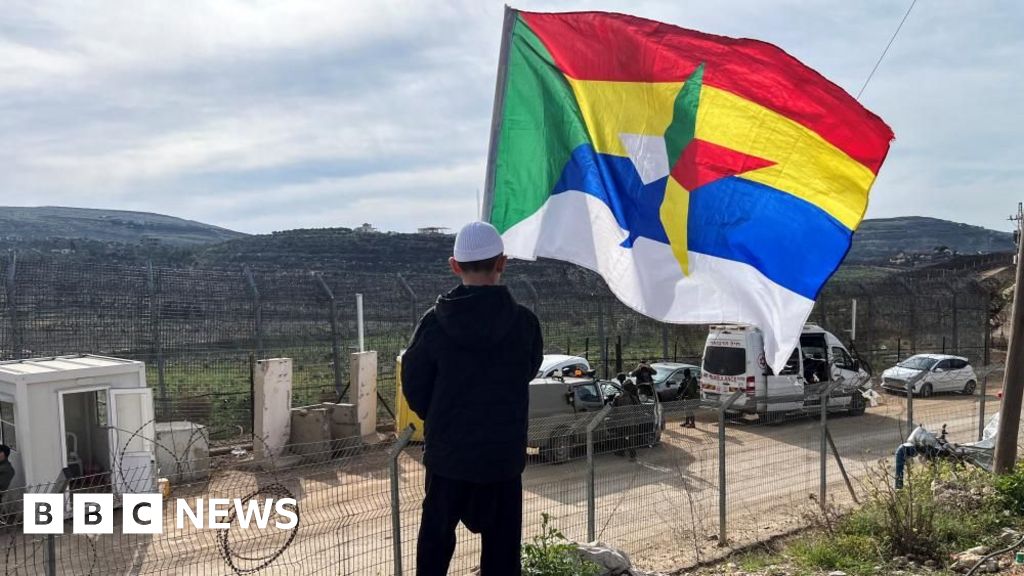
Israel responds to Druze clashes with Syria strikes

The recent escalation of military activities in the Middle East has underscored the fragile and volatile nature of the region’s geopolitical landscape. Israel, with its significant minority of Druze—a community spread across Israel, the Golan Heights, Syria, and Lebanon—has publicly defended its recent strikes as necessary measures to safeguard this unique community. This stance has complex implications, highlighting how internal security narratives often align with external regional conflicts. Historically, Israel has portrayed these operations as protective actions, particularly emphasizing the Druze’s strategic importance and their distinct identity, which sets them apart within the broader mosaic of Middle Eastern minorities.

Analysts argue this move signals a deeper shift in regional security dynamics, with Israel expanding its targeting measures beyond traditional threats. The recent offensives serve multiple strategic purposes: countering emerging militant groups, deterring hostile state actors, and consolidating its position amid ongoing conflicts. The international community remains divided; some view these strikes as vital to regional stability, while others condemn them for risking wider escalation. According to several historians and security experts, these actions may set a dangerous precedent, encouraging further militarization and possibly igniting conflicts involving neighboring states. The escalation raises urgent questions regarding the future of peace agreements in the region, especially as tensions continue to simmer beneath a fragile surface.

U.S. and European intelligence agencies observe this development carefully, warning of how decisions in Tel Aviv could reverberate across borders and influence global security frameworks. The United Nations has issued cautious statements calling for restraint but remains largely sidelined in the ongoing conflict. Regional powers like Iran and Turkey have responded with a mixture of assertiveness and strategic ambiguity, emphasizing their own interests in maintaining influence over local and regional alliances. Such reactions demonstrate the layered complexity of this crisis—where each move by Israel or its opponents has the potential to ripple through the international chessboard. Meanwhile, the Druze community’s position remains precarious; caught between their loyalty to Israel and regional allegiances, their plight exemplifies the human cost amid these geopolitical shifts.

As the dust settles over this latest chapter, international analysts recognize that the true stakes extend beyond immediate military objectives. They underscore how these relentless shifts could define the fate of future peace talks and regional stability. This ongoing saga—characterized by strategic gestures, ambiguous alliances, and the relentless march of history—leaves the world perched on the precipice of unforeseen consequences. The narrative unwinds like a shadowed valley with history’s heavy hand guiding each decision, whispering of a time when the Middle East’s destiny was forever reshaped by the choices of today. The weight of this unfolding story compels a sober reflection: in a region where borders are contested and allegiances shift like desert sands, the line between peace and catastrophe remains perilously thin.

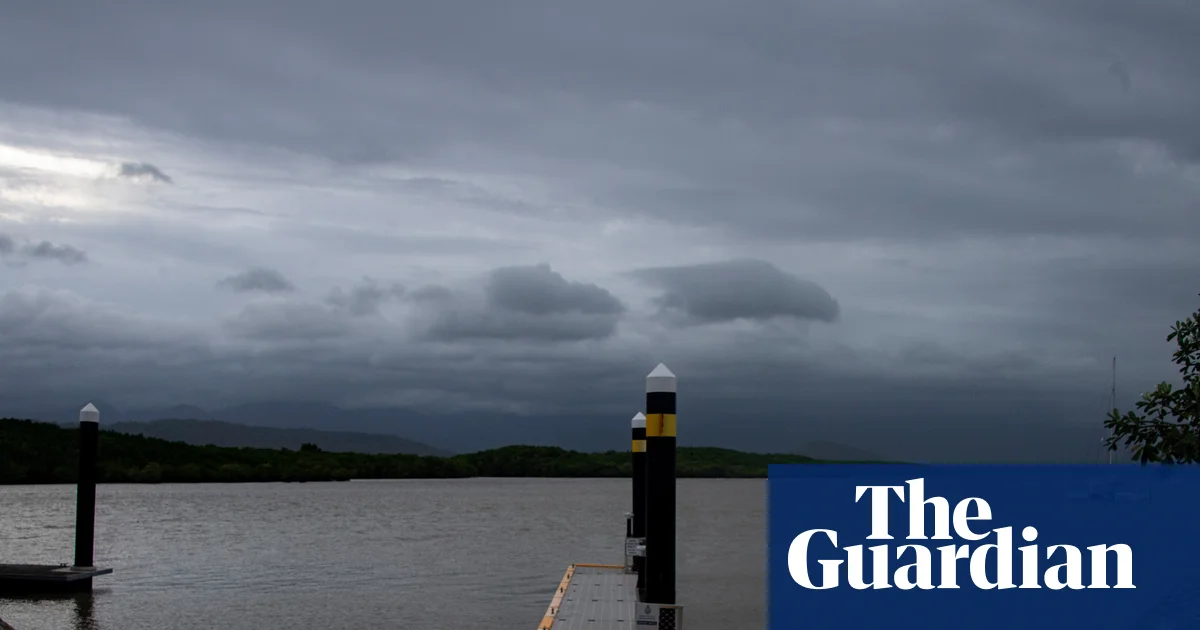
Narelle Strikes Far North Queensland with 250km/h Winds, Leaving Roofs Torn and Trees Down

Severe Tropical Cyclone Narelle: A Harbinger of Climate and Geopolitical Tensions

As Australia’s latest extreme weather event, Tropical Cyclone Narelle struck the far north of Queensland with devastating force, exemplifying the ongoing impact of global heating on natural disasters. Making landfall as a “high-end” category 4 system, Narelle’s winds reached sustained speeds of 195km/h, just shy of the catastrophic level of category 5, with gusts exceeding 270km/h. Authorities issued warnings for coastal communities like Coen and Port Stewart, emphasizing the danger of storm surges, rainfall-induced flooding, and destructive winds. This storm highlights a global crisis where climate change acts not merely as a backdrop but as a catalyst fueling more frequent and ferocious weather phenomena, destabilizing societies and threatening livelihoods.

Scientists attribute the intensification of storms like Narelle to rising ocean temperatures—an unmistakable signature of unchecked global heating. Higher sea surface temperatures provide more fuel for cyclones, allowing them to grow stronger and more unpredictable. According to climate models and international climate agencies, this warming pattern is expected to continue, meaning that coastal regions worldwide will face increasing vulnerability. The Bureau of Meteorology has warned that rising sea levels and intensified rainfall will augment the risk of coastal inundation, especially in already vulnerable communities. As analysts point out, such local catastrophes are a symptom of a broader geopolitical challenge: nations worldwide must confront the consequences of energy and environmental policies that ignore the mounting evidence of climate urgency.

Global Responses and Geopolitical Implications

  • The United Nations and other global institutions have called repeatedly for ambitious climate action, yet progress remains hampered by geopolitical conflicts and economic self-interest.
  • Major emitters like China and the United States face mounting pressure as their policies continue to influence global climate trends.
  • In the Pacific, rising sea levels threaten the sovereignty and security of island nations, fueling regional tensions and migration crises that ripple across international borders.

International analysts warn that, amidst these mounting challenges, the decision to prioritize economic growth over environmental sustainability could accelerate the destabilization of regional and global stability. Historians like Michael T. Klare have long argued that resource scarcity and environmental degradation tend to exacerbate geopolitical conflicts. In this evolving landscape, climate-induced disasters like Narelle serve as stark reminders that the future of international security depends not only on diplomacy but on genuine commitments to sustainability. The United States and European Union, for example, have begun discussions on a shared strategy to combat climate-related chaos, yet the path remains fraught with political division and economic interests.

Societal Shifts and the Road Ahead

On the ground, the impact of Narelle has been severe—roof damages, uprooted trees, and vulnerable communities bracing for ongoing threats. As experts highlight, the human toll underscores how climate disasters disproportionately affect remote and underfunded regions, thus magnifying social inequalities. The storm’s potential to produce unprecedented rainfall and storm surges risks turning local tragedies into wider crises that demand immediate international aid and strategic resilience planning. This unfolding story is not merely about weather—it is about the resilience of societies confronting a rapidly changing climate, and how international cooperation can determine their future security.

As history unfolds in the wake of Cyclone Narelle, the questions loom: Will nations reconcile their economic pursuits with the necessity of environmental stewardship? How will geopolitical power dynamics adjust in an era where climate disasters threaten to redefine boundaries and alliances? The weight of history is now in the balance, with each decision echoing through generations. The storm’s fury reminds us that while the winds of change are relentless, the choices we make today will determine whether societies emerge stronger or are swept away by the tide of history.

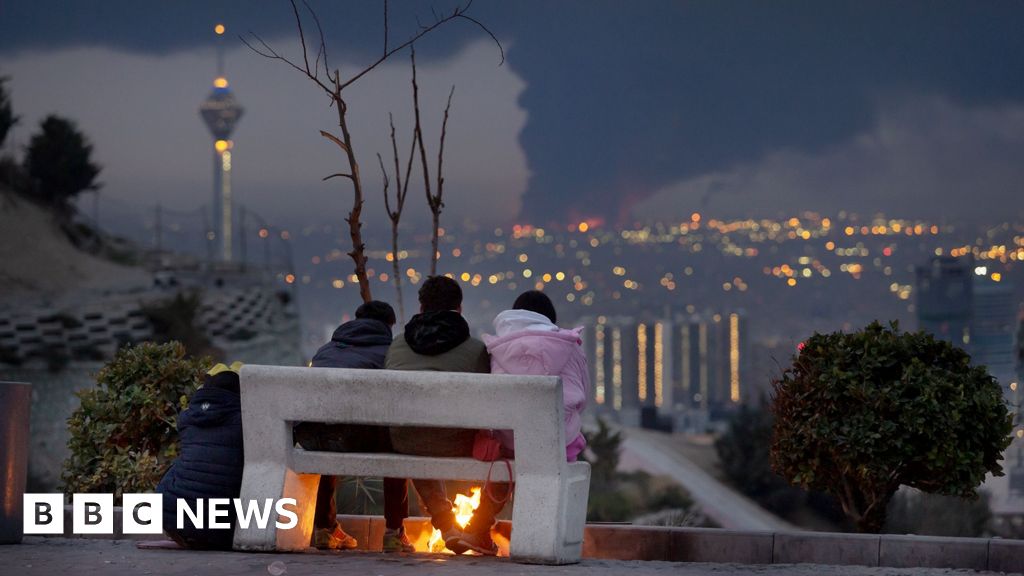
Iran under heavy crackdown and strikes: youth face mounting fear

Recent reports from Tehran underscore a situation fraught with danger and uncertainty, revealing a city caught between a sharpened conflict. According to local residents speaking with the BBC, the atmosphere in the Iranian capital is tense as Tehran faces the dual threat of increasing military pressure from the United States and Israel, while its own government endeavors to restore its authority amidst internal and regional upheaval. These developments are emblematic of a broader geopolitical confrontation that has intensified over the past few years, threatening to reshape the Middle East’s delicate balance of power.

Washington and Jerusalem’s strategic moves have been relentless, involving targeted drone strikes and covert operations in an attempt to curb Iran’s regional influence and nuclear ambitions. Experts like Dr. Laura Baker, a renowned Middle East analyst, warn that the U.S.-Israel alliance is intensifying a campaign that risks spiraling into open conflict, with Tehran retaliating through asymmetric warfare, cyber operations, and support for regional proxies. This escalation diminishes the prospects for diplomatic engagement and underscores a global trend towards confrontation rather than dialogue. Meanwhile, Tehran remains resolute in asserting its sovereignty, even as international sanctions and internal protests highlight a regime trying to consolidate power in a tumultuous landscape.

The Iranian regime’s efforts at reassertion of authority and responding to internal dissent have complicated matters further. As internal unrest swells, many analysts point to Iran’s leadership seeking to project strength externally to distract from domestic challenges. Historically, such regimes have employed ethnic nationalist rhetoric and military brinkmanship to unify their populace and deter external threats. The danger, however, lies in the potential for miscalculation. International organizations, including the United Nations, have repeatedly called for restraint, but the strategic interests of global powers often overshadow diplomatic solutions, pushing the region deeper into instability.

  • Key events include recent missile launches and increased military exercises in the Persian Gulf, signaling Tehran’s defiance against external pressures.
  • Diplomatic efforts such as the JCPOA negotiations appear stalled yet remain a critical arena for future conflict resolution or prolongation.
  • Regional repercussions are evident as neighboring countries brace for potential spillover, facing economic instability and political upheaval fuels often driven by external interference.

Historians and analysts warn that these rising tensions could fast evolve into a broader regional or even global conflict if stops are not taken. The Geopolitical Impact of the current moment is profound: nations must grapple with how decisions made today could shape the fate of generations. The U.S., Israel, Iran, and their respective allies find themselves at a pivotal juncture, with the prospects of peace slipping further away amid relentless militarization and diplomatic stalemate. The world watches as this chapter of history is written in the shadows of drones and diplomatic silence, each escalation echoing the complex legacy of a region once again teetering on the brink—an uncertain dawn beckons, holding the weight of history yet to be determined.

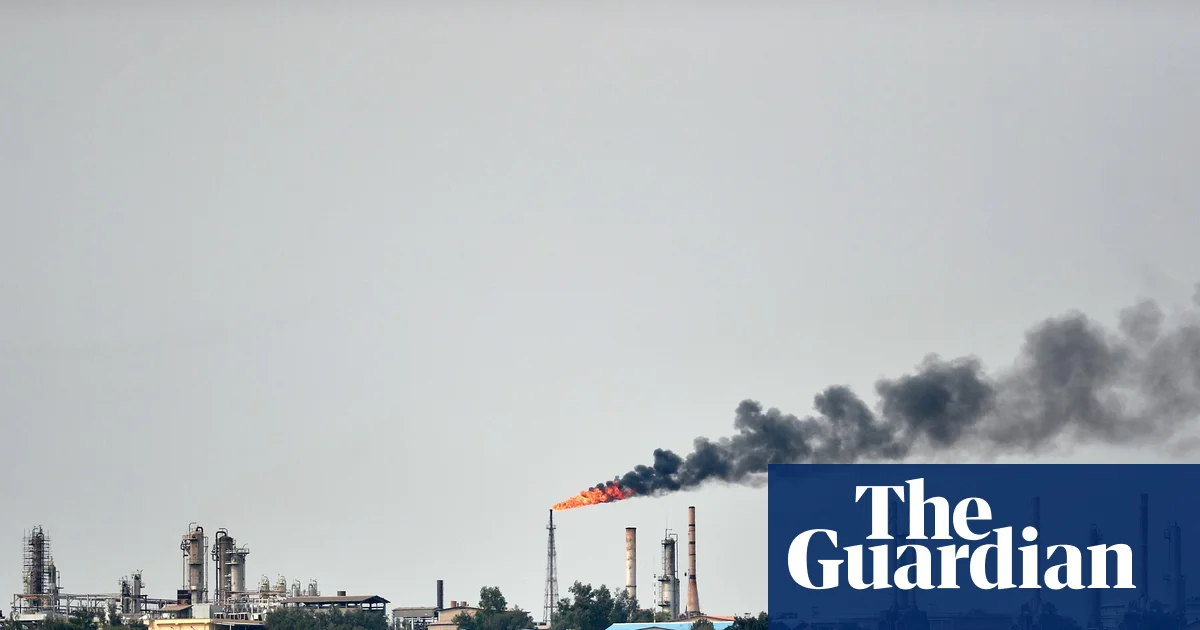
Trump: U.S. Strikes Iran’s Oil Hub in Bold Move Against Tehran’s Naval Power

The United States has struck a significant blow on Iran’s Kharg Island, a critical maritime node and a linchpin in Iran’s oil export infrastructure. President Donald Trump announced that US forces had “obliterated” military targets on the island, although explicitly spared the oil facilities themselves—an act of restraint that nonetheless signals a clear message of military dominance and intent. The strike, described by White House officials as a demonstration of strength, signals an escalation in the ongoing confrontation between the two powers and underscores how US foreign policy continues to influence Middle Eastern geopolitics amid rising tensions. The decision to target military assets on Kharg Island not only impacts Iran’s commodity exports but also sends ripples across global markets, given the strategic importance of oil in world affairs.

This covert yet provocative act comes in the wake of escalating rhetoric and military posturing. Just days prior, Iranian officials, notably Mohammad-Bagher Ghalibaf, the speaker of the Iranian parliament, warned that any attack on Iran’s territorial waters or oil infrastructure would trigger a severe retaliation. His declaration—that Iran could “abandon all restraint”—underscores the deepening hostility and the high stakes at play. Analysts warn that such threats could lead to a dangerous cycle of escalation, threatening to ignite a broader conflict in a region already volatile from years of proxy wars, sanctions, and political unrest. The International Atomic Energy Agency and other organizations monitor these developments, worried that further military aggression might spiral out of control, destabilizing the entire Gulf region and affecting global energy security.

The geopolitical impact of this latest operation is profound. Kharg Island, as the primary exit for Iran’s oil exports, is a critical choke point in the global flow of energy resources. Any disruption could cause international prices to skyrocket, with oil prices already surging past $120 per barrel and analysts speculating that further attacks could push prices as high as $150, jeopardizing global economies and fueling inflation worldwide. The deployment of approximately 2,500 Marines aboard the amphibious assault ship USS Tripoli and a flotilla of other naval assets reflects a clear message: the US is prepared to escalate military measures if necessary. Though officials deny the imminence of a ground invasion, the presence of such forces signals readiness for any contingency, raising fears of a broader conflict that could engulf the region and rewrite the balance of power in the Middle East.

Historically, this volatile period echoes Cold War-era brinkmanship, with historians and foreign policy analysts warning that miscalculations could lead to catastrophic conflict. The United Nations and neighboring nations, desperate to prevent a full-scale war, call for restraint but recognize that decisions taken today could determine the future stability of the entire region. As the winds of international diplomacy blow cold, the looming shadow of possible escalation hangs over the Gulf. The unfolding narrative remains one of tension, with each decision echoing in the halls of history, reminding the world that this critical crossroads in the 21st century is a battleground not only of armies but of ideologies, economic interests, and the enduring struggle for dominance in an increasingly fractured global order. History watches as the decisions made in this fragile moment could shape the fate of nations for generations to come, leaving us all to confront the heavy weight of an unfolding chapter in world history.

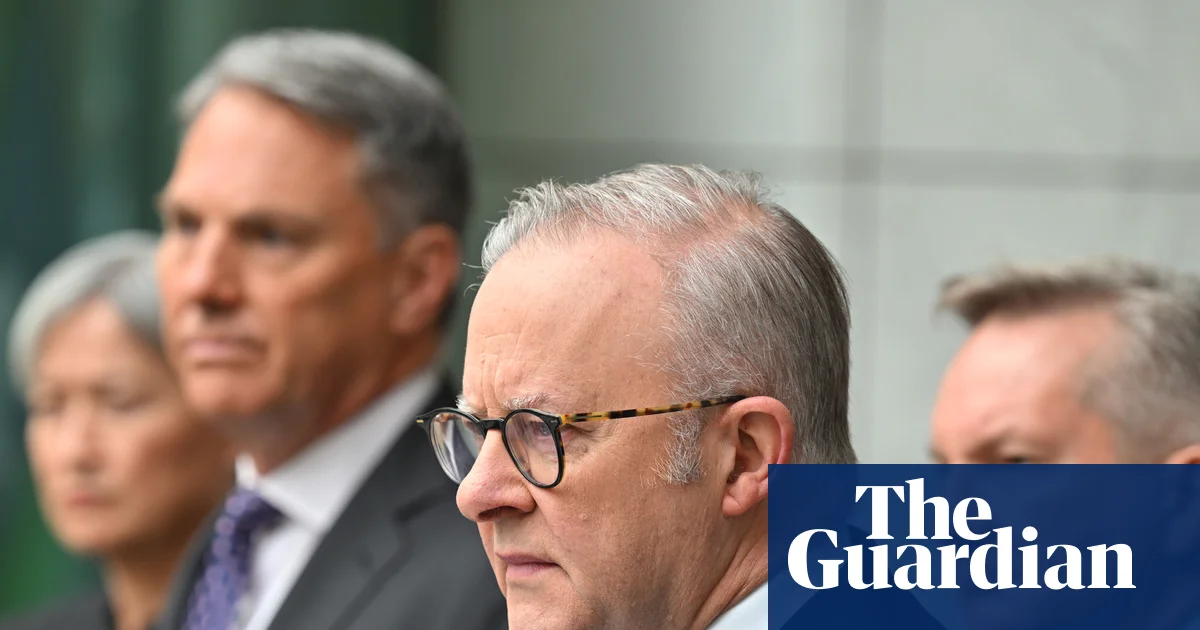
Labor MPs Concerned as Albanese Govt Ignores US-Israel Iran Strikes

In a development that underscores the escalating geopolitical tensions across the Middle East and beyond, Australiafinds itself embroiled in a complex web of international allegiances and strategic decisions. Just days after U.S. and Israel initiated their bombing campaign against Iran—a move that many international legal experts, including United Nations officials, label as a breach of the UN Charter—the Albanese government swiftly voiced unreserved support. This move has ignited criticism both domestically and abroad, highlighting a broader debate over Australia’s shifting role in global conflicts and the consequences of aligning too closely with Western military interventions.

The support materialized in an official statement issued by Prime Minister Anthony Albanese, Foreign Minister Penny Wong, and Defense Minister Richard Marles just hours after the strikes—a stark contrast to previous incidents, such as last year’s Iranian nuclear site bombings, where Australia’s endorsement was delayed by nearly a day. This rapid alignment with U.S. and Israeli narratives, emphasizing Iran’s alleged nuclear ambitions and regional destabilization, raises significant questions over Australia’s commitment to international law and its reputation as a nation that values sovereignty and diplomacy. The decision has also exposed internal divisions: while top-tier ministers publicly support the strikes, factions within Labor, especially its left, have expressed concerns about the reckless escalation and Australia’s potential unwitting involvement in a broader regional conflict.

As the conflict spreads, Australia announced it would send a specialist surveillance aircraft and stocks of air-to-air missiles to assist the United Arab Emirates in defending against retaliatory Iranian attacks. Meanwhile, there is clear evidence that sections within Australia’s political landscape are growing restless. Grassroots groups, such as Labor Against War, have criticized the government’s stance as a grave divergence from the party’s traditional principles of anti-war policy. They argue that supporting illegal acts of aggression contradicts the party’s historic opposition to the 2003 invasion of Iraq—a stance rooted in safeguarding autonomy from U.S. military adventurism and defending international law. The debate underscores an emerging rift between factions, as Labor navigates the dangerous waters of international intervention and national sovereignty.

At the international level, analysts warn that these decisions could have long-term geopolitical repercussions. Many experts, including those from global think tanks and international law organizations, caution that support for aggressive military strikes risks further destabilizing a volatile region. The United Nations continues to grapple with the legal legitimacy of the attack, with voices like UN special rapporteur Ben Saul arguing that such strikes flout the core principles of peace and security enshrined in the UN Charter. Yet, the alliance between Washington, Jerusalem, and their allies—who portray the strikes as pre-emptive measures—may set a dangerous precedent, encouraging global powers to bypass diplomatic channels and resort to military solutions. As nations watch, the fallout from these decisions could shape the contours of international politics for generations, leaving a legacy of interventionism that future generations might regret as profoundly as those history now commemorates.

With the world at a crossroads, history appears poised to record whether it is witnessing a turning point driven by principles or manipulated by power. The unfolding chapter of this crisis, written amid political disputes and international condemnations, will undoubtedly influence the geopolitical landscape. As the shadows lengthen across the Middle East and the ripple effects reach every continent, one truth remains clear: the choices made today are etching the contours of tomorrow’s history. Whether justice or folly prevails, the weight of global responsibility presses harder with each passing moment—leaving the world to wonder if the dawn of a new, perilous era has truly arrived, or if this is merely another chapter in humanity’s ongoing struggle to find peace amid chaos.

Live Nation strikes settlement in major US monopoly case, redefining the concert industry for a new generation

In a decisive shift that echoes the greater currents shaping our societal landscape, Ticketmaster—a dominant force in the realm of live events—announces its plans to open segments of its operations to rival companies. This move signifies not merely a business strategy but an emblematic act within the ongoing struggle for cultural stewardship and the preservation of collective memory. As a company that has long held sway over the gateway to our most treasured public gatherings, Ticketmaster’s willingness to diversify its partnerships may herald a broader acknowledgment of the importance of pluralism in cultural institutions.

From a philosophical vantage point, this decision can be viewed as a reflection of the delicate balance between centralization and decentralization, a theme that resonates through historical epochs. Just as Tocqueville observed the American tendency towards individualism within democratic spirit, today’s move suggests an understanding that no single entity can claim absolute dominion over the cultural conduit that connects citizens to their shared experiences. As Ortega y Gasset might remind us, culture is not merely a static relic but a dynamic process—an ongoing dialogue between tradition and innovation. Opening up Ticketmaster’s platform aligns with the notion that society must foster healthy competition to ensure that cultural expressions remain vibrant, accessible, and reflective of a burgeoning national identity.

Importantly, the significance of this shift extends beyond mere commerce, touching upon the roots of community and tradition. Live events—concerts, sports, theater—serve as societal rituals: modern-day equivalents of the Ancient Greek symposia or the medieval village feast. They forge bonds, affirm shared values, and reinforce the collective consciousness. As G.K. Chesterton famously argued, culture is a means of **affirming life’s enduring truths** amidst the chaos of change. When a company like Ticketmaster takes steps towards fostering a more open marketplace, it consciously recognizes that the spirit of community depends on maintaining accessible crossroads for vital cultural exchanges.

In a broader philosophical context, the act of opening its platform to competitors echoes the notion of culture as both memory and prophecy. As T.S. Eliot noted, true culture involves a recognition of the past’s enduring resonance while also projecting the possibilities inherent in the future. It is an ongoing process—an artful alchemy of tradition and innovation. By allowing diverse contenders into the marketplace of live events, Ticketmaster implicitly affirms that **our cultural identity is best preserved not through monopoly but through the vibrant interplay of competing visions**. Ultimately, this moment stands as a testament to the enduring human quest: to forge a society where the echoes of memory shape our hopes and dreams, guiding us towards a future rich with meaning and rooted in the enduring values of community, tradition, and shared destiny.

Explosion strikes outside US embassy in Oslo, police confirm—Stay alert, Norway.

In a startling development that underscores the fragility of international diplomacy, police authorities mobilized significant resources early this morning following reports of an explosion at an unspecified foreign embassy. The incident, which transpired at approximately 01:00 local time, has triggered immediate security alerts and raised concerns about the safety of diplomatic missions amid escalating global tensions. The response was swift, indicating the gravity with which authorities are treating what could be a targeted act of violence or sabotage against a foreign diplomatic site.

Historians and security analysts warn that acts of violence against embassies are often precursors or reflections of larger geopolitical shifts. Such incidents tend to expose underlying strains between nations, often linked to unresolved conflicts or diplomatic disputes. In this context, the event serves as a stark reminder of the potency of diplomatic vulnerabilities and the potential for isolated acts to spiral into broader crises. Global institutions such as the United Nations have long underscored the importance of protecting diplomatic missions as a cornerstone of international stability, yet recent incidents highlight that these protections are increasingly tested in an era defined by unpredictable conflicts and cyber warfare.

While official statements remain limited, sources close to the investigation suggest that the explosion could be linked to ongoing regional disputes or covert operations by non-state actors. This incident may not only jeopardize bilateral relations but could also affect wider international cooperation. Experts from the International Crisis Group and security think tanks emphasize that the decision of hostile entities to target diplomacies directly impacts international peace efforts, potentially fueling cycles of retaliation and distrust across borders. Already, some analysts fear this event could escalate tensions, prompting retaliatory actions or heightened security protocols that could hinder diplomatic engagement globally.

As the world watches this unfolding crisis, the question remains: what are the long-term geopolitical ramifications? Will this act serve as a catalyst for increased paranoia among nations, or will it foster renewed calls for multilateral security arrangements? The historical record shows that such incidents, especially against embassies, leave indelible marks on international relations, often prompting nations to re-evaluate their security doctrines or tighten embassies’ defenses under the guise of normal diplomacy.

In the shadows of these developments lies a sobering truth: the delicate fabric of international diplomacy is as fragile as it is vital. As investigators piece together the circumstances surrounding the explosion, the broader implications threaten to reshape alliances and ignite new conflicts. The coming days will be crucial in determining if this event remains a localized security concern or unfolds into a broader geopolitical crisis. History’s pen continues to write the narrative of our times, and the world must prepare for whatever chapters lie ahead—an epoch where diplomacy must stand resilient in the face of mounting chaos.

Iranians Say US-Israeli Strikes Make Every Day Feel Like a Month—A Bleak Reality for Youth

The ongoing crisis in Iran continues to roil the nation as widespread strikes, internet blackouts, and brutal security crackdowns redefine the country’s socio-political landscape. Citizens, seeking to voice their discontent against a backdrop of oppressive governance, are facing an escalating campaign of repression designed to stifle dissent and maintain the status quo. This internal chaos is not only damaging Iran’s social fabric but also has significant geopolitical implications for the wider Middle East and global stability.

Amidst the turmoil, ordinary Iranians are struggling to stay connected with loved ones. Daily protests and strikes have become a common feature across cities such as Tehran, Mashhad, and Isfahan, as citizens demand political reform, economic relief, and greater personal freedoms. Meanwhile, the government has responded with a calculated tightening of control, resorting to internet shutdowns and violent crackdowns to suppress the burgeoning movement. Human rights groups have reported that such measures are intensifying, with reports of security forces using live ammunition and mass arrests to quash protests. These actions have drawn widespread condemnation from international observers who see Tehran’s crackdown as a testament to the regime’s vulnerability and desperation to preserve its grip on power.

Notable analysts, including those from organizations like the United Nations and think tanks specializing in Middle Eastern affairs, warn that the escalation of internal strife could destabilize the region further. Historically, Iran’s internal stability has been paramount to the balance of power in the Gulf, influencing everything from oil markets to regional alliances. Any significant upheaval risks emboldening Iran’s regional adversaries, particularly in areas where Iran’s influence has historically been challenged. Some experts suggest that this internal crisis might force the regime to pivot toward more aggressive foreign policy postures or confrontational stances to divert attention from domestic issues.

Discontent within Iran is also fueling debates on the impact of international sanctions, economic hardship, and ideological repression. The country’s leadership continues to face accusations of using radical measures to suppress a populist uprising, even as the pressure from external actors intensifies. The situation echoes warnings from historians who track the rise and fall of authoritarian states: when legitimacy erodes and repression intensifies, the scale of potential upheaval can grow exponentially. As the world watches, the fate of Iran remains a pivotal chapter with the power to reshape regional alliances and redefine global energy security.

As the nation teeters on the brink, history lingers in the shadows of these burgeoning events. With every death, every arrest, and every blackout, a question persists: will this volatile chapter forge a new future, or will it plunge Iran into deeper chaos? The answer remains elusive, yet the unfolding story continues to bear witness to a critical moment — one that will undoubtedly leave an indelible mark on history’s collective memory. The global community must remain vigilant, for the repercussions of Iran’s internal struggle are far more than regional — they are a testament to the enduring struggle for freedom and sovereignty amid the shadows of authoritarian power.

US-Israel Strikes Persist as Iran Retaliates on Day Two

Recent developments in the Middle East underscore a rapidly escalating regional crisis that threatens to reshape international stability. In Israel, a missile strike in the city of Beit Shemesh has resulted in the tragic loss of nine lives, highlighting the ongoing volatility that has gripped the area. While the Israeli government has yet to admit any involvement in military operations in that specific incident, the strike underscores the persistent danger that conflict poses to civilian populations. Meanwhile, Iran reports a far more devastating incident, claiming that a strike on a school resulted in the deaths of at least 153 individuals, including children—a toll that reflects the devastating human cost of regional hostilities. Iranian officials have explicitly blamed the US and Israel for backing actions that have led to this tragedy, intensifying the narrative of mutual distrust and blame that dominates regional discourse.

Across neighboring nations, the toll of the conflict continues to mount. UAE authorities confirmed that three individuals have been killed since Saturday, in what they describe as Iranian attacks. In Kuwait, reports indicate that at least one person has been killed in similar hostilities. These developments serve as a stark reminder of how the conflict is spilling beyond Israel and Iran, threatening to engulf the entire Gulf region. Analysts and international organizations, including the United Nations, warn that this cycle of violence risks escalating into a broader regional war—a conflict with the potential to destabilize the entire Middle East and threaten vital global energy supplies. Historians recount how previous flare-ups, such as the 2006 Lebanon War, underscored the devastating consequences of unchecked regional conflicts, warning that current events might echo those darker chapters but on an even larger scale.

This escalation also underscores the increasing international uncertainty and the troubling dynamics of alliances and antagonisms. The United States Central Command (Centcom) has stated it is investigating reports of the incident in Iran, demonstrating the complex web of intelligence and military interests at play. Israel, meanwhile, claims to be “not aware” of any military operations in the area—itself a narrative that glosses over the clandestine and often deniable nature of modern warfare. The rising tensions reflect a broader geopolitical strategy by Iran and its allies to challenge U.S. and Israeli hegemony in the region. Conversely, Israel and its allies seek to project power and deter Iran’s expanding influence, leading to a dangerous game of brinkmanship. The stakes are high, with each incident potentially igniting a larger conflagration that could threaten global stability if diplomatic efforts fail.

As the region teeters on the precipice of open conflict, international voices have raised dire warnings. Experts note that the recent surge in violence marks a *turning point* in Middle Eastern geopolitics, where traditional borders and alliances are being tested and reshaped. With history’s lessons echoing—such as the series of wars and conflicts that have defined this tumultuous region—many caution that decisions made in the coming weeks will determine whether peace can be salvaged or whether chaos will reign supreme. The world’s eyes remain fixed on this volatile area, where every missile fired and every civilian lost continues to write a new chapter in a story of conflict and resilience—a story still being written, with the shadow of history looming large over an uncertain future.

Politics Update: Marles Denies Australia in Iran Strikes; Wong Highlights 115,000 Aussies in Crisis Zone as Flights Drop

The geopolitical landscape of the Middle East has once again shifted into a state of heightened tension, prompting international concern and urgent diplomatic responses. The recent escalation of conflict, coupled with the threat of Iran’s nuclear ambitions, has provoked decisive actions and warnings from many nations. Australia, traditionally cautious in foreign policy stance, finds itself in a precarious position as regional stability teeters on the brink of chaos. Recent updates from the Australian government reveal a sharp shift in posture, emphasizing the safety of its citizens abroad and the stability of its own energy supplies amidst regional turmoil.

In a notable development, Penny Wong, the foreign affairs minister, announced that Australians should brace for significant travel disruptions, as conflict unfolds in Iran and across the broader Middle East. Her statement underscores the severity of the situation, with many Australian nationals currently stranded due to airspace closures and ongoing hostilities. With approximately 115,000 Australians reportedly in the region—including thousands traveling routinely through major hubs—Wong’s warnings reflect the dire implications of the recent hostilities. Australian ambassadorial efforts remain focused on facilitating commercial flights that, as of now, have been largely disrupted or canceled, emphasizing the country’s stance on prioritizing its citizens’ safety.

Meanwhile, Canberra maintains a cautious approach externally, officially supporting efforts to prevent Iran from acquiring nuclear weapons but distancing itself from the recent US-Israeli strikes. Richard Marles, Australia’s defense minister, explicitly stated that Australia was not involved in the recent targeted strikes, including those at joint US facilities located on Australian soil. His comments align with Australia’s long-held policy of non-participation in foreign military interventions unless directly impacted or authorized, yet the clear support for preventing nuclear proliferation signals a nuanced stance. International analysts and think tanks emphasize the geopolitical impact of these moves, which could lead to further regional instability, affecting global markets, especially energy supplies.

Notably, the conflict’s ripple effects threaten to disrupt global energy security, with Barnaby Joyce, a prominent Australian politician, warning of potential petrol shortages. His remarks highlight Australia’s energy vulnerability, given that the nation maintains less than the recommended 90 days of fuel reserves advised by the International Energy Agency. As global tensions drive up oil prices, Australia’s reliance on imported fuel leaves its economy exposed to shocks from the Middle Eastern conflict. This development underscores the broader geopolitical impact of regional unrest, where decisions by powerful nations like the US and Israel resonate worldwide, shaping economic realities and societal well-being.

Within Australia, domestic politics also feel the tremors of foreign turmoil. The government faces pressure to address mounting security concerns, alongside ongoing issues like the state of hospital infrastructure in New South Wales. A recent surprising revelation exposed hundreds of hospitals grappling with serious maintenance problems, including insect infestations and structural damage, which health officials are quick to label as potentially just the “tip of the iceberg” in an overburdened system. Such crises reveal that beyond international conflicts, societal stability depends on internal resilience—yet, as analysts warn, these domestic issues pale in comparison to the harrowing geopolitical battles unfolding abroad. The unfolding story remains a stark reminder: as the empire-building and regional conflicts intensify, the very fabric of society may unravel if nations fail to balance their foreign commitments with the urgent needs of their citizens.

As history continues to write itself, the weight of these decisions hangs heavily in the balance. The fate of Australians overseas, the stability of the Middle East, and the global order itself are intertwined in a narrative that refuses to be easily unraveled. The choices made today—be it in Canberra, Washington, or Jerusalem—will echo through the annals of history, shaping a world in which the calm before the storm is over, and the storm itself has only just begun. In this delicate dance of diplomacy and power, the echoes of past conflicts remind us that the true test of leadership lies not in the words spoken but in the actions taken—actions that will be remembered long after the current flashpoints have faded into history’s shadows.

Social Media Auto Publish Powered By : XYZScripts.com