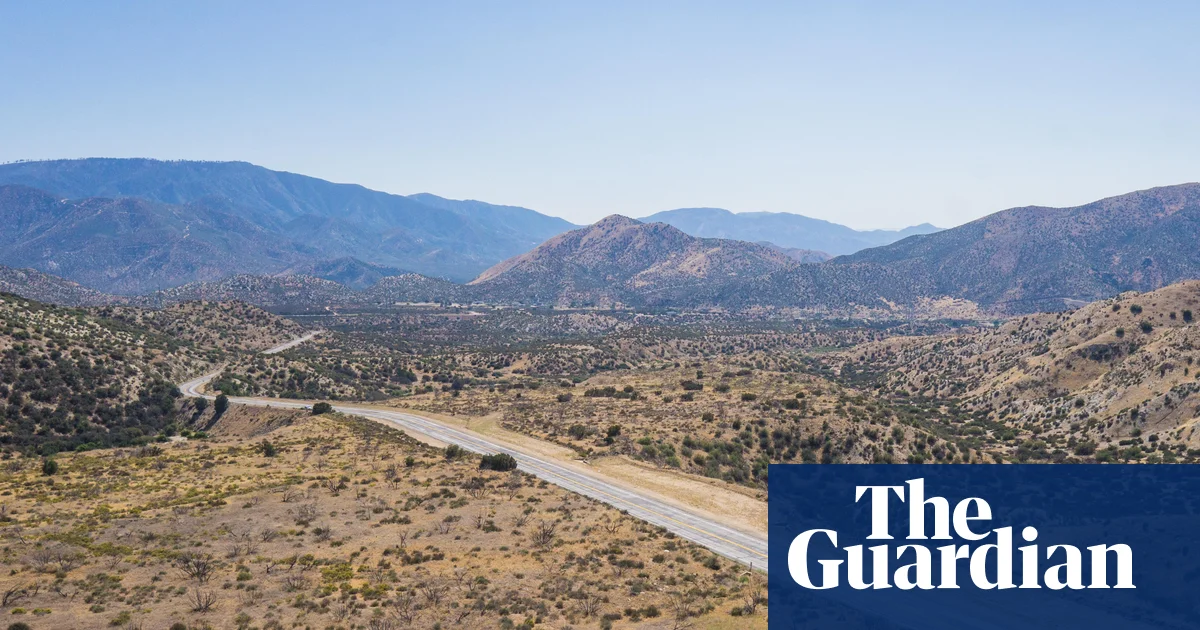

Recent developments in the United States underscore the mounting impact of climate change on societal stability and international security. The death of Levi Vargas, a Los Angeles County sheriff’s deputy, during a desert relay race highlights the tangible consequences of a rapidly changing climate. Vargas, only 30 years old, succumbed amid a series of extreme heatwaves across the US southwest—a region that has shattered historic temperature records this March. These unprecedented conditions have resulted in increased health emergencies, strained emergency response systems, and a growing sense of vulnerability, especially among frontline workers and law enforcement on the frontlines of both climate and societal crises.
- Extremely high temperatures have prompted national weather agencies, including the National Weather Service, to issue health alerts across multiple cities, signaling a warning to policymakers about the intense, ongoing climate crisis.
- Such climate-related tragedies are not isolated incidents but are indicative of a broader geopolitical landscape where resource scarcity, water shortages, and natural disasters threaten to destabilize nations, particularly those in vulnerable regions.
- Experts, including analysts from the United Nations climate division, warn that these extreme weather patterns—most notably the historic heatwaves—are accelerating a cycle of environmental degradation that could ignite regional conflicts and destabilize social order.
This climate emergency comes at a critical juncture, with global leaders grappling with decisions that will shape not only environmental policies but also international power dynamics. Russia and China, for example, have become increasingly strategic in their resource negotiations, positioning themselves to capitalize on the chaos wrought by shifting weather patterns and ecological upheavals. Meanwhile, Europe faces its own scorched landscape and drought firefighting challenges, testing the EU’s unity and capacity for unified action. These national responses, or lack thereof, will undoubtedly influence the course of future geopolitical stability, especially in regions where water and food security are already under threat.
The ripple effects of climate-induced chaos extend into the geopolitical arena, where international treaties such as the Paris Agreement face renewed scrutiny. Critics argue that these accords have so far been insufficient and that a failure to implement meaningful emissions reductions only exacerbates the crises that threaten global peace. Meanwhile, nations like India and Brazil, rich in natural resources but politically unstable or economically dependent, are at risk of falling further behind in the fight against climate change. As history’s guardians debate their next moves, analysts warn that neglecting these environmental emergencies could foster a future where conflict, displacement, and societal collapse become commonplace.
In the shadow of a planet teetering on ecological crisis, the death of a dedicated officer amid record heat serves as a stark reminder: the decisions made in boardrooms, capitals, and international forums today bear the weight of history. Will the world unite in substantive action, or will it watch as the unfolding chapters of climate chaos rewrite the geopolitical landscape—erasing borders, shifting alliances, and reshaping society itself? As the story continues to unfold, one thing remains clear: the true challenge lies not just in weathering the storms of today, but in forging a sustainable future where such tragedies become a relic of the past rather than a grim precursor of what’s yet to come.