Matox News

Truth Over Trends, always!

Top Bath Towels in the US: From Plush Comfort to Fast-Drying Picks for the Modern Youth | Life & Style

In an era where lifestyle choices increasingly emphasize wellness, quality, and meaningful experiences, the humble bath towel is experiencing a subtle yet significant renaissance. This shift underscores a broader cultural movement towards personal impact—not just in health and leisure, but in creating daily routines that resonate with intentionality and value. From the soaring popularity of premium brands to minimalist innovations, the focus now is on investing in products that truly enhance comfort and inspire a sense of luxury, no matter the budget.

Leading the charge in this perception of elevated self-care are brands like Parachute and Brooklinen, which are redefining what we expect from everyday essentials. These companies are tapping into the renaissance of slow living and wellness by offering bath towels crafted from Turkish cotton—long fibers that promise excellent absorbency and plushness. Detailed product testing reveals that these towels—such as the Parachute Organic Super Plush—not only exceed conventional standards in thickness but also perform admirably in absorbing water without feeling damp, giving users a tangible sense of luxurious self-care. Such products do more than dry—they foster a sense of personal impact, making the act of drying off a moment of quiet indulgence rather than a mundane chore.

But the trend extends beyond just quality. Consumers are now more conscious of the **lifecycle of their products**, seeking options that combine durability and economic value. Companies like Brooklinen and Costco have pioneered towels that strike this balance, offering dense, quick-drying options that don’t sacrifice style for function. The Brooklinen Super-Plush towels, for example, feature vibrant colors and a dense weave rated at 820 grams per meter, making them a statement piece in any bathroom while delivering on practicality. Meanwhile, the Costco Charisma 100% Hygrocotton Towel exemplifies accessibility, providing quality at an affordable price, thus empowering consumers to make choices aligned with their values of sustainability and cost-effectiveness.

Lifestyle As Investment

True shifts in living are about embodying values and recognizing that the products we surround ourselves with directly impact our health, leisure, and inspiration. As wellness experts like Dr. Michael Breus underscore, everyday routines—such as drying off with an ideal towel—are part of a broader strategy for mental and physical well-being. Carefully selected, high-quality towels offer more than just comfort; they foster a culture of intentional self-investment. It’s about embracing a lifestyle where every action, from the moment you step into the shower to the final wrap of a plush towel, is calibrated to bolster your personal impact and reinforce your values—be it sustainability, craftsmanship, or simple everyday luxury.

  • Tip: Opt for towels with long fibers like Turkish cotton for superior absorbency and longevity.
  • Hack: Reduce your washer’s spin speed to prolong the life of dense, plush towels, balancing durability with softness.
  • Insight: Don’t underestimate the power of a towel—it’s a detail that communicates your overall lifestyle ethos.

The Journey Continues

In the end, lifestyle is a continuous journey—an embracing of wellness, quality, and self-impact that extends beyond accessories to shape our habits and priorities. Whether you choose a feather-soft Turkish towel, a vibrant set that livens your bathroom, or a practical quick-dry option for on-the-go, each choice reflects a conscious step toward living intentionally. As Douglas Adams humorously pointed out, the simple act of carrying a towel symbolizes preparedness and adaptability—virtues that resonate on a personal and cultural level. When viewed through this lens, every glowing thread and absorbent fiber become a testament to the power of small, deliberate decisions—each one paving the way toward a more fulfilling, self-aware life.

Thursday’s Must-Know: French Cabinet Shake-Up, Bold Naked Cyclists & the Heroic Pup | Life & Style

In an era where lifestyle shifts and personal impact take center stage, the way we engage with entertainment, technology, and even wellness is transforming rapidly. From the nostalgic allure of legendary artists like Kate Bush to the latest innovations in corporate security, today’s cultural landscape reflects a dynamic intersection of tradition and innovation. It’s not just about passing time; it’s about embracing a lifestyle that fuels inspiration and personal growth, even amid the fatigue of modern life.

Consider the cultural phenomenon of the Thursday news quiz, a digital tradition that taps into youthful curiosity and the desire for wellness through knowledge. It challenges participants to stay informed with playful questions — from the number of Academy Awards won by venerable actresses like Katharine Hepburn to a quirky, yet impactful protest by naked cyclists in Portland. This quiz isn’t merely about trivia; it embodies a lifestyle of continuous learning. Through engaging with such content, young minds find a space for sharp wit, cultural awareness, and even a bit of rebellion against the mundane, fostering a sense of ownership over their lifestyle and self-improvement.

Meanwhile, the way wellness is evolving is embodied in developments like the biometric access control system at a Manhattan skyscraper — an embodiment of technological integration with personal privacy considerations. The push towards embracing cutting-edge tech doesn’t merely enhance convenience; it represents a commitment to personal security and health in the digital age. Wellness experts like Dr. Daniel G. Amen advocate for deliberate tech use, emphasizing that balanced integration can empower us without compromising privacy or mental well-being. These shifts highlight an essential truth: living intentionally with technology can elevate one’s lifestyle, making health and leisure not just possibilities but everyday realities.

Ultimately, life is about the journey—a constant interplay of discovery, resilience, and embracing the new while respecting the roots. Whether it’s celebrating a heroic dog like Hendrix, who led a rescue in Florida, or finding inspiration in an artist like Kate Bush, whose music fuels charitable acts, the narrative remains clear: a lifestyle rooted in curiosity, adaptability, and purpose leads to a more vibrant, well-lived life. As these stories interweave, they remind us that our personal impact—health, leisure, knowledge—is a reflection of our willingness to engage with the world authentically. It’s a pursuit that, ultimately, turns daily living into an ongoing story of empowerment and inspiration.

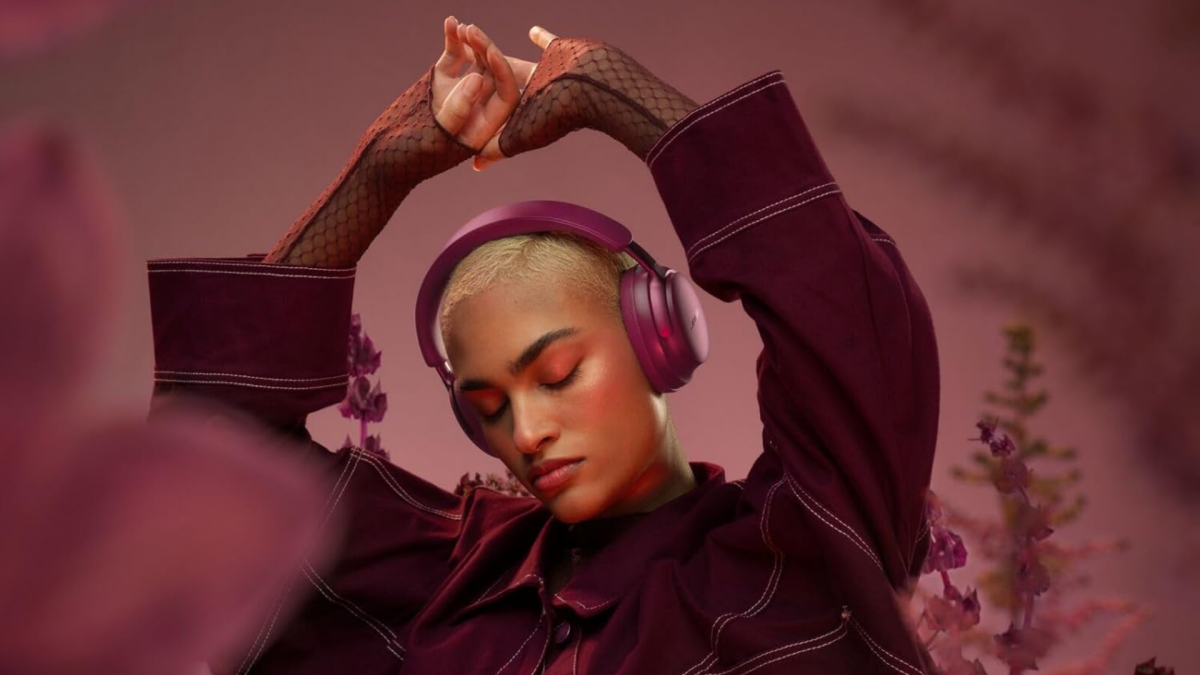
Snag the Bose QuietComfort Ultras for just $284—Save $145 for a limited time and stay ahead in style and sound!

The New Wave of Lifestyle: How Tech Deals Shape Our Cultural and Social Landscape

In a world pulsing with constant innovation, consumer technology trends continue to redefine the way younger generations connect, work, and entertain. This season, the buzz is centered around not only groundbreaking products but also a societal shift driven by massive online deals and the desire for the latest gadgets at irresistible prices. Amazon’s recent Prime Big Deal Days exemplifies this cultural phenomenon, with hundreds of deals reaching record lows and symbolizing a new form of digital lifestyle ownership that’s increasingly tied to social status and personal expression.

At the forefront of these trends are products like the Bose QuietComfort Ultra headphones. For the first time ever, the ultra-premium headphones have dipped below $300—specifically, a stunning $145 discount to just $284. The fact that this deal is available only in the Deep Plum color further highlights how brands are now cultivating a sense of exclusivity and individual style, resonating deeply with a generation eager to showcase personal identity through choice of accessories. These headphones aren’t just tools for better sound; they symbolize a societal shift toward prioritizing comfort, quality, and personalized aesthetics. As reported by influencers and tech analysts, this confluence of luxury and affordability is transforming how youth perceive their everyday tech, making it an extension of their #personalbrand and social currency.

This evolving lifestyle is underscored by a broader trend: the integration of high-tech gadgets into everyday life as social symbols. Leading sociologists argue that these tech purchases are serving a dual purpose—enhancing personal productivity while serving as a statement of modern identity in a digital age. The days of simply owning gadgets are fading; now, early adopters and trendsetters look for exclusive, stylish, and functional items that can double as conversation starters, especially amid a thriving culture of social media showcasing. As the younger demographic continues to influence market dynamics, companies like Bose are not just selling headphones—they’re selling a lifestyle rooted in tech-savviness, individualism, and social relevance.

Adding a layer of complexity, experts suggest that this consumer behavior is also reflecting a deeper societal shift toward **”digital exclusivity”** —where owning the latest tech isn’t just practical but a manifestation of social status. The review of Bose’s first-generation Ultra models highlights their comfort and battery life—the qualities favored by youngerusers. The fact that such high-end products are now more accessible than ever signals a shift in how youth engage with luxury, emphasizing entertainment, convenience, and identity expression over mere functionality. With brands tailoring limited editions and colorways to appeal to specific subcultures, we are witnessing the emergence of an entire consumer class for whom tech is not just utility but a form of cultural expression.

Yet amidst these cultural shifts, a poignant question arises: what does this evolving relationship with technology say about our future societal values? If the current trajectory suggests that possessions are becoming symbols of identity and social standing, then the next big question isn’t just about *what* we buy but how our shared consumption patterns shape societal norms. As influencers and sociologists debate whether this new tech-centric lifestyle fosters authentic self-expression or superficial status, the real puzzle remains: are we paving a future where our gadgets define us more than our actions or character? This ongoing societal experiment might redefine not only our trends but also the very fabric of social status in the digital age—nudging us toward a world where the line between lifestyle and social currency is increasingly blurred.

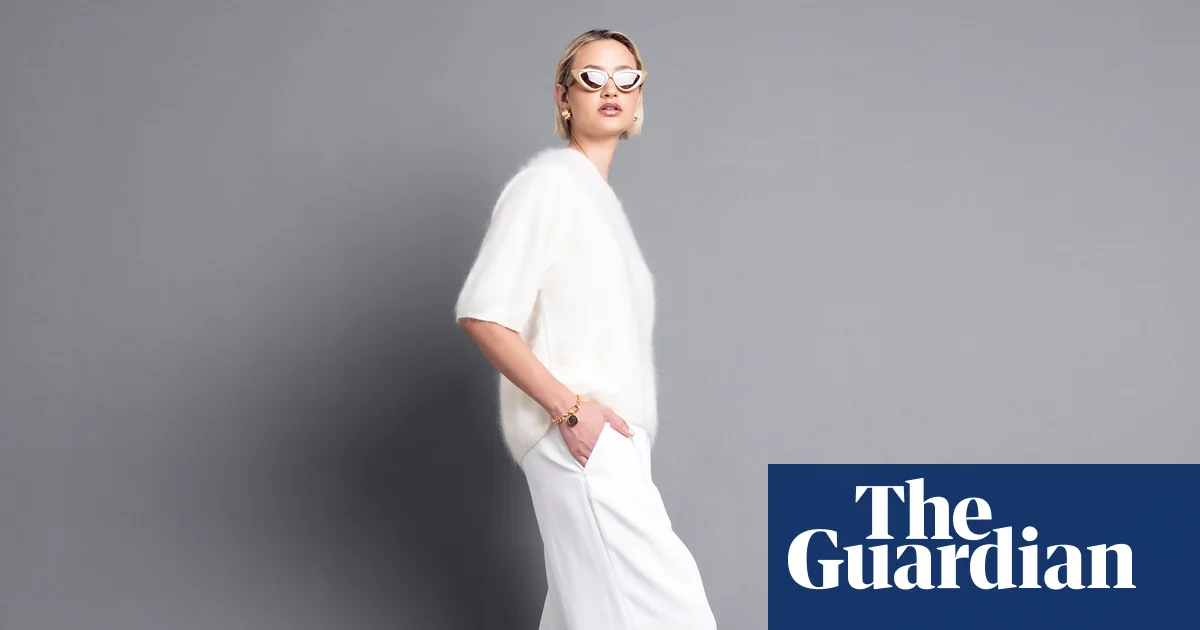
Jess Cartner-Morley on Fall Fashion: Go All-In on White Shades — No Rules, Just Style

The Rise of Winter White: A Cultural Trend Reimagined

In recent fashion circles, winter white has emerged as the unexpected star of the season, redefining not just how we dress but also touching on larger societal shifts towards minimalism and sophistication. Drawing inspiration from the elegant aesthetics of The White Company and reimagined through the lens of visionary designers like Sheila McKain—whose background spans Donna Karan, Jaeger, and Oscar de la Renta—the trend elevates traditional winter wear to a statement of calm luxury and discreet confidence.

This movement isn’t just about aesthetics; it’s a cultural statement challenging ingrained notions of color as expressive of mood or identity. Instead, white—particularly shades like cool-toned scandi, creamy porcelain, and warm butter—is now positioned as a powerful tool for social signaling—signaling restraint, elegance, and a nuanced approach to style that resonates with a generation seeking authenticity without excess. Influencers like Tiffany Hsu are showcasing this new winter wardrobe, emphasizing how this clean color palette acts as a blank canvas for personal expression while remaining effortlessly sophisticated.

Beyond clothing, the cultural impact of this white renaissance extends into lifestyle and social values. Embracing white attire embodies a shift towards simplicity and intentionality, resonating with a younger demographic eager to balance style with social consciousness. As fashion analysts interpret this trend, they note that it’s not about being one-note but about embracing a broader spectrum of whites: from transparent and beige to subtle greys—an inclusive approach that redefines what “white” can be. This plays directly into the current societal penchant for individuality within conformity, where less is more, yet more is also more—more textured, more nuanced, more meaningful.

The significance of this trend is vividly captured through candid celebrity renders and street style takes, making it clear that winter white is no longer reserved for the privileged or the ultra-formal. Instead, it’s becoming a versatile style that bridges professionalism and leisure, lending itself to a range of contexts — from high-street shopping to high society galas. As this visual aesthetic gains momentum, it raises an intriguing question: will our society’s collective jump to purity and minimalism in fashion signal an even deeper societal desire for clarity and stability amidst chaotic times? Is the dominance of white simply a fleeting trend, or a reflection of a larger cultural pivot towards purity and authenticity?

Dress to impress: London’s latest exhibition marks 60 years of iconic film and TV costumes—where style meets history

In an age dominated by fast fashion and superficial trends, the art of authentic costume-making has experienced a renaissance—thanks to institutions like Cosprop. Founded in 1965 by costume designer John Bright, Cosprop set out with a clear mission: to recreate garments with historical accuracy, providing a tangible link to the past and elevating the visual storytelling of film and television. Over the past six decades, this commitment to craftsmanship has made Cosprop an iconic figure in the world of costume design, shaping some of the most recognizable outfits in cinematic history—from Colin Firth’s wet-shirt scene in Pride and Prejudice to Meryl Streep’s pioneering safari gear in Out of Africa.

Today, the cultural impact of Cosprop’s work extends beyond the screen. The recent exhibition, Costume Couture, at the South London’s Fashion and Textile Museum exemplifies how historical accuracy in costume design is not merely about aesthetics but about preserving and interpreting history. It showcases a rich collection of outfits from award-winning films and TV dramas, emphasizing the social relevance of authentic craftsmanship in a society where mass-produced replicas often dominate. Influencers, sociologists, and even industry analysts stress how these garments serve as visual anchors, reminding us that fashion is culture-shaped—a living history of societal values, power dynamics, and artistic expression.

What is particularly striking about Cosprop’s approach is its dedication to keeping old techniques alive. Their artisans employ methods reminiscent of haute couture houses like Chanel or Dior—techniques that have largely been lost to speed and automation. Keith Lodwick, a film historian and curator of the exhibition, highlights how these traditional skills—alterations, millinery, hand sewing—embed a sense of authenticity and craftsmanship that mass production simply cannot replicate. As Bright explains, these garments aren’t just costumes—they’re “clothes, not costumes,” designed to give viewers a genuine experience of another era. This revival of craftsmanship raises an important question: in a future increasingly defined by disposable trends, can the return to these techniques influence a shift toward more meaningful, lasting fashion?

As the cultural debate about fashion’s social role intensifies, many wonder if this focus on authenticity will have a ripple effect. Will it challenge the superficiality of “costume” as seen in exaggerated, heavily stylized series like Bridgerton? Bright contends that in times of societal turbulence, audiences gravitate toward historical dramas because they offer a glimpse of a “better” past—a desire rooted in nostalgia and hope for stability. Yet, beneath the surface lies a more profound movement: the call for fashion that tells a story rooted in truth. As this trend progresses, the big question remains—will society embrace a future where authenticity in fashion and storytelling becomes a mandate instead of an afterthought?

Stay warm and bold: The coolest puffers, parkas, and leopard print coats to slay fall and winter style

As seasons change and autumn whispers its arrival, a new society-wide obsession begins to brew: the coat. Far beyond mere insulation, this garment transforms into a cultural statement, reflecting an evolving social landscape that young consumers are increasingly eager to define and redefine. The shift is obvious — from the classic navy trench to bold, pop-of-colour puffer jackets, coats are now more than just functional; they’re powerful symbols of identity, social status, and environmental consciousness. Influencers like Chiara Ferragni and sociologists like Dr. Antonia Hart highlight how this season’s coat choices mirror a society hungry for self-expression while seeking authentic expressions of sustainability in fashion.

The social relevance of this trend is undeniable. Fashion experts now observe that bold colours and vintage repurposing are dominating the scene, signaling a move toward individualist expressions amid a backdrop of collective societal transformation. The iconic leopard-print coat, once a symbol of rebellion, now signifies empowerment and a desire to stand out in a sea of conformity. Meanwhile, the rise in sustainable, recycled coats speaks to a societal shift that values conscious consumption. Major brands like Rains and Nobody’s Child are responding with innovative, environmentally friendly designs that cater to a generation increasingly aware of their social footprint, fostering a culture where fashion becomes a statement of hope and activism.

Pop of Colour and the Social Impact

This season’s pop of colour isn’t just about standing out — it’s about standing up. Bright, eye-catching hues such as emerald green and burgundy are now embedded in everyday wardrobe staples, challenging traditional notions of muted autumn fashion. Influencers celebrated for their daring style choices are inspiring millions to embrace these bold statements—transforming coats into wearable activism. Sociologists have noted that this cultural shift emboldens young consumers, encouraging them to see fashion as a portal for expressing values and social allegiance. From a leopard print to a pink wool jacket, clothes are no longer passive; they’re active gestures in societal dialogues, amplifying voices that seek autonomy and self-love.

The Next Big Question

As we admire the daring colors and environmental commitment, a pressing question remains: Will this movement toward individualism and sustainability redefine our very notion of style? With major brands racing to innovate and influencers pushing the boundaries of self-expression, the next chapter in fashion may not be about the clothes you wear but about the stories they tell—stories that challenge societal norms, question consumerism, and inspire a generation to create their own identities. The future of coats, then, could well be a mirror of society’s larger story: one of resilience, authenticity, and relentless self-redefinition. So, as autumn turns to winter, the real question is: are we merely dressing for the weather, or are we gearing up for something far bigger?

Hit the Trails in Style: Hoka Ora’s Fall-Ready Footwear for the Adventure Seekers

In the ever-evolving world of sneakers, Hoka continues to prove that functionality and style can walk hand in hand. Their latest release, the Hoka Ora Primo “Squid Ink / Mineral Brown”, exemplifies a new chapter in footwear design—one that prioritizes subtle sophistication while maintaining peak performance. The shoes seamlessly blend technical features with a muted, understated color palette, making them a perfect fit for the modern, urban youth who refuse to sacrifice style for substance. Driven by a desire for versatile footwear that performs on both trail and city streets, this model showcases a strategic shift—an acceptance of minimalist aesthetics in the performance sneaker market, a domain historically dominated by bold logos and loud hues.

Designed with a keen eye on social relevance, the Ora Primo’s deep navy and mineral brown tones emanate a quiet confidence—appealing to a generation that values authenticity over flamboyance. Influencers such as Creative Revolt and Urban Explorer have championed these shoes not merely as athletic gear but as a statement of lifestyle, bridging outdoor adventure with urban minimalism. Its hybrid design, supporting light trail runs while blending into everyday life, signals a broader shift—sneakers as multi-functional pieces, essential tools for the active, style-conscious youth. Beyond aesthetics, the responsive foam cushioning, reinforced overlays, and durable gum rubber outsole reinforce that this is no ordinary sneaker; it’s a symbol of adaptability and resilience in a fast-paced, ever-changing society.

The cultural impact of this trend transcends footwear. It reflects a generation that values balance—between performance and quiet style, between outdoor exploration and inner city hustle. Sociologists such as Dr. Lisa Hernandez argue that this shift signifies a move away from superficial branding, steering toward a more authentic expression of identity. The rise of streamlined, discreet designs hints at a collective desire to redefine what it means to be fashionable in the age of social media, where efforts at self-expression are increasingly nuanced and sophisticated. As youth turn to influencers for guidance, the less-is-more mentality gains momentum, shaping a lifestyle that values purposefulness over flashy excess.

Looking ahead, the question remains: will this trend of understated, versatile sneakers continue to expand and influence other facets of youth culture? As brands like Hoka innovate with purpose-driven designs, and society pushes further towards authenticity, the next big question isn’t just about what we wear, but how these choices reflect our shifting societal values. In a world obsessed with status symbols, the real victory might lie in defining ourselves through that which is quietly powerful and genuinely meaningful.

Client Pushback Let me know if you’d like a different style or further adjustments!

In the wake of a tumultuous year marked by persistent inflationary pressures and geopolitical uncertainties, the world’s major economies are showing signs of resilience that could redefine the future landscape of global power. Markets across North America, Europe, and Asia are experiencing a renewed sense of confidence, driven by pivotal policy decisions, technological advancements, and strategic shifts in trade alliances. Notably, the United States and China are intensifying their economic outreach, signaling a potential new phase of competitive cooperation that could reshape the international order.

The Federal Reserve‘s recent pivot toward maintaining moderate interest rates has alleviated some fears of overheating the U.S. economy, leading to a rally in stock markets and a strengthening US dollar. Simultaneously, China’s aggressive infrastructure investments and technological innovation initiatives—particularly in 5G and green energy—are setting the stage for a shift of economic influence to the Asia-Pacific region. Economists from the International Monetary Fund and think tanks such as the Brookings Institution note that these developments could enhance global economic growth rates, potentially reaching 3.5% in 2023—a significant uptick compared to earlier forecasts.

However, uncertainty persists as inflationary pressures remain entrenched in several economies, and geopolitical tensions threaten to disrupt supply chains. The outlook for European markets remains cautiously optimistic, as policy responses to inflation vary among member states. Meanwhile, investors are carefully balancing the risks and opportunities, with some experts warning that overleveraged markets could pose systemic risks if adverse shocks materialize. The strategic policy shifts—such as the recent transatlantic trade agreements and investments in cybersecurity—are paving the way for a new economic order rooted in innovation, resilience, and strategic sovereignty.

Looking ahead, the dynamic interplay between these economic giants, driven by technological ingenuity and strategic adaptation, promises to keep the world economy on a relentless march toward future power. These shifts underscore that, despite global crises, the pulse of nations continues to beat stronger—an epic reminder that in the heart of chaos lies the forge of tomorrow’s economic dominion. The stage is set for a new era where economic strength and strategic foresight will determine the leaders of global influence.

Fashion’s Grim Turn: Youth Style Moves Toward Old-School Backslide

Fashion’s Evolution Mirrors International Societal Changes Amid Medical and Cultural Shifts

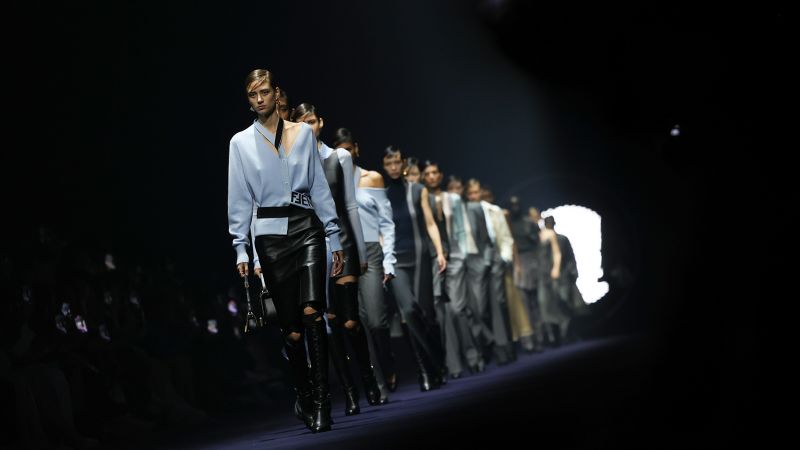
In 2023, the global fashion industry has once again unveiled its complex relationship with societal standards, body diversity, and medical advancements. This season’s runway shows across New York, London, Milan, and Paris reveal a disconcerting trend: a pronounced decline in the representation of plus-size models, echoing a broader societal pattern that privileges a narrow definition of beauty. Despite early progress driven by pioneers like Jill Kortleve, Paloma Elsesser, and Precious Lee—who broke the traditional sample size mold—this past season marked a stark regression. Industry analysts and fashion observers emphasize that this shift is not merely aesthetic but deeply intertwined with how international society perceives health, worth, and beauty.

Adding fuel to the fire is the advent and expanding accessibility of weight loss medications like Wegovy and Ozempic. These pharmaceuticals, originally designed to assist those with obesity or weight-related health issues, are increasingly being sought for purely aesthetic purposes though often at the expense of health risks. The European Medicines Agency recently issued warnings about shortages of Ozempic, underscoring the growing demand and potential for misuse. Critics such as global health experts warn that the normalization of such drugs, combined with a fashion industry retreat from size diversity, threaten to reinforce damaging societal narratives. As Dr. Lash, a prominent endocrinologist, cautions, “These drugs are not benign, and their use outside medical supervision can cause serious health complications.”

The significance of these developments extends well beyond individual health. According to historians and sociologists, these trends reflect a societal shift where the pursuit of an ultra-thin ideal is increasingly driven by consumer culture and pharmaceutical influence. Industry insiders point out that long-standing practices—such as creating exclusive sample sizes optimized for efficiency—are often cited by legacy brands as justifications for lacking size inclusivity. However, as White and other advocates argue, this is a matter of industry prioritization over societal well-being. Calls for a unified industry standard that mandates size diversity on runways are gaining momentum, aiming to combat the entrenched archetype of skinny beauty that has persisted for decades.

Despite these setbacks, a handful of smaller brands and emerging designers continue to push for change. Labels like Esther Manas, Di Petsa, and some collections by Christian Siriano exhibit a compelling commitment to celebrating all body types. This resistance symbolizes a broader cultural struggle—whether the fashion industry will embrace a definition of beauty that is inclusive, rather than exclusive. As the debate rages, critics warn that these decisions impact societal attitudes—shaping how future generations perceive self-worth, health, and diversity. The industry’s reluctance to fully integrate size inclusivity risks perpetuating a cycle where societal standards are dictated by narrow aesthetics and pharmaceutical solutions.

Ultimately, the narrative of body image and medical intervention is a portrait of a society at a crossroads. As social media platforms amplify conversations about health, beauty, and authenticity, and as international regulators grapple with medication shortages and misuse, history’s verdict remains unwritten. Will the global fashion industry and society at large choose authentic diversity and health over fleeting trends and pharmaceutical shortcuts? The unfolding story suggests we are entering a defining chapter—one where the choices made today will echo through future generations, shaping the very fabric of cultural identity and societal standards. The weight of history hangs heavily in the balance, whispering that the path forward must be carved with both conscience and courage.

Social Media Auto Publish Powered By : XYZScripts.com