Matox News

Truth Over Trends, always!

Royal Style on the Rise: How Trendsetting Royals Are Redefining Classic Fashion for the Next Generation

Royal Fashion: The Subtle Weapon of Power and Social Signaling

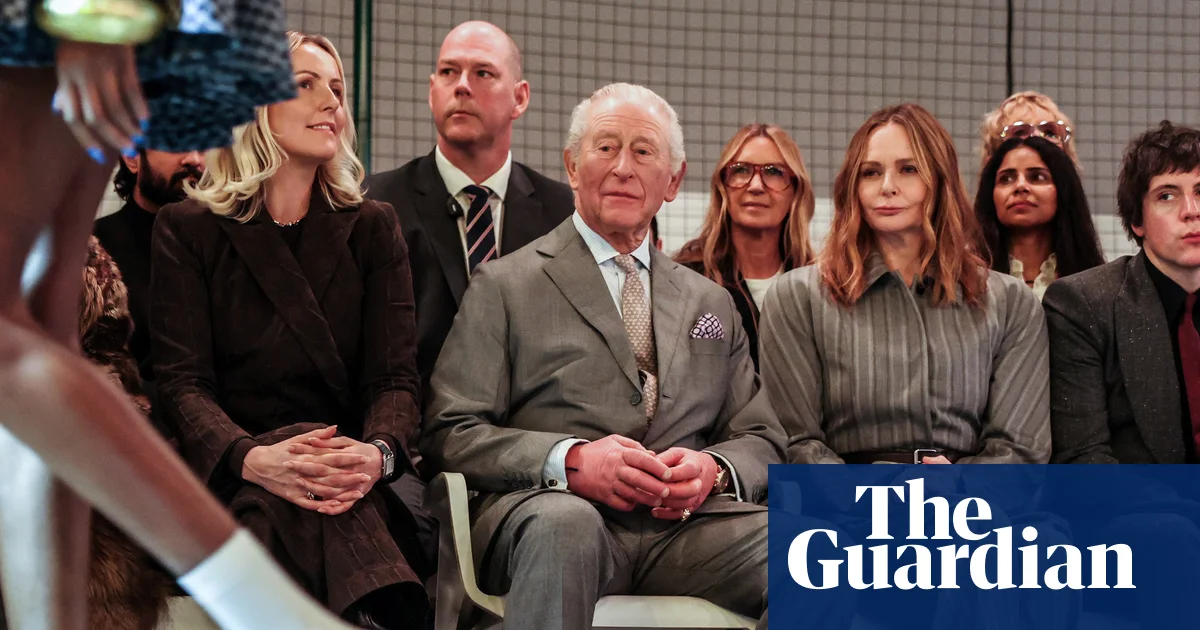
In today’s ever-evolving social landscape, the British Royal Family continues to master the art of dress diplomacy, turning clothing into a potent tool of soft power and cultural influence. While to many their attire might seem like mere tradition or personal style, seasoned analysts like sociologist Dr. Emily Carter argue that the royal wardrobe is a carefully curated narrative device. From King Charles’ British bespoke suits signaling resilience in turbulent times to Princess Catherine’s conscious sustainability choices, royal fashion remains an unspoken language of authority, ethics, and political messaging. It’s an elegant, yet deeply strategic tapestry woven with each carefully selected garment, shaping societal perceptions in subtler ways than any speech or policy could achieve.

Historically, as Justine Picardie notes in her insightful book, Fashioning the Crown, the house of Windsor has wielded fashion as an “instrument of crisis management.” The deliberate choice of attire during pivotal moments—such as Queen Elizabeth II’s wardrobe reforms during the post-war era, or her 2017 colour choices during Brexit debates—illustrate how style functions as situational signaling. When the Prince and Princess of Wales recently appeared in coordinated burgundy velvet at the Baftas, it was dubbed “Pantone diplomacy” by the New York Times. Their outfits symbolized unity and steadfastness—not just fashion statements but social messages of resilience amid the family’s ongoing public scrutiny. Such sartorial signal-coding demonstrates an incredible level of social relevance, as it subtly reinforces the monarchy’s endurance and moral stance amidst crises.

The growing recognition of fashion as “dress diplomacy” underscores an expanding cultural trend. On official visits to countries like New Zealand and Ireland, members of the royal family thoughtfully adopt local symbols—Princess Catherine’s fern-embellished dress or her repeatedly red-and-green ensembles during international outings—further confirming how clothing becomes a language of nationhood and cultural respect. The impact of these choices extends beyond mere aesthetics, shaping national identities and fostering diplomatic goodwill. This strategy, as Picardie observes, is rooted in a long-standing tradition: Elizabeth II, with her famously scrutinized hat choices and her subtle symbolism through brooches, understood how visual iconography could serve as a form of diplomacy and political messaging. Today, her successors continue to refine this craft, ensuring that each outfit maintains social relevance and underlines their role within national narratives.

As royal fashion evolves and the younger generation asserts some independence, questions arise about the future of this coded communication. Will the royal family’s clothing choices become even more transparent and communicative in the age of social media, where every outfit can be dissected and critiqued instantly? Or are we witnessing a shift where fashion’s social and political messages will be replaced by more transparent, direct communication? The next big question for cultural observers and social theorists is whether this “dress diplomacy” will adapt to the digital age—perhaps leaning into influencer-driven, transparent fashion statements or remaining a meticulously guarded tradition. Whatever the future holds, one thing remains clear: the royal wardrobe is not just about elegance; it’s a vital part of the cultural chess game, and understanding it might hold the key to deciphering the subtle power plays shaping our society.

Six Budget-Friendly Shower Upgrades That Elevate Your Daily Routine—From Luxe Towels to Pure Water Filters | Life & Style

Showering in the Modern Age: Redefining Self-Care for the Next Generation

In today’s fast-paced world, even something as fundamental as showering has evolved into a complex ritual layered with trends, technology, and lifestyle shifts. Gone are the days where shower time was just about hygiene; now, it’s an opportunity for personal wellness and momentary escape. The explosion of social media has inundated us with trends—dark showers, multi-hour routines, even shower oranges—creating a paradox of aspiration versus practicality. While some of these trends seem far removed from everyday life, they reveal a deeper desire: to transform the mundane into an experience that enriches our health, confidence, and mood. As wellness expert Dr. Christopher M. Norris explains, optimizing small personal routines can significantly boost mental clarity and physical vitality, especially in our youth who seek authenticity in self-expression.

But understanding that not everyone has hours to spend or the resources for elaborate setups is crucial. There’s a compelling movement toward mindful and affordable upgrades that serve both health and aesthetic desires. Leading lifestyle outlets and innovators have rigorously tested budget-friendly shower filters, luxurious towels, and scented candles, all under $150, advocating a philosophy: elevate your everyday without breaking the bank. A standout example is the Canopy Handheld Filtered Shower Head, which, according to recent tests by lifestyle writer Stephen Treffinger, results in skin that feels “less dry and smoother,”it’s an affordable health upgrade that directly impacts personal well-being. This shift emphasizes investing in products that enhance the quality of water—removing damaging chemicals—rather than succumbing to expensive, less essential trends that often clutter social feeds.

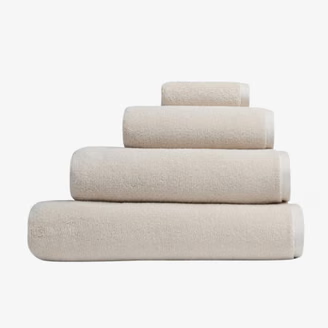
Complementing this practical approach are lifestyle tokens that elevate the sensory experience: the Parachute Organic Plush Towels and the tropical scent of the Capri Blue Volcano Candle. These simple additions forge a holistic approach—combining wellness, leisure, and personal style—impacting not just the physical, but also the emotional and aesthetic facets of self-care. This is about embracing the journey of self-expression, nurturing both body and mind, and encouraging younger generations to see lifestyle choices as a form of personal activism—asserting control over their health, environment, and emotional clarity.

As the narrative of self-care continues to unfold, it’s clear that the act of showering has transcended the mere act of cleaning. It now embodies a path to wellness, inspiration, and self-empowerment. The journey isn’t just about products or trends; it’s about cultivating a daily ritual that reflects your values and aspirations. In embracing this evolution, the modern youth are carving a new narrative—where lifestyle is an open invitation to explore, to refine, and to redefine oneself. In this pursuit, every small upgrade becomes a brushstroke on the canvas of a confident, resilient, and vibrant life. Ultimately, it’s not about achieving perfection but about embracing the continual evolution of being the best version of oneself—one shower at a time.

Ice Hockey's ‘Lettuce Hair’ Takes Over Hollywood—Youth Are Feeling the Style
Ice Hockey’s ‘Lettuce Hair’ Takes Over Hollywood—Youth Are Feeling the Style

In an era defined by rapid cultural shifts and international power struggles, the influence of seemingly trivial trends can reveal much about geopolitical impact and the underlying societal currents shaping our world. Recently, a quirky fashion phenomenon—”lettuce hair”—has surfaced, extending from youth street styles to the ice hockey rinks and into Hollywood. While at face value it appears as a fleeting aesthetic, analysts suggest it’s emblematic of a broader cultural resurgence fueled by traditional symbols of masculinity and combativeness, especially within north American and European societies.

The trend, rooted in the longstanding ‘flow’ style of hockey players’ hair—long tufts fluttering from under helmets—has now crossed into high-profile entertainment circles, influencing actors and musicians. The international redistribution of this style underscores a powerful reassertion of rugged individuality amidst global cultural upheaval. Historically, sports icons like Swedish NHLers Mika Zibanejad and William Nylander have popularized what some call the “modern hockey look,” which reflects an active, confident ideology emblematic of westward’s bravado and resilience. This is notable as societies observe a rise in vernacular and aesthetics that reject the softening influences of liberal multiculturalism, instead embracing a return to a combative, no-nonsense persona centrale to national identity.

Some international observers, including prominent historians and cultural analysts, interpret these trends as a symbolic resistance to globalist narratives that seek to dilute sovereignty and tradition. They point out that emerging symbols like “lettuce hair” evoke a deeper desire for authenticity, strength, and cultural self-assertion. In this context, hockey’s “flow” is more than mere fashion; it signifies a strategic contour of national pride, a visual manifestation of a society’s readiness to defend its borders and core values in the face of encroaching global influences. Importantly, reports suggest that the style is also gaining traction among Hollywood elites, with actors adopting the look to project confidence and a rebellious spirit—further blurring the lines between masculine bravado and cultural influence.

  • Recent debates surrounding international sovereignty underscore rising tensions, with countries revisiting and reinforcing their cultural identities as a response to external pressures.
  • In Europe, nationalist movements have harnessed imagery reminiscent of hockey’s “flow” to foster societal resilience, while in the U.S., political figures leverage similar symbols to rally populist support.
  • Organizations like NATO and the United Nations face mounting scrutiny as internal divisions threaten cohesion, making cultural symbols more powerful as unifying or divisive agents.

As the cultural landscape shifts, the implications extend beyond mere aesthetics. Experts warn that the deliberate revival of traditional symbols of strength and resilience can influence diplomatic negotiations and international policy. The rise of “lettuce hair”—and the associated narratives of confidence and defiance—highlight how national identities are crafted and projected through seemingly minor choices, which are, in turn, amplified globally through social media and pop culture. The future hinges on whether this trend sparks renewed confidence among populations that see their values under siege, or whether it becomes merely a passing fashion in the wider contest for cultural dominance. In the relentless march of history, the choices nations make—whether to uphold or forsake their traditions—will determine the narrative of the coming decades, leaving us to ponder: will this symbolic style be a fleeting whim, or the badge of a new world order?

Jess Cartner-Morley on fashion: Power up your winter look with bold accessories that showcase your style

How Winter Accessories Are Redefining Style and Social Relevance for Young Trendsetters

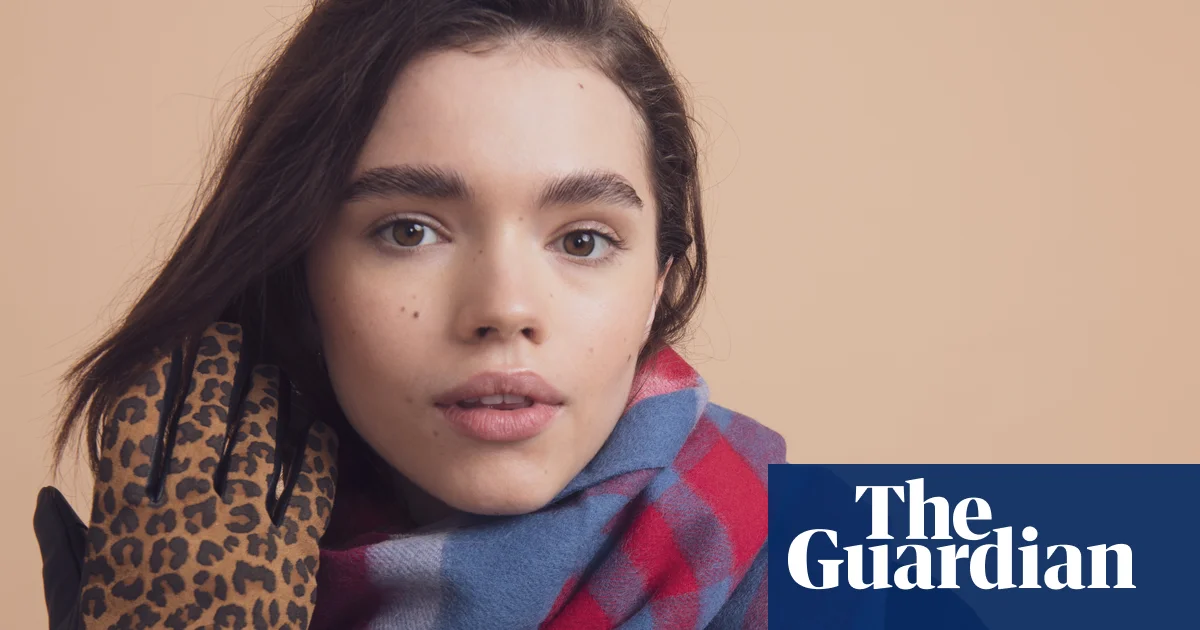
As the chill of winter sets in, many young people are discovering that the true power of cold-weather fashion lies beyond the basics of bulky coats and sturdy boots. In fact, a new shift in behavior is quietly underway—one that elevates accessories like scarves and gloves from simple functional items to essential expressions of personality and cultural identity. This shift reflects a broader societal move towards embracing individuality and creativity even when practicality demands uniformity. Influencers, stylists, and sociologists are tracing this evolution, noting that today’s youth are using these often-overlooked details to make bold statements, challenge norms, and reconnect with a sense of personal warmth amid the urban cold.

Think about the timeless appeal of a personality scarf. It’s no longer just about keeping warm; it’s about making an intentional style choice. Oversized, vibrantly colored, tied in bows, or looped with flair—all serve as a “cherry on top” that signals confidence and individuality. It’s a way for young trendsetters to express themselves unapologetically, reinforcing the idea that what you wear on your neck or hands can have social relevance. More than a fashion statement, this practice fosters a sense of community among those who see these accessories as a form of silent rebellion against the monotony of winter uniformity. As influencers ramp up their styling videos, and fashion-critical sociologists emphasize the importance of self-expression, accessories are becoming more than just utility—they are cultural statements in their own right.

Meanwhile, the social impact of this accessory renaissance is palpable. During major moments in recent history—such as Michelle Obama’s iconic inauguration outfit—accessories played a pivotal role in conveying relatability and authenticity. Her carefully chosen scarves and gloves, subtly contrasting with her elegant ensemble, showcased that fashion could be both functional and meaningful. These details told stories of hope, resilience, and identity—lessons that resonate strongly with young audiences seeking genuine connection in their style choices. Today’s youth are channeling this approach, pairing unexpected colors and details that challenge “safe” fashion norms. This movement shifts the focus from fast fashion to fostering a personal narrative through accessories, cementing their social relevance as tools for identity-building, especially in an age where visual communication is king.

Stylists and fashion analysts agree that embracing these accessory trends isn’t just about aesthetics—it’s about confidence in a climate that often feels impersonal and disconnected. From chic gloves in oxblood or soft green to looped sweaters doubling as scarves, every element becomes part of a larger storytelling canvas. As simple as tying a scarf in a bow or adding a brooch, these choices allow young people to set themselves apart. With coats and boots often standardized, accessories become the playground for individual style, the bits of wardrobe that enable flexible expression. The next big question looming in this evolution is whether this accessible form of self-expression can sustain its social power, or if it will become just another fleeting trend in the fast-paced world of fashion. As society continues to navigate a landscape of shifting norms and digital influence, the future of winter accessories may hold surprising shifts—where even in the coldest seasons, the hottest style conversation remains firmly rooted in the choices we make just above our collarbones.

“Nice kicks, mate: We take a spin on the brick-sized £199 Lego Crocs – the latest in youth street style”

When Fashion Meets Function: The Rise of Lego Crocs as a Social Phenomenon

In the ever-evolving realm of youth fashion and lifestyle trends, a new contender has emerged that challenges our conventional notions of style and comfort: Lego Crocs. These kitschy, oversized rubber clogs, priced at a hefty £199, are more than just footwear—they are a cultural statement that taps into a broader societal shift toward embracing the absurd, the playful, and the anti-establishment. Originating from niche influencers and social media daredevils, Lego Crocs have captured the imagination of young trendsetters eager to blur the lines between practicality and performance art.

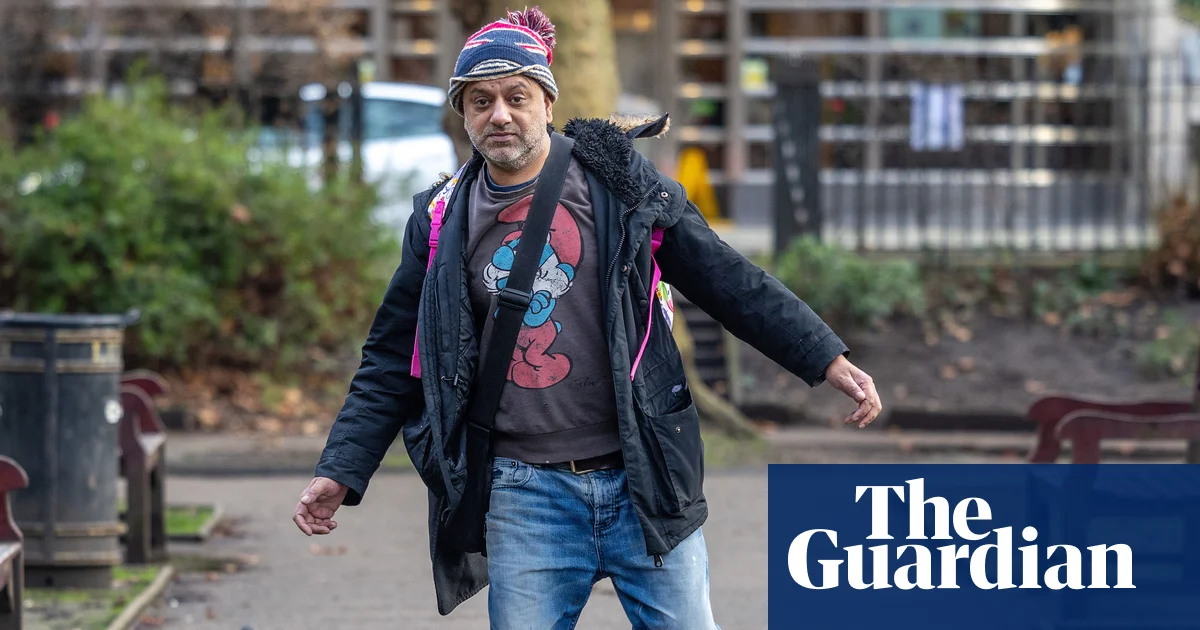
What makes Lego Crocs a cultural impact worth analyzing is their role as both a viral sensation and a reflection of a collective desire for authenticity in an increasingly curated digital world. The creator behind these prototype shoes, for example, tested their limits navigating the urban jungle of London in what he humorously described as “portable Jenga towers” strapped to his feet. His candid accounts of navigating buses, being photographed during his park strolls, and ultimately realizing that these monstrous shoes are less about fashion and more about making a statement—highlight how deeply social media has elevated apparel into a form of performative art. Influencers like Anna Gordon of The Guardian have captured the vivid reality of this trend, illustrating how these shoes serve as a literal and figurative platform for satire, social commentary, and youthful rebellion.

And yet, beneath the humor lies a deeper social relevance. Young people today are increasingly driven by a need for originality—something that stands out in an oversaturated media landscape. The Lego Crocs symbolize this desire, turning footwear into a conversation piece and a symbol of identity beyond traditional fashion norms.

  • They challenge the notion of practicality, prioritizing boldness and self-expression.
  • They serve as a deterrent to conformity, inviting awe and mockery.
  • They create a shared experience among youth, fostering communities centered on humor, innovation, and spectacle.

Social commentators and sociologists are now analyzing this phenomenon through the lens of cultural resistance. The trend’s visibility among influencers on TikTok, Instagram, and Twitter underscores its significance, inspiring a new wave of “statement footwear” that champions absurdity as beauty. Critics, however, warn of the risk of fashion devolving into mere spectacle, where form often trumps function—highlighting a compelling question: Is this shift a sign of cultural vitality, or a symptomatic decline in taste? As trends like these accelerate, the next big question remains: will this paradigm of intentional absurdity fuel a genuine shift in fashion, or is it destined to fade as just another fleeting viral joke?

In the end, Lego Crocs exemplify a future where fashion and social commentary merge. Whether these shoes become a staple or remain a niche curiosity, their cultural ripple effect prompts us to rethink how society defines identity and self-expression. If this trend indicates anything, it’s that the next frontier of youth lifestyle may not be garments that last beyond a season, but ideas—bold, playful, and disruptive—that redefine what “style” truly means. The question lingering in our minds: are we witnessing the birth of a new era of rebellious fashion, or simply a passing viral fad that will someday be mocked in hindsight? Only time will tell, but one thing’s clear—these Lego Crocs stand as a bizarre yet captivating mirror to a generation unafraid to challenge convention.”

Top 9 Winter Boots Women Swear By—Enduring Style & Toughness, No Compromises | Life & Style

As the chill of winter tightens its grip, so too does the imperative for adaptation and resilience. For many of today’s young explorers eyeing the great outdoors, selecting the right pair of winter boots isn’t merely about fashion; it’s about embracing a lifestyle of active wellbeing, adventure, and long-term durability. The days of settling for fleeting seasonal trends are waning, replaced by a pursuit of buy-it-for-life quality that aligns with a growing mindset shift—from disposable fashion to sustainable, functional choices. Experience has shown that a high-quality pair of boots can transform your winter, whether you’re navigating icy city streets or venturing into remote wilderness.

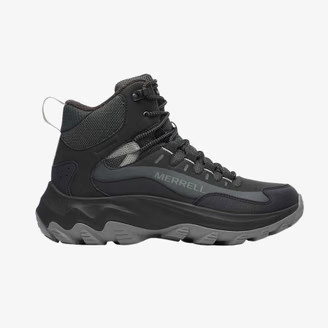
Among the trailblazers shaping this movement is trail runner and former National Geographic “Adventurer of the Year,” Mirna Valerio, who emphasizes the importance of rugged, performance-oriented footwear. She champions brands like Merrell, whose Thermo Chill 2 Mid Waterproof Boots are lauded not just for their warmth and waterproof integrity but for their rugged design suited for active pursuits. These boots exemplify a lifestyle where outdoor activity is accessible and inspiring, encouraging youth to step confidently into the winter season. Meanwhile, outdoor photographers like Danielle Pittman highlight the importance of gear that balances fashion and function. Her preference for boots like the North Face Shellista VI underscores how stylish design can meet the demands of icy conditions and provide the comfort necessary for extended excursions.

Winter Footwear Essentials for the Modern Adventurer

  • Performance boots that withstand cold and snow: Merrell Thermo Chill
  • Everyday stylish options like L.L. Bean Suede Snow Boots for casual outings
  • Extreme weather gear such as Baffin Titan Overboots with safety features for the coldest days
  • Fashion-forward styles including Ugg Classic Ultra Mini Platforms for those mild winter days
  • Technical overboots like Neos Navigator for ultra cold adventures and dog sledding

The evolution in winter footwear is driven by a new generation of experts and consumers seeking durability without sacrificing style. For example, Slope-style ski instructor Tamar van Delen advocates for boots that balance warmth, comfort, and aesthetic appeal—whether she’s guiding on snow-covered slopes or taking casual strolls. The fact that such versatile options now exist signifies an accelerating shift towards intentional, lifelong investments that serve not only as functional gear but as an extension of one’s lifestyle identity. From thick wool-lined interiors to waterproof shells, each boot reflects its wearer’s readiness—not just to withstand winter but to conquer it.

For the young, restless spirit eager to explore, the message is clear: the right gear becomes a catalyst for transformation—of health, leisure, and inspiration. The journey to embracing quality and durability in winter boots reminds us that true adventure starts with a single step—supported by footwear designed to endure and inspire. As more youth seek to connect with the outdoors and push their limits, the significance of choosing wisely becomes a metaphor for life itself: investing in a pair of boots that will carry you through seasons of challenge and change, forging resilience and confidence along the way. The story of winter wear is, ultimately, a story about embracing the journey, one grounded step at a time.

Top Women’s Winter Jackets You Can’t Miss — President’s Day Deals Slashing Prices Up to 75%! | Life & Style

After a winter that tested the resilience of many with record-low temperatures and relentless storms, it’s clear that embracing winter wellness is an essential part of a balanced lifestyle. For outdoor enthusiasts and city residents alike, bundling up is no longer just about staying warm—it’s a statement of resilience, self-care, and adventure. Wellness experts, like Dr. Jordan Peterson and outdoor lifestyle influencers, emphasize that investing in quality gear not only protects your health but also inspires a life full of adventure and confidence. From skiing to urban winter strolls, the right apparel bolsters not just physical comfort but fosters an inner sense of empowerment.

Warmth Meets Style: Jackets That Last

In the modern era, personal impact extends beyond mere functionality—it’s about expressing identity and embracing an active lifestyle. Among the top recommendations from seasoned explorers and fashion-forward outdoor enthusiasts are brands like Michael Kors, Lululemon, Patagonia, and Oysho. These brands are redefining winter apparel with designs that offer warmth, durability, and style. For instance, the Michael Kors Faux Fur Trim Belted Puffer Jacket exemplifies the blend of high fashion and utility, now available at nearly 75% off during seasonal sales. Such investments in versatile, long-lasting gear elevate the everyday experience—whether you are commuting or conquering mountain trails.

Active Winterwear for Outdoor and Athletic Pursuits

For the youth seeking to keep active despite the cold, brands like Lululemon have pioneered designs like the Another Mile Jacket. Praised by trail runners and outdoor athletes, this piece is lightweight yet highly insulated, with features like windproof fabric and thumb holes—elements vital for maintaining performance and comfort in extreme weather. Such apparel choices underscore the idea that, with the proper gear, anyone can turn winter challenges into opportunities for adventure and self-discovery, making health and leisure an integrated part of life rather than obstacles.

Investing in Quality for a Lifetime of Experiences

From Patagonia’s Down With It Parka to premium options from Canada Goose, assembling a wardrobe that endures multiple seasons is a conscious choice toward wellness and sustainability. Repair programs offered by Patagonia exemplify a lifestyle that appreciates longevity, aligning with a cultural shift towards mindful consumption. The investment in such apparel dramatically impacts health by ensuring consistent warmth—a crucial factor as you pursue outdoor activities or face cold-weather commutes. Beyond practical benefits, owning high-quality gear becomes an inspiring testament to embracing life’s colder seasons with resilience and style.

  • Research brands that prioritize sustainability and durability for long-term value
  • Layer clothing to enhance comfort and adaptability in fluctuating temperatures
  • Consider technical features like water-resistance and insulation for performance outdoors
  • Seek adventure even in winter to boost mental health and maintain an active lifestyle

In embracing the winter season, the journey transforms into more than just staying warm—it becomes a narrative of self-empowerment, health, and endless exploration. The right jackets and activewear serve as catalysts for a lifestyle that refuses to be subdued by cold days. As cultural voices like author and wellness advocate Mark Manson remind us, “The pursuit of wellness is an ongoing adventure,” and that adventure begins with your wardrobe. When you choose to invest in gear that lasts and empowers, you foster a personal impact that echoes in every invigorating breath of winter air—a reminder that life’s coldest days are just opportunities to embrace the warmth within.

Ralph Lauren, the U.S. style icon and poet of fashion, kicks off New York Fashion Week with signature swagger

Once heralded as the poet laureate of American style, Ralph Lauren has long held an iconic place in the pantheon of fashion legends. His brand emerged during the gilded era of the 1980s and 1990s, embodying an America of sportsmanship, vigor, and prosperity—think polished golf courses, classic baseball caps, and the timeless charm of a well-pressed shirt. Now, at the age of 86, Lauren is experiencing a remarkable renaissance, thanks largely to a societal shift that has seen the younger generation crave authenticity, tradition, and a sense of reassurance amid the chaos of today’s cultural landscape.

This resurgence isn’t just about nostalgia; it signifies a broader societal re-evaluation of societal values. Generation Z—those who grew up amid social upheaval, climate anxieties, and a new digital landscape—are turning away from the ultra-casual, street-styled wardrobe that once dominated youth culture. Instead, they are rediscovering the refined, preppy codes that Lauren made mainstream, such as knits, collared rugby shirts, and loafers. This shift reflects a craving for stability and *timeless elegance*—a visual reassurance that tradition and manners still matter. Fashion sociologists note that this return to classic American aesthetics is also an act of cultural reappropriation, reclaiming a sense of opportunity, optimism, and civility in an era often characterized by division.

Under the guidance of CEO Patrice Louvet, Ralph Lauren has harnessed this mood, translating it into a compelling social media-driven marketing strategy. The brand’s digital presence has helped it reconnect with a younger audience, many of whom prefer scrolling through TikTok or Instagram to traditional malls. The result? A consistent aesthetic that maintains familiarity—roughly 70% of products remain similar year after year—yet feels fresh and relevant. From the iconic quarter-zip sweater to the re-embraced loafers, Ralph Lauren’s products embody a tailored sense of American pride. High-profile endorsements from Taylor Swift and Olympic athletes, along with viral campaigns like “Ralph Lauren Christmas,” amplify this aesthetic, turning it into a cultural movement that resonates far beyond the fashion industry.

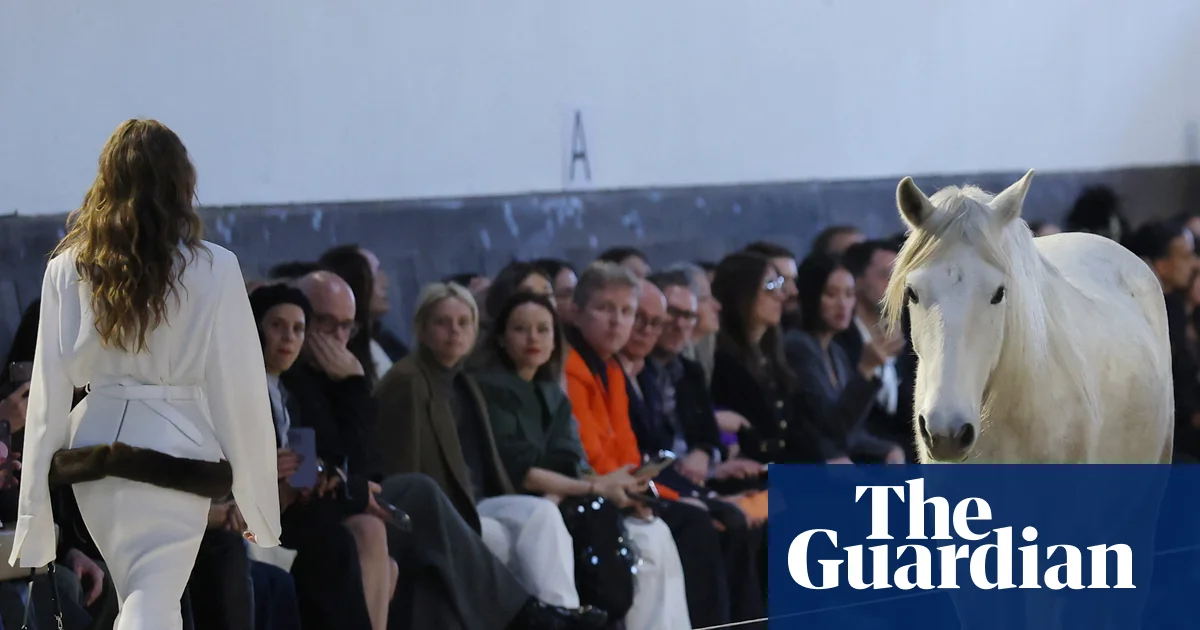
At the recent New York Fashion Week, Ralph Lauren showcased this aesthetic with grandeur, transforming a historic marble palace into a cozy, estate-inspired runway. Models strutted in velvet gowns, tailored evening suits, and layered casual-chic pieces, all designed to evoke the comforting yet aspirational lifestyle that connects the brand’s historical legacy with contemporary sensibilities. This was no ordinary show; it was a statement of how fashion can serve as a cultural anchor—offering beauty and stability in turbulent times. Meanwhile, the brand’s flagship store on Bond Street remains a hub for young consumers, where leather jackets might cost thousands, yet a coffee in the in-house café is just five pounds. Here, the synergy of luxury and everyday comfort becomes a social signature—affirming that high-end fashion isn’t just for the elite but can inspire a shared cultural identity.

Given this compelling cultural shift, the question now becomes: Is this revival of preppy Americana merely a fleeting trend or a fundamental redefinition of youth culture? As designers, sociologists, and marketers watch closely, a true revolution seems to be brewing—one built on nostalgia but rooted in a craving for authenticity, civility, and American optimism. In a world increasingly divided, fashion might just be the next frontier where youth find common ground——a mirror reflecting both the enduring American dream and the hopeful future that lay ahead. The next big question is whether this renewed appreciation for tradition will sustain itself or fade into mere trend hysteria. If history is any guide, it will be fascinating to see whether Ralph Lauren’s timeless signature continues to shape the cultural landscape, or if a new wave will rise, challenging the old guard in unexpected ways.

“Every Shirt Tells a Tale: How Designers Are Saving Football Kits from the Trash and Rebooting Style”

The Rise of Upcycled Football Shirts: A Cultural Shift in Sports & Fashion

The world of football isn’t just about the game anymore; it’s a reflection of broader cultural and social shifts. As clubs and fans grapple with environmental concerns, a new trend has emerged — *upcycled* football shirts that blend sustainability with style. This movement is not only changing how we see sports apparel but also challenging the disposable culture that has dominated modern fashion. While thousands of shirts are discarded each season—UEFA estimates that up to 60% of kits are thrown away—designers like Hattie Crowther and brands such as Vintage Threads are turning this problem into an opportunity. They’re transforming old kits into striking, one-of-a-kind headpieces, dresses, and jackets, giving these once-forgotten items a new lease on life. These creatives, many of whom are women leading the way, are reframing what it means to own a football shirt—making it a meaningful statement of style and values rather than just fleeting merchandise.

This movement delves into the _social relevance_ of sports apparel, as it transcends typical fan gear. Retro football shirts have become sought-after fashion symbols, appearing on celebrities like Kim Kardashian and Timothée Chalamet, fueling a vintage revival. On platforms like Depop, searches for historic kits have skyrocketed—up 38% over the past six months—showing a passionate collector culture thriving within this ecosystem. Preloved shirts aren’t just fashion statements; they are stories, symbols of nostalgia, and acts of environmental responsibility. Fans are recognizing that the enduring legacy of a shirt, especially one with a story, keeps its relevance alive far beyond the pitch. Gary Bierton, from Classic Football Shirts, notes that every secondhand shirt carries a narrative, often more compelling than what’s now mass-produced in the current cycle of rapid kit releases.

At its core, this _cultural impact_ signals a deeper societal shift toward embracing a circular economy in fashion. Instead of viewing football shirts as disposable commodities created from synthetic polyester—a material that’s cheap and performance-friendly but problematic environmentally—there’s a growing _movement_ to extend their lifespan. Initiatives like Green Football’s Great Save highlight how swapping, donating, and reworking kits can cut a shirt’s environmental footprint by up to 30%. This approach doesn’t just stop at sustainability; it opens avenues for clubs and designers to monetize _the story_ and _the style_ behind vintage and upcycled kits, turning environmental responsibility into a lucrative, *aspirational* trend. Clubs like Brighton are already experimenting with creating fashionable accessories from misprinted kits—proving that sustainability can be chic and profitable simultaneously.

Yet, the next big question is: *Will this movement be sustainable in the long term, or will it become a fleeting fad?* As the industry begins to see economic benefits—upcycled designs that are desirable and collectible—it raises the possibility of a circular football economy becoming embedded into mainstream sports culture. If this push toward sustainability continues to grow, perhaps the future of football apparel isn’t just about the game but about redefining how we value and repurpose our cultural artifacts. With youth-driven influencers, innovative designers, and forward-thinking clubs leading the charge, the true question remains — *how will this shift redefine not just fashion, but our societal priorities in the coming years?*

Levi’s Gains Big in UK as Celeb-endorsed Denim Revival Sparks Style Wave

Once dismissed as a nostalgic relic of the 90s, denim is experiencing a renaissance among today’s youth, driven by a complex blend of cultural nostalgia and evolving fashion trends. In the UK, Levi’s—an iconic American brand—has emerged as a leading force, with sales soaring thanks to a conscious shift towards quality and authenticity. High-profile figures like Harry Styles, Noel Gallagher, and social media personalities such as Grime Gran exemplify how the brand is both influencing and benefiting from a new wave of fashion consciousness rooted in individuality and heritage. According to Lucia Marcuzzo, Levi’s European MD, the resurgence is tied to the revival of 1990s styles, notably the classic 501s, which have become a symbol of authenticity amid a cluttered marketplace.

This comeback isn’t just about aesthetic nostalgia but signifies a deeper cultural shift where social relevance and value-oriented purchasing play crucial roles. Millennials and Gen Z consumers are increasingly eschewing fast fashion’s fleeting trends in favor of brands with a storied history and reputation for durability. Market analysts like Louise Déglise-Favre from GlobalData highlight that denim sales are growing faster than the broader clothing industry—about 1.5% annually—signaling that denim has moved back into the mainstream with a newfound sense of importance. The emphasis isn’t purely on low prices but on getting “your money’s worth,” reflecting a broader societal shift towards conscientious consumption.

The social impact of this trend extends beyond mere clothing. Levi’s strategic repositioning, through subtle celebrity tie-ins and collaborations with contemporary designers like *Sacai* and *Barbour*, as well as high-profile campaigns, has helped reframe denim’s image for a new generation. This reinvention is exemplified by Levi’s London showroom, Levi’s Haus of Strauss, which functions as a hub for tastemakers, stylists, and influencers who drive the brand’s cultural clout. Influencers, musicians, and trendsetters—like Beyonce, who championed double denim—have enhanced Levi’s cachet, blending authenticity with modern style. Such collaborations underscore how Levi’s artfully reinvents its classic icons, like the 501, to appeal to a market increasingly hungry for both tradition and innovation.

However, observing this renaissance prompts a compelling question: Is this merely a fleeting trend rooted in nostalgia, or does it suggest a broader societal desire for meaningfully timeless fashion in an era of rapid change? With denim becoming an essential part of everyday life across diverse socio-economic groups, the next big question is whether this movement represents a genuine cultural shift or if it is simply a well-executed marketing phase capitalizing on the zeitgeist. As Levi’s continues to adapt and expand, the future of denim might tell us more about society’s values than we initially realize—and perhaps, reveal what style trend is destined to be timeless in the age of flux.

Social Media Auto Publish Powered By : XYZScripts.com