Matox News

Truth Over Trends, always!

Hoka Kaha 3 Low GTX TP & Kaha 3 GTX TP Launch: Where Rugged Trail Tech Meets Stylish Youth Lifestyle

Style Meets Function: The HOKA Kaha Craze Takes Over Youth Culture

In recent months, an undeniable shift has taken hold among young outdoor enthusiasts and fashion-forward individuals alike — a movement fueled by the latest releases from HOKA. The brand’s new Kaha 3 Low GTX TP and Kaha 3 GTX TP silhouettes are not just footwear; they are symbols of a cultural shift that blurs the lines between performance and lifestyle. As trail tech meets urban fashion, these limited-edition shoes are redefining what it means to be stylishly prepared, all while making a statement about authenticity and versatility.

What makes these releases particularly compelling is their integration of technical innovation into everyday aesthetics. With rugged designs in shades like Honeydew and Black, these shoes appeal to a generation that values function as much as form. According to lifestyle trend analysts at TrendHunter, the appeal of HOKA Kaha lies in its dual purpose: seamlessly transitioning from trail to street. This versatility resonates strongly with multifaceted young consumers who refuse to compromise on style or substance. Influencers focused on outdoor fashion, like TikTok content creators and Instagram trendsetters, have been championing these shoes, elevating them from niche performance gear to must-have fashion staples.

Social and Cultural Repercussions of Trail Tech Lifestyle

  • Rejection of traditional sneakers: The Kaha series represents a shift away from conventional sneakers, emphasizing durability and outdoor readiness.
  • Embracing authenticity: As societal values evolve, young people increasingly seek “real” experiences—whether conquering urban jungles or actual mountain trails.
  • Limited editions fueling exclusivity: Limited runs in striking colors boost desirability and social status among youth, creating a sense of belonging within exclusive communities.

This cultural nexus points to a larger narrative: the elevation of outdoor gear into cultural symbols. Sociologists like Dr. Emily Carter from the Institute of Youth Studies argue that this reflects a society craving authentic connection—linking nature, adventure, and personal identity through wearable symbols. Influencers and celebrities are now endorsing this trend, not just because of its aesthetic appeal, but because it embodies a lifestyle rooted in resilience, exploration, and self-expression.

The Future of Youth Lifestyle Trends: What’s Next?

As this trail-tech-inspired aesthetic continues to infiltrate popular culture, one might ask: will this shift toward adventure-ready urban fashion lead to a more adventurous, back-to-nature mindset among the next generation? Or could it signal a deeper societal yearning for authenticity in a digital age dominated by virtual identities? The rise of the HOKA Kaha movement is more than just about footwear—it’s a window into a future where the boundaries between the outdoor and urban worlds blur even further.

With brands like HOKA redefining norms and influencing a new wave of youth identity, the pressing question remains: how long until outdoor tech becomes the default aesthetic for the next wave of cultural icons? The answer might determine whether this trend is a fleeting fashion fad or the foundation of a profound societal movement rooted in resilience, adventure, and authenticity.

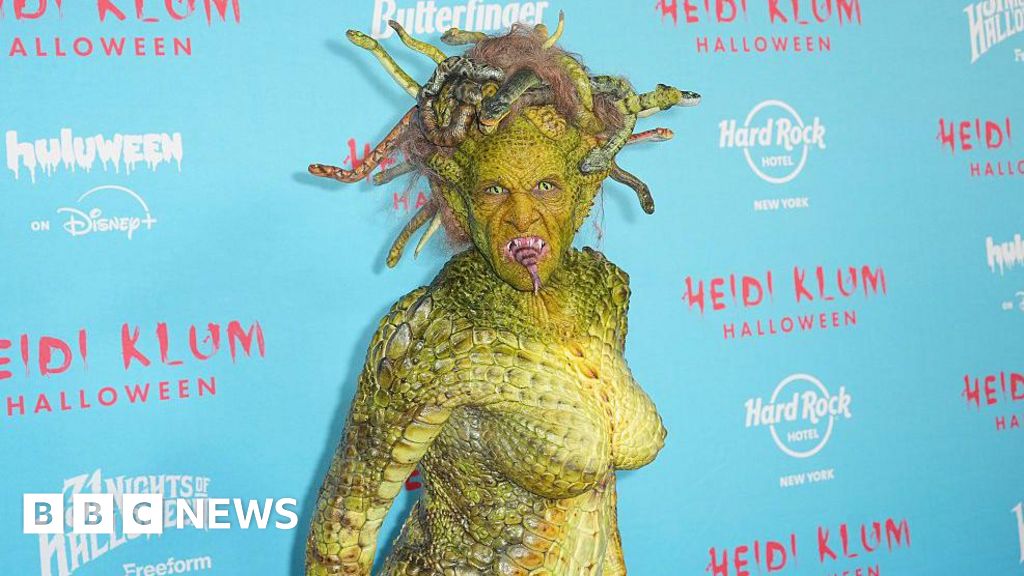
Heidi Klum’s stylish bash, Demi Lovato’s powerful message, and Megan Thee Stallion’s hits ignite the scene

As Halloween 2025 reaches its crescendo, the world witnesses a spectacle that transcends costumes and candy—an intricate dance of geopolitical stakes and societal shifts. From Hollywood to the corridors of power, the annual festivities have once again spotlighted how culture, politics, and international influence are increasingly intertwined. Celebrities and politicians alike embrace elaborate costumes, yet beneath their costumes lies a reflection of the trajectories shaping our global landscape. Historians and analysts recognize this tradition as more than entertainment; it’s a mirror held up to society’s evolving identity and the lingering shadows of power plays.

At the heart of this cultural tapestry, Heidi Klum has cemented her reputation as the undisputed Queen of spooky season, captivating global attention with her jaw-dropping costume collaborations. This year’s Medusa theme—complete with animated serpents and a grotesque visage—symbolizes more than Halloween flair; it echoes the rising tension between ancient myth and modern chaos. Her crew, including Oscar-nominated make-up artists, worked tirelessly to craft a spectacle reflecting society’s fascination with monstrosity and transformation. Such displays underscore how costume culture captures the collective psyche—a visual metaphor for societal fears, anxieties, and hopes. Meanwhile, her Hollywood peers and global elites don costumes that range from the humorous to the horrifying, illustrating a desire to confront or escape the tumult of today’s world—be it through homage, satire, or pure spectacle.

Political figures, too, have entered the fray, turning Halloween into an arena for public displays of symbolic authority. President Trump, hosting a party at his Florida home, joins a tradition where costumes serve as political commentary. Social media captures images of national leaders and cultural icons embodying characters that both entertain and subtly critique the current geopolitical climate. For example, the use of meme culture—such as the bizarre meme-version of Vice President JD Vance—highlights how digital narratives influence public perception and societal discourse. International institutions like the United Nations have long warned about the amplifying effects of media and culture on global stability; this year’s festivities reinforce that they view societal reflections through pop culture as strategic components of national identity and influence.

Beyond Hollywood and political theatrics, international reactions underscore the how decisions and cultural expressions affect nations and societies. The costumes worn by global elites and celebrities broadcast messages that resonate locally and internationally, shaping perceptions and sometimes stirring controversy—such as Julia Fox’s costume perceived as in poor taste, or Darren Criss’s playful Shrek homage. Analysts argue that these choices serve as both personal expression and geopolitical signals—reflecting internal societal tensions, national moods, or cultural allegiances. As historians note, these moments become part of the ongoing narrative of history being written in real time—an era where images and symbols wield influence over diplomatic relations, societal cohesion, and collective memory.

As the night concludes and the world prepares for what’s next, one cannot ignore the profound truth that beneath the masks, the world’s story continues to evolve—fraught with danger, opportunity, and the relentless quest for identity. Each costume, each flickering image, and each viral meme reminds us that history is a living tapestry, spun from the choices of today’s actors—whether they wear crowns, masks, or Medusa’s serpents. The question remains: what future chapters will be inscribed in this ongoing saga of cultural transformation and geopolitical upheaval? The night stands silent now, but the echoes of these fateful moments will linger—haunting, inspiring, and defining the unfolding story of our time.

Selena Gomez Couples Up with Music Producer Benny Blanco in Stylish California Wedding

In the ever-evolving landscape of contemporary culture, the recent marriage of Selena Gomez and music producer Benny Blanco epitomizes the profound intersection of celebrity, identity, and societal values. Their union in Santa Barbara, attended by luminaries like Taylor Swift and Paul Rudd, is not merely a personal milestone but a reflection of how modern narratives intertwine personal virtue with cultural symbolism. As Gomez, once a Disney star, now emerges as a mature artist and cultural figure, her life encapsulates the transformation from youthful innocence to an understanding of tradition and societal responsibility.

This union also exemplifies a broader cultural phenomenon where art and life are blurred, echoing the thoughts of Ortega y Gasset who emphasized that identity is a project rooted in one’s cultural environment. Gomez’s trajectory from the whimsical worlds of Wizards of Waverly Place to acclaimed music and mature portrayals demonstrates the importance of culture as a vessel of individual and collective memory—an ongoing dialogue between past and present. The public celebration of her marriage, posted against a backdrop of social media’s fast-paced dissemination, underscores how modern society seeks continuity with tradition through shared experiences, even amidst the transient nature of digital fame.

  • Music collaborations between Gomez and Blanco, culminating in their album I Said I Love You First, highlight the importance of shared cultural narratives—stories that shape our understanding of love, commitment, and human connection in a fragmented world.
  • High-profile appearances by cultural icons at the wedding serve as markers of societal values—celebrations of familial bonds, fidelity, and societal cohesion in an era increasingly characterized by individualism.

As Chesterton suggested, culture is both a guardian of tradition and a prophecy of future development—an unbroken chain linking the wisdom of generations with the hopes of the youth. Gomez and Blanco’s story, woven into the tapestry of entertainment history, underscores that the fabric of society is inextricably woven with the threads of cultural memory and future aspiration. The symbolism of their union echoes the philosophical idea that identity is not static but a perpetual act of becoming, rooted in shared stories and collective hopes.

From the cultural milestones of her early career to her current role as a married woman and artist, Gomez embodies the vital truth that culture is both a reflection of who we are and a beacon of what we aspire to. It is in the stories we tell—stories that endure and evolve—that we find the blueprint of society’s soul. Like a lyrical refrain that echoes through the corridors of time, culture remains both the memory of humanity and the prophecy of its future—fostering a landscape where tradition sustains hope, and hope reforms tradition into a living, breathing testament to our shared humanity.

Social Media Auto Publish Powered By : XYZScripts.com