Matox News

Truth Over Trends, always!

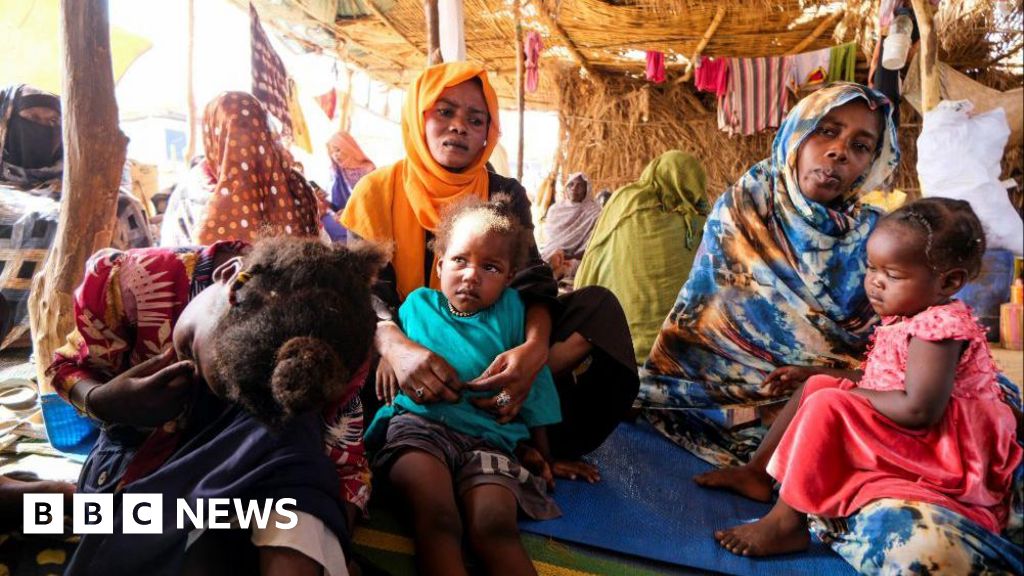
Phone data reveals Colombian mercenaries backing Sudan’s RSF, new report shows

Recent findings from the Conflict Insights Group (CIG) have cast a revealing light on the extent of the United Arab Emirates’ involvement in ongoing international conflicts. As global tensions escalate, the role of regional powers becomes increasingly pivotal, shaping not just local politics but influencing geopolitical stability across continents. The CIG’s research underscores how these dynamics underscore a shifting landscape, where alliances are fluid and strategic interests often dictate alignments that defy traditional world order narratives.

Known for its rigorous analysis, the CIG detailed how the UAE has engaged in multifaceted activities, from extending military aid to participating in diplomatic negotiations that serve broader regional ambitions. Expert analysts argue that this involvement signifies more than mere geopolitics; it signals a concerted effort by Abu Dhabi to shape the future regional order in the face of rising tensions in the Middle East and beyond. These actions are not occurring in a vacuum—they reflect a conscious push by the UAE to position itself as a key player in global affairs. Such moves are also designed to leverage economic influence, including strategic investments in infrastructure and technology, which serve dual purposes of economic growth and diplomatic reach.

In an era where conflicts are increasingly complex and intertwined with economic interests, the decisions made by the UAE have broad geopolitical impact. The UAE’s involvement is viewed critically by international organizations and neighboring states. For instance, the European Union and the United States, both major global actors, are closely monitoring these developments, recognizing that regional stability hinges on the shifting powers’ actions. Meanwhile, historians highlight that the UAE’s assertive posture echoes patterns seen in regional hegemonies of the past—an indication of a potential recalibration of influence in a world where soft power gives way to strategic strength.

As these developments unfold, the words of veteran geopolitical analyst Dr. Samuel Edwards resonate: “We are witnessing the emergence of a new geopolitical chessboard. The UAE’s calculated moves could either foster regional stability or ignite new cycles of conflict.” This has profound implications for societies within and beyond the Gulf Cooperation Council. Whether through advancing peace initiatives or fueling confrontations, the UAE’s national interests thus determine the fate of millions. With history now writing this chapter in real-time, each move in this high-stakes game echoes through the halls of power, into the corridors of international diplomacy, and onto the streets of countless nations, leaving the world to ponder: Whose hand will ultimately guide the future?
Sudan’s war erupts in relentless waves—trapped reporter’s phone reveals three years of chaos

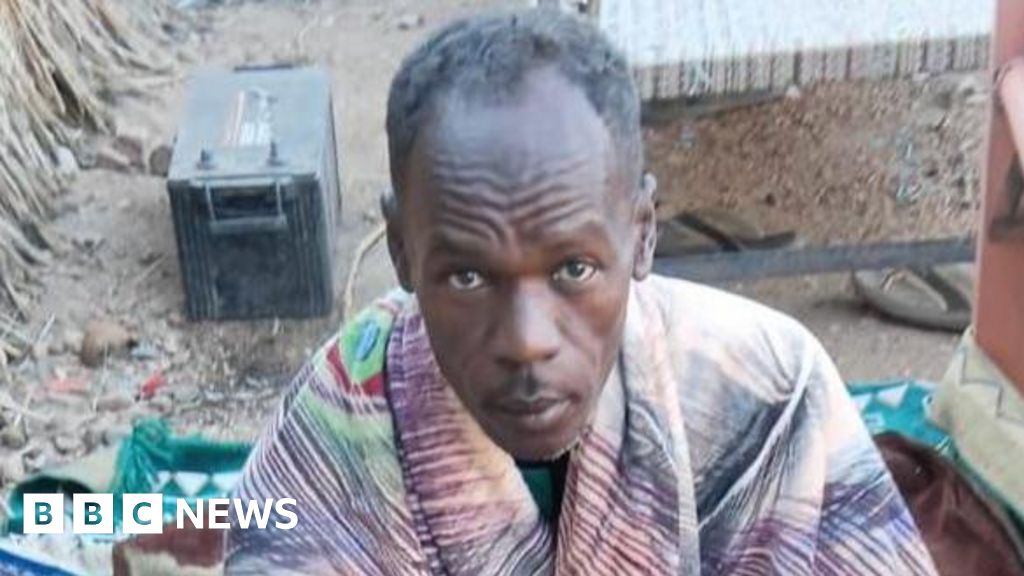
As the conflict enters its fourth year, international stability remains precarious, with the echoes of destruction cast across multiple continents stirring concerns among global leaders and analysts alike. Journalist Mohamed Suleiman’s somber reflection underscores a sobering reality: the toll on human life, economic stability, and geopolitical balance has been profound. This prolonged struggle exemplifies how regional conflicts, when left unchecked, can spiral into wider crises, impacting international relations and global security architectures.

Among the most significant geopolitical shifts in recent years has been the turbulent reshaping of alliances and power centers. Russia and China have capitalized on moments of Western distraction, consolidating influence in regions historically aligned with Western democracies. Meanwhile, U.S. and European allies grapple with the fallout—both economic and strategic—of extended conflicts. Experts, including noted geopolitical analysts and think tanks like the International Crisis Group, warn that these shifts threaten to undermine post-World War II stability frameworks, paving the way for new spheres of influence and regional hegemony.

At the core of these diverging trajectories is the struggle over legitimacy and sovereignty. The recent treaty negotiations and ceasefire agreements, often touted as diplomatic breakthroughs, have frequently proved fragile or superficial. Historians of conflict note that peace agreements, if not backed by genuine change, risk merely postponing violence rather than resolving underlying issues. The international community, through agencies such as the United Nations, remains divided on how to foster sustainable peace, exposing the limits of diplomatic institutions when faced with entrenched national interests. As war-worn societies endure, the social fabric is frayed, and the future of governance across affected nations hangs in the balance—raising troubling questions about the sustainability of global order.

The consequences of these decisions extend beyond borders, affecting millions of ordinary citizens caught in the crossfire. Economic sanctions, displacement, and disrupted trade are creating ripple effects that threaten to destabilize global markets. Analysts warn that if current trends persist, there could be a rise in political extremism and a breakdown of international cooperation—threatening a cycle of conflict that could last generations. It is within this volatile context that the ongoing struggle for peace, sovereignty, and regional dominance tests the resilience of nations and the resolve of international institutions in shaping the course of history.

As history presses forward, the question remains whether diplomats and leaders can transcend their immediate interests to forge a path toward lasting stability. The world watches with a mixture of hope and trepidation, knowing that the decisions made today will echo through the ages. In the unfolding narrative of this century, the silent echoes of war and diplomacy will determine whether this chapter is remembered as a cautionary tale or a turning point that redefined the future.

South Sudan’s President Kiir ousts Vice President Mel in major shake-up

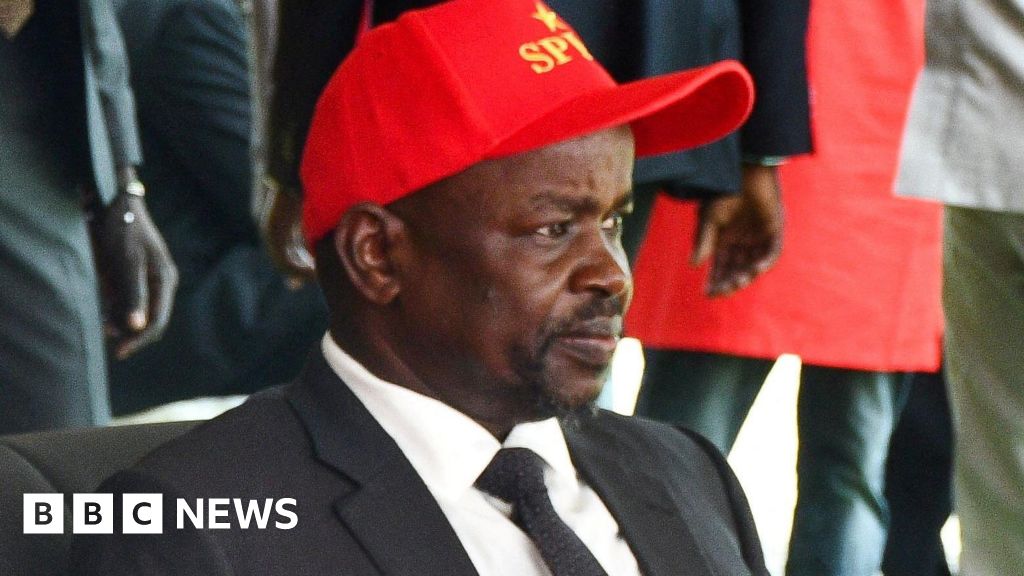
The recent dismissal of South Sudan Vice-President Benjamin Bol Mel by President Salva Kiir has sent shockwaves through the young nation’s fragile political landscape. This move, announced via decree and devoid of explanation, underscores the ongoing volatility in a country that only gained independence in 2011 but has been plagued by civil unrest ever since. The removal of Bol Mel—who previously appeared poised as Kiir’s likely successor—appears to symbolize a decisive consolidation of power amid mounting fears of renewed civil war. Analysts warn that such internal struggles threaten to unravel the last remnants of peace established under the 2018 power-sharing agreement, which has continuously faltered under the weight of old tensions and new conflicts.

South Sudan’s tumultuous history is well documented by international organizations and historians, recognizing its journey from a peaceful separation from Sudan into a maelstrom of violence. The recent crisis follows the escalation of fighting between government forces loyal to Salva Kiir and armed groups aligned with ex-vice-president Riek Machar. Notably, Machar was sacked earlier this year, arrested, and charged with serious crimes, prompting accusations from his supporters of a politically motivated witch-hunt that only worsened tensions. This cycle of power struggles exposes the underlying fragility of South Sudan’s state institutions, which continue to be vulnerable to internal divisions and external pressures, including sanctions and diplomatic isolation.

In the wake of Bol Mel’s removal, social media and local sources reflect a broad consensus: his dismissal signals an internal power struggle within the Sudanese People’s Liberation Movement (SPLM). A senior government official, speaking anonymously for security reasons, indicated that Bol Mel was viewed as a “divisive figure” whose presence was exacerbating factional discord. The apparent withdrawal of Bol Mel’s security detail and the lack of immediate replacements suggest a sudden and potentially destabilizing power vacuum. These events could accelerate the erosion of recent ceasefire efforts, with some regional analysts warning of a possible descent into chaos—a scenario that international observers, including the United States and regional powers, are desperate to prevent. Yet, the very nature of South Sudan’s regime suggests that internal factionalism remains unresolved, with entrenched elites vying for dominance amid a nation still scarred by years of violence.

The geopolitical impact of this upheaval extends beyond South Sudan’s borders. As Africa’s youngest nation, its stability affects regional security, oil markets, and international efforts aimed at fostering peace. The United States, which has historically played a dominant role in supporting South Sudan’s peace process, remains cautious, maintaining sanctions against figures like Bol Mel for purported corruption, despite his promotion to prominent security roles. The broader implications involve how neighboring nations and global institutions respond to escalating instability. As historians and analysts draw parallels with other post-conflict states, the specter of what if looms large: Could internal power struggles ignite a larger civil conflict, destabilizing the already volatile Horn of Africa?

As South Sudan’s leadership grapples with internal dissent, the weight of history presses upon its young democracy. The fate of a nation born from hope now teeters on the brink of chaos, with every decision in Juba echoing through corridors of power and across the continent. The unfolding story remains a stark reminder that in the heart of Africa—where oil riches and ethnic allegiances intersect—the future is written in moments of upheaval. History’s pen hovers, uncertain whether this chapter will forge a fragile peace or plunge South Sudan back into the shadows of conflict, a stark testament to the unpredictable course of nations in transition. And thus, the world watches, silent yet attentive, as the next pages of this turbulent saga are yet to be written.

Deadly Drone Strike Claims Over 60 Lives in Sudan’s Besieged City

The ongoing conflict in Sudan, particularly in the city of El-Fasher, has escalated into a humanitarian catastrophe, with reports of a devastating drone strike resulting in the deaths of at least 60 civilians. According to the resistance committee for El-Fasher, the attack was carried out by the Rapid Support Forces (RSF), a paramilitary faction at the heart of Sudan’s brutal power struggle. Targeting a displacement shelter within a university—Dar al-Arqam camp—the strike underscores the reckless disregard for innocent lives in an environment already ravaged by years of conflict. The group detailed the destruction as involving two drone strikes and multiple artillery shells, leaving an indelible mark of violence and chaos on a city teetering on collapse.

The situation in El-Fasher has transcended mere warfare and humanitarian neglect; it has blossomed into what international analysts describe as a crisis bordering on genocide. In recent months, the RSF has encircled the city for over 17 months, in a relentless effort to control the last stronghold of the Sudanese army in the Darfur region. This ongoing siege has gutted the city’s medical facilities, food supplies, and infrastructure, leading to the spread of hunger and disease amidst constant bombardments. The United Nations and Human Rights Watch have condemned the escalation, warning that the violence not only endangers Sudan’s territorial integrity but threatens regional stability in a geopolitically sensitive area.

The conflict erupted in 2023, driven by a deadly fallout between top commanders of the Sudanese army and the RSF. As factions vied for dominance, the nation descended into chaos, exposing underlying ethnic tensions and stoking fears of a broader regional destabilization. According to historians and geopolitical analysts, this power struggle echoes the fragmentation that has beset many post-colonial African states, yet the intensity of violence in Sudan is unprecedented in recent history. The conflict has shattered hopes for a peaceful resolution, with international mediators struggling to broker ceasefire agreements amidst growing allegations of war crimes and atrocities, like the recent attack on Dar al-Arqam.

Ultimately, the fallout from Sudan’s chaos extends well beyond its borders, impacting neighboring countries and global geopolitics. As refugee flows increase and regional alliances are tested, the spotlight shifts to international involvement and the effectiveness of diplomatic interventions. Yet, with each passing day, the story in Sudan grows darker, a stark reminder that history’s most harrowing conflicts often stem from fractured states and broken promises. The unfolding tragedy in El-Fasher is a haunting chapter in the story of a nation caught in the grip of turmoil, leaving observers to ponder whether the tides of history may ever turn toward peace or continue to drown an already vulnerable society in an irreversible cascade of violence and despair.

Social Media Auto Publish Powered By : XYZScripts.com