Matox News

Truth Over Trends, always!

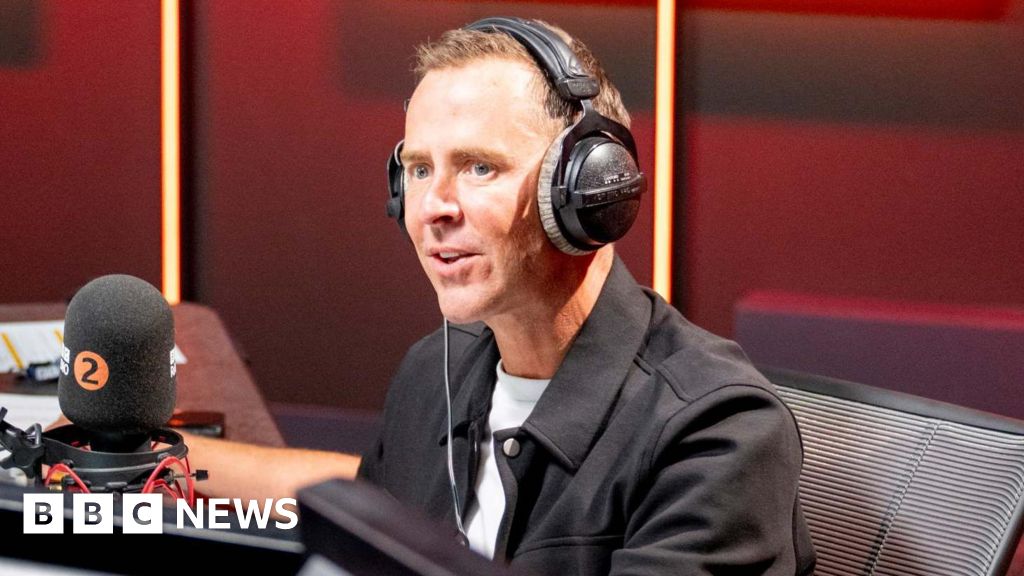
Scott Mills’ sudden departure sparks fresh controversy for the BBC, challenging their commitment to youthful programming

Recent events have once again illuminated the fragile relationship between culture and societal stability. The dismissal of Radio 2 DJ Scott Mills from the BBC, amidst allegations of misconduct, is not merely a matter of individual controversy but echoes deeper currents in the ongoing conversation about the moral fabric and character of our institutions. As Tocqueville observed centuries ago, “democratic nations are marked by a tension between the pursuit of equality and the preservation of standards that uphold social cohesion.” This tension manifests vividly when figures of cultural prominence falter, revealing the importance and vulnerability of the moral underpinnings that support societal cohesion.

In the realm of cultural production, figures like Mills, whether they serve as entertainers or ideological symbols, are more than mere entertainers—they are custodians of tradition, carriers of the collective memory, and creators of symbols that shape societal identity. The cultural moment is both a mirror and a mold, reflecting current values and simultaneously challenging or reinforcing them. As Ortega y Gasset asserted, “a nation’s culture is the upper limit of its consciousness, the language in which its ideals are clarified.” When a prominent figure falls under scrutiny, it is emblematic of a broader crisis: the erosion of social trust and the shifting standards that define our moral landscape. Such moments compel a reflection on how our cultural icons embody our shared values and aspirations, serving as both a reflection of who we are and a touchstone of what we wish to become.

Historically, cultural upheavals have often signaled a turning point in national identity. During periods of moral decay or societal dislocation, we witness a re-evaluation of what constitutes integrity and virtue in the public sphere. Chesterton, in his critique of modernity, warned against losing sight of the permanent amid the transient. Today’s discourse concerning character and conduct among our cultural figures is no different; it is a confrontation with the enduring values that anchor our civilization. The question we face is not merely about individual misconduct but about whether we uphold the foundational principles that sustain our social fabric—respect, integrity, reverence for tradition.

As we mourn the loss of a beloved figure from our cultural landscape, a poetic truth emerges: culture is both memory and prophecy. It is the voice of the ancestors, echoing through time, guiding us with lessons of perseverance and virtue. Yet, it also whispers of the future, daring us to forge anew, with conscience and conviction. For in embracing our cultural heritage, we do not only preserve history — we participate in the ongoing act of creation, weaving the narrative of human life with threads of hope, identity, and moral resolve. Ultimately, culture remains the enduring flame that illuminates the path from human memory towards the horizon of human destiny, a testament both to where we have been and what we might yet become.

LA County Deputy Dies After Sudden Medical Emergency During Race—Community Reacts Strongly

Recent developments in the United States underscore the mounting impact of climate change on societal stability and international security. The death of Levi Vargas, a Los Angeles County sheriff’s deputy, during a desert relay race highlights the tangible consequences of a rapidly changing climate. Vargas, only 30 years old, succumbed amid a series of extreme heatwaves across the US southwest—a region that has shattered historic temperature records this March. These unprecedented conditions have resulted in increased health emergencies, strained emergency response systems, and a growing sense of vulnerability, especially among frontline workers and law enforcement on the frontlines of both climate and societal crises.

  • Extremely high temperatures have prompted national weather agencies, including the National Weather Service, to issue health alerts across multiple cities, signaling a warning to policymakers about the intense, ongoing climate crisis.
  • Such climate-related tragedies are not isolated incidents but are indicative of a broader geopolitical landscape where resource scarcity, water shortages, and natural disasters threaten to destabilize nations, particularly those in vulnerable regions.
  • Experts, including analysts from the United Nations climate division, warn that these extreme weather patterns—most notably the historic heatwaves—are accelerating a cycle of environmental degradation that could ignite regional conflicts and destabilize social order.

This climate emergency comes at a critical juncture, with global leaders grappling with decisions that will shape not only environmental policies but also international power dynamics. Russia and China, for example, have become increasingly strategic in their resource negotiations, positioning themselves to capitalize on the chaos wrought by shifting weather patterns and ecological upheavals. Meanwhile, Europe faces its own scorched landscape and drought firefighting challenges, testing the EU’s unity and capacity for unified action. These national responses, or lack thereof, will undoubtedly influence the course of future geopolitical stability, especially in regions where water and food security are already under threat.

The ripple effects of climate-induced chaos extend into the geopolitical arena, where international treaties such as the Paris Agreement face renewed scrutiny. Critics argue that these accords have so far been insufficient and that a failure to implement meaningful emissions reductions only exacerbates the crises that threaten global peace. Meanwhile, nations like India and Brazil, rich in natural resources but politically unstable or economically dependent, are at risk of falling further behind in the fight against climate change. As history’s guardians debate their next moves, analysts warn that neglecting these environmental emergencies could foster a future where conflict, displacement, and societal collapse become commonplace.

In the shadow of a planet teetering on ecological crisis, the death of a dedicated officer amid record heat serves as a stark reminder: the decisions made in boardrooms, capitals, and international forums today bear the weight of history. Will the world unite in substantive action, or will it watch as the unfolding chapters of climate chaos rewrite the geopolitical landscape—erasing borders, shifting alliances, and reshaping society itself? As the story continues to unfold, one thing remains clear: the true challenge lies not just in weathering the storms of today, but in forging a sustainable future where such tragedies become a relic of the past rather than a grim precursor of what’s yet to come.

Study Finds Wegovy Users Face Five Times Higher Risk of Sudden Vision Loss than Ozempic Users

In recent years, health and wellness trends fueled by pharmaceutical innovations have gained significant traction among urban youth and working families. Drugs like Wegovy, Ozempic, and Rybelsus, marketed primarily for weight loss and diabetes management, have become widespread. However, emerging research has shed light on serious adverse effects that pose a threat not just to individual health but to the fabric of communities and families. A large-scale study recently published in the British Journal of Ophthalmology reports that patients taking Wegovy exhibit nearly five times the risk of sudden sight loss—specifically, non-arteritic anterior ischemic optic neuropathy (Naion)—compared to those on Ozempic. Such stark findings underscore a larger societal challenge: how quick access to pharmaceutical remedies can overshadow the importance of comprehensive health education and preventative care, particularly affecting vulnerable communities.

These “eye strokes,” which cause sudden and often permanent vision loss, highlight an often-overlooked ripple effect within families—loss of independence, increased care dependency, and emotional trauma. Historian and social critic, Dr. John Taylor, argues that societal focus on quick fixes fosters an atmosphere where short-term solutions eclipse long-term wellness. The disproportionate risk observed among men (who face a threefold greater chance of Naion than women) adds another layer of social tension: gender disparities within healthcare and the uneven distribution of risk. Moreover, these risks are compounded by a lack of widespread understanding; many families, especially those in socioeconomically disadvantaged communities, are left vulnerable to adverse effects that can destabilize their lives. As the data points out, around 1 in 10,000 people taking semaglutide experience Naion, a statistic that may seem small but represents a profound quality-of-life change for those affected. The findings have prompted regulatory agencies such as the UK’s Medicines and Healthcare products Regulatory Agency (MHRA) and European authorities to issue warnings—yet, critics argue these measures are reactive rather than preventive.

To address these burgeoning concerns, experts stress the importance of enhanced public awareness and responsible prescribing practices. The sociological perspective reveals that families and communities are often the first line of defense in recognizing early symptoms and advocating for safer alternatives. The challenge lies in mobilizing a societal shift towards prioritizing informed decision-making over the allure of immediate weight loss or disease management. Sociologists like Dr. Lisa Carter point out that education campaigns need to be deeply rooted in cultural competence and accessible messaging—a crucial step if we are to reshape a society where health risks are openly acknowledged and properly mitigated. Companies like Novo Nordisk emphasize their commitment to patient safety, yet critics claim that industry-led safety protocols should not replace a broader societal debate on the ethics of rapid drug deployment. As families grapple with the reality of drug-related risks, a future that truly prioritizes human well-being hinges on integrating social, medical, and ethical considerations. In this ongoing story of societal resilience, hope persists—a hope rooted in community awareness, moral responsibility, and the collective pursuit of a society where health innovations uplift rather than destabilize the core of social cohesion.

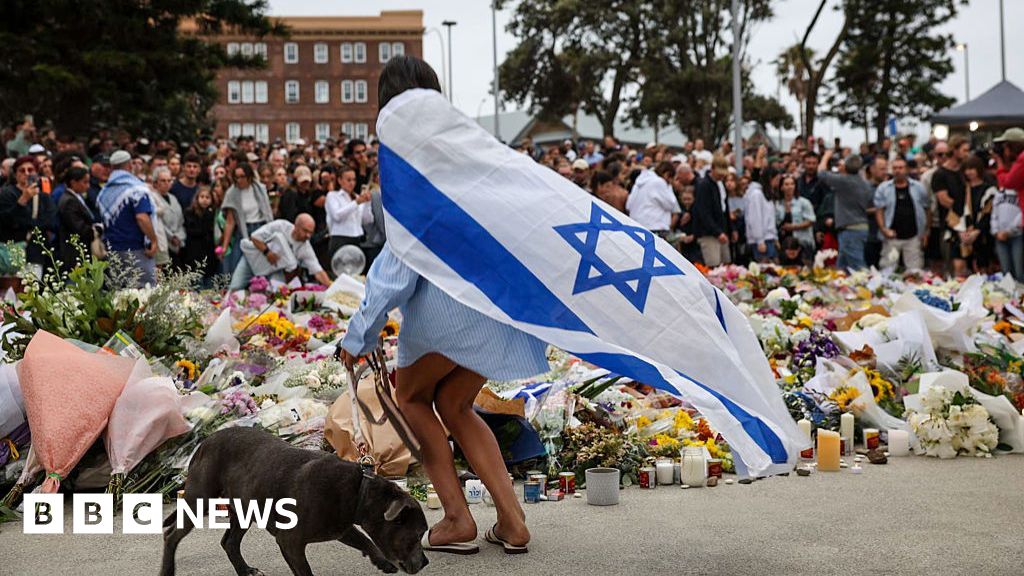
Bondi's Hanukkah Fest Turns Sudden Nightmares—What Went Wrong?
Bondi’s Hanukkah Fest Turns Sudden Nightmares—What Went Wrong?

Global Tensions Escalate Amid Unfolding Geopolitical Shifts and Local Tragedies

In a world where international stability is often measured in the small margins of diplomatic dialogue and military readiness, recent events have shattered the illusion of peace in both local and global contexts. Australia, long celebrated as a symbol of multicultural harmony and laid-back lifestyle, was rocked by a shocking act of violence at Bondi Beach—a place synonymous with carefree summer days. On what was meant to be a celebration of faith during Hanukkah, two gunmen opened fire—killing at least 15 people and injuring dozens more—transforming the iconic edge of Sydney into a scene of chaos and grief. The attack, carried out on a holiday meant to symbolize light and perseverance, underscores the fragility of societal cohesion in the face of rising extremist threats and the complex web of local vulnerabilities.

  • Gunmen identified as Sajid Akram, 50, and his son Naveed, 24, allegedly orchestrated the assault from a bridge overlooking the park, using sporting shotguns in what experts described as a calculated attack.
  • The operation unfolded over several harrowing minutes, with eyewitnesses recounting screams, gunfire, and a community caught unprepared by violence directly targeting innocent civilians during a festive occasion.
  • Police investigations revealed Sajid Akram was registered with six firearms, raising questions on gun control policies and vetting procedures that failed to prevent the attack. Meanwhile, Naveed’s suspicious ties to an Islamic State cell in 2019 pushed authorities to scrutinize the threat level, though Prime Minister Anthony Albanese publicly stated there was no ongoing threat.

The geopolitical impact of regional violence resonates far beyond the shores of Australia. As analysts suggest, acts of domestic terror are often intertwined with broader global pressures, such as the persistence of radical ideology and failed integration policies in diverse societies. International institutions like the United Nations have repeatedly warned about the rising tide of extremism in liberal democracies, emphasizing that the fight against violence must be coupled with efforts to bolster national identity and societal resilience. The attack on Bondi Beach echoes across borders, reminiscent of recent terror episodes in Europe and North America, which highlight the continuous challenge facing western nations in safeguarding their citizens amidst a backdrop of geopolitical turbulence.

Meanwhile, in the corridors of power, the response to these tragedies influences international relations and homeland security strategies. Critics argue that while Australia’s police and intelligence agencies acted swiftly, the underlying issues of radicalization and gun ownership need urgent reevaluation. Some political voices contend that protective measures, such as tighter gun control and community outreach, are essential to prevent similar incidents. Yet, others warn that overreach could infringe on civil liberties, creating a dangerous precedent that may weaken national cohesion further.

As the United States and European Union grapple with internal threats and the shifting sands of global alliances—symbolized recently by shifts in transatlantic relations and NATO’s posture— the chaos at Bondi Beach stands as a stark reminder of how localized violence can ripple into broader geopolitical uncertainties. The rise of extremist groups, including Islamic State and others, demonstrates the ideological battleground that extends from the Middle East to nations like Australia, forcing international organizations and national governments to adapt their strategies amid a landscape of unpredictable threats.

In the shadow of these events, society faces a daunting challenge: how to forge resilience from chaos. As residents recount the unsettling aftermath of the attack, the larger narrative warns of history’s dark tendency to repeat itself—unless nations unite to confront the root causes of extremism and safeguard core freedoms. The story of Bondi Beach, once merely a local tragedy, has now become a chapter in an unfolding global drama where power, identity, and security intertwine. The questions posed by this storm of violence linger, heavy with the knowledge that, in the relentless march of history, the lines between local incident and international crisis are often perilously thin, and the future remains unwritten—yet profoundly consequential.

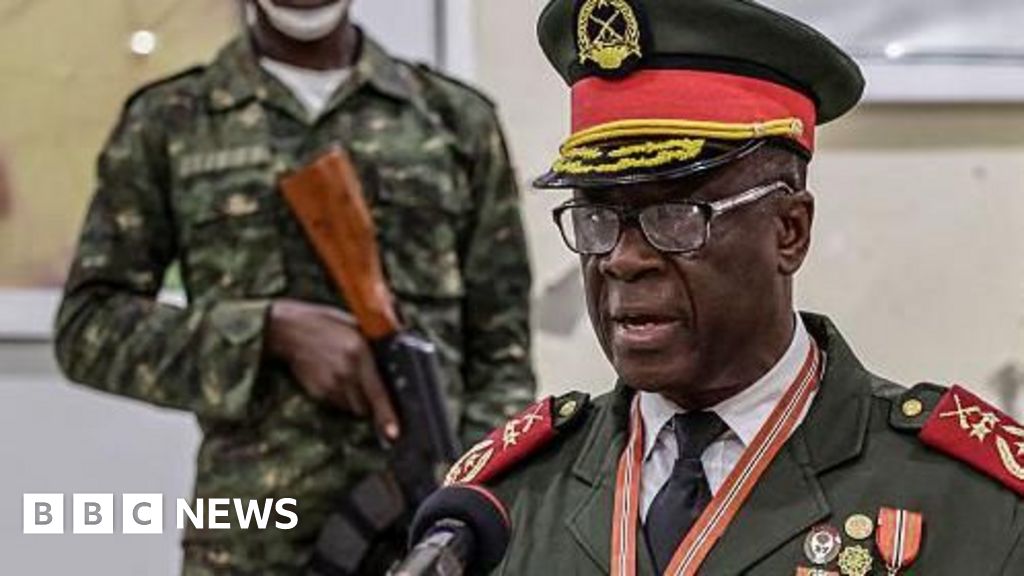
Guinea-Bissau Army General Declared President After Sudden Coup

Guinea-Bissau: Military Coup Sparks Unrest and Challenges Regional Stability

The recent upheaval in Guinea-Bissau, a nation long plagued by political instability, has taken a dramatic turn as the military announced a coup d’état, seizing control amidst claims of thwarted electoral processes. The country’s interim leader, Gen Horta N’Tam, who was sworn in as the transitional president just a day prior, now faces the daunting task of navigating the crisis. The coup came after persistent allegations that outgoing President Umaro Sissoco Embaló may have orchestrated a “simulated coup”—a supposed ploy to block the release of electoral results—fueling suspicions of manipulation and widespread dissent. This event underscores the fragility of Guinea-Bissau’s democracy, where previous coups and attempted putschs total at least nine since independence in 1974.

International organizations, notably the African Union and the Economic Community of West African States (ECOWAS), have responded swiftly, condemning the military’s action and calling for the immediate reinstatement of constitutional order. Leaders from the AU, emphasizing the importance of respecting democratic processes, demanded the “immediate and unconditional release of President Embaló and all detained officials.” The crisis reflects the region’s ongoing struggle with stability amidst a broader context of illegal drug trafficking, militant influence, and political corruption—a dark legacy that has made Guinea-Bissau a notorious narco-state. Its strategic coastline, dotted with uninhabited islands, has long been exploited by drug traffickers moving cocaine from Latin America toward Europe, which international analysts say exacerbates the country’s descent into chaos.

The geopolitical impact of this upheaval extends well beyond Guinea-Bissau’s borders. Neighboring nations—especially Senegal and Guinea—face increased instability, as uncertainty in Bissau threatens regional security and the fight against transnational crime. Historically, Guinea-Bissau’s military influence has oscillated between fragile governance and outright coups, often manipulated by external criminal networks and internal power struggles. The current crisis threatens to deepen regional fragmentation, complicate efforts by Western nations to monitor drug routes, and could possibly embolden other military factions in West Africa, stirring fears of a domino effect that could destabilize an already volatile zone.

Historians and security analysts warn that Guinea-Bissau’s political crisis is more than a local issue—it is a critical indicator of the wider geopolitical challenges facing the West African region. Dr. Emmanuel Osei, a renowned regional political analyst, states: “What we’re witnessing isn’t just a coup; it’s a symptom of external interests intertwined with internal fragility. The integrity of democratic institutions is under siege, and the repercussions will be felt far beyond the shores of Guinea-Bissau.” The regional body, ECOWAS, has urged restraint and a return to dialogue, but as gunfire erupted in Bissau’s streets, fears mount that the nation’s future could be decided by guns rather than ballots. As the international community closely monitors the unfolding drama, all eyes turn toward a nation whose story remains unwritten, yet whose decisions could sway the course of regional stability for years to come. The weight of history presses heavily, leaving the world to ponder: will Guinea-Bissau find its way back to peace, or will it slip further into the shadows of instability—a dark chapter in the ongoing saga of West Africa’s fragile sovereignty?

Social Media Auto Publish Powered By : XYZScripts.com