Matox News

Truth Over Trends, always!

Israeli police prevent Latin Patriarch from joining Palm Sunday parade in Jerusalem

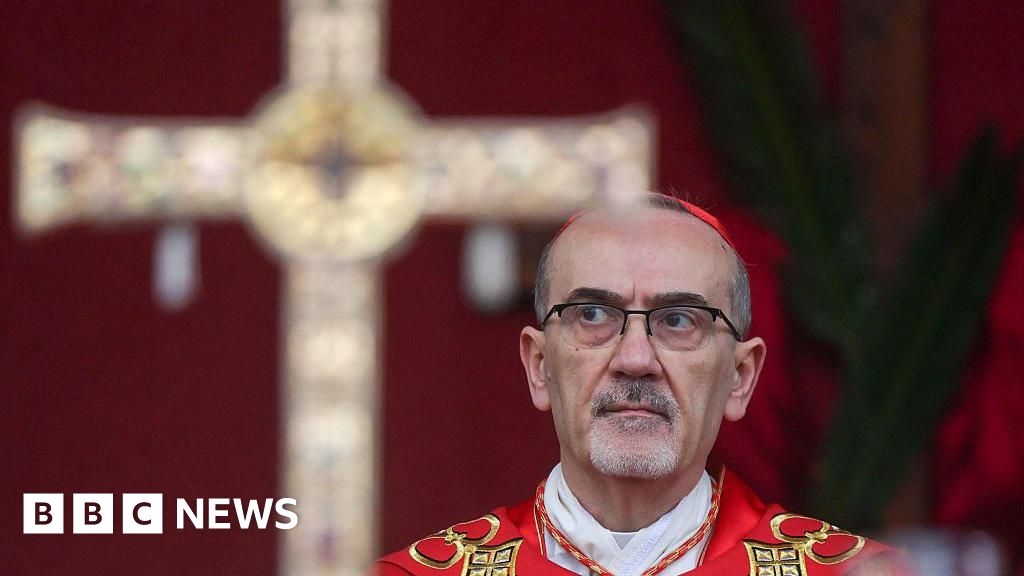
In a striking development that echoes beyond the sacred walls of Jerusalem, Cardinal Pierbattista Pizzaballa, the Latin Patriarch, alongside the Reverend Francesco Ielpo, was reportedly prevented from entering the Church of the Holy Sepulchre—a site revered worldwide as the crucifixion and resurrection point of Jesus Christ. According to church authorities, this incident occurred amidst mounting tensions that highlight ongoing struggles over control and access to one of the world’s most contested religious and historical sites.

This seemingly localized event carries profound geopolitical impact, reflecting a broader shift in regional power dynamics, religious authority, and international diplomacy. The Palestinian Authority and Israeli security forces have continually struggled to manage the complex tapestry of religious rights, sovereignty, and political influence that surround Jerusalem. The incident involving high-ranking religious figures not only underscores these frictions but also signals how fragile the status quo remains, even during sacred observances like Holy Week. Historians and analysts warn that such confrontations may serve as precursors to larger destabilizations, especially as tensions with regional and international stakeholders escalate.

International organizations, including the United Nations and various EU bodies, have repeatedly called for respecting religious freedoms and maintaining peace at sites of religious significance. However, recent events suggest that diplomatic efforts are often undermined by local political pressures and emerging alliances. Experts contend that the decision to block religious leaders from the Holy Sepulchre may be yet another sign of how the struggle for influence over Jerusalem intensifies, with different factions vying for control—not only over territory but also over the narrative of faith and history itself. As the geopolitical chessboard recalibrates, every move at this sacred crossroads has ramifications that resonate across continents and societies, threatening to ignite broader conflicts.

Historic and contemporary analysts observe that the tension surrounding Jerusalem can serve as a barometer for regional stability. Different governments, from Turkey to Egypt, have stakes in the city’s future, often leveraging its religious significance to bolster their geopolitical ambitions. The incident involving senior church figures thrust into the spotlight a critical question: How long can the delicate balance be maintained before these religious and political tensions spill over into open conflict? The answer remains uncertain, yet the weight of history reminds us that the city’s future hinges on more than politics—it is a battleground for the soul of the world’s major faiths, and a symbol of the enduring human struggle over identity, sovereignty, and faith.

Trump sets Sunday deadline for Hamas to accept Gaza peace deal

The escalation of violence in Gaza has once again thrust the Middle East into the global spotlight, with US President Donald Trump taking an unprecedented stance. On his Truth Social platform, Trump issued a stark ultimatum to Hamas, demanding the militant group accept a proposed US peace plan or face “all hell,” a phrase that underscores the gravity of the current situation. The plan, set to be enforced by a strict deadline of 18:00 Washington time (22:00 GMT) on Sunday, calls for an immediate cessation of hostilities and the release of 20 Israeli hostages within 72 hours—along with the remains of those believed to be deceased— in exchange for hundreds of Gazans detained by Hamas. This intense diplomatic ultimatums reflect America’s strategic pivot to project influence amidst rising tensions, a move strongly opposed by many analysts concerned about the unpredictable consequences of such escalations.

International mediators have reportedly engaged with Hamas’s military leadership in Gaza, but internal divisions threaten the viability of the US proposal. According to credible sources, Hamas’s military wing refuses to accept the plan, primarily because it demands the immediate handover of all hostages within the first three days of a ceasefire—a move analysts describe as effectively stripping Hamas of its strongest leverage. Meanwhile, some elements within Hamas’s political hierarchy in Qatar appear more receptive, though their influence remains limited due to their lack of control over the armed group’s core operations and hostages. Such internal disagreements highlight the complex web of power struggles within Hamas itself, complicating international efforts to mediate a sustainable resolution. The fact that only 20 of the roughly 48 hostages believed to be held are confirmed alive adds a layer of tragedy and urgency to the negotiations, with many fearing that the window for safe resolution is rapidly closing.

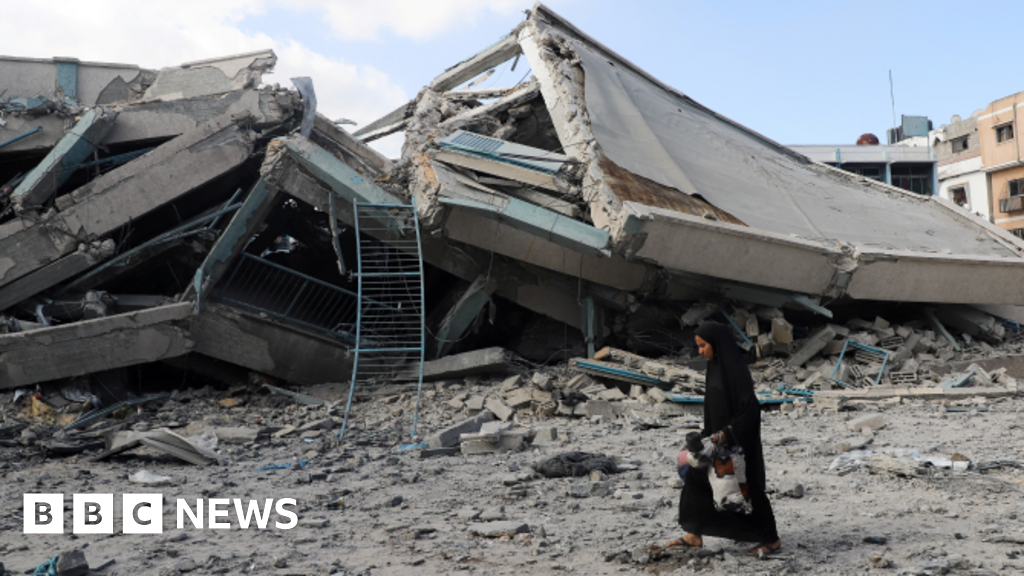
The backdrop to this crisis is the devastating Israeli offensive launched in response to the October 7 attack by Hamas, which resulted in approximately 1,200 fatalities and 251 hostages taken—an atrocity that shattered Israel’s sense of security and prompted a sweeping military campaign in Gaza. The Israeli Defense Forces have responded with relentless aerial and ground assaults, leading to over 66,288 Gaza residents reported killed by Hamas-controlled health authorities. These staggering figures illustrate the profound human toll of the conflict, and experts warn that continued fighting risks a broader regional escalation, with global powers watching intensely. The United Nations and other international organizations have issued calls for ceasefires and negotiations, but their influence is waning in the face of entrenched hostility and deep-seated grievances.

Within this maelstrom of violence and diplomacy, the geopolitical impact is undeniable. The unfolding crisis tests the limits of international diplomacy and underscores the fragile balance of power in the Middle East. Leaders from Europe to Asia are watching with wary eyes, aware that any misstep could trigger a larger regional conflict. Historians and strategic analysts warn that decisions made in these critical days could shape the course of history—either paving the way towards peace or unleashing a relentless cycle of violence. As civilians bear the brunt of these hostilities—caught between political agendas and military might—the question remains: how much longer can the world afford to stand by and watch as history continues to be written in blood?

In the shadows of diplomacy and war, the future hangs precariously, with each decision echoing through the corridors of power and the lives of those entangled in this enduring conflict. The weight of history presses down heavily—every choice a chapter in a story still unwritten, yet profoundly felt. The question now is whether the international community can forge a path toward lasting peace, or if the flames of ongoing hostilities will consume all hopes of resolution, plunging the region—and perhaps the world—into chaos once more.

Social Media Auto Publish Powered By : XYZScripts.com