Matox News

Truth Over Trends, always!

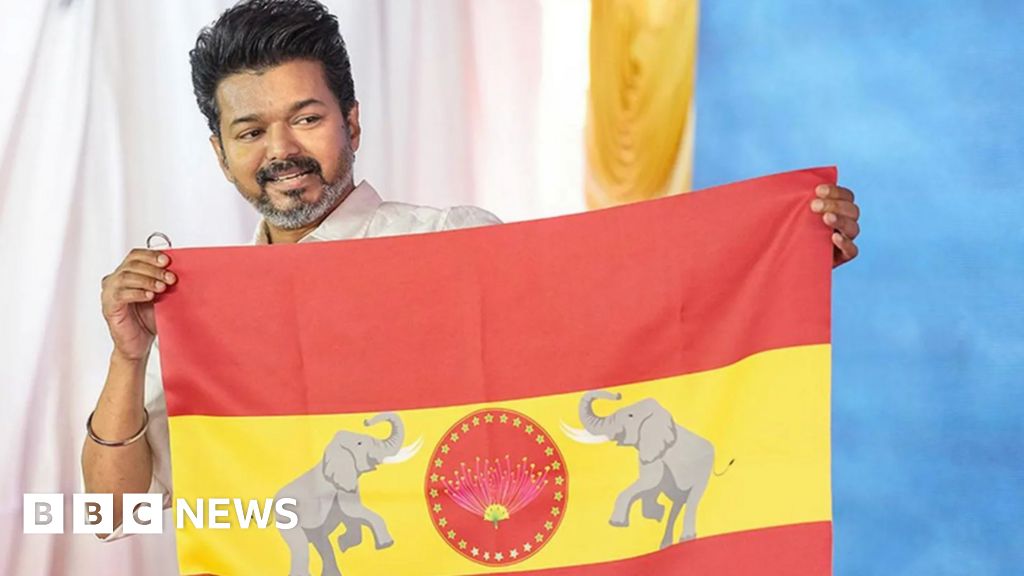
Popular superstar shakes up rivals and politics in Indian state with unexpected move

In a surprising turn of events, **film icon Vijay**, a beloved figure in Tamil Nadu, has emerged as a formidable force in the state’s recent electoral landscape. Defying longstanding political expectations, Vijay’s near-complete sweep of the region’s polls signifies a major break from traditional party dominance, challenging the established political order that has been in place for decades. This development reflects a broader shift towards celebrity-driven politics in India, with significant implications for **domestic stability and regional influence**.

Political analysts and historians have noted that Vijay’s success signals more than just a celebrity’s foray into governance; it highlights a growing distrust in conventional political parties among the youth and urban voters. As **international observers** monitor this rapidly evolving scenario, some predict that Vijay’s rise could reshape **power dynamics** within Tamil Nadu and influence how other states evaluate the role of popular figures in leadership roles. Such a change is particularly notable given the entrenched factions within regional politics, traditionally dominated by parties like **DMK** and **AIADMK**. Vijay’s unprecedented electoral performance underscores the shifting allegiances among voters seeking fresh alternatives amid economic challenges and social unrest.

Here, the geopolitical impact extends beyond India’s borders. Tamil Nadu’s pivotal location on the southeastern coast of the Indian subcontinent, adjacent to vital international trade routes, lends the state a strategic significance that cannot be overlooked. A political landscape energized by new, populist leadership like Vijay’s could lead to regional policies that either bolster or undermine stability and cooperation along maritime corridors. Major international organizations and analysts have expressed cautious optimism, emphasizing that regional political stability directly affects **border security, foreign investment**, and **trade relationships** in South Asia and the broader Indo-Pacific region. This realignment in Tamil Nadu’s political arena may also influence **India’s internal cohesion**, particularly as it navigates complex relationships with neighboring countries.

Many experts warn that this moment is a **turning point**—a potential catalyst for further upheaval in Indian politics. As historians examine the roots of celebrity politicians worldwide, such as in the United States and the Philippines, some argue that Vijay’s victory is a reflection of **global trends** where personality politics often overshadow party ideologies. The rise of such figures indicates an era where **popular culture and charisma** can challenge the traditional notions of governance, prompting international organizations like the **United Nations** to scrutinize how these shifts might influence **democratic development and social cohesion** in the region.

As the dust settles and the world looks on, one thing remains clear: the unfolding story of Vijay’s political ascent is much more than a regional upset. It’s a harbinger of an era where **populism**, **entertainment**, and **national identity** coalesce into powerful forces reshaping the fabric of society. Just as history beckons us to understand the consequences of such upheavals, the global community stands at a precipice—eyeing a future where the line between celebrity and sovereignty blurs, and the story of **India’s largest state** continues to write itself into the larger saga of geopolitical change.
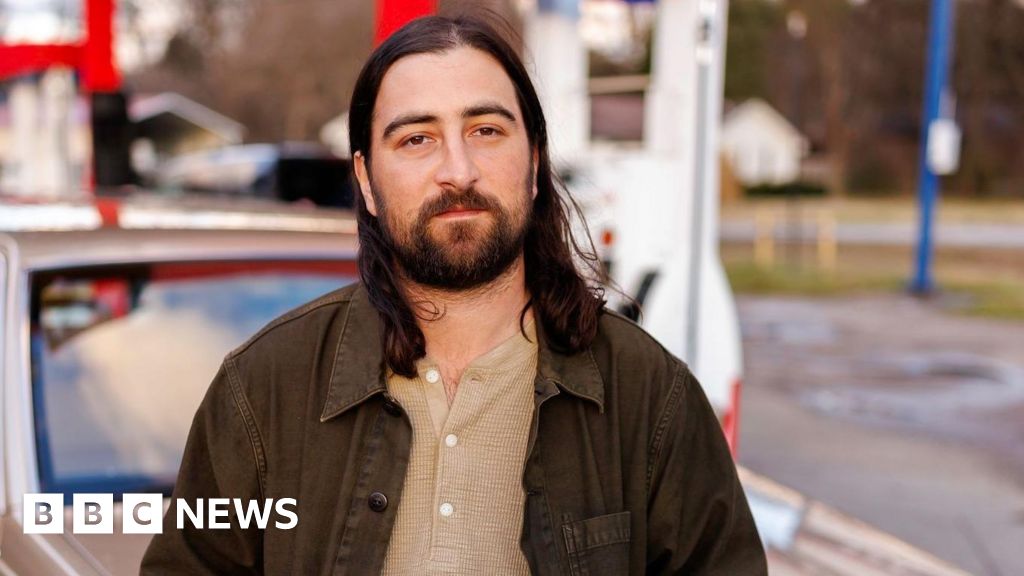
Noah Kahan Achieves Superstar Status, Rethinks the Price of Fame

In the turbulent currents of contemporary society, few phenomena exemplify the profound intertwining of culture, identity, and societal values as vividly as the ascendance of youthful musical icons. Consider the recent trajectory of a prominent US singer, whose rise to festival headliner status following the release of his third album has not only marked a milestone in his artistic journey but has also ignited a broader reflection on the significance of culture as a vessel of collective identity. Such moments are inherently layered, revealing the underlying fears, hopes, and aspirations of a generation eager to forge its narrative amid a landscape of rapid social change.

This phenomenon echoes the age-old understanding that culture is both a mirror and a blueprint—a mirror reflecting societal values and a blueprint shaping future generations. When an artist gains such prominence, it is not merely a matter of entertainment but a symbolic act that encapsulates the spirit of an era. As literary critic G.K. Chesterton once argued, “Culture is the way in which our civilization becomes most visible,” and in that visibility, we see the reflection of our collective convictions and conflicts. The youth, in particular, gravitate toward these cultural milestones — their music, their art, their voices — as expressions of their unique identities and as anchors in a swiftly disorienting world.

This rise, however, is not without its paradoxes. The very process of growth—often accompanied by a crisis of confidence—evokes the universal pattern of progress and upheaval that history repeatedly teaches us. Historically, movements of cultural renewal have often emerged from moments of tension, much like Ortega y Gasset observed in his discourse on the revolutions of the spirit, where established paradigms clash with emerging visions. The artist becoming a headliner is thus emblematic of broader societal shifts—an indication that culture remains a battleground of ideas, values, and identities.

Philosopher and social critic Alexis de Tocqueville warned of the subtle manner in which democratic societies can drift toward
masses and mediocrity, yet he also recognized that the spirit of individual creativity—particularly in its youthful audacity—serves as a vital counterbalance. It is in these cultural expressions that the seeds of tradition and innovation coexist, shaping a society that is both rooted and free. The youthful artist’s journey to the festival stage is more than personal achievement; it embodies the ongoing dialogue between the enduring values of the past and the emerging visions of the future.

In the end, culture—like the poetry of T.S. Eliot—serves as both a memory and a prophecy. It preserves what has been, fashioning it into a living history, while simultaneously whispering the possibilities of what could be. As we observe the ascent of a new generation’s voices, let us remember that their creative expressions are not merely transient phenomena but the very fabric of societal memory and the creative blueprint of tomorrow. Culture, therefore, remains mankind’s poetic act of both remembering and dreaming, a luminous bridge linking the established past with an uncertain but hopeful future.

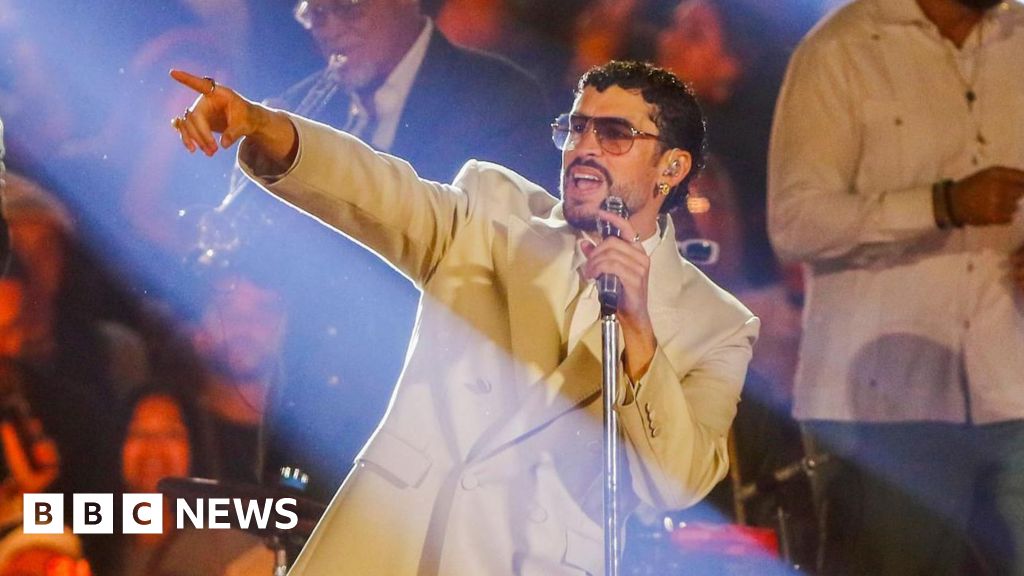
Bad Bunny takes the Super Bowl stage — what's next for the superstar?
Bad Bunny takes the Super Bowl stage — what’s next for the superstar?

In an era defined by the collision of popular culture and geopolitics, influential figures like Bad Bunny are emerging as more than mere entertainers—they are rallying points for national identity, social justice, and regional sovereignty. The Puerto Rican artist, known worldwide for his musical talent, has publicly acknowledged his sense of responsibility to spotlight societal issues. By leveraging his global platform, he advances critical conversations about Puerto Rico’s ongoing struggle for self-determination, a topic that remains fiercely contentious within and beyond U.S. borders. This underscores a broader trend: cultural icons are increasingly becoming catalysts for political awareness, influencing societal perceptions and potentially aligning international attitudes with regional demands for autonomy.

Since 1898, Puerto Rico has existed as an overseas U.S. territory, an arrangement that has sparked debate among historians, political analysts, and the local populace. Critics argue that the current status undermines self-governance, leaving the island embedded in a semi-colonial relationship with the United States. Movements advocating for independence or enhanced statehood—such as those championed by pro-sovereignty factions—gain momentum when figures like Bad Bunny speak out, fueling debates that resonate across the Atlantic and within U.S. political discourse. According to international organizations like the United Nations, Puerto Rico’s colonial status remains a violation of principles of self-determination, but the debate remains polarized and complex, reflecting broader geopolitical tensions about sovereignty, colonial legacies, and economic dependency.

The significance of these cultural and political alignments extends beyond Puerto Rico’s borders. For instance, in Washington, policymakers face increasing pressure to confront the realities of their overseas territories. National security analysts warn that unresolved territorial questions can be exploited by adversarial powers, destabilizing regional security. Meanwhile, global power dynamics are shifting as nations reconsider the implications of colonial legacies. Historians warn that ignoring such issues risks igniting conflicts rooted in long-standing injustices, as the global community grapples with the criteria for legitimate sovereignty and self-determination. The recent rise of pro-independence sentiments echoes historical moments when cultural identity became an instrument for political leverage, transforming societies and shifting the international landscape.

As the world watches, the enduring story of Puerto Rico, amplified by figures like Bad Bunny, epitomizes how individual voices can ripple across continents. The decisions made today—whether to respect the island’s quest for autonomy or to remain mired in outdated geopolitical arrangements—will shape regional stability for generations. The international community faces a pivotal moment: continue lingering in the shadows of colonial history, or recognize the undeniable drama unfolding within the Caribbean, where hopes for sovereignty clash with economic and political realities. Here, at the crossroads of tradition and change, history is not merely being written—it is being rewritten, with profound consequences for the future of global geopolitics.

Social Media Auto Publish Powered By : XYZScripts.com