Matox News

Truth Over Trends, always!

Trump considers $2,000 payout from tariffs to rally youth support

The United States continues to grapple with its turbulent economic policy trajectory under President Donald Trump, who recently rekindled debates over domestic fiscal relief through controversial means. On Sunday, Trump suggested the possibility of distributing $2,000 stimulus checks funded by tariffs collected from global trade partners. His statement, posted on Truth Social, explicitly demanded public support by promising that the taxpayer-funded “dividend” would exclude high-income earners. This move appears to be a strategic effort to rally populist backing amid ongoing economic uncertainties, emphasizing a populist narrative of economic redistribution linked to trade policy.

However, the geopolitical and economic implications of such a plan extend far beyond mere campaign rhetoric. The U.S. Treasury Department and top financial officials have signaled a different reality: the primary use of tariff revenues is to address the mounting national debt, which now exceeds $38 trillion. According to Treasury Secretary Scott Bessent, the tariff proceeds—approximately $195 billion collected in the first three quarters—are being directed primarily toward reducing the federal debt rather than delivering direct economic benefits to American citizens. Such decisions highlight a fundamental shift in how trade policy impacts national sovereignty and economic stability, as policymakers balance the populist appeal of economic relief with the bitter realities of fiscal responsibility and international debt obligations.

Since April, widespread tariffs imposed by the Trump administration have significantly increased costs for American consumers, with data from Yale Budget Lab indicating an effective tariff rate nearing 18%, the highest since 1934. This escalation has been passed along the supply chain, pressuring families and small businesses alike—an unintended consequence of a policy that aims to protect American industry but often results in higher living costs. Analysts and international trade experts warn that such measures risk fueling long-term trade tensions and economic fragmentation, disrupting global supply chains and provoking retaliatory actions from trading partners, from the EU to China. Meanwhile, the Supreme Court has taken up cases challenging the legality of these broad tariffs, underscoring the international legal and diplomatic complexities at play.

  • In October, Trump proposed checks from tariff revenues ranging between $1,000 and $2,000, revisiting a recurring theme that tariffs can serve as a tool for direct economic redistribution.
  • The idea of a $5,000 dividend — floated earlier with Elon Musk — was ultimately dismissed as the national deficit expanded and federal spending cuts proved insufficient.
  • Historian and international economist Anne-Marie Slaughter warns that such short-term populist measures risk undermining the broader goals of economic sovereignty and global stability, emphasizing the need for sustainable fiscal policies rooted in international cooperation and fairness.

The unfolding showdown over global tariffs signals a pivotal juncture: the reshaping of America’s economic relationships and the recalibration of its role on the world stage. As international institutions scrutinize and challenge the legality of Trump’s tariff policies, it becomes clear that the decisions made today will reverberate well into the future, affecting everything from international trade balance to societal well-being. The confrontation over tariffs is more than politics; it is a defining chapter in the ongoing contest for economic sovereignty—a battleground where decisions made by an increasingly polarized nation could determine the course of global power dynamics for generations to come. The weight of history presses heavily upon the current administration, as the world watches whether the United States will steer toward renewed dominance through tariffs or risk fragmenting its economic foundation amid mounting debts and international pushback.

Bristol Schools Disrupted as Support Staff Strike Over Pay—Youth Voice in Crisis

How Economic Disputes and Social Tensions Shape Families, Education, and Communities

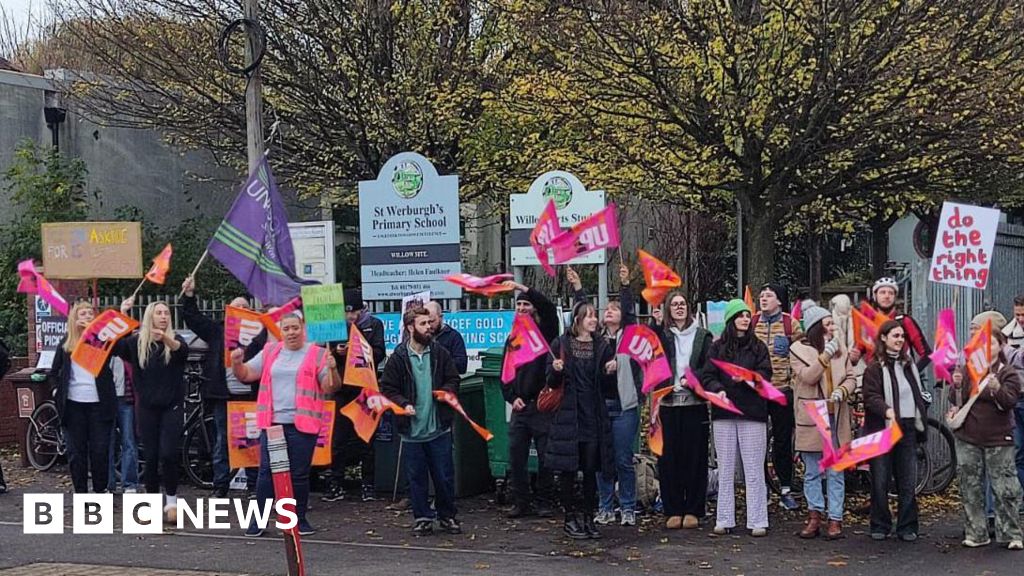
In recent weeks, a wave of social unrest has swept through the educational landscape of Bristol and North Somerset, exposing a broader societal challenge rooted in systemic issues of inequality, fairness, and respect. Support staff at a dozen schools managed by the Cathedral Schools Trust initiated a two-day strike, highlighting a crisis that transcends individual workplaces and touches the very fabric of community stability. This protest was triggered by delayed pay raises—delays amounting to five months of withholding payments—and has left many employees, including teaching assistants, administrators, librarians, and caretakers, feeling *unvalued* and *disrespected*. The ripple effects of such disputes threaten not only the livelihood of individual families but also the quality of education and the cohesion of local communities, intensifying social tensions often ignored in broader policy debates.

According to social commentators and historians like Professor Margaret Mead, who emphasized the importance of social cohesion for societal health, disruptions like these illuminate the fragility of our social institutions. Families reliant on predictable income find themselves in stressful financial situations, with some losing hundreds of pounds annually, as vividly expressed by Steve Brice, a dedicated teaching assistant. He revealed that delays in pay have forced him into financial hardship, affecting his entire household. This scenario underscores an ongoing challenge: *when social actors are mistreated or neglected—particularly those in essential roles—families are destabilized, and the cycle of hardship and social discontent persists.* The values of *fairness* and *respect* are central to maintaining social harmony, yet too often, these principles are sacrificed in bureaucratic or institutional neglect, fueling social division rather than unity.

Educational institutions serve as the backbone of community development, shaping the moral and intellectual fabric of future generations. When support staff, who are critical to the day-to-day functioning of schools, feel *undervalued*, the entire learning environment suffers. Sheila Caffrey, a representative from the National Education Union, stressed that many staff members feel they are *not being adequately valued* by their employers—a sentiment echoed across various sectors in society. Such discontent can ripple through schools, disrupting learning and straining relationships between educators, students, and families. More disturbingly, the social tensions generated by these disputes threaten to erode the respect and trust necessary for a thriving, inclusive society. As sociologist Pierre Bourdieu pointed out, these conflicts are not merely about money but about *recognition* and *dignity*, those intangible social currencies that hold communities together or tear them apart.

Despite efforts by the trust to negotiate, the ongoing conflict reveals a critical truth: social issues today are interconnected with mental health, economic stability, and moral integrity. The response to this crisis must be multifaceted. Solutions should include transparent dialogue, fair compensation packages, and structural reforms that prioritize human dignity over bureaucratic expediency. Only then can we hope to rebuild the trust that sustains communities and sustains families. As social commentators warn, neglecting these issues risks not only a breakdown in societal cohesion but also a decline in the moral fabric that binds us. Yet, amid these struggles, there remains a quiet hope—a belief that societies are capable of transformation when rooted in fairness and respect. Indeed, the unfolding story of these support staff and their fight for justice echoes a broader call for societal renewal—reminding us all that the strength of a society is measured by how it treats its most vulnerable, and how it rises together in the face of adversity.

Rob Jetten’s Centrist Party Surges in Close Dutch Election, Youth Support Grows

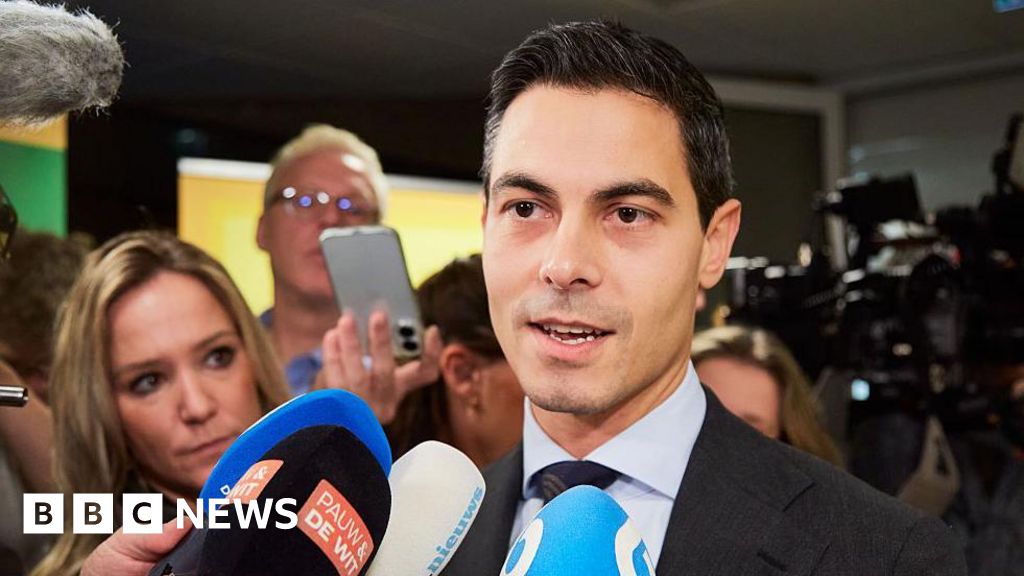
In a significant turn of events that could ripple across the European Union and beyond, Rob Jetten and his centrist liberal party, Democrats 66 (D66), have narrowly edged out Geert Wilders of the Freedom Party in the recent Dutch general election. With projections indicating Jetten’s victory, this result signifies more than just a local political shift; it signals a potential recalibration of the Netherlands’ stance within the EU and its approach to overarching international alliances. Although Wilders had led opinion polls prior to election day, the final tally reveals that Jetten’s positive, unity-focused campaign strategy succeeded in consolidating vital city votes across Rotterdam, The Hague, and Utrecht. Projected at 26 seats with potential to reach 27, Jetten’s narrow majority underscores a fragile political landscape—a delicate balance that, if maintained, could influence European policy trajectories for years to come.

According to election officials and international analysts, Jetten’s victory is emblematic of a broader regional shift away from populist anti-immigration narratives promoted by Wilders. The Dutch electoral landscape now moves toward a coalition-building process requiring strategic alliances with conservative, left-wing, and centrist parties—a process fraught with complexity and potential delays. Historically, such multi-party negotiations in the Netherlands have taken months, often stalling reforms at critical junctures. International organizations like the European Parliament are watching closely, as shifts in Dutch leadership have historically impacted EU cohesion, especially on immigration, climate policy, and security initiatives. If Jetten, at just 38, becomes the youngest prime minister in Dutch history, his governance could herald a new era emphasizing pragmatic centrism, which analysts claim may soften some of the more radical EU populist waves but also risk alienating voters disappointed by the protracted coalition process.

From a geopolitical impact perspective, the election outcome serves as a geopolitical ballast, balancing internal European pressures with external threats. With Russia’s continued assertiveness in Eastern Europe and rising tensions over immigration, the Netherlands’ political orientation carries weight beyond its borders. European diplomats and foreign policy experts warn that a stable, centrist Dutch government might serve as a moderating influence on EU foreign policy, especially concerning the ongoing Ukraine conflict and relations with China. Conversely, a prolonged coalition formation process, as predicted by observers like former Dutch Prime Minister Dick Schoof, could leave the country vulnerable to external pressures—a scenario that history warns could embolden adversarial actors seeking to exploit political uncertainty in key EU states. The delicate dance of Dutch votes thus holds the power to tilt the continent’s geopolitical balance—an unfolding saga with ramifications far exceeding borders.

As history continues to write itself in real-time, the victory of Jetten’s centrists over Wilders’ populists reminds the international community that the currents shaping our future are often determined quietly—yet profoundly—in the ballot boxes of small nations like the Netherlands. The coming months will reveal whether Jetten’s coalition can finally forge a stable government, capable of confronting the pressing crises of our era, or whether internal missteps could usher in a new wave of uncertainty. With each vote, society writes a page into the difficult narrative of democracy—its contours swirling with ambition, fear, hope, and the relentless pursuit of stability amidst the chaos of a tumultuous age. For now, the world watches with bated breath, aware that this story—this pivotal chapter—has only just begun to unfold.”

Autistic teen's plea for extra exam time overlooked by council, raising concerns about inclusive support
Autistic teen’s plea for extra exam time overlooked by council, raising concerns about inclusive support

Discrimination and the Struggle for Inclusivity in Education

Recent cases like that of Joshua, a 10-year-old boy diagnosed with autism and ADHD, have cast a spotlight on the ongoing \_battle for fair treatment within our education system.\_ Despite professional recommendations that he be granted 25% extra time during his 11+ exams—necessary accommodations to support his neurodiverse needs—Kent County Council (KCC) denied this request, citing adherence to established \_equalities law\_.

Joshua’s mother, Nicky, a qualified teacher and leader in special educational provision, expressed her dismay, asserting that her son was \_let down\_ by the system that should be designed to embrace inclusivity. Her critique echoes a broader societal tension: while our laws advocate for equality, their implementation often falls short for vulnerable communities, especially when bureaucratic procedures overlook professional advice or individual circumstances.

Communities and Families Bearing the Brunt of Systemic Gaps

Families like Nicky’s exemplify the profound personal toll. Her advocacy underscores how social issues extend beyond policy documents, directly influencing familial well-being and the future prospects of children with special needs. The disconnect between official guidelines—such as those from the Joint Council for Qualifications—and local authorities’ interpretations reveals a \_cultural gap\_ that hampers genuine inclusion.

Within many communities , families are torn between fighting for their children’s rights and grappling with systemic indifference. Sociologist Dr. Alan Goodman notes that social policies often unintentionally perpetuate \_demographic divides\_, especially affecting working-class families who lack the resources for persistent legal or bureaucratic battles. This disparity fuels a cycle where children with neurodivergence, instead of receiving tailored support, are simply sidelined or dismissed, contributing to a social fabric increasingly frayed at its edges.

Transformative Potential Through Education and Cultural Shift

Experts like Jess Hendrickx, a neurodivergent assessor and author, emphasize that **education alone isn’t enough; a societal shift toward **\_greater understanding and empathy\_\_** is essential.** The conversation around \_neurodivergence\_ has gained unprecedented momentum, yet the challenge lies in translating awareness into action. As sociologist Dr. Emily Carter underscores, \_inclusivity is a cultural commitment\_ that requires local authorities, educators, and communities to prioritize personalized support over rigid standards.

  • Implement comprehensive training for teachers and officials on neurodivergent needs
  • Develop policies flexible enough to accommodate diverse learning styles
  • Engage families as equal partners in educational planning
  • Ensure legal adherence while respecting individual circumstances

Ultimately, the core issue remains the society’s moral obligation to nurture its youngest members, ensuring no child is left behind simply because bureaucratic procedures are ill-equipped to recognize human diversity.

As society stands at this crossroads, the hope of transformation flickers like a distant star—fragile but enduring. The challenge is to build a future where social justice in education is no longer an aspiration but an unwavering reality, lightening the path for souls like Joshua, and reminding us all that in our collective striving, humanity’s true strength is found.

Devon man loses mental health support, kills stranger in park — tragic reminder of system failures

System Failures and the Fragile Tapestry of Our Communities

In a tragic saga that underscores the profound societal repercussions of mental health neglect, the murder of Lorna England in Devon reveals significant gaps in the support systems intended to protect our most vulnerable. As investigations have shown, the intersection of mental health services, community safety, and technological vulnerabilities can have devastating consequences. The case of Cameron Davis, a man with known mental health issues whose threats went unaddressed due to administrative failures and system cyber-attacks, exemplifies how the breakdown of social safety nets endangers families and destabilizes communities.

The inquest disclosed critical shortcomings: Davis was known to mental health services since late 2021, yet on the day he murdered England, a series of missed opportunities and systemic failures culminated in tragedy. Despite warnings from Davis himself—both to police and medical personnel—that he would kill someone if not detained—these alerts were either ignored or inadequately acted upon. Notably, an emergency call made by a mental health nurse seeking police assistance was delayed due to technical glitches, attributed to a cyber-attack that corrupted NHS records, effectively removing Davis from the system’s radar. Such failures highlight the societal dilemma of reliance on digital infrastructure that is vulnerable to cyber threats and administrative oversight.

During the inquest, experts emphasized that mental health teams followed proper procedures in their assessments, but the absence of a dedicated care coordinator set the stage for missed interventions. The senior coroner, Philip Spinney, pointed out that a multi-agency risk assessment could have been convened had Davis been properly documented and monitored. This emphasizes that, when families face the repercussions of administrative errors—especially those rooted in technological vulnerabilities—the fabric of societal safety begins to fray. The question remains: how do we strengthen these safety nets to prevent future tragedies?

Social Challenges and the Need for Systemic Reform

  • Technological vulnerability: Cyber-attacks compromising vital health records expose dangerous gaps in digital security, risking the safety of at-risk individuals and the communities they belong to.
  • Community and professional disconnect: Despite clear warnings, the collective failure to act decisively illustrates a disconnection among police, healthcare, and social services, undermining efforts to mitigate risks for vulnerable populations.
  • Insufficient resource allocation: The case underscores the importance of allocating sufficient resources and establishing protocols for multi-agency collaboration, especially for individuals with complex mental health needs.

Furthermore, sociologists and social historians warn that “the erosion of community-based mental health services and reliance on digital systems alone risk creating a society where vigilance becomes a false substitute for proactive care,” as sociologist Dr. Lisa Carter notes. Our communities, especially those in rural or underserved regions, bear the brunt of these systemic deficits. The moral obligation to safeguard these lives requires not just technological fortification but a cultural shift—prioritizing compassionate, coordinated care over bureaucratic complacency.

As society grapples with these dilemmas, the image of families torn apart and communities fractured serves as a stark reminder of our collective responsibility. “Are we willing to accept the status quo,” asks mental health advocate Tom Reynolds, “or will we finally confront the uncomfortable truth that safeguarding our society depends on unwavering commitment to mental health care, technological resilience, and community engagement?” The case of Lorna England is an urgent call for reform—not only of policies but of societal values—to ensure that no other family endures such heartbreak.

In the silent moments following these tragedies, society is compelled to reflect: how do we mend the social fabric torn by neglect, misinformation, and systemic failure? Perhaps, in our pursuit of technological progress and administrative efficiency, we have overlooked the importance of human connection. Yet, there remains hope that, through renewed vigilance, community solidarity, and moral resolve, we can write a new chapter—one where our societal systems serve not just efficiency, but compassion. A future where tragedies like this become echoes of the past, rather than forewarnings of what society has failed to prevent.

West Yorkshire Parents of Neurodivergent Kids Call for Stronger Support System

Society’s Silent Crisis: Neurodivergent Families and the Glaring Gaps in Support

In recent months, families across the UK have sounded a chorus of concern, revealing a systemic failure in supporting neurodivergent children and their families. Underdiagnosis, inadequate post-diagnostic support, and overwhelming waiting times are not just bureaucratic stumbling blocks—they are societal failures that ripple through families, schools, and entire communities. The stories emerging from West Yorkshire and beyond underscore a disconcerting truth: neurodivergent children are often left isolated, and their parents are pushed to their limits without meaningful assistance.

Parents like Louise Moller from Leeds, whose son Noah was diagnosed at age five, describe a distressing pattern. “They gave us a few sessions and some leaflets, then dropped us,” she laments, highlighting an overarching issue where diagnostic processes are quick, and support networks are scarce or non-existent. This abandonment leaves families in a state of helplessness, often forcing them into roles of advocates and caregivers without the necessary resources. Such challenges are exemplified by the case of Kerri-Anne Ball, who began the autism assessment process for her son at age two but received her official diagnosis only at age four. Even then, her query about ongoing support was met with a stark silence—their case file was closed, and support ended at diagnosis. This pattern of minimal engagement fuels feelings of uncertainty and despair that leave many feeling forgotten by the very institutions meant to serve their needs.

More troubling are the prolonged wait times—according to NHS statistics, as of June 2024, over 236,000 individuals in England—including children—wait for autism assessments, while up to 549,000 others are awaiting evaluations for ADHD. These delays are not mere statistics but a representation of families forced to navigate their journey alone, often in silence. As social commentators and sociologists like Dr. Andrew Wills have observed, the waiting game exacerbates social exclusion, especially for vulnerable children whose educational development may be hindered. Furthermore, the social tensions generated by these gaps threaten to deepen divisions, as communities wrestle with the stigma and misunderstanding surrounding neurodiversity. The moral imperative is clear: early diagnosis is crucial, but it must be accompanied by sustained support—something that currently remains elusive for many.

Fortunately, amid the darkness, local charities like Northorpe Hall Child & Family Trust are pioneering efforts to reconceptualize support. Rosa Forrest, the organization’s lead for neurodevelopmental issues, emphasizes the importance of community-based interventions, noting that many parents feel unheard and isolated. Her initiative, Me + My Normal, brings parents into the fold alongside their children, fostering a shared space for understanding and resilience. These efforts, though vital, are only a palliative in a landscape that desperately needs systemic reform. Social commentators, including Dr. Lisa Grant, argue that society must recognize the human toll—*not just in academic or bureaucratic terms but in how families weather a storm of neglect*—and respond with urgent, dedicated funding for both diagnostics and ongoing support services.

In the final analysis, society stands at a crossroads. The stories of Louise, Kerri-Anne, Miriam, and Rosa are not isolated incidents but voices of a larger, systemic crisis—the neglect of our most vulnerable. As society grapples with these social fissures, perhaps hope lies in a collective awakening of empathy and action. The challenge remains: will society recognize that the true measure of our progress is how we support those most in need? In the quiet resilience of families enduring these hardships flickers a light—a hope that society’s conscience can be awakened, transforming neglect into nurture, indifference into advocacy. After all, the real society we build tomorrow depends on how fiercely we fight for the children and families today.

Diane Keaton’s Family Thanks Fans for Enduring Love and Support Following Actress’s Passing

In the landscape of American culture, few figures evoke the essence of timeless artistry and personal authenticity as profoundly as Diane Keaton. Her recent passing at age 79, caused by pneumonia, prompts us to reflect not only on the transient nature of life but on the enduring power of arts and culture as repositories of our collective memory and expressions of societal identity. Keaton’s career, spanning more than five decades, exemplifies how *film*, as a mirror of the human condition, sustains the threads of tradition and innovation that weave our social fabric. Her portrayal of characters grounded in sincerity and wit resonates deeply within the philosophical notion, —as Ortega y Gasset might suggest—— that culture is a ‘horizon’ shaping the pursuit of individual fulfillment.

Throughout her illustrious career, Keaton became a defining icon of a cultural ethos that prizes authenticity, wit, and an unapologetic approach to style—marked notably by her trademark turtlenecks, hats, and thick-rimmed glasses. Her role in Annie Hall, which earned her an Academy Award in 1978, is emblematic of her ability to encapsulate modern existential dilemmas within a comedic, yet profound, cinematic language. Her collaborations with auteurs like Woody Allen—stars in films like Manhattan, Love and Death, and Play It Again, Sam—embody an era where intellectual undercurrents and artistic experimentation redefined American culture. These works serve as living documents of the shifting values, where tradition meets modernity, echoing Tocqueville’s observations about the American penchant for reinvention rooted in cultural foundations.

As the Western world confronts rapid social change, the importance of cultural memory becomes even more evident. Keaton’s influence stretches beyond her performances; her style and wit have become symbols of a resilient tradition that values individual expression and societal continuity. The tributes from her peers—like Goldie Hawn describing her as leaving “a trail of fairy dust,” or Bette Midler calling her “brilliant and extraordinary”—highlight the cultural reverence for those who embody a kind of artistic patriotism. These reflections serve as reminders that cultural icons are not merely entertainers but are custodians of societal values, bearings upon which a community’s identity is constructed. To quote Chesterton, culture is the thoughts we think after we’ve thought them, reaffirming the role of such figures in maintaining the continuity of shared wisdom, humor, and style.

In the end, Keaton’s legacy reminds us that culture is neither a static relic nor a fleeting trend but a living monument—both memory and prophecy. Her films, her style, her wit form a tapestry woven with threads of tradition, innovation, and human aspiration. As we consider her passing, let us hear that whisper echoing through history: culture is humanity’s living memory, a prophecy of the future yet to be realized, a testament to our constant quest for meaning amid the shifting sands of time. In embracing the essence of Keaton’s spirit, we are invited to see our shared humanity anew—not merely as individuals passing through life but as custodians of a cultural legacy that endures, inspiring the generations yet to come.

Mass Youth Show Support for Palestine Across Australia, Promise Continued Protests After Gaza Ceasefire

As tensions in the Middle East continue to ignite a global response, countries across the world are witnessing a surge in activism and diplomatic maneuvers that reveal the profound geopolitical impact of recent events. The recent ceasefire deal brokered by Donald Trump in Gaza initially brought a glimmer of hope for peace, but skepticism remains high among international analysts. The deal, which has temporarily alleviated some violence, remains unpopular among many Palestinians and defending voices who argue that real change requires more comprehensive negotiations and local consultation, not just US-led agreements. Many see this move as yet another example of how powerful nations, particularly the United States, influence conflicts to serve broader strategic interests, often at the expense of self-determination for the Palestinian people.

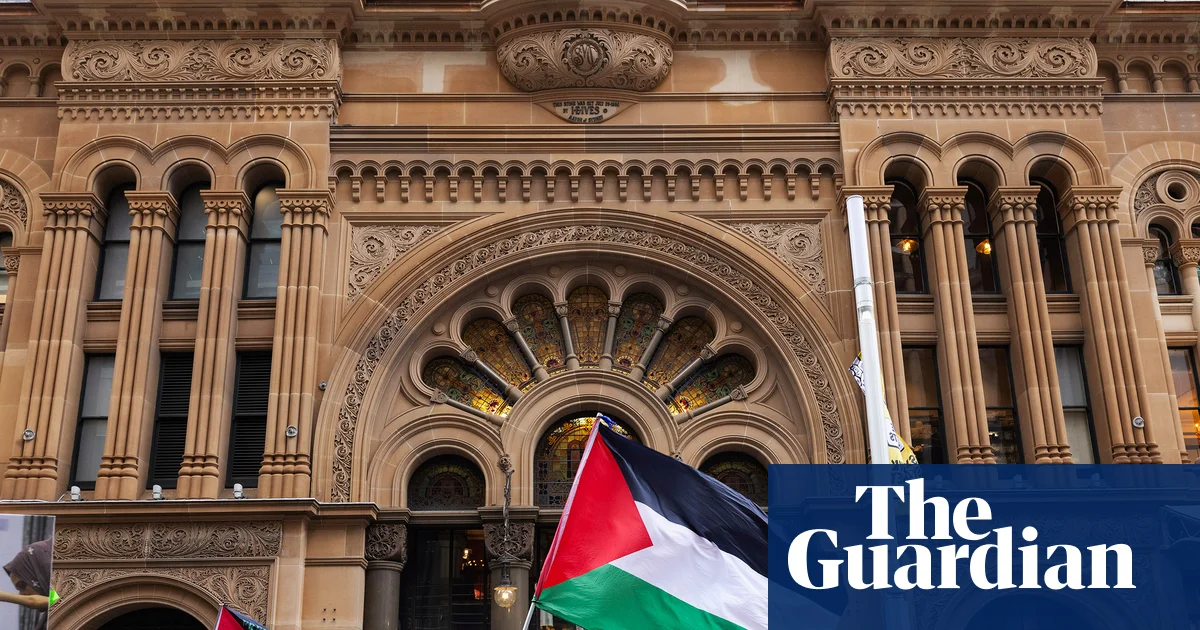
In Australia, waves of demonstrations underscore how global conflicts inexorably ripple into local political and social spheres. Tens of thousands have gathered in cities like Sydney, with organizers affirming an enduring commitment to supporting Palestine. Despite police estimates of 8,000 attendees in Sydney, reports indicate that the rallies are far larger, symbolizing widespread concern and a sense of shared responsibility among youth and activism groups. Notably, these protests aim to maintain pressure on Australian policymakers to implement more aggressive sanctions on Israel and cease trade in military equipment—a move supported by numerous analysts who see economic leverage as a vital tool for fostering real change. The significance of these protests lies not only in the numbers but in their defiance against a backdrop of international diplomacy often perceived as tepid or superficial, further exemplified by the recent Gaza ceasefire mediations.”

The protests also carried a personal and emotional weight, as many families like Shamikh Badra and Abubakir Rafiq highlighted the ongoing human tragedy—families torn apart and lives on hold while seeking justice and closure. These deeply personal stories serve as a stark reminder that decisions made on political and diplomatic levels have immediate, devastating effects on societal fabric and individual lives. International organizations, including Unrwa and Unicef, are preparing to deliver aid to Gaza, an effort seen as critical in a region where the aftermath of the recent conflict continues to threaten survival and stability.

Among the most striking features of this rising activism is the resilience of grassroots movements that challenge institutional constraints. In Sydney, protesters defied the NSW court of appeal and police opposition, demonstrating how civil disobedience remains a powerful tool for marginalized voices. Leaders like Jenny Leong of the NSW Greens have explicitly condemned the influence of Trump and his policies, warning against the dangerous precedent set when the future of Palestinians is dictated by foreign powers rather than their own communities. In history, such local acts of defiance have often foreshadowed larger geopolitical shifts, and observers warn that as conflicts persist, the struggle for self-determination and justice becomes increasingly intertwined with global power calculus.

As the world watches this unfolding narrative—a testament to the enduring complexity of geopolitics—a somber realization emerges: the decisions made in diplomatic chambers and on city streets will echo for generations to come. Each rally, each diplomatic summit, and each tragic story from Gaza and beyond weaves into the fabric of history, reminding us that in the age of globalized conflict and intervention, the fight for sovereignty, justice, and peace remains an ongoing saga where the weight of the past shapes the unpredictable contours of the future.

Australia News Live: Hecs Debt Relief Starts November – Waters Demands More Support for Detained Flotilla Activists

Global Power Play: Navigating Conflicts, Alliances, and Domestic Policy Shifts

In an era where the geopolitical landscape shifts rapidly, nations are increasingly compelled to reassess alliances and strategic priorities. Australia, under the leadership of Prime Minister Anthony Albanese, exemplifies this dynamic as it grapples with complex international issues—from supporting activists attempting to break the Gaza blockade to navigating climate commitments and domestic policy reforms.

One of the most striking international developments involves the interception of a flotilla attempting to breach the naval **blockade on Gaza**, aimed at delivering critical aid to the beleaguered Palestinian territory. Six Australians who participated face detention by **Israel**, prompting calls from Australian politicians, including opposition figures such as Larissa Waters, for the government to escalate diplomatic efforts. Waters has demanded greater action from Foreign Minister Penny Wong, including “calling on the Israeli ambassador” and even contemplating the expulsion of that ambassador if Australia’s nationals are not treated with due security and respect. The situation underscores the **geopolitical impact** of America’s close alliance with Israel—a relationship that many analysts argue complicates Australia’s ability to adopt a balanced foreign policy amid rising tensions.

Meanwhile, in domestic policy, the Albanese government has announced significant steps to ease economic burdens for Australians. Starting mid-November, the **Higher Education Contribution Scheme (HECS)** debt will be cut by 20%, a move aimed at alleviating the student debt crisis faced by millions. This policy shift, backdated to balances as of June, reflects a broader economic strategy to boost domestic affordability and social mobility. Critics, however, argue that such measures serve political ambitions more than systemic reform, especially as debates around **climate change** intensify. The Greens, led by Larissa Waters, have repeatedly accused the government of ignoring expert advice—asserting that the **62-70% emissions reduction targets** are “low-balled” and favoring coal and gas industries with too lenient policies. This rift demonstrates how domestic policy decisions are deeply intertwined with **global climate commitments**, which, if rushed or compromised, could undermine Australia’s credibility on the international stage.

In the broader arena, the **Green parties worldwide** are pushing hard for environmental protections and a shift away from fossil fuels. Waters has called for an end to native forest logging and stronger environmental safeguards, criticizing the government’s willingness to negotiate with powerful fossil fuel interests—particularly the notorious “go zones” that reportedly include 22 coal projects seeking approval in the Bowen Basin. International organizations like the Climate Change Authority warn that actual commitments are insufficient to meet the looming climate crisis, a concern echoed by Australian experts who emphasize that **how nations choose to act now will define their legacy**. The tension between economic growth’s reliance on fossil fuels and the urgent need for ecological sustainability continues to be a defining feature of Australia’s **geopolitical impact** on global climate efforts.

As these internal and external tensions unfold, history remains at the crossroads. Decisions made in the coming months will resonate across nations—impacting alliances, influencing international perceptions, and shaping the lives of generations to come. From the **growing unrest in Gaza** to the **policy debates within Australia’s halls of power**, it is clear that the true test of leadership is whether a nation can uphold justice, security, and sustainability—all while navigating the turbulent currents of the world’s future. The unfolding narrative is a stark reminder that history’s weight lies not just in the decisions of today, but in the legacy of what is yet to be written.

Parents deserve real support — Why is free 30-hour childcare still out of reach?

In recent years, the landscape of childcare in the United Kingdom has undergone significant shifts, reflecting broader societal transformations and underlying social tensions. The expansion of government-funded childcare hours represents a conscious effort by policymakers to bolster family stability and support working parents. As of 2025, working parents with children aged nine months to four years can access 30 hours per week of funded childcare during term time—an increase from previous provisions and an acknowledgment of the critical role early childhood education plays in society’s fabric. However, beneath these policy initiatives lies a complex reality for families and communities, shaped by economic pressures, staffing shortages, and regional disparities.

While the scheme has benefitted approximately 530,000 more children since its expansion, the challenges are evident. The high costs of childcare remain a major societal concern, with the average full-time nursery place costing £12,425 annually for children under two — a figure that has declined by 22% following recent policy implementation. Yet, affordability is not evenly distributed across the nation. Wales, for instance, witnesses the highest average costs at £15,038, while Northern Ireland reports monthly expenses around £520 for infants. For working families, the financial burden of early childhood care can hinder employment prospects and economic independence, especially in social strata where household incomes are lower and “childcare deserts” are more prevalent, according to Ofsted. 

The quality and accessibility of early years education are further compromised by systemic issues. The decrease in the number of childminders—as fewer providers operate in private homes—exacerbates regional inequalities, creating disparities that sociologists like David H. Shonnard have identified as deeper manifestations of *social stratification*. The government’s promise to add 100,000 new childcare places and foster more nurseries could help bridge the gap, but the distribution remains unequal, with disadvantaged communities disproportionately impacted. Many children from these backgrounds are now receiving fewer free hours—nor is there clear evidence that current efforts sufficiently reach the most vulnerable families.

The moral question at the core of this social issue revolves around the societal responsibility to nurture equitable childhood development and empower families. Early childhood sociologists like Katherine Levine Einstein emphasize that investing in affordable, accessible quality care is not merely a family issue but a societal imperative. As policymakers debate funding rates and regulations, the human cost of inaction endures in communities where parental employment hinges on unreliable or prohibitively expensive childcare. With the societal fabric stretched thin, the hope remains that continuous reform, combined with community-driven solutions, can transform these challenges into opportunities. Society’s true resilience lies in its capacity to adapt, to believe in a future where every child, regardless of social standing, begins life on an equal footing—so that society as a whole can thrive in the face of longstanding social tensions and economic uncertainties.

Social Media Auto Publish Powered By : XYZScripts.com