Matox News

Truth Over Trends, always!

Hegseth touts successful US strike on suspected drug smuggling boat

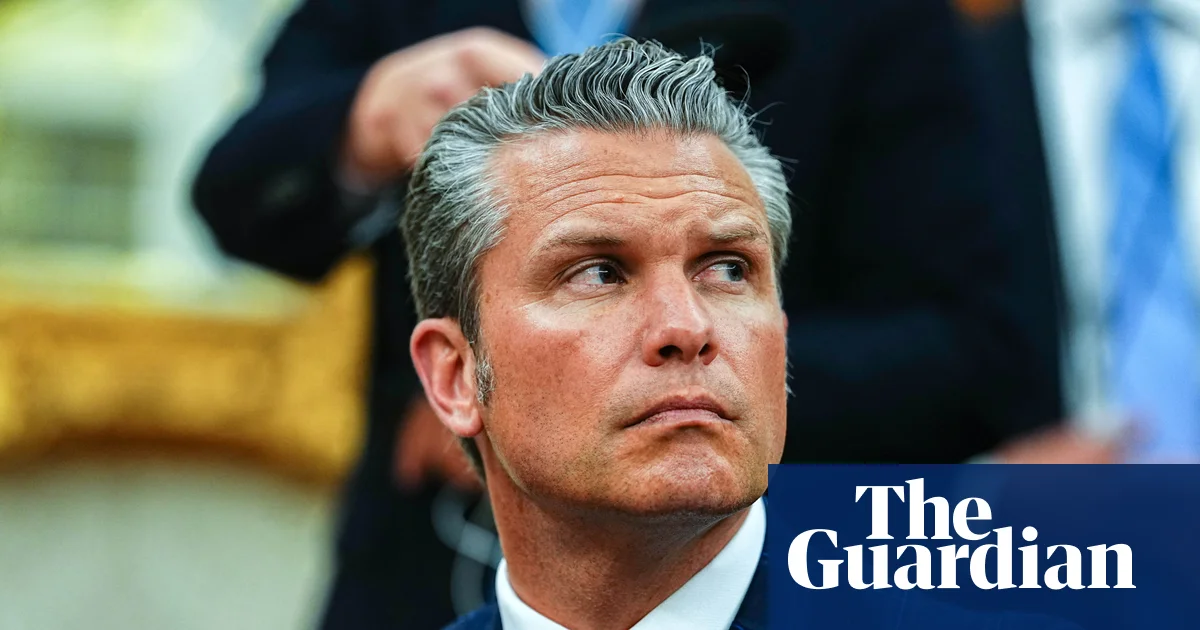
The United States continues its assertive military push in the South American and Caribbean regions, signaling a shift towards more aggressive tactics in its ongoing war against drug trafficking and perceived threats. Defense secretary Pete Hegseth announced a recent deadly strike against a vessel suspected of ferrying illegal narcotics. This strike, which claimed two lives, marks at least the 16th in a series of actions authorized by the Trump administration, raising crucial questions about the legal justifications and the broad implications of such unilateral interventions. The administration claims it is engaged in an armed conflict with drug cartels and foreign terrorist organizations, but critics and lawmakers alike demand more transparency and adhere to international norms.

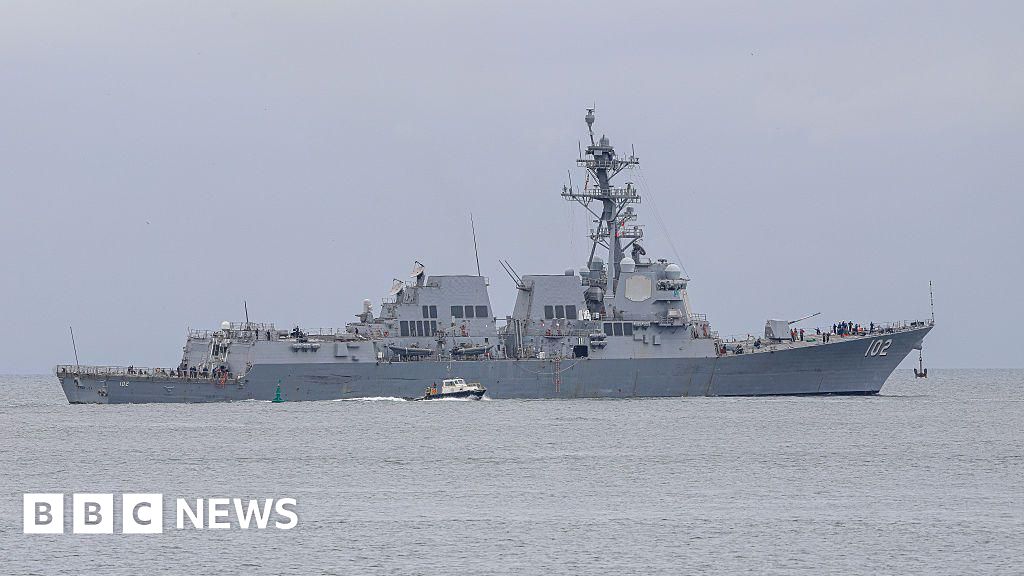
This escalation coincides with the deployment of the USS Gerald R. Ford aircraft carrier to the Caribbean, a move that signifies the extent of America’s military buildup in the region. Having left the Mediterranean through the Straits of Gibraltar, it joins a formidable fleet—including destroyers like the USS Bainbridge and USS Winston Churchill—forming a show of force that many analysts see as an effort to assert dominance over critical maritime routes. Experts from think tanks warn that such actions could destabilize regional diplomacy, creating a climate of uncertainty that threatens both regional stability and international law. This buildup is not merely about combatting drugs but is viewed as a broader message of U.S. geopolitical resolve amid rising tensions with rival powers.

International response to these American maneuvers remains divided. While some narrative voices inside the U.S. emphasize a need for ‘tougher’ stance against illicit trafficking, others, including diplomatic organizations and historical analysts, interpret these moves as part of a strategic effort to project power and influence in an increasingly contested global arena. The deployment of large naval assets to Latin America underscores a broader trend identified by geopolitical scholars: the U.S. aims to capitalize on regional vulnerabilities, positioning itself as both protector and hegemon. Meanwhile, whether these actions will bring peace or further conflict remains a matter debated in global corridors, where the tension between security and sovereignty plays out.

As the smoke of recent bombings clears and the ships traverse international waters, the weight of history presses heavily upon the unfolding narrative. The decisions made today echo through decades, shaping the future alliances and conflicts that will define the global order. With each vessel, each strike, the silent story of ambition, power, and the relentless pursuit of America’s strategic interests continues—leaving the world on the precipice of a new chapter where the lines of engagement are redrawn and the true cost of such power is written in the shadows of history yet to be fully revealed.
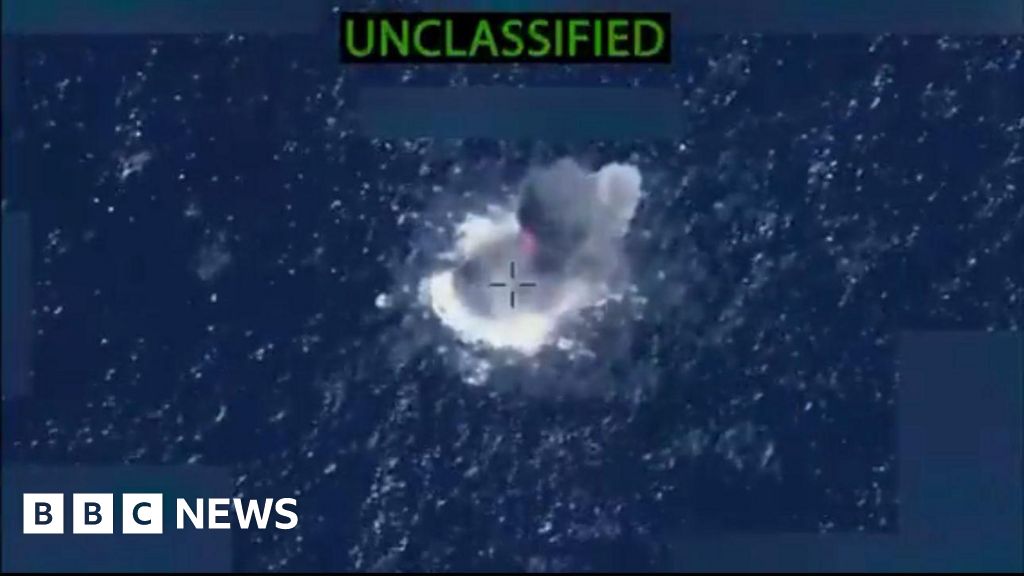
US strikes wipe out 14 suspected drug traffickers at sea

The recent series of military strikes conducted by the United States in the Pacific and Caribbean regions mark a defining moment in contemporary geopolitics. Under the authority of President Donald Trump, US forces have targeted four vessels suspected of drug trafficking—resulting in the deaths of 14 individuals and the injury of at least one survivor rescued by Mexican search-and-rescue teams. These actions, which the Pentagon claims are part of an ongoing campaign against narcotrafficking, underscore a more assertive US military posture. Such operations ignite debates over international legality—with critics, including experts and regional governments, condemning these strikes as disproportionate and potentially unlawful under established international law.

By escalating to attacks at sea in the eastern Pacific, the US emphasizes its intention to dismantle transnational drug networks operating along critical trafficking corridors. Defense Secretary Pete Hegseth has highlighted the intelligence-based nature of these operations, asserting that the vessels were transitioning along known narcotic routes with “narco-terrorists” onboard. Yet, this aggressive stance raises significant implications for regional stability and sovereignty. Countries such as Colombia and Venezuela have publicly voiced strong opposition, accusing the US of bypassing diplomatic protocols and provoking diplomatic crises. The Colombian government, for instance, describes the attacks as “disproportionate,” highlighting the legal and moral dilemmas spurred by unilateral military actions in international waters.

The geopolitical impact extends beyond the immediate regions; critics interpret the US military expansion as part of a broader strategy to exert influence and control over Latin America’s resources. The Venezuelan government, under President Nicolas Maduro—whose legitimacy is widely disputed following the 2024 elections—has accused Washington of “fabricating an eternal war” aimed at regime change. Maduro’s regime warns that the US aims to seize Venezuela’s vast reserves of gold, oil, and copper, tasks which are increasingly viewed by analysts as attempts to secure economic dominance over the region’s natural wealth. Meanwhile, international organizations like the United Nations have called for restraint and respect for sovereignty, emphasizing the need for a rule-based international system amidst rising US assertiveness.

The unfolding of these events signals a dangerous escalation that could reshape the international landscape. The US’s reliance on military force to combat drug trafficking and its alleged expansion into land-based targets, should approval be granted, risks a broader conflict. Many see this as a warning—an alarm bell for a world on the brink of renewed Great Power rivalries, where diplomacy and legal frameworks are overshadowed by military might. As history unfolds, whether these actions will lead to a more secure international order or sow the seeds of further instability remains to be seen. What is certain is that these decisions will leave undeniable marks upon the fabric of global diplomacy, writing a new chapter in the ongoing story of power, sovereignty, and conflict—one where the weight of history presses heavily on every decision, every strike, and every response across the vast theater of international relations.

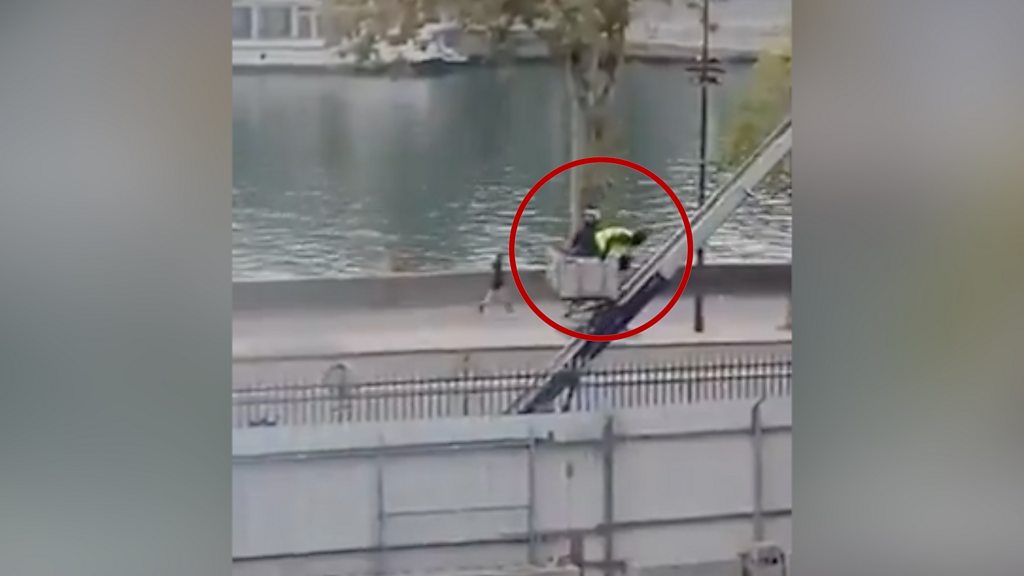
Video surfaces of suspected thieves fleeing—Could justice be on the horizon?

High-Profile Louvre Heist Sparks Global Outcry and Strategic Overhaul

In a startling incident that has sent shockwaves through the international community, Paris-based authorities are grappling with the aftermath of a brazen theft at the Louvre, one of the world’s most iconic cultural institutions. Video footage publicly emerging shows two suspects making their daring escape on a mechanical ladder in broad daylight, shortly after they infiltrated the museum and stole an estimated €88 million worth of France’s crown jewels. This event underscores not only a glaring security failure but also signals an urgent need for global institutions to reassess their protective measures amidst rising threats to cultural heritage.

Security Failures and Strategic Shortcomings in Cultural Preservation

According to Laurence des Cars, the director of the Louvre, the incident exposed critical vulnerabilities, notably the insufficiency of surveillance infrastructure. She admitted that the museum had only one CCTV camera monitoring the gallery where the jewels were displayed—a lapse that facilitated the thieves’ quick and unchallenged operation. The fact that the thieves managed their escape within less than eight minutes after the breach illustrates just how vulnerable such institutions remain in an era marked by increasing organized crime. Parisian prosecutors have confirmed that police have collected up to 150 DNA samples and fingerprints, yet the perpetrators remain at large, highlighting the difficulty in preventing sophisticated break-ins.

The stolen items included historically priceless artifacts—a necklace and earrings gifted by Napoleon Bonaparte to his second wife, Marie-Louise. Significantly, amidst the chaos, a 19th-century diamond-studded crown belonging to Empress Eugenie was dropped during the ransacking and, despite being recovered, was heavily damaged—likely crushed as thieves pried it from its case. This act not only represents a cultural loss but also exemplifies a reckless disregard for history and heritage. Such events compel international organizations to reevaluate their security protocols, especially when targeted assets are intertwined with national identity.

Global Implications and the Threat to Cultural Institutions

The Louvre theft underscores a broader trend affecting cultural institutions worldwide—an increase in well-coordinated, high-stakes burglaries driven by the lucrative black market for priceless artifacts. Analysts warn that such incidents threaten international heritage and create destabilizing narratives that can fuel political instability. Experts from organizations like INTERPOL have voiced concerns about the rise of organized crime syndicates specializing in art theft, which exploit gaps in security to pillage cultural icons. On a geopolitical level, this not only erodes shared history but also impairs soft power, as nations must scramble to protect their cultural legacy from becoming commodities for illegal trades.

In response, France announced plans to double CCTV coverage at the Louvre and surrounding sites, acknowledging that previous security measures were inadequate. Yet, this incident raises a stark question: how many other cultural treasures worldwide are vulnerable due to similar logistical gaps? As historians and security analysts debate the profound turning points in antiquities preservation, this event leaves a haunting question in the air—will global authorities prioritize meaningful security reforms before more artworks vanish into the shadows of illicit markets?

As history continues to unfold amid this dark chapter, the weight of this act reverberates far beyond Paris’ borders. The theft is not merely a loss of gold and jewels—it’s a challenge to the sovereignty and cultural identity of a nation, now etched into the ongoing struggle for safeguarding humanity’s collective memory. The story remains unwritten, and the world watches as the remnants of this audacious heist threaten to threaten the very fabric of civilization’s shared history.

US Troops Take Down Suspected Drug Boat, Killing Two in Pacific Operation

United States forces have initiated a new chapter in its ongoing war against drug cartels, striking a vessel in the Pacific Ocean believed to be engaged in trafficking activities. Confirmed by the Pentagon, this operation marks the eighth US military action against suspected drug vessels since September, yet it bears unique geopolitical significance as the first such strike in the Pacific waters. Defense Secretary Pete Hegseth reported the vessel was known to US intelligence, suspected of carrying narcotics along established trafficking routes in international waters. The operation resulted in two casualties onboard, with perpetrators killed, while no US forces suffered harm.

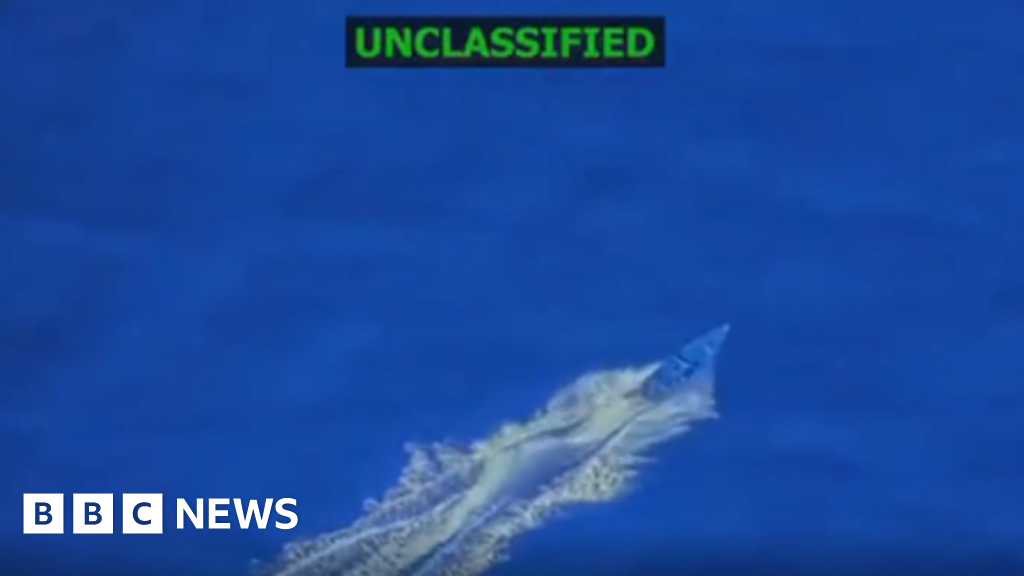
This escalation in counter-narcotics efforts highlights an intensifying US stance against the transnational drug trade, which has long influenced regional stability and security. Video footage of the strike shows a long, blue speedboat being struck by US ordinance, underscoring the military’s resolve. Hegseth issued a stern warning in a statement on X: “Narco-terrorists intending to bring poison to our shores will find no safe harbor anywhere in our hemisphere.” He further emphasized that these criminal organizations, which US officials often classify as terrorist entities, are waging a war not only on American soil but also across our borders, with economic and societal repercussions for entire nations.

Meanwhile, the geopolitical impact extends beyond immediate military actions. A recent leaked memo from the Trump administration revealed that US officials now consider their conflict with drug trafficking organizations to be a non-international armed conflict. The ongoing strikes have reportedly resulted in at least 36 deaths, including members of drug cartels operating in the Caribbean and the Pacific, with some suspects being repatriated and cleared of wrongdoing. Yet, critics and international analysts continue to debate the legality and strategic efficacy of these operations, warning that such unilateral military actions risk escalating tensions and destabilizing fragile regional relationships. Significant concern exists over how these aggressive strikes influence neighboring countries like Colombia and Ecuador, both critical gateways for cocaine trafficking toward US markets.

The emerging tension between the US and Colombia under President Gustavo Petro signals a shifting alliance landscape. Recently, Donald Trump publicly labeled Petro as an “illegal drug leader,” accusing the Colombian government of encouraging drug cultivation, and announced the suspension of US aid to Colombia—one of America’s longstanding Latin American allies. Such diplomatic strains threaten the stability of the region’s geopolitical fabric, particularly as Colombia and Ecuador’s extensive Pacific coastlines serve as crucial transit points for narcotics funneling northward. According to the Drug Enforcement Agency (DEA), most cocaine destined for US streets passes through this Pacific corridor, fueling the demand-driven chaos that these military operations aim to dismantle. Nevertheless, US officials acknowledge limited transparency surrounding the identities of those killed and the precise cartels involved, adding layers of ambiguity to the broader strategic narrative.

As approximately 10,000 American troops, supported by dozens of ships and aircraft, remain deployed across the Caribbean and Pacific in what some analysts describe as a “peninsula of fire,” the U.S. stance underscores a broader geopolitical gamble. This relentless pursuit of what officials term as “justice” for drug trafficking networks risks inflaming regional tensions and provoking nationalist backlash in Latin America. The narrative remains clear: how decisions made in Washington echo through the corridors of power in Bogotá, Quito, and beyond, shaping the future of international security and sovereignty. As history continues to unfold, these militarized strikes stand as stark reminders of a persistent struggle — where the battle against the drug trade becomes a testament to the complexities of sovereignty, the limits of force, and the unyielding weight of geopolitical destiny.

Four Dead in US Navy Strike Against Suspected Drug Run Near Venezuela

US Military Operations in Latin America: A Step Toward {External Enforcement and Conflict Escalation}

The recent U.S. strikes against suspected drug trafficking vessels off the coast of Venezuela mark a significant escalation in regional military engagement, raising questions about the evolving geopolitical landscape in Latin America. According to Defense Secretary Pete Hegseth, these operations are conducted in international waters and target boats allegedly transporting massive quantities of narcotics destined for the United States. The U.S. claims such actions are integral to protecting its citizens from the devastating impact of drug violence—yet they also ignite global legal and diplomatic disputes, which could fundamentally reshape regional stability.

Critics, including international lawyers and regional governments like Venezuela and Colombia, have condemned these strikes as potential breaches of international law. The legitimacy of unilateral military actions in international waters remains fiercely debated among experts such as Harvard international law professor Mollie Roberts, who warns that such operations might undermine existing treaties dedicated to preserving sovereignty and avoiding unlawful escalation. The U.S. government’s recent move to frame drug trafficking as a form of armed attack, especially through a leaked memo announcing a “non-international armed conflict” with drug cartels, signals an alarming shift toward legally dubious grounds for military intervention. This move could grant the U.S. expansive powers beyond traditional law enforcement, possibly setting a precedent for future conflicts worldwide.

Consequences of {Military Overreach} and {Regional Sovereignty}

The geopolitical impact of America’s aggressive tactics in Latin America extends far beyond mere law enforcement. By positioning drug cartels as terrorist organizations, the U.S. has given itself sweeping authority—effectively recategorizing criminal enterprises as threats comparable to conventional warfare, a move that critics argue erodes sovereignty and invites further regional destabilization. The response from Nicolás Maduro and other regional leaders has been one of sharp condemnation, emphasizing their commitment to defend <> from perceived aggression. Such adversarial stances threaten to deepen divisions, potentially leading toward a new Cold War dynamic across the continent.

International bodies like the United Nations have yet to take decisive action amid reports that the U.S. plans further military strikes. Analysts warn that continuous escalation could trigger unforeseen consequences, including the destabilization of fragile democracies and a surge in anti-American sentiment across Latin America. The region, historically buffeted by external powers, now finds itself at a crossroads—struggling with the delicate balance between sovereignty and external influence, with many citizens questioning whether these military operations serve their best interests or merely advance geopolitical ambitions.

Stakes for the Future and the Weight of History

As history unfolds on these treacherous waters, the actions of America and regional nations will likely echo for generations. The categorization of drug trafficking as a warfare threat signals a profound shift in the narrative—one that risks turning a fight against crime into an open-ended conflict that could rewrite international norms. The recent strikes, while framed as self-defense, push the boundaries of legal justification and raise fundamental questions about the limits of military power in pursuit of domestic security. As international organizations and legal experts watch anxiously, the weight of history looms—it may be remembered as the turning point from a century of cooperation to a new era of geopolitical confrontation.

In the end, the ongoing saga in Latin America’s waters serves as a stark reminder of the thin line separating order and chaos. The decisions made today—whether to pursue aggressive unilateral policies or seek multilateral solutions—will undoubtedly shape the destiny of nations and societies. With each strike, the world watches a narrative written in real-time, a stark reminder that history’s pen is never silent—only waiting for the next chapter to be written in the uncertain book of global power.

Social Media Auto Publish Powered By : XYZScripts.com