Matox News

Truth Over Trends, always!

El Salvador starts major trial for 486 suspected gang members—standing up against crime and chaos

In a decisive move that underscores El Salvador’s relentless campaign against organized crime, the country’s authorities have initiated a mass trial involving 486 suspected members of the MS-13 gang. This unprecedented judicial effort marks a pivotal chapter in the nation’s ongoing struggle to reclaim stability and safety amidst years of violence and criminal dominance. The attorney general’s office revealed that the accused collectively stand accused of over 47,000 crimes spanning a decade—including murder, extortion, drug trafficking, and arms smuggling—highlighting the brutal scale of the gang’s influence within the country.

Footage from the trial, broadcast via video link, shows large groups of detainees in prison, illustrating the size and scope of law enforcement efforts. *Such mass proceedings, however, raise *serious concerns among international observers and human rights advocates.* The United Nations experts have criticized these tactics, asserting that mass trials “undermine the exercise of the right to defence and the presumption of innocence of detainees.” This critique points to a broader debate: can swift, severe justice truly justify the potential erosion of fundamental rights? El Salvador’s government remains resolute, asserting that they possess “compelling” evidence capable of imposing “maximum penalties” on those convicted, emphasizing their commitment to justice over international criticism.

Historically, the push for aggressive anti-gang measures in **El Salvador** reflects a wider ideological shift within parts of the global south—favoring tough-on-crime policies that prioritize security over process. Analysts argue that the Salvadoran government’s approach is a response to the failure of softer policies and a recognition that criminal corporations like MS-13 wield significant socio-economic power that can only be countered with assertive action. Nevertheless, critics warn that such strategies risk setting dangerous legal precedents, potentially sacrificing due process for short-term security gains. The United Nations and numerous human rights organizations highlight the danger of overlooking civil liberties in the pursuit of order, arguing that the long-term social costs of undermining legal safeguards could prove disastrous.

  • El Salvador’s government defends its crackdown as essential in dismantling deeply entrenched criminal networks that threaten civil order.
  • International bodies express concern over the fairness and legality of mass trials, cautioning against setting a precedent that could be exploited elsewhere.
  • The global perception of **El Salvador** as a nation willing to sacrifice constitutional protections raises profound questions about the balance between security and liberty.

As global analysts analyze this turbulent chapter—where justice and human rights seem to collide—the situation underscores a broader geopolitical impact: increasingly, **Latin American** nations and others plagued by similar crises are contending with the limits of sovereignty versus international standards. The actions of **El Salvador** are watched carefully, not just for the immediate results but for what they portend for the future of law and order in fragile democracies. With international organizations sharpening their critiques and rights groups mobilizing, the specter of a new paradigm—one where security trumps process—looms large. In this intensity, history remains unwritten, edging toward an uncertain future, as **El Salvador**’s government transforms its response into a test case with implications for the entire Western Hemisphere.

Iranian woman busted in US for suspected arms smuggling to Sudan

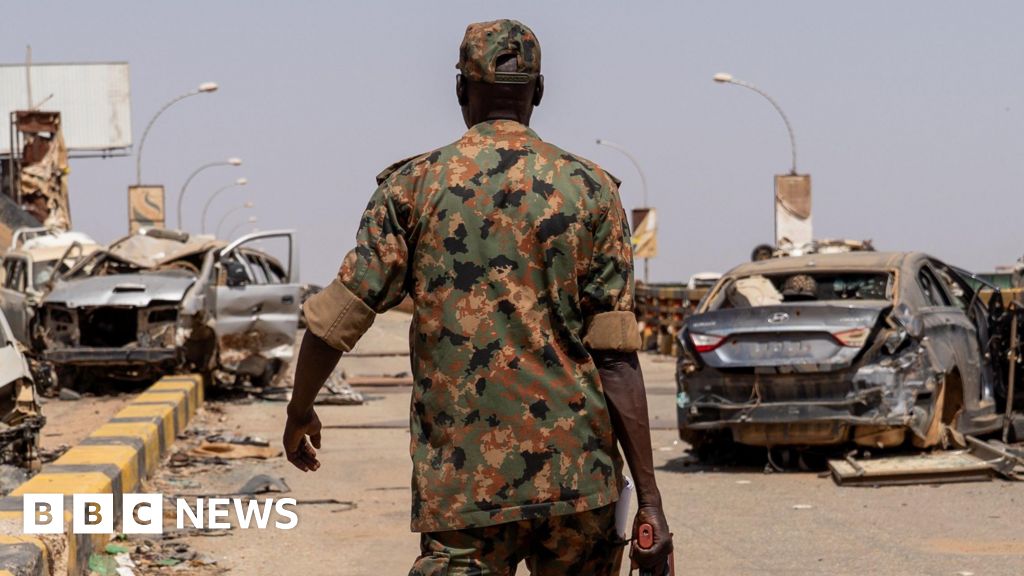
In a significant crackdown on illicit arms trafficking, Shamim Mafi, a 44-year-old individual, was apprehended at Los Angeles International Airport this past Saturday. According to authorities, Mafi is accused of acting as a broker in a global arms supply chain linked to Iran, implicating him in the covert sale of drones, bombs, bomb fuses, and millions of rounds of ammunition. These weapons are alleged to have been manufactured in Iran and illegally sold to Sudan, exacerbating regional conflicts and destabilizing fragile peace efforts in Africa’s volatile borderlands. First Assistant US Attorney Bill Essayli confirmed the arrest via social media platform X, marking a notable development in the ongoing struggle against illicit arms proliferation.

This arrest underscores a broader geopolitical pattern: the persistent efforts of United States and other Western nations to clamp down on Iran’s clandestine military exports, which remain a source of concern for international security. Analysts argue that the trafficking of advanced weaponry, especially to regions like Sudan where internal conflicts are entrenched, further complicates diplomatic efforts and regional stability. As historian Dr. Marcus Jennings notes, “Iran’s offshore arms dealings have long been a thorn in the side of international diplomacy, challenging the efficacy of sanctions and peace initiatives aimed at curbing violence in vulnerable nations.”

The arrest of Mafi comes amidst heightened tensions over Iran’s wider strategic ambitions in Africa and the Middle East, as well as ongoing debates surrounding the impact of foreign interference in regional conflicts. The international community, through organizations like the United Nations, has repeatedly condemned such illicit activities, warning that they could trigger a cascade of further destabilization and humanitarian crises. The incident in Los Angeles reveals the extent to which geopolitical conflicts ripple across continents—what begins as a clandestine deal on American soil can ignite new waves of violence in distant war zones. As global powers watch closely, the question remains: how will international actors respond to these persistent threats, and what lessons will be learned about the efficacy of current measures?

  • Key event: The arrest signals a renewed focus on transnational arms smuggling networks linked to Iran.
  • Impact: Increased tension between Iran and Western nations, particularly over security and diplomatic challenges.
  • Broader consequence: The potential for a reevaluation of international sanctions and border security protocols.

As history’s pages turn, this incident serves as a stark reminder of the fragile balance of power in our interconnected world. Decisions made in the corridors of justice and diplomacy directly impact lives thousands of miles away—from the streets of Khartoum to the Western capitals—highlighting the interconnected chess game of modern geopolitics. With each arrest, each treaty, and each diplomatic maneuver, the weight of history presses down, shaping the future of nations and societies alike. The unfolding saga of arms, conflict, and diplomacy underscores that in the arena of global power, the stakes are nothing short of civilization’s future, and the clock of history continues relentlessly forward, forging a new chapter in the ongoing struggle for peace and security.

KP Sharma Oli, ex-PM, detained over suspected role in deadly protest crackdown in Nepal

Nepal’s Political Landscape Shifts as Former Prime Minister KP Sharma Oli Faces Justice

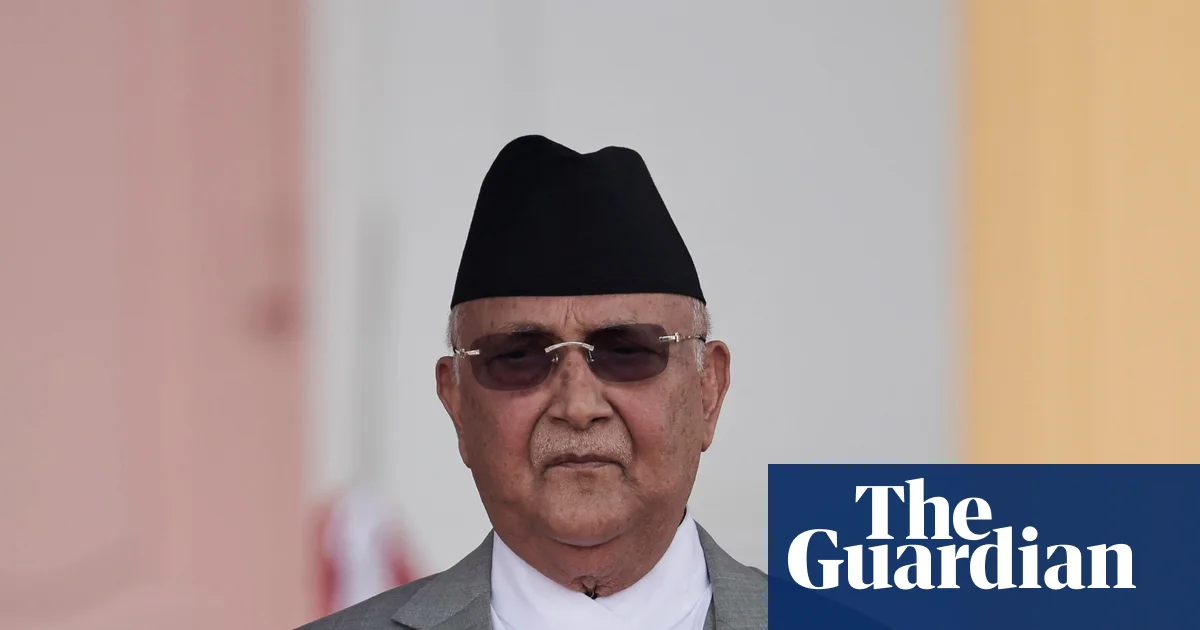
The arrest of KP Sharma Oli, Nepal’s former prime minister, marks a profound turning point in the country’s ongoing struggle for justice and political accountability. Oli, who has served three terms in office, was detained early Saturday morning on charges related to his alleged role in the deadly crackdown against youth-led protests that erupted last year. The protests, largely driven by Gen Z activists upset over social media bans, corruption, and nepotism, left dozens dead, with the political climate reaching a boiling point. Oli’s detention, along with that of his former home affairs minister Ramesh Lekhak, underscores a growing international and domestic consensus that impunity for state violence cannot be tolerated. This dramatic move signals a possible dawn of accountability in Nepal, an essential shift in a nation long plagued by political turbulence and weak rule of law.

The recent developments come scarcely days after Balendra Shah—widely known as Balen—was sworn in as Nepal’s new prime minister, in a victory triumphing over entrenched veteran politicians. Shah’s campaign was rooted in promises of justice for the September protests, which led to violent clashes, arson, and the collapse of the previous government. His rise is being viewed by analysts as a revolt against the corrupt old political guard—a coalition that had long controlled Nepal’s political scene amidst widespread allegations of nepotism and mismanagement. Influential think tanks and international observers emphasize the geopolitical impact of this fresh political wave, seeing Nepal’s shift as part of a broader regional push against corruption and authoritarian tendencies. Still, the specter of state violence and political repression hangs heavy, prompting cautious scrutiny from global watchdogs about the rule of law in the Himalayan nation.

The arrest of Oli, a figure deeply entangled in Nepal’s recent troubled history, is also a reflection of the country’s intense internal struggle for justice. The government-backed report, leaked publicly, accuses Oli, Lekhak, and police leadership of negligence—recommending severe prison sentences for their alleged failure to prevent the deadly shootings. The warning from police spokespeople that the arrests follow an investigation commission’s recommendations illustrates an emerging precedent: holding former leaders accountable, even decades after their tenure. Such actions resonate globally, echoing the recent movements in other post-authoritarian states where historical violence is confronting long-standing immunity. The international community, including regional powers like India and China, is watching closely, aware that Nepal’s internal stability and how it handles the justice process will influence the geopolitical balance in South Asia for years to come.

In the wake of these upheavals, Shah’s government faces monumental challenges that extend beyond domestic politics. The conciliation between old and new, the rebuilding of trust, and the enforcement of justice are critical for the country’s future stability. The fate of Oli and those involved in the deadly crackdown will reverberate far beyond Kathmandu’s borders, serving as a potent reminder that history often demands a steep toll before justice can be served. As Nepal stands at this crossroads, the country’s path remains uncertain—an unfolding narrative with the potential to redefine regional geopolitics, but also a stark warning: when the pursuit of justice collides with entrenched power, the resulting storm can shape the course of history itself.

Sweden captures captain of suspected Russian covert fleet ship

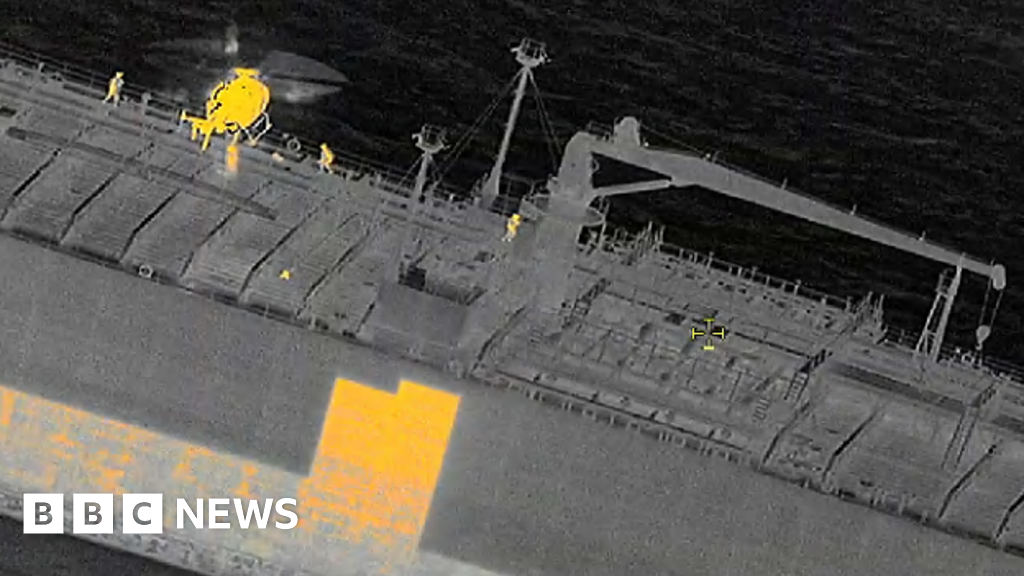
In a concerning development that could ripple across maritime security and international law, it has emerged that the skipper of the vessel Sea Owl One is suspected of producing forged documents during a recent boarding by coast guard authorities. This incident, seemingly isolated at first glance, underscores the broader vulnerabilities in maritime border control and the ongoing geopolitical contest for influence over vital sea lanes. As nations enhance their maritime patrols and security protocols, the discovery of forged documents raises serious questions about the prevalence of illicit activities in contested waters and the potential for diplomatic tensions to escalate.

Experts caution that such acts of document forgery are often tied to larger networks engaged in illegal trade, smuggling, or even terrorist activities. The International Maritime Organization (IMO) and other global watchdogs have long warned about the increasing sophistication of these schemes, which threaten the stability of international shipping routes. The incident involving Sea Owl One specifically highlights a pressing challenge: how to effectively enforce maritime law amid the complex web of international jurisdiction. As analysts from various think tanks point out, the forgery not only complicates the enforcement process but also undermines trust in maritime documentation—an essential component of global commerce.

From a geopolitical perspective, the event resonates far beyond the immediate region. Countries bordering strategic chokepoints such as the Strait of Malacca, the Strait of Gibraltar, or the Bab el-Mandeb are increasingly vigilant as maritime security operates at the intersection of national interests and international cooperation. The incident serves as a stark warning to maritime nations about the potential for covert activities to threaten broader security architectures. Historically, maritime disputes have often escalated when trust erodes, prompting international institutions like the United Nations to call for tighter regulations and intelligence sharing to prevent such occurrences from spiraling into conflict.

While the authorities have yet to release a comprehensive statement, the incident underscores the fragile nature of maritime sovereignty in an era marked by epochal shifts—such as the rise of China’s maritime ambitions and the strategic recalibration of Russia in global waterways. How nations choose to respond—whether through hardened security measures or diplomatic negotiations—will likely influence the course of regional stability for years to come. As history keeps its relentless march forward, this seemingly small breach could foreshadow larger power struggles that threaten to reshape the maritime geopolitical map and redefine the balance of influence for a new generation.

Chelsea sale funds under probe for suspected ‘criminal proceeds’—Roman Abramovich’s deal in question

Jersey authorities are now embroiled in a high-stakes investigation that could reshape perceptions of one of the most high-profile cases of international finance and governance: the 2022 sale of Chelsea FC by Roman Abramovich. The billionaire oligarch’s sale, which netted a staggering £2.4 billion, has since become a geopolitical chess piece, caught in the crossfire of global sanctions and local investigations into alleged proceeds of crime. As London’s political establishment debates the fate of this frozen wealth, analysts warn of the wider geopolitical impact: the outcome could set a precedent for how nations manage the assets of sanctioned individuals amidst turbulent international conflicts.

The core of the dispute rests on the origin of Abramovich’s amassed wealth, which is under scrutiny for potential links to corruption and money laundering. The accounts for Fordstam Ltd—through which the oligarch owned Chelsea—reveal that part of the funds, earmarked for future use, may be tainted by illicit activity. Jersey’s attorneys are assessing whether the assets, currently held in a Barclays bank account and accruing interest, are derived from activities that could be classified as criminal in origin. This stands as a crucial turning point in how international jurisdictions handle wealth tied to individuals linked with authoritarian regimes—particularly Vladimir Putin’s Russia—a nation where the chaotic rise of capitalism amidst state influence created a fertile ground for wealth with questionable origins, as noted by numerous historians and financial analysts.

  • According to legal documents, Abramovich’s funding of Chelsea involved loans routed through offshore entities, notably a £1.4 billion interest-free loan from Jersey-based Camberley International Investments Ltd.
  • Jersey prosecutors are examining whether these assets, or the net proceeds from the Chelsea sale, could constitute proceeds of crime.
  • The UK government, already at odds with Abramovich since sanctions were imposed following Russia’s invasion of Ukraine, claims the money should not be diverted for personal or political gain.
  • Meanwhile, Chelsea’s current owners have created a £150 million financial buffer, a safeguard designed to mitigate potential penalties under the ongoing investigations.

Global institutions and strategic analysts are watching the unfolding story with intense interest because of its broader implications: it underscores the danger of illicit financial flows crossing borders in an increasingly interconnected world. Some international bodies warn that allowing questionable assets to be diverted or hidden could undermine anti-corruption efforts and empower authoritarian regimes’ corruption networks. Conversely, defenders of Abramovich insist that ongoing investigations are politically motivated, and that the assets are lawfully acquired. Yet, as the Jersey-based inquiry delves deeper, it raises uncomfortable questions about how the global community must strike a balance—protecting property rights while denying resource streams to regimes that threaten international stability.

As history continues to unfurl, the Chelsea FC saga becomes a microcosm of a larger struggle: the battle between national sovereignty and international accountability, between the rule of law and geopolitical expediency. The unresolved fate of Abramovich’s fortunes may yet serve as a warning—an ominous reminder that in today’s world, wealth can be both a tool for progress and a weapon for chaos. The final chapter remains unwritten, but its lessons will echo across generations, shaping how nations confront the shadowy nexus of power, money, and politics in the age of global disorder.

UK detains three men over suspected Chinese espionage activity

The Metropolitan Police have announced that they are investigating three men suspected of aiding Chinese intelligence services within the United Kingdom. This development marks a significant escalation in concerns over foreign interference in domestic affairs, with implications that stretch across the geopolitical landscape. Authorities believe that these individuals may have facilitated espionage activities, aiming to deepen influence and collect sensitive information, a practice increasingly scrutinized amid escalating tensions between London and Beijing.

The investigation, confirmed by senior officials, underscores a pattern seen in recent years: foreign espionage networks operating covertly on Western soil. Analysts highlight that China’s intelligence apparatus has grown more aggressive, seeking to extend its reach into Western political, economic, and technological spheres. The UK’s intelligence community has consistently raised alarms over the potential threat of such clandestine activities, viewing them as a strategic challenge intertwined with broader geopolitical rivalries. As historian and security analyst Dr. Emily Carter notes, “This isn’t just about a few individuals; it signals an increasingly assertive Chinese effort to influence and gather intelligence in global strategic centers.”

Meanwhile, international organizations such as the United Nations have issued warnings about the growing prevalence of state-sponsored espionage and its implications for sovereignty and national security. The UK’s firm stance demonstrates an intention to *increase resilience*—adopting tighter counterintelligence measures and scrutinizing foreign academic and business networks. Relations with China remain strained, particularly as recent diplomatic disputes surrounding trade, human rights, and technological competition have deepened. This incident adds to the complex tapestry of tensions that could reshape alliances and security policies across the Atlantic and beyond.

As this story unfolds, experts warn that such espionage cases serve as a harsh reminder of the high-stakes nature of 21st-century geopolitics. The decision by the UK authorities to pursue this investigation sends a clear message: nations must safeguard their sovereignty against external threats that threaten their democratic institutions and technological infrastructure. Yet, critics caution that overreach could fuel diplomatic conflicts, risking escalation rather than resolution. The global community watches with bated breath, knowing that the ripple effects of these covert struggles will likely influence international stability long after this chapter is written. In the shadowy dance of espionage and diplomacy, history’s next defining moment waits, silently shaping the future we all share.

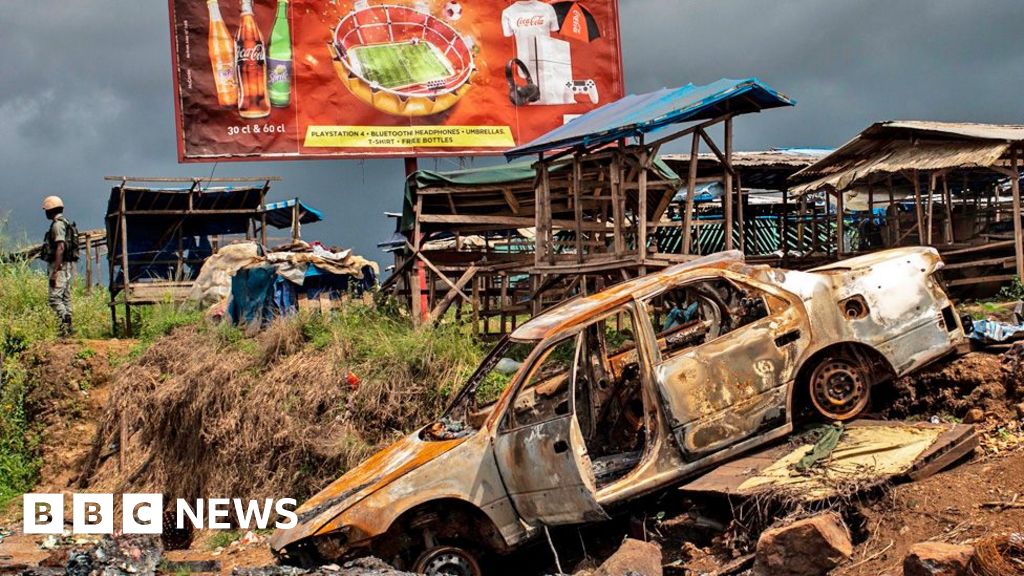
Belgium arrests three suspected Cameroon separatists in crackdown on war crimes

In recent developments, international authorities have uncovered allegations that various entities, believed to be connected to clandestine networks, are actively raising funds to sustain an armed struggle. Prosecutors from multiple jurisdictions have documented evidence suggesting that these groups are mobilizing financial resources to support ongoing conflicts, which bear significant implications for regional stability and global security. The international community watches with mounting concern, recognizing that such activities threaten to destabilize fragile peace accords and revive entrenched conflicts.

The strategic ramifications of this financial mobilization are profound. Analysts and historians warn that funding for armed conflicts tends to escalate violence, prolonging chaos and undermining diplomatic efforts. While some argue that these groups claim to fight for ideological or territorial goals, the undeniable consequence is the erosion of sovereign stability in the affected regions. Institutions like the United Nations have called for heightened vigilance and coordinated international action. Their recent reports emphasize that unchecked financial flows extend the life of conflicts, complicate ceasefire agreements, and deepen humanitarian crises.

From a geopolitical perspective, nations directly involved or neighboring conflict zones are likely to experience ripple effects that threaten their security. Various countries may be compelled to increase military spending, tighten border controls, and scrutinize financial transactions—actions that often strain diplomatic relations and stretch national resources. Moreover, the funding networks may intertwine with illicit activities such as trafficking, arms smuggling, and money laundering, further complicating the task of law enforcement agencies globally. International organizations, including Interpol and regional security alliances, are already intensifying efforts to trace and dismantle these financial pipelines, yet the challenge remains formidable.

As the world faces these mounting tensions, some voices in the diplomatic and strategic communities underscore that the decisions made today will define the trajectory of regional and global peace. Underlying conflicts are rarely purely ideological; they are fueled by economic interests, local grievances, and international power play. Historical lessons from the 20th century warn that unchecked financing of armed groups can spiral into protracted conflicts that devastate societies and derail progress. As world leaders grapple with these realities, the narrative of history is still being written—where the choices for peace or further chaos hang delicately in the balance. Yet, one thing remains certain: the weight of the future is now in the hands of those who control the flow of money and power.

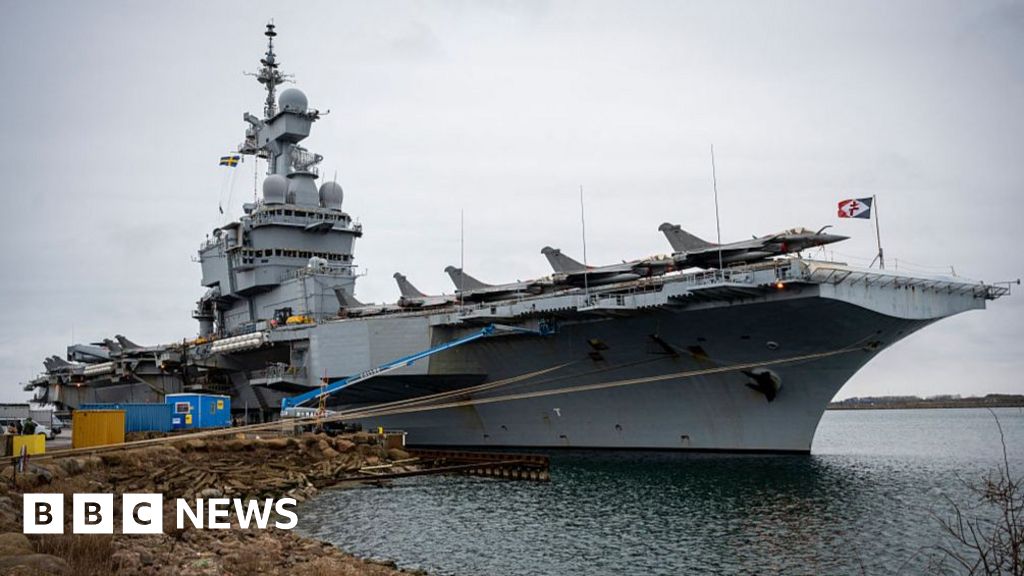
Swedish officials suggest suspected Russian drone targeted French carrier—raises tension in Europe

STOCKHOLM— In a striking display of regional concern, Swedish Prime Minister Ulf Kristersson addressed the nation from the deck of a military carrier, emphasizing the gravity of recent military incidents that have escalated tensions along the Nordic border. In a candid assessment, Kristersson declared the event, which he characterized as serious, to be not entirely unexpected, signaling a brewing storm that threatens to alter the security landscape of Northern Europe.

Kristersson’s remarks highlight a disturbing pattern, as many analysts interpret the incident as part of a broader Russian strategy aimed at projecting power beyond its traditional spheres of influence. “It is very difficult to see as a coincidence,” he remarked, pointing to the persistent tempo of Russian military movements and provocative actions that mirror tactics observed in other regions where Russia has sought to assert dominance. Historically, such behaviors have been a prelude to more aggressive policies, raising alarms both within NATO and among neighboring nations wary of increased Russian assertiveness.

International organizations and security experts have sounded the alarm over these developments. The NATO alliance, already on edge after recent provocations, views these incidents as a potential preamble to further destabilization. According to analysts from the International Crisis Group, “This pattern of behavior signifies a calculated effort by Russia to challenge the existing security order in the region, and while escalations may seem isolated, they are part of a larger strategy of intimidation and influence.” The implications of such actions extend beyond regional borders, threatening the fragile balance of peace and risking a broader confrontation that could ignite across Europe.

Decisions made today echo profoundly on the geopolitical stage. Sweden’s decision to bolster its military readiness signifies a clear shift in policy, aligning with NATO’s efforts to deter Russian expansionism. The analyses of historians like Dr. Eric L. Hanley suggest that these moments could serve as either a reaffirmation of Western resilience or, conversely, a catalyst for renewed conflict if diplomatic channels fail to contain the crisis. Meanwhile, international institutions such as the United Nations have expressed concern but lack the decisive authority to curb such aggressive maneuvers without a unified response from the West.

As the world watches, the unfolding series of provocations and countermeasures signals a pivotal chapter—one that could determine the stability of Europe for generations. The weight of history presses heavily on today’s leaders, whose choices will shape a continent teetering on the edge of a potential new Cold War. The tense silence before the next move is deafening, and the eyes of history remain fixed on the unfolding narrative, where every decision could either forge a new era of peace or plunge the region into chaos, echoing the tumult of the 20th century’s darkest hours.

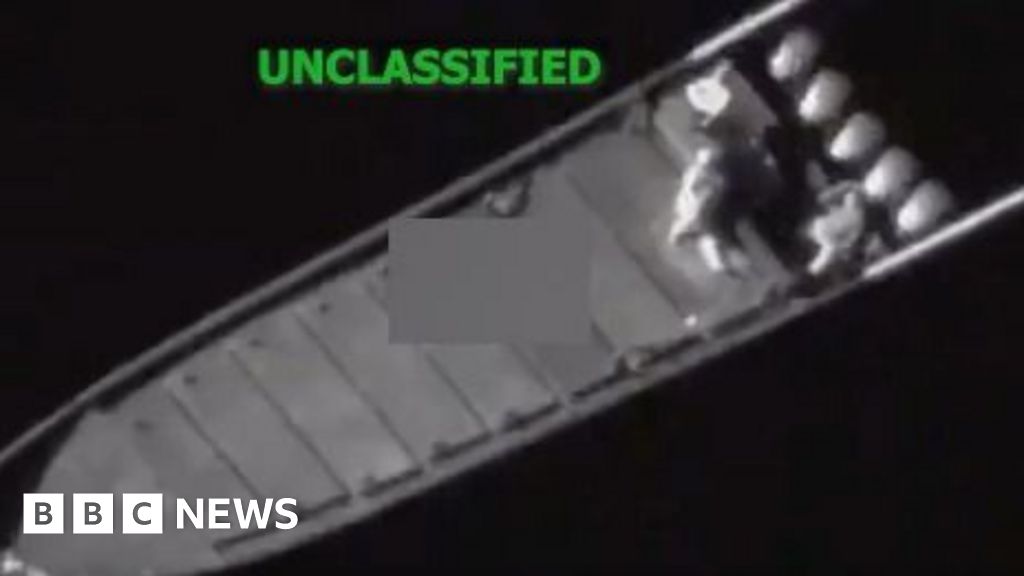
US military: 11 killed in strikes on suspected drug boats—tough crackdown continues

In recent months, a disturbing wave of violence has emerged across parts of Central and South America, with reports indicating that more than 130 individuals have been killed in supposed “narco-trafficking operations” allegedly spearheaded by the United States. These actions, which have been characterized by some analysts as aggressive counter-narcotics campaigns, are raising serious questions about their legal, ethical, and geopolitical implications. The toll on local communities and political stability underscores a critical juncture for regional sovereignty and international law.

International observers and regional authorities are divided in their responses. While some praise the efforts to combat drug cartels that threaten societal order, others caution against the overreach of foreign military and law enforcement agencies that risk violating national sovereignty. According to renowned geopolitical analysts, these operations could serve to destabilize governments, exacerbate existing violence, and foster anti-American sentiment that may ripple throughout Latin America. The U.S. government asserts that its actions are necessary to dismantle powerful criminal networks, yet critics argue this approach often results in unintended humanitarian consequences and undermines local legal processes.

From a broader perspective, the geopolitical impact of this escalation extends beyond regional borders. By engaging in aggressive anti-drug campaigns, the United States may be unintentionally fueling a narrative of interventionism that hampers diplomatic relationships with other emerging powers, such as China and Russia. International organizations like the United Nations have called for a *comprehensive, multilateral approach* to narcotics control—yet, many argue that unilateral military actions, cloaked as anti-drug efforts, undermine the very foundations of international cooperation. Historically, such strategies have often led to a cycle of violence and instability, revealing the inherent risks of substituting diplomatic solutions with force.

As histories of past conflicts remind us, the true turning point lies in understanding the complex socio-economic roots of narcotics trafficking and addressing them through sustainable development and law enforcement reforms. The growing death toll and accusations of extrajudicial killings serve as a stark warning: the pursuit of a drug-free society cannot justify disregarding human rights or sovereignty. Nations across the world watch eagerly, aware that each decision made today could shape the future stability of entire regions. The story of these violence-laden campaigns is still unwritten, yet its current chapters echo through halls of international authority—a testament to the enduring, often tragic, struggle of nations to forge peace amid chaos and to define their destiny amid the shadows of unresolved conflicts.

Chicago Mayor demands probe into suspected illegal ICE operations in the city

Chicago’s Bold Stand: A Microcosm of the U.S. Immigration and Federal Power Battle

In a move that underscores the escalating tensions between local authority and federal enforcement, Chicago’s mayor Brandon Johnson has launched a direct challenge against the federal government by instructing police to investigate and document alleged illegal activities by ICE agents within the city. This decision, encapsulated in the order titled ICE on Notice, positions Chicago as a leader among American cities resisting what many analysts characterize as overreach by federal immigration authorities. The mayor’s declaration that “nobody is above the law” underscores a broader pushback against federal statutes perceived as infringing on local sovereignty — a confrontation that resonates across the United States and signals a potential realignment of power dynamics within the nation’s federal system.

This local initiative arrives amid profound judicial and political currents. Just days prior, a federal judge rejected Minnesota’s attempt to block continuing immigration crackdowns, dismissing arguments that such initiatives violate the 10th Amendment— a landmark ruling reinforcing federal supremacy over state powers in immigration enforcement. The federal government maintains that immigration is a matter under its exclusive jurisdiction, often citing national security and border integrity. Yet, Chicago’s stance exemplifies a rapidly growing resistance from cities that believe their political and social fabric cannot be compromised by federal incursions. With activists and local officials asserting that federal operations have violated rights and destabilized communities, Chicago’s move is likely to inspire similar measures nationwide, sparking a new chapter in the ongoing debate over sovereignty and law enforcement authority.

Engineering a New Geopolitical Battlefield

  • Chicago’s executive order aims to formalize police procedures for monitoring and potentially challenging federal agents engaging in operations deemed illegal or excessive.
  • It underscores the importance of local oversight in an arena traditionally dominated by federal agencies, such as ICE and CBP.
  • Officials argue that federal immigration operations have infringed on community rights and have been shielded from accountability — unleashing a wave of protests and legal battles that further complicate the fabric of American federalism.

International scholars and think tanks now watch this dynamic with heavy interest, as such local crises threaten to reshape the geopolitical landscape of the United States. Universities like Harvard and analysts from the Council on Foreign Relations have indicated that America’s internal power struggles could weaken the country’s global standing. When local governments challenge federally defined borders of authority, it weakens the perceived stability of the U.S. constitutional order, creating ripples that extend well beyond national borders. With immigration policies at the center of this storm, some international partners and competitors see an opening to question America’s credibility on the world stage, especially as internal divisions deepen and civil unrest simmers.

Implications for Society and Future Governance

At the societal level, Chicago’s move and the broader resistance against federal immigration initiatives symbolize a fierce assertion of local interests and a pushback against perceived federal tyranny. City officials have voiced concerns that increased ICE operations have escalated conflicts, risked constitutional rights, and strained community relations. Their efforts to curb federal overreach by asserting local authority could establish a precedent for other cities, catalyzing a decentralization of immigration enforcement and lawmaking.

Meanwhile, President Biden‘s administration and federal agencies remain committed to asserting federal supremacy, citing the need for uniform national policies. But as politicians on both sides of the aisle debate the constitutional boundaries, the seeds of a constitutional crisis plant themselves deeply within American politics. Historically, such conflicts tend to accelerate societal polarization and threaten the stability of the nation’s constitutional order, especially when key states and cities challenge federal authority. The ongoing power struggle foreshadows a potential transformation of America’s political landscape, where sovereignty is increasingly fragmented, and the global image of a unified nation begins to fracture.

As this narrative unfolds, the underlying questions loom large: Will the tide of decentralization weaken the legal fabric holding the republic together? Or will federal authority tighten its grip, leading to a defining clash for the future of American governance? The echoes of history remind us that moments of profound transition are often marked by chaos and upheaval — a stark reminder that the course of a nation’s destiny is, in many ways, still being written, with each decision leaving an indelible mark on the pages of history.

Social Media Auto Publish Powered By : XYZScripts.com